Swiss gold giant MKS PAMP makes a comeback, re-entering the gold tokenization race
TechFlow Selected TechFlow Selected
Swiss gold giant MKS PAMP makes a comeback, re-entering the gold tokenization race
Although the current gold token market size is still small, MKS PAMP's industry heritage and product design give it significant potential in the RWA sector.
 Navigating Web3 tides with focused insights
Author: Zen, PANews
At a time when global gold is accelerating onto blockchains, few traditional giants have truly entered the RWA赛道 from the physical gold source. MKS PAMP, a precious metals group headquartered in Switzerland, is one of the rare exceptions: controlling a complete supply chain from refining and wholesale trading to branded gold bars, while also being determined to repackage the physical gold in its vaults into digital assets that can circulate on public blockchains.
Six years ago, it participated in launching an early gold token called DGLD, but due to premature timing and an immature market, it quickly faded into obscurity. Now, as gold tokens represented by Tether Gold (XAUT) and Paxos Gold (PAXG) approach a market size of several billion dollars and the RWA narrative heats up across the board, MKS PAMP has brought DGLD back into the spotlight by acquiring Gold Token SA.
Precious Metals Integrated Market Leader
MKS PAMP Group is a family-owned precious metals group headquartered in Geneva, Switzerland, with large-scale refineries in both Switzerland and India, and operations spanning precious metals trading, minting, supply chain distribution, and online retail.
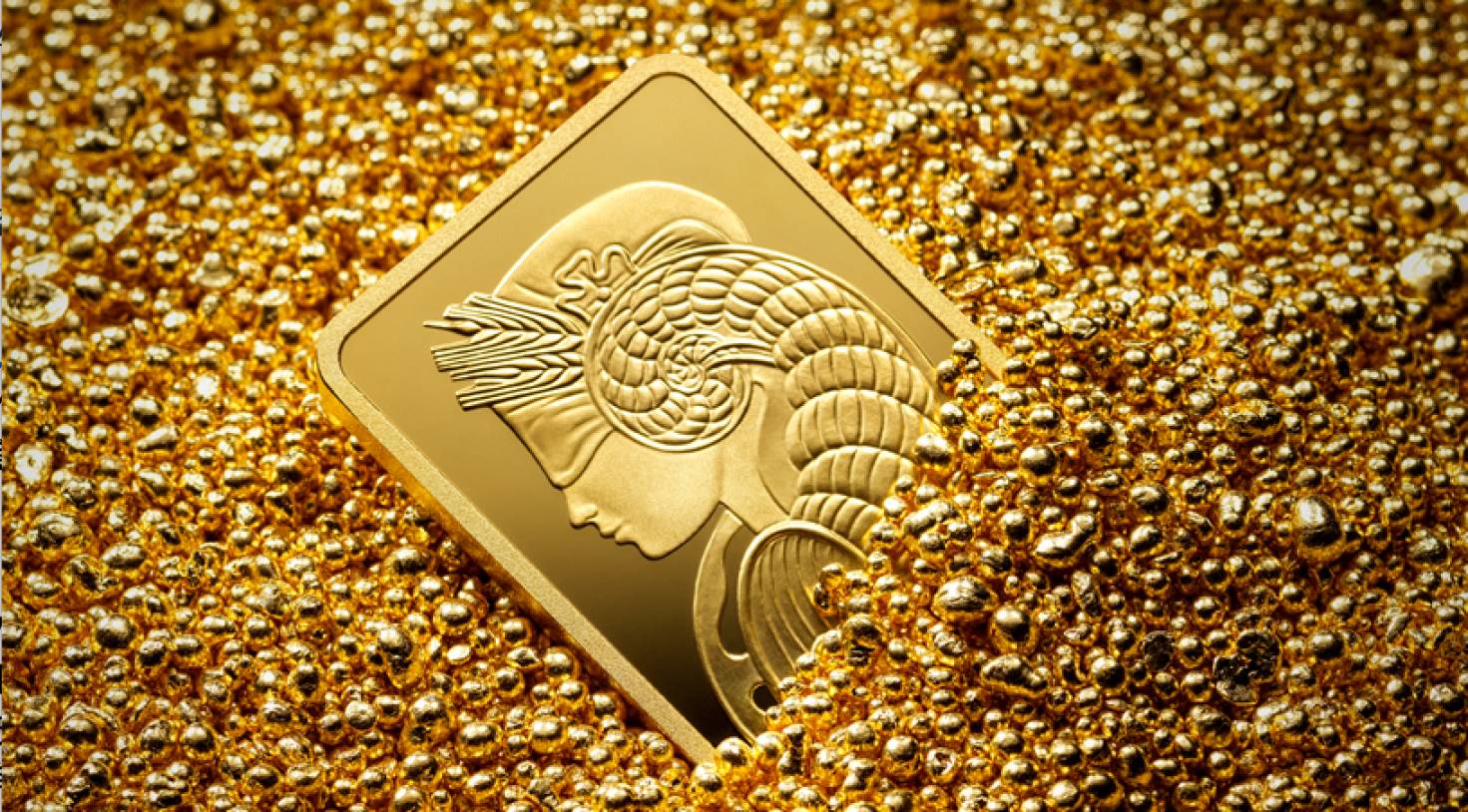
Among MKS PAMP's products, the most well-known are its small gold bars featuring the "Lady Fortuna" (Goddess of Fortune) relief design, first introduced in 1979. It became the first precious metals brand to feature decorative engravings on the back of its minted gold bars. Today, "Lady Fortuna" is one of the most recognized series in global investment-grade gold bars and is widely regarded as a premium brand in markets such as Europe, the Middle East, and Asia.
In addition, MKS PAMP holds certifications from LBMA (London Bullion Market Association) and LPPM (London Platinum and Palladium Market), the authoritative bodies of the global over-the-counter precious metals market. Its gold bars can be directly used for settlement in core markets like London and Zurich. Moreover, PAMP has long been designated by LBMA as a "Good Delivery Referee," responsible for industry standards, inspection, and arbitration—only seven companies worldwide currently hold this status.
Therefore, thanks to Switzerland’s central role in the global gold refining supply chain, MKS PAMP serves major clients such as central banks and mining companies, while also reaching individual investors through its distribution network and online channels. Overall, it can be seen as a typical integrated “top-tier player” in the precious metals industry. According to Bloomberg, MKS PAMP’s trading business accounts for about 5% of gold trading volume in the London market, making it a first-tier liquidity provider in the world’s largest gold trading hub.
In recent years, MKS PAMP Group has continued expanding—establishing a silver mint in a former aircraft hangar in Florida in 2024, and setting up a regional headquarters in Hong Kong this October to capture growth opportunities in global gold and silver demand. Beyond physical expansion, MKS PAMP has also consistently explored entry into the cryptocurrency space.
First Attempt at Gold Tokenization Six Years Ago
MKS PAMP’s first serious foray into gold tokenization dates back six years.
In October 2019, CoinShares partnered with MKS PAMP and Blockchain.com to launch a gold-tokenized product named "DGLD." Each DGLD was backed by physical gold, with custody and refining managed by PAMP, while using sidechain/side-net technology within the Bitcoin ecosystem as the ledger and transfer mechanism. The goal was to combine "gold’s value stability" with "Bitcoin network security," offering institutions and high-net-worth individuals a more transferable and programmable way to hold gold.
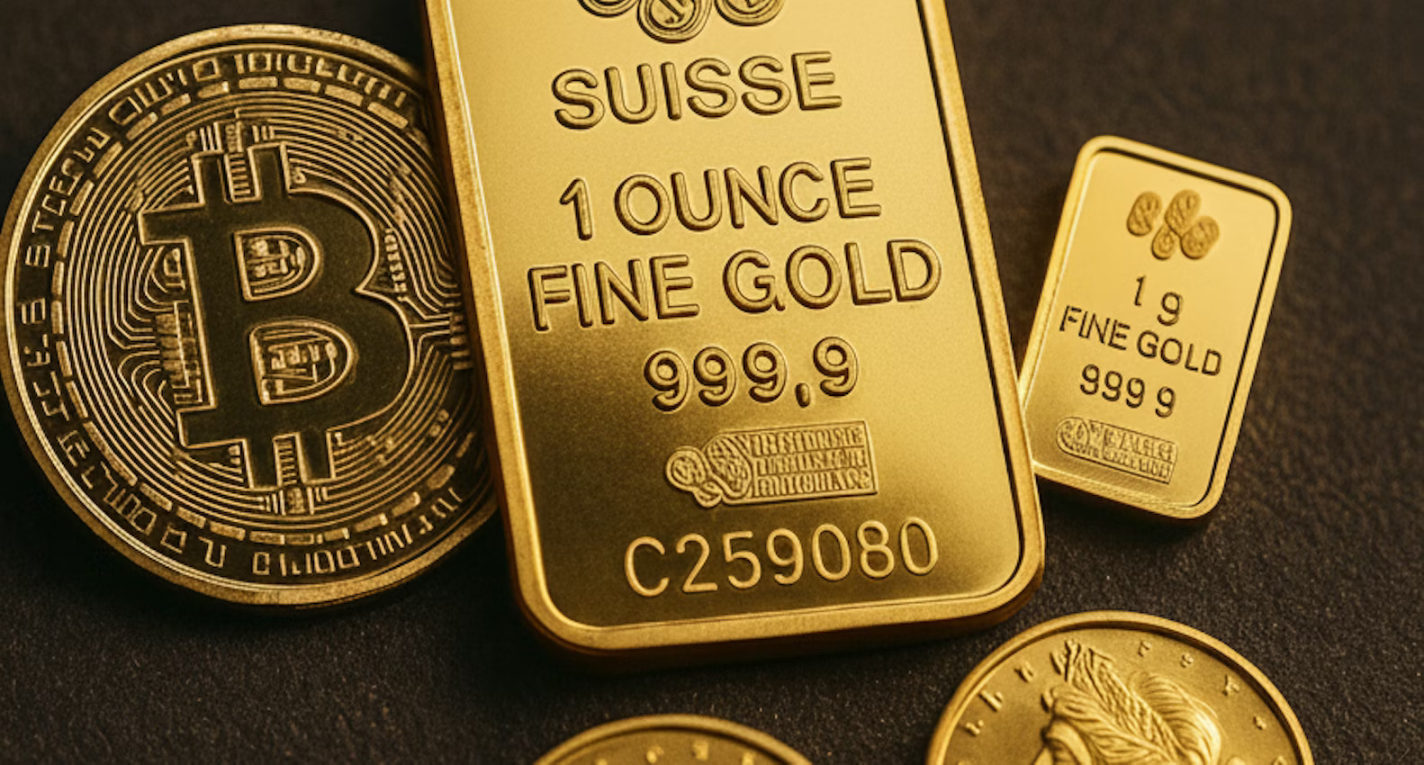
The original marketing emphasized several key selling points: full 1:1 backing by physical gold under an "allocated gold" (nominative custodial) model; storage in Switzerland with LBMA-compliant bars produced and quality-controlled by PAMP refinery; holders could redeem tokens for physical gold bars via partner platforms or trade and transfer them on supported digital platforms.
Technically, the first version of DGLD opted for Bitcoin-related infrastructure rather than the then-nascent Ethereum DeFi ecosystem. This aligned with the team’s strategic thinking: they prioritized Bitcoin’s "store of value" narrative and its relatively conservative user base over high-frequency trading and complex smart contracts.
However, the project soon fell silent. Project stakeholders later admitted that in 2019, market demand for gold tokens was still very early-stage—the awareness among institutions and retail investors, regulatory pathways, and infrastructure were not ready to support meaningful scale. Overall, MKS PAMP’s involvement in DGLD served more as a proof-of-concept and initial product test for gold tokenization.
Acquiring Crypto Tech Firm to Relaunch DGLD Project
In November 2025, MKS PAMP announced the full acquisition of Gold Token SA (GTSA), the actual issuer behind the DGLD project, which was established in the Canton of Geneva in 2018. Following the acquisition, GTSA will operate as MKS PAMP’s tokenization arm to restart the DGLD gold tokenization initiative. Learning from past experience, MKS PAMP has implemented comprehensive upgrades in technology, compliance, and liquidity this time around.
Firstly, DGLD tokens will no longer focus exclusively on the niche Bitcoin sidechain ecosystem but will instead be issued on mainstream public blockchains like Ethereum, adopting standard smart contract interfaces and planning for cross-chain or multi-chain compatibility. For a gold token designed for collateralization, settlement, and liquidity management, composability and integration costs often matter more than the blockchain’s narrative. Choosing mature networks like Ethereum clearly aligns better with current industry infrastructure realities.
MKS PAMP stated that the newly issued DGLD will still represent a specific gram weight of physical gold and will initially be sold only to accredited institutional investors, primarily aiming to provide a "digital gold on-chain" tool for institutional investors, family offices, and entities holding substantial crypto assets—useful for hedging volatility, serving as collateral, or managing balance sheets. On the compliance front, the operating entity Gold Token SA is based in Switzerland and regulated by VQF, a self-regulatory organization supervised by the Swiss Financial Market Supervisory Authority (FINMA).
One of the biggest shortcomings of the original 2019 DGLD project was low market adoption and insufficient liquidity. To address this, MKS PAMP plans to leverage its own trading desk and partners to provide liquidity for DGLD, allowing institutional holders to sell DGLD on secondary cryptocurrency exchanges—avoiding the liquidity drought seen in 2019.
According to Kurt Hemecker, CEO of Gold Token SA, the relaunch of DGLD is still in preparation, and the official plan likely involves starting within decentralized ecosystems. Kurt himself is a veteran in the crypto industry, formerly serving as CEO of the lightweight blockchain Mina Foundation and Chief of Staff at Meta’s stablecoin project Diem (formerly Libra). After joining MKS PAMP through the acquisition, Kurt will take on the role of Head of Digital Assets for the group.
How MKS PAMP Stands Out Among Existing Gold Tokens
As interest in digital gold grows, multiple digital gold token solutions already exist in the market, with major players including PAXG issued by Paxos Gold and XAUT launched by Tether Gold.
PAXG tokens, issued by Paxos Trust, each represent one troy ounce of allocated gold certified by LBMA. Regulated by the New York State Department of Financial Services (NYDFS), the custodian publishes monthly audit reports. Investors can exchange 430 PAXG tokens for an LBMA Good Delivery gold bar (400 troy ounces, approximately 12.5 kg) or redeem them for USD. PAXG offers high transparency and regulatory backing with relatively active trading, though it comes with higher entry barriers and fees for minting and redemption.
XAUT, launched by Tether Gold in 2020, represents one ounce of physical gold stored in Swiss vaults per token. Tether claims a 1:1 physical gold backing and provides online tools to verify bar serial numbers. Compared to PAXG, XAUT lacks equivalent traditional financial licensing oversight, and its disclosure framework and audit standards rely more heavily on issuer self-regulation, resulting in less rigorous regulatory endorsement and transparency. Redemption typically requires whole-ounce increments and may involve miner or processing fees.
In contrast, MKS PAMP’s DGLD is issued by one of the world’s top-tier precious metals refiners, with a minimum redemption threshold as low as 1 gram—offering greater flexibility compared to the ounce-based thresholds of PAXG and XAUT. Additionally, a major challenge in operating tokenized gold products is covering vault storage costs; most charge fees during minting and redemption. However, MKS PAMP will waive these fees during the initial relaunch phase. Specific fee structures and launch timelines will follow official terms and announcements.
Furthermore, MKS PAMP commits to using its own trading desk to act as a market maker, enhancing liquidity. These features give DGLD potential competitive advantages. Overall, while the current market size for tokenized gold remains small, MKS PAMP, leveraging its strength and expertise, may capture significant share in this niche segment.
Join TechFlow official community to stay tuned
Telegram:https://t.me/TechFlowDaily
X (Twitter):https://x.com/TechFlowPost
X (Twitter) EN:https://x.com/BlockFlow_News
 PANews