What is Pieverse, which caught the x402 trend just before Pre-TGE?
TechFlow Selected TechFlow Selected
What is Pieverse, which caught the x402 trend just before Pre-TGE?
Binance and BNB Chain's jointly nurtured "favorite child."
 Navigating Web3 tides with focused insights
By Eric, Foresight News
x402 added fuel to the AI payment narrative, but the fire didn't immediately spread to BNB Chain. The reason is that x402, being too early in development, only supports the ERC-3009 standard, while stablecoins on BNB Chain—including USDC—do not support this standard.
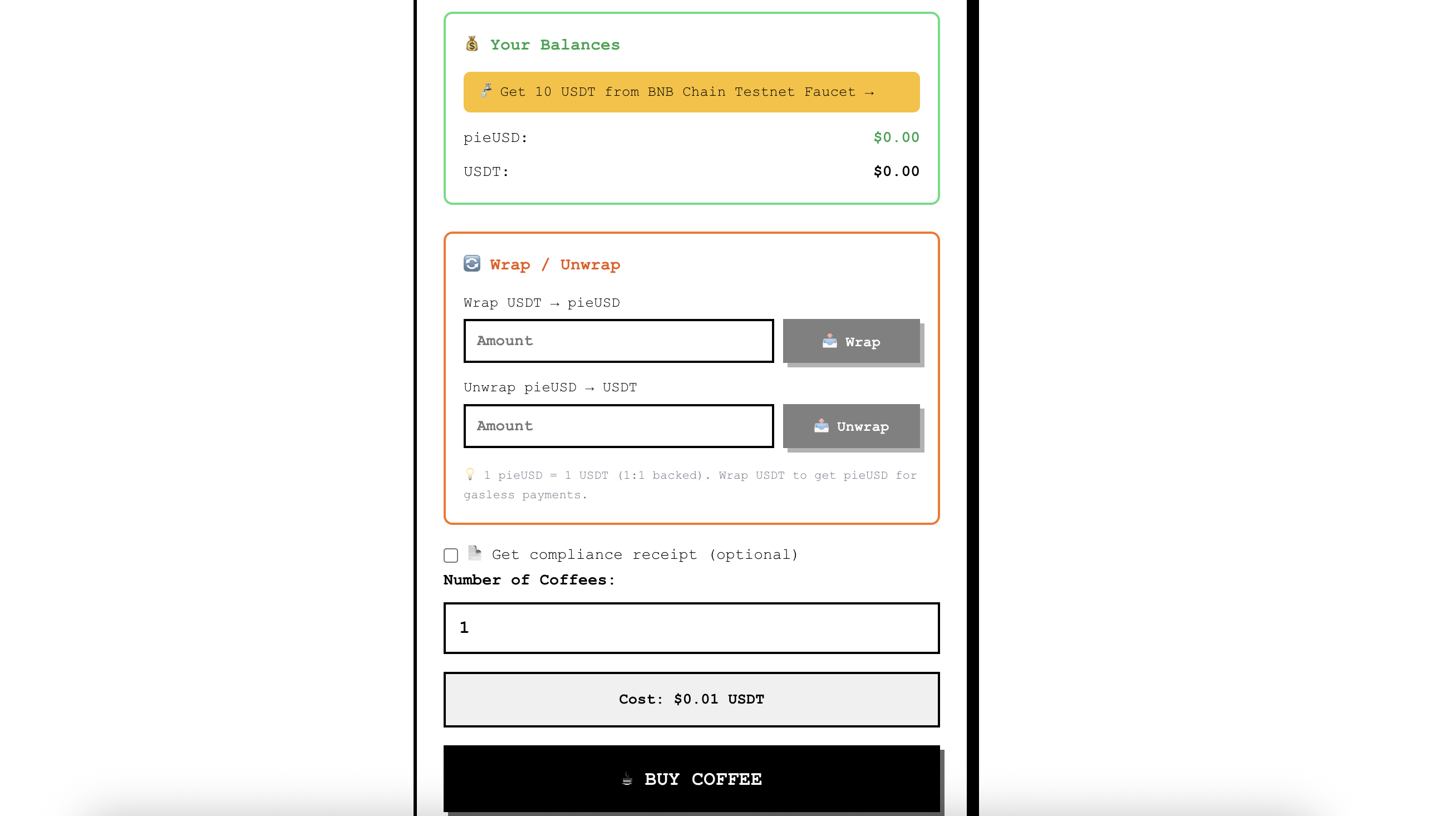
At this point, Pieverse, a payment protocol backed by Binance and BNB Chain since its inclusion in MVB, stepped forward. Not only did it solve the issue of BNB Chain's incompatibility with x402 by launching pieUSD—an ERC-3009-compatible wrapped USDT—but it also upgraded x402 into x402b, expanding beyond simple "payments." In short, Pieverse adds verifiable receipts to each payment, proving that a transaction occurred between two specific parties rather than being autonomously initiated by AI.
Binance Wallet will launch Pieverse’s Pre-TGE event at 4 PM on October 29. By serving the BNB Chain ecosystem, this relatively new project—focused on adding verifiable proof to on-chain payments—has arrived at a small moment of glory in the era of AI payments.
A Protocol Tied to Time
Pieverse has evolved through two phases. Initially positioned as a "TimeFi" protocol, its core model, Pieverse Timepot, aimed to accelerate the matching process for people or resources requiring time investment, using platform mechanisms.
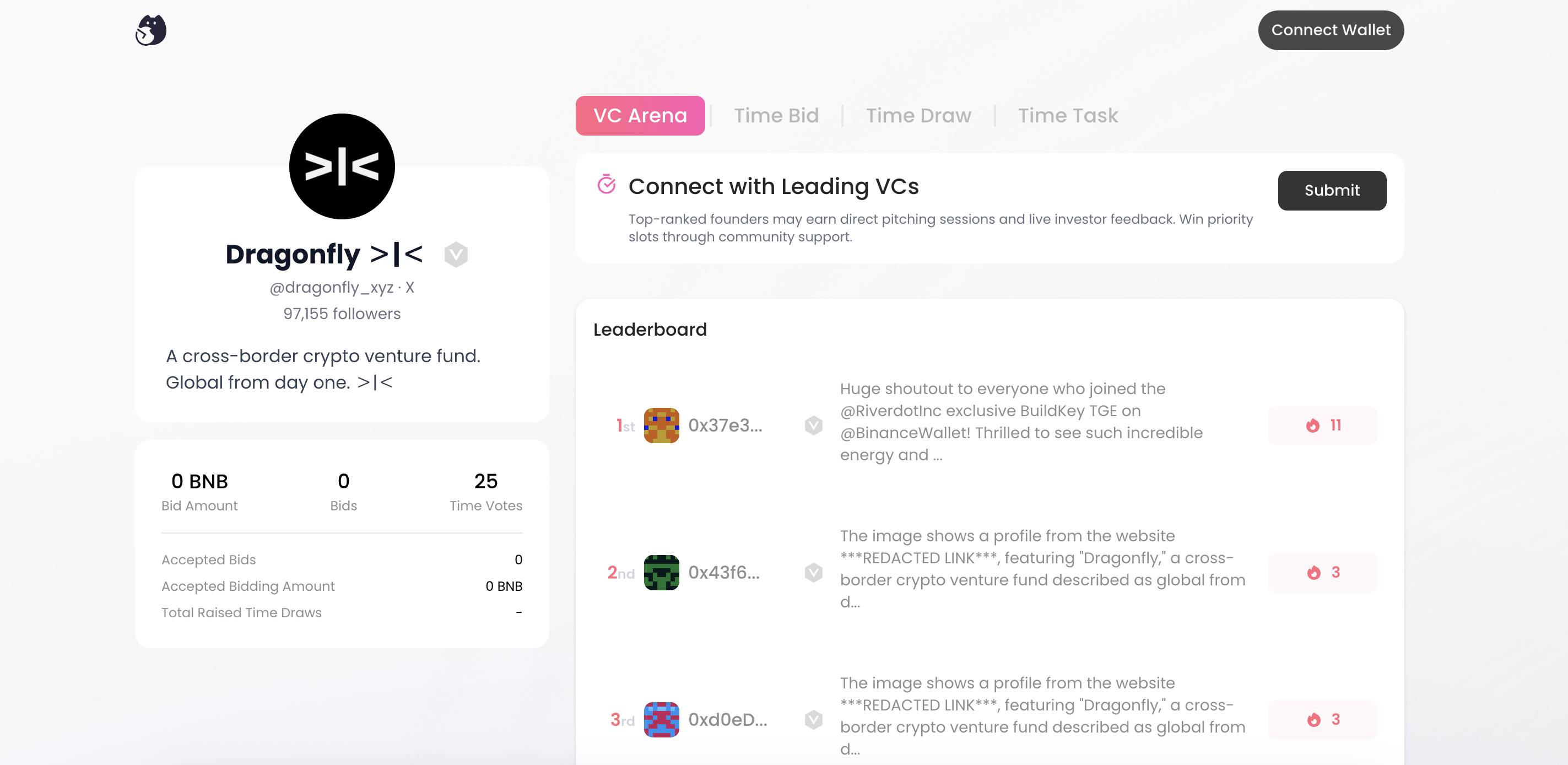
Pieverse’s first three products were Time Bid, Time Draw, and Time Task. Time Bid allowed users to bid for professionals’ time, with Pieverse verifying expertise via platforms like LinkedIn; winning bidders could then communicate directly with experts via Zoom. Time Draw offered private interaction opportunities with investors, traders, or celebrities through raffles. Time Task provided a platform where anyone could post requests or offer services.
Setting aside the conceptual framing, these were essentially intermediary platforms, and the forced connection to “time” felt overly stretched. While still operational, these products currently show no signs of activity. Later, VC Arena gained some traction by applying similar mechanics to connect VCs with startup teams, addressing real-world needs.
Whether due to recognizing flaws in its initial approach, Pieverse shifted direction and launched Time Challenge—a more financialized and engaging product.
Time Challenge transforms everyday commitments into structured, time-bound challenges with real financial stakes. Whether fitness goals, productivity targets, or personal milestones, users can create or join challenges, lock in stakes, and earn rewards based on outcome verification.
There are two types of challenges: Prediction Challenges require participants to set a goal and wager funds, while others bet on whether they’ll succeed within a deadline. Winners receive wagers from both the challenger and incorrect predictors. Commit Together involves groups betting equal amounts on their ability to achieve a shared goal; those who succeed claim the funds of those who fail.
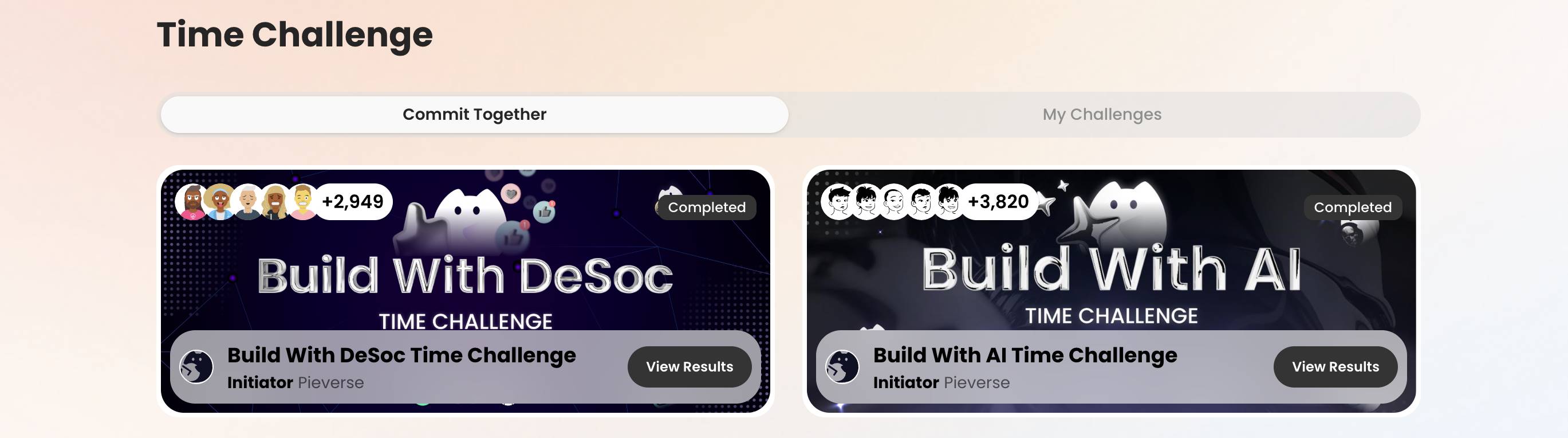
When individual interests align with collective incentives, motivation follows. This game-like mechanism—inviting others to supervise personal goals or jointly commit to objectives—generates unexpected excitement once real money is involved, a sentiment reflected in participation numbers. Although many later events involved Web3 projects setting task-based challenges, they proved significantly more engaging than earlier use cases.
Timing the Shift to Payments
On October 9, Pieverse announced the launch of Pieverse Timestamping, a payment tool. Unlike most payment tools, Pieverse leveraged its prior experience with time-based systems to automate invoice creation, stablecoin payments, and generate receipts compliant with regional legal and tax requirements. Each transaction is paired with an on-chain timestamp, creating immutable, verifiable proof of payment.
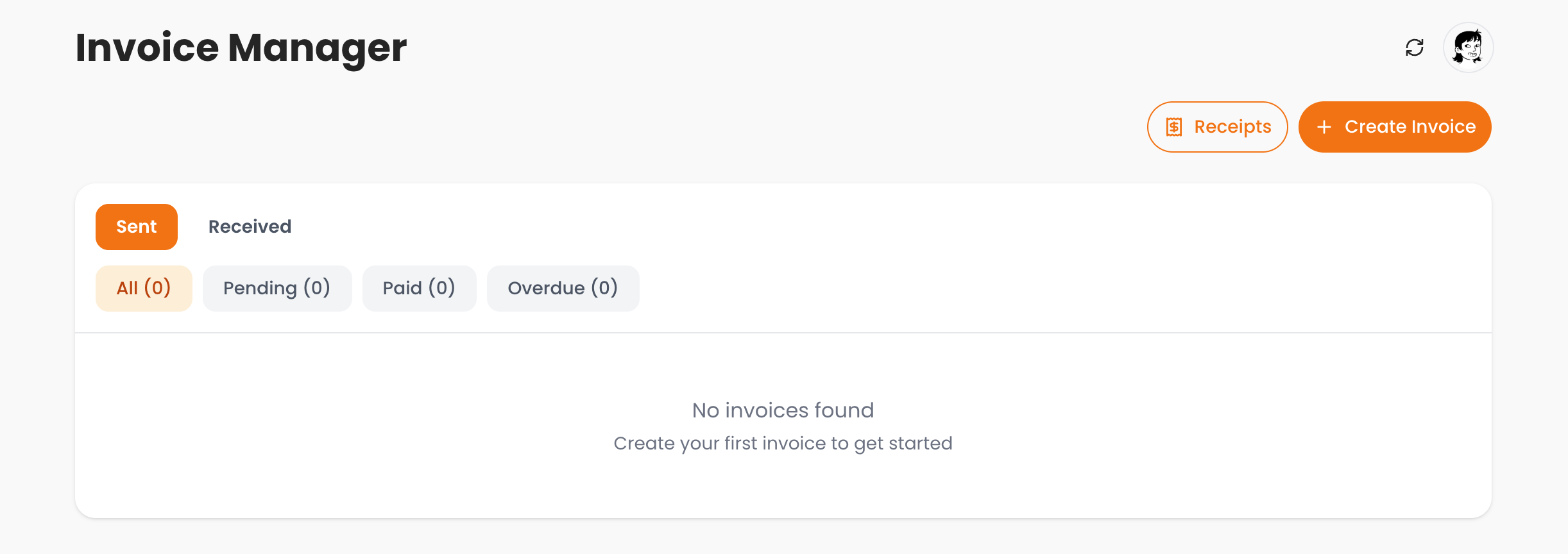
So far, shifting toward payments appears to be the right move. Less than two weeks after the announcement, x402 began dominating tech headlines. Pieverse capitalized on its newly launched Timestamping feature to add verifiable components to x402 and rolled out a testnet, enabling BNB Chain—previously lacking ERC-3009-compatible tokens—to leap ahead.
The x402b transaction flow works as follows:
-
Client to resource server: Send an HTTP request with an X-PAYMENT header containing payment details and optional compliance metadata.
-
Resource server to Facilitator (infrastructure provider for “on-chain payment delegation + verification + settlement”): Verify signature and initiate settlement via /settle.
-
Facilitator to blockchain: Call transferWithAuthorization on the pieUSD contract using the user's signed authorization (no gas fee required).
-
Facilitator to BNB Greenfield (optional): Generate a compliant receipt and upload it to Greenfield for tamper-proof, auditable storage.
-
Facilitator to resource server to client: Return a standard x402 response, optionally including the Greenfield receipt URL.
In short, the payment flow includes user signing, service submission, and proof storage on BNB Greenfield—significantly advancing x402 functionality on BNB Chain. This has successfully drawn market attention even before token issuance.
A Web3-Native Chinese Team
Currently, the only publicly named co-founder of Pieverse is Colin Ho, mentioned in funding announcements, though little else is known about him. However, three individuals linked to Pieverse on LinkedIn reveal strong Web3-native backgrounds.
CMO David Chung previously handled user experience and content at Paxful, a U.S.-based peer-to-peer Bitcoin exchange. A self-described "core contributor," H Fran, formerly worked at Hopu Investment and later founded a startup acquired by Alibaba. Another co-founder, Junjia He (likely leading technical development), was a software engineer at Uber before joining QuarkChain in 2018, where he researched blockchain sharding for scalability and led DeFi projects including stablecoins, DEXs, and lending markets.
In April, Pieverse was selected for Season 9 of BNB Chain’s Most Valuable Builders (MVB) program. Last week, Pieverse announced a $7 million strategic funding round led by Animoca Brands and UOB Ventures, with participation from 10K Ventures, Signum Capital, Morningstar Ventures, Serafund, Undefined Labs, and Sonic Foundation.
Judging by its trajectory—from BNB ecosystem recognition to pivoting to payments, securing funding, and enabling BNB Chain’s support for x402—Pieverse has consistently hit the right notes. If the market momentum around AI payments and x402 sustains, Pieverse may well catch the next wave with its token launch.
Join TechFlow official community to stay tuned
Telegram:https://t.me/TechFlowDaily
X (Twitter):https://x.com/TechFlowPost
X (Twitter) EN:https://x.com/BlockFlow_News
 Foresight News