Web3 Compliance Research | Yuanbi Tech's "Strategic Positioning": How to Stand Out Amid Stablecoin Policy Benefits and Market Competition?
TechFlow Selected TechFlow Selected
Web3 Compliance Research | Yuanbi Tech's "Strategic Positioning": How to Stand Out Amid Stablecoin Policy Benefits and Market Competition?
Finance Law + Business, Comprehensive Analysis!
 Navigating Web3 tides with focused insights
Author: Meg麦格, Zhao Qirui
"The long-term scale of the global stablecoin market is expected to reach $1.4 trillion to $3.7 trillion, with U.S. dollar stablecoins dominating. In this context, TechFlow's success cannot be measured by capturing hundreds of billions in global market share. Its true target lies in leveraging scenarios such as cross-border trade in the Greater Bay Area, RWA, and RMB internationalization to unlock a predictable niche market worth tens of billions of dollars."
I. Introduction
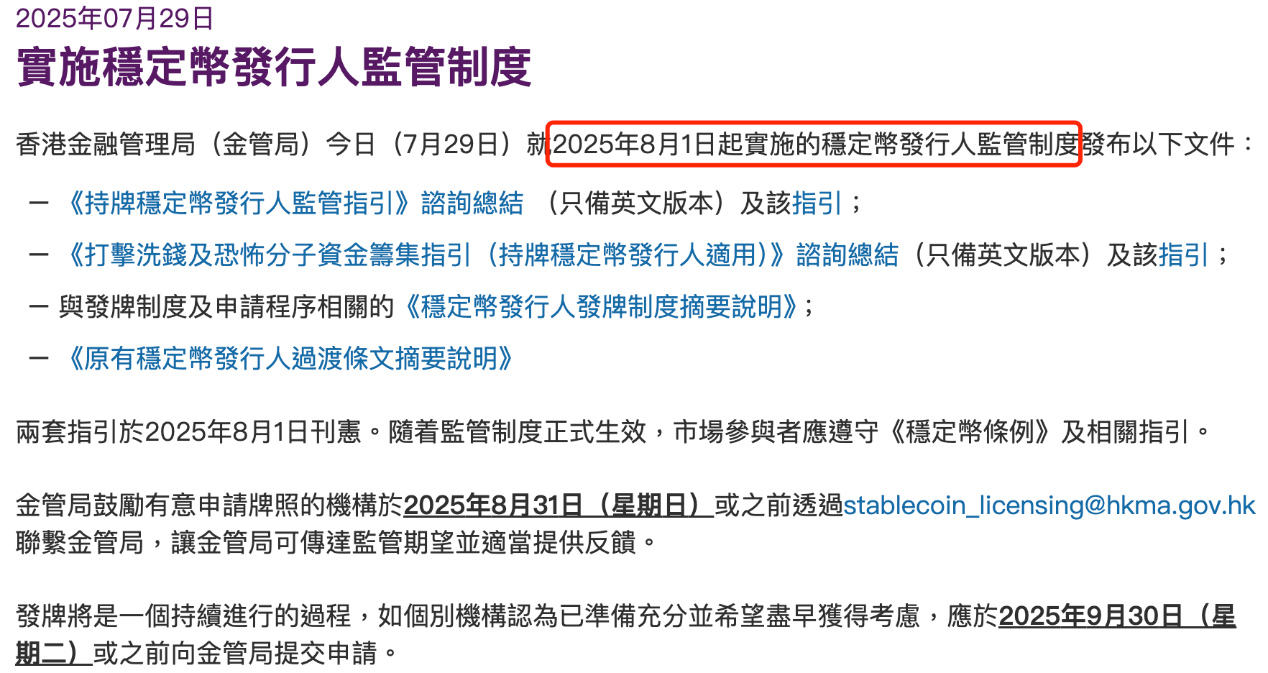
With the implementation of the regulatory regime for stablecoin issuers under the Stablecoin Ordinance on August 1, 2025, issuing fiat-backed stablecoins has become a licensed and regulated activity. Meanwhile, on July 30, 2025, RD Technologies (TechFlow) successfully closed nearly $40 million in Series A2 financing, led by ZhongAn International, Zhongwan International, CuiCan Investment, and Hivemind Capital, with Sequoia China participating. This round follows a $7.8 million Series A1 round in September 2024, reflecting investor confidence in its vision of driving digital currency transactions and asset tokenization through secure, enterprise-grade stablecoin infrastructure.
How will TechFlow stand out amid policy tailwinds and fierce competition? Let’s examine from financial, legal, and business perspectives.
II. TechFlow: Technology Overview + Funding Background
TechFlow, founded in 2021 by former HKMA chief executive David Chan, counts HashKey, ZhongAn International, and Sequoia China among its shareholders, combining strengths from both Web3 and traditional finance.
Funding background: The A2 round raised $40 million, led by ZhongAn International, Zhongwan International, CuiCan Investment, and Hivemind Capital, with participation from Sequoia China and others. Funds will be used to expand platform capabilities and compliance readiness.
This A2 funding round features a strong lineup of investors. ZhongAn International, one of the lead investors, is an active participant in the Web3 space. Hong Kong’s Stablecoin Ordinance, effective August 1, 2025, provides a clear regulatory framework for stablecoin issuance, and ZhongAn Bank is actively involved in this process.
ZhongAn International and ZhongAn Bank are both subsidiaries of ZhongAn Online, focusing respectively on technology investment and compliant financial services, working together to advance the crypto industry. ZhongAn International invests in Web3 projects like TechFlow, while ZhongAn Bank offers payment and compliance support, jointly promoting the development and application of HKDR.
III. Hong Kong's Stablecoin Policy and Market Opportunities
Hong Kong’s Legislative Council passed the Stablecoin Bill on May 21, marking the formal establishment of a licensing system for fiat-backed stablecoin issuers.
Meanwhile, stablecoin legislation is accelerating globally. On May 20, the U.S. Senate passed a key procedural vote on the “Lummis-Gillibrand Payment Stablecoin Act,” potentially finalizing legislation before year-end. On May 27, the UK released regulatory proposals covering stablecoin issuance, crypto custody, and financial soundness of crypto firms. In March, Japan refined its regulatory adjustments for crypto assets and stablecoins.
As of August 3, 2025, the HKMA has not yet issued any stablecoin licenses. The HKMA maintains a stance of high thresholds, strict oversight, and steady progress, with only a single-digit number of licenses (around 3–5) expected initially, with the first batch likely issued in early 2026. The regulatory framework emphasizes financial stability and anti-money laundering while accommodating innovation, though high compliance costs and a cautious pace may limit short-term market dynamism.
However, current regulatory requirements are particularly stringent for stablecoin licensing:
· Any institution issuing fiat-backed stablecoins in Hong Kong, or claiming to peg value to the Hong Kong dollar, must apply for a license from the HKMA.
· Applicants must be companies registered in Hong Kong or overseas "recognized institutions," meeting high capital and financial requirements, including minimum paid-in capital.
· Stablecoins must be fully backed by equivalent high-liquidity assets (e.g., HKD cash, short-term bonds, USD deposits, U.S. Treasuries), with reserves held separately and subject to independent audits; algorithmic stablecoins are prohibited.
· Licensed entities must comply with anti-money laundering and counter-terrorism financing guidelines, deploy smart contracts for real-time transaction monitoring, and ensure client asset security.
In other words, any entity issuing fiat-backed stablecoins in Hong Kong—or claiming HKD pegging in its operations—must obtain a license; otherwise, it constitutes illegal operation. Registration must be in Hong Kong or with an overseas "recognized institution." Market insights suggest most applicants prefer local registration due to concerns over future policy changes in third countries affecting their business.
The high compliance demands and liquidity requirements for underlying assets effectively create a “commercial moat.” As one of the HKMA’s首批 “Stablecoin Issuer Sandbox” participants, TechFlow has entered the testing phase and plans to issue HKDR on the Ethereum mainnet. ZhongAn Bank is collaborating with TechFlow to test HKDR, a stablecoin backed by Hong Kong dollar reserves.
ZhongAn International’s VASP license and ZhongAn Bank’s virtual bank license form a compliance loop, satisfying the HKMA’s strict requirements for stablecoin issuers (reserve transparency, regular audits) and virtual asset services. Leveraging ZhongAn Bank’s virtual banking license and payment systems, TechFlow provides technological and compliance support, while the bank’s cross-border payments and retail settlement operations offer practical use cases for HKDR.
Hong Kong, as an international financial hub, benefits from its Greater Bay Area connectivity, robust regulatory framework, and HKD stability, creating favorable conditions for HKD stablecoin development. HKD stablecoins can reduce costs and improve efficiency in cross-border trade, especially within the Greater Bay Area and RMB internationalization contexts. Retail payment applications are limited by Hong Kong’s small domestic market, relying instead on cross-border consumer use. Compared to USD stablecoins, HKD stablecoins enjoy regulatory and localization advantages in Asia-Pacific but face global competition constrained by market size and adoption, positioning them primarily as regional supplements in the near term.
Outlook: While USD stablecoins (e.g., USDT, USDC) currently dominate over 90% of the global stablecoin market (global stablecoin market cap ~$250 billion as of August 3, 2025, with USDT accounting for ~60%), the HKD stablecoin market is limited by HKD circulation (~HK$400 billion, ~$50 billion). However, HKD stablecoins have localization advantages in Asia-Pacific, especially in the Greater Bay Area and “Belt and Road” nations. By integrating with RMB tokenization, they can attract markets seeking reduced USD dependence (e.g., Southeast Asia, Middle East), enabling differentiated competition in specific scenarios.
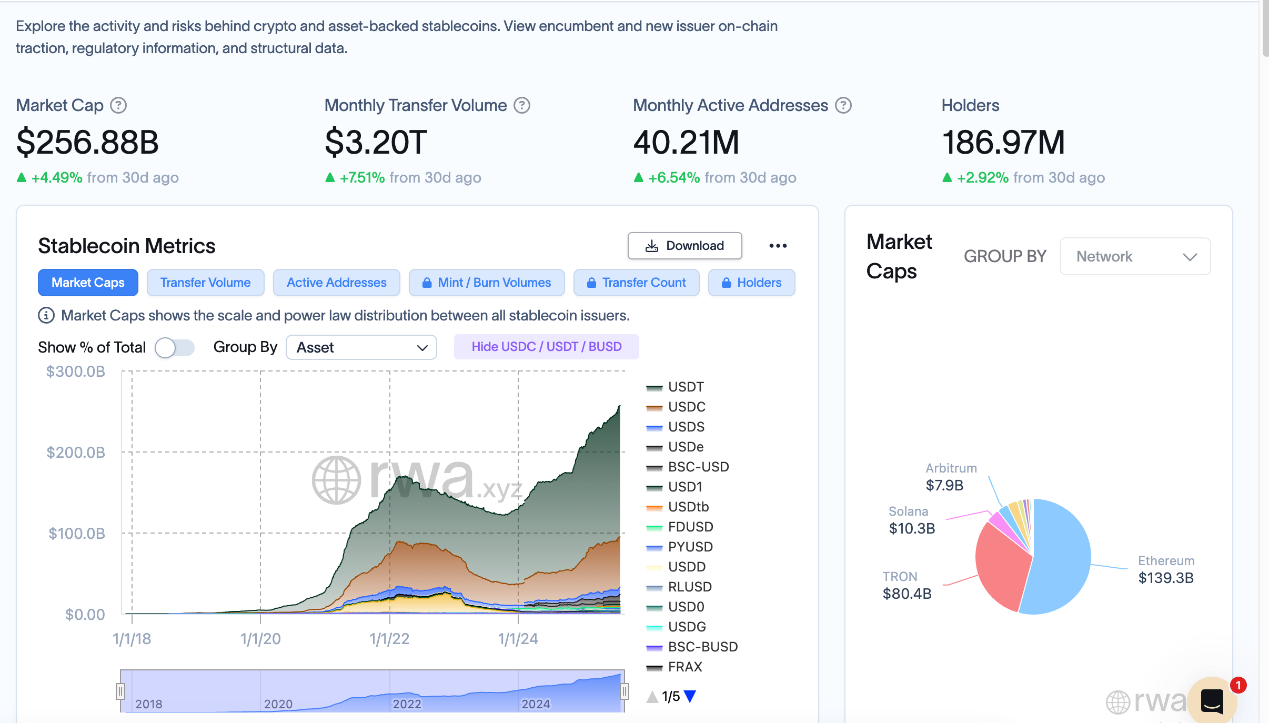
Source: https://app.rwa.xyz/stablecoins
IV. TechFlow: Business Model + Competitive Advantages
We compare Circle’s financial data—the U.S. stablecoin company—to illustrate TechFlow’s opportunities.
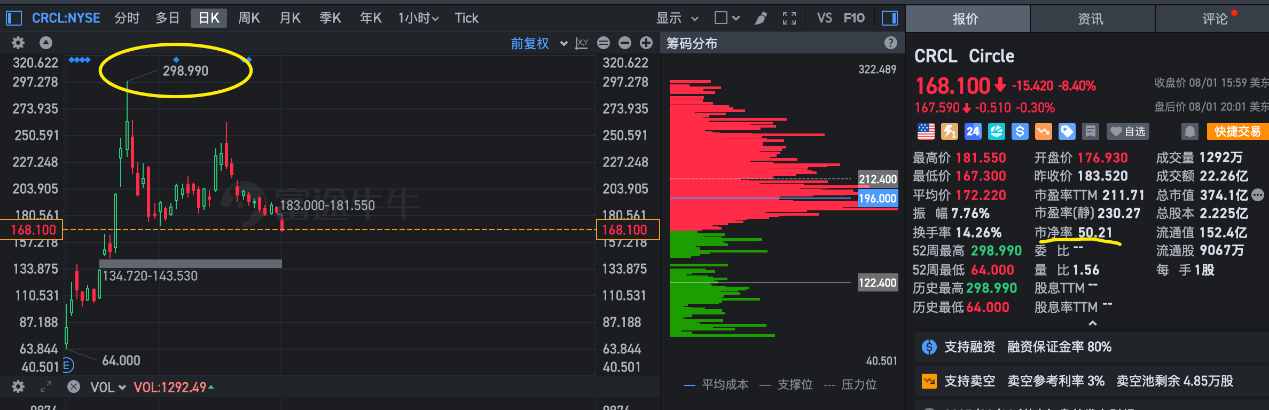
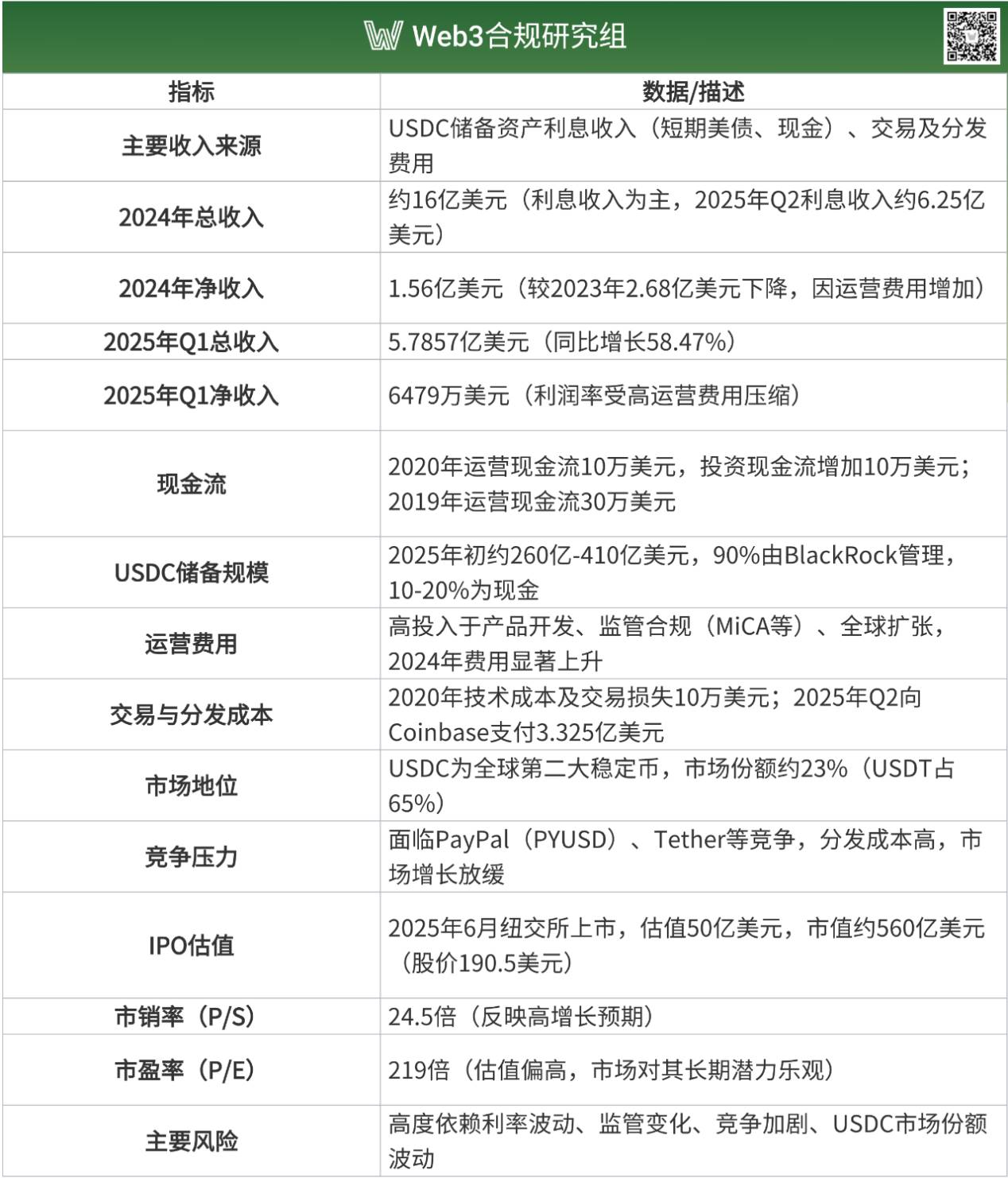
The stablecoin issuer business model is simple and widely understood, yet difficult to execute. It disrupts traditional banking’s interest margin model (traditional bank gross profit = loan interest income – deposit interest cost); instead, a stablecoin issuer’s gross profit = interest income – channel (or marketing) costs.
Currently, retail users earn zero interest and do not share in the interest income from U.S. Treasury investments made by stablecoin issuers. Clearly, stablecoin profit margins today far exceed those of traditional banks! Circle (issuer of USDC) reported a net profit of $156 million in 2024, with 99% coming from reserve interest.
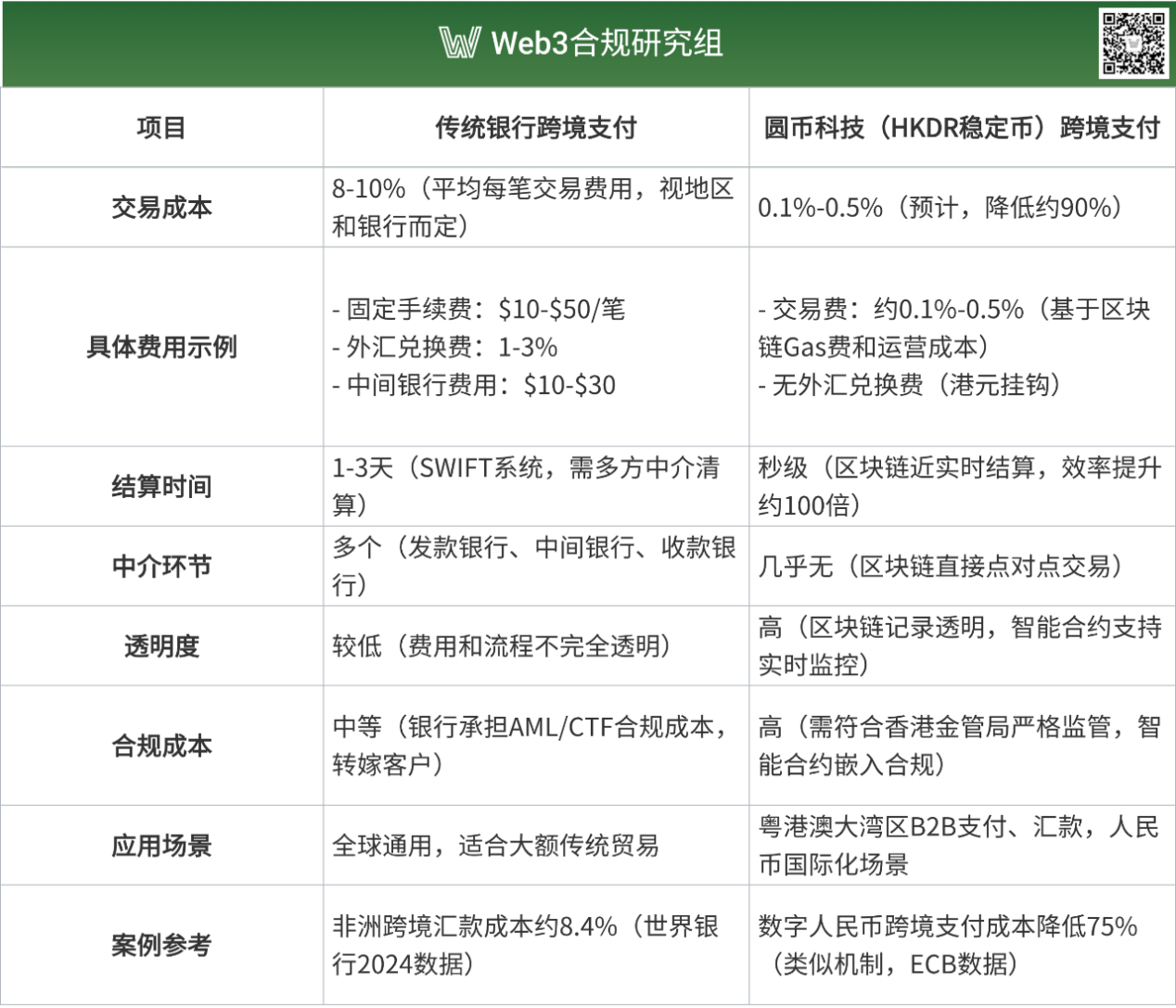
TechFlow focuses on cross-border payments, using blockchain technology to achieve near real-time settlement (second-level clearing vs. 1–3 days for traditional banks), automating transaction flows via smart contracts and reducing intermediaries. It reportedly improves efficiency by 100x and reduces costs by 90% (estimated from table below).
Traditional Bank vs. TechFlow: Cross-Border Payment Cost & Efficiency
With shareholders like HashKey (licensed exchange) and ZhongAn International (payment expertise), TechFlow emphasizes bridging Web3 and traditional finance with greater flexibility. Its strategic partnership with ZhongAn Bank strengthens ecosystem integration. JD’s JD-HKD, backed by e-commerce giant use cases, targets retail and cross-border payments—each player excelling in different areas.
V. Challenges + Risks
TechFlow’s path forward involves not isolated challenges, but confronting a systemic dilemma woven from compliance, competition, technology, and geopolitical risks. Its core challenge lies in how the compliance barriers essential for survival generate a ripple effect, internalizing into high operating costs, which directly undermine competitiveness amid dominant players and force technical choices that introduce new performance-cost conflicts. All of this ultimately remains constrained by structural pressures from the global macroeconomy.
(1) Compliance as an Unavoidable Burden
Hong Kong’s regulatory framework provides TechFlow with a foundation of legitimacy, but at a heavy, non-transferable cost. This burden acts like custom-forged armor—offering protection while severely limiting agility.
First, compliance translates directly into financial pressure and strategic rigidity. The requirement for HK$25 million in paid-up capital and 100% backing by high-quality liquid assets means substantial capital is locked in before the product achieves scalable revenue. This is not just a financial strain but a direct constraint on strategic flexibility. During critical periods requiring rapid iteration, market education, and user acquisition, this capital lock-up leaves TechFlow handicapped when competing against well-funded giants.
Second, compliance sacrifices efficiency, creating internal friction with the product’s core value proposition. Regulations require all stablecoin transactions to go through licensed exchanges and impose additional risk controls on non-custodial wallets. While this minimizes money laundering risks, it dulls the very “low cost, high efficiency” advantages inherent in blockchain technology. When its flagship cross-border payment use case suffers from subpar user experience due to compliance procedures, “compliance” may ironically hinder rather than help market adoption.
(2) Market Overshadowed by Giants
The pressure from compliance costs is further amplified in the harsh reality of market competition. The stablecoin arena has evolved from a crypto-native playground into a battleground dominated by tech giants and financial institutions. TechFlow faces not only the challenge of breaking existing structures but also fending off multidimensional attacks from new titans.
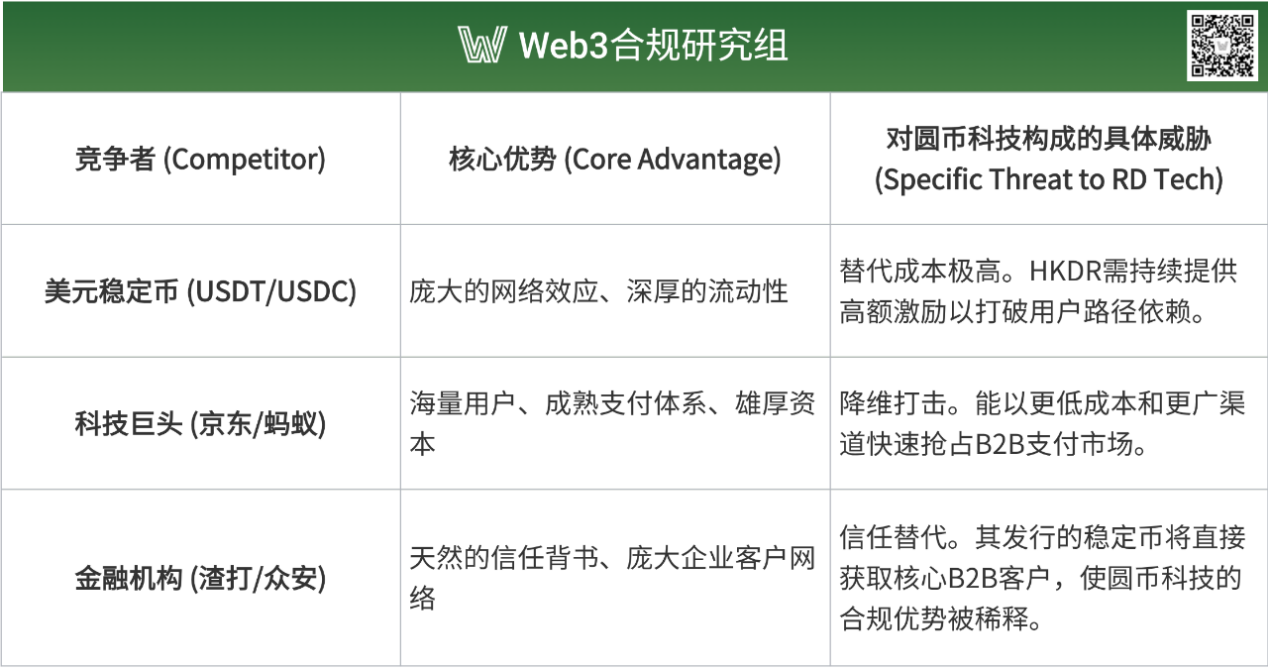
· The gravitational pull of USD stablecoins: Dollar-pegged stablecoins like USDT and USDC have built powerful network effects. Their deep liquidity, extensive protocol integrations, and entrenched user habits form an almost insurmountable barrier. For TechFlow, this means HKDR must offer significant additional incentives to lure users away—a move that would continuously erode its already slim profit margins.
· Downward strikes from new giants: The real existential threat comes from tech behemoths (e.g., JD, Ant Group) and traditional financial institutions (e.g., Standard Chartered) entering the space. The former possess massive user bases, mature payment networks, and vast capital, enabling them to capture market share rapidly through subsidies and bundled services. The latter wield inherent trust and large corporate client bases; once they launch their own stablecoins, they could easily win over B2B clients with the highest compliance demands, rendering TechFlow’s “compliance advantage” no longer unique.
To better illustrate this competitive landscape, the table below summarizes specific threats posed by major competitors:
Main Competitors
(3) Technological Dilemmas with No Easy Answers
Under dual pressures of compliance and competition, TechFlow’s technical choice—issuing HKDR on the Ethereum mainnet—creates a new dilemma. This strategic decision, intended to tap into a vast ecosystem, generates an irreconcilable internal conflict in its core B2B payment scenario.
This manifests as a real-world “impossible triangle”: Ethereum’s decentralization and security come at the expense of scalability. Network congestion and volatile gas fees contradict the core demands of cross-border trade—“low cost, high efficiency, high stability.”
While Layer 2 solutions are seen as potential fixes, they represent more of a trade-off—exchanging old problems for new ones. They alleviate performance bottlenecks but introduce fresh challenges such as cross-chain bridge security risks, complex tech stacks, and fragmented liquidity. This increases maintenance costs and operational risks, potentially impacting user experience. A stablecoin’s lifeline—liquidity—once fragmented by technical complexity, weakens its ability to resist “de-peg” risks.
(4) The Invisible Hand of Geoeconomics
Finally, all the above challenges unfold under the powerful gravitational pull of global geopolitics and macroeconomic forces. These structural dynamics set invisible boundaries for the survival space of non-dollar stablecoins.
· Consolidation of dollar digital hegemony: The U.S. is accelerating the integration of stablecoin legislation into its financial regulatory system, aiming strategically to turn stablecoin issuers into new “super buyers” of U.S. Treasuries. Every expansion of USD stablecoins objectively reinforces dollar digital dominance, creating structural pressure on all non-dollar stablecoins like HKD.
· The realistic ceiling of RMB internationalization: Despite vast potential, offshore RMB (CNH) stablecoin development remains short-term constrained by China’s limited capital account openness and shallow offshore markets—a “glass ceiling” that directly limits TechFlow’s growth potential in the broader narrative of RMB stablecoins.
· Vigilance against systemic “shadow banking” risks: Regulators view stablecoins as “new shadow banks” and remain highly alert to potential systemic risks. This vigilance inevitably leads to stricter, more detailed regulations, trapping TechFlow in a spiral of “risk concerns → tighter regulation → rising compliance costs”—a negative feedback loop difficult to escape.
VI. Outlook
Market forecasts for stablecoins:
2030: Citi predicts market size could grow 14-fold to $3.7 trillion, driven by regulatory clarity and institutional adoption. Sei Network forecasts $1.4 trillion.
2035: MetaTech Insights expects the global stablecoin market to grow from $182.6 billion in 2024 to $1.1068 trillion, with a CAGR of approximately 17.8%, driven primarily by Ethereum-based stablecoins and multi-chain/Layer 2 solutions.
CBDC and Stablecoin Market: By 2034, the combined market cap of central bank digital currencies (CBDCs) and stablecoins is projected to grow from $66.4 billion in 2025 to $151.3 billion, with a CAGR of 9.58%.
The global stablecoin market is expected to reach $300–400 billion in 2025, growing long-term (2030–2035) to $1.4–3.7 trillion, possibly exceeding $1 trillion, led by USD stablecoins. HKD stablecoins will remain relatively small in the short term (tens of billions of dollars) but hold growth potential in Greater Bay Area cross-border trade and RMB internationalization, possibly reaching hundreds of billions long-term. Market growth will be driven by regulatory clarity, cross-border payment demand, and technological advances, though challenges around regulatory divergence and infrastructure persist.
TechFlow’s future outlook as a stablecoin issuer can be viewed from several angles:
· Short-term goals: Complete sandbox testing, obtain Hong Kong stablecoin issuer license, launch HKDR, and expand into cross-border payments and Web3 use cases.
· Long-term vision: As a major global financial center and “Wall Street of Asia,” Hong Kong’s stablecoin market could surpass $1 trillion. TechFlow aims to play a key role in Hong Kong’s Web3.0 ecosystem. Additionally, Hong Kong’s second digital asset policy declaration will accelerate the convergence of traditional finance and blockchain, offering TechFlow more room for innovation.
TechFlow’s future is likely a journey from “license value” to “real-world application”. Its success depends not on riding macro trends, but on transforming compliance—a core asset—into irreplaceable competitive advantages within specific niche markets under strict regulatory frameworks.
(1) Strategic Foundation: The Compliance License as Core Asset
The HKMA’s stablecoin license is the cornerstone and core asset of all TechFlow strategies. Amid tightening global digital asset regulations, this license holds value far beyond mere permission—it serves as a powerful “trust anchor”. It effectively distinguishes TechFlow from numerous unregulated or gray-market projects, paving the way for attracting risk-sensitive institutional clients and traditional financial partners.
Licensing allows TechFlow to transform massive investments in reserve management, transaction monitoring, and anti-money laundering (AML) from “compliance costs” into “market credibility.” This credibility is precisely the ticket needed to enter high-value B2B payments and real-world asset (RWA) scenarios.
(2) From Trillion-Dollar Blue Ocean to Niche Market Dominance
The global stablecoin market is heading toward a trillion-dollar scale. Citibank predicts a $3.7 trillion market by 2030, while MetaTech Insights forecasts over $1.1 trillion by 2035, with a CAGR of 17.8%. Yet for TechFlow, this USD-dominated blue ocean represents both opportunity and warning.
Full-scale competition would be futile. Its only viable strategy is to abandon fantasies of becoming “the next USDT” and instead pursue “dominance in a niche market”.
· Cross-border trade: Hong Kong’s multi-trillion-dollar B2B payment volume offers sufficient depth for HKDR. TechFlow’s breakthrough isn’t head-to-head combat with giants like JD or Ant, but targeting specific underserved customer segments—for example, the 40% of SMEs rejected due to rising bank account opening thresholds. By offering more flexible and efficient compliant payment solutions, it can establish strongholds in niche sectors (e.g., specific commodity trades, SME globalization).
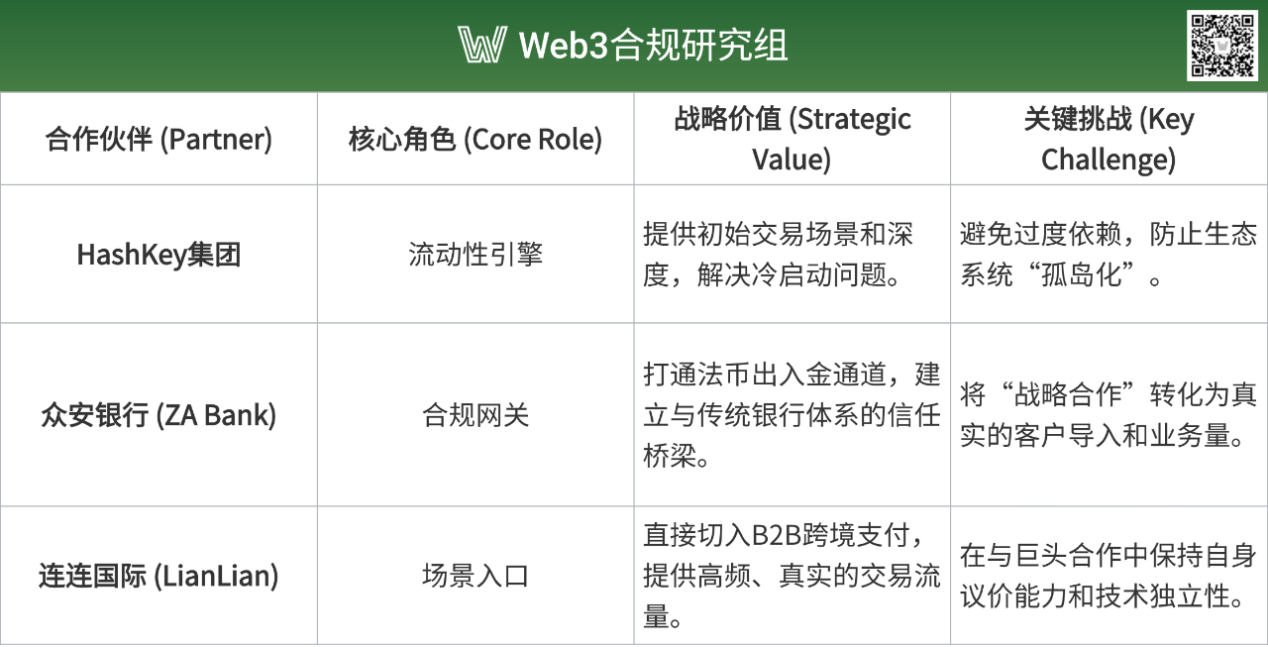
· Virtual asset trading: The licensed exchange under its shareholder HashKey Group provides HKDR with a valuable initial liquidity engine and use case. This ensures HKDR’s usability from day one. However, its long-term challenge is escaping the “HashKey ecosystem” to list on Hong Kong’s other 10 licensed platforms, avoiding being trapped as an “in-house” token on a single platform and building genuine network effects.
· RWA closed-loop: In our view, RWA is the ultimate use case for stablecoins, where HKDR plays the role of a key “on-chain funding” infrastructure. Once assets are tokenized, equally compliant and efficient on-chain funds are needed to complete the value loop. TechFlow’s challenge isn’t creating RWA assets, but forging deep partnerships with asset issuers (e.g., renewable energy projects) and tokenization platforms to ensure a continuous flow of high-quality assets matching HKDR, achieving seamless “asset on-chain, fund online” integration.
(3) Strategic Partnerships Overview
TechFlow’s strategic partnership network is its core weapon for executing its niche strategy. The value of these collaborations lies not in MOUs, but in converting them into sustained business traffic and ecosystem moats.
Core Partners: Value and Challenges
TechFlow’s future hinges on whether it can transform a heavy “compliance armor” into a sharp “competitive sword” through precise strategic choices and efficient ecosystem collaboration. This challenge extends beyond TechFlow alone—it defines whether Hong Kong’s stablecoin ecosystem can find its place in global competition.
VII. Conclusion
TechFlow’s endeavor represents not only Hong Kong’s strategic positioning in the global stablecoin race—centered on “regulatory certainty” as its core product—but also a critical test of whether non-dollar fiat stablecoins can carve out a viable space within a heavily regulated, dollar-dominated digital financial system.
The core strategic paradox facing TechFlow is that its survival hinges on strict compliance barriers—including 1:1 reserve backing, prohibition of fractional-reserve models, explicit redemption rights, and rigorous AML/CFT frameworks—which simultaneously grant it legitimacy and rare trust, yet may become its heaviest shackles when chasing early market leaders. Converting this “compliance dividend” into genuine “market advantage,” rather than an “innovation constraint,” is the fundamental challenge determining whether TechFlow—and indeed Hong Kong’s entire stablecoin ecosystem—can scale. This requires achieving unity between efficiency, scale, and compliance across core use cases like cross-border payments, virtual asset trading, and RWA.
In the “second half” of stablecoins, competition has shifted from the early race for technology and market share through “wild growth” to a delicate compliance and ecosystem dance within strict legal frameworks. As one of the HKMA’s首批 stablecoin issuer “sandbox” participants, TechFlow’s journey will profoundly reveal how innovation and sovereign regulation can achieve dynamic balance in the new paradigm of Web3 transitioning from “decentralization” to “compliant integration.”
The long-term scale of the global stablecoin market is expected to reach $1.4 trillion to $3.7 trillion, with U.S. dollar stablecoins dominating. In this context, TechFlow's success cannot be measured by capturing hundreds of billions in global market share. Its true target lies in leveraging scenarios such as cross-border trade in the Greater Bay Area, RWA, and RMB internationalization to unlock a predictable niche market worth tens of billions of dollars.
Hong Kong’s strict regulatory policies are a double-edged sword: they raise costs and slow certain innovations in the short term, but in the long run, they create a highly predictable business environment that shields against the “bad money drives out good” risk.
Looking ahead, the exploration by TechFlow and similar institutions will force global financial markets to reflect: in an era of digital economy approaching “extreme virtualization,” how can true financial innovation find a viable coexistence path between borderless Web3 waves and increasingly tightened national compliance regimes? Will future leadership come from compliant “dance-with-handcuffs” testbeds, or will “regulatory arbitrage” gray zones remain the cradle of innovation?
Join TechFlow official community to stay tuned
Telegram:https://t.me/TechFlowDaily
X (Twitter):https://x.com/TechFlowPost
X (Twitter) EN:https://x.com/BlockFlow_News