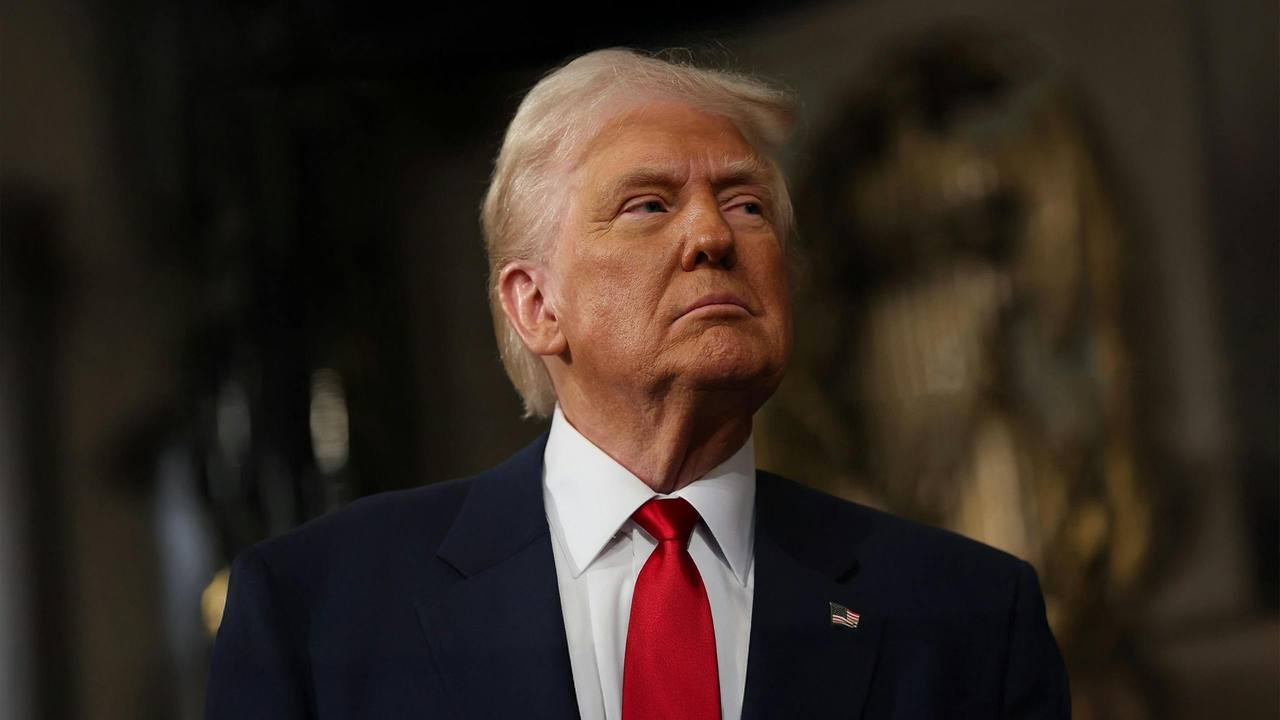
Trump's tariffs are about to take effect, and the test for the global economy has only just begun
TechFlow Selected TechFlow Selected
Trump's tariffs are about to take effect, and the test for the global economy has only just begun
The radical measures by the Trump administration in the United States to reshape the global trade landscape are steering the U.S. and world economies into uncharted territory.
 Navigating Web3 tides with focused insights
By Long Yue, Wall Street Journal
The Trump administration's aggressive moves to reshape the global trade landscape are pushing the United States into a new era of protectionism filled with uncertainty, posing severe challenges to the global economy. While it remains to be seen whether this policy will revive U.S. manufacturing as intended, the potential risks of inflation and financial market disruption have become increasingly evident.
According to media reports on Thursday, the U.S. comprehensive tariff policy took effect after midnight Thursday in New York time. Prior to this, U.S. Customs and Border Protection had been granted one week for necessary adjustments. After months of chaotic threats and reversals, nearly all of America’s trading partners now face higher tariff barriers.
Estimates suggest the new tariffs will raise the average U.S. tariff rate from last year's 2.3% to a staggering 15.2%. According to CCTV News, on July 31 local time, the White House issued an executive order resetting "reciprocal tariff" rates for certain countries: individual rates apply to countries listed in Attachment 1 of the order, while those not listed will be subject to a uniform 10% rate; goods from countries or regions evading tariffs through third-party transshipment will face a 40% transshipment tax. The White House announced the new tariffs will take effect on August 7.
This move has already triggered alarm in financial markets. Analysts from major Wall Street institutions warn investors should prepare for market corrections. Morgan Stanley, Deutsche Bank, and Evercore ISI all noted in reports on Monday that the S&P 500 may face short-term declines in the coming weeks or months.
Tariff details remain unresolved, global supply chains under continued pressure
Since Trump first announced and then paused tariffs in April, the global economy has remained in turmoil, with nations engaging in months of tense negotiations with the U.S. This uncertainty has created widespread anxiety among businesses over supply chain disruptions and rising costs.
Now, the broad framework of the new tariffs is in place, and most economies have accepted the reality that high tariffs will persist long-term. Many countries have pledged hundreds of billions of dollars in investments into the U.S. in exchange for lower tariff rates.
However, key details of Trump’s plan remain unresolved, creating ongoing uncertainty for global supply chains.
For example, preferential auto tariffs for the European Union, Japan, and South Korea have not yet been codified into law, meaning vehicles will continue facing higher fees. Negotiators from countries like the EU, Japan, and South Korea that have reached agreements with Trump are still working behind the scenes to secure further exemptions for key export sectors. Additionally, specific details regarding investment commitments and adjustments to market access policies have not yet been disclosed.
Meanwhile, last-ditch efforts by some nations to secure more favorable terms have failed. Swiss President left Washington on Wednesday without succeeding in lowering the 39% tariff imposed on Switzerland. According to CCTV News, on Wednesday Trump signed an executive order imposing an additional 25% tariff on goods from India in response to India continuing to "directly or indirectly import Russian oil."
Currently, tariff negotiations with two of America’s largest trading partners—Mexico and Canada—are proceeding independently on a separate track. Trump has also vowed to soon unveil tariff plans targeting key industries such as pharmaceuticals. CCTV reported that Trump has announced he will impose approximately 100% tariffs on chips and semiconductors.
Economic warning: tough times ahead
Trump insists high tariffs will significantly reduce the trade deficit and force companies to bring manufacturing back to the U.S. But critics argue the move could lead to runaway inflation and shortages of goods on store shelves.
While the full economic impact has yet to materialize, recent economic data have already raised red flags. Reports show July employment figures revealed the sharpest downward revision in job growth since the pandemic. At the same time, U.S. economic growth in the first half of this year has slowed due to weakening consumer spending and business adaptation to changing trade policies.
Currently, unemployment remains low and prices have not spiked, partly because businesses have so far absorbed most of the increased costs. But experts warn this situation is unsustainable. Wendy Cutler, Vice Chair at the Asia Society Policy Institute and former U.S. trade negotiator, said, "There are signs that tougher times are coming. Many companies built up inventory before the tariffs took effect." She believes price increases are "almost inevitable" as businesses are unlikely to sustain low profit margins indefinitely.
Growing tariff revenue and manufacturing revival are mutually contradictory
Despite numerous challenges, Trump insists his actions will usher in a new golden age of economic prosperity and dismisses any economic data contradicting this narrative. He has also praised the surging tariff revenue, even suggesting it might lead to tax rebate checks for some Americans. Data from the U.S. Treasury show tariff revenue soared to a record $113 billion in the nine months ending June.
Yet progress toward the plan’s other clear goal—bringing production back to the U.S.—remains unclear. Brad Jensen, professor at Georgetown University's McDonough School of Business, pointed out an inherent contradiction in the policy goals. He said achieving both growing tariff revenue and a boom in manufacturing jobs is difficult.
"Both cannot be true at once," he explained. "If domestic manufacturing rebounds, we won't have so much tariff revenue," because imported goods would decline. This fundamental contradiction casts serious doubt on the long-term viability of Trump’s trade agenda.
Join TechFlow official community to stay tuned
Telegram:https://t.me/TechFlowDaily
X (Twitter):https://x.com/TechFlowPost
X (Twitter) EN:https://x.com/BlockFlow_News