








Super gambling consumes the world, and you are becoming a source of profits for the house
TechFlow Selected TechFlow Selected
Super gambling consumes the world, and you are becoming a source of profits for the house
After all, if next month offers another chance, what's the harm in speculating with this month's money?
 Navigating Web3 tides with focused insights
Author: jez
Translation: AididiaoJP, Foresight News
What is "Long-Term Degeneracy"?
"Long-Term Degeneracy" is a mental model centered around hypergambling. In the author's words, it represents "a belief that the world will only become more degenerate, financialized, speculative, lonely, tribal, and bizarre."
The most concise and comprehensive explanation of this trend is:
As real returns decline, people typically compensate by taking on more risk.
The reasons explored below are varied, but after reading this article, we hope you—our intelligent reader—will return to this sentence with deep agreement.
South Korea is the canary in the coal mine, with extreme wealth disparity and low social mobility. This means that once you're behind, it's nearly impossible to catch up. It has given rise to a frenzied cram school culture, where students study desperately for the College Scholastic Ability Test (CSAT), an exam so important that the entire nation adjusts around it.
For those who do well, prestigious universities and a bright future beckon.
For those who don't, there's essentially no chance of recovery.
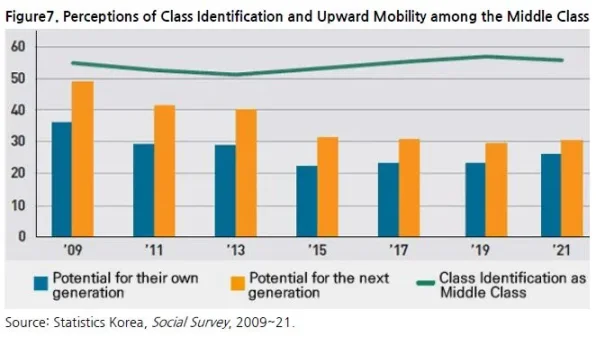
So is it any surprise that many of the world’s largest population of “degenerates” are Korean? Think of Bill Hwang, Masayoshi Son, and Do Kwon. When traditional upward paths are blocked, the only way to increase returns is to increase risk—that’s hypergambling—and this future is approaching all of us.
Long-term degeneracy is your college friend betting on sports; your relatives trading options; you engaging in online communities rather than real-life socializing. These trends reflect human nature operating under modern efficiency—chasing the shortest possible return cycles.
AI will only accelerate long-term degeneracy. Its core logic is that the time window for "success" is shrinking, and every new technological advancement only shortens it further.
Although some may try to use this awareness to "save the world," the ship is already heading toward the rocks. Rather than trying to change course, ensure you have a safe spot in the lifeboat.
What is Hypergambling?

Hypergambling is high-risk behavior triggered by fear of future financial insecurity.
Rather than attempting a precise definition, let's describe how it feels:
Imagine you're a recent college graduate from a middle-class family.
You might not have student debt, but many do. You might be lucky enough to land a job paying over $100,000 a year, but many aren't. Even if you're fortunate, you look up at sky-high asset prices (houses, stocks) and try to calculate how you might afford one in 20 years, knowing full well these assets will only keep rising in the meantime.
All around you are viral success stories (often false or survivorship bias), and your attention span has been shattered by TikTok and YouTube shorts. You simply don’t have the patience or discipline to take the slow path.
So you start risking too much of your monthly salary: cryptocurrencies, options, meme stocks, meme coins, sports betting. Your logic: this money will never buy a house anyway, but if I win, maybe it could. And if I lose, I just wait one or two weeks and start again.
This is hypergambling. If a significant portion of your net worth is in cryptocurrency, congratulations—you’re also hypergambling.
Hypergambling entered public consciousness during the pandemic. In January 2020, Peter Thiel wrote in a letter to Mark Zuckerberg:
"Viewed through the breakdown of the generational contract, the answer seems simple: when someone carries too much student debt or housing prices are unaffordable, they remain in negative net worth for a long time, or struggle to begin accumulating capital in the form of real estate."
While he was discussing millennial tendencies toward socialism, this is merely the other side of the same coin. Hypergambling is emergent anger; socialism is resigned coping.
The core issue is the cost of homeownership and the expected timeline to achieve it on an average wage. When this social contract breaks down, people seek shortcuts. The rise of cryptocurrency, meme stocks, options, and leveraged trading reflects the public's desire for volatility and asymmetric returns—because linear growth can no longer afford a home.
The downside of repeatedly engaging in high-risk investments is that many people fail. If you reach the end of the tunnel with nothing, you’ll be poorer than before.
Origins
Inequality is the obvious cause, woven through many of the others. But before going further, it should be noted: in the author’s view, current trends represent a return to historical norms. The modern middle class emerged from post-WWII prosperity and global labor arbitrage. Traditionally, the petite bourgeoisie specifically referred to owners of enterprises and capital, while knowledge workers still belonged to the working class. It is precisely the frustration over this compressed lifestyle that amplifies these issues.
Income Inequality
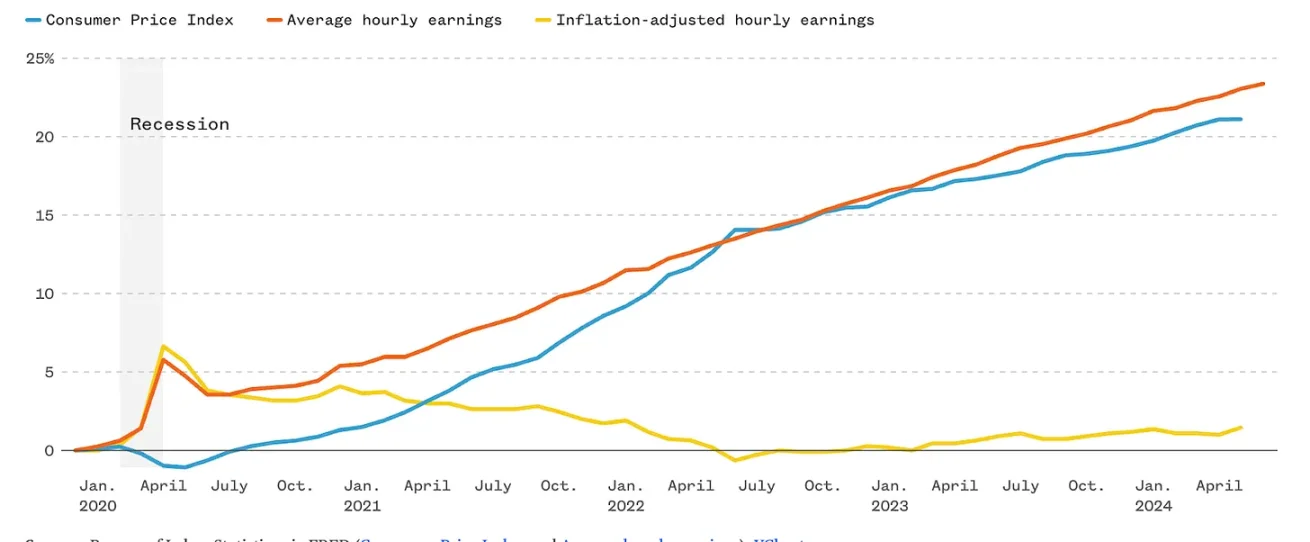
The key factor is worsening inequality between income and assets—not the ratio of top to bottom earners, but the relationship between wages and housing prices.
As this trend worsens, the linear timeline ("get a normal job, save for a house") becomes longer and longer, until it becomes completely unfeasible. This reflects the compression of expected returns ("graduate college, get a good job"), fundamentally pushing people toward higher-risk investments in pursuit of higher gains.
Asset Price Increases / Denominator Approaching Zero
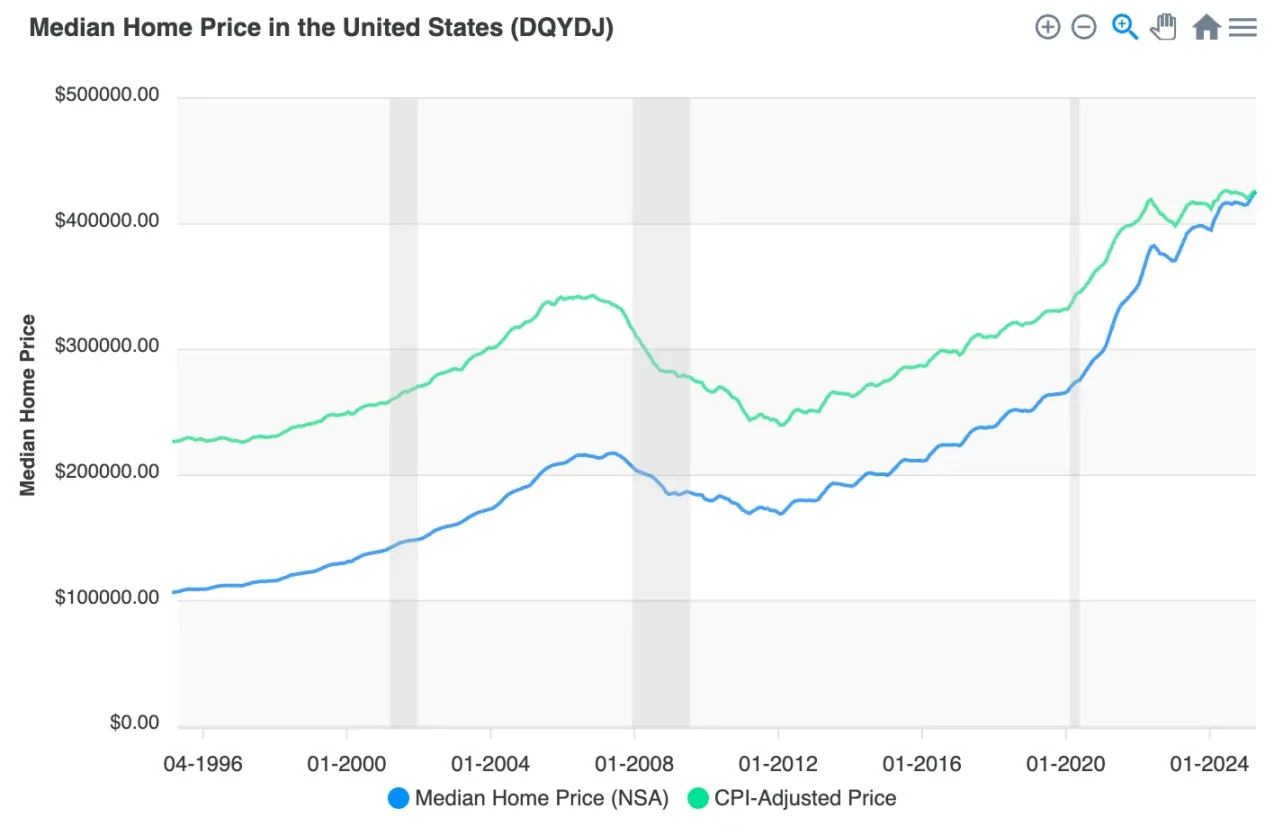
At the time of writing, housing prices, the S&P 500, and Bitcoin are all at historic highs.
Critically, houses cannot be bought in fractions—you either pay rent (or live at home) while saving. In the worst case, asset prices rise faster than savings, resulting in permanent unaffordability. This fear of "never catching up" drives higher risk tolerance.
The flip side of rising asset prices is the denominator approaching zero. The US dollar has depreciated 10% this year alone. In a world where consumers face persistent rapid inflation, how much savings is enough? What can outpace future fiat inflation?

Deregulation of Gambling and Speculation
Rules are written in blood and tears. Although the author himself may have benefited from deregulation, he believes the trend of gambling entering the mass market is antisocial.
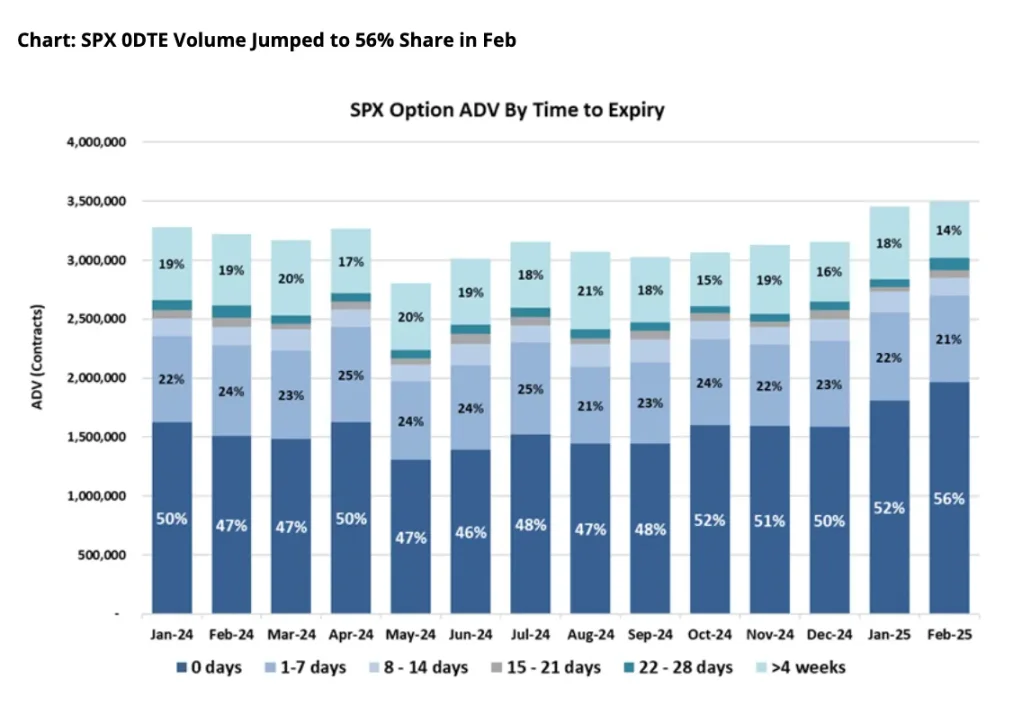
With the invention of sports betting, prediction markets, online casinos, 0DTE options, and the impending popularity of perpetual contracts, ordinary consumers can now enter the degenerate world with just one click.
This is not good. Many of us who survived in crypto did so merely by chance—by picking an asset class that happened to 10x every four years. But repeated high-risk financial speculation destroys dopamine receptors, breaks the link between effort and reward, and renders people "permanently unemployable."
Online Dating
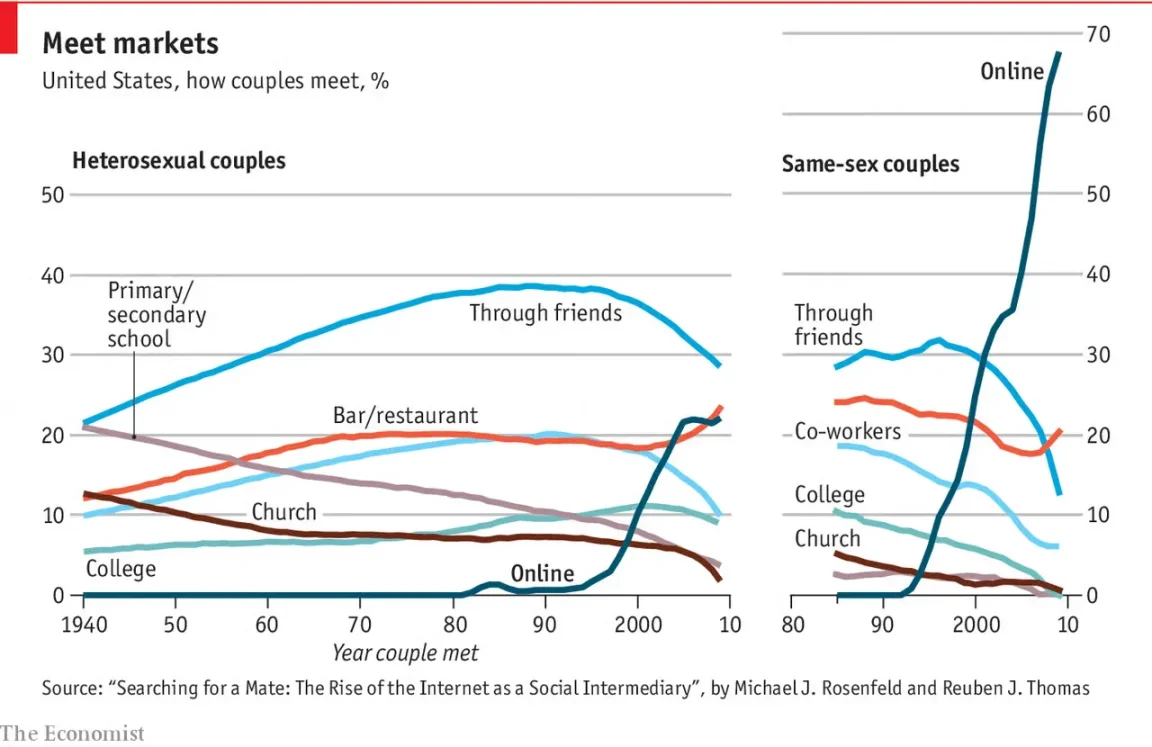
The rise of online dating does more than exacerbate the loneliness epidemic.
It also shapes male value—or at least how the market perceives male value. Online dating follows a power law distribution: the top one percent of men receive a disproportionate share of attention. The common way men boost their market value is through wealth.
Even sex is driving men toward higher risk.
Note the inevitability of these causes: worsening income inequality, rising asset prices, increased speculation, and online dating. These trends will only intensify—and so will long-term degeneracy.
Short-Term Effects
Cryptocurrency rises. Sports betting grows. "Buy now, pay later" spending becomes normal. Savings decline. Attention spans shorten. Money becomes numbers on a screen. Discord becomes the new church. Quasi-social relationships replace real ones. Birth rates fall. Happiness declines. The result is further polarization into winners and losers.
Long-Term Effects
Derivatives Eat the World
Whether perpetual contracts, binary options (prediction markets are a form of binary option), or new instruments—the more retail access and adoption, the less you can resist the market.
Breakdown of the Effort/Reward Model
Traders are the most affected profession. A trader’s work ethic collapses the moment they make their first profit—how could they ever go back to working 40 hours a week when 40 minutes of numbers flashing on a screen earns more than a year’s salary?

Worsening Inequality
The ultimate outcome of many failing is that money flows increasingly to the winners. Tragically, this creates a vicious cycle.
If universal basic income (UBI) is implemented in the future, it will push long-term degeneracy to new heights. Would you survive on a meager allowance, or bet everything to chase elite status? After all, if you can restart next month, what’s the loss in speculating with this month’s money?
This view has been my warning for nearly a decade. I attribute my miraculous recovery to one unwavering belief: "The world will only become more degenerate, financialized, speculative, lonely, tribal, and bizarre." But I never turned things around by "digging deeper"—unless you count any speculation as digging. Perpetual contracts, meme coins, gambling—they’re usually negative expected value (-EV). If you keep playing and losing, you’re someone else’s profit source.
Find a way to follow the house.
Join TechFlow official community to stay tuned
Telegram:https://t.me/TechFlowDaily
X (Twitter):https://x.com/TechFlowPost
X (Twitter) EN:https://x.com/BlockFlow_News






