"Tokenized US Stocks" Two Weeks After Launch: Heavy Hype, Amazon Token Price 4x That of Actual Stock
TechFlow Selected TechFlow Selected
"Tokenized US Stocks" Two Weeks After Launch: Heavy Hype, Amazon Token Price 4x That of Actual Stock
Industry insiders stated that trading tokenized stocks on anonymous platforms poses regulatory loopholes, potentially creating a breeding ground for insider trading and market manipulation.
 Navigating Web3 tides with focused insights
By Long Yue, Wall Street Journal
Blockchain technology is attempting to disrupt traditional stock markets, but reality is more complicated than the ideal.
The launch of tokenized stocks has not gone smoothly. Currently, digital tokens designed to track popular stocks such as Amazon and Apple have experienced significant price deviations from their underlying shares since launching two weeks ago.
Robinhood Markets is facing scrutiny from European regulators after launching a token that allows investors to bet on OpenAI without permission from the artificial intelligence startup. The Wall Street Journal reported that industry insiders are concerned such "tokenized" stocks create opportunities for illicit activities like insider trading and market manipulation that are difficult to detect.
At the end of June, several cryptocurrency exchanges including Robinhood, Kraken, Gemini, and Bybit launched blockchain-based versions of U.S. stocks and exchange-traded funds for non-U.S. clients. Crypto executives describe this as a way for global investors to gain exposure to popular securities such as Tesla, Nvidia, and SPDR S&P 500 ETFs—especially in countries where it's difficult to buy U.S. stocks through local brokers.
Sharp Price Deviations Spark Skepticism
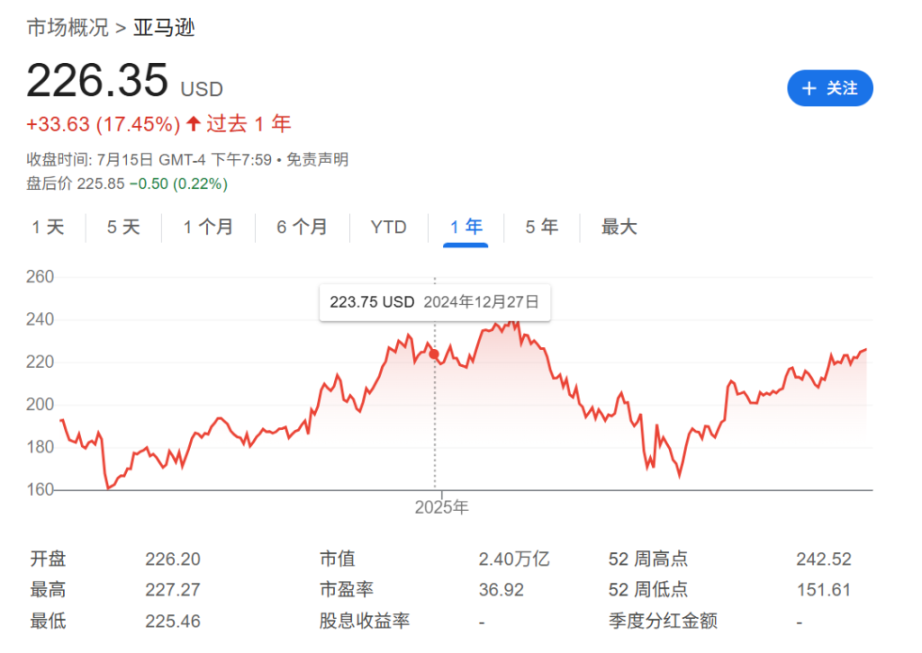
However, the price performance of tokenized stocks has been chaotic. According to data provider CoinGecko, on July 3, the AAPLX token tracking Apple briefly surged to $236.72, a 12% premium over the stock’s trading price at that time. Similarly, a token tracking Amazon spiked to $891.58 on July 5, four times the stock’s previous closing price.
An even more extreme case occurred on the peer-to-peer crypto trading platform Jupiter. Blockchain data shows that earlier on July 3, an unidentified user attempted to buy about $500 worth of the Amazon token AMZNX, briefly pushing its price up to $23,781.22—more than 100 times Amazon’s prior day closing price.
These tokens, known as “xStocks,” are issued by Switzerland-based Backed Finance, which partnered with Kraken and Bybit to roll out dozens of stock-tracking tokens on June 30.
But because xStocks see light trading across multiple crypto exchanges, they are prone to sharp price swings when users trade volumes beyond market depth. These fluctuations may intensify during nights and weekends when stock markets are closed. A Backed spokesperson said: "We are actively monitoring any pricing discrepancies and working with exchanges to ensure they address this issue."
Regulatory Scrutiny Mounts
Robinhood unveiled its tokenized stocks at a high-profile event in France on June 30. To promote the product—available only to European clients—the company gave away free tokens tied to the performance of OpenAI and SpaceX, neither of which is publicly listed.
OpenAI rejected these tokens, stating on Twitter: "We are not partnering with Robinhood, we are not involved, and we do not endorse this." The Bank of Lithuania, which regulates Robinhood’s European operations, said it had contacted Robinhood to request explanations about the tokens and how they were marketed to customers.
A Robinhood spokesperson said: "We are confident in our program and are engaging with regulators to address any concerns."
Skeptics worry tokenized stocks could become a means to circumvent regulations. In U.S. stock markets, exchanges monitor for manipulation and other abuses, while brokers must verify customer identities—enabling regulators to investigate suspicious activity and identify those involved.
Backed says transactions on public blockchains are more transparent than in traditional finance, making it possible to monitor and detect illegal activity.
But other industry participants fear tokenized stocks traded on anonymous platforms are a source of trouble. Carlos Domingo, CEO of tokenization startup Securitize, said such arrangements could enable abuses like insider trading: "This is a Pandora's box—it will eventually blow up because people will find ways to use these tokens for illegal purposes."
Join TechFlow official community to stay tuned
Telegram:https://t.me/TechFlowDaily
X (Twitter):https://x.com/TechFlowPost
X (Twitter) EN:https://x.com/BlockFlow_News