Google's $17 billion acquisition of Windsurf heats up Silicon Valley's AI talent war, with 99% of the money flowing to 1% of the people
TechFlow Selected TechFlow Selected
Google's $17 billion acquisition of Windsurf heats up Silicon Valley's AI talent war, with 99% of the money flowing to 1% of the people
In the battle for AI supremacy, money has become the least valuable asset.
 Navigating Web3 tides with focused insights
Author: Xinxin
OpenAI's Vibe Coding dream has collapsed.
On July 11 local time, it was revealed that Google DeepMind had successfully absorbed the core team of AI startup Windsurf. Just recently, OpenAI had been negotiating a $3 billion acquisition deal with Windsurf—GeekPark even discussed it extensively on a podcast—yet the collaboration never materialized, and instead, Google gained a fresh infusion of AI talent.
According to reports, Google will pay $2.4 billion (approximately RMB 17 billion) in licensing fees and compensation to bring aboard Douglas Chen, co-founder of Windsurf, along with several senior researchers, bolstering its AI coding initiatives. Meanwhile, Windsurf will remain independently operated and can continue licensing its technology to other companies.
Familiar recipe, familiar taste.
Just one month earlier, Meta did something similar—investing heavily to acquire nearly half the shares of Scale AI and bringing in its young CEO as Meta’s Chief AI Officer.
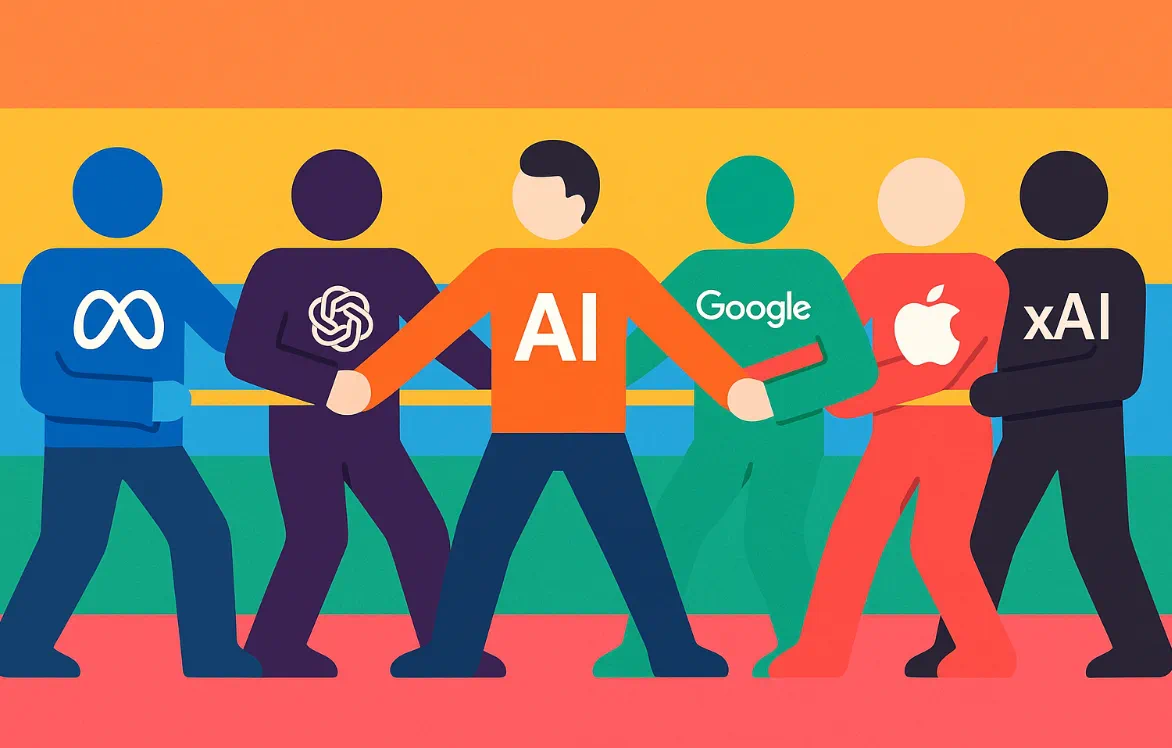
Whether it's Meta, Google, Apple, or Musk’s xAI, everyone is now scrambling for talent—either acquiring star startup teams entirely or directly poaching staff from OpenAI and Anthropic.
Mega-corporations are using multi-million or even billion-dollar compensation packages to explosively raid rival teams. CEOs personally make calls, host dinners, invest, or acquire companies—all just to land a few founders and technical leads. The raided companies, meanwhile, are forced to offer higher retention bonuses to stem the bleeding.
You could say Silicon Valley’s “AI talent war” has reached a fever pitch—99% of the money ultimately flows to just 1% of top-tier AI talent.
01 Meta’s Aggressive Talent Raid
Among all the tech giants, Meta and Zuckerberg have arguably taken the most high-profile and aggressive approach to talent acquisition.
In June this year, Meta restructured its AI team, announcing the formation of a “Super AI Lab,” and invested $14.3 billion to acquire 49% of data-labeling startup Scale AI, immediately appointing its young CEO, Alexandr Wang, as Meta’s Chief AI Officer—an arrangement dubbed “buy company, get executive free.”
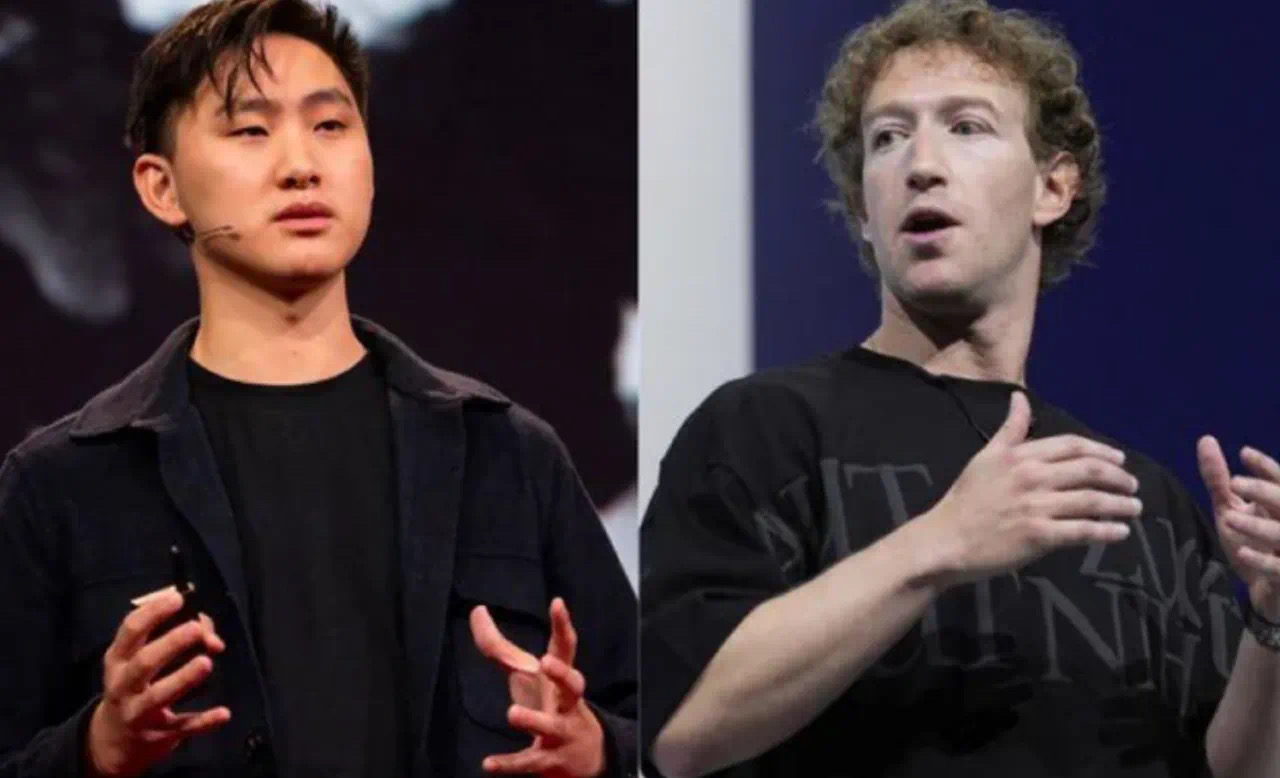
Alexandr Wang and Zuckerberg | Image Source: Internet
Beyond buying companies to get people, Meta has also spared no expense in individual offers, particularly targeting top researchers from OpenAI, Google, Apple, and Anthropic.
These individuals already commanded salaries in the millions, plus stock options—top-tier by industry standards. Yet to lure key members from OpenAI, Meta reportedly offered “four-year, $300 million” super-packages, with a large portion of stock exercisable in the first year alone, amounting to $100 million cashed out upfront. While Meta claims such extreme packages are reserved only for “a few leadership roles,” even so, they’re unprecedented in the tech world.
Consequently, OpenAI—the very company housing elite AI models—has become the prime target for raids, suffering severe talent drain. It’s practically turned into an “AI talent supermarket,” picked clean by major players. Meta alone has poached at least seven top researchers and model developers from OpenAI.
An OpenAI executive described being raided by Meta as “someone breaking into our house and stealing stuff.” Sam Altman certainly sensed trouble too, but claimed that OpenAI’s “best” employees hadn’t left.
“Meta started offering massive contracts to many people on our team,” Sam Altman said on his brother’s podcast in June, “like $100 million signing bonuses per year, plus even higher salaries.” “But at least so far, none of our best employees have decided to accept their offers.” Meta reportedly tried to recruit one of OpenAI’s chief researchers and a Google AI architect, but both attempts failed.
Altman sarcastically added that Meta’s obsession with high pay over AGI mission might not foster a “good culture.”
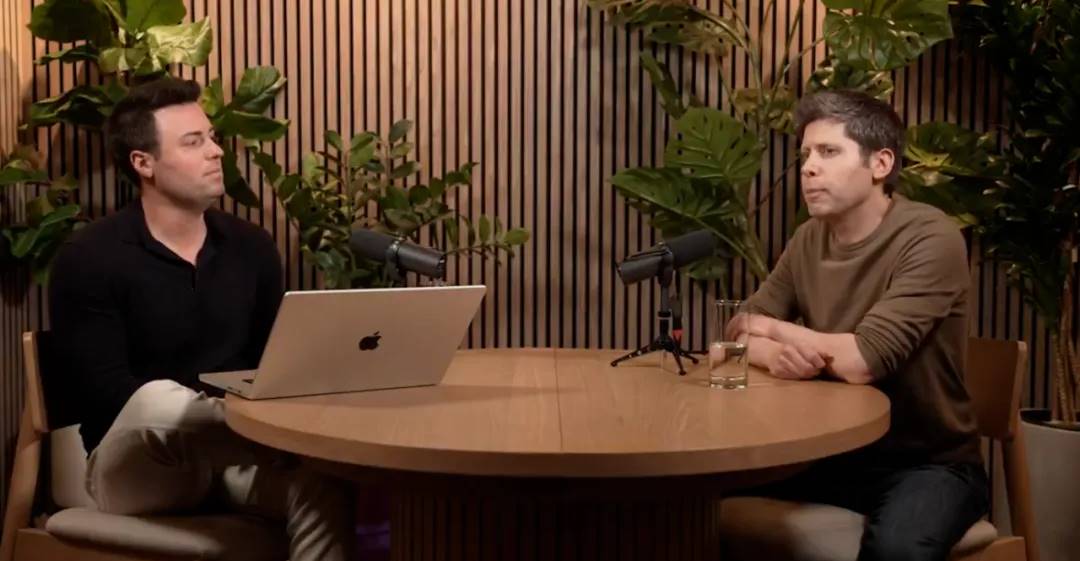
Sam Altman discussing Meta’s poaching on a podcast | Image Source: Internet
Even so, beyond relying on so-called “culture” and “vision” to retain talent, OpenAI still pays a price in this war. It has had to adjust compensation, offering retention bonuses of $1–2 million to some employees, along with extra equity, as loyalty incentives to convince key researchers to stay after receiving external offers. Allegedly, the board crises and organizational turmoil over the past two years have somewhat weakened employee loyalty, making some rivals and recruiters believe “it’s easier to poach from OpenAI.”
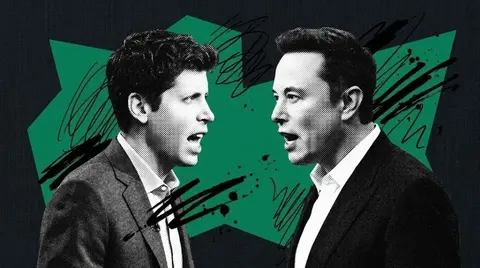
Still, OpenAI isn’t sitting idle—it’s also actively poaching. Not only has it lured back a researcher from Meta, but it has also recruited a senior VP and multiple core engineers from Musk’s xAI and Tesla, some of whom were involved in building Musk’s supercomputer Colossus. Musk and Sam Altman long ago clashed over strategic differences and are now even suing each other.
In this compensation climate, even the typically aloof Apple has had to change course. Apple previously discouraged researchers from publishing papers due to its secrecy culture, making it hard to attract top AI scholars. In contrast, Google, Meta, and Microsoft have long allowed publication and open-sourcing tools, boosting researcher visibility. By 2025, Apple appears to be relaxing some restrictions and heavily investing in internal large model projects.
Yet, Apple’s head of foundational model research was still poached by Meta with a package exceeding $100 million—one rumored to surpass all Apple executives except CEO Tim Cook. Apple reportedly made no attempt to counter-offer or match Meta’s bid.
To compete for AI talent, companies are adjusting policies like shortening vesting periods. For example, Google shortened the vesting period for certain AI hires from four to three years to enhance compensation appeal. Multi-million-dollar signing bonuses are no longer rare.
Also worth noting: these offers aren’t just about high salaries—they include stock and one-time signing bonuses. Some offers allegedly come with “explosive deadlines”—sign within 24 hours or the offer expires.
Nowadays, in Silicon Valley’s AI circles, resumes resemble transfer markets: work at Google, upgrade at OpenAI, then get poached by Meta—maybe even start your own company later, leveraging past credentials to raise hundreds of millions. Of course, some keep switching back and forth; for instance, one engineer who joined xAI returned to OpenAI in under a year. Others reject Meta’s lavish packages simply because they don’t want to “hustle.”
Since Meta’s signing fees have reached “professional athlete” levels, a meme comparing a Chinese AI researcher side-by-side with football star Cristiano Ronaldo, juxtaposing their contract values, became a viral joke across tech circles.
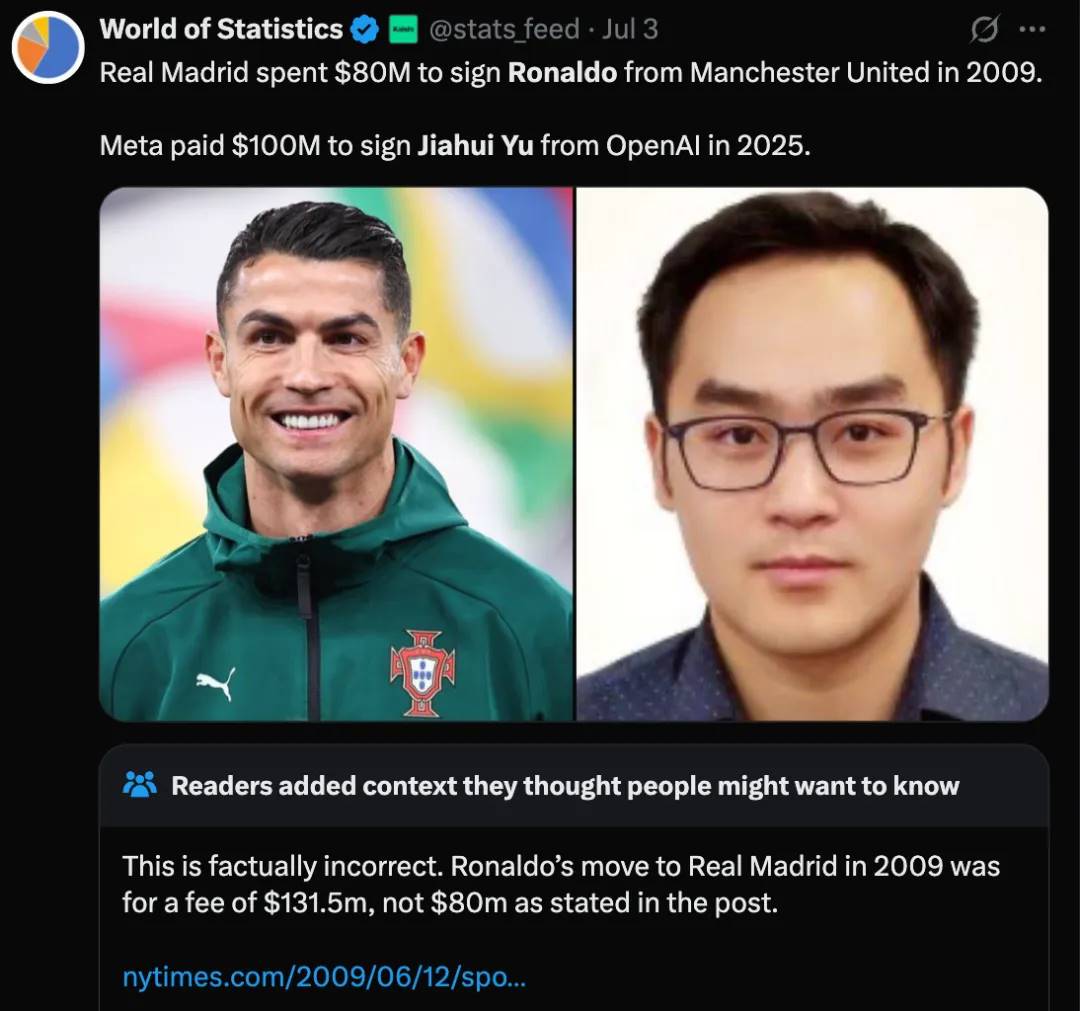
Netizens compare Chinese AI researcher with Ronaldo | Image Source: X
02 Chinese Faces in High Demand
In this battle among giants, if you pay attention to names or surnames, you’ll notice many are Chinese.
For example, Jiahui Yu—the Chinese researcher pictured next to Ronaldo earlier—is a graduate of the University of Science and Technology of China’s gifted program. He previously worked at Google DeepMind, leading Gemini’s multimodal project, then joined OpenAI to contribute to GPT-4o, GPT-4.1, o3, and o4-mini development before being heavily recruited by Meta.
The Apple executive poached by Meta was also Chinese—Ruoming Pang—with Meta reportedly offering him a total package exceeding $200 million. Pang spent four years at Apple leading the foundational models team behind Apple Intelligence.
Prior to Apple, he worked at Google for 15 years, contributing to speech recognition research and product development, co-created the Babelfish/Lingvo deep learning framework and Tacotron 2 speech synthesis system, and was co-founder and tech lead of Google’s globally deployed Zanzibar authorization system.
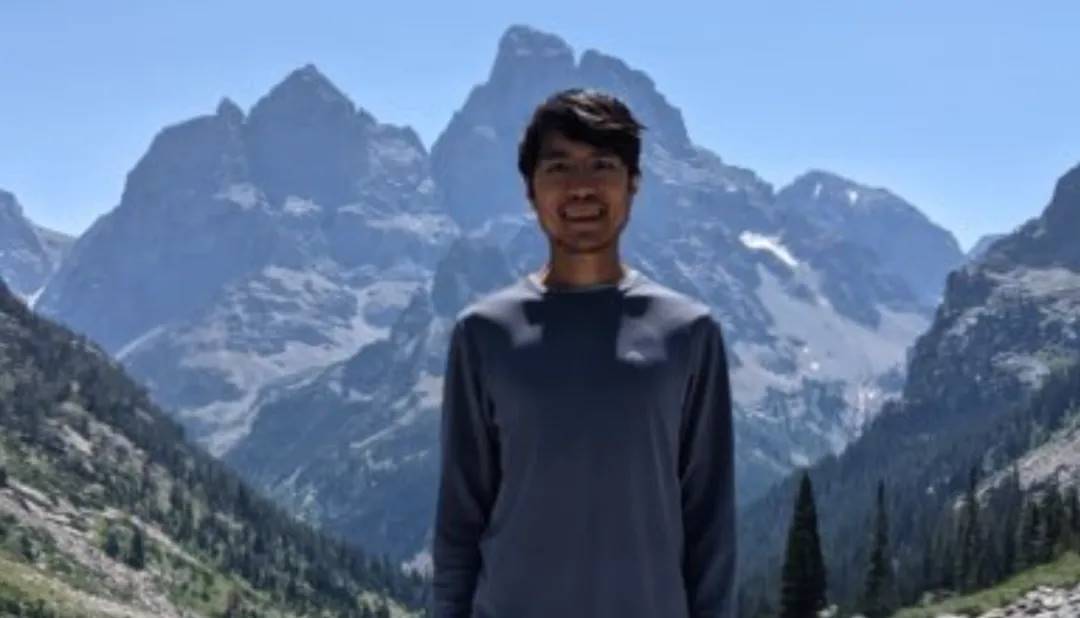
Ruoming Pang | Image Source: His X account
Besides Pang, Meta’s list of Chinese recruits includes several former OpenAI and Google researchers who contributed to cutting-edge large model versions like GPT-4, Gemini, and o-series during their tenure.
For instance, Huiwen Chang, a graduate of Tsinghua’s Yao Class, earned her PhD from Princeton and served as a research scientist at Google for over four years, inventing the MaskGIT and Muse architectures. She joined OpenAI in 2023, contributing to the image generation system of GPT-4o and advancing multimodal AI models.
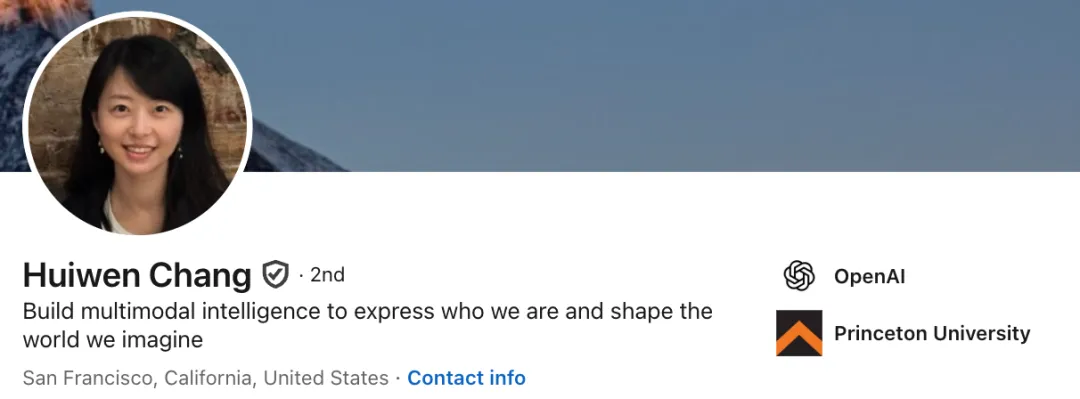
Huiwen Chang | Image Source: LinkedIn
Hongyu Ren graduated from Peking University and earned his PhD from Stanford. He interned at Microsoft, NVIDIA, Google, and Apple before joining OpenAI, where he led the post-training team focused on language model optimization and helped develop models including GPT-4o mini and o1-mini.
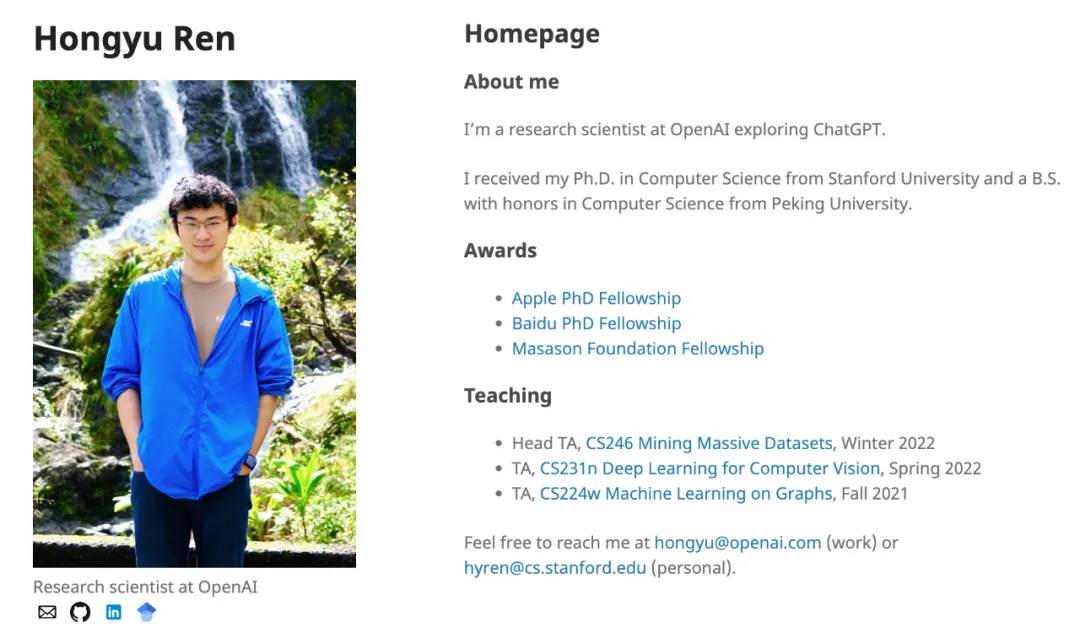
Hongyu Ren | Image Source: Personal website
Ji Lin graduated from Tsinghua University and earned his PhD from MIT. He joined OpenAI in 2023 as a technical team member, contributing to GPT-4o, GPT-4.1, GPT-4.5, the image generation system (4o-imagegen), and the Operator reasoning stack.
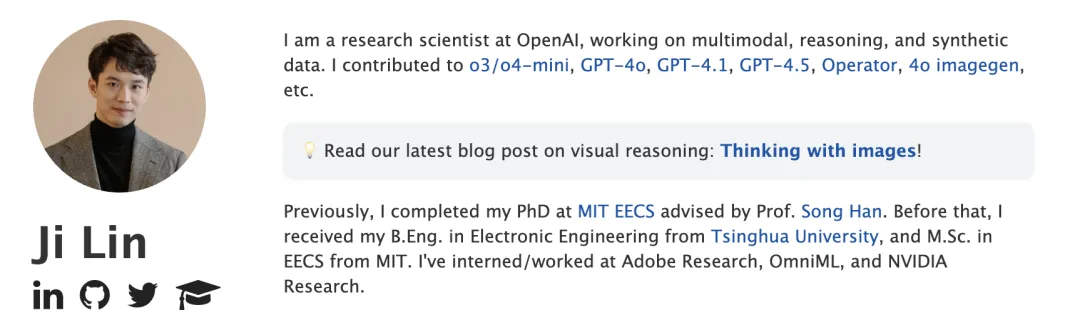
Ji Lin, poached by Meta from OpenAI | Image Source: Personal website
In July 2025, Google announced it would hire Windsurf’s CEO and co-founder, along with select R&D staff, integrating them into Google DeepMind—blocking OpenAI’s acquisition plan.
Douglas Chen, the co-founder of Windsurf brought in by Google, is also of Chinese descent. A MIT graduate, he previously worked as a machine learning engineer at Meta and Facebook.
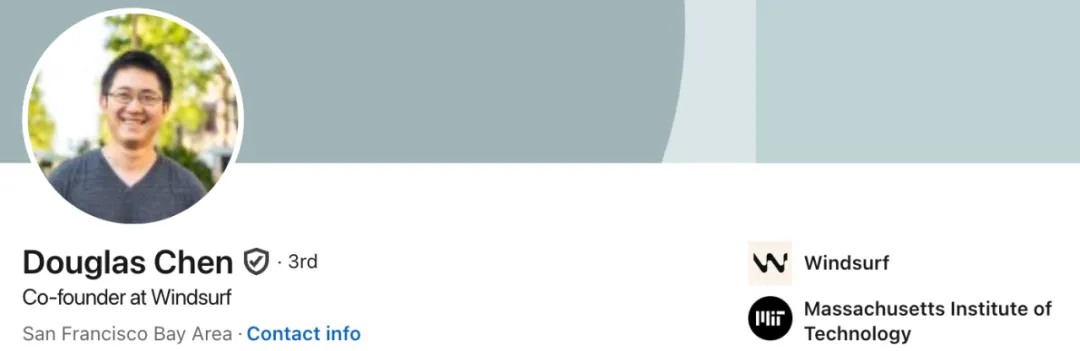
Windsurf co-founder Douglas Chen | Image Source: LinkedIn
Apple similarly relies on Chinese engineers in AI. After Pang’s departure, Apple quickly promoted another Chinese engineer, Zhifeng Chen, to take over leadership in developing and deploying large language models behind Apple Intelligence.
The high concentration of Chinese faces is no coincidence. According to analyses by think tanks of authors at top global AI conferences, over 30% of top AI researchers in the U.S. have Chinese backgrounds—slightly higher than those born in the U.S.
Musk’s preference for Chinese engineers is also evident—his team photos often feature many Chinese faces. When xAI was founded, 5 of its 12 founding researchers were Chinese: Tony Wu, Jimmy Ba, Greg Yang, Zihang Dai, and Guodong Zhang—many of whom had interned or worked at Google, DeepMind, or OpenAI. Sometimes people joke that “half of xAI is Chinese,” and it’s not far off.
During the Grok 4 live launch event, the person frequently seen beside Musk was Tony Wu (Huaiyu Wu), now a co-founder at xAI. He previously interned at Google DeepMind and OpenAI, completed a postdoc at Stanford, and worked at Google for a period.
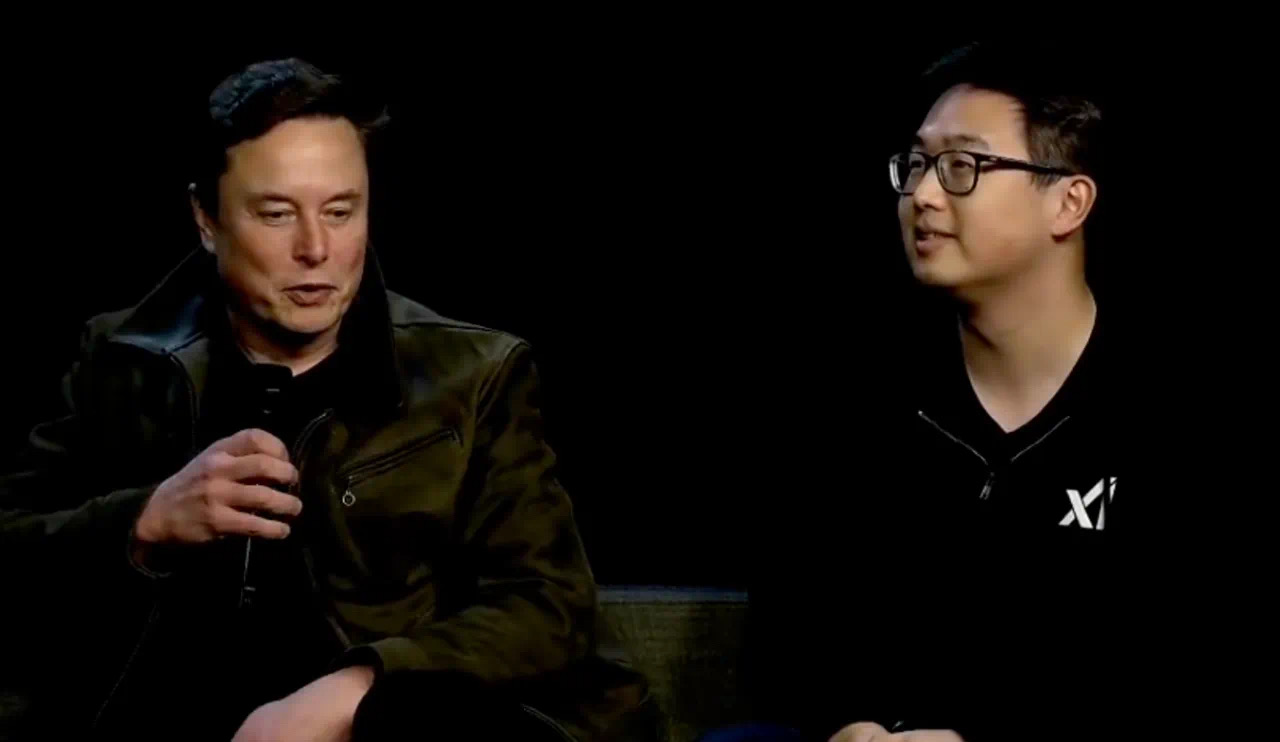
Musk and Tony Wu (right) | Image Source: xAI
This year, a popular saying has emerged in tech circles, often shared humorously: “The AI war is between Chinese in America vs. Chinese in China.”
03 Layoffs Amid Poaching: Does 99% of the Money Flow to 1%?
Yet behind the glamorous headlines of sky-high contracts lies anxiety for another group—because this talent war may only benefit the top 1%. What about the remaining 99%?
Even “ordinary” senior AI engineers can command annual packages of $1–1.5 million—two to three times higher than traditional software roles. Data from Levels.fyi shows that E7-level AI engineers at Meta average nearly $1.54 million annually—a figure already considered top-tier even in Silicon Valley.
But for many Silicon Valley programmers, the rise of AI and the corporate talent race brings not just envy, but real anxiety: On one side, giants like Meta, OpenAI, and Google are fighting over top AI scientists with tens or hundreds of millions in signing bonuses and salaries, while AI stars enjoy nine-figure compensation. On the other side, regular engineers fear layoffs and marginalization.
“One hand watching LLM gurus grab mega-packages, the other hand worrying daily about getting laid off,” posted one user on a forum popular with Silicon Valley coders. Similar threads are common across various tech social platforms.
And indeed, these giants are “laying off while poaching.” Over the years, Meta has cut thousands, especially employees in non-AI projects, implementing a “bottom-performer elimination” policy—earning it the nickname “Squid Game Factory” among Chinese-speaking engineers in Silicon Valley. Google continues optimizing operations and even launched a “voluntary separation compensation program,” redirecting resources toward AI. Amazon laid off over 20,000 last year, trimmed dozens of enterprise roles early this year, and began restructuring AWS divisions in March.
In July 2025, Microsoft announced another round of layoffs affecting thousands, primarily engineers—over a hundred software engineering positions eliminated locally in Silicon Valley alone—partly justified by AI-driven productivity gains.
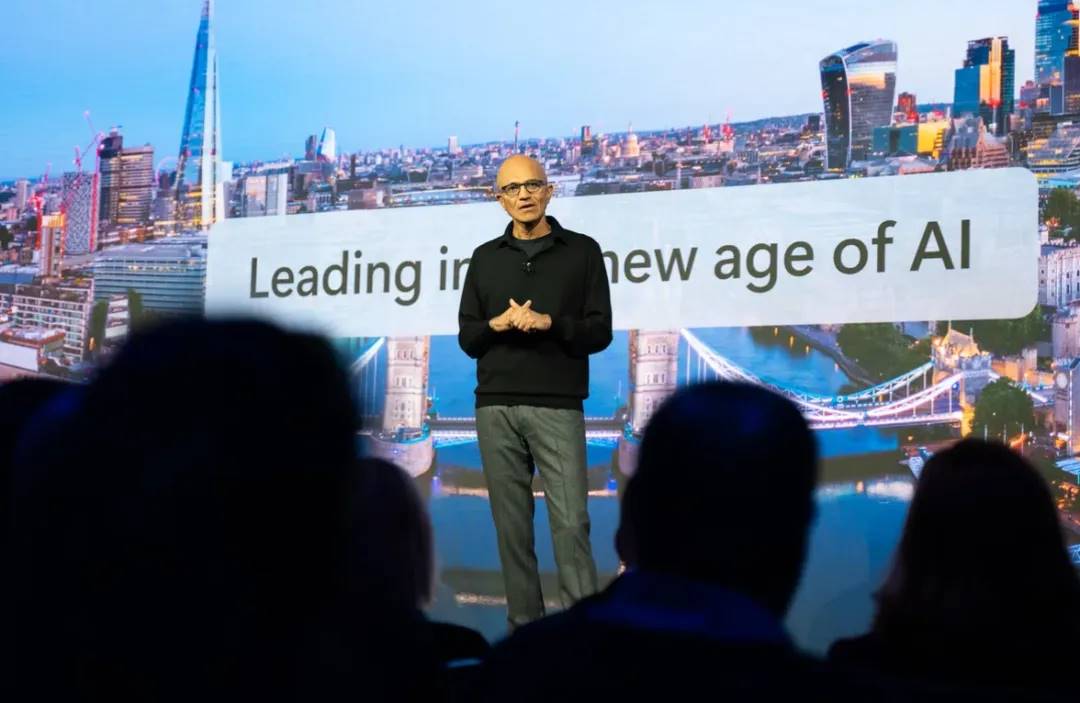
Microsoft CEO Nadella | Image Source: Microsoft
In 2025, Microsoft CEO Satya Nadella publicly stated that 20% to 30% of internal code is now AI-generated. Similar trends appear elsewhere—Salesforce executives noted around 20% of their internal code is AI-generated, boosting engineering productivity by over 30%, thus reducing hiring needs for programmers.
Some Silicon Valley software engineers feel that as AI coding efficiency improves, the survival of ordinary software engineers is becoming “increasingly difficult.” Some argue that currently, 99% of the money flows to just 1% of top AI talent. Since AI itself creates relatively few jobs, and the AI built by programmers ends up replacing many roles, they may ultimately be automating themselves out of existence.
The AI talent war in Silicon Valley is more than just a zero-sum game among giants. Whether it’s AI talent, regular software engineers, or the tech behemoths themselves, all must now accept this reality of high mobility, short-termism, and one undeniable truth:
Massive amounts of money—and ever more money—are flowing exclusively into AI.
Join TechFlow official community to stay tuned
Telegram:https://t.me/TechFlowDaily
X (Twitter):https://x.com/TechFlowPost
X (Twitter) EN:https://x.com/BlockFlow_News
 极客公园
极客公园