13 Billion Yuan, 200,000 Victims: Uncovering Xinkangjia, the Biggest Stablecoin Capital Flight Case
TechFlow Selected TechFlow Selected
13 Billion Yuan, 200,000 Victims: Uncovering Xinkangjia, the Biggest Stablecoin Capital Flight Case
Bubbles change their skin, but greed and trust remain the easiest chips to harvest.
 Navigating Web3 tides with focused insights
"Comrades, hello! Hello everyone! I'm Mr. Huang. I am already overseas. Everyone's intelligence matches their wealth. Because your wealth does not match your intelligence, I have helped you realign it. I merely took away the wealth that didn't belong to you based on your intellectual level. I hope you will thank me, be grateful to me, and remember this lesson I've bestowed upon you."
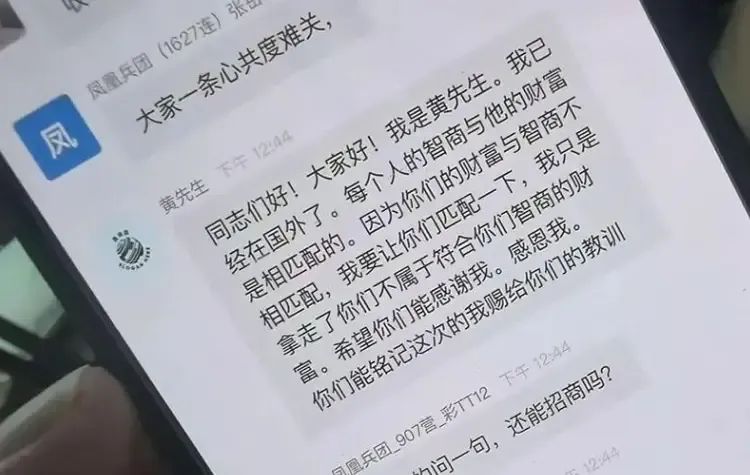
Alleged message left by XinKangJia founder circulating online
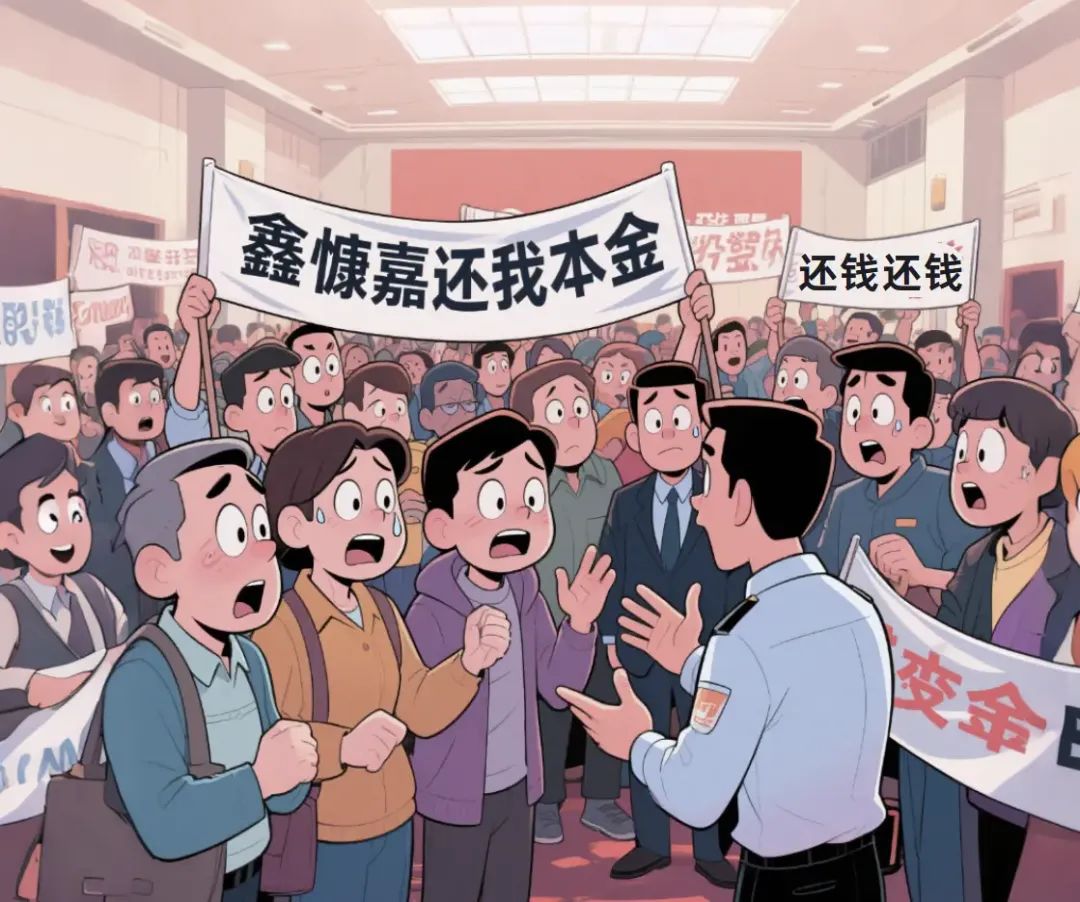
This outrageously arrogant "farewell message" pierced like a poisoned needle into the hearts of 2 million XinKangJia victims.
XinKangJia wore the disguise of a stablecoin, claimed affiliation with a Dubai exchange, asserted connections to Middle Eastern capital and even a strategic cooperation agreement with PetroChina. Wrapped in promises of "principal guarantee with high returns," it lured countless middle-aged and elderly individuals and small business owners from third- and fourth-tier cities to invest—only to plunge them into ruin.
Now, withdrawals are impossible, and mastermind Huang Xin has fled abroad. Just two days before the collapse, a staggering sum of 1.8 billion USDT was transferred in 12 batches to three brand-new cryptocurrency addresses.
From Shell Company to “Militarized” Pyramid Scheme: How XinKangJia Trapped Millions?
In March 2021, Huang Xin, Shao Xinkang, and Wang Yanjia registered “Guizhou XinKangJia Big Data Service Co., Ltd.” using a combination of their names. With registered capital of 30 million yuan (though zero actual paid-in capital) and no social insurance enrollees, it was a classic shell company—the original legal representative was Shao Xinkang, later changed to Liu Hailiang.
But the shell quickly gained a golden veneer. In May 2023, XinKangJia launched under the name “PetroChina Platform,” then rebranded in September as “DGCX XinKangJia Data,” claiming to be the official Chinese branch of the Dubai Gold & Commodities Exchange. Promoting slogans such as “connecting Middle East capital” and “strategic partnership with PetroChina,” it promised daily returns of 2%, drawing investors in droves.
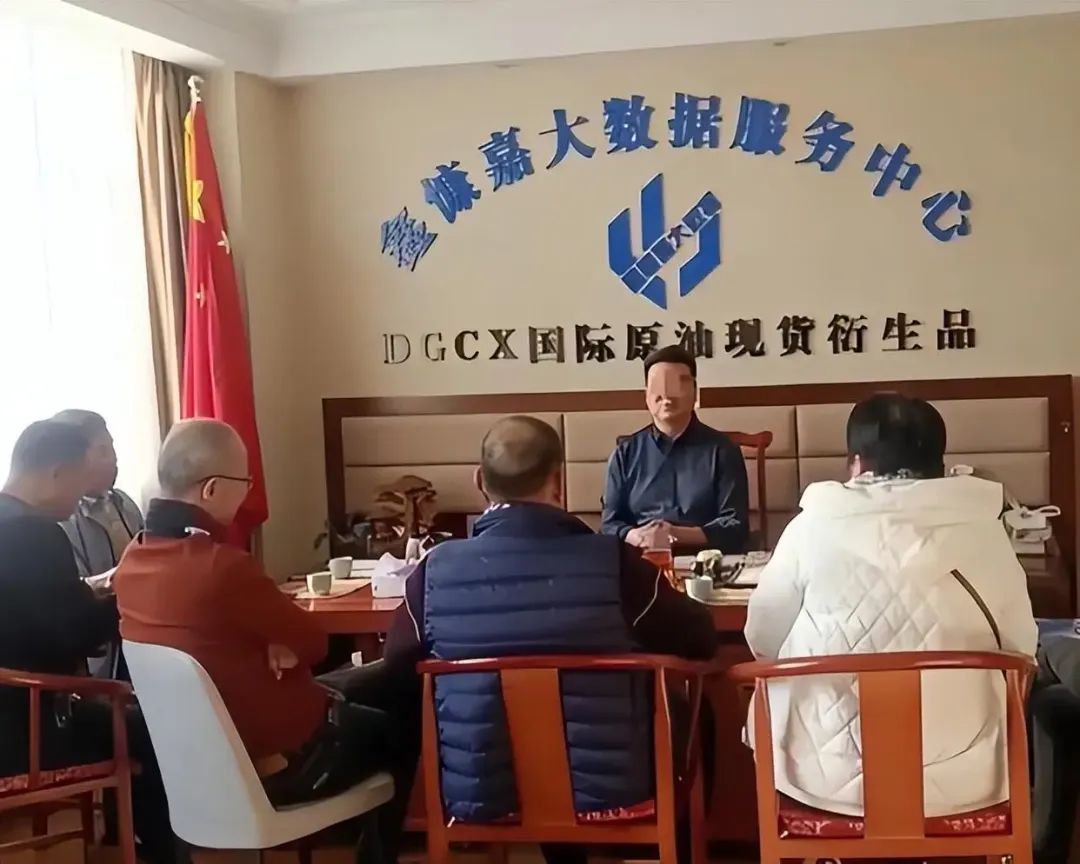
After downloading the “DGCX XinKangJia Data” app, members followed so-called “mentors” through simulated trading operations, predicting price movements. Though appearing to be legitimate trading, the backend could arbitrarily manipulate price data at will.
Moreover, the platform exclusively used USDT for deposits and withdrawals, with all internal accounting settled in USDT. Members had to convert RMB into USDT themselves before transferring funds into their platform accounts.
The scam also operated under a “militarized” pyramid structure. The country was divided into four major "theaters of operation"—East, South, West, and North—with promoters advancing through military-style ranks: “Commander,” “Army Commander,” “Division Commander.” Recruit 50 people to become a Brigade Leader and earn a 15% commission; recruit 500 and receive a Porsche. The largest team in Yunnan alone had 150,000 members, while Jiangxi had 100,000, forming a vast传销 (pyramid) network.
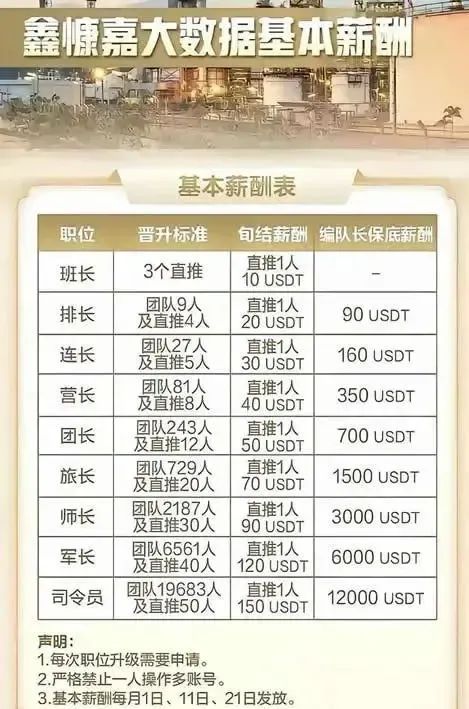
In fact, as early as October 2024, Gongxian County in Sichuan issued a risk alert, pointing out the platform lacked legal qualifications. Yet most users remained entranced by dreams of guaranteed profits. It wasn’t until 12 provinces including Hunan and Hubei began issuing red alerts that the cracks started to show.
In May 2025, withdrawal fees spiked from 5% to 10%, with amounts over 50,000 yuan requiring a "30 working-day queue." On June 26, the platform completely shut down its withdrawal channel—systems crashed, and hundreds of thousands of investors’ funds were frozen overnight.
To date, police across multiple regions have opened investigations. Thirty-seven core team leaders have been arrested, and more than 120 million yuan in illicit funds have been frozen.
Huang Xin’s Mask and Escape
The mastermind behind XinKangJia, Huang Xin, previously portrayed himself as a “Wall Street finance PhD” and “senior PetroChina executive,” claiming he had “accurately predicted the oil price surge back in 2015,” attempting to craft an image of financial expertise and authority.
However, the photos repeatedly circulated under the name “Huang Xin” were actually stolen identities. The person pictured is Hong Kong-based blogger “Dr. Leung,” who publicly clarified on social media in 2024 that he had nothing to do with the scheme.
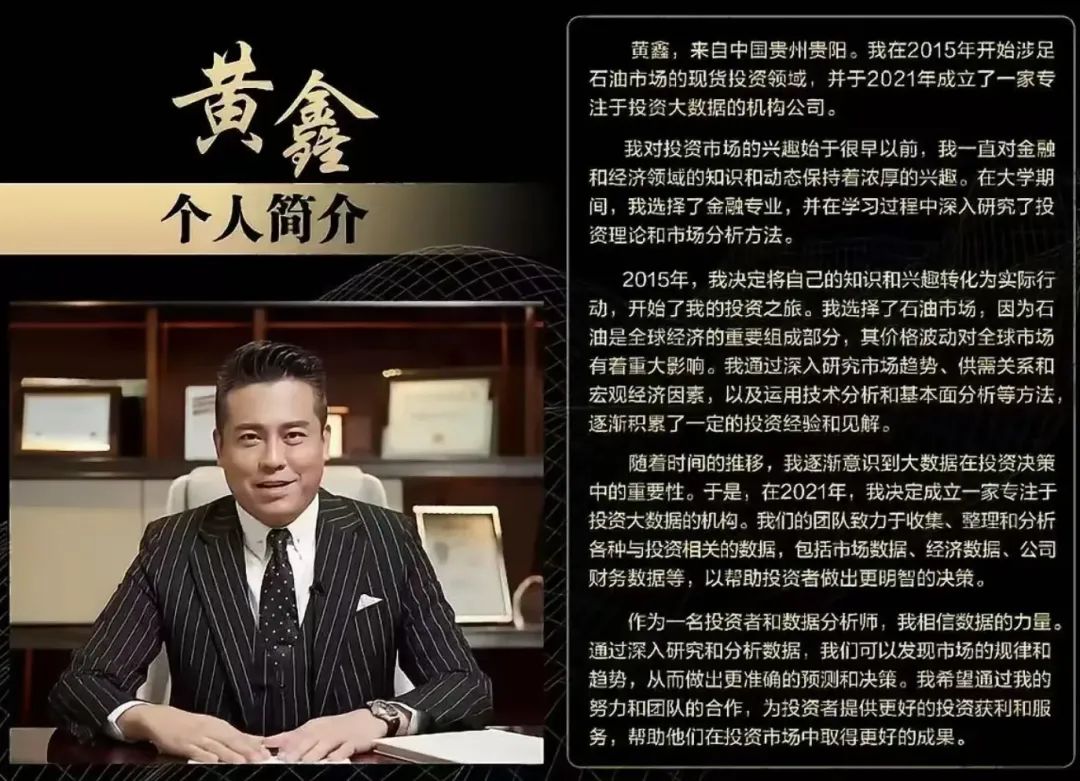
Alleged fake personal profile of Huang Xin circulating online
Rumors also suggest Huang Xin had prior involvement in pyramid schemes. A decade ago, he allegedly participated in the “Yun Lian Hui” Ponzi scheme as a regional promoter in East China. That organization was designated by Guangdong police in 2018 as a massive illegal pyramid operation involving 330 billion yuan and over 5 million members, having expanded rapidly under the guise of “consumption cashback.”
In October 2024, sensing the imminent collapse of XinKangJia, Huang Xin obtained a passport from Saint Kitts through investment immigration—a document granting visa-free access to over 160 countries and regions. He has since fled overseas, his whereabouts now unknown.
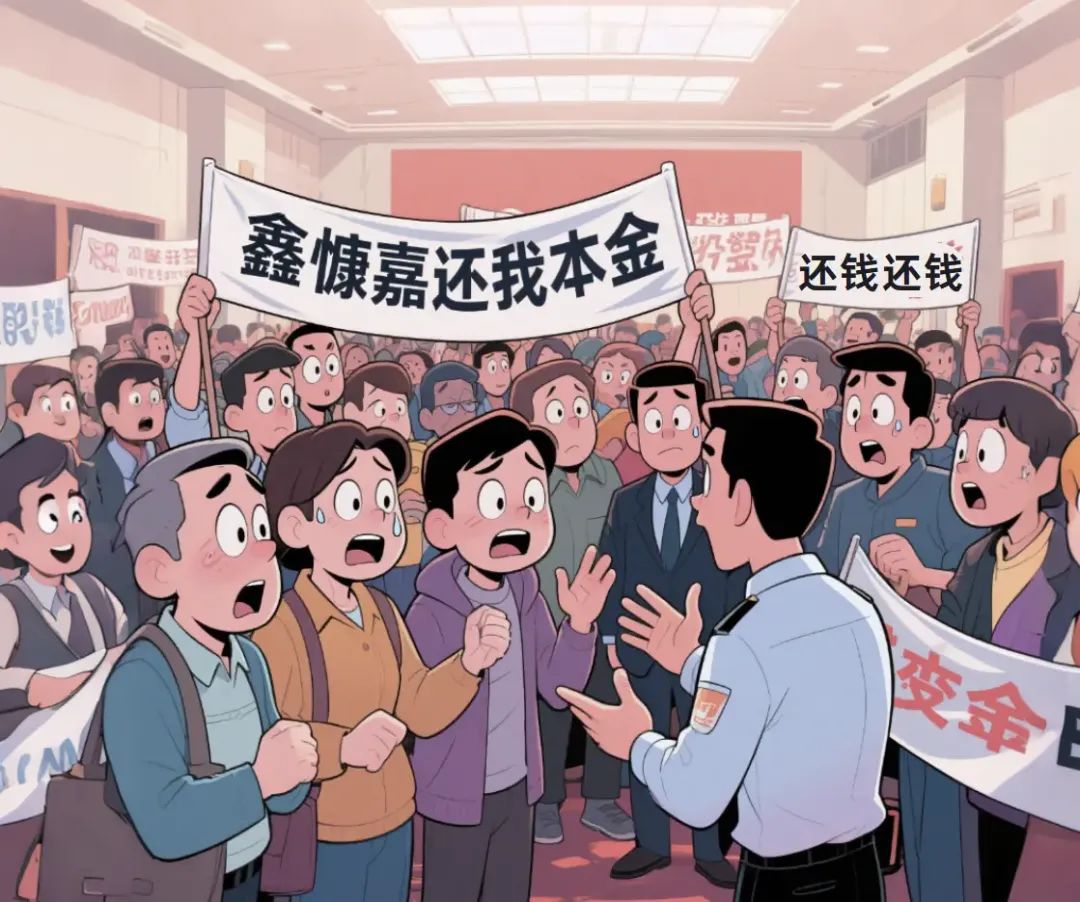
The XinKangJia implosion has left behind anxiety and scars for millions of families.
This case is a textbook example of a hybrid financial fraud combining a Ponzi scheme, multi-level marketing expansion, and cross-border money laundering. What is truly alarming, however, is its methodological evolution: the full integration of the stablecoin USDT as the primary channel for fund inflows and outflows, dramatically increasing both the concealment and efficiency of cross-border asset transfers.
Recently, governments in Wuxi and Jinan have issued or shared documents discussing stablecoins, while Hong Kong’s Stablecoin Ordinance is about to take effect. Global regulation of stablecoins is accelerating—but riding this wave, scams continue to reinvent themselves.
Bubbles may change skin, but greed and trust remain the easiest currencies to harvest.
Join TechFlow official community to stay tuned
Telegram:https://t.me/TechFlowDaily
X (Twitter):https://x.com/TechFlowPost
X (Twitter) EN:https://x.com/BlockFlow_News
 ChainCatcher 链捕手