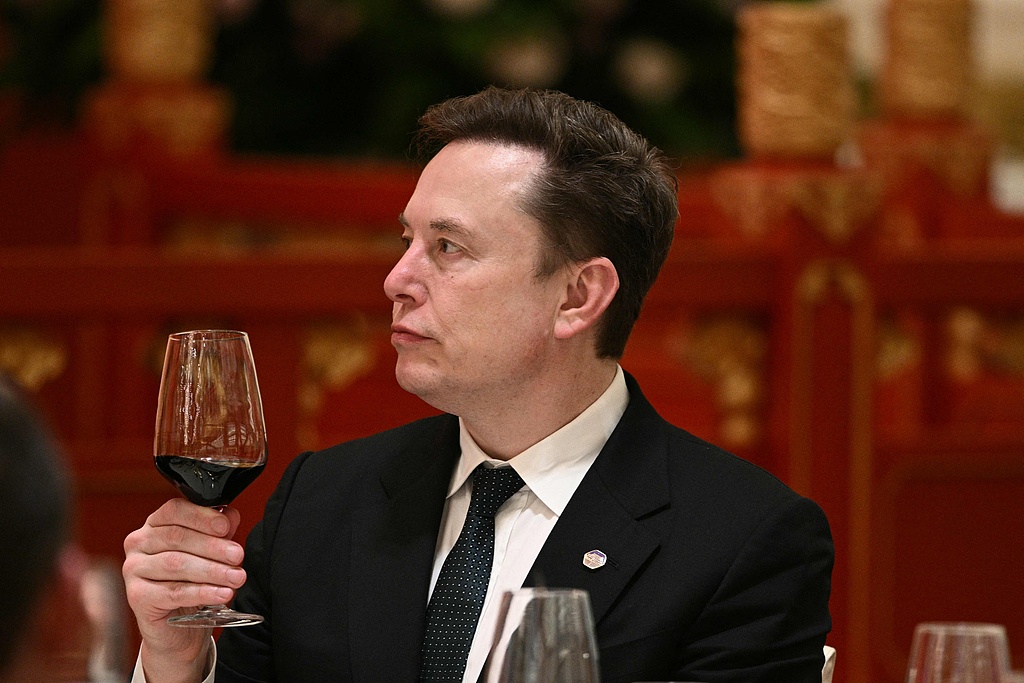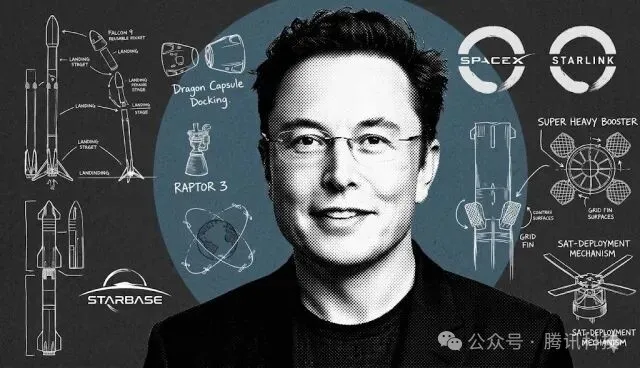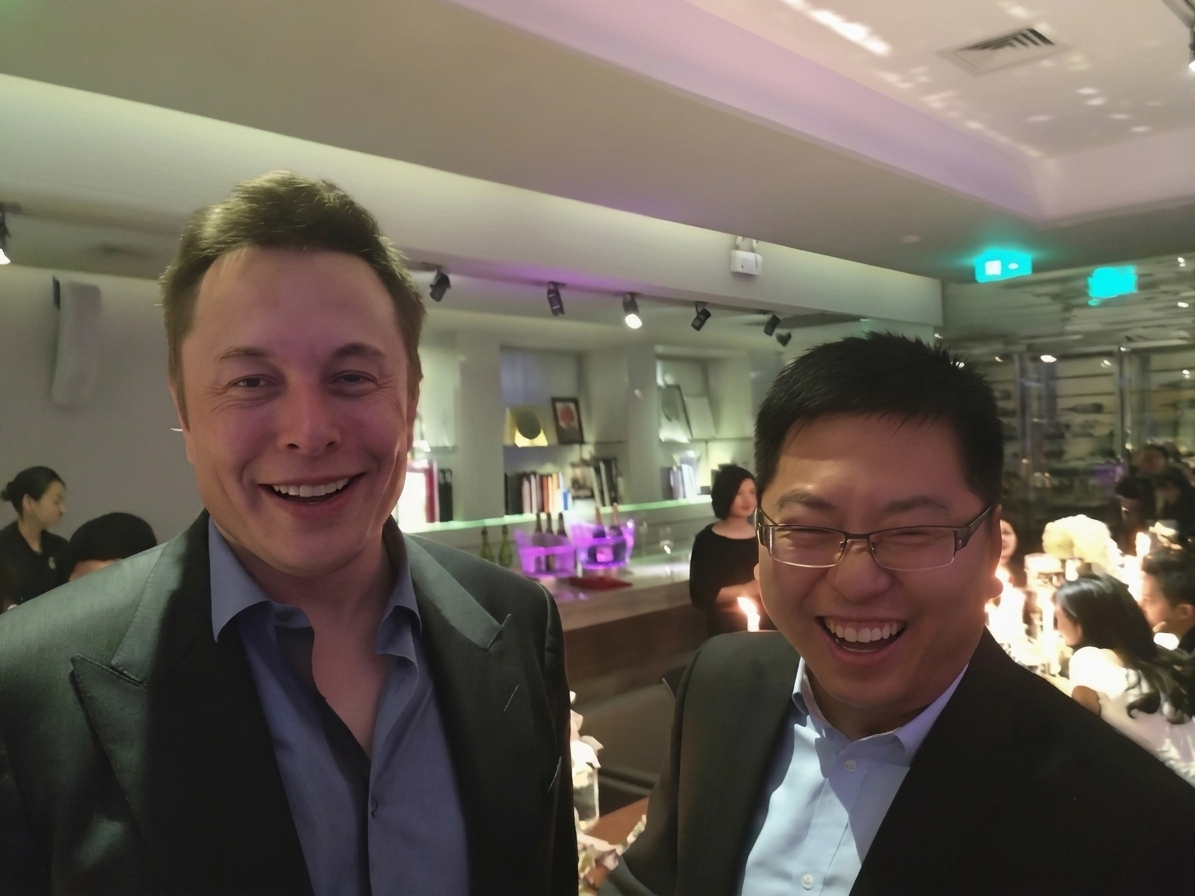
That year, Musk and I discussed his “space dream.”
TechFlow Selected TechFlow Selected
That year, Musk and I discussed his “space dream.”
Success need not be attributed to him, yet he indeed succeeded.
 Navigating Web3 tides with focused insights
Author | Zhang Peng
[Editor’s Note] On June 12 local time, SpaceX—the company founded by Elon Musk—successfully listed on the Nasdaq in what has been dubbed the largest IPO in human commercial history. After incorporating X, xAI, and Starlink, SpaceX raised $75 billion, and its stock surged at opening, briefly pushing the company’s market valuation to $2 trillion.
SpaceX’s market value, like Musk’s rockets, experienced dramatic ups and downs—before ultimately soaring into the stratosphere.
Founded in 2002, SpaceX—and Musk himself—have faced persistent skepticism over its 24-year journey. Yet this company, like its founder, continues relentlessly advancing toward its audacious goal of transforming humanity into a multiplanetary species.
The article below was written six years ago by GeekPark Founder & President Zhang Peng, following the successful Falcon 9 launch that carried two astronauts aboard the Crew Dragon spacecraft into orbit. From the perspective of a tech media outlet—and in first-person narrative—it reveals the lesser-known side of Silicon Valley’s “Iron Man” and the story behind SpaceX’s success.
In our latest podcast episode, GeekPark Founder Zhang Peng recounts an anecdote from 2014, when Musk first visited China and they discussed commercial spaceflight in depth. Space computing investor Guanglong Zhai further analyzes how space-based computing will reshape—and create opportunities across—the entire technology industry. Scan the QR code to listen.
At 3:22 a.m. Beijing Time on May 31, after days of anticipation under the global internet’s watchful gaze, SpaceX’s Falcon 9 rocket finally lifted off successfully from its launchpad—carrying the Crew Dragon spacecraft with two astronauts safely into orbit.
This marked humanity’s first-ever commercial crewed spaceflight—an historic milestone inaugurating the era of commercial spaceflight. For Elon Musk, it represented another solid step forward in his seemingly outlandish vision: colonizing Mars.
Over the past six years, I’ve had several opportunities to interact with Musk. In 2014, I invited him for his first public appearance in China at GeekPark’s conference; in 2015, I led a delegation of Chinese entrepreneurs—including Zhang Yiming—to visit him in Silicon Valley; and in 2016, he invited me to attend his Beijing press event, where I was even called upon to ask a question.
I’m admittedly a hardcore space enthusiast. In 2017, I filmed a congratulatory video featuring over a thousand GeekPark fans at our Innovation Conference and sent it to him to celebrate SpaceX’s groundbreaking achievements.
Although our interactions were limited, they afforded me deeper insight into this “Iron Man”—his inner world and distinctive mindset. What follows is my recollection of an in-depth conversation with Elon Musk during his 2014 GeekPark conference appearance.
After reading this article, you’ll gain a clearer understanding of who Musk truly is. When everyone marvels at SpaceX’s extraordinary accomplishments, you’ll realize that all the traits that set Musk apart were already evident six years ago.
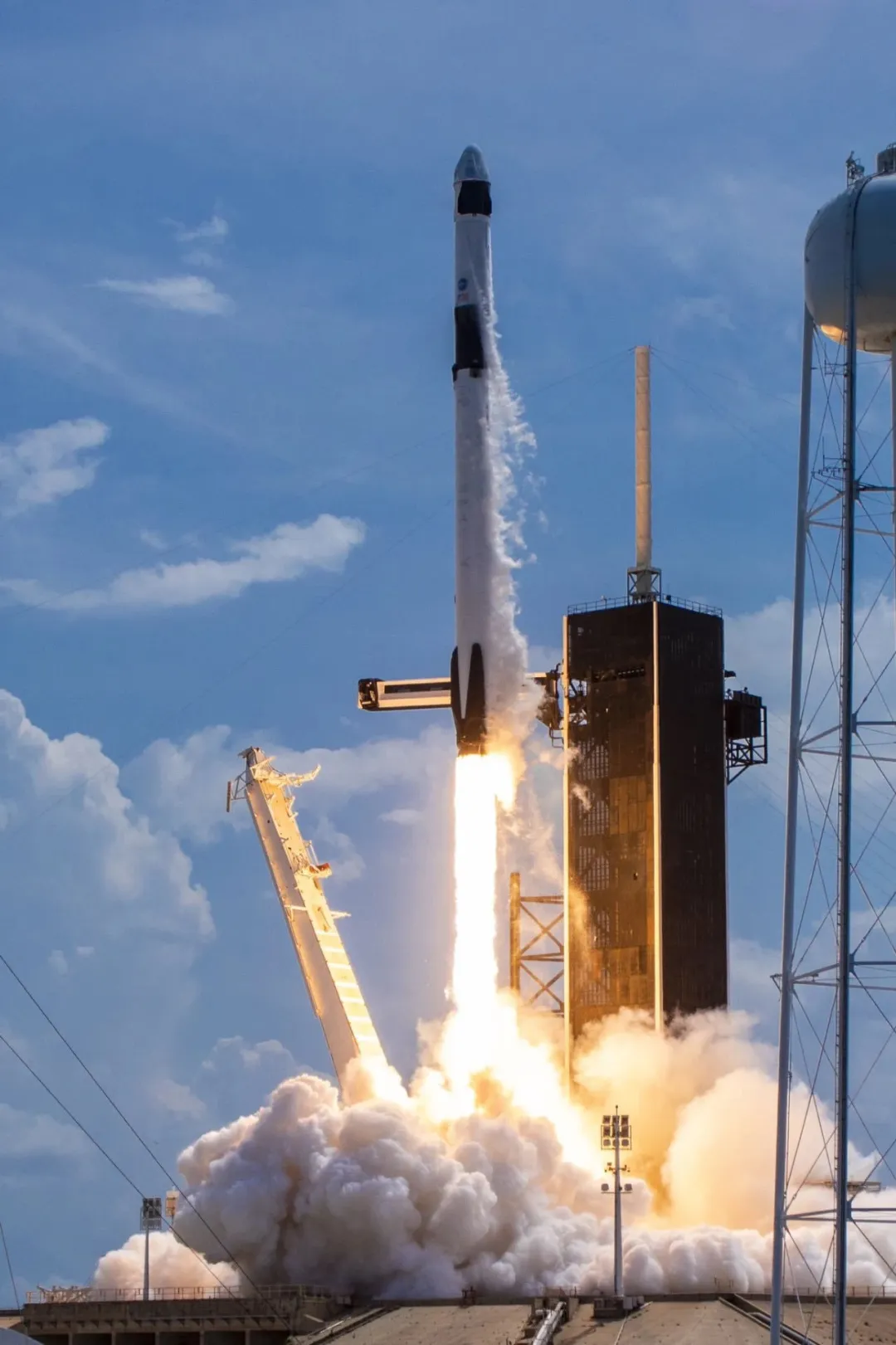
SpaceX Falcon 9 launch
“It’s 500 light-years!” Elon Musk and I blurted out simultaneously—and instantly burst into laughter. I have no idea what went through his mind, but I knew right away that probably fewer than a handful of people in the room truly cared about that precise figure.
That “500 light-years” refers to Kepler-186f—the exoplanet recently discovered by NASA’s Kepler Space Telescope, considered the most Earth-like planet found to date in terms of size and environment. At the dinner, Professor Ya-Qin Zhang was sitting beside me and discussing with Musk when humanity might land on Mars—mentioning in passing that “NASA says they’ve recently found an Earth twin roughly 600 light-years away.” Musk corrected him almost instantly: “Actually, it’s 500 light-years.”
That NASA announcement was still extremely fresh—but Musk had already internalized it as common knowledge. That fleeting moment also happened to be one of the brightest highlights in his eyes during his first day of public appearances in China.
This rising star of technological innovation arrived in Beijing via private jet early that morning, rushed to Tesla’s Beijing office, then attended GeekPark’s “Singularity Conference,” endured a grueling two-and-a-half-hour interview with CCTV, followed by business meetings until 6:30 p.m., and finally joined GeekPark’s welcome dinner. Yet when I met him, he still radiated energy—leaving me in awe of this CEO who helms two of the world’s coolest companies, Tesla and SpaceX, with seemingly superhuman stamina.
Still, Musk isn’t a social butterfly or a master of hype. As he put it himself, he sees himself more as “a slightly crazy engineer.” Don’t expect him to charm audiences or cater to public sentiment like polished business elites fluent in rhetoric and emotional intelligence. If your question fails to spark his interest—or seems too absurd to answer—he’ll fall silent, instantly retreating into a closed-off mode. But if you ask the right questions, you’ll see excitement ignite in his eyes—and even in his body language.
Musk knows full well that sometimes he must repeat the same message to different audiences—and occasionally “bend down” to meet others’ perspectives and expectations. So even if you’re meeting him for the first time and asking something easily searchable online—something he’s answered countless times before—he’ll patiently walk you through it again.
This isn’t because he’s naturally kind or eager to save your face—not because he’s strategically accommodating for business reasons. Rather, it reflects an extraordinary level of self-awareness: He believes most people haven’t yet grasped the right direction—and therefore need guidance. So he doesn’t mind offering a nudge to those who are “lost.”
Of course, if you stubbornly refuse to budge—or remain oblivious to the path ahead—he won’t hesitate to deliver an icy stare—or simply rise and walk away.
The exchanges below took place during warm-up chats, waiting periods, post-event moments, and the dinner—when I sat beside him—as well as during informal translations for other guests’ questions. Since most conversations were opportunistic and fragmented, the questions weren’t always coherent or systematic—and my recollections may contain inaccuracies. Still, I believe readers can glean profound insights into this legendary geek’s inner thoughts.
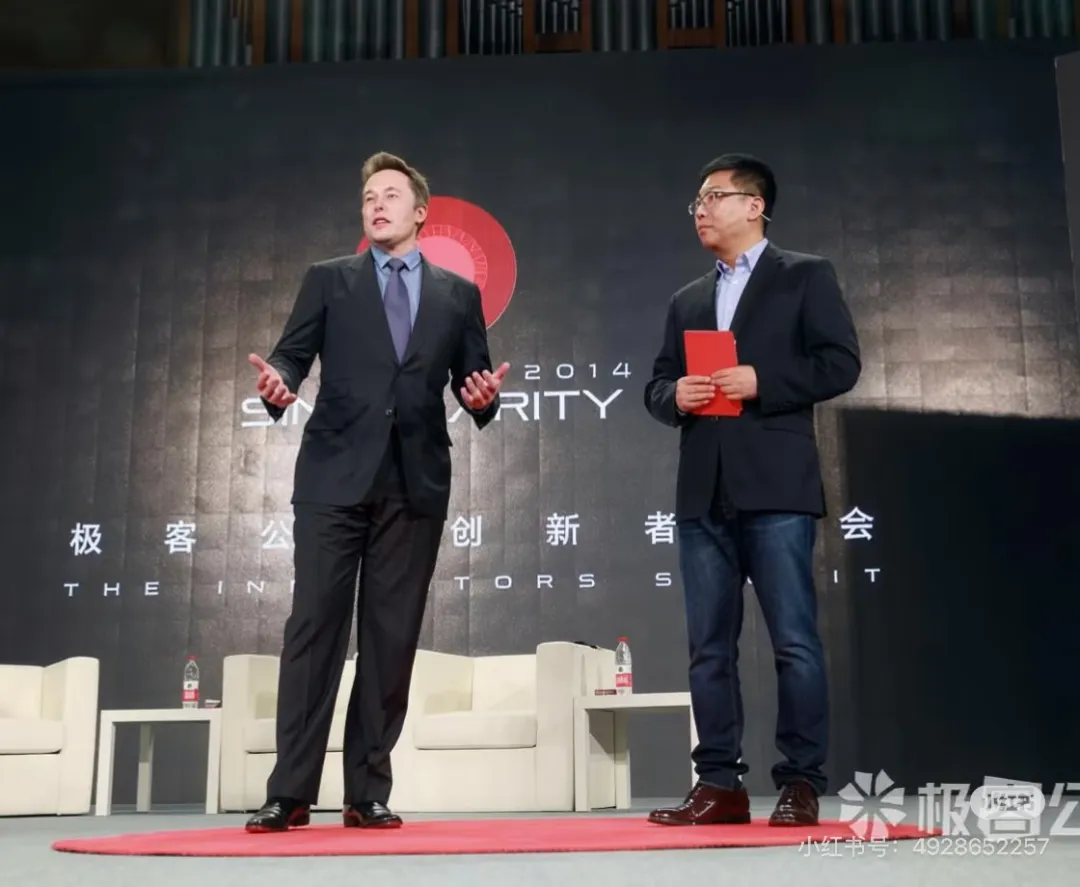
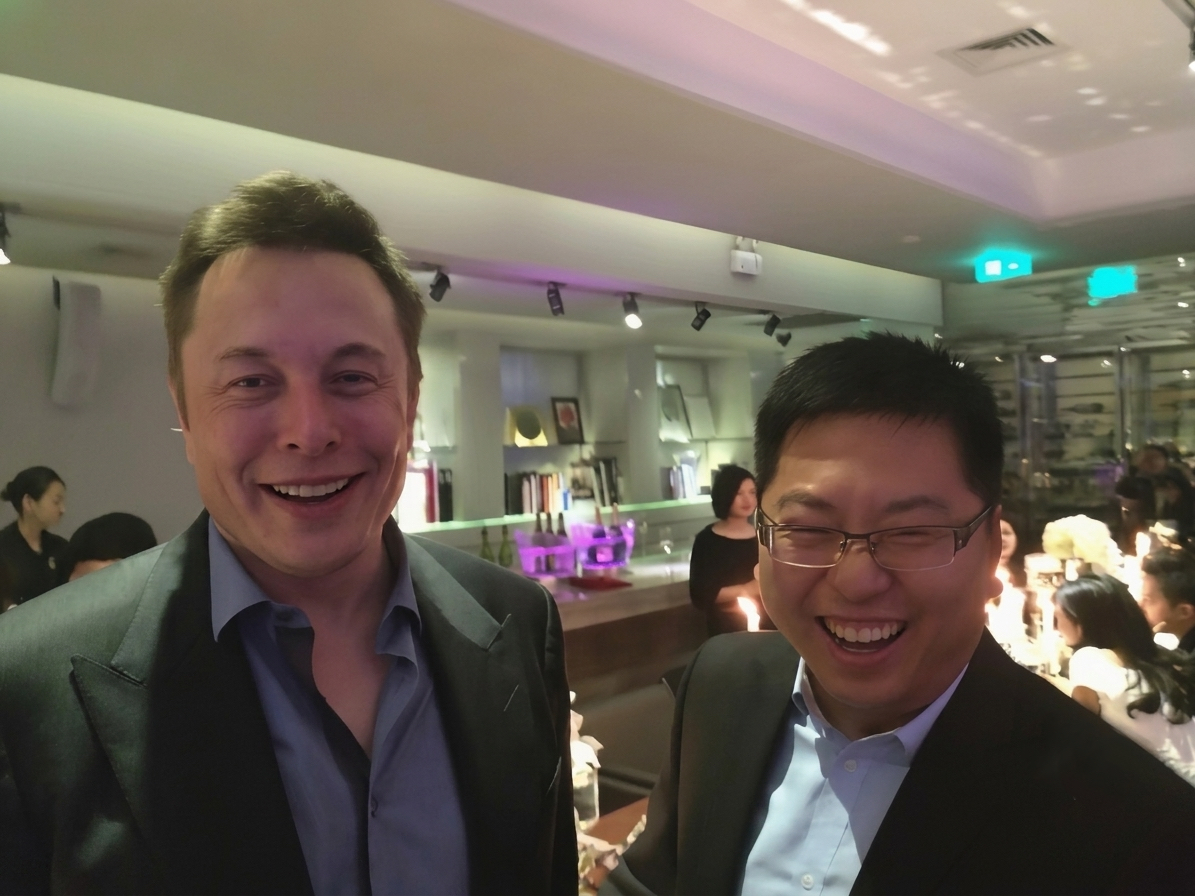
Zhang Peng and Elon Musk at GeekPark’s 2014 Singularity Conference
Zhang Peng: Why did you persist with Tesla—even though you yourself admitted it very likely would fail?
Elon Musk: Someone has to push forward new frameworks for problem-solving. I once hoped—and believed—that electric vehicles would emerge organically within the traditional auto industry. But I realized they couldn’t pull it off. So I launched Tesla to establish a new framework—one that demonstrates alternative approaches exist. Success was fortunate, but my real aim was industry transformation. Today, we’re licensing our technology to other automakers. I don’t want to replace them—I just want them to adopt the right path.
Zhang Peng: Why did you insist on building solar-powered Supercharger stations?
Elon Musk: Cost is paramount—but especially in markets like China, reducing coal-to-electricity energy loss is hugely significant. Though he joked about something circulating in California lately: “If the apocalypse hits, you can still drive your Tesla—gasoline wells will dry up, but solar-powered Superchargers could last much longer.” (He was joking—but honestly, that logic feels far more authentic to his character.)
Zhang Peng: You didn’t mention today that Tesla Model S’s biggest advantage over conventional cars is over-the-air system updates—making it continuously better. That’s actually one of our favorite features!
Elon Musk: I avoid highlighting specifics because Tesla represents systemic innovation—not isolated selling points. Still, yes—you can upgrade and update your car wirelessly anytime, turning it into a smarter, more personalized transportation tool. I believe every optimization we’ve seen—or will see—in driving and control can now be accelerated and resolved far faster thanks to this architecture.
Zhang Peng: But your “cloud + device” architecture raises concerns—don’t you worry about cloud security risks?
Elon Musk: That’s purely theoretical—and no one has ever succeeded. Not a single case exists. We’ve proactively safeguarded against such threats and run extensive tests—no vulnerabilities detected. Honestly, I don’t understand why anyone would even attempt it.
(Musk’s expression darkened… In my view, he holds similar attitudes toward battery safety—dismissing low-probability hypothetical risks as unconstructive obstructionism. This remains his consistent stance: His aggressive approach to Tesla’s Autopilot has long sparked debate in the automotive industry. Likewise, for this Crew Dragon mission, Musk initially wanted to recover it using Falcon 9-style rocket-controlled landing—but NASA rejected it outright, deeming it too risky. Musk eventually compromised on ocean splashdown recovery—though whether he truly accepted that decision remains unclear.)
Zhang Peng: Why do you serve as CEO of two companies simultaneously?
Elon Musk: Truthfully, I’d rather not be CEO of even one. What I truly aspire to be is an engineer who designs and builds products according to his own vision. I’ve tried twice to hire CEOs to run these companies—but it didn’t work. I realized that without my direct involvement, things would go seriously wrong. Obviously, if you’re pursuing something only you truly believe in, finding strangers to execute it is nearly impossible.
Zhang Peng: Why are you so determined to pursue high-risk ventures like SpaceX?
Elon Musk: As a child, I devoured science fiction—and always found space exploration profoundly fascinating and meaningful. Building rockets wasn’t about fulfilling my personal dream of going to space—I could easily get there myself (how bold!). Rather, I believe humanity will remain forever earthbound unless ordinary people can access space. Without that, we cannot explore the cosmos—or evolve into a multiplanetary civilization. We must believe this is the correct direction—because without achieving it, human civilization remains fragile.
We must drastically reduce space-access costs—and the true path lies not in waiting for sci-fi technologies to magically appear. Instead, we must leverage proven rocket technology and achieve cost reduction through reusability. I estimate this could cut costs by at least 100-fold. Doesn’t that sound worth doing?
Zhang Peng: You launched SpaceX to advance humanity’s cosmic future—and founded Tesla to enable universal EV adoption, not dominate an industry. Yet both ventures nearly failed—and you risked your entire fortune. Many people struggle to comprehend your reasoning.
Elon Musk: That’s exactly why I said few could help me accomplish these goals—I had to do them myself. I never claimed guaranteed success—but someone had to step forward and begin.
Zhang Peng: Have you ever considered entering politics? Wouldn’t becoming president accelerate your environmental and space-exploration ambitions?
Elon Musk: I’ve never considered it—and likely never will. My strength lies in driving positive change through products and technology—not legislation. Take Tesla: I want users to choose it not just because EVs represent responsible future choices—but because it’s genuinely an outstanding product. I don’t believe being president would solve this—I’m far better suited as an engineer and designer.
Zhang Peng: How did you convince NASA and the U.S. government to let you enter the rocket business?
Elon Musk: Trust was earned step-by-step. I funded research they refused to pursue themselves. Once they saw how seriously I invested—and achieved tangible results—they granted me further opportunities. It’s perfectly natural: The key to persuading others isn’t lobbying—it’s believing deeply in your mission and reaching a tipping point where hope becomes visible.
Zhang Peng: Why couldn’t NASA—with its vast expertise and resources—reduce launch costs, while SpaceX succeeded?
Elon Musk: Well, I think NASA’s inability stems precisely from having *too many* resources.
Zhang Peng: What’s your view on recent companies offering suborbital tourism flights?
Elon Musk: Pfft! (Pure vocalization—actual footage shows him shrugging, shaking his head, then declining to answer. Clearly, he finds recreational space travel utterly irrelevant to his grand ambition of enabling humanity’s multiplanetary future.)
[Postscript]
After reading this article, let’s reflect on the significance of SpaceX’s successful crewed launch.
To me, this wasn’t merely another commercial rocket launch—it signaled commercial spaceflight’s maturity, capable now of executing the most prestigious missions: human spaceflight.
If humanity entered the space age in the 1950s, its origins lay in intergovernmental competition. After the U.S. won the Moon Race, scientific space missions continued steadily—but remained government-run projects. Thus, despite continuous technological advancement, lunar landing remains humanity’s highest space achievement to date.
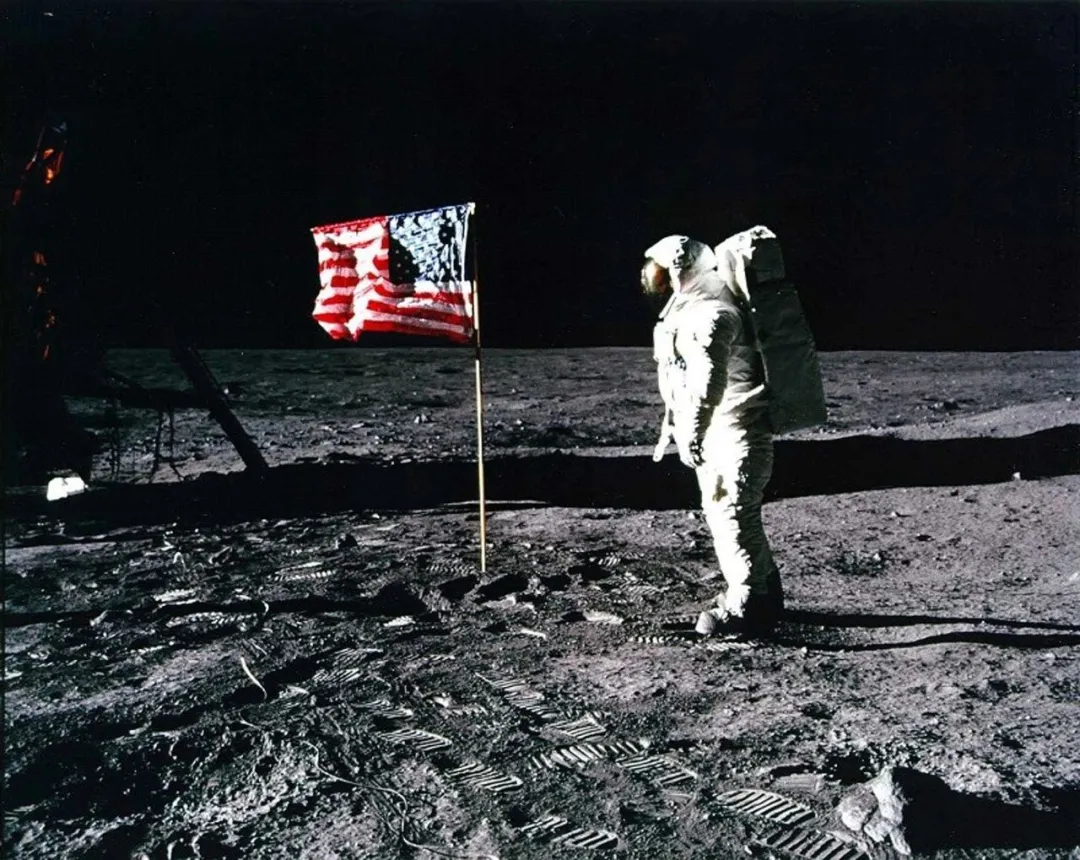
Buzz Aldrin stands beside the American flag on the Moon’s surface during Apollo 11—the first manned lunar landing
Commercial spaceflight’s significance lies in transforming space exploration from government-funded programs into a vibrant industry—open to broader intellectual input and capital investment, generating positive value cycles. This pattern has repeatedly played out in aviation, telecommunications, and computing.
Only then can we escape the paradox Musk mentioned earlier—“having too many resources prevents progress”—since commerce inherently demands efficiency and advancement, which require innovation, standardization, and scale.
Commercial spaceflight will truly usher in humanity’s space age—marking the transition from merely touching space to actively embracing a multiplanetary future. Commerce, more powerful than curiosity alone, serves as the essential “hormone” propelling humanity’s giant leaps forward.
Six years ago, I asked Musk whether I’d live to see affordable space travel for ordinary people. He replied with absolute certainty: “We absolutely will.”
But it will undoubtedly be arduous. Even as this successful Falcon 9–Crew Dragon mission unfolded, SpaceX’s early-stage Starship rocket exploded during testing—a vehicle designed to carry 100 people to space at once. If this Falcon 9–Crew Dragon combination is humanity’s “space shuttle,” Musk clearly envisions a true “ferry” next.
He aims to settle one million people on Mars by 2050—by which time he’ll be 80. To others, this sounds insane—but he’s evidently charting a concrete roadmap and timeline.
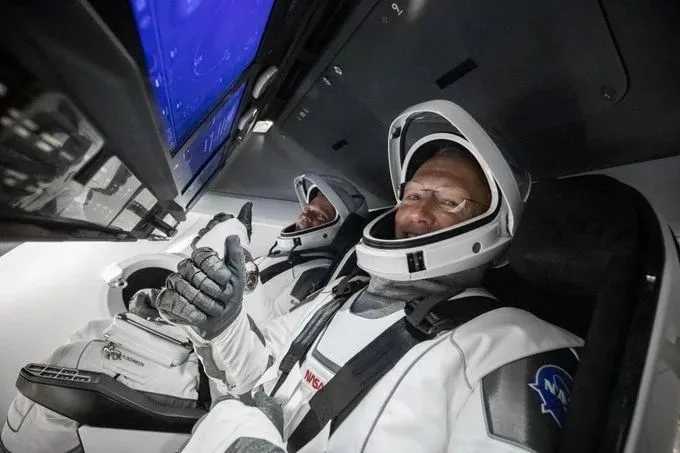
Astronauts Doug Hurley and Bob Behnken prepare for launch
I don’t believe Musk will be humanity’s sole catalyst for the “true space age.” He’s a “breakaway rider”—charging ahead to confront the greatest resistance and pulling others along to elevate collective performance.
Predictably, more capital and brilliant minds will join this field—and China’s new generation of space professionals likewise hold potential to become forces driving human progress.
May the dream of “flying to space once in a lifetime”—shared by so many—soon become reality, thanks to commercial spaceflight.
Wishing Musk good luck!
Wishing all space professionals good luck!
And wishing human civilization good luck!
Join TechFlow official community to stay tuned
Telegram:https://t.me/TechFlowDaily
X (Twitter):https://x.com/TechFlowPost
X (Twitter) EN:https://x.com/BlockFlow_News
 极客公园
极客公园