








Compliance Framework for Cross-border (Going Global) Web3 Projects
TechFlow Selected TechFlow Selected
Compliance Framework for Cross-border (Going Global) Web3 Projects
As Web3 projects globalize, companies are shifting from a single architecture to hybrid architectures to achieve risk isolation, capital flow efficiency, strategic alignment, and tax optimization.
 Navigating Web3 tides with focused insights
By Manqin
In today's wave of globalization, Web3 projects are stepping onto the international stage at an unprecedented pace, with Chinese enterprises representing a significant force. However, uncertainties surrounding China’s industry policies, legal gaps, and ambiguous regulatory stances have caused hesitation in the development of Web3 businesses. These factors collectively pose compliance challenges for Web3 projects within China, forcing many practitioners to either shift operations overseas or seek breakthroughs within narrowly defined compliance frameworks. Nevertheless, by closely monitoring policy developments and leveraging favorable policies across different jurisdictions, it remains possible for the Web3 industry to identify viable development models through carefully constructed corporate compliance frameworks.
Objectives of Going Global
(1) Market Opportunities
The global market offers Web3 projects a broader user base and greater growth potential. In regions such as Asia and Europe, where blockchain technology and cryptocurrencies enjoy relatively high acceptance, new commercial opportunities and expansion space emerge for innovative projects.
(2) Regulatory Environment
Regulatory approaches toward blockchain and cryptocurrency vary significantly between countries. Some jurisdictions—such as Singapore and Hong Kong—offer relatively relaxed and supportive regulatory environments, providing greater flexibility and security for Web3 project operations and growth. By contrast, stringent regulations in certain countries may restrict project development. In some markets, Web3 initiatives face legal and compliance hurdles. Expanding into jurisdictions with more favorable legal frameworks can effectively mitigate these risks and ensure long-term, stable operations.
(3) Talent Acquisition
Web3 is a highly technical field, and attracting top-tier developers and experts is crucial to project success. Going global enables projects to recruit outstanding talent worldwide, accelerating technological innovation and product development.
(4) Funding and Investment
Expansion abroad allows Web3 projects to access a wider pool of potential investors and funding sources. In regions with active venture capital and crypto investment ecosystems—such as the United States or Southeast Asia—projects are more likely to secure financial backing that drives rapid growth.
(5) Industrial Cluster Effects
Different countries and regions have developed distinct industrial clusters due to inherent advantages in technology and policy, forming regional supply chains that provide foundational support for local Web3 enterprises.
(6) Risk Diversification
Operating across multiple countries helps distribute risk, reducing the impact of economic, political, or regulatory changes in any single market. This enhances the project’s resilience and overall risk tolerance.
Compliance and Risk Isolation
When selecting overseas destinations, Web3 companies must prioritize local regulatory frameworks to ensure lawful and compliant operations.
(1) Compliance Policies Across Jurisdictions
Hong Kong:
Since 2023, Hong Kong has implemented a Virtual Asset Service Provider (VASP) licensing regime, requiring all Virtual Asset Trading Platforms (VATPs) to obtain authorization from the Securities and Futures Commission (SFC). As of January 2025, the SFC has granted operating licenses to seven platforms—including PantherTrade and YAX—since mid-2024. Since 2020, ten exchanges have been officially licensed in total, including four approved in December 2024, reflecting Hong Kong’s cautious yet open approach toward the virtual asset industry. Licensing requirements include strict KYC procedures, asset safeguards, and cybersecurity measures designed to protect investors and prevent money laundering.
Singapore:
The Monetary Authority of Singapore (MAS) operates a Regulatory Sandbox, allowing fintech firms to test innovative products under controlled conditions while receiving regulatory guidance. Coinbase’s compliance strategy in Singapore illustrates successful adaptation to a supportive regulatory environment: it received in-principle approval from MAS in 2022, followed by a full Major Payment Institution License in 2023. This positions Singapore as a key Asia-Pacific hub for Web3 enterprises, evidenced by Coinbase establishing its APAC institutional business there—a clear sign of confidence in the local regulatory framework.
Other Regions: Europe, Asia-Pacific, and North America
The EU’s Markets in Crypto-Assets Regulation (MiCA) came into effect by the end of 2024, harmonizing regulatory standards for crypto assets across member states. MiCA mandates that crypto asset service providers register and comply with transparency, liquidity, and consumer protection requirements.
In the Asia-Pacific region, Japan requires virtual asset service providers to be licensed by the Financial Services Agency (FSA), while Australia mandates registration as a digital currency exchange provider regulated by AUSTRAC (Australian Transaction Reports and Analysis Centre). In North America, the U.S. SEC maintains stricter oversight—for example, Binance and Coinbase have faced lawsuits—but both continue engaging with regulators to establish clearer compliance pathways.
(2) Risk Isolation
Risk isolation mechanisms are essential components of compliance frameworks for Web3 projects engaged in cross-border operations. The core objective is to design corporate structures that prevent risks from spreading across different business units or geographic regions, thereby safeguarding the enterprise’s overall stability and continuity. Given the significant differences in regulatory policies, legal environments, and market risks across jurisdictions, risk isolation is particularly critical in the globalized Web3 landscape.
One method involves establishing independent subsidiaries in different countries or regions, each functioning as a separate legal entity responsible for operations in a specific market. This limits legal, financial, and operational risks to individual entities, preventing contagion throughout the corporate group. Independent operation ensures that even if one jurisdiction faces regulatory shifts or legal challenges, other entities can continue normal operations. This structure not only strengthens risk resilience but also enables tailored strategies based on local market needs.
Another approach is placing core assets—such as technology patents, intellectual property rights, and brand value—within dedicated holding companies or trust structures to shield them from operational risks. For instance, a company might register core assets under a holding company in the British Virgin Islands (BVI) or Cayman Islands, while conducting higher-risk operational activities through subsidiaries elsewhere. Even if an operating entity faces litigation or financial distress, the core assets remain protected, securing the company’s long-term viability.
Contracts and agreements should clearly define rights and responsibilities among entities to legally enforce risk separation. Through service agreements, licensing arrangements, or intercompany funding contracts, business boundaries and liability scopes can be precisely delineated. This reduces the likelihood of risk transmission and provides flexibility and transparency for global compliance.
By thoughtfully designing enterprise architecture for risk isolation, Web3 companies can flexibly respond to diverse regulatory demands and risk landscapes, ensuring the safety of core operations and assets while maintaining stable global operations.
Key Destinations for Chinese Enterprises Going Global
(1) Hong Kong
As an international financial center, Hong Kong boasts mature financial infrastructure and a robust legal system, offering Web3 companies a stable operating environment. Compared to other jurisdictions, Hong Kong maintains relatively lenient regulation toward Web3 projects, enabling startups to launch quickly. In recent years, the Hong Kong government has actively promoted blockchain development through policy incentives and support programs, creating favorable conditions for Web3 ventures.
(2) Singapore
Singapore stands as a leading fintech hub in Asia, hosting a sophisticated technological ecosystem that attracts numerous Web3-related enterprises. The Singaporean government adopts an open stance toward blockchain and Web3 technologies and has established clear regulatory guidelines, helping companies grow rapidly within a compliant framework. Its favorable tax regime lowers operating costs for Web3 firms, enhancing its appeal.
(3) BVI (British Virgin Islands)
The BVI is renowned for its fast, simple company registration process and low setup fees, making it ideal for Web3 startups seeking swift incorporation. It offers strong privacy protections, securing corporate and shareholder information—particularly beneficial for privacy-focused Web3 initiatives. With a flexible legal system and substantial tax advantages, the BVI remains a premier offshore registration destination.
Structuring the Global Expansion Framework
The underlying logic of global compliance planning lies in building multiple legal entities to form region-specific compliance architectures, connected via ownership or substantive control, thus fully leveraging each jurisdiction’s unique strengths. Offshore companies thereby evolve beyond mere symbols of “regulatory avoidance” or “tax havens,” becoming instead strategic hubs for constructing global compliance systems and optimizing capital and resource allocation through thoughtful planning. Companies can flexibly build single-entity, multi-entity, or parallel architectures—multi-layered, multi-ecosystem strategic frameworks—tailored to different stages and scenarios.
(1) Applicability of Architectures
Different enterprise architecture designs serve varying goals depending on the company’s development stage and business needs.
(i) Single-Entity Architecture
This model suits startups or small companies aiming to rapidly validate their business model and focus on a single market.
Its simplicity results in low management costs and facilitates quick launch and operation. For example, a startup incorporating a single entity in Singapore can swiftly enter the market, benefit from local tax incentives, and avoid complex cross-border administrative burdens.
However, as companies scale and operations become more complex, the limitations of a single-layer structure become apparent. It may fail to meet global compliance requirements due to divergent regional regulations and struggle with efficient resource allocation and effective risk isolation. When entering multiple markets simultaneously, a single entity may encounter bottlenecks in taxation, law, or operations.
(ii) Multi-Entity Architecture
This structure fits enterprises with extended business lines, complex divisions, and diversified equity structures.
By setting up subsidiaries or affiliated companies across different jurisdictions, this architecture enables risk isolation, tax optimization, and market-specific adaptation. For example, a tech firm might establish a subsidiary in the EU to comply with GDPR (General Data Protection Regulation), while using a Cayman Islands holding company to optimize its global tax structure. Distributing entities across regions confines legal and financial risks to specific areas while increasing operational flexibility worldwide. It supports resource allocation across markets and strengthens global competitiveness through localized compliance frameworks.
Ideal for companies in expansion phases facing multi-jurisdictional regulatory environments and diverse business demands, this model is used by leading exchanges that set up subsidiaries in Southeast Asia, Europe, and North America, launching region-specific apps tailored to local consumer behaviors and legal requirements.
(iii) Parallel Architecture
A more complex design, parallel architecture typically combines several multi-entity structures through direct equity or business integration, especially suitable for enterprises managing multiple independent business units.
Through multiple independent entities, this model ensures legal and financial separation between business segments. For example, a conglomerate operating manufacturing, retail, and financial services might use parallel architecture to create separate legal entities for each division, preventing risk spillover. Yet, through shared equity control or coordinated operations, synergies are maintained. A Web3 company could independently run R&D and marketing in different regions, meeting local compliance needs while optimizing global resource deployment.
This design improves managerial clarity and delivers greater flexibility and stability in global compliance planning, better serving enterprises with diversified operations.
(2) Advantages of Architectural Designs
(i) Single-Entity Architecture
The strength of a single-entity structure lies in fully utilizing the policy and regulatory benefits of a chosen jurisdiction to achieve rapid compliance and smooth operations. Different locations offer distinct opportunities.
For example, companies prioritizing fundraising or tech cluster effects may choose Singapore as their registration base. Singapore’s financial regulations are relatively permissive, particularly in capital markets and financial innovation, offering Web3 firms flexible fundraising options and faster access to capital. Additionally, proactive government support for high-tech enterprises includes various policy incentives and funding programs, helping reduce R&D costs and accelerate innovation.
For those emphasizing tax efficiency and shareholder privacy, BVI serves as an optimal registration location. Known for strict privacy laws, BVI is especially suited for Web3 ventures focused on data security and shareholder rights. Registration here ensures strong protection of commercial confidentiality along with simplified regulatory processes and a low-tax environment.
(ii) Multi-Entity Architecture
Example: China → Singapore → Domestic Operating Company
The advantage of multi-entity architecture is integrating regulatory strengths across jurisdictions through globally distributed subsidiaries or affiliates, optimizing compliance and operations.
For instance, a company may establish a BVI holding company that owns a Hong Kong financial entity, which in turn controls a domestic operating company. The BVI entity benefits from low taxation and strong privacy; the Hong Kong holding company enjoys financial convenience and tax incentives; the mainland operating company leverages research subsidies and technological advantages. This optimizes the global holding structure and protects core assets.
Through such a multi-entity framework, companies can flexibly allocate resources across markets while containing legal and financial risks within designated regions, ensuring global compliance.
(iii) Parallel Architecture
Example:
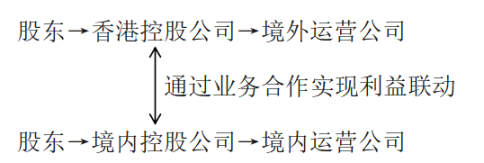
The hallmark of parallel architecture is its high degree of flexibility and risk isolation, ideal for conglomerates with diversified operations and complex equity needs.
By establishing multiple independent entities, this model ensures legal and financial separation between business units, preventing regulatory risks in one area from affecting others. A Web3 company might independently conduct tech development and business promotion in different regions, fulfilling local compliance obligations while optimizing global resource use.
Despite independent operations, tight linkages and synergies persist via equity control or business collaboration. For example, a multinational corporation might set up an R&D center in Singapore and a Web3 service company in Hong Kong, cooperating through equity ties or commercial agreements to jointly advance technological innovation and market expansion.
Parallel architecture enhances flexibility and stability in global compliance planning and provides a solid foundation for sustainable growth amid complex regulatory landscapes.
Tax Advantages of Corporate Structures
When choosing where to incorporate structural entities, companies must stay informed about local regulatory policies, technological capabilities, cost-efficiency needs, and deepen cooperation with local service providers and compliance experts—especially regarding tax variations and bilateral tax treaties.
(1) Single-Entity Architecture
A single-entity architecture refers to a company conducting overseas investment or operations through one foreign subsidiary, suitable for businesses with concentrated operations, smaller scale, or a singular target market.
Advantages: Simple structure, easy management and control.
Disadvantages: Potentially high tax burden and lack of risk isolation mechanisms.

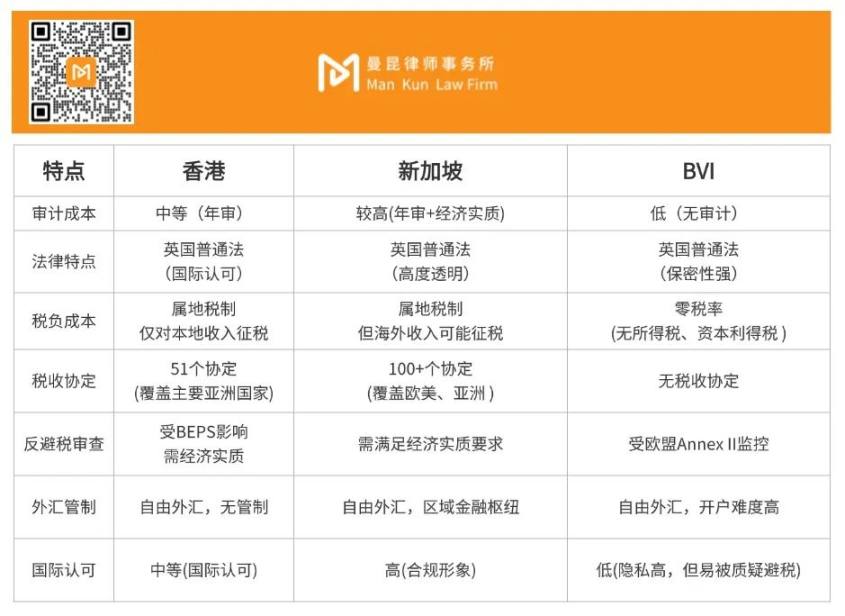
1. Hong Kong: 8.25% tax rate on first HK$2 million profit, backed by tax treaties with over 50 countries
Benefits: Profits tax at 8.25%–16.5% (first HK$2 million halved), no capital gains tax or VAT, tax treaties with over 50 countries, free foreign exchange conversion, and convenient access to listing and financing;
2. Singapore: 17% flat tax rate, extensive network of double taxation agreements
Benefits: 17% corporate income tax, tax exemptions for first three years, bilateral tax treaties with over 100 countries, advantageous for cross-border tax planning;
3. BVI: Zero-tax haven with strong confidentiality
Benefits: No corporate income tax, no VAT, no capital gains tax, extremely streamlined incorporation process, and strong shareholder privacy protection;
(2) Multi-Entity Architecture
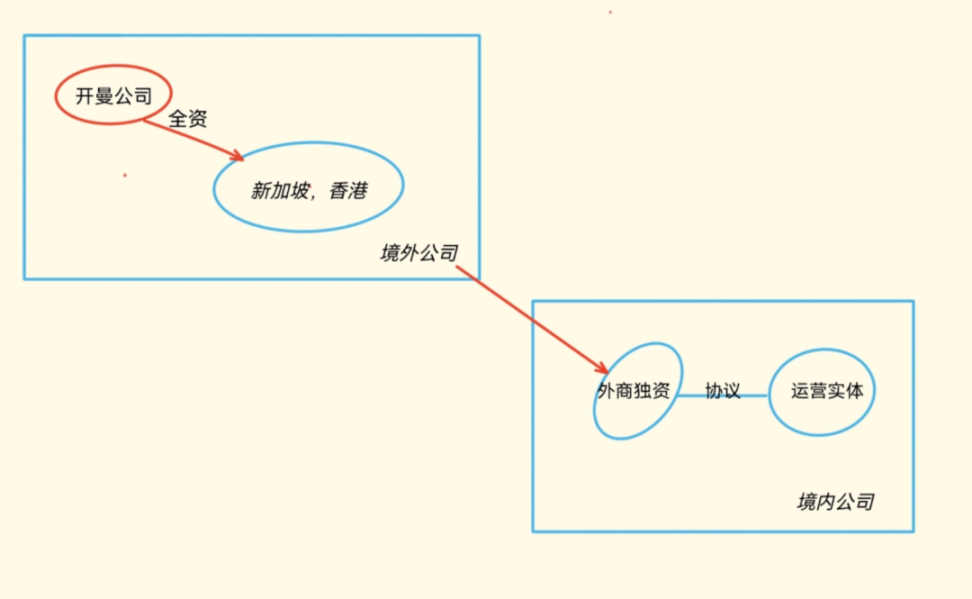
Multi-entity architectures allow more effective tax planning. Domestic enterprises can establish one or more intermediate holding companies in low-tax jurisdictions—typically Hong Kong, Singapore, BVI, or Cayman Islands—to invest in target countries. Leveraging the low tax rates and confidentiality of offshore companies reduces the overall tax burden, protects sensitive information, diversifies parent company risk, and facilitates future equity restructuring, sales, or IPO financing.
Advantages: Utilization of international tax incentives to lower investment costs and support global expansion.
Disadvantages: Increased management complexity and higher compliance costs.
1. Top Layer: High confidentiality + low taxation + free capital flow
-
Jurisdictions: Offshore financial centers such as the Cayman Islands, British Virgin Islands (BVI)
-
Functions: Legal protection of shareholder and beneficiary information, mitigation of single-market risk (reducing exposure to geopolitical shocks).
2. Operational Layer: Bridges top-level investors with ground-level operating entities + enhances return on investment + profit retention
-
Jurisdiction choices: Hong Kong / Singapore (trade compliance), Ireland / Netherlands (EU market access), Dubai (Middle East presence)
-
Functions: Access to Double Taxation Treaties (DTTs) with target investment countries, improving overall ROI.
3. Operating Entities: On-the-ground presence + direct or indirect control
-
Jurisdiction choices: Local companies in target markets
-
Functions: Manufacturing, marketing, localized services; fulfills local operational requirements; registration location selected according to business nature.
Case Study: Cross-Border E-commerce
Structure Design:
-
Holding Layer: BVI company (confidentiality) + Hong Kong company (fundraising and supply chain coordination)
-
Operational Layer: Hong Kong company (offshore trade tax exemption) + Dubai company (Middle East warehousing and logistics)
-
Operating Layer: Mainland China factory (export tax rebate) + Brazil subsidiary (local sales)
The BVI holding company owns the Hong Kong entity, which in turn invests in operational entities. The offshore holding company exercises control over operating entities through layered VIE (Variable Interest Entity) agreements.
The BVI company serves as the top-tier holding entity. Dividends from Hong Kong to BVI are exempt from withholding tax, and future share transfers incur no capital gains tax, protecting founder privacy.
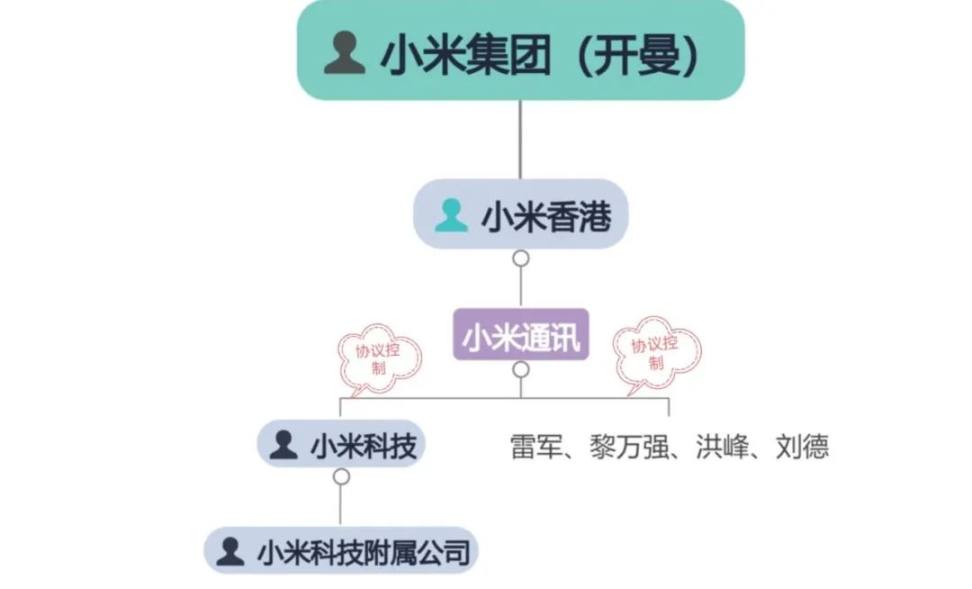
Case Study: Xiaomi Group
Structure Design:
-
Holding Layer: Xiaomi Group (Cayman)
-
Operational Layer: Xiaomi Hong Kong (global procurement + profit retention)
-
Operating Layer: Xiaomi Communications (consumer-facing), Xiaomi Technology, and affiliated entities
Xiaomi Group (Cayman) holds Xiaomi Hong Kong, which invests in operating entities like Xiaomi Communications. Xiaomi Communications and Xiaomi Technology, together with their registered shareholders, enter into contractual control agreements (VIE structure), enabling Xiaomi Technology—and indirectly its subsidiaries—to be controlled by the offshore listed entity.
Conclusion
In the context of globalization, going global has become a key strategy for Chinese Web3 enterprises to overcome domestic regulatory constraints and expand into international markets. Expansion abroad enables companies not only to mitigate compliance risks but also to seize overseas opportunities, attract premium resources, and diversify risks. Jurisdictions such as Hong Kong, Singapore, and the BVI—with their favorable regulatory climates, tax incentives, and advanced infrastructure—have emerged as preferred destinations for Web3 ventures.
In architectural design, companies can flexibly adopt single-entity, multi-entity, or parallel structures based on size and strategic objectives to ensure compliance and isolate potential risks. Moreover, by leveraging regional policy advantages, multi-entity architectures enable optimized capital flows and significant tax savings.
Looking ahead, as Web3 projects continue their global evolution, enterprises are shifting from single to hybrid architectures to achieve risk isolation, efficient capital movement, strategic alignment, and comprehensive tax planning. By establishing multiple entities across jurisdictions, companies can effectively insulate themselves from market-specific risks, maintain compliance, utilize offshore vehicles and holding structures to streamline capital flows and reduce tax liabilities, and integrate global resources to enhance innovation capacity and market competitiveness—capitalizing on the transformative opportunities brought by blockchain technology on a global scale.
Join TechFlow official community to stay tuned
Telegram:https://t.me/TechFlowDaily
X (Twitter):https://x.com/TechFlowPost
X (Twitter) EN:https://x.com/BlockFlow_News






