








Crypto companies flock to list on U.S. stock exchanges—has the investment logic in the crypto space changed?
TechFlow Selected TechFlow Selected
Crypto companies flock to list on U.S. stock exchanges—has the investment logic in the crypto space changed?
A wave of crypto companies going public via initial public offerings (IPOs) or SPAC mergers and listing on Nasdaq has ignited investor enthusiasm.
 Navigating Web3 tides with focused insights
By: Ashley
In 2025, the crypto industry is gradually moving from the fringes into the mainstream, with U.S. capital markets becoming the epicenter of this surge. From Antalpha, a crypto fintech company, seeing its stock soar 70% on its first trading day and triggering a circuit breaker, to global leading exchange Coinbase即将 joining the S&P 500, and Bitcoin mining firm American Bitcoin skyrocketing in value through a SPAC listing, a wave of crypto companies are entering Nasdaq via initial public offerings (IPOs) or reverse mergers, igniting investor enthusiasm.
At the same time, Wall Street giants such as Morgan Stanley, Bank of America, and Royal Bank of Canada have sensed the opportunity and are rushing into the space, aiming to capitalize amid strong support for the crypto industry under the Trump administration. The latest forecast from crypto asset manager Bitwise has further fueled the momentum, declaring 2025 as the "Year of Crypto IPOs," with Circle, Kraken, and others preparing to launch. This wave not only signals the maturation of the crypto industry but also injects fresh capital into financial markets.
Crypto Companies Flock to U.S. Markets
Antalpha, a fintech firm specializing in crypto asset management, trading, and infrastructure services, made its debut on the Nasdaq Global Market on May 14 under the ticker "ANTA." On its first day, Antalpha's stock rocketed up 70%, triggering a trading halt, and ultimately closed at its daily limit. This stellar debut not only excited investors but also marked Antalpha’s successful transition from a niche player in crypto to a spotlighted entity in traditional finance.

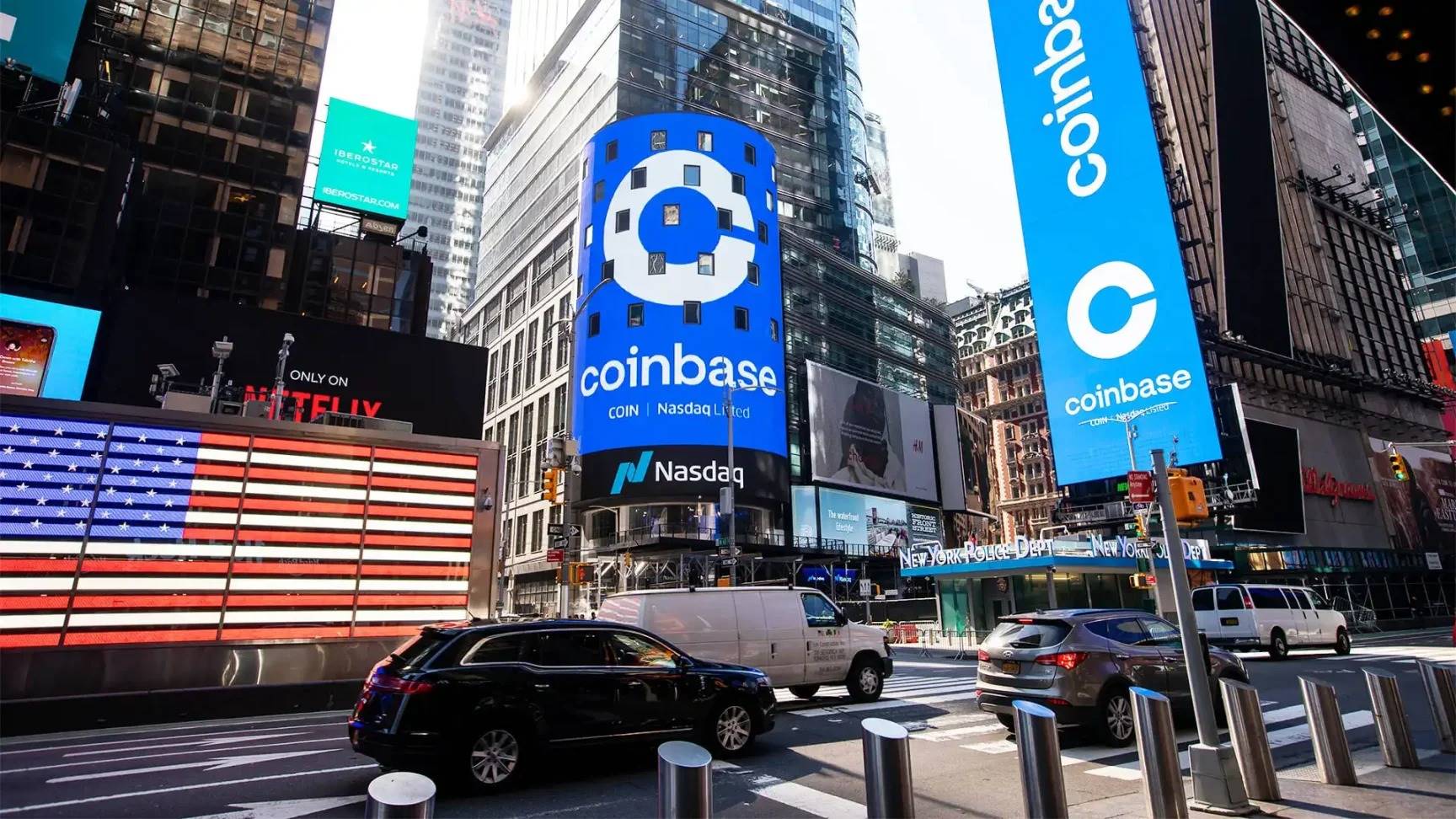
Meanwhile, Coinbase, the "elder statesman" among crypto exchanges, is also having its moment. It is set to be included in the S&P 500 index, becoming the first crypto company to achieve this honor. This recognition is not just a milestone for Coinbase but a landmark endorsement of the entire crypto industry’s integration into the mainstream. The S&P 500 comprises America’s top-tier corporations, and Coinbase’s inclusion signifies growing acceptance of crypto assets by traditional financial systems. Market analysis firm QCP Capital predicts this event could become a new "tipping point" for the crypto market, drawing more institutional investors and potentially pushing prices of assets like Bitcoin to new highs. As early as 2021, Coinbase’s direct listing was led by top-tier investment banks including Goldman Sachs and JPMorgan Chase; now, its S&P 500 status further cements its position as an industry leader.
Beyond traditional IPOs, SPAC listings have become a "fast track" for many crypto firms to access public markets. The case of American Bitcoin, the Bitcoin mining venture backed by Trump’s son, stands out as textbook example. A subsidiary of mining giant Hut 8, American Bitcoin plans to list on Nasdaq under the ticker "ABTC" through a merger with Gryphon Digital Mining. The deal, boosted by the Trump family’s endorsement, sent Gryphon’s stock surging 330% upon announcement. Hut 8 CEO Asher Genoot boldly stated that this listing marks the "next major step toward low-cost Bitcoin accumulation," with the goal of building a "Bitcoin bank." This highlights both the flexibility of SPAC listings and the influence of political connections in the crypto sector.

Another key player, Galaxy Digital, isn’t staying behind. The crypto asset management firm plans to list on Nasdaq on May 16, pending final shareholder approval. Galaxy Digital offers trading, investment, and advisory services, focusing on delivering crypto financial solutions to institutions and high-net-worth individuals. However, its Q1 2025 report showing a $295 million loss cooled investor sentiment. Still, market outlook remains optimistic, with investors expressing confidence in its long-term potential.
Amber International has also entered the public market via a merger, listing on Nasdaq under the ticker "AMBR," further expanding the footprint of crypto firms in public markets. Meanwhile, Gemini (the Winklevoss twins’ crypto platform), Bullish (backed by Peter Thiel), Circle Internet Financial, and Kraken are all rumored to be preparing IPOs, possibly within 2025.
Mutual Attraction?
Beneath the IPO frenzy lies not only internal momentum from the crypto industry but also aggressive entry by Wall Street heavyweights. For years, traditional financial institutions approached the crypto market cautiously, held back by high risks and regulatory uncertainty. However, the Trump administration’s rise has completely changed the game. President Trump, who calls himself the "crypto president," has pledged to make the U.S. the "global crypto capital." Upon taking office, he swiftly signed executive orders on digital assets and pushed the SEC to establish a crypto task force led by industry advocate Hester Peirce. White House crypto lead David Sacks has even explored the feasibility of creating a national Bitcoin reserve. These policies have acted as a powerful catalyst, clearing hurdles for crypto IPOs and igniting Wall Street’s interest.
Morgan Stanley is at the forefront of this shift. According to insiders, the previously low-key investment bank in crypto is now actively reaching out to potential clients, eager to lead crypto IPOs. In 2024, Morgan Stanley helped Coinbase issue convertible bonds and was hired by IREN to explore monetization opportunities in AI data markets. Now, it is gearing up to play a major role in the IPO boom. Bank of America is equally ambitious—its investment banking executives are actively discussing how to expand digital asset trading to capture a slice of the market’s multi-billion-dollar fee pool. CEO Brian Moynihan stated in an early 2025 CNBC interview that banks would go “full speed ahead” in trading once regulations become clear.
Royal Bank of Canada (RBC) is also accelerating. By the end of 2024, RBC assisted crypto miner Core Scientific with a convertible bond issuance. Company data shows a sharp rise in market activity among crypto issuers since the 2024 U.S. election. Though a latecomer, RBC is carefully ramping up its presence. Additionally, Jefferies Financial Group, Moelis & Co., and Cantor Fitzgerald are emerging in crypto deals. For instance, Jefferies is advising alongside JPMorgan on Bullish’s potential listing and helping Figure Technologies prepare for its IPO. Even HSBC has quietly moved—its senior foreign exchange strategist recently took on the title "Head of Digital Asset Research," signaling rising institutional interest across traditional finance.

Why the "Crypto IPO Boom"?
The crypto industry is maturing. After more than a decade of evolution, cryptocurrencies have transformed from speculative, "wild west" assets into a significant part of the global financial system. Coinbase’s inclusion in the S&P 500 and Antalpha’s successful IPO reflect dramatically increased acceptance of crypto firms by traditional finance. Going public not only boosts corporate credibility but also channels more institutional capital into the sector.
Bitwise’s latest forecast boldly declares 2025 as the "Year of Crypto IPOs," identifying three key drivers: active regulatory engagement, institutional investor support, and strong market demand.
First, improved regulation is critical. In the past, strict SEC scrutiny forced many IPO plans to stall, and banks were instructed to pause crypto-related activities. Typically, companies file their S-1 publicly 6 to 8 months after submitting a draft, but the complexity of crypto often caused delays. The Trump administration’s pro-crypto stance has turned on the green light, and the SEC’s newly formed crypto task force is expected to accelerate approvals, paving the way for IPOs from Circle, Kraken, Figure, Anchorage, and Chainalysis.
Second, funding needs are a core driver. Crypto firms often require massive capital—for example, miners buying expensive ASIC machines, exchanges upgrading platforms, or asset managers developing new products. Public listing offers a direct funding channel, helping them weather market volatility and scale faster. American Bitcoin plans to raise private funds to expand its mining operations, while Galaxy Digital hopes listing will ease its financial strain.
Finally, investor enthusiasm provides powerful momentum. Wall Street’s entry signals that crypto is no longer on the periphery. Strategic shifts by Morgan Stanley and Bank of America, along with active involvement by Goldman Sachs and JPMorgan in Coinbase and Bullish deals, show growing institutional confidence. This support not only brings professional financial services but also attracts more institutional capital. Antalpha’s first-day surge and Gryphon Digital Mining’s price spike demonstrate strong market appetite. Sol Strategies and Exodus plan to list on Nasdaq and the NYSE, respectively, further fueling investor excitement. Bitwise notes that more crypto listings will allow retail investors to participate via stock markets without directly holding crypto, rebuilding trust and unlocking vast capital pools.
Toward Mainstream Acceptance—But Will It Impact Token Prices?
In the long term, this IPO wave will accelerate the mainstreaming of crypto. Coinbase’s S&P 500 status, Antalpha’s successful debut, Wall Street’s entry, and Bitwise’s "Year of Crypto IPOs" prediction all indicate that crypto assets are being integrated into traditional portfolios, shedding their "speculative" label. As more firms go public, the industry will attract greater institutional and retail capital, expanding market size. Bitwise emphasizes that public listings will lower investor entry barriers through stock markets, enhancing transparency and trust.
At the same time, competition within the industry will intensify. Exchanges, mining firms, and asset managers will race to innovate—offering lower fees, more efficient mining tech, or richer financial products. This benefits consumers and strengthens industry competitiveness. Wall Street’s professional management will also promote market standardization.
Globally, the U.S. IPO surge could trigger ripple effects, inspiring crypto firms in Canada, Europe, and beyond to follow suit, fostering a global crypto capital market. This would drive globalization and offer investors broader opportunities.
This IPO wave will profoundly reshape the crypto market—bringing opportunities alongside risks. On the positive side, it greatly boosts market confidence. Coinbase’s S&P 500 inclusion marks industry maturity and may draw more traditional investors, potentially lifting crypto asset prices. The IPO plans of Antalpha, Amber International, Gemini, and others prove the appeal of crypto firms in public markets. Bitwise stresses that public listings will force greater financial disclosure, improving transparency and restoring investor trust.
Additionally, the boom will drive industry consolidation. SPAC listings offer smaller and mid-sized firms a shortcut to public markets, lowering IPO barriers. For example, American Bitcoin achieved rapid listing through a merger. This model may inspire others, accelerating resource integration and optimizing market structure. The involvement of Wall Street investment banks will also enhance transaction professionalism and bring in more capital.
Technological and infrastructural progress will also benefit. With new capital, listed firms can invest in innovation. Hut 8’s collaboration with Bitmain on efficient mining hardware, Coinbase’s platform upgrades, and potential new product launches by Galaxy Digital will push technological advancement and improve user experience.
However, risks remain. First, financial volatility is a concern. Galaxy Digital’s $295 million Q1 loss reveals crypto firms’ vulnerability during market swings. High valuations could inflate bubbles, leading to sharp price drops if investor sentiment sours. Second, regulatory uncertainty persists. Despite current leniency, future policy changes—especially under SEC scrutiny—could disrupt listed firms. Finally, excessive speculation may heighten market volatility. Gryphon Digital Mining’s 330% surge exemplifies speculative behavior, which could destabilize the market.
Join TechFlow official community to stay tuned
Telegram:https://t.me/TechFlowDaily
X (Twitter):https://x.com/TechFlowPost
X (Twitter) EN:https://x.com/BlockFlow_News
 BlockBeats






