One Click Away from Zero: My Life-or-Death Five Seconds with a Fake "Editor-in-Chief"
TechFlow Selected TechFlow Selected
One Click Away from Zero: My Life-or-Death Five Seconds with a Fake "Editor-in-Chief"
Five seconds of caution, a lifetime of freedom.
 Navigating Web3 tides with focused insights
Author: Daii
TL;DR (Core Summary)
-
A blue-check "Deputy Editor at CoinDesk" invited me for a podcast → nearly installed a phishing app → 5 seconds of hesitation saved my wallet.
-
The real 0-day is human nature: authority worship + time pressure = infinitely reusable vulnerability; over 40% of global crypto losses stem from script-based phishing.
-
Minimum defense = the "5-4-3-2-1" countdown: pause for 5 seconds, raise one question, verify the source once — even the strongest tech relies on this moment of clarity.
I was supposed to share Part Three of the “Decentralization Trilogy” with you today, but I'm sorry—it needs to be postponed. Because recently, I experienced something that could have changed my life—
I almost got scammed, and nearly without realizing it.
Last Friday morning, I opened my computer as usual. X (formerly Twitter) notified me of a direct message. When I opened it, the sender immediately caught my attention:
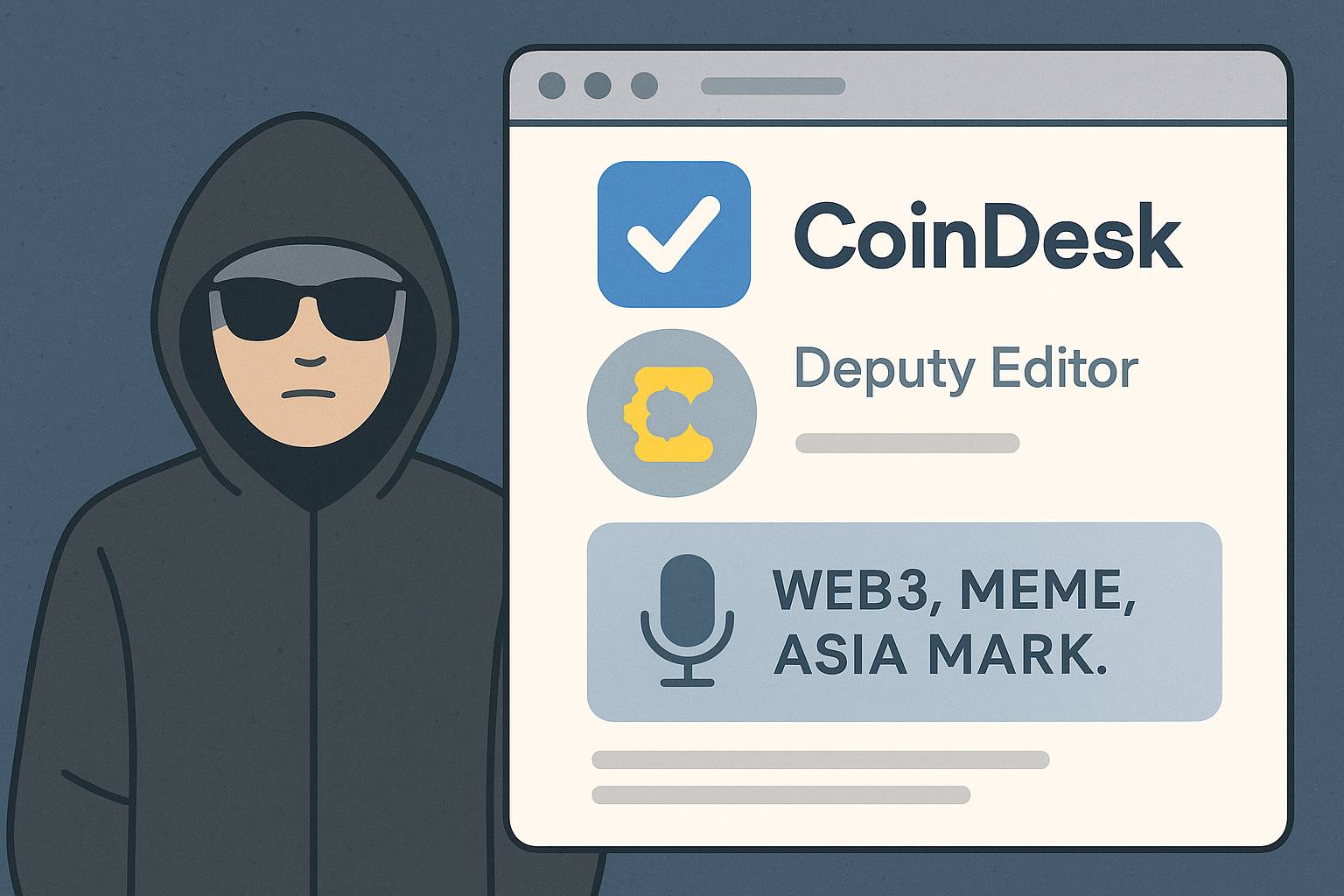
Official-looking profile picture, verified blue check, ID: Dionysios Markou, claiming to be Deputy Editor at CoinDesk.

In the conversation, he told me:
I work at @CoinDesk, and we're currently conducting a series of interviews with members of the Web3 community about the Asian crypto ecosystem. If you don't mind, we'd like to invite you as our guest.
We plan to record a podcast episode and publish it on our website, Spotify, and other platforms.
This episode will dive into topics such as the future markets of Bitcoin/Ethereum/Solana, MEME markets, DeFi, and Asian Web3 projects.
Could you please let us know if you have time?
The message was concise and professional, formatted exactly like typical outreach emails from crypto media. I thought: CoinDesk? A well-established industry outlet—I know them well.
I agreed almost instantly. Being interviewed about Bitcoin, Ethereum, Web3, and MEME projects—wasn’t that the ideal scenario for someone who creates content?
We scheduled the call for Monday night (May 12) at 10 PM.
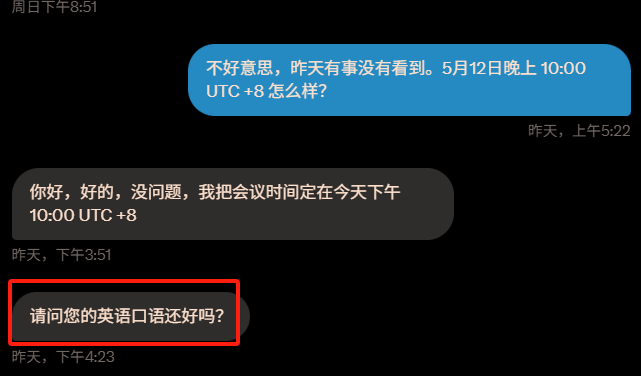
Note the image above. The person sent one sentence: "Is your spoken English okay?" This would become a critical precondition for my potential scam.
At 9:42 PM on Monday, the person messaged me on X, ready to start the video call.
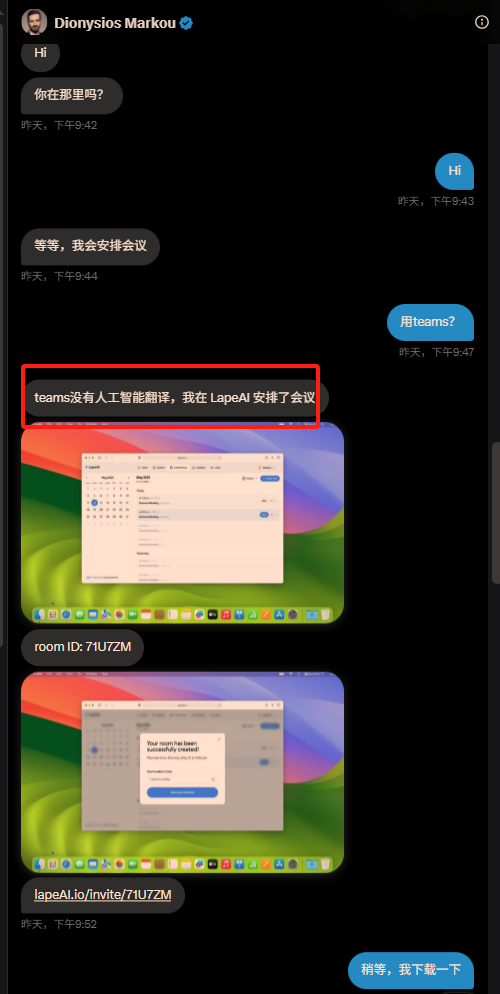
I suggested using Teams, but they declined, citing lack of AI translation, and recommended LapeAI instead, which supports seamless Chinese-English communication. They even shared a screenshot showing they were ready, along with a room number and an invitation link (see image above).
Although I’d never used LapeAI before, their reasoning sounded reasonable. For safety, I didn’t click their link. Instead, I Googled “LapeAI” and found the following site.
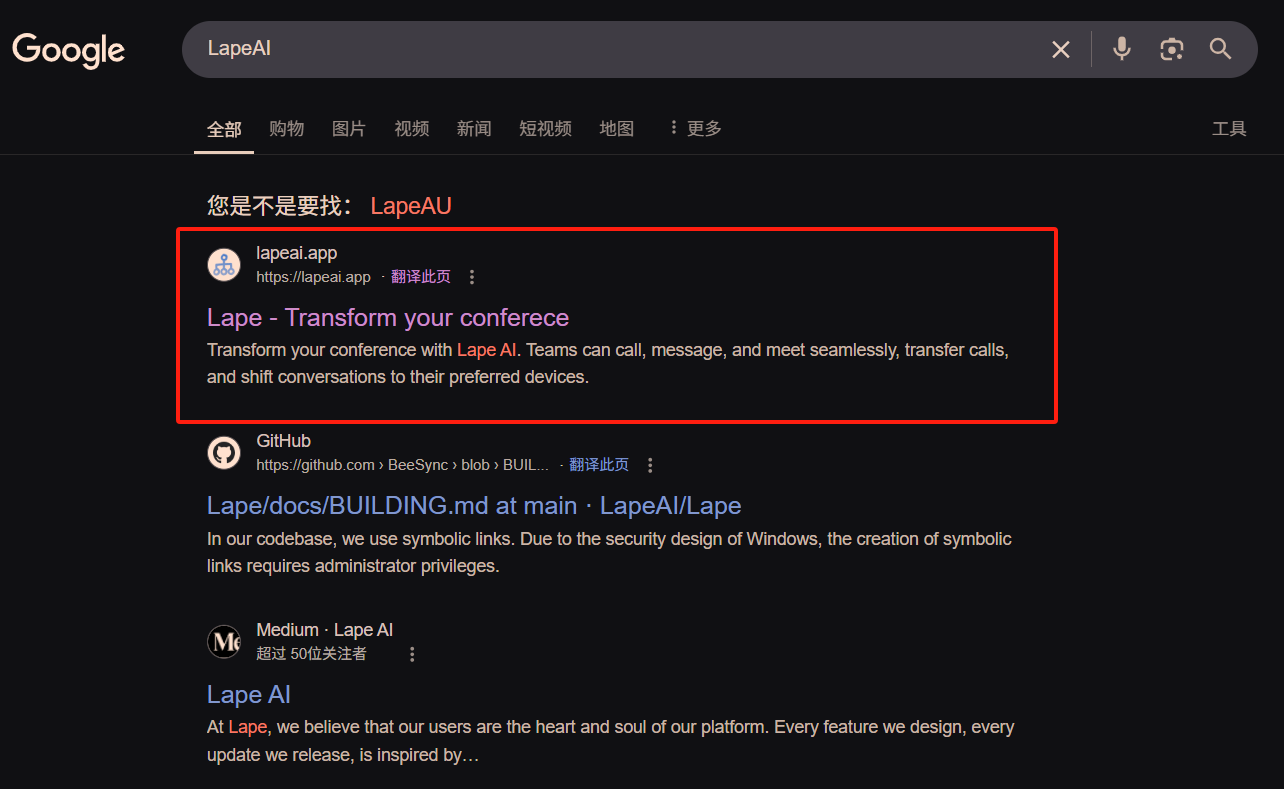
Opening it shocked me—Chrome immediately flagged it as a phishing site.
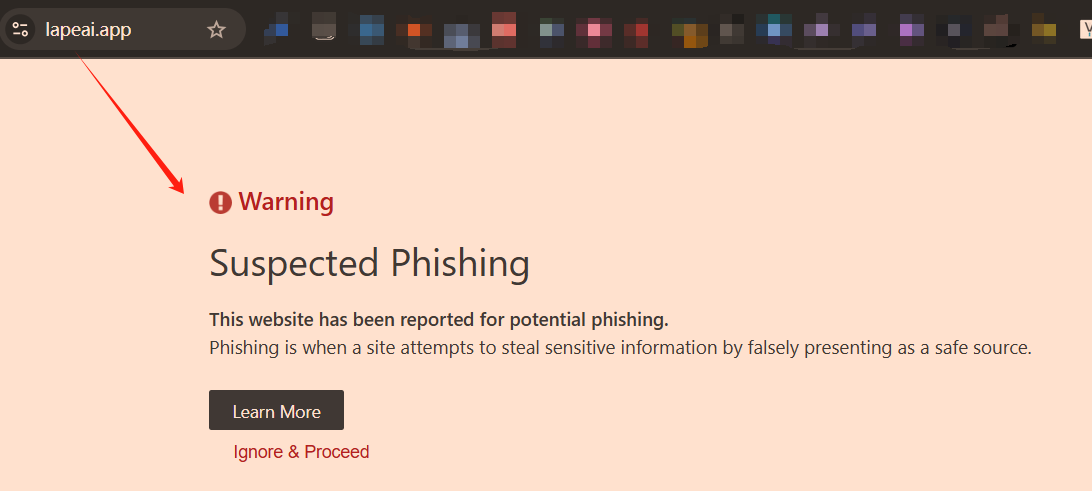
But upon closer inspection, the domain they provided was LapeAI.io, while the Google result showed Lapeai.app—different suffixes, two different sites. So I manually typed Lapeai.io into the address bar—and no warning appeared, as shown below.
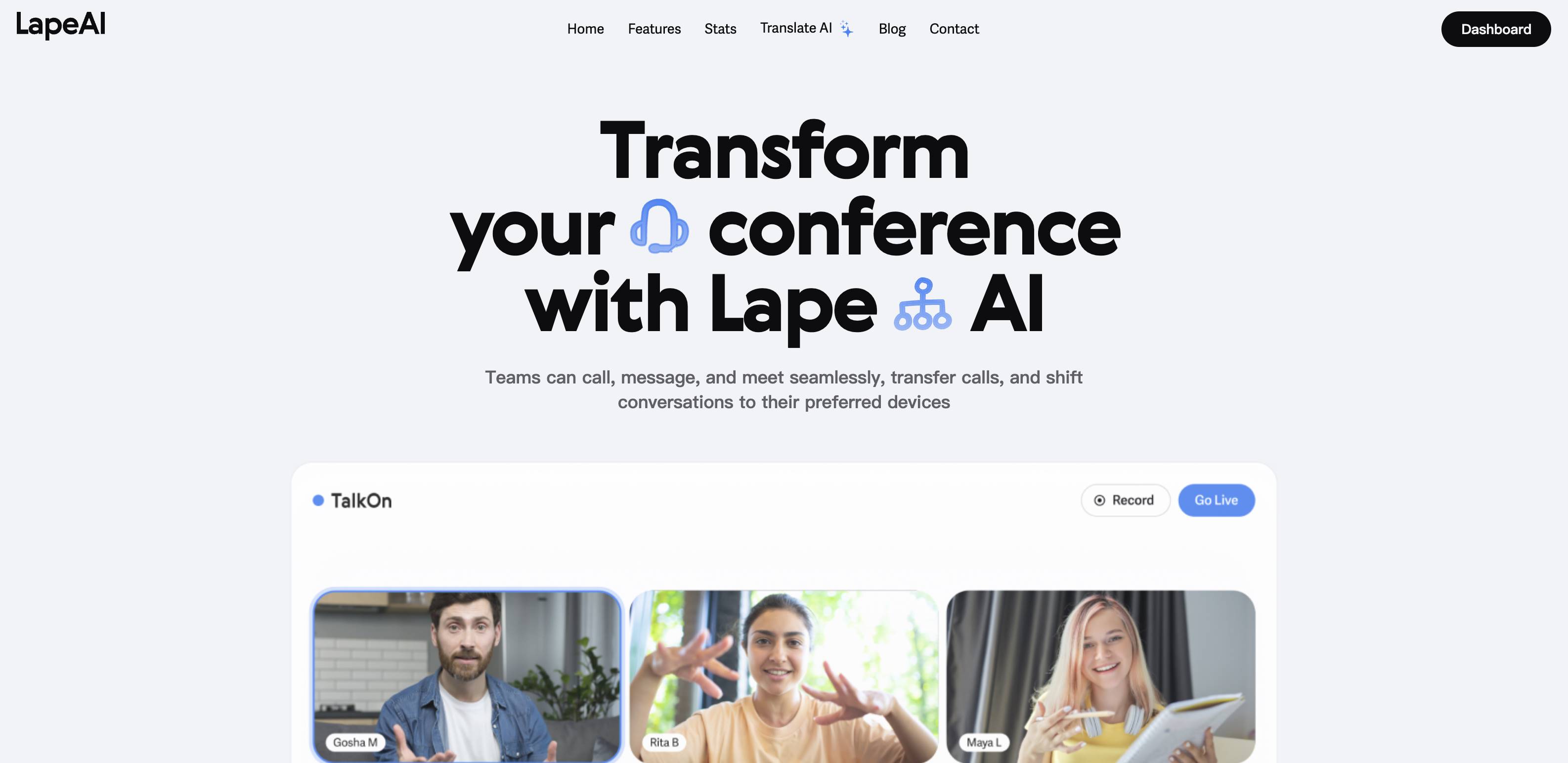
Everything seemed normal, so I registered an account and entered their invite code. Note: LapeAI.app and LapeAI.io were actually the same website. The .app version had been flagged, so they simply launched a new .io domain. You’ll understand as you keep reading.

After clicking the "Synchronize" button in the image above, instead of entering a chat window, I saw the following page.
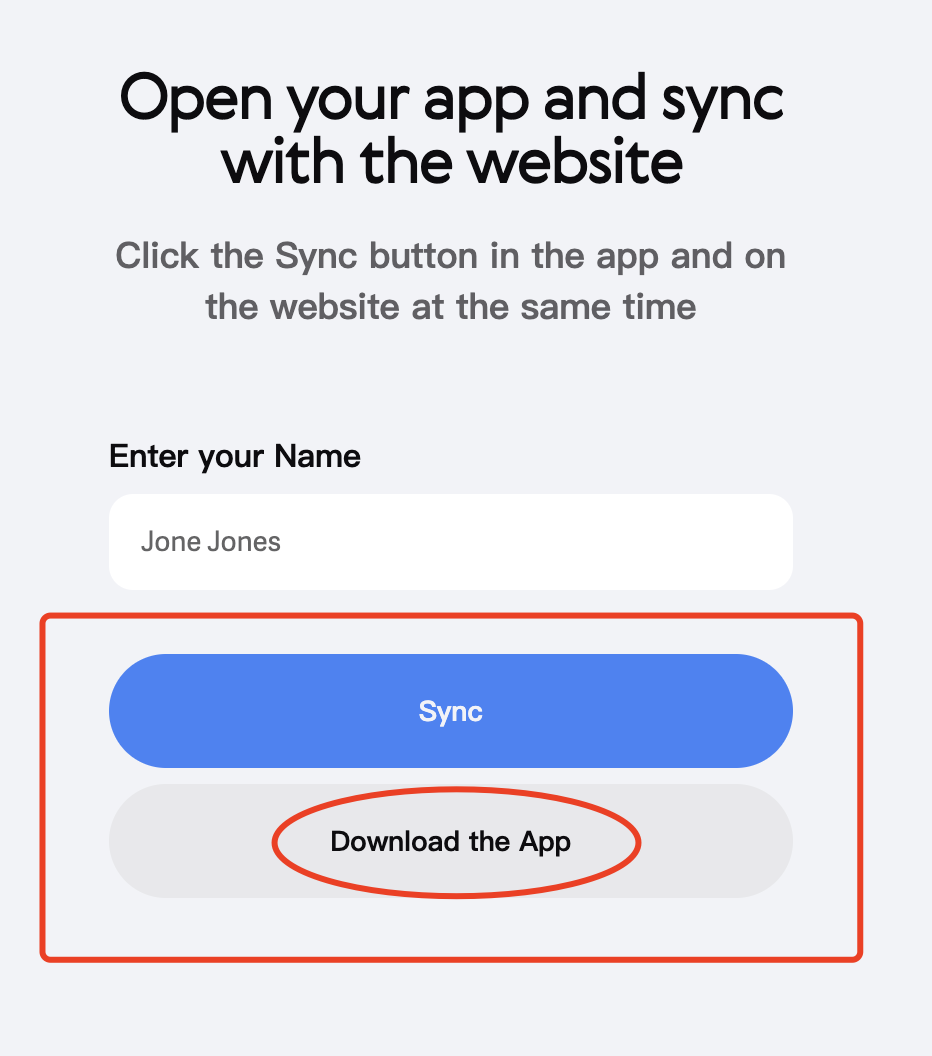
Note the red box in the image: although they didn’t explicitly ask me to download an app, the text clearly stated that I needed to click "Sync" both on the website and in the app.
Why download an app when there’s already a web version?
I hesitated, but still downloaded it. However, when I reached the installation screen below, I paused again.
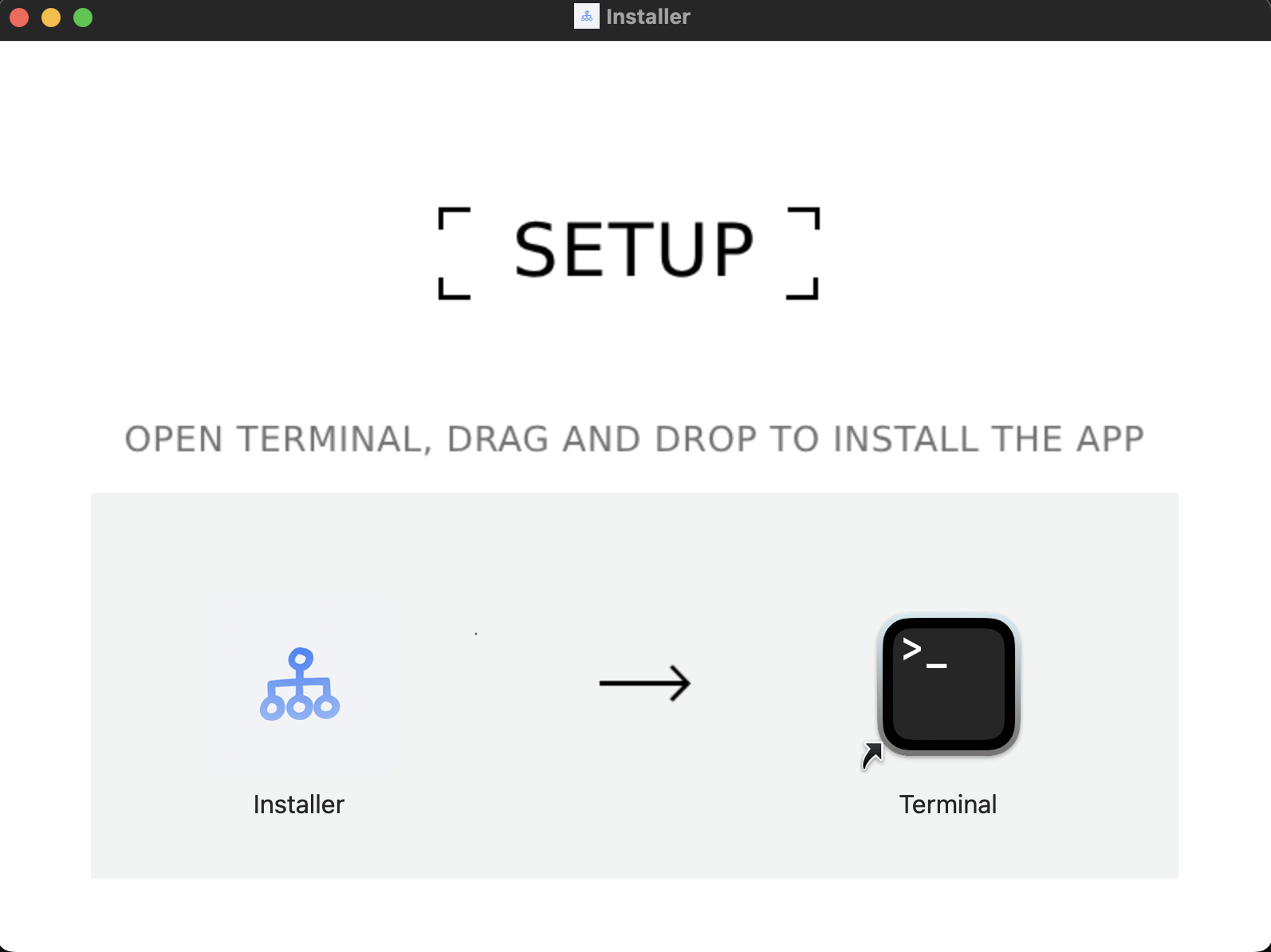
I hesitated because the app wasn’t installed directly—it required running via terminal, something I’d never encountered before. So I stopped and decided to consult ChatGPT o3. What I found shocked me—see the image below.
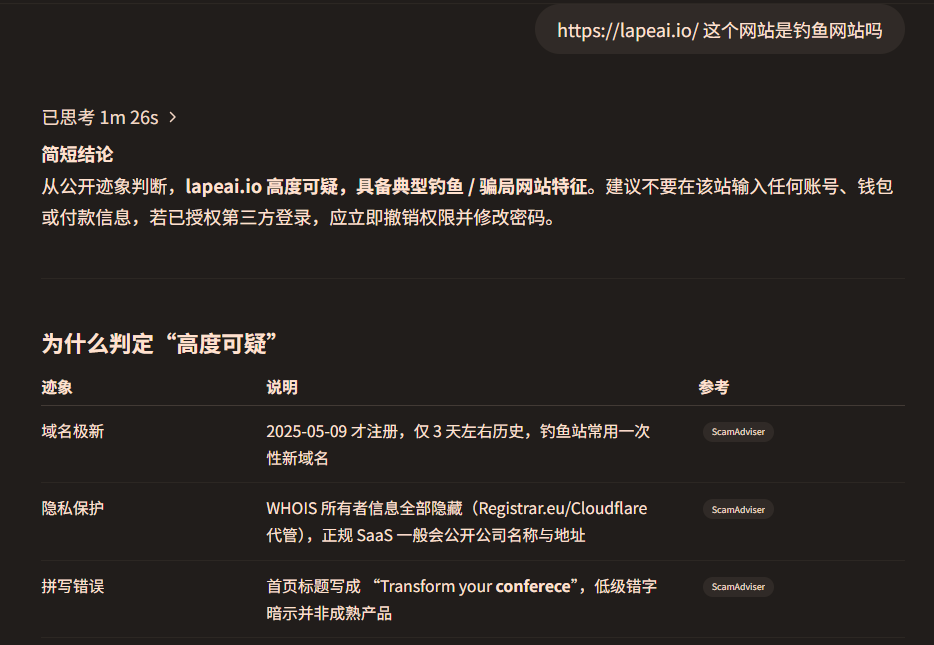
This investigation made me realize just how close I had come to danger.
The lapeAI.io domain was registered on May 9, 2025—just three days earlier;
The domain owner information was hidden;
The page title even contained a clear spelling error: "Transform your conferece" (should be "conference"). Notably, this matched the title of the already-flagged phishing site LapeAI.app.
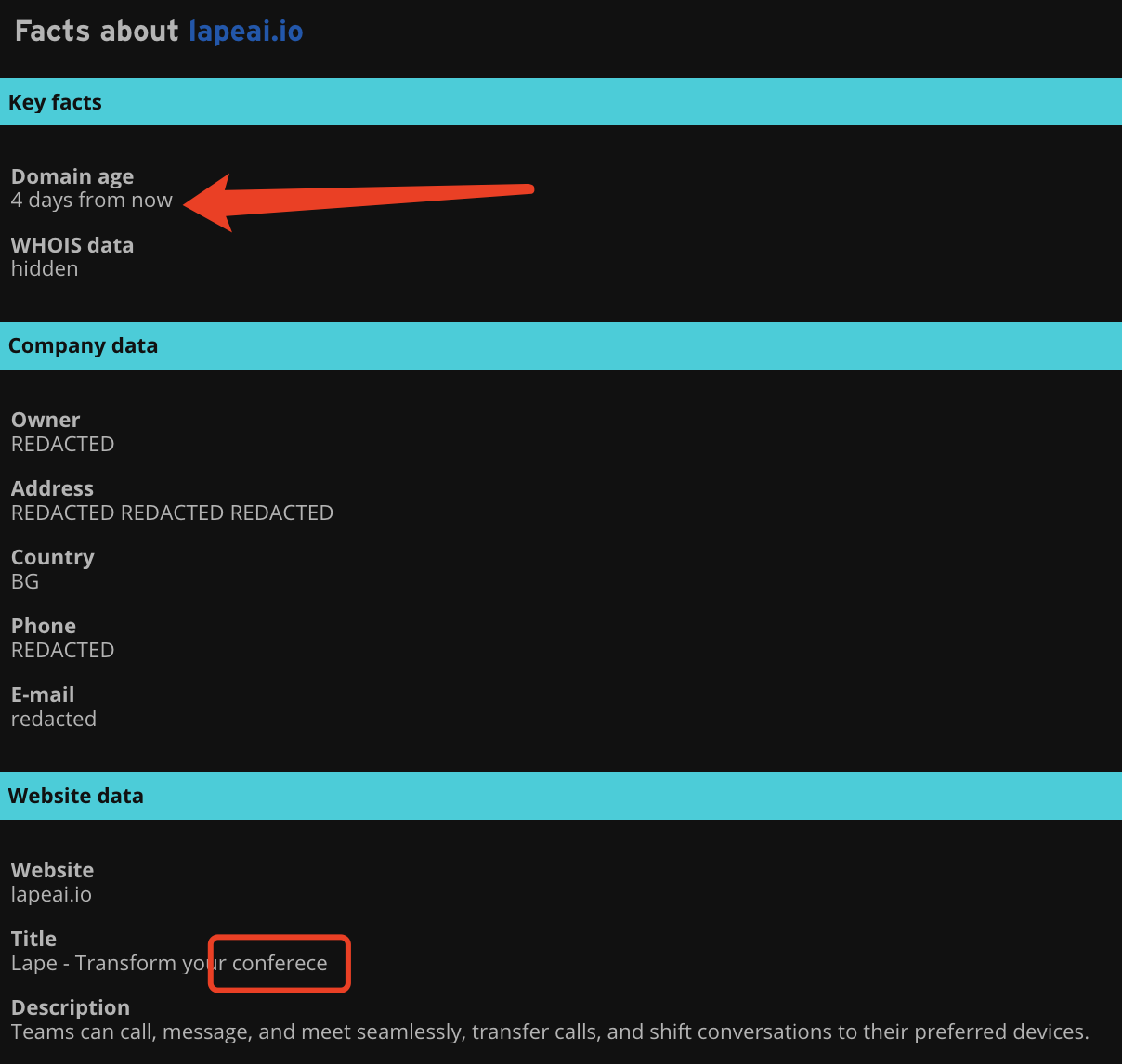
Any one of these three red flags should have stopped me from installing the suspicious program.
1. I Confirmed It Was a Scam
I realized this wasn’t a genuine CoinDesk interview request—it was a meticulously crafted social engineering attack.

Looking back at the X (Twitter) account, despite its blue verification, closer inspection revealed that it originally posted in Indonesian (see image above), only recently rebranded as a Swedish crypto editor. Its follower count was also suspiciously low—only 774 followers—far fewer than actual CoinDesk editors, who typically have tens of thousands.
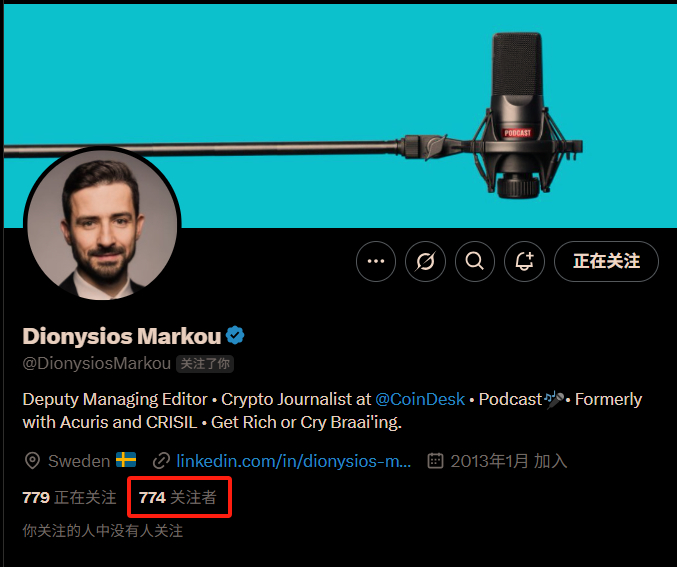
I realized the person wasn’t a journalist—but a scammer. Reflecting on the interaction, it was terrifying.
From initial DM response, confirming time, registering an account, to nearly executing the installer—this was all one step away from being scammed.
They knew I use Chinese and mentioned AI translation upfront. They knew I write about Web3 and emphasized discussing Bitcoin, MEMEs, and Asian projects. Of course, they knew CoinDesk’s influence in the space—and used it as bait.
I was targeted with a personalized deception.
I began to see this wasn’t a random spam attempt—it was a precise social engineering attack (Social Engineering Attack).
No hacking techniques, no code written, no virus links sent. They attacked my trust, my professional identity, and my desire as a content creator to be interviewed.
In that moment, I thought of a term—zero-day vulnerability (0-day vulnerability).

2. Human 0-Day: An Evergreen Vulnerability, Always Active
You may have heard of the term "0-day vulnerability"—in cybersecurity, it represents the highest level of threat.
"0-day" originally was a purely technical term. It first emerged in underground BBS communities during the 1980s–1990s: hackers used "zero-day software" to refer to newly released programs that had been out for zero days—undisclosed, with no patches available.
Because developers were unaware of existing vulnerabilities, hackers could exploit them on "Day 0" to launch attacks. Later, the term evolved into "zero-day vulnerability" itself, and attacks exploiting such flaws became known as "zero-day attacks." Common 0-day terms include:
-
Zero-day vulnerability: a flaw unknown to the vendor, with no patch available.
-
Zero-day exploit: attack code designed to target that specific vulnerability.
-
Zero-day attack: an intrusion action carried out by exploiting the vulnerability.
Since there are no patches or rules to block them, zero-day attacks are considered the "highest-level threat."
But you might never have imagined: humans themselves also have "0-day vulnerabilities."
These aren’t hidden in server code—they’re buried deep within human instincts shaped over millennia of evolution. You think you’re browsing, working, consuming information, but you’re already exposed to countless default-open psychological vulnerabilities.
For example:
Do you automatically assume a blue-check account is "official"?
Does hearing "limited spots" or "event ending soon" make you anxious?
When you see "unusual login detected" or "assets frozen," do you instinctively click to check?
This isn’t stupidity or carelessness—it’s an evolutionary survival mechanism. More accurately, it’s human nature's 0-day, repeatedly tested, refined, and weaponized by scammers and hackers.
2.1 What Is a Human 0-Day?
We can understand this concept as follows:
A human 0-day refers to psychological vulnerabilities that can be repeatedly exploited through social engineering and cannot be fully patched by technical means.
Technical 0-day vulnerabilities can often be fixed with a single patch. But human 0-days are nearly impossible to eradicate. They are embedded in our desire for security, our innate trust in authority, and our instinctive impulses to "get ahead" or "not miss out."
It doesn’t require complex technology or code—just a well-crafted phrase, a familiar icon, or an email that "looks real." It doesn’t need to breach your device—it only needs to bypass your brain—more precisely, bypass your thinking time.
And there’s no "update" mechanism, no antivirus software to stop it. Every online user is default-exposed to this attack surface.
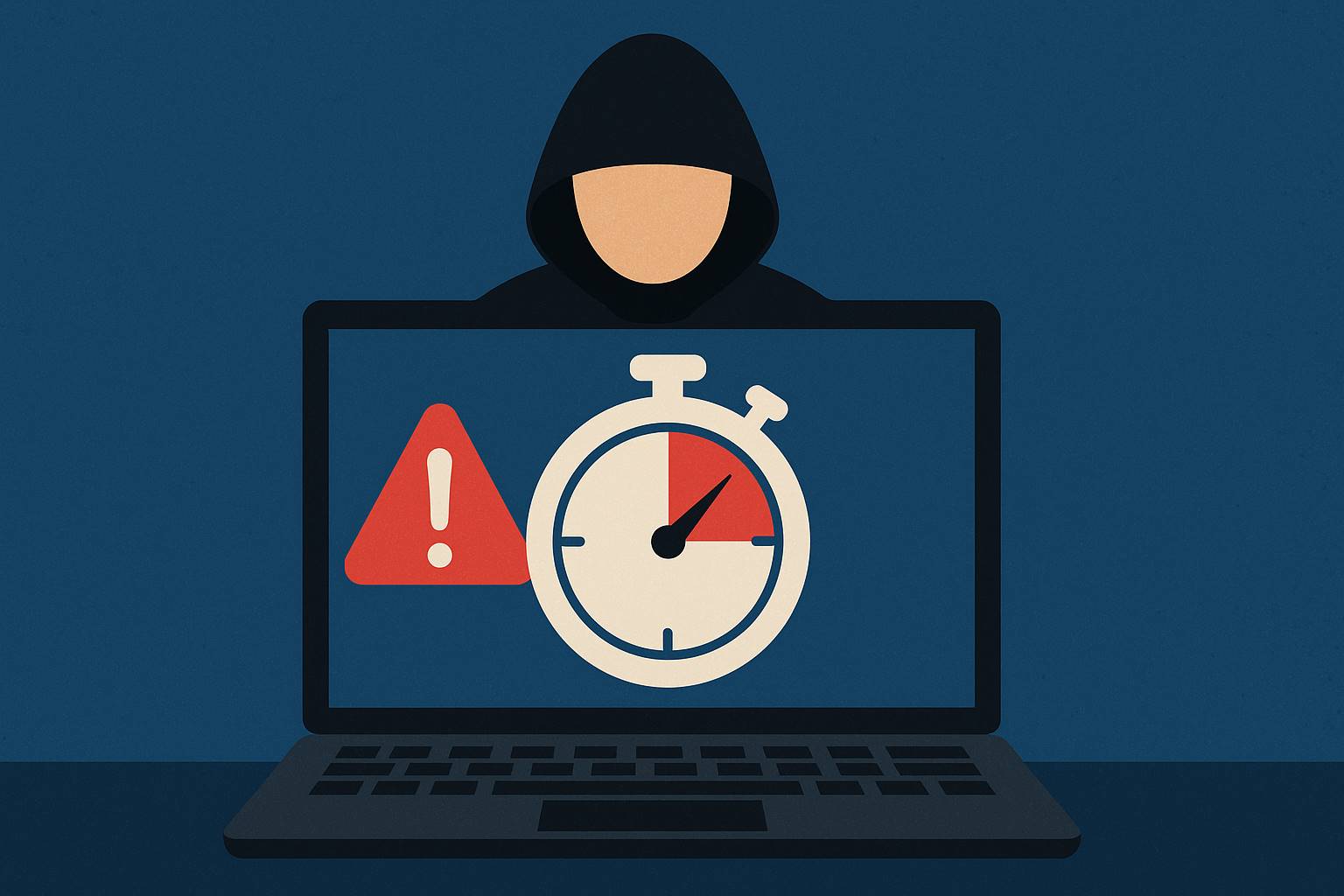
2.2 Three Characteristics of Human 0-Day
The reason human 0-day is so dangerous lies in three core properties that surpass technical vulnerabilities.
First, it transcends eras. These psychological mechanisms are almost hardwired into human evolution. In primitive times, fear responses (e.g., toward fire or snakes) were essential for survival; absolute obedience to tribal "leaders" formed the basis of group cohesion. Thousands of years later, these mechanisms remain embedded in our decision-making circuits.
Second, it transcends cultures. It doesn’t matter which country you’re from, what education you have, or whether you have a technical background. North Korea’s notorious Lazarus hacker group uses English to phish Bybit employees, Korean to deceive defectors, and Chinese to trick Telegram crypto KOLs. Languages can be translated—human nature cannot.
Third, it’s massively reusable. You might wonder if you were specifically targeted. But attackers no longer need to "target" anyone. One script, one set of phrases, copied and pasted, can be sent to tens of thousands. In scam centers in Cambodia and northern Myanmar, fraudsters undergo eight hours of "script training" before going live, generating monthly "revenues" of millions of dollars—with almost no cost and far higher success rates than traditional phishing emails.
This isn’t a bug—it’s an industry.
2.3 Your Brain Is Running a Default-Open "Social Interface"
If we compare the human brain to an operating system, many mental reactions are like constantly running APIs—psychological interface functions.
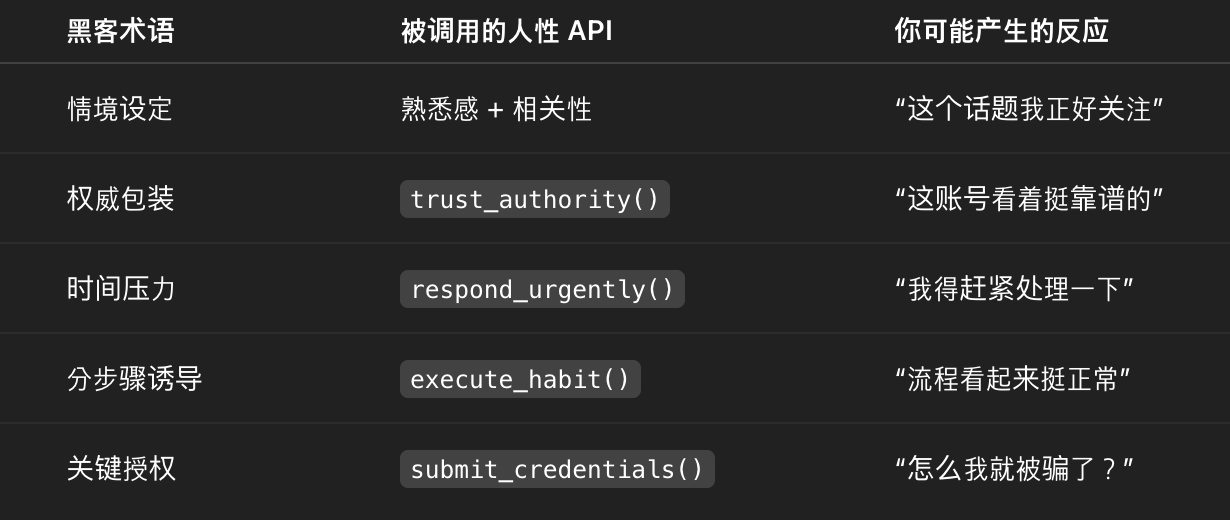
These APIs have no code and can’t be disabled. As long as you’re human, they’re default open. For example:
-
Sending a DM from a blue-check account triggers your trust in "authority";
-
Starting with "your account may have unusual activity" triggers your fear of asset risk;
-
Adding "300,000 people have already joined" makes you feel "I can’t miss out";
Telling you "act now—only 20 minutes left" compresses your rational judgment to its lowest point.
Throughout the process, they don’t need to force you, scare you, or even lie. They just need to deliver a script that fits your expectations perfectly, and you’ll click the link, register the platform, download the app—all voluntarily, all actively.
So the real horror is:
You think you’re "operating software," but in fact, you’re the one being "called" by the program.
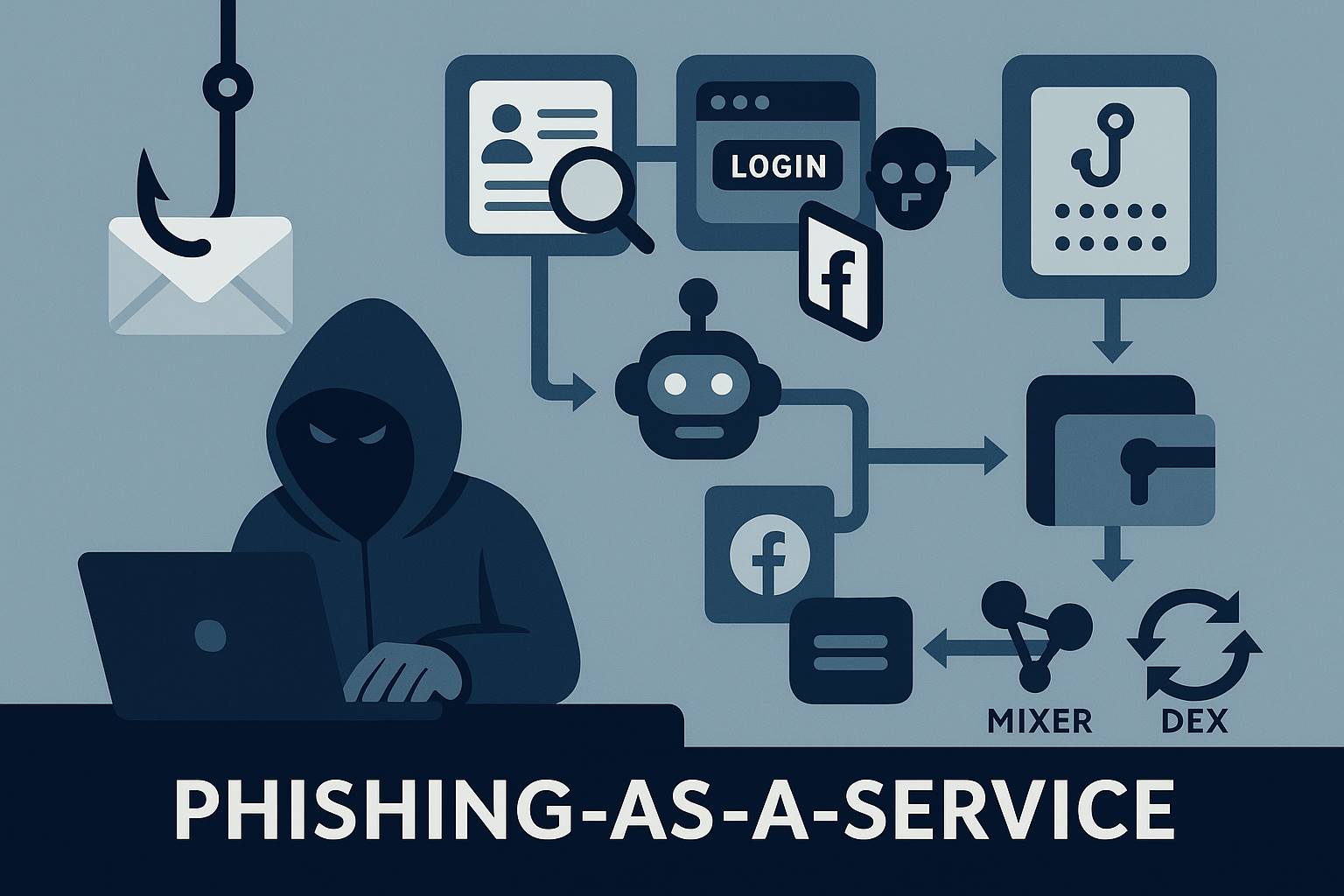
This is no longer just a scammer "phishing"—it’s an entire Phishing-as-a-Service network composed of script factories, customer service systems, and money laundering pipelines.
Such attacks don’t have "fixable" vulnerabilities—only "permanently exploitable" human nature.
3. This Isn’t Just Your Crisis—It’s a Global Cognitive War
After understanding the concept of "human 0-day," I deeply realized I wasn’t an isolated case or exception.
I was merely a pawn precisely targeted in a global psychological attack—like millions of ordinary people, being systematically manipulated by the same "social engineering script."
Hackers’ weapons are no longer keyboards and code—but "scenario design, authority impersonation, and trust scripts." And the entire attack ecosystem has long evolved from "individual acts" into an industrialized model of "content factory + script assembly line."
3.1 The "Black Hole" of Crypto Assets: 43% of Losses Aren’t Hacks—They’re Scams
According to Chainalysis' *Crypto Crime Report 2025*: in 2024, global crypto theft caused $2.2 billion in direct losses, with private key leaks (typically triggered by phishing or social engineering) accounting for 43.8%, about $960 million.
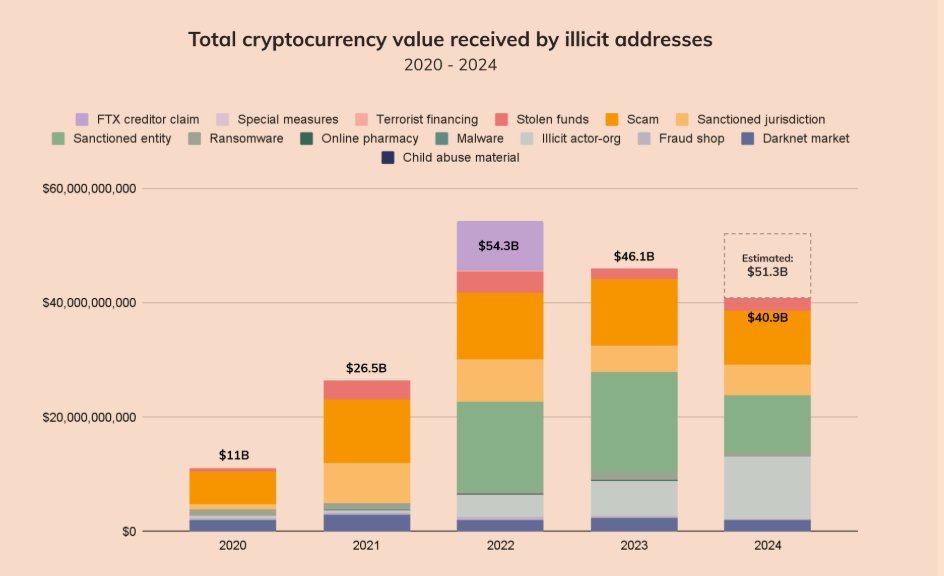
This means nearly $2 out of every $5 lost wasn’t due to technical flaws or attack scripts—but because human psychology was precisely manipulated, causing users to willingly "hand over their keys."
These attacks don’t breach wallets, crack contracts, or hijack nodes. They only need an email, a DM, a fake identity, and a "tailored诱导 script."
The loss usually occurs the moment you click the link or enter your recovery phrase.
This isn’t system failure—it’s each of us repeatedly opening the backdoor ourselves under a "default-trust" cognitive mode.
3.2 Hacker Script Factory: Lazarus Group’s $1.3 Billion Cognitive Heist
If you think these attacks are sporadic and unorganized, meet the world’s "most professional" social engineering team—Lazarus Group, state-backed from North Korea, operating globally.
According to tracking data from multiple security firms:
-
In 2024, Lazarus launched over 20 major social engineering attacks;
-
Targets included major crypto platforms like Bybit, Stake.com, and Atomic Wallet;
-
Methods included fake job postings (with resume + interview software), supplier impersonation, partnership emails, and podcast invitations;
-
Stole over $1.34 billion in assets, accounting for nearly 61% of global crypto attack totals.
Even more shocking: these attacks exploited almost no system-level vulnerabilities—purely relying on "scripts + packaging + psychological fishing."
You’re not their technical target—you’re their cognitive interface.
They study your language, habits, and identity; they mimic companies, friends, and platforms you trust. They’re not hackers—they’re more like a psychological manipulation content team.
3.3 Hackers Don’t Attack Wallets—They Take Over Your Brain’s "Trust System"
Let’s reconstruct the essence of the entire situation:

In the end, this isn’t a system-level disaster—but a collapse of user-level default trust.
Attackers didn’t crack your wallet password—they broke through those few seconds of hesitation in your cognition.
It wasn’t a virus that defeated you—it was you, stepping into a well-packaged script, walking toward the wrong "confirm" button step by step.
You might think: "I’m not an exchange employee, not a KOL, and my wallet has only a few coins—surely no one would target me?"
But reality is:
Attacks are no longer "designed specifically for you"—but "if you fit the template, the script will land precisely on you."
-
Did you publicly post your address? They’ll send a "recommended tool";
-
Did you submit a resume? They’ll send an "interview link";
-
Did you write articles? They’ll send a "collaboration invitation";
-
Did you mention wallet issues in a group? They’ll immediately offer "assistance with repair."
They don’t care if you have money—they care if you meet the script trigger conditions.
You’re not special—you just happened to "trigger the automated deployment system."
You’re not naive—you just haven’t realized: human nature is the core battlefield of this era.
Next, I’ll dissect the most central tactical weapon in this war—the attack script itself. You’ll see how each step is carefully crafted to exploit the "default operating system" deep within your mind.
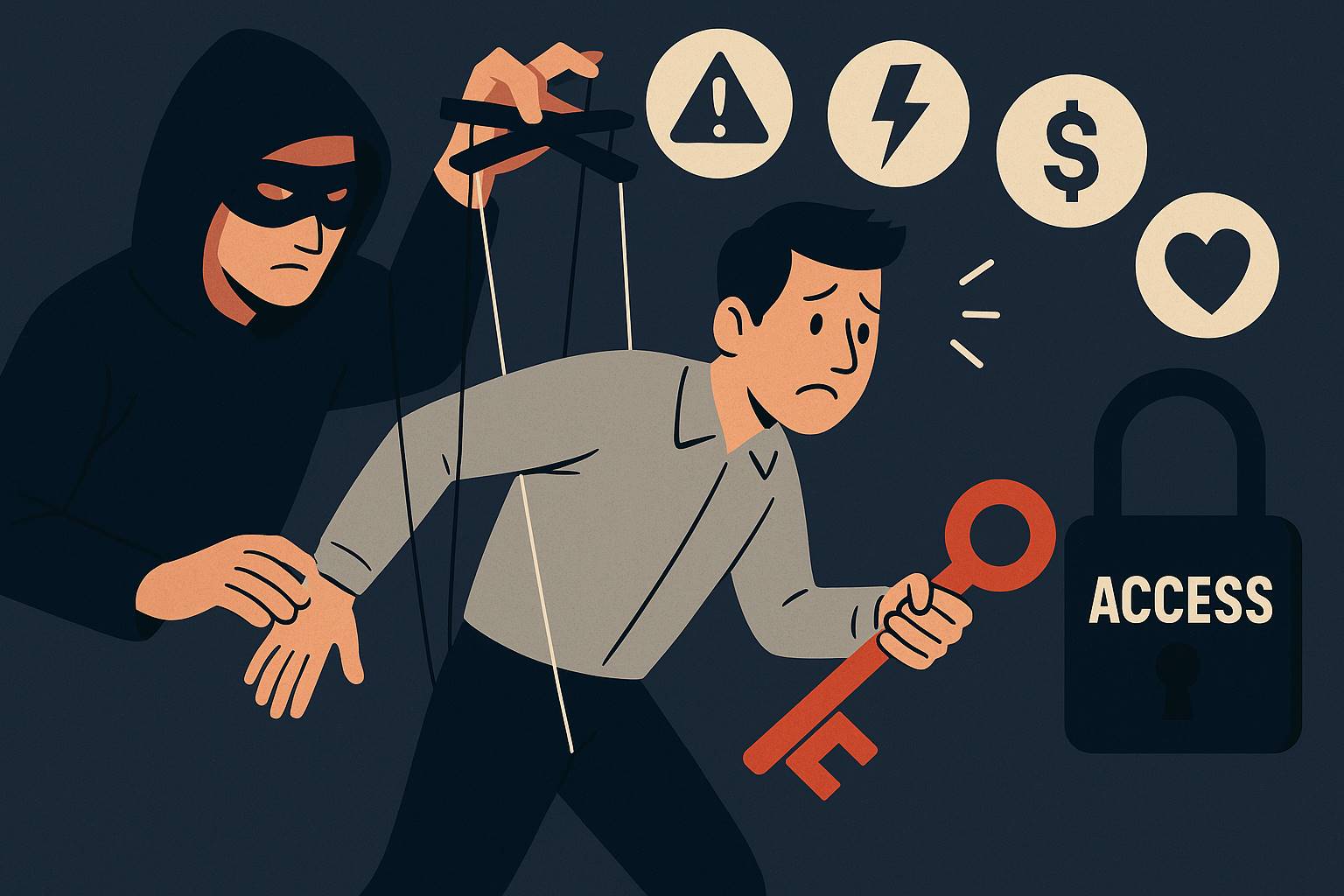
4. Scripted Attacks: Step-by-Step Invocation of Your "Human API"
99% of social engineering attacks don’t happen because you accidentally clicked wrong—they happen because you were guided to "click right" into the trap.
This sounds unbelievable, but the truth is—
While you thought you were "just replying to a message" or "just registering a platform," you were already immersed in their meticulously crafted psychological script. Each step isn’t forced control—but clever design leading you willingly to the endpoint of being attacked.
4.1 The Attack Process Is a Cognitive Manipulation Chain
Stop thinking "getting scammed" is about clicking a link or downloading an app. Real social engineering attacks are never about a single action—they’re about a psychological process.
Every click, every input, every confirmation—is actually the attacker calling pre-written "behavioral shortcuts" inside your brain.
Let’s reconstruct the five most common steps in a hacker’s attack script:
[Step 1] Context Priming
Hackers first design a scenario you’re "willing to believe."
-
You’re a journalist? They pose as a CoinDesk editor inviting you for an interview;
-
You work at a company? They say you’ve been selected for an "advanced test";
-
You’re a Web3 developer? They pretend to be project partners offering collaboration;
-
You’re an ordinary user? They scare you with "account anomaly" or "transaction freeze."
These scenarios aren’t awkward—they align closely with your identity, role, and daily needs. You naturally identify with them, without suspicion. This is the hook—and the anchor.
▶ A classic case I analyzed involved a journalist who simply asked Ledger support on Twitter—his "reasonable" post became the perfect entry point for a hacker’s precise delivery.
[Step 2] Authority Framing
With access secured, trust must be built.
Attackers use visual cues you recognize—blue checks, brand logos, official tone.
They may clone official domains (e.g., replacing coindesk.com with coindesk.press), add realistic podcast topics, screenshots, or samples—making the whole story seem "real."
▶ In my case, the person listed a CoinDesk position in their bio, discussed Web3, MEMEs, and Asian markets—perfectly hitting my psychological sweet spot as a content creator.
This tactic activates your internal "trust_authority()" function—you think you’re evaluating information, but you’re actually defaulting to trusting authority.
[Step 3] Scarcity & Urgency
Before you fully calm down, they accelerate the pace.
-
"The meeting starts soon"
-
"Link expires shortly"
-
"Account will be frozen if not handled within 24 hours"
—The sole purpose of such language is to prevent verification—forcing compliance.
▶ In the famous Lazarus breach of Bybit, they deliberately chose to send "interview materials" via LinkedIn just before employees left work, creating "time pressure + high temptation" to hit their weakest moment.
[Step 4] Action Steps
This step is crucial. Hackers don’t request full permissions at once—they guide you step by step:
Click link → Register account → Install client → Grant access → Enter recovery phrase.
Each step seems "normal operation"—but this is precisely the rhythm of the script.
▶ In my experience, they didn’t send a compressed file directly. Instead, they used "invite code registration + sync installation" to disperse vigilance across multiple stages, making each step feel "probably safe."
[Step 5] Extraction
By the time you realize something’s wrong, it’s too late.
At this stage, attackers either trick you into entering your recovery phrase or private key—or silently extract your session, cookies, or wallet cache files via software backdoors.
Once completed, they immediately transfer assets and quickly launder funds through mixers and withdrawals—leaving almost no chance for recovery.
▶ The $1.5 billion Bybit heist was executed rapidly—gaining access, splitting transfers, and mixing coins in minutes.
4.2 Why Does This Process Almost Never Fail?
The key is: it doesn’t defeat your technical system—it makes you voluntarily "disable" your own defense system.
From Step 1 ("Who you are") to Step 2 ("Who you trust"), Step 3 ("No time to think"), to finally "You pressed execute yourself"—this process isn’t violent, yet each step precisely targets an "automatic responder" in your mind.
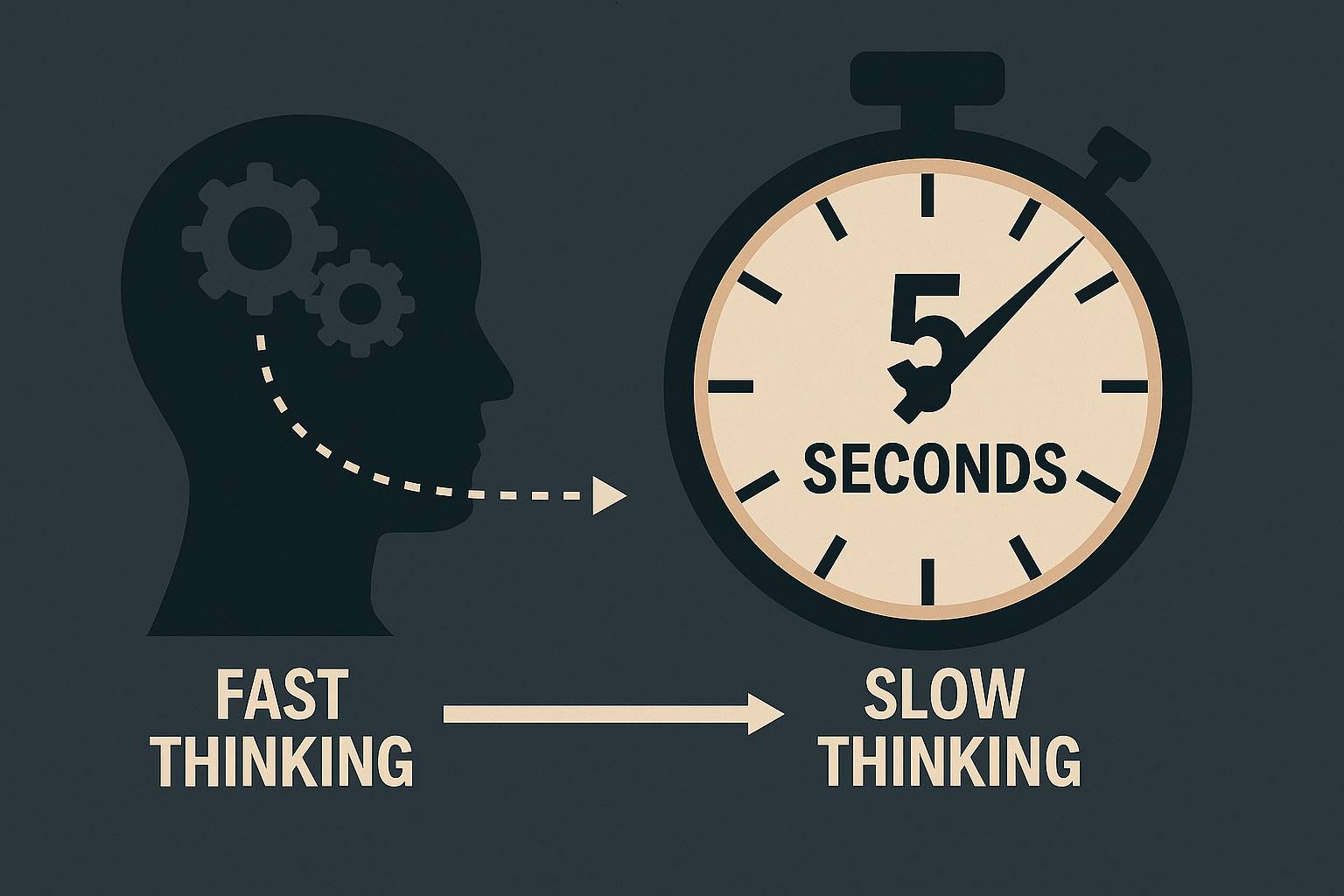
Psychologically, this state is called Fast Thinking—when under anxiety, excitement, or urgency, the brain skips logic and makes decisions based on emotion and experience. To understand the underlying mechanism, read *Thinking, Fast and Slow*.
Hackers excel at creating environments that put you into Fast Thinking mode.
So remember this most important sentence:
Social engineering attacks don’t break your defenses—they gradually invite you to "open the door yourself."
They don’t crack blockchain encryption algorithms—but perfectly bypass the most critical "user-layer firewall"—you.
So, if "human 0-day" can’t be technically patched, is there a habit, a rule, that lets you press pause before the script triggers?
The answer is: yes.
It’s called the "5-second rule."

5. The 5-Second Rule: The Minimal Action Plan to Patch Human 0-Day
By now, it’s clear:
Social engineering attacks don’t target your wallet or phone—their real target is your brain’s reaction system.
It’s not a brute-force breach, but a slow-boil cognitive manipulation game: a DM, a link, a seemingly professional conversation—guiding you step by step to "voluntarily" walk into the trap.
So, if attackers are "running your program," how do you interrupt this automatic flow?
The answer is simple—do just one thing:
Whenever someone asks you to enter your recovery phrase, click a link, download software, or claims an authoritative identity—force yourself to stop and count 5 seconds.
This rule sounds trivial, but when executed, it becomes:
The lowest-cost, highest-return "human patch."
5.1 No Matter How Strong Your Tech Defenses, Speed Can Beat Them
You might ask: "I’m not a beginner—I use cold wallets, multisig, two-factor authentication—why do I need a '5-second rule'?"
Indeed, today’s Web3 world has built a layered stack of security technologies:
-
Use Passkey to log in;
-
Use Ledger or Trezor for offline transaction signing;
-
Use Chrome sandbox to open suspicious links;
-
Use macOS Gatekeeper to verify every installer;
-
Use SIEM systems to monitor device connections.
These tools are powerful—but the biggest problem is: you often don’t have time to use them.
-
When downloading that app, did you check the signature?
-
Before entering your recovery phrase, did you double-check the domain spelling?
-
When clicking a "system anomaly—please fix" DM, did you think to check the account history first?
Most people aren’t incapable of defending—they simply never get around to activating their defenses.
That’s why we need the "5-second rule"—not anti-tech, but buying time for tech.
It doesn’t fight for you—but calls you back before your finger clicks too fast.
-
Pause one second: "Is this link reliable?"
-
Check once: "Who sent this?"
-
Stop: "Why am I rushing to click?"
These five seconds are when your cognition comes online—and when all your technical defenses can finally take effect.
5.2 The Behavioral Science Behind the "5-Second Rule"
Why 5 seconds—not 3 or 10?
This comes from behavioral scientist Mel Robbins’ book *The 5 Second Rule* and her TEDx talk, supported by experimental evidence and neuroscience.

Robbins found:
When you count backward 5-4-3-2-1 within the first 5 seconds of an impulse and immediately act, your prefrontal cortex is forcibly activated, overriding emotional brain circuits for delay and avoidance, allowing rational thinking to temporarily take control.
The countdown is essentially a metacognition ("meta-cognitive trigger"):
-
Interrupts inertia—the countdown acts as a "pause button" for the brain, breaking automatic procrastination or impulsive behavior;
-
Activates rationality—the countdown forces focus on the present, awakening the prefrontal cortex and shifting you into "slow thinking" mode;
-
Triggers micro-action—once the countdown ends, immediate movement or speech makes the brain treat it as a done fact, drastically reducing resistance to follow-up actions.
Psychological experiments show this simple technique significantly improves success rates in self-control, overcoming procrastination, and managing social anxiety. Robbins herself and millions of readers have repeatedly confirmed this.
The 5-second countdown isn’t about waiting—it’s about letting rationality "cut in line."
In social engineering scams, these 5 seconds are enough to shift you from "automatically clicking" to "questioning and verifying," dismantling the attacker’s time-pressure script.
Therefore, the "5-second rule" isn’t mysticism—it’s a scientifically backed "cognitive emergency brake" supported by neuroscience and metacognition research.
It costs nearly nothing, yet at the most critical behavioral entry point, it brings all subsequent technical measures (two-factor auth, cold wallets, browser sandboxes…) fully into play.
5.3 High-Risk Scenarios: Stop Immediately in These 3 Cases—No Hesitation
I’ve summarized over 80% of social engineering attack scenarios. If you encounter any of the following three situations, immediately apply the 5-second rule:
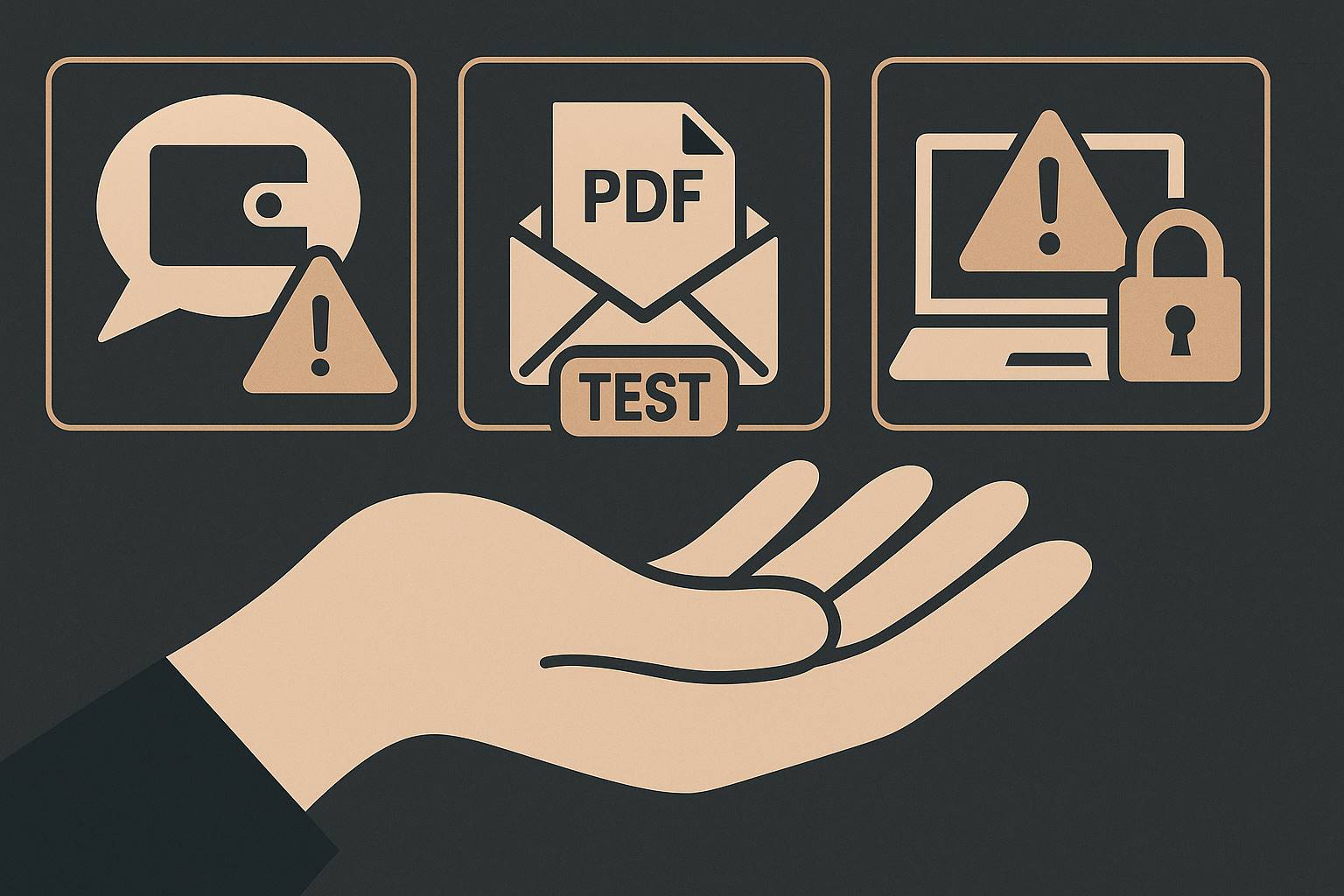
Scenario One: "Your wallet has an issue—I’ll help fix it"
You seek help on a social platform, and minutes later, a blue-check account claiming to be "official support" sends you a private message with a helpful "repair link" or "sync tool."
-
Stop: Don’t reply, don’t click.
-
Think: What’s this account’s history? Has the profile picture changed?
-
Verify: Check official support channels on the website or Google the domain.
Many scams begin with this "timely help." You think they’re rescuing you—but it’s a preset script.
Scenario Two: "Congratulations—you’ve been selected for beta testing / interview / feature"
You receive a professionally formatted invitation email from what appears to be a major industry player, formal tone, with a PDF or software download link attached.
-
Stop: Don’t rush to open files—first check the sender’s domain.
-
Think: Would Coinbase really use a zip attachment? Why would CoinDesk insist on using LapeAI?
-
Check: When was this website registered? Any spelling mistakes?
▶ My case is a classic example of this script. They didn’t use crude fraud—but sophisticated disguise. They weren’t after your lunch money—they aimed to take over your wallet.
Scenario Three: "Unusual login detected—verify your identity"
This is the most common scam—a sensational "warning email" or SMS with an urgent link, pressuring you with "your account will be frozen if not handled."
-
Stop: Don’t click the SMS link—go directly to the official site to log in and verify.
-
Think: Would official notifications be this urgent? Does the tone feel templated?
-
Check: Does the sender’s email end in google.com or g00gle.co?
These scenarios exploit your fear and sense of responsibility—once you click, consequences follow immediately.
5.4 Why Is This Rule Suitable for Everyone?
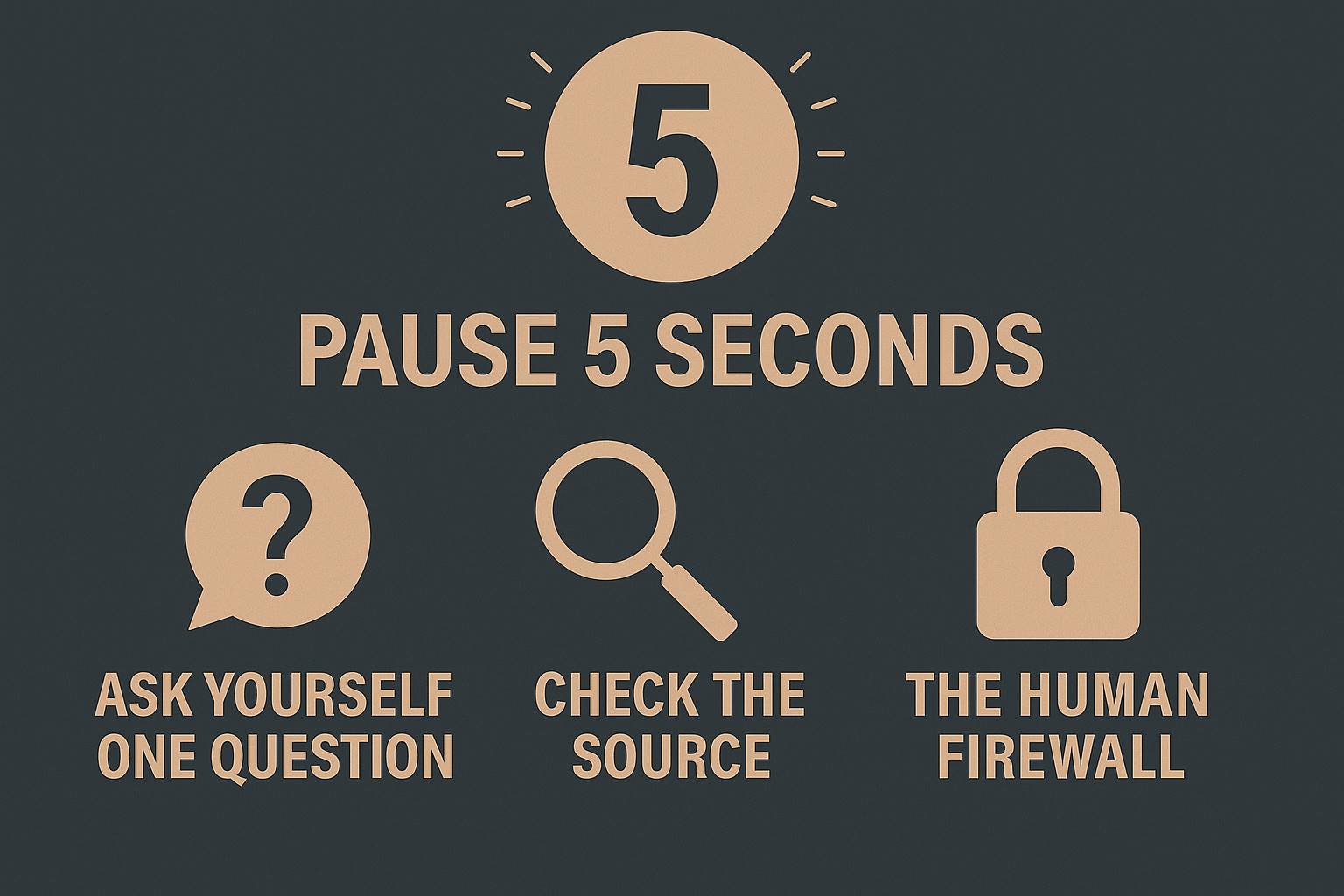
You don’t need to be a hacker hunter, master cold signing, or install dozens of blockers and plugins. You only need:
-
Count down 5 seconds
-
Ask yourself one question
-
Verify the source (Google / domain / tweet history)
This is the "behavioral patch" you apply to "human 0-day."
This rule has no barrier, no cost, and doesn’t depend on tech updates. It only depends on—whether you’re willing to pause and think at critical moments.
This is the simplest, most practical, most universal "human firewall" against script attacks.
Conclusion: Pause 5 Seconds, Live Freely Forever
At first, I only wanted to document a "near-scam" experience.
Seeing duplicated scam websites, identical spelling errors, and phishing domains registered just three days ago—I realized:
This isn’t an individual misjudgment—but an entire script production line systematically harvesting trust worldwide.
It doesn’t rely on technical attacks—but on that one second of hesitation when you "click."
You thought cold wallets were invincible—yet handed over your recovery phrase; you trusted blue checks—only to find they cost $8 to fake; you thought you weren’t important—yet fit perfectly into their prewritten script.
Social engineering attacks don’t breach systems—they gradually hijack your cognition.
You don’t need to master cold signing or study address authorizations—just adopt one small habit:
At critical moments, force yourself to pause for 5 seconds.
Examine whether this account, this link, this reason truly deserves your trust.
These 5 seconds aren’t slowness—they’re clarity; not suspicion—they’re dignity.
When cognition becomes the battlefield, every click is a vote.
Pause 5 seconds, live freely forever.
May you never be the next victim—and may you forward this message to the next person who might not yet have time to hesitate.
Join TechFlow official community to stay tuned
Telegram:https://t.me/TechFlowDaily
X (Twitter):https://x.com/TechFlowPost
X (Twitter) EN:https://x.com/BlockFlow_News
 @yzdxs8