








Exclusive Interview with Bybit Founder Ben: Overcoming the Hacker Attack and Sharing the Secrets Behind Its Counter-Trend Rise
TechFlow Selected TechFlow Selected
Exclusive Interview with Bybit Founder Ben: Overcoming the Hacker Attack and Sharing the Secrets Behind Its Counter-Trend Rise
"Going beyond boundaries" is Ben's definition of Bybit's development over the past two years.
 Navigating Web3 tides with focused insights
Interview: Tong, PANews
Article: Zen, PANews
Among the many cryptocurrency exchanges, Bybit shares several similarities with Binance. Their founders, Ben and CZ, both studied and lived overseas; their companies were initially established in Shanghai before rapidly expanding internationally and securing strong positions in global markets. The Middle East has become a strategic stronghold for both, and even their Dubai offices are located in the same area. However, they also have clear differences. While Binance started with spot trading, Bybit rose to prominence through derivatives as its core strength, only later building out its spot trading system and rising against the odds.
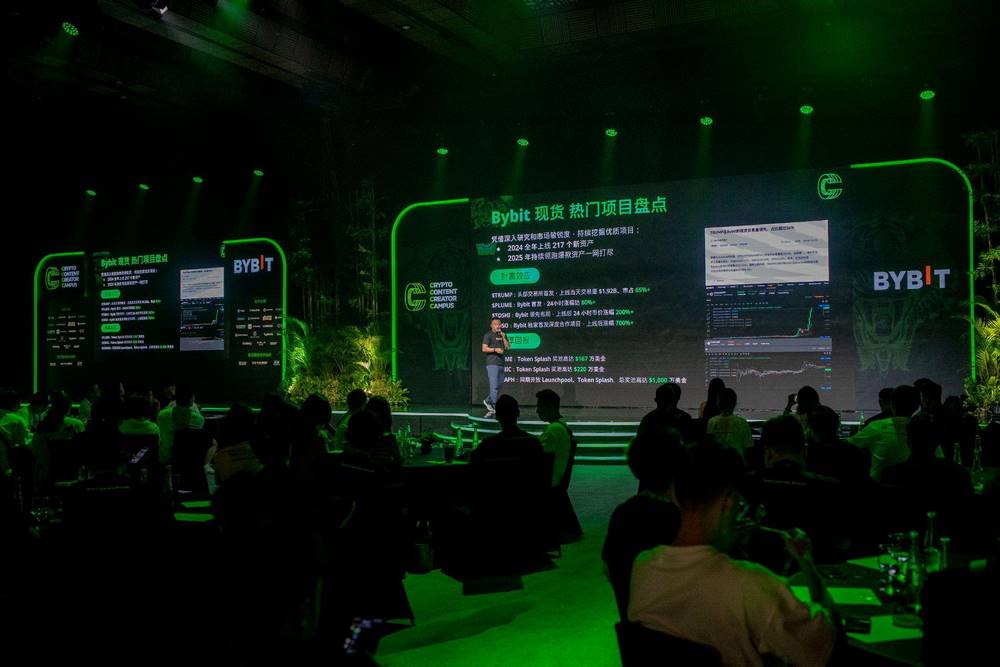
"Breaking boundaries" is how Ben defines Bybit's development over the past two years. In mid-April, Bybit hosted the CCC Content Creator event in Bali, where Ben shared insights into Bybit’s seven-year journey, security upgrades, and innovative products. PANews Editor-in-Chief Tongtong was invited as a mentor for the CCC event and conducted an exclusive interview with Ben.
The much-watched Bybit hacking incident has largely been resolved, and the crisis management has been praised by the industry as "textbook." In the interview, Ben Zhou admitted: "I’ve faced challenges alone since childhood. This experience taught me how to stay calm during crises and quickly mobilize team resources to respond to emergencies." Because of this, when the industry-shaking hack occurred in February, Ben not only immediately disclosed information to stabilize market expectations but also personally coordinated departments for post-incident investigation and system recovery, demonstrating exceptional leadership and judgment.

Revising Security Philosophy After the Hack: Shifting Toward Openness and Transparency
On the night of February 21, 2025, Bybit suffered what remains the largest-scale hacking attack in crypto history, with nearly $1.4 billion worth of assets stolen. Through an exploit targeting the third-party wallet service SafeWallet, hackers intercepted funds meant for hot wallets and dispersed them across multiple unknown addresses.
Less than half an hour after the incident, CEO Ben swiftly grasped the situation. He posted a message on X, briefly explaining the cause of the breach. One hour later, he went live, providing real-time updates and detailed explanations over a broadcast lasting more than two hours. "Bybit is solvent. Even if we cannot recover the losses from the hack, all customer assets are fully backed at a 1:1 ratio, and we can cover any shortfall." Despite the massive scale of the attack, Bybit assured users that its 1:1 reserve backing would safeguard their assets.

Ben previously revealed in interviews that he didn’t feel much emotionally during the incident—his focus was solely on resolving the issue. This remarkable stress resilience may stem from his teenage years. At age 12, Ben left home to study in New Zealand. With no parents or relatives nearby, he had to independently handle every challenge in life and academics.
"I'm not particularly sensitive to monetary figures—I care more about data metrics," Ben said. He wasn't overly concerned about the absolute loss amount but focused instead on solutions. "What frustrates me most is knowing I could have done better but didn’t act." Reflecting on the hack, Ben’s biggest regret was having prioritized business operations over dedicating time and effort to managing security and technical teams.
"My management style is highly detail-oriented. Some of the mechanisms involved could have been avoided," Ben explained. Starting the day after the incident, he took on the additional role of Chief Technology Officer, placing greater emphasis on security and technology. This shifted the entire security team’s philosophy—from closed, internal management to open transparency. As of April 10, Bybit has completed five internal security audits, four external audits, and upgraded over 50 security measures. "External third-party audits uncovered many other issues," Ben noted. He believes true safety comes from being transparent enough to regularly engage with top global security experts who understand Bybit’s architecture, listen to their advice, and continuously improve.
The hacking incident highlighted the strong brand and trust Bybit has built within the cryptocurrency industry and demonstrated a maturing sector uniting to combat security threats.
How the Exchange Became a 'Whampoa Military Academy'
During the crisis, despite extreme pressure, Bybit maintained uninterrupted withdrawals and product services. Customers could always reach support teams and account managers, thanks to the team’s thorough preparation and high efficiency—attributes rooted in Bybit’s corporate culture and organizational strength.
"We now joke that Bybit is the 'Whampoa Military Academy'—people who leave us easily find new jobs," Ben joked during the interview. Previously, PANews interviewed Bybit COO Helen, an HR professional turned "atypical" exchange executive, who emphasized Bybit’s "Work hard, play hard" culture and stated that employee productivity ranks among the highest in the industry.

"Helen came from HR, so she focuses on people and organization. Our leaders aren’t just vision-setters—they’re enablers who support their teams in achieving goals," Ben said. For COO Helen, this role is especially crucial—her job centers on support and facilitation. He added, "If you say you want to do something, we’ll give you the resources and push it forward. You must deliver results, and we’ll align our pace with yours."
Naturally, this creates relatively high work pressure and intensity. Helen previously mentioned that Bybit encourages capable employees to take on multiple roles, and correspondingly offers generous performance-based incentives. Earlier this year, Binance and Bitget made headlines by disclosing substantial year-end bonuses. Similarly, Bybit, which emphasizes "results orientation," provides significant rewards for high performers. Teams with the best annual performance receive bonus multipliers—up to 1.8 times. Last year, the spot trading team was among the top performers.
Since founding Bybit in 2018, Ben has personally trained every new employee each month. During these sessions, he always poses a "soul-searching question": "Why did you come to Bybit? If you're looking for comfort, you've come to the wrong place." Ben admits that Bybit aims to be number one globally, which might mean sacrificing weekends—he himself never takes weekends off. "But the environment we create is this: if you want to get things done, we will fully support you—and you’ll enjoy doing it."
Growth Through Innovation: Physical Gold Spot Trading and the 'Lifesaving' RPI Mechanism
For ambitious employees committed to making an impact, Bybit offers fertile ground and abundant resources—a culture that has unlocked vast innovation potential for the exchange.
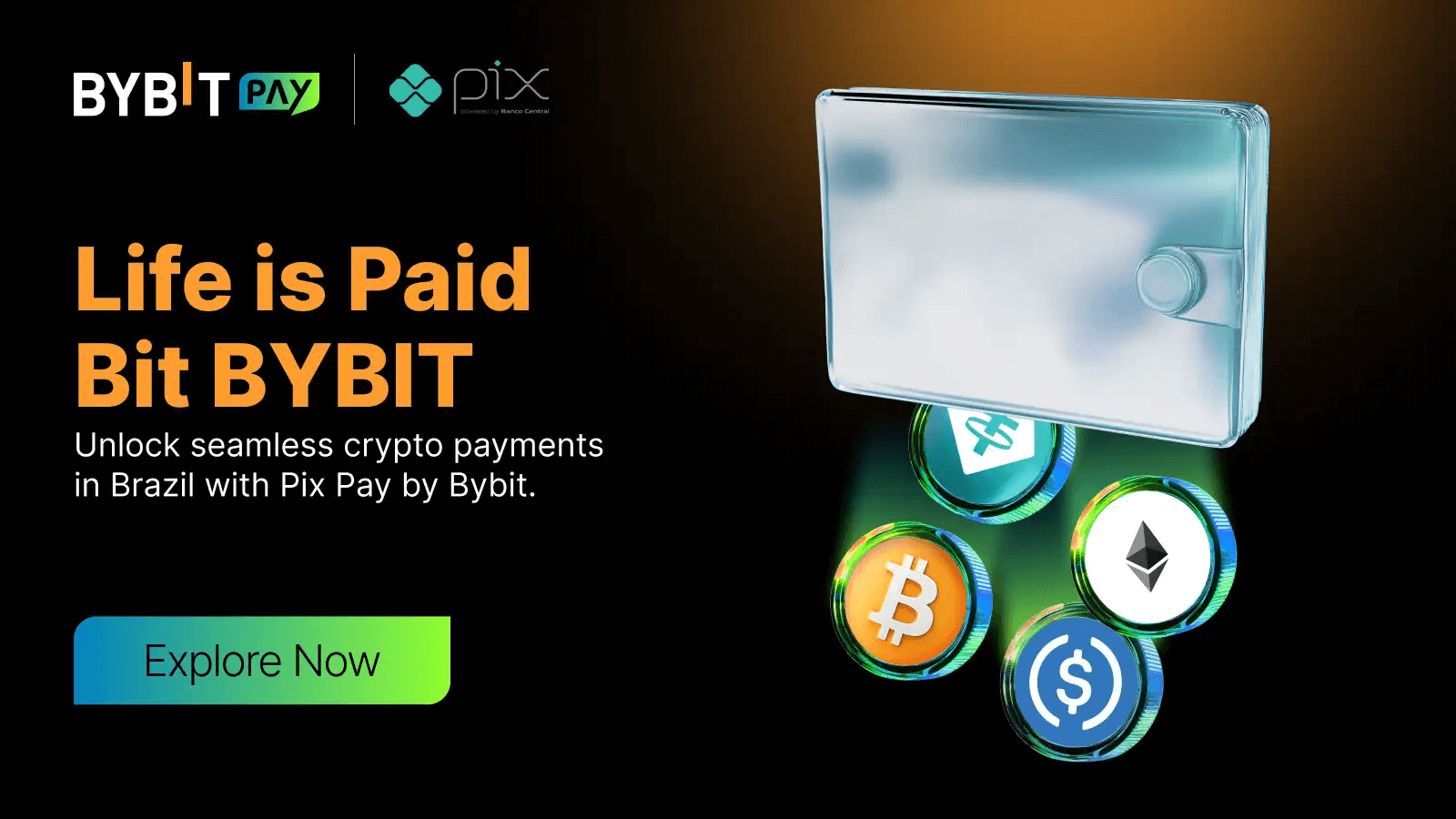
In late January this year, Bybit announced the launch of Bybit Pay in Brazil. This payment solution bridges traditional banking systems and Web3, offering seamless user experiences and integrating smoothly with Brazil’s leading Pix payment system. Launched by Bybit’s fiat team, the initiative capitalized on Brazil’s favorable regulatory climate and high crypto adoption rates following extensive market research. Beyond approving the project and allocating resources and personnel, Ben refrained from micromanaging the product. He admitted: "I didn’t get involved in the product early on. I directly empowered the team to innovate and meet market needs."
In fact, beyond continuously optimizing core spot and derivatives businesses, Bybit Pay represents just the tip of the iceberg in Bybit’s business model innovation.
A global gold fever is underway. As early as August 2024, Bybit became the first crypto exchange to support physical gold spot trading priced in USDT. In January this year, it launched the "Gold & Forex Copy Trading" feature, allowing users to follow professional traders’ gold and forex strategies. Additionally, Bybit officially launched crude oil and stock index CFD products on MetaTrader 5 (MT5), enabling users to trade global commodities and indices directly with USDT.

These initiatives attracted more participants from traditional financial markets and allowed Bybit to maintain substantial trading volume and liquidity even during bear markets. Thanks to these diversified products and innovations, Bybit achieved a record single-day total trading volume of $107 billion in August 2024—four times higher than previous averages—solidifying its position as the world’s second-largest crypto exchange. Recently, amid surging gold prices, Bybit recorded a single-day gold trading volume of $24 billion on April 17.
After the hack, Bybit achieved a strong recovery within just one week. A report by Block Scholes pointed out that Bybit’s deployment of the RPI (Retail Price Improvement) mechanism was key to its rapid rebound: "With timely rollout of RPI orders, Bybit stabilized liquidity and began regaining its share in overall crypto spot trading." Coincidentally, RPI had launched just days before the hack. Designed for retail users, RPI matches only with non-algorithmic orders, ensuring fairness while deeply activating the platform’s order book. At the event, Ben compared Bybit’s liquidity depth in the top 200 market-cap coins against Binance’s, showing results far superior to industry standards.
Exiting Web3 Wallet Business to Focus on Becoming a One-Stop Asset Management Platform
In recent years, nearly all centralized exchanges (CEXs) have strived to become the preferred gateway to the Web3 ecosystem. The "CEX + Web3" hybrid strategy has almost become standard for crypto platforms. Public perception now sees CEXs not just as traditional trading venues, but also as builders and developers of Web3 infrastructure and applications. Yet Bybit appears determined to go against this trend.
On April 16, Bybit issued an important update on adjustments to its Web3 products and services, announcing the termination of multiple Web3 offerings as part of a strategic shift. According to the announcement, Bybit will discontinue its Cloud Wallet and Keyless Wallet services by May 31 this year, and plans to shut down several Web3 trading functions around the same time, including its DEX Pro platform, Swap & Bridge services, and broader NFT marketplace.
Prior to that, as of April 8, Bybit had already discontinued support for Inscriptions, NFT Pro, ApeX, Buy Crypto, and its Initial DEX Offering (IDO) platform. Its Web3 Points program will also end on April 28.
"We recently made a decision—to retain only mnemonic phrase wallet services in our wallet offerings," Ben said in the interview. When Bybit became the world’s second-largest exchange about a year ago, he told his team to remove market share from core KPIs and stop fixating on it. For Bybit, a company with underdog DNA, transitioning from imitation and speed to genuine innovation is essential for its next phase. Therefore, streamlining Web3 products—including wallet services heavily promoted by major players like Binance and OKX—is necessary to refocus resources and deliver a more efficient, user-centric experience.
Ben noted that even during bear markets, centralized exchanges continue operating normally because they occupy a chokepoint in the industry. "I asked my team: 'Is the wallet the throat of Web3?' No one could answer." He continued questioning: What *is* the throat of Web3? Still no conclusion. "But one thing became clear—wallets definitely aren’t the throat," Ben added. This is because DApp usage takes clear priority over wallets themselves. If major DEXs like Jupiter, Raydium, or Uniswap don’t support a particular wallet, users will switch without hesitation to a compatible alternative—because the DApp is their real need. Thus, wallets lack irreplaceable traffic gatekeeper value.
Moreover, barriers between wallets are extremely low, user switching costs are minimal, and asset migration across wallets is effortless. Transfers are highly convenient, making it difficult to build sustainable moats. User stickiness and long-term retention become extremely fragile. Competition among wallets ultimately devolves into a race to attract short-term “points farmers.” This incentive-driven pursuit of temporary traffic is neither sustainable nor aligned with Web3’s core ideals of “user sovereignty, protocol collaboration, and mutual benefit.” Ben stated clearly: "Points farming isn’t the essence of Web3, nor the future’s chokepoint."
"I believe eventually everyone will compete to become a one-stop asset management platform," Ben said. Due to habit, most users resist frequently registering or switching platforms for different assets—even if another offers lower fees, they prefer staying in a familiar environment. Only a unified platform offering a full range of products including U.S. stocks, precious metals, and cryptocurrencies can maximize capital retention, enhance user engagement, and increase cross-selling opportunities.
Returning to the European and U.S. Crypto Markets
In recent years, the global crypto market has accelerated toward compliance, with regulators worldwide introducing or refining frameworks to balance innovation and risk. Benefiting from the UAE government’s open policy toward digital assets, a mature and forward-looking regulatory framework, and advantageous geographic and economic positioning, Bybit received IPA approval from the UAE Ministry of Economy in 2022 and quickly established its global headquarters in Dubai. This February, Bybit obtained "In-Principle Approval" (IPA) from the UAE Securities and Commodities Authority (SCA), permitting it to operate a virtual asset platform in the UAE—marking its final stage toward obtaining a full operational license.
For Bybit, aiming to become a global one-stop asset management platform, re-entering Europe and entering the U.S. market are currently its top international strategic priorities.
"Bybit’s mission is to provide the crypto community with secure and reliable trading experiences, supported by robust regulatory frameworks. To ensure we meet the highest standards and pave the way for a safer, more sustainable future for the industry, we proactively decided to temporarily adjust our operations in the European Economic Area (EEA)," the company stated last year, announcing its temporary exit from the European market in response to MiCA (Markets in Crypto-Assets Regulation) requirements.

This February, Bybit was removed from the "blacklist" by France’s Financial Markets Authority (AMF) after taking proactive steps, ending a regulatory dispute dating back to 2022. This move was seen as a pivotal turning point for Bybit’s return to Europe. "Bybit is actively pursuing a MiCAR license in Austria," Ben said, adding that the earlier hacking incident had no impact. Once licensed, Bybit will be able to legally resume operations with EEA customers.
Since Donald Trump took office as U.S. President in January, his administration has issued multiple executive actions signaling strong support, creating a more favorable regulatory environment for digital assets. Faced with this opening, Bybit—which previously had no U.S. operations or American hires—is now exploring entry into the U.S. market.
Beyond Europe and the U.S., Bybit is also setting its sights on Hong Kong. In February last year, Spark Fintech Limited, Bybit’s Hong Kong entity, submitted an application to the Hong Kong Securities and Futures Commission (SFC) for a Virtual Asset Trading Platform (VATP) license. Later, Bybit discovered that the licensed person responsible for its subsidiary had unresolved resignation procedures from their prior role, resulting in a dual-status issue, prompting Bybit to withdraw the application. Currently, Bybit has resubmitted its VATP license application, and Ben emphasized: "Hong Kong is now very welcoming to us."
Join TechFlow official community to stay tuned
Telegram:https://t.me/TechFlowDaily
X (Twitter):https://x.com/TechFlowPost
X (Twitter) EN:https://x.com/BlockFlow_News
 PANews






