Netflix’s Co-Founder Visits the Place He Fears Most
TechFlow Selected TechFlow Selected
Netflix’s Co-Founder Visits the Place He Fears Most
Spent 30 years building a content empire—then turned around and took a seat at Anthropic’s table?
 Navigating Web3 tides with focused insights
Author: David, TechFlow
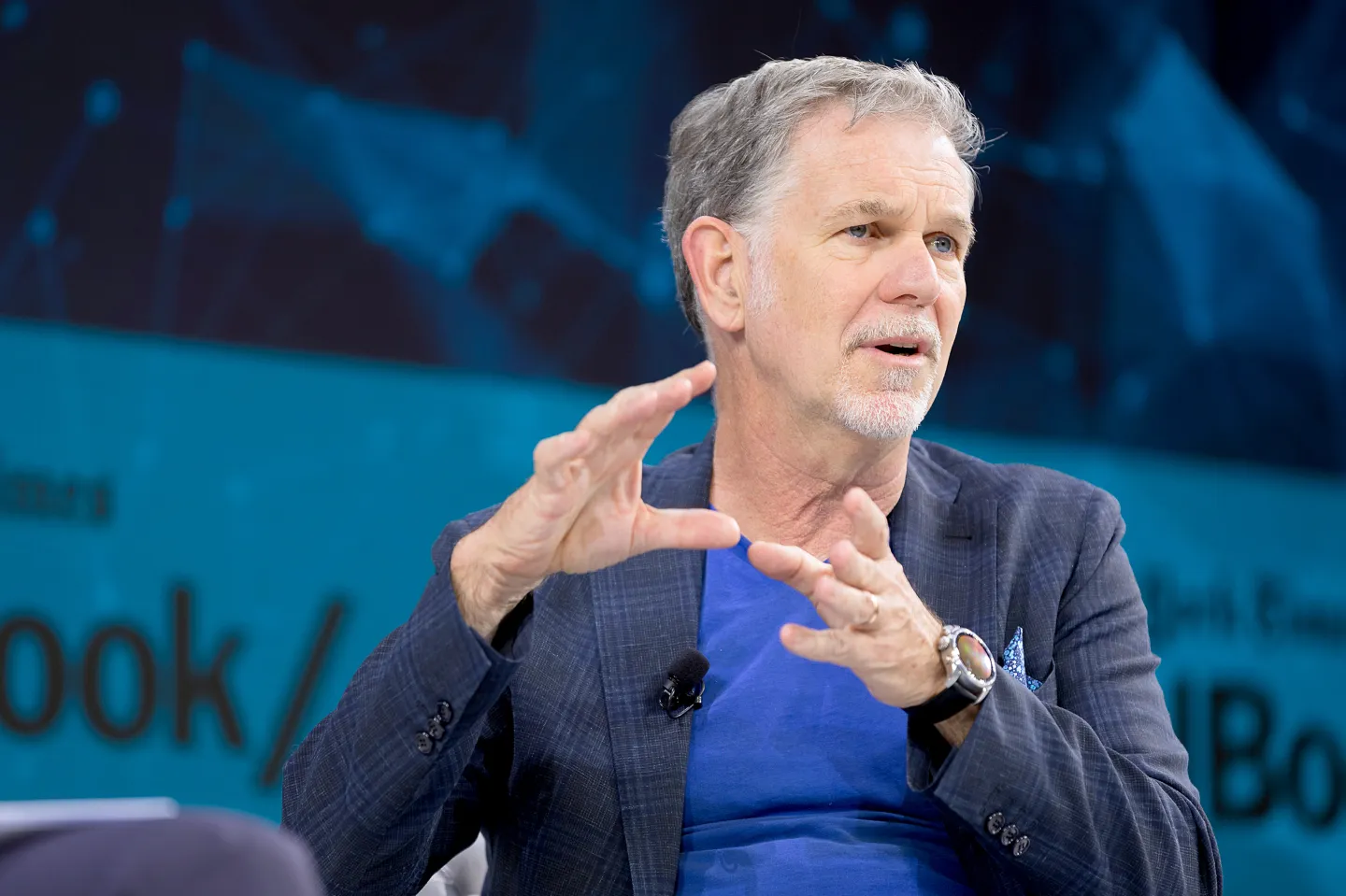
Netflix has never been more profitable—and yet its founder has chosen this moment to step away.
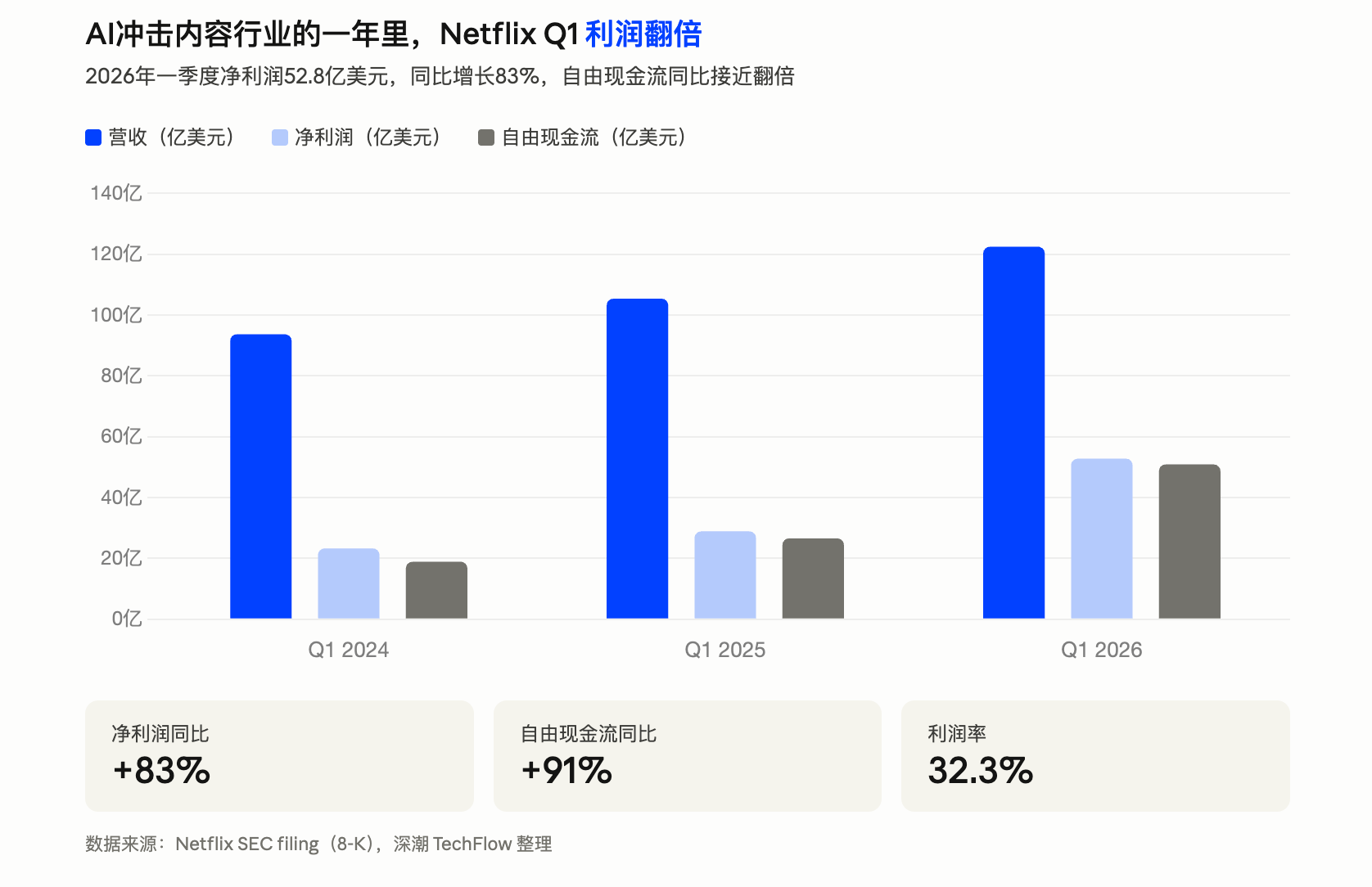
On April 16, Netflix released its Q1 2026 earnings report: revenue reached $12.25 billion, up 16% year-on-year; net income surged 83%; and earnings per share hit $1.23—nearly 60% higher than the Wall Street consensus estimate of $0.76.
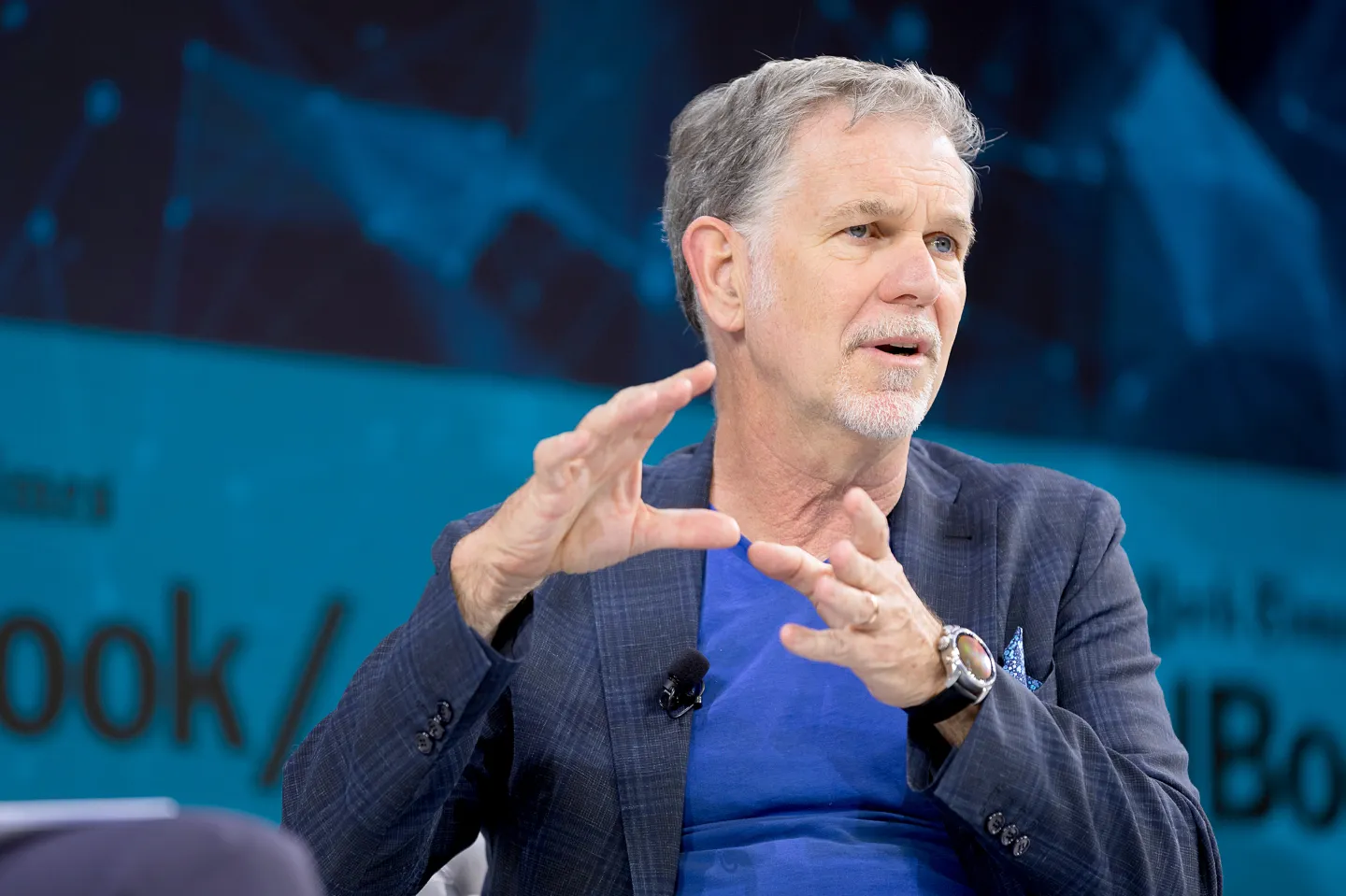
But the earnings announcement also revealed another development: Reed Hastings, co-founder and current Chairman, will not seek re-election when his term expires in June.
Hastings founded Netflix in 1997, growing it from a DVD-by-mail service into a global streaming giant with over 325 million paid subscribers—a journey spanning nearly 30 years. In 2023, he handed the CEO role to his successor and stepped back into the Chairman’s seat. Now, even that role is being relinquished.
In its filing with the U.S. Securities and Exchange Commission, Netflix explicitly stated: “This decision is not the result of any disagreement with the Company.”
Yet the very emphasis on the absence of disagreement only intensifies curiosity about what Hastings plans to do next.
A little-known fact: In May last year, Hastings joined Anthropic’s Board of Directors. For nearly three decades, his business model centered on charging users for content. By contrast, while Anthropic’s Claude does not directly generate video, it is reshaping how content is produced.
From text to images to video—the cost keeps falling, and speed keeps rising.
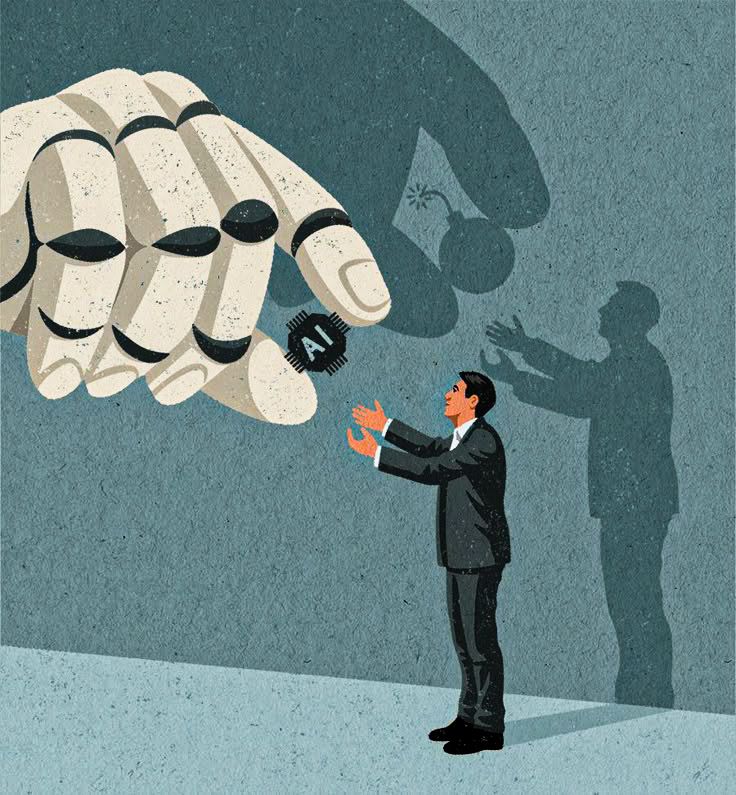
Netflix’s profitability rests on one premise: high-quality content justifies payment. But if AI drives down the barrier to content creation enough, does that premise still hold?
Hastings clearly has already begun asking this question.
What is he afraid of?
As the world’s top content producer and distributor, Netflix’s founder has long maintained an intellectual preoccupation with AI.
You may not know this: In 1988, Hastings earned a master’s degree in AI from Stanford University. Yes—he was researching artificial intelligence four decades ago. Back then, however, AI bore little resemblance to today’s practical, powerful systems...
In 2022, Hastings was invited to deliver the commencement address at Stanford’s graduation ceremony.
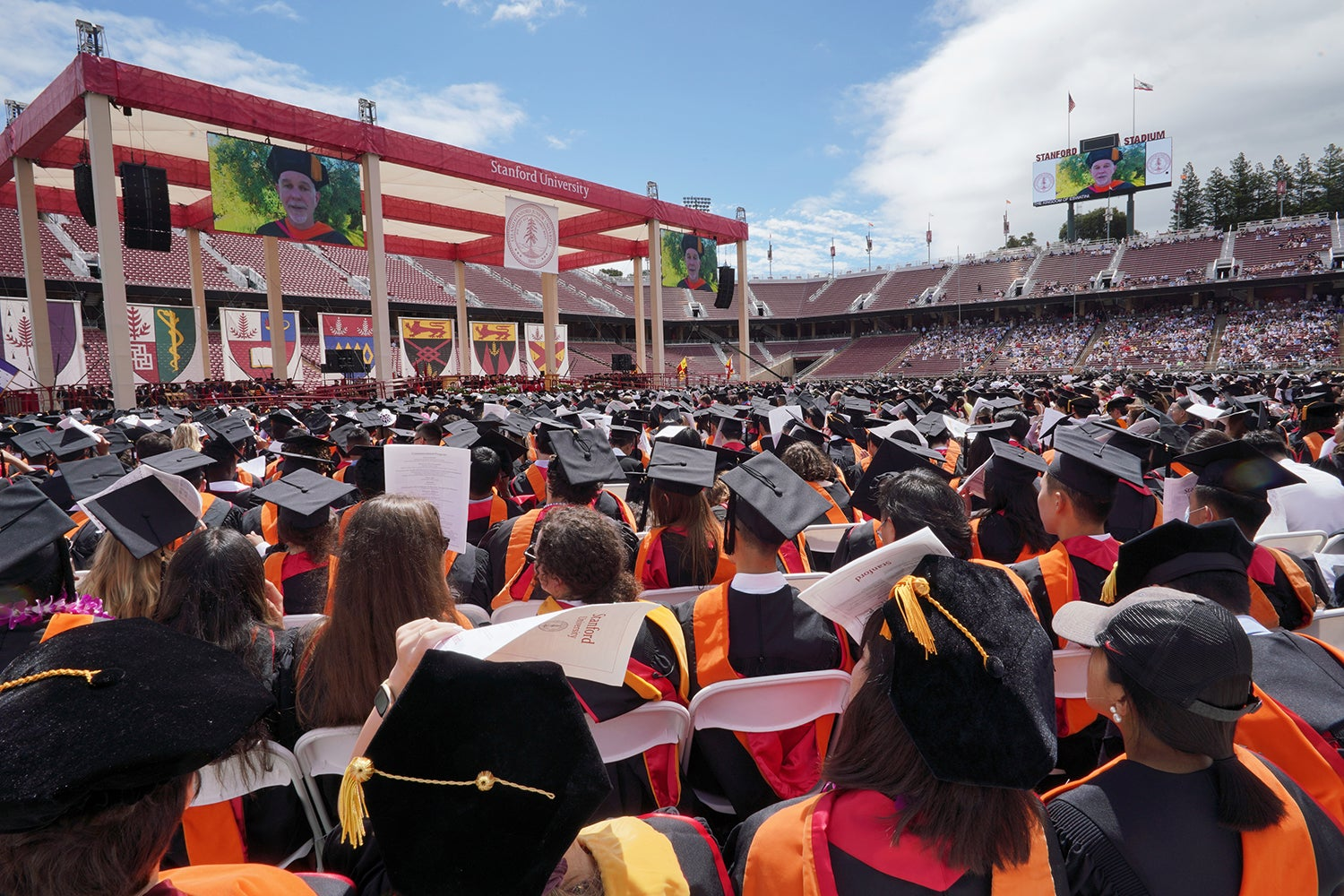
He later recounted this himself, joking about it as a youthful detour. Though his AI ambitions didn’t pan out, he pivoted to founding a software company—and eventually Netflix—leading it for nearly 30 years.
Someone with formal AI training simply cannot ignore the field.
In a 2024 interview, Hastings spoke lightly about AI: “AI will help us become more creative—we’ll use these tools to produce more shows.” At the time, his stance was one of embrace. AI was a tool—a helper—not a job thief.
In March 2025, he donated $50 million to Bowdoin College, his alma mater.
This liberal arts college in Maine doesn’t build large language models. Instead, Hastings funded a research initiative titled “AI and Humanity,” focused specifically on AI’s impact on work, education, and human relationships.
On the day of the donation, he said something markedly different from his earlier lighthearted tone: “We will fight for humanity’s survival and flourishing.”
In just one year, AI advanced rapidly—and his perspective shifted from viewing AI as a productivity enhancer to seeing it as an existential threat to humanity.
Two months later, he joined Anthropic’s Board of Directors.
His appointment was made by an independent body called the “Long-Term Benefit Trust,” whose five members hold no Anthropic equity and whose sole mandate is to ensure AI development aligns with humanity’s long-term interests.
This March, in another interview, Hastings stated his position most plainly. When asked about Netflix’s biggest risk, he bypassed competitors and subscriber growth—and answered with two words:
AI.
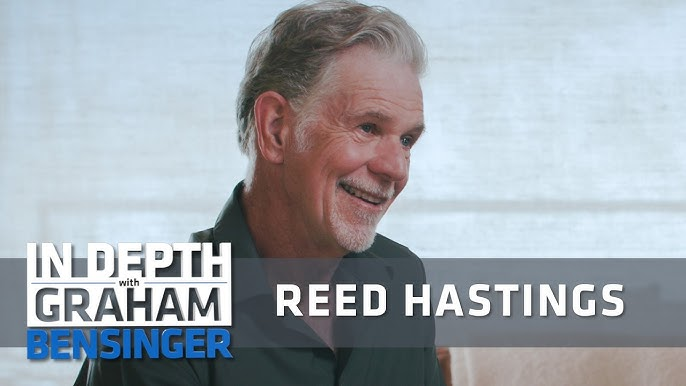
He explained: If AI makes free content on YouTube compelling enough—cool, engaging, and addictive—young audiences will flock there instead. Then who will pay for Netflix?
Public records show Hastings once described himself as an “extreme technological optimist.” He doesn’t believe AI itself is inherently bad—his concern lies in the mismatch of speeds: AI technology is advancing too fast for humanity’s ethical frameworks and institutional systems to keep up.
This explains his seemingly contradictory choices over the past year: donating not to technical AI labs, but to a humanities-focused college; joining not a commercial AI firm’s advisory board—but Anthropic’s safety committee.
The author believes Hastings is uniquely qualified to worry about whether AI might disrupt entire industries.
Netflix itself was the disruptor of the previous era—it killed DVD rentals with streaming, dealt a heavy blow to cable TV, and forced Hollywood to rebuild its entire distribution infrastructure. Hastings personally executed the playbook: “Use new technology to slash content and distribution costs—and dethrone the prior generation of winners.”
Now, watching AI unfold, he’s likely wondering: Who’s next?
So Hastings serves simultaneously as Netflix’s largest shareholder and Anthropic’s director—using shares from the company he founded to take a seat at the table of an industry poised to disrupt that very company.
This may not be retirement. It may be hedging.
Despite AI’s looming disruption, Netflix has never been stronger
Four years ago, Netflix was a company generating just over $30 billion in annual revenue, with margins under 20%, constantly pressed by Wall Street with the question: “When will you finally earn real money?” This quarter’s earnings delivered the answer.
In Q1 2026, Netflix posted $5.28 billion in net income—up 83% year-on-year. Free cash flow stood at $5.09 billion, nearly double the figure from the same period last year. Its profit margin climbed to 32%. The company’s full-year revenue guidance stands at $50.7–$51.7 billion—if achieved, that would mean Netflix’s revenue nearly doubles in just three years.
Beyond daily operations, Netflix hasn’t ignored AI either.
Just weeks ago, it acquired InterPositive for up to $600 million—a startup building AI-powered tools for film and television production, capable of accelerating script development, scene previews, and post-production. Netflix also specifically mentioned generative AI in its earnings letter, stating its intent to leverage it for improving both content creation and user experience.
Using AI to cut production costs and boost efficiency is sound logic—and indeed, the entire Hollywood ecosystem and broader content-creation industry are moving in this direction.
Yet the concern Hastings voiced in interviews may reflect a deeper, more fundamental issue.
In February this year, ByteDance launched Seedance 2.0, a video-generation model. Upload a single photo, and within 60 seconds it generates a 2K video complete with camera movement, sound effects, and lip-syncing.
After testing it, Feng Ji—the producer of *Black Myth: Wukong*—summed it up in four words: “The childhood era of AIGC is over.” Director Jia Zhangke announced on Weibo that he plans to use it for short-film production…
More concrete numbers come from industry insiders. According to the *Securities Times*, in e-commerce advertising, one person using Seedance 2.0 can now accomplish in 30 minutes what previously required seven people working for three days—a cost reduction exceeding 99%.
Extras in Hengdian, editors, VFX artists—the entire production chain is echoing the same phrase: “job-loss anxiety.”
Gong Yu, founder of iQiyi, publicly predicted last December that AI could reduce the film and television industry’s costs by an order of magnitude, increase the number of creators by an order of magnitude, and boost output by two orders of magnitude.
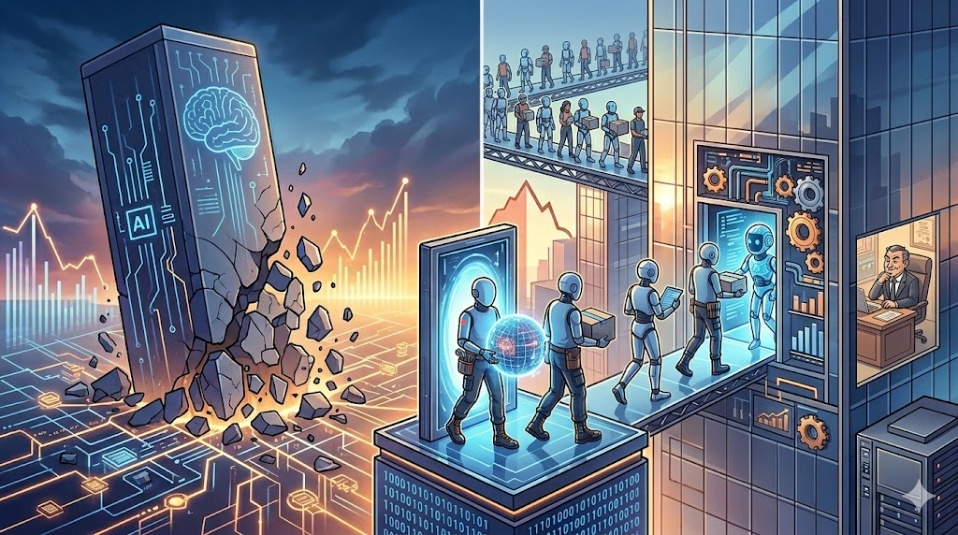
Netflix’s use of AI to lower production costs amounts to optimization within the existing model. But Seedance and similar tools are collapsing the barrier to “making videos”—from millions of dollars down to mere dollars.
The future Hastings warned about—“free YouTube content becoming good enough”—is steadily becoming reality.
Of course, all this may have no direct connection to his departure from Netflix. He began transitioning leadership in 2023—first stepping down as CEO, then as Chairman—with a deliberate, three-year succession plan.
Still, the timing is striking: Netflix posted its strongest-ever financial results—and its stock fell 8% after hours the same day its founder announced his full exit.
Beginning in June, Hastings’ name will vanish from Netflix’s Board of Directors list.
His current titles include Director at Anthropic, Director at Bloomberg, and owner of a ski resort in Utah. He retains Netflix stock—estimated by Forbes at a $5.8 billion personal fortune, overwhelmingly tied to Netflix.
He’s using Netflix’s money to sit at AI’s table.
Whether this move reflects foresight—or overcaution—may only become clear the day AI actually produces a full-length film that audiences willingly watch to the end.
Join TechFlow official community to stay tuned
Telegram:https://t.me/TechFlowDaily
X (Twitter):https://x.com/TechFlowPost
X (Twitter) EN:https://x.com/BlockFlow_News
 深潮TechFlow