BTC Price Prediction 2025–2030: The Journey from $100,000 to $1.5 Million
TechFlow Selected TechFlow Selected
BTC Price Prediction 2025–2030: The Journey from $100,000 to $1.5 Million
This forecast analysis covers Bitcoin price trends, expert opinions, and future outlook.
 Navigating Web3 tides with focused insights
Original: Leon Waters, cryptonews
Translation: Yuliya, PANews
The cryptocurrency market is highly volatile and unpredictable, and future price movements cannot be guaranteed. Any investment decisions should be based on personal research and risk tolerance, as cryptocurrency investments may result in partial or total loss of capital. The price forecasts in this article are derived from Cryptonews' analysis of market data and trends and should not be considered financial or investment advice.
Latest Bitcoin Market Update
Since the 2024 U.S. election, Bitcoin (BTC) has continued its strong upward trajectory, surpassing the long-anticipated $100,000 mark and reaching a new all-time high (ATH) of $109,079.00 on December 4, 2024, representing a 33.46% gain over the past 12 months.
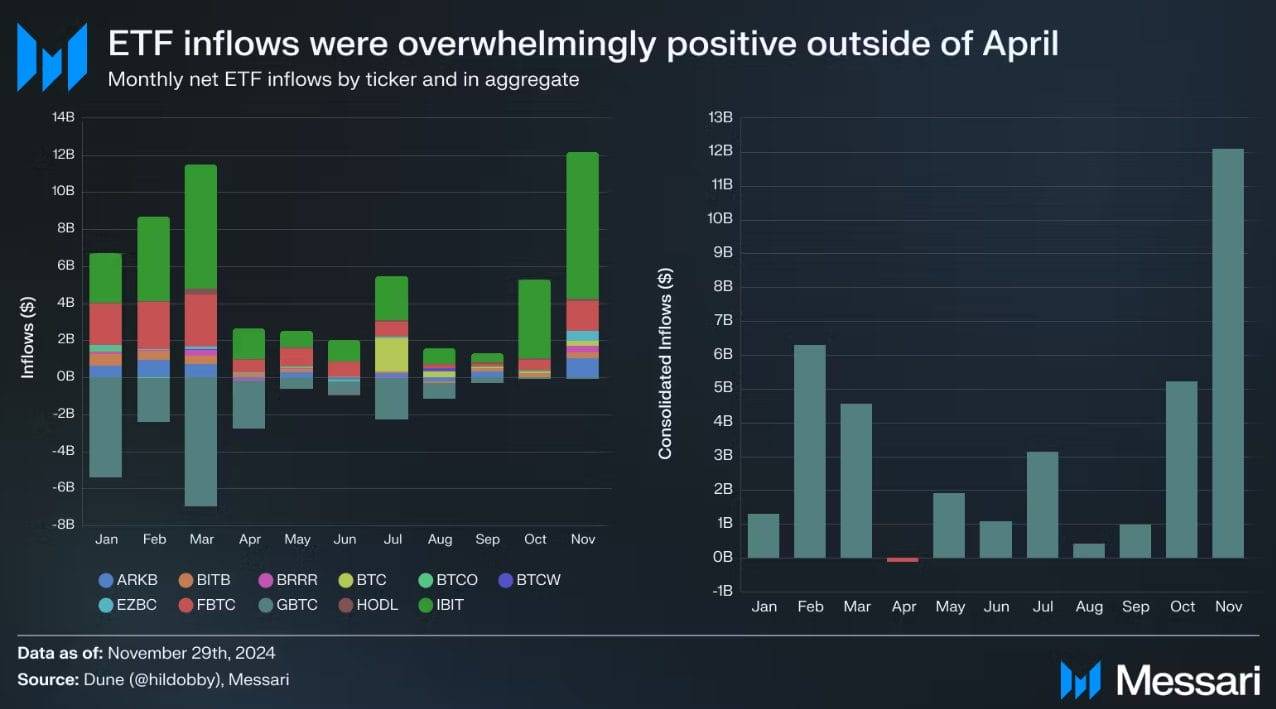
This rally has been driven by multiple factors, including the Bitcoin halving effect, significant inflows into Bitcoin ETFs (approved on January 10, 2024), expectations of more crypto-friendly monetary policies, and growing institutional interest.
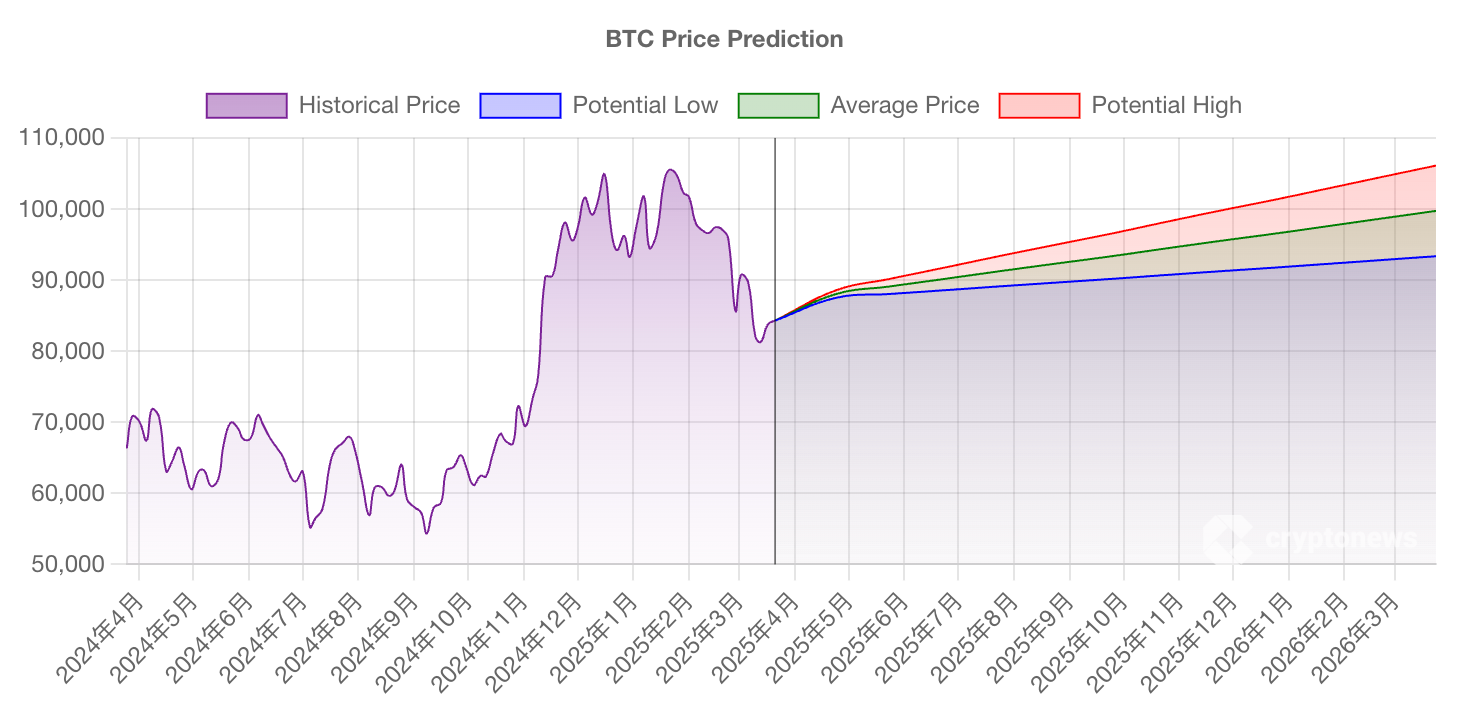
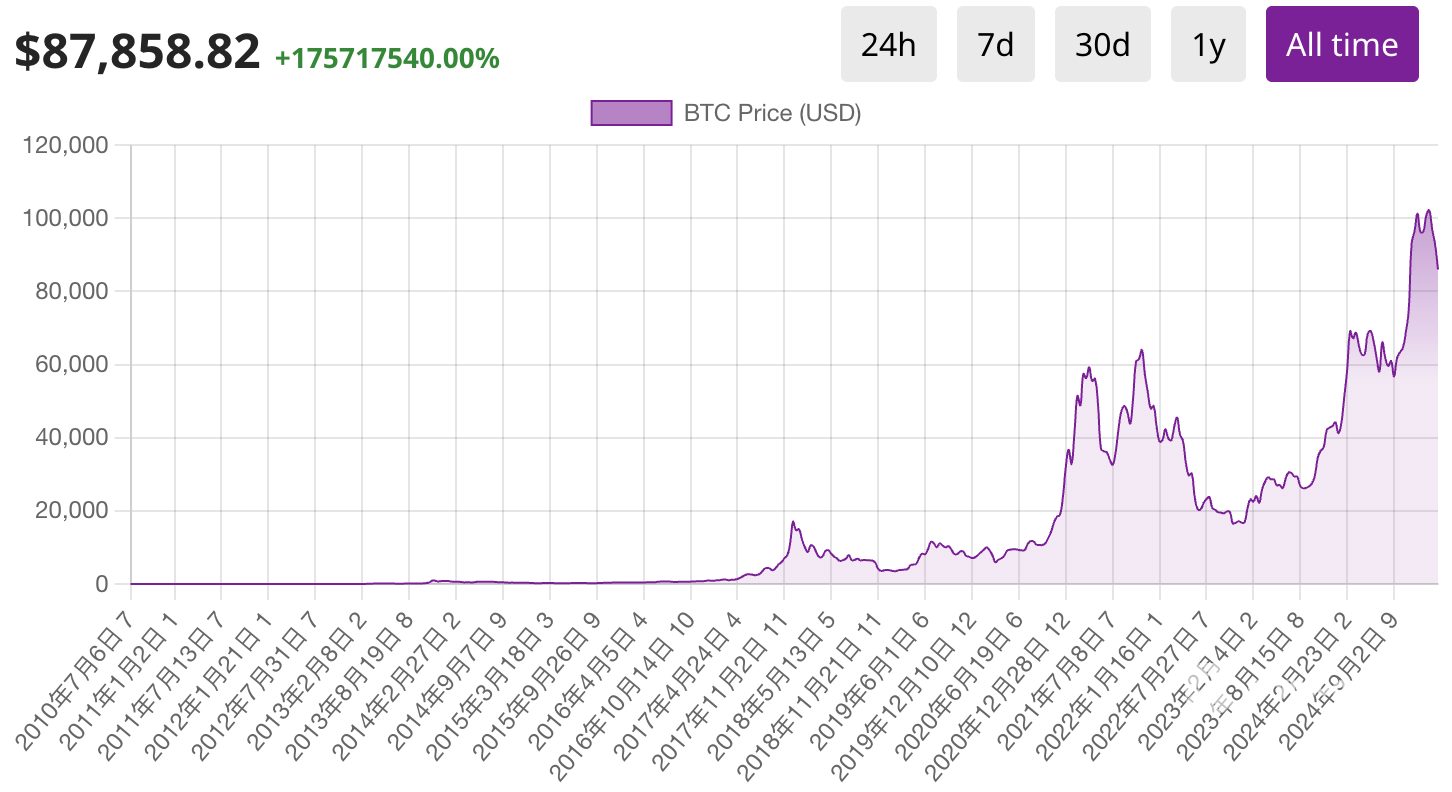
As of March 24, 2025, Bitcoin is trading at $87,858.82, with the overall market outlook remaining positive. This forecast analyzes Bitcoin's price trends, expert opinions, and future outlook.
(Data is updated daily; core analysis and content are reviewed monthly. All predictions are based on current market trends, historical data, and proprietary estimation techniques, and may be adjusted as market conditions evolve.)
Prediction Overview
Bitcoin Price Analysis
Bitcoin’s 30-day technical analysis indicates an overall bullish bias, though correction risks remain.
Overbought Signals:
-
The Relative Strength Index (RSI) stands at 76, signaling an overbought condition.
-
The Stochastic %K is at 88, and the Commodity Channel Index (CCI) has reached 163, indicating potential selling pressure.
-
In addition, the Momentum indicator is at 30,936, showing a slight bearish inclination, suggesting that upward momentum may be weakening.
Bullish Momentum:
-
The MACD indicator is at 15,460, confirming that bullish momentum remains strong;
-
Short-term (EMA-10: 76,932) and long-term (SMA-30: 45,568) moving averages both show clear upward trends, with all moving averages positioned above key support levels;
-
Furthermore, the Hull Moving Average (100,746) also supports the current bullish trend.
Key Levels:
-
The first resistance level for Bitcoin is at 121,662 (R1), while a major support level is near 80,083 (P). A break beyond these key levels could trigger larger price swings.
-
Meanwhile, the Average Directional Index (ADX) is at 38, indicating relatively weak trend strength and caution against potential reversals.
Investors should monitor overbought signals and the performance at resistance level R1 to timely adjust trading strategies in line with shifting market momentum.
Recent Events Impacting BTC Price
Over the past three months, factors such as the U.S. election, institutional inflows into ETFs, and shifts in monetary policy have influenced Bitcoin’s price.
November 2024
-
Trump was re-elected president in early November, and his pro-crypto stance and commitment to favorable regulation boosted market sentiment.
-
Hedge funds (Millennium Management, Capula Management, Tudor Investment) increased their investments in Bitcoin ETFs.
December 2024
-
Optimism around crypto policy and institutional investment drove Bitcoin to surpass $100,000 for the first time (December 5).
-
On December 24, Bitcoin retreated to $94,000, correcting about 13% from its ATH due to changes in monetary policy and profit-taking.
January 2025
-
On January 20, Bitcoin hit a new high of $109,140. (This occurred hours before Trump’s inauguration, fueled by investor optimism over expected pro-crypto policies.)
-
Trump’s inaugural address did not mention cryptocurrencies, triggering a market pullback, with Bitcoin falling to $102,093.
-
The launch of meme coins like “Trump Coin” ($TRUMP) and “Melania Coin” ($MELANIA) introduced volatility into the market.
-
On its first day, the Trump administration signed several executive orders focused on inflation, energy, and immigration, without direct reference to cryptocurrencies.
Bitcoin Price Prediction – Next 30 Days
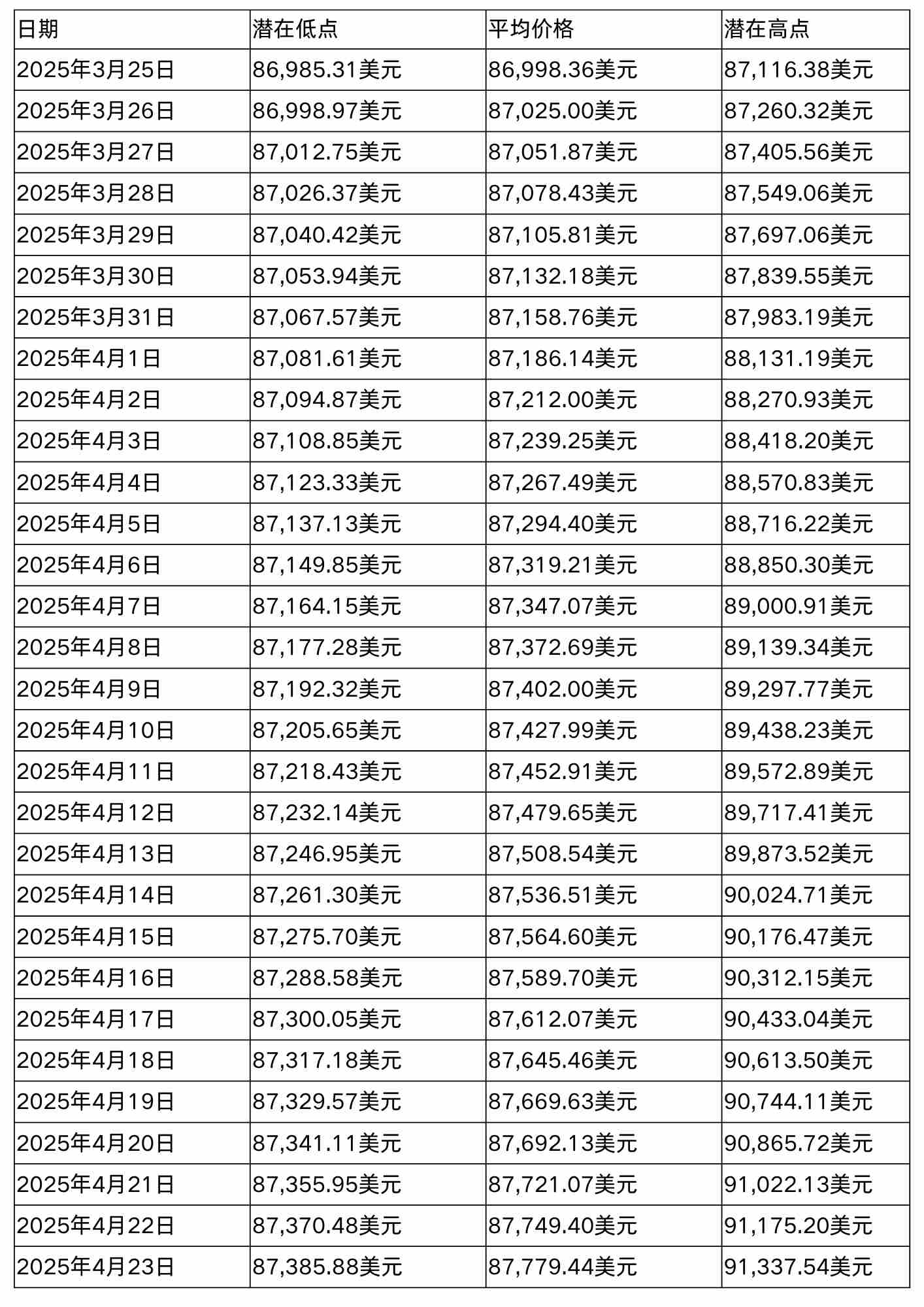
Following its breakthrough above $100,000 and the establishment of a new all-time high (ATH), Bitcoin has attracted intense market attention. Investors and analysts are actively forecasting its next moves, anticipating further price gains. Based on mathematical and statistical analysis, Bitcoin’s price over the next 30 days (March 25 – April 23, 2025) is projected as follows:
Long-Term Bitcoin Price Forecast
2025 Outlook
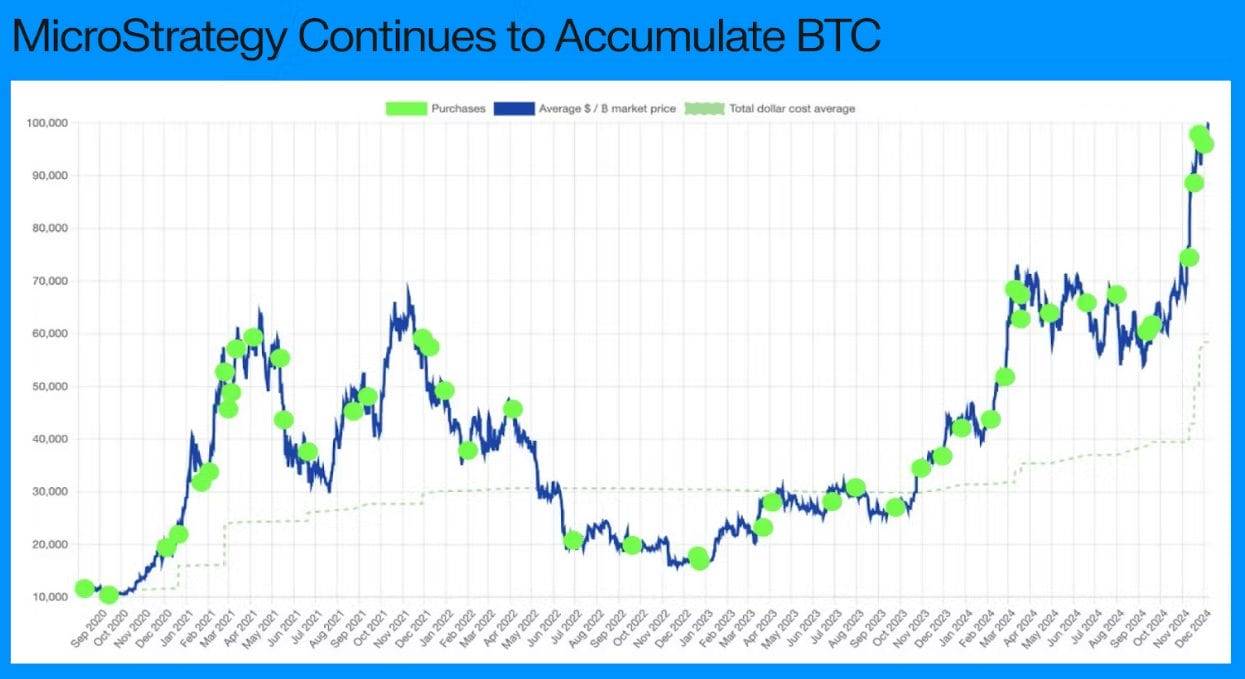
According to analysts from Bitwise, Standard Chartered, and VanEck, Bitcoin could reach new highs between $180,000 and $200,000 in 2025. The approval of Bitcoin ETFs in 2024 laid a solid foundation for institutional capital inflows, accelerating Bitcoin’s institutional adoption. Ongoing accumulation by MicroStrategy and supply constraints following the Bitcoin halving further reinforce this bullish case.
If the new administration fulfills its promise to establish a strategic Bitcoin reserve at the Federal Reserve, demand could surge dramatically. Additionally, increasing numbers of corporations and nations are adopting Bitcoin as a store of value, which could drive prices even higher.
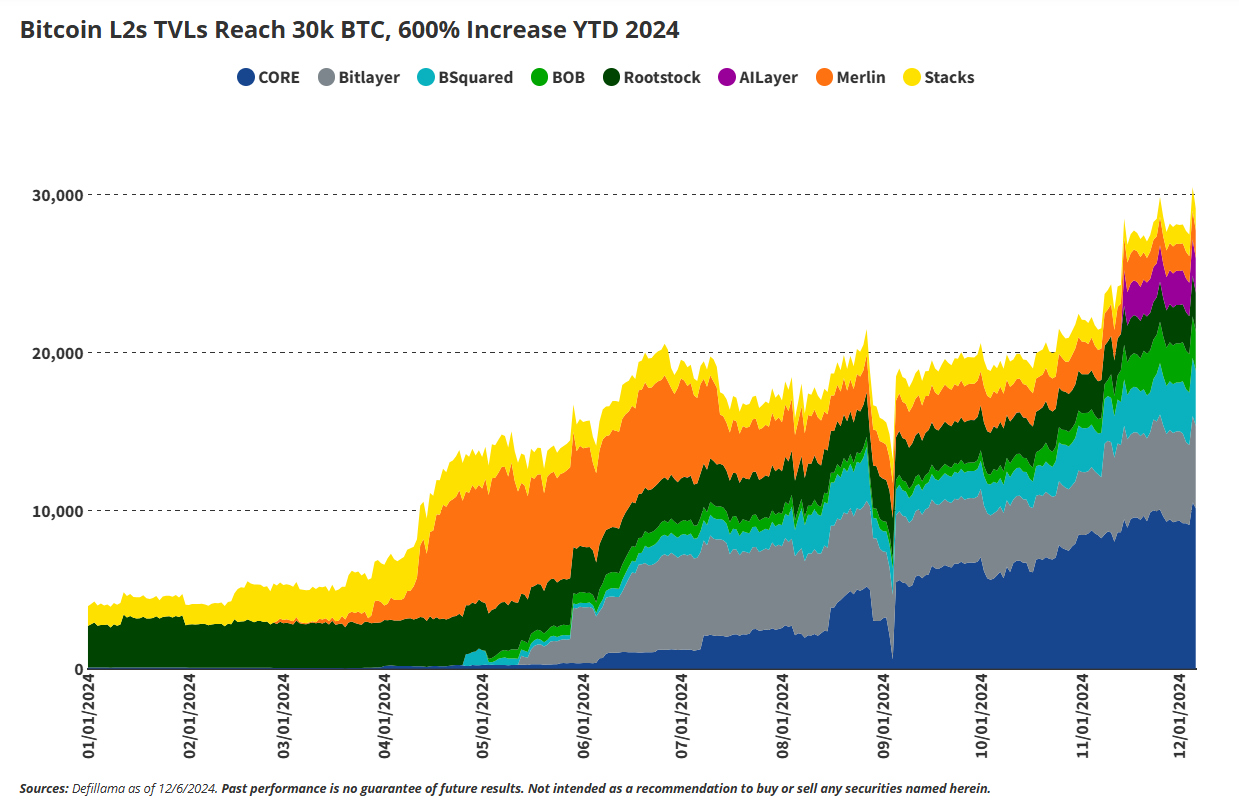
Technological advancements within the Bitcoin ecosystem are also enhancing its appeal—such as Layer 2 scaling via BitVM and staking capabilities supported by Babylon—which will improve Bitcoin’s utility and further stimulate demand. Moreover, AI-driven innovations and the development of Bitcoin-based decentralized finance (DeFi) provide additional support for price growth.
Risk analysis suggests that if the Fed slows rate cuts more than expected, U.S. Treasury yields may remain elevated, reducing Bitcoin’s attractiveness. Regulatory uncertainty and potential Senate resistance could also slow Bitcoin’s progress.
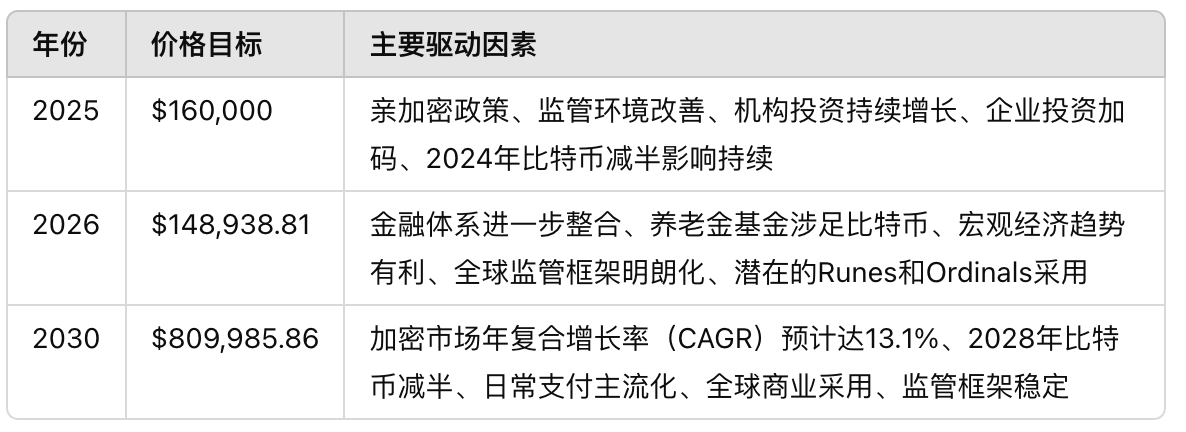
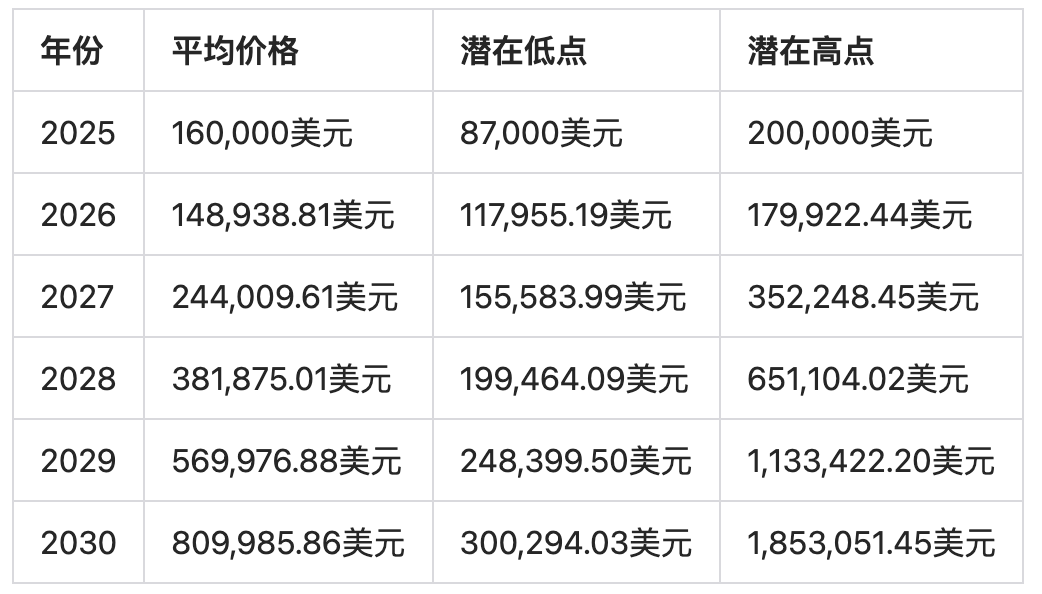
Market volatility is expected to remain high throughout 2025, with some analysts forecasting a possible 30% correction after Q1. However, driven by institutional and government demand, Bitcoin is likely to reclaim its highs by year-end. The market anticipates an average Bitcoin price of $160,000 in 2025, with a peak of $200,000 and a low around $87,000.
2026 Forecast
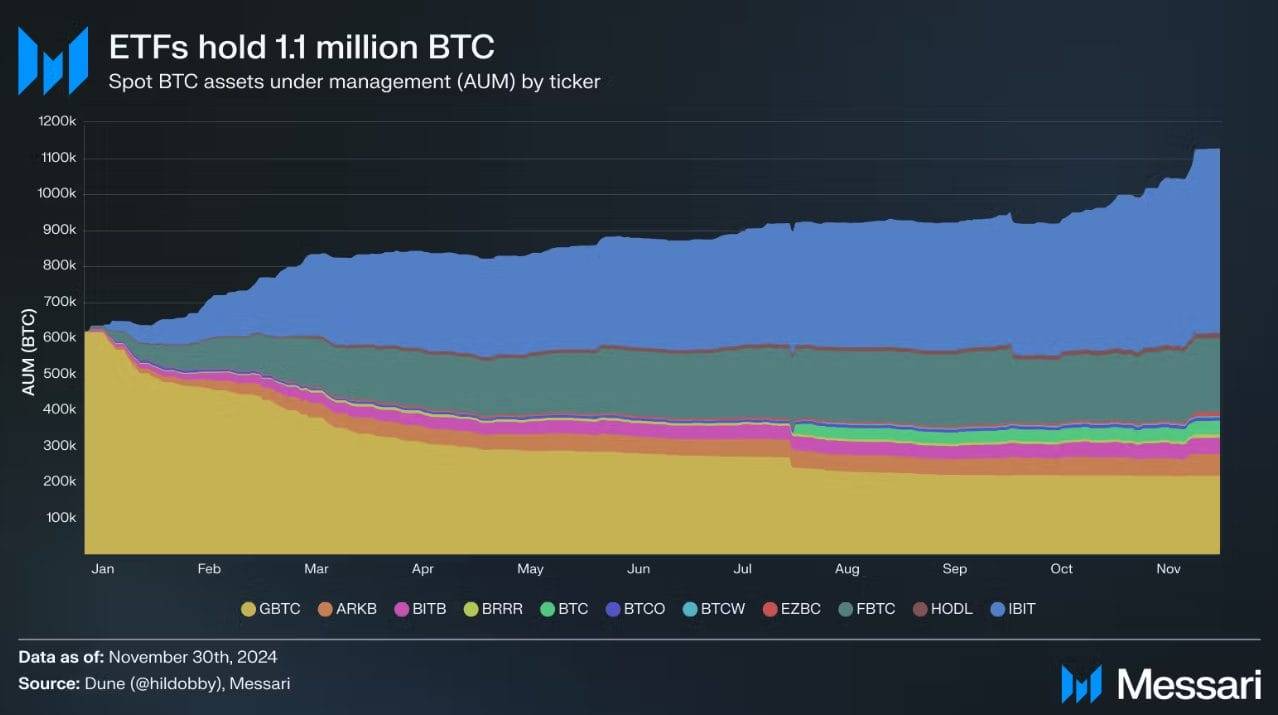
By 2026, institutional adoption and technological innovation will be the primary drivers of Bitcoin’s price. Analysts from Bitwise and VanEck expect sustained inflows into ETFs, projecting that ETFs will hold over 1.5 million BTC by 2026. Corporate holdings of Bitcoin could exceed even Satoshi Nakamoto’s estimated stash, serving as another major price catalyst.
Under the Trump administration’s regulatory framework, bipartisan-supported stablecoin and blockchain legislation could boost institutional confidence. While less likely, the U.S. establishing a strategic Bitcoin reserve could trigger substantial price appreciation.
Advances in Bitcoin programmability could unlock new use cases and justify higher valuations. However, intensifying competition from Ethereum and Solana in programmability and DeFi may divert user and developer attention.
Other risks include rising Treasury yields or unexpected Fed rate hikes, which could draw capital away from Bitcoin. Persistent global regulatory uncertainty or restrictive U.S. policies—such as Senate resistance to crypto legislation—could also slow momentum.
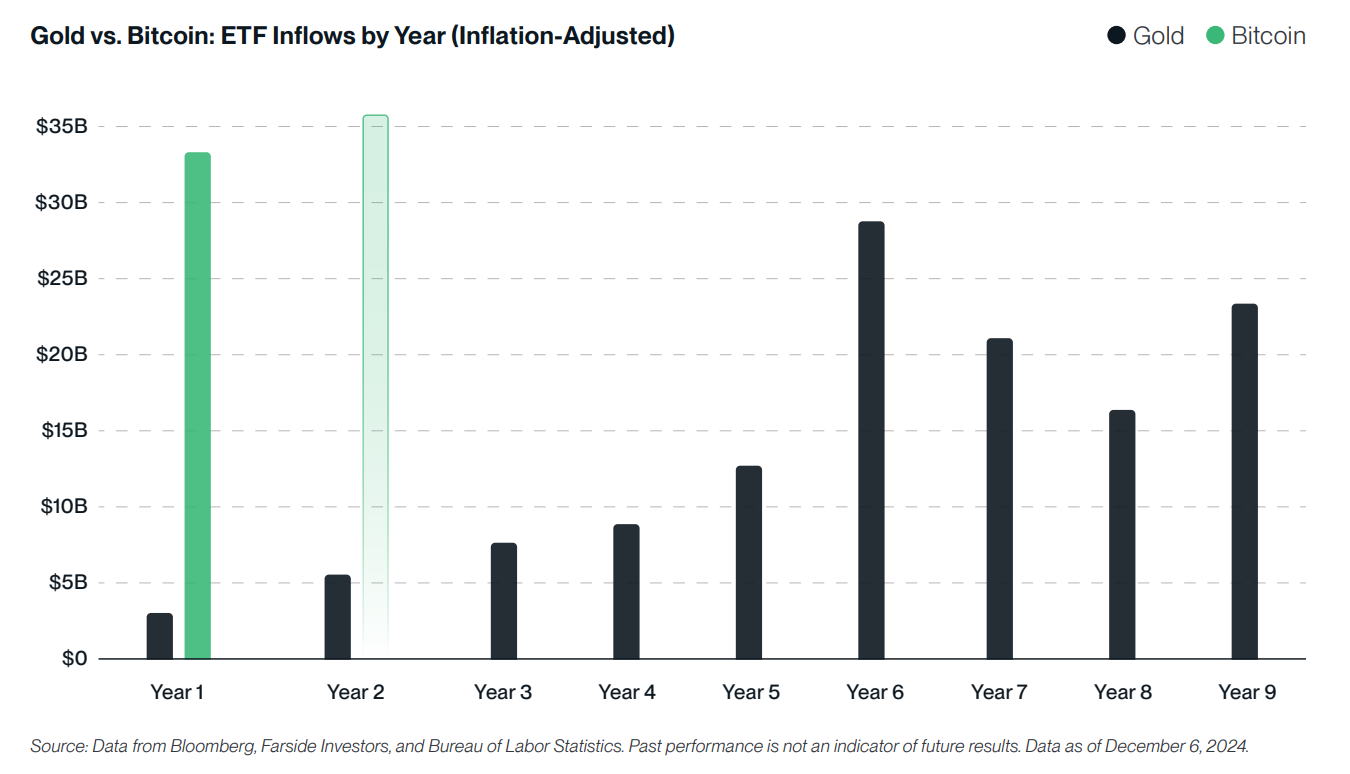
Despite ongoing volatility, Bitcoin’s supply scarcity and growing institutional dominance may gradually stabilize prices. If demand from ETFs and corporate buyers accelerates, Bitcoin’s market cap could challenge that of gold, inching closer to Bitwise’s long-term target of $500,000.
Based on this analysis, Bitcoin’s price in 2026 is projected to reach a high of $179,922.44, a low of $117,955.19, with an average around $148,938.81.
2030 Forecast
By 2030, supply constraints, institutional adoption, and macroeconomic forces will dominate Bitcoin’s price trajectory. Jack Dorsey predicts Bitcoin will surpass $1 million, while Cathie Wood expects it to reach $1.5 million. These projections are based on continued ETF inflows, rising global adoption, and the consolidation of Bitcoin’s status as digital gold.
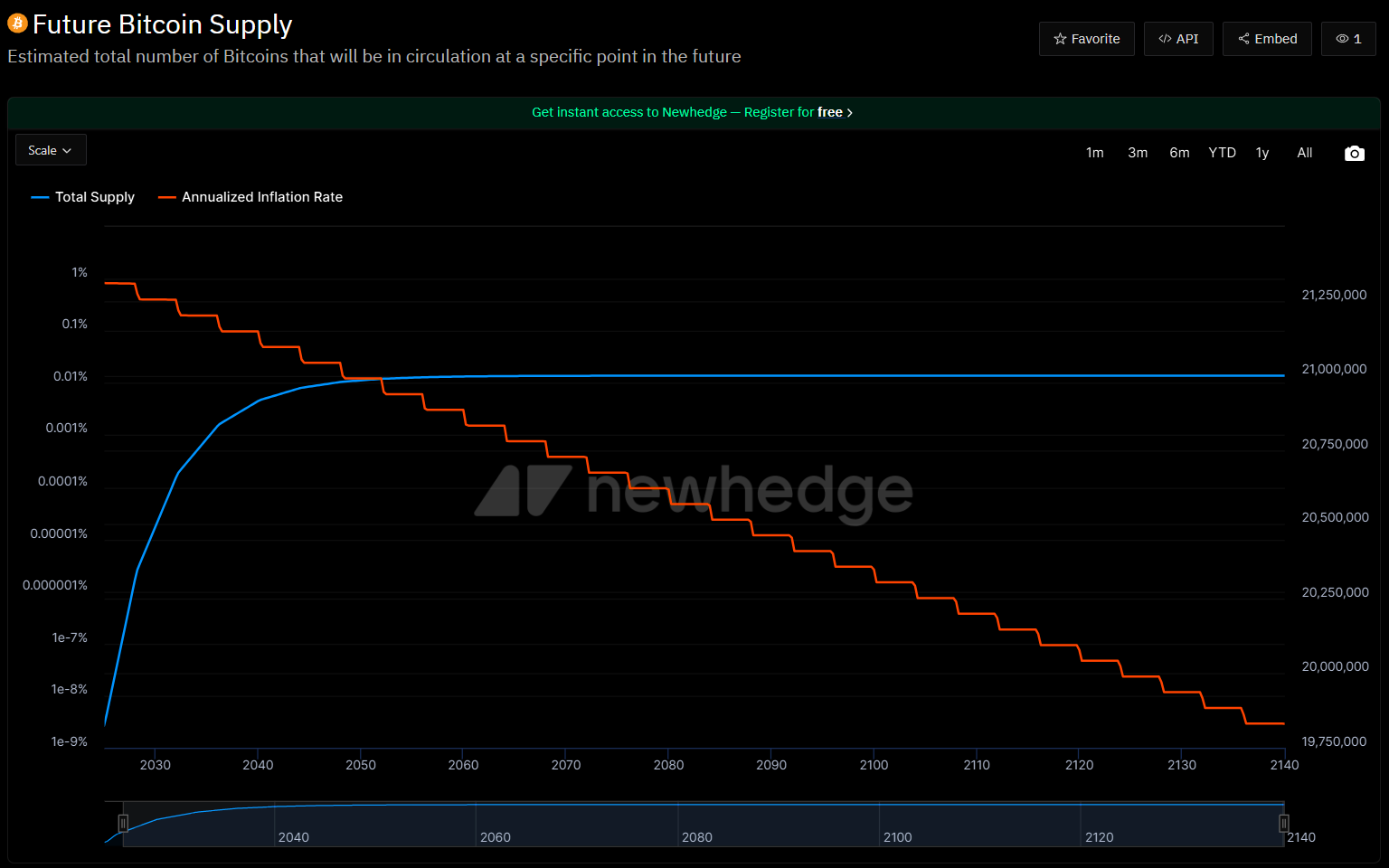
By then, Bitcoin will be nearing its 21 million coin supply cap, with 98% already mined, further highlighting its scarcity. Demand from ETFs, corporations, and sovereign nations could accelerate accumulation, with countries like El Salvador leading the charge. U.S. policy developments—such as a potential national Bitcoin reserve under the Trump administration—remain pivotal wildcards.
Technologically, Bitcoin L2 scaling solutions could unlock new applications and fuel demand. However, key risks include central bank digital currencies (CBDCs) undermining Bitcoin’s narrative, tighter regulation, or shifts toward safe-haven assets.
While a $1 million valuation by 2030 is plausible, significant challenges remain. Excessive volatility and regulatory risks could deter institutional inflows. Taking all factors into account, Bitcoin’s average price in 2030 is projected to reach $809,985.86, with a peak of $1,853,051.45 and a floor around $300,294.03.
Here is an overview of Bitcoin price forecasts over the coming years:
Potential Highs and Lows
Bitcoin is likely to maintain its position as the top cryptocurrency in the coming years. The table below summarizes projected price ranges for Bitcoin in the years ahead.
Analyst Predictions
Several prominent analysts and institutions have shared their Bitcoin price forecasts:
"Due to favorable market and regulatory conditions, Bitcoin will reach $150,000 in 2025." — Gene Munster, Founder, Deepwater Asset Management
"Bitcoin will reach $180,000 in 2025, but may experience a correction of up to 30% during the year." — VanEck Analyst
"Driven by spot ETF inflows and growing institutional demand, Bitcoin could surpass $200,000 by end of 2025." — Bitwise Analyst
"Fueled by ETF demand and broader institutional adoption, Bitcoin will reach $200,000 in 2025." — Standard Chartered Analyst
"Considering historical price patterns and potential regulatory shifts under the Trump administration, Bitcoin will rise to $225,000 by the end of 2025." — H.C. Wainwright Analyst
"Due to ecosystem development and growing adoption, Bitcoin could exceed $1 million by 2030." — Jack Dorsey, Former CEO of Twitter (now X)
"Driven by institutional adoption and its role as digital gold, Bitcoin will reach $1.5 million by 2030." — Cathie Wood, CEO of Ark Invest
Bitcoin Price History
From its 2009 launch to setting new records in 2025, Bitcoin has evolved from an experimental asset into a globally recognized financial instrument. Below are key milestones and the price history of BTC.
2009–2012: The Birth of Bitcoin
In 2009, Satoshi Nakamoto mined Bitcoin’s genesis block. Early transactions were informal; in 2010, the first retail transaction occurred when 10,000 BTC were used to buy two pizzas. Initially priced near zero, Bitcoin reached $1 in 2011 as adoption grew. By 2012, Bitcoin gained credibility:
-
The Bitcoin Foundation was established
-
WordPress and over 1,000 merchants began accepting BTC as payment
-
BTC price peaked at $13
2013: First Bull Run
In 2013, Bitcoin experienced rapid adoption and price volatility. In February, Coinbase sold $1 million worth of Bitcoin at $22 per BTC. In April, Mt. Gox’s trading glitch caused the price to plunge from $266 to $76, but it recovered to $160 within hours. Regulatory clarity began to emerge, with FinCEN classifying miners as money service businesses, while Thailand banned Bitcoin trading.
Notable events included the FBI seizing 26,000 BTC during the Silk Road shutdown and the launch of the world’s first Bitcoin ATM in Vancouver. In November, Chinese Bitcoin exchanges led global volume, and the University of Nicosia began accepting Bitcoin for tuition. However, in December, China’s central bank banned Bitcoin trading, causing prices to drop from a peak above $1,100.
2014–2015: Broader Adoption and Challenges
In 2014, companies like Overstock, TigerDirect, and Microsoft began accepting Bitcoin; Dell and Newegg followed suit. The CFTC approved Bitcoin financial products, marking regulatory progress. Sponsorships such as the Bitcoin St. Petersburg Bowl brought Bitcoin into the mainstream. A major setback was the collapse of Mt. Gox after losing 744,000 BTC.
In 2015, adoption surged, with over 100,000 merchants accepting Bitcoin. Coinbase raised $75 million in a Series C round, setting a record for crypto companies. Despite hacks like Bitstamp losing 19,000 BTC, confidence rebounded. Academic recognition grew, including the founding of the Ledger journal and proposals to standardize the Bitcoin symbol.
2016–2017: Second Bull Run
In 2016, Bitcoin achieved key milestones. Major technical upgrades included the CheckSequenceVerify soft fork, and network hash rate surpassed 1 exahash/second. Japan officially recognized Bitcoin as a quasi-currency, and Swiss ticket machines began accepting Bitcoin by year-end.
However, Bitfinex suffered a hack, losing 120,000 BTC (about $60 million), raising security concerns. Yet, adoption continued to grow in 2017. BitPay’s transaction volume tripled year-on-year, Japan legalized Bitcoin payments, and Russia began advancing regulation.
Critically, on August 1, a dispute over block size led to Bitcoin splitting into BTC and Bitcoin Cash (BCH). Prices then surged.
2018–2019: Crash and Recovery
In 2018, Bitcoin faced regulatory and adoption hurdles. South Korea banned anonymous transactions, and Stripe phased out Bitcoin payments due to high fees. Concerns over price manipulation prompted a U.S. Justice Department investigation into fake trading. In October, public protests drew attention, such as Nelson Saiers’ inflatable rat art installation near the Federal Reserve. After the 2018 crash, Bitcoin traded below $4,000 in early 2019 but broke above $12,000 by July, restoring optimism. This period was marked by regulatory scrutiny and market recovery.
2020–2021: Pandemic-Era Rally
In 2020, institutional adoption made significant strides. A Swiss firm launched a Bitcoin ETP, and the Frankfurt Stock Exchange listed the first Bitcoin ETN. PayPal began supporting limited Bitcoin withdrawals.
In 2021, celebrity endorsements propelled Bitcoin’s price. Elon Musk’s support on Twitter (now X) and Tesla’s $1.5 billion Bitcoin purchase pushed prices to $44,141. Tesla later suspended Bitcoin payments due to environmental concerns, causing a 12% price drop.
In June, El Salvador made history by adopting Bitcoin as legal tender. Meanwhile, Zug, Switzerland began accepting Bitcoin for tax payments, and the U.S. Justice Department recovered $2.3 million in Bitcoin from a ransomware attack.
2022: Bear Market
In 2022, Bitcoin endured a prolonged bear market. In April, prices fell below $40,000; in May, the Terra-Luna collapse drove prices down to $26,970. By June, Bitcoin dropped below $18,000. High-profile collapses like FTX severely damaged trader confidence.
2023: Recovery and Institutional Interest
Bitcoin rebounded in 2023. Amid a tech stock rally and stabilized interest rates, it rose over 50% mid-year. Prices climbed from $16,530 in January to over $42,000 by year-end, largely driven by rumors of SEC approval for Bitcoin ETFs.
The introduction of Bitcoin Ordinals brought NFTs and utility to the network. Despite heightened SEC regulation, Bitcoin demonstrated resilience. Prices hovered around $27,000 but saw a strong recovery in October, breaking new highs.
2024: ETF Approval, Bitcoin Halving, and Renewed Optimism
2024 marked historic price milestones for Bitcoin. The long-awaited approval of spot Bitcoin ETFs was a turning point. On January 11, 11 ETFs launched, attracting massive institutional interest. Bitcoin surged past $49,000 ahead of the announcement and reached $73,835 on Coinbase by March 1. The market consolidated by late March, trading around $70,000.
On April 19, Bitcoin underwent its fourth halving, reducing mining rewards from 6.25 to 3.25 BTC. This triggered a modest rally, closing at $63,821. With the Fed cutting rates for the first time post-pandemic in September, sentiment turned positive, pushing BTC from $60,000 to $64,000 within days.
November proved critical. After Trump’s re-election, Bitcoin surged due to his pro-crypto stance. It hit $76,999 on November 7 and broke $91,000 on November 13. Market optimism soared as he pledged initiatives like creating a "strategic Bitcoin reserve."
Bitcoin crossed the $100,000 milestone for the first time on December 9, set multiple new highs afterward, and closed the year at $93,425.

January 2025: New Record Highs
Bitcoin started 2025 strongly, continuing the momentum from December 2024. Spot Bitcoin ETFs in the U.S. saw $1.9 billion in inflows in early January, creating a supply-demand imbalance. ETFs acquired 51,500 BTC, far exceeding the 13,850 BTC mined that month.
This ETF-driven demand pushed Bitcoin to a record $108,135 on December 17, 2024. However, rumors of government sales of seized Silk Road Bitcoin temporarily pulled prices down to $92,838 in January.
Speculation around crypto-friendly executive orders reignited enthusiasm. On January 20, as institutional investors returned, Bitcoin reclaimed the $100,000 level. Physical U.S. holders now own 65% of the global Bitcoin supply.
MicroStrategy led corporate adoption, increasing its holdings to 450,000 BTC, valued at over $45 billion. Japanese firm Metaplanet announced plans to quintuple its reserves to 10,000 BTC, further highlighting Bitcoin’s role as a strategic reserve asset. Following success in the U.S., BlackRock launched a spot ETF in Canada in January, expanding its dominance in the Bitcoin ETF space. Bitcoin’s correlation with the Nasdaq 100 hit a two-year high of 0.77, underscoring its sensitivity to macroeconomic data. Inflation falling to 3.2% also boosted optimism. Markets bet on further Fed rate cuts.
Purchase Channels
The best place to buy Bitcoin depends on the investor’s goals, expertise, location, and risk tolerance. Below is an analysis of options for different types of investors.
Quick summary:
-
Need trading flexibility and high liquidity? Use centralized exchanges like Binance or Kraken;
-
Value privacy or self-custody? Choose decentralized exchanges or P2P platforms, then store assets in non-custodial wallets;
-
Simple long-term holding? Brokerage platforms like eToro or Revolut are more suitable;
-
Large trades? Over-the-counter (OTC) desks offer the best execution and privacy.
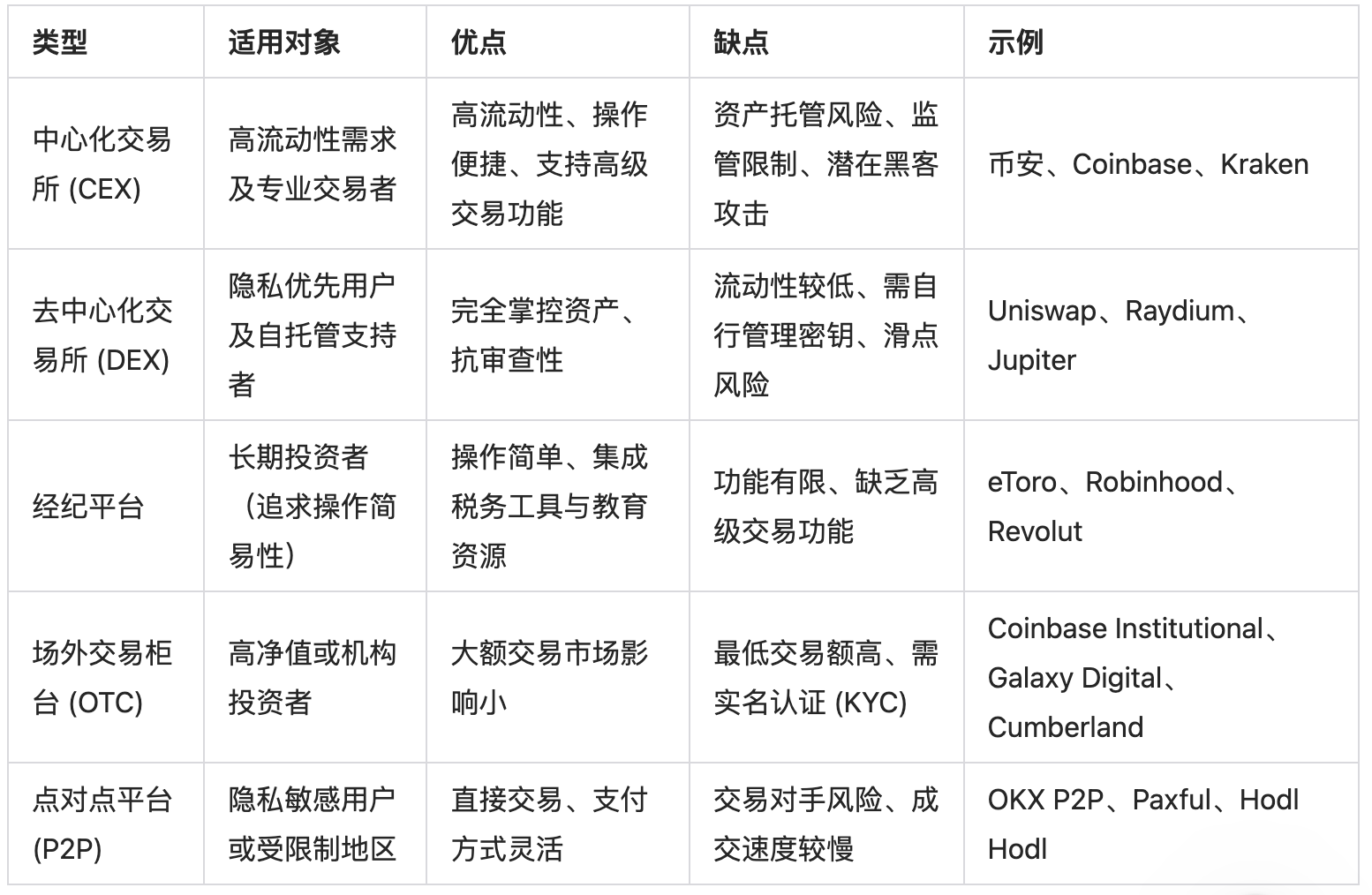
Select the optimal platform by evaluating fees, liquidity, features, and security according to your needs and Bitcoin investment strategy.
Conclusion
Bitcoin has evolved from an experiment into a global financial asset. The approval of ETFs and growing institutional interest have further cemented BTC’s role as an investment and store of value.
While challenges such as regulatory shifts and high volatility persist, Bitcoin’s long-term outlook remains highly positive. Innovation, increasing scarcity, and integration with traditional finance are likely to drive value appreciation in the coming years.
Nevertheless, investing in Bitcoin carries risks, including market volatility and potential losses. Always conduct your own research and consider consulting a financial advisor before making investment decisions. Past performance does not guarantee future results.
Join TechFlow official community to stay tuned
Telegram:https://t.me/TechFlowDaily
X (Twitter):https://x.com/TechFlowPost
X (Twitter) EN:https://x.com/BlockFlow_News
 @cryptonews