








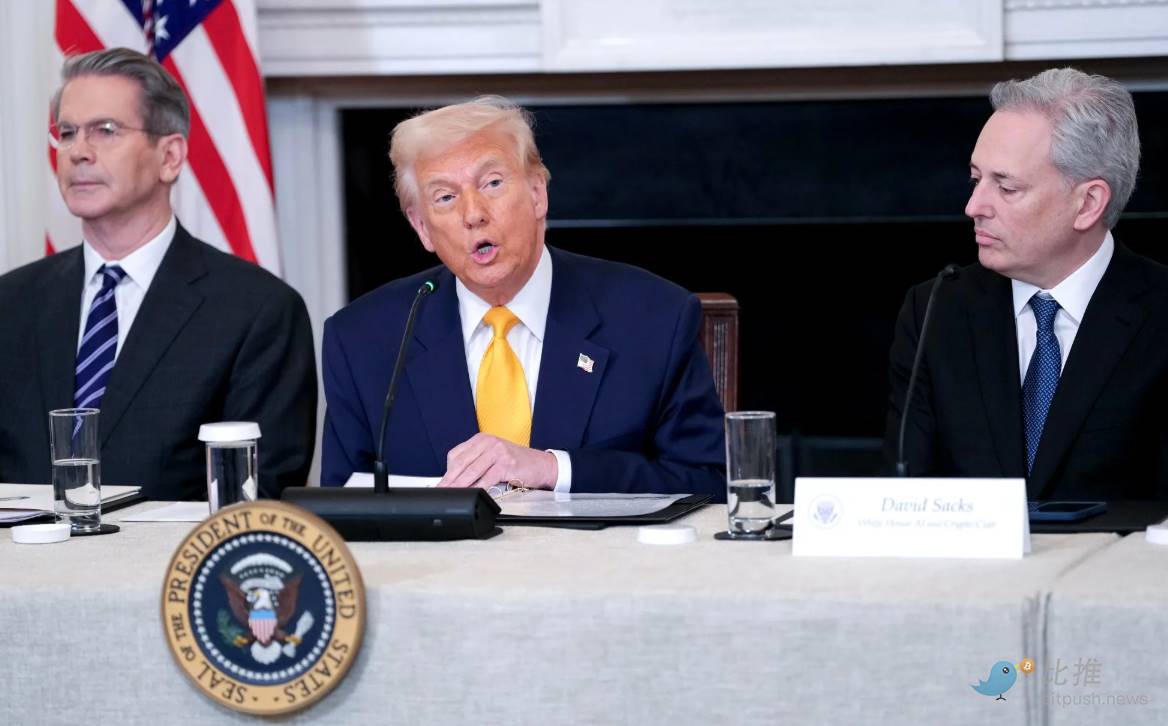
Make crypto great again? Trump's backing has Wall Street going all in
TechFlow Selected TechFlow Selected
Make crypto great again? Trump's backing has Wall Street going all in
Since Trump took office, the shackles of regulation have begun to loosen.
 Navigating Web3 tides with focused insights
By Katherine Doherty
Original title: Wall Street Goes All In on Great Crypto Comeback Fueled by Trump
Translation: Bitpush News Yanan
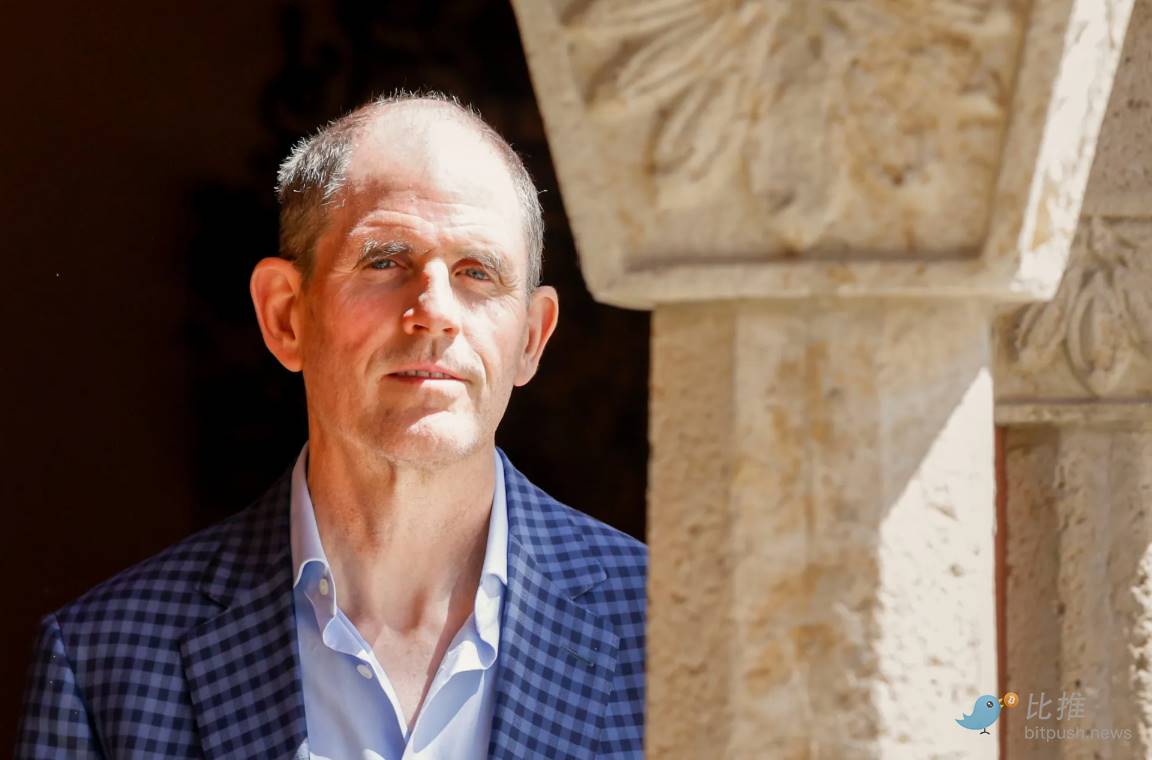
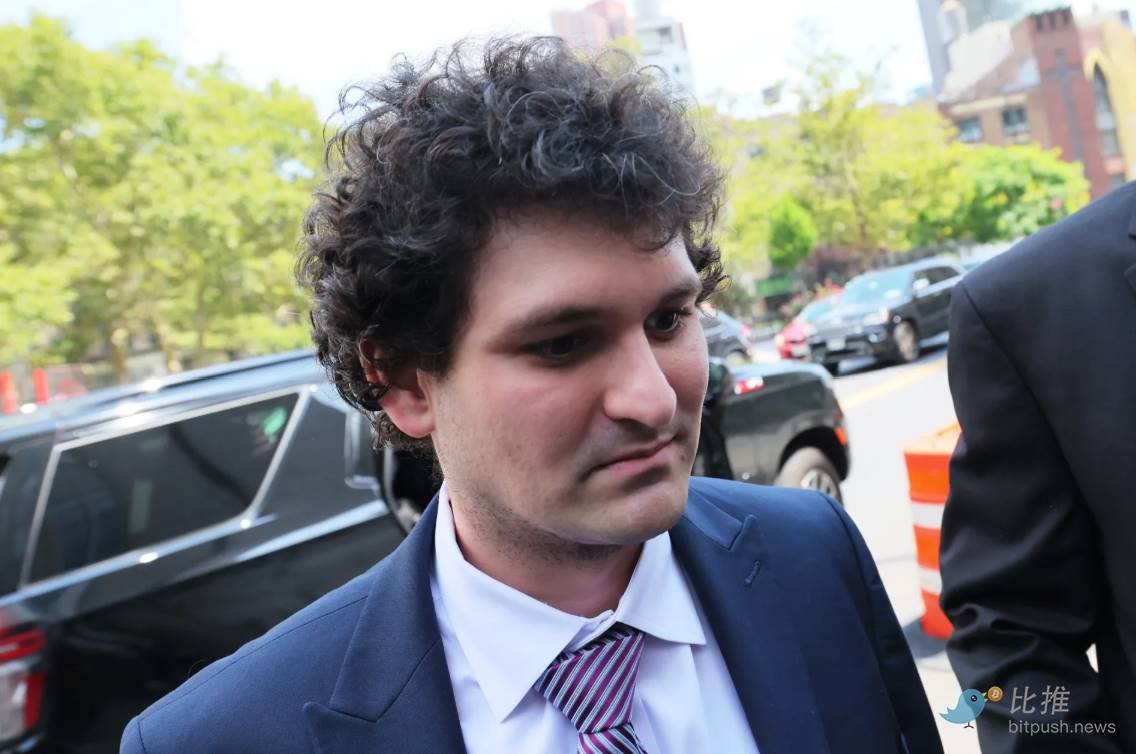
Just three years ago, a heated debate at the annual gathering of the global derivatives market—often dubbed the "Davos of derivatives"—captured widespread attention. On one side stood Sam Bankman-Fried (SBF), the now-infamous crypto billionaire and founder of FTX; on the other was Terry Duffy, head of the largest futures and options exchange in the United States.
At the time, this clash highlighted Wall Street's deep skepticism toward the rising forces within the cryptocurrency industry, while also exposing the ambitions of this crypto tycoon to disrupt traditional derivatives trading models. SBF sought to bring digital assets into the mainstream, while Duffy stood firmly as a guardian of financial tradition—an opposition that made their confrontation a focal point across the industry.
But that was then.
This year, as top executives from the world’s largest exchanges and crypto firms prepared to head to Florida for the Futures Industry Conference, U.S. President Donald Trump announced plans to establish a strategic Bitcoin reserve. While largely symbolic, the move undoubtedly further cemented digital assets’ legitimacy as a mainstream financial instrument.
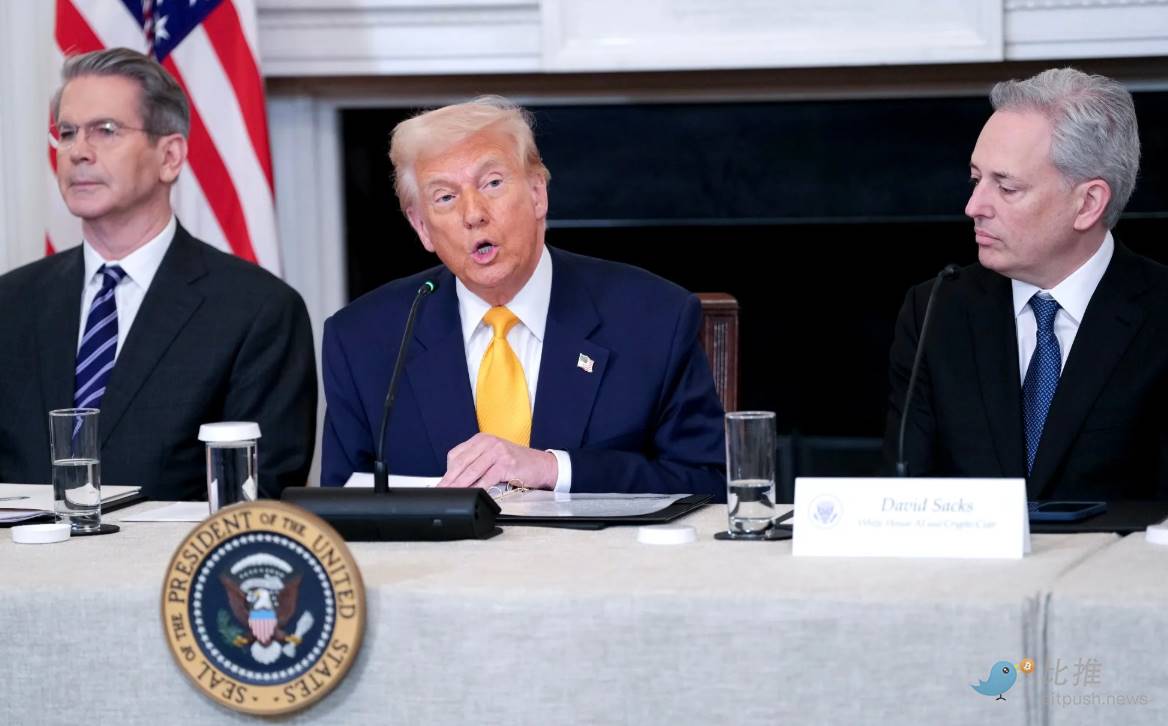
For Wall Street institutions that had previously dipped only their toes into crypto, the next four years represent a rare opportunity. Under the Trump administration, the crypto sector is rapidly heating up. On Thursday, Bloomberg reported that World Liberty Financial Inc., a crypto venture linked to the Trump family, has held talks with Binance Holdings Ltd., the world’s largest digital asset exchange, potentially paving the way for deeper collaboration.
This shift in sentiment was on full display at this week’s conference, held at the Boca Raton resort. Traditional finance executives mingled freely with crypto entrepreneurs. One of the most noticeable changes? Almost everyone was wearing suits—or at least collared shirts. The once-ubiquitous crypto uniform of shorts and T-shirts had all but disappeared, replaced by a far more formal atmosphere.

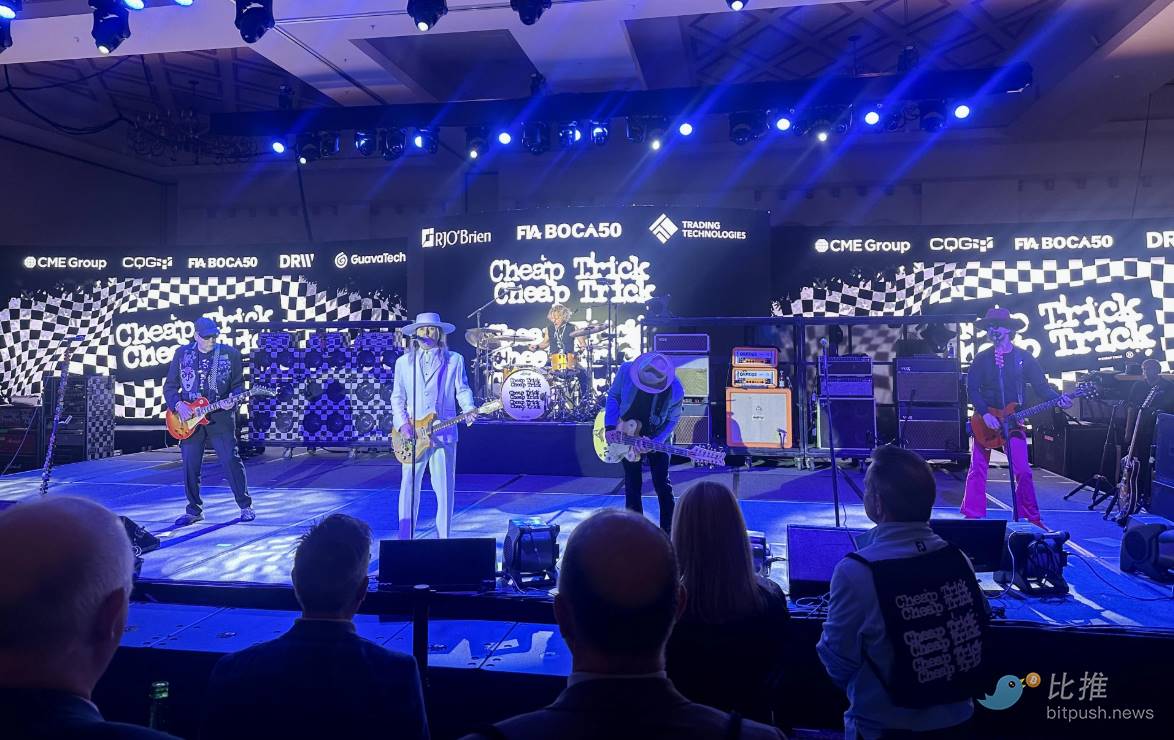
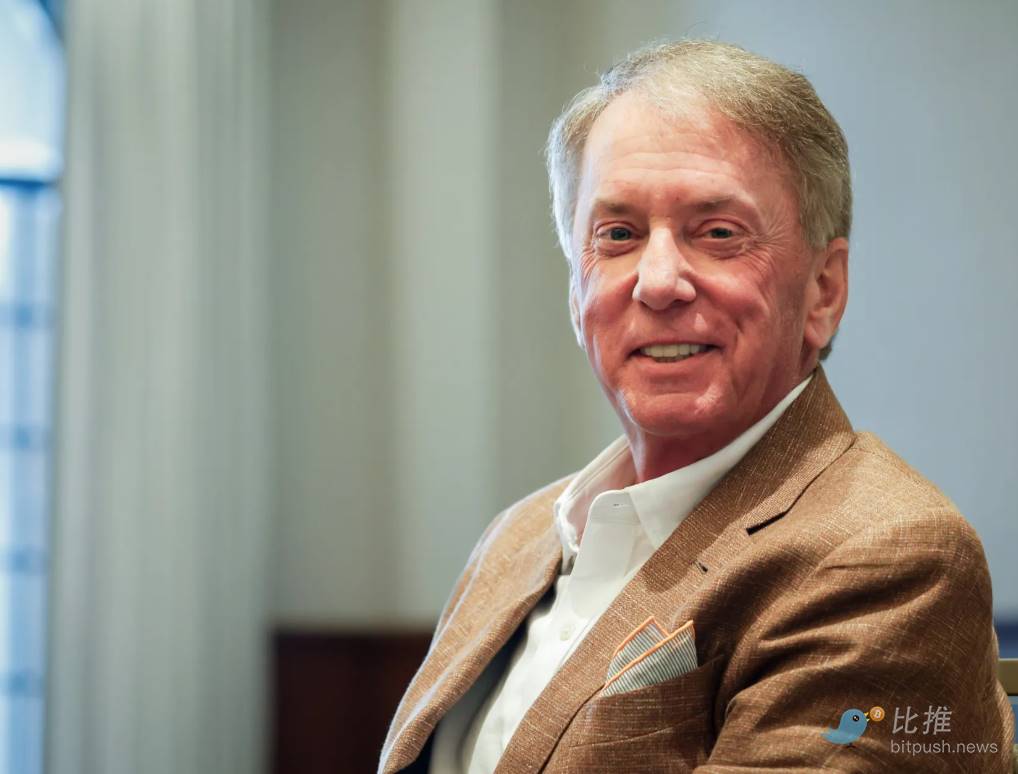
Even the entertainment exuded old-money flair. Legendary 1970s rock band Cheap Trick took the stage to entertain attendees—including heavyweights like Lynn Martin, president of the New York Stock Exchange, and Don Wilson, founder of DRW Holdings.
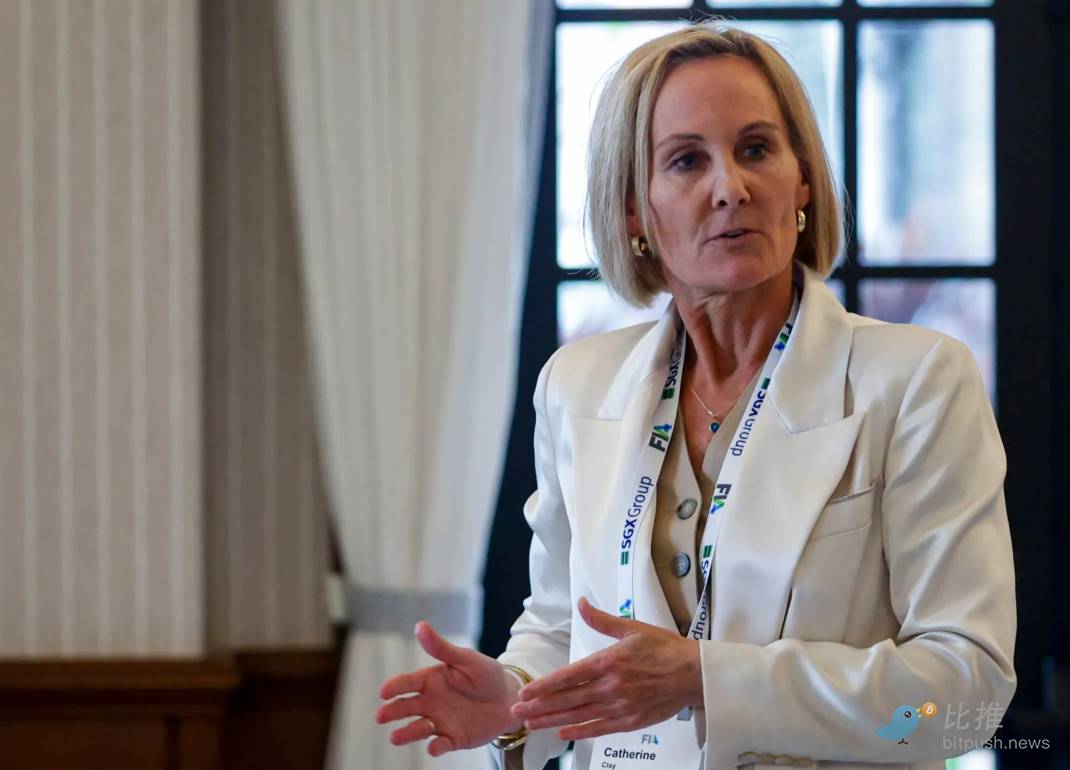
"Crypto is back," said Catherine Clay, head of derivatives at Chicago-based options giant Cboe Global Markets, in an interview. "After several quiet years, we’re seeing crypto themes return to the forefront at the Boca Raton conference."
Donald Trump promised during his campaign to make America the "crypto capital of the world," and since taking office, he has followed through. He signed executive orders on digital assets and pushed regulators to act. His securities regulatory team formed a dedicated working group for the crypto industry, led by Hester Peirce, a long-time advocate.
All of this is boosting Wall Street’s confidence in the crypto market. Citadel Securities, the firm led by Ken Griffin, which had previously taken a cautious approach to digital assets, is now seeking deeper involvement and planning to become a liquidity provider in the crypto space. Meanwhile, CME Group Inc. has surpassed Binance to become the world’s largest Bitcoin derivatives exchange and is expanding further with the launch of Solana futures. According to sources, Intercontinental Exchange Inc. (ICE), which had long kept its distance from crypto, now sees opportunity and is preparing to enter the market to directly compete with rival CME.
Overseas exchanges are following suit. At the conference, Singapore Exchange Ltd. (SGX) announced plans to launch Bitcoin perpetual futures in the second half of this year, with its first digital asset contract strictly targeting institutional clients.
"By the end of this year, more companies will be making major moves into crypto," said Jeanine Hightower-Sellitto, chief commercial and strategy officer at EDX Markets LLC, a digital asset firm backed by Citadel Securities. "In the past two and a half months—especially since the inauguration—market sentiment has shifted dramatically."
For Wall Street, this year’s conference brought a new consensus: blockchain technology underpinning cryptocurrencies will be key to enabling 24/7 trading in U.S. equities markets.
"There were years when the crypto industry was all hype and exaggeration," said Don Wilson, co-founder of DRW Holdings and also co-founder of crypto firm Digital Asset. But, he added, "what’s different this year is that the market is truly beginning to recognize blockchain’s central role in transforming trading into a 24/7 model."
After SBF’s company collapsed in 2022 and he was convicted of fraud, the crypto industry lost much of its luster. That year, his FTX exchange hosted a late-night cocktail party on Boca Raton beach, handing out branded merchandise from a massive booth and hosting a fireside chat with Alex Rodriguez (A-Rod), the former baseball star turned businessman. Thanks to his lavish spending, everyone—from U.S. regulators to politicians, even Tom Brady—was eager to hear what he had to say.
But Duffy wasn’t impressed. A veteran who began his career on the Chicago trading floor in the 1980s and had long led the Chicago Mercantile Exchange (CME), he viewed SBF’s ambitious plans with suspicion. FTX aimed to independently handle all client needs in crypto derivatives, using algorithms instead of brokers to clear trades.
"I brought crypto to CME in 2017, long before I even knew who SBF was," Duffy said in an interview this year, bluntly calling SBF’s plan "extremely risky from a risk management standpoint."
Duffy didn’t shy away from their 2022 encounter at the hotel bar in Boca Raton, describing it as "a minor tiff." In a prior interview with Bloomberg, he recalled telling SBF directly that he was a fraud and that the money in his right pocket exceeded the net worth of the crypto executive. That claim was later validated when FTX filed for bankruptcy in late 2022, revealing a years-long fraud in which prosecutors say SBF stole about $10 billion from customers, investors, and lenders.
Following the FTX collapse, regulators under President Joe Biden launched a sweeping crackdown on the crypto industry. The top U.S. derivatives regulator—the Commodity Futures Trading Commission (CFTC)—recovered a record $17.1 billion last year through enforcement actions, mostly tied to cases involving FTX and Binance.
As a result, some firms pulled back, shifting focus to offshore financial hubs like Dubai, Singapore, and Hong Kong. Trading giants Jump and Jane Street scaled down their crypto market-making operations in the U.S. Due to Washington’s lack of a clear regulatory framework, Cboe shut down its crypto spot business.
Since Trump took office, regulatory constraints have begun to ease. Last month, the Securities and Exchange Commission (SEC) concluded its investigation into Robinhood Markets Inc.’s crypto business and announced it would take no enforcement action. The SEC also dropped its lawsuit against Coinbase Global Inc., the largest U.S. digital asset trading platform, which had accused it of operating an unlicensed exchange.
In just the past month, the SEC has dismissed or suspended at least 10 cases against crypto companies.
"The rapidly changing regulatory environment is clearing the path for institutional investors to engage more deeply in the crypto market," said Elisabeth Kirby, head of market structure at Tradeweb, a company that operates over-the-counter markets covering interest rates, credit, money markets, equities, and crypto ETFs.
Banks are also actively positioning themselves to capture more crypto-related business. Morgan Stanley, previously inactive in crypto, is now laying groundwork for potential IPO clients. Executives at Bank of America Corp. are discussing whether to expand support for digital asset trading, while Royal Bank of Canada, after completing its first crypto transaction late last year, is looking to broaden its offerings.
At this week’s conference, collaboration was the dominant theme, with discussions centered on how traditional finance and the crypto industry can move forward together.
Even Duffy now says he supports the success of the crypto industry—after all, last year CME saw daily average trading volume in digital assets surge more than 200%, reaching $6.8 billion.
"We launched Bitcoin, then Ethereum, and now we’ve just announced Solana," Duffy said. "I want to see crypto assets become even more mainstream."
Join TechFlow official community to stay tuned
Telegram:https://t.me/TechFlowDaily
X (Twitter):https://x.com/TechFlowPost
X (Twitter) EN:https://x.com/BlockFlow_News
 @Bloomberg











