Solana or Base: Which Is the Ideal Choice for Stablecoin Payments?
TechFlow Selected TechFlow Selected
Solana or Base: Which Is the Ideal Choice for Stablecoin Payments?
Base will play an increasingly important role in onboarding new companies and users, and in the long term, Solana will become the primary platform for stablecoin payments.
 Navigating Web3 tides with focused insights
Author: Squads
Translation: TechFlow
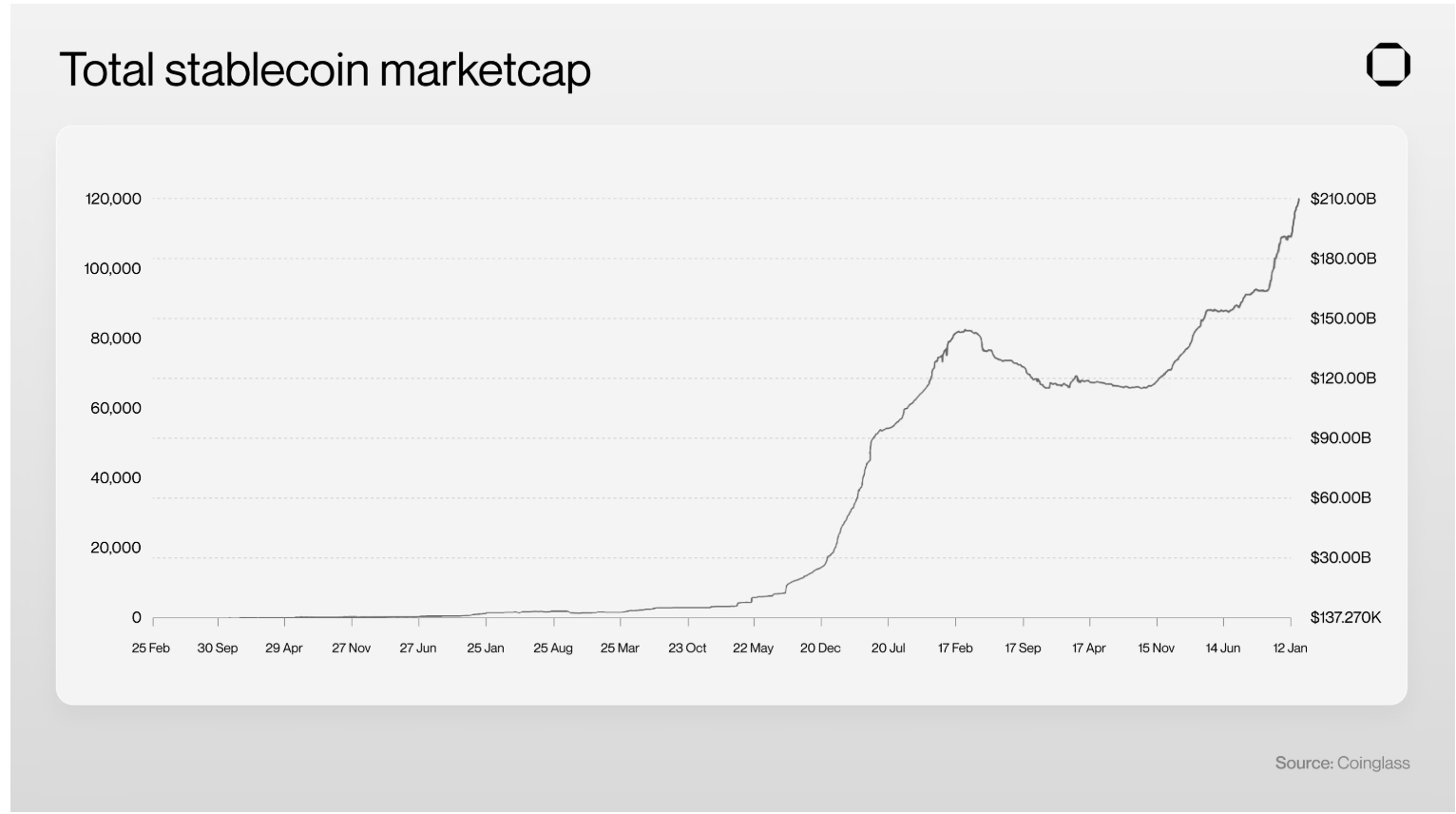
At the time of Donald Trump’s presidential inauguration, stablecoin market capitalization reached a record $210 billion—a mere glimpse into how stablecoins are reshaping global money flows.
Amid this growth, competition among companies to integrate stablecoins and their payment infrastructure into products and services has intensified. In October 2024, Stripe acquired the stablecoin payments platform Bridge for approximately $1.1 billion—the largest acquisition in crypto history. That same year, stablecoin payment firms raised over $309 million in funding, reflecting growing market confidence in the sector.
Blockchain ecosystems are racing to position themselves as ideal foundations for payment use cases, each with unique trade-offs affecting implementation costs, user experience, and market reach. This report explores key factors enterprises and developers should consider when choosing a blockchain platform for building stablecoin payment solutions—and identifies Solana and Base as today's two leading chains for payments.
The On-Chain Payment Landscape
As outlined in our previous report, stablecoins are evolving from crypto-native tools into mainstream financial infrastructure, fundamentally transforming how money moves:
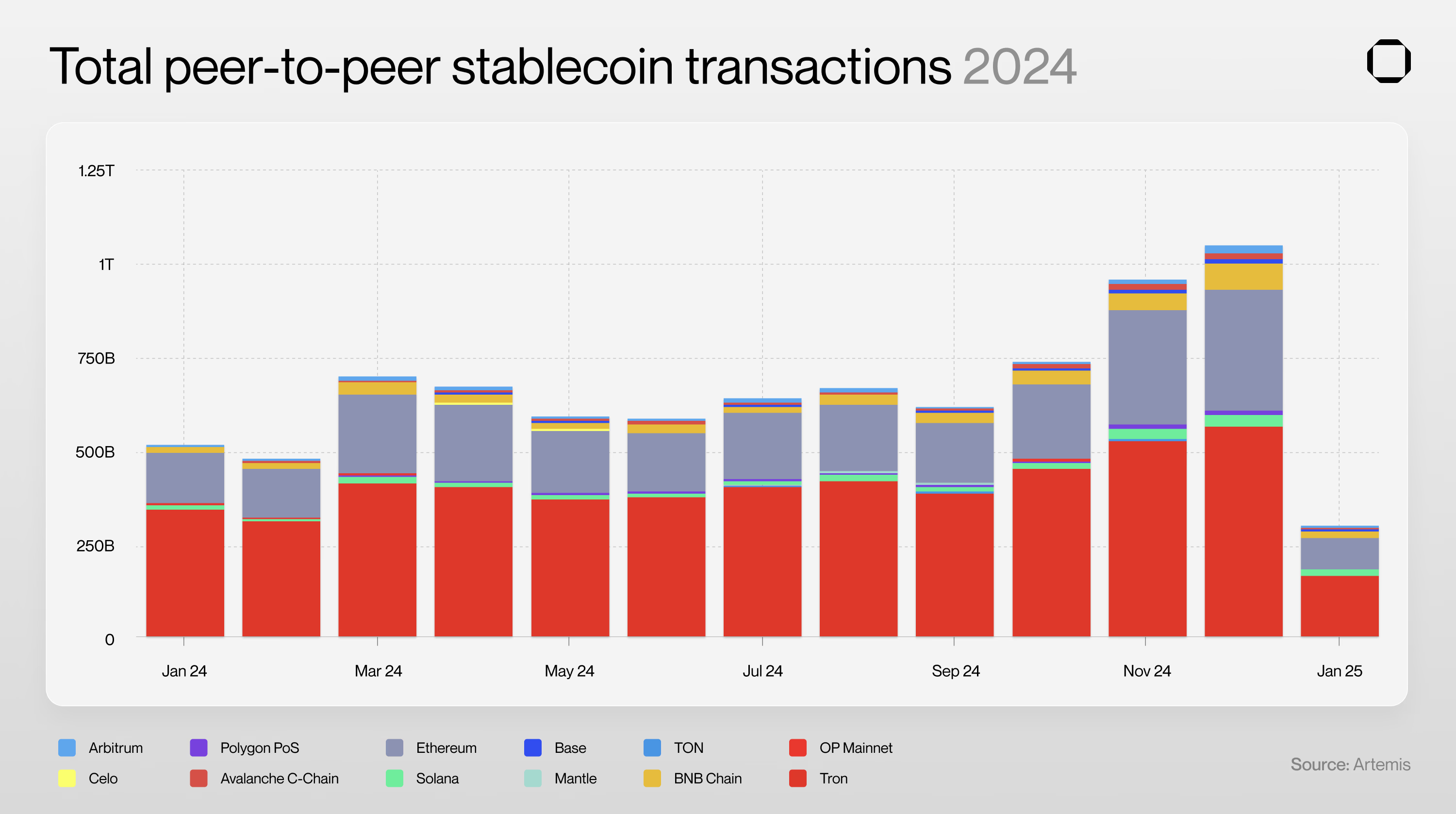
Annual stablecoin transaction volume surged from $5.7 trillion in 2023 to $8.3 trillion by the end of 2024.
Active stablecoin users span major blockchains, totaling 29 million addresses.
Stablecoins now drive 32% of daily crypto activity, second only to decentralized finance (DeFi).
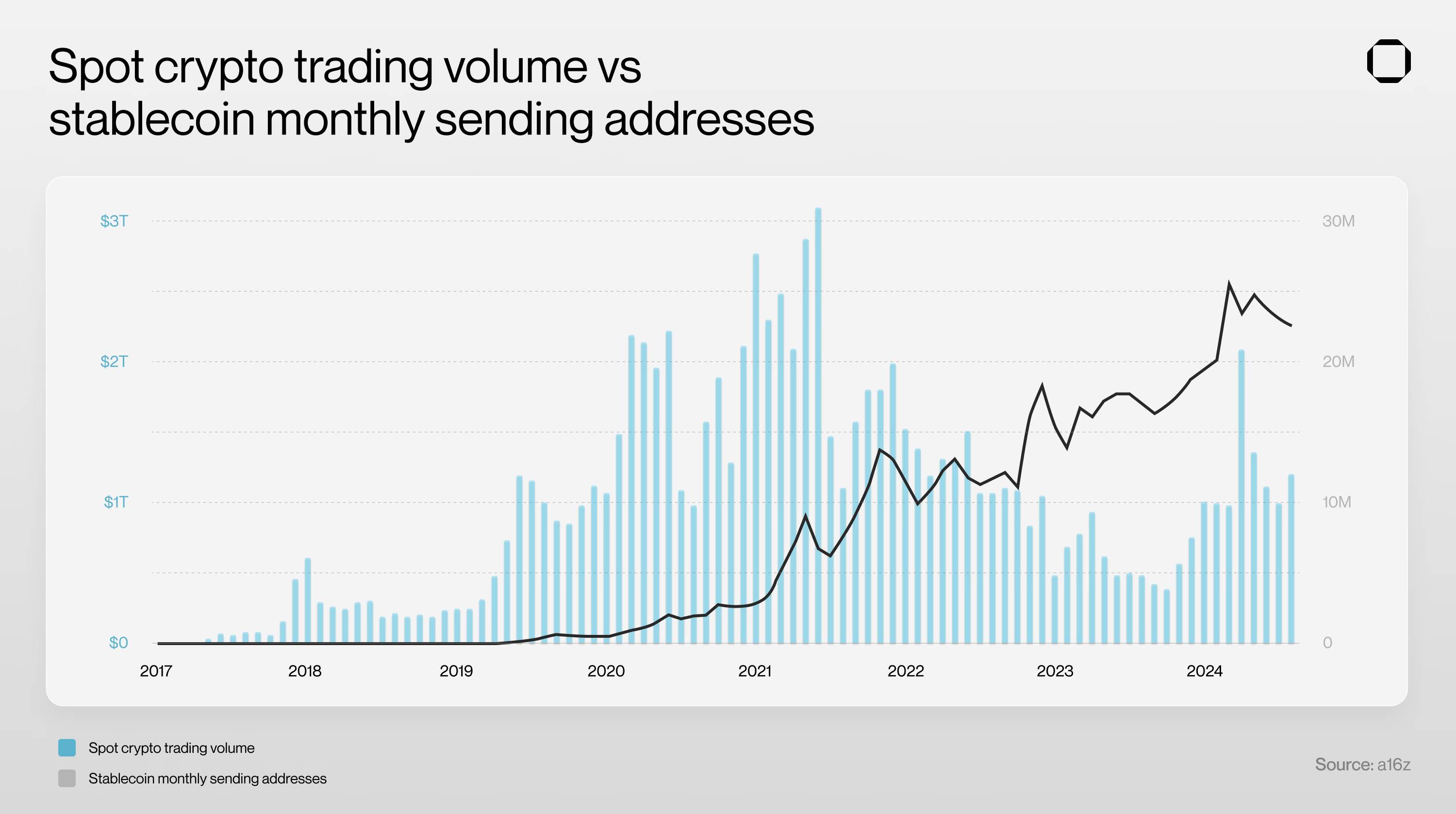
Crypto-native firms, traditional businesses, and startups alike are embracing stablecoins and their payment rails, with applications expanding across major industries such as e-commerce (over $25 trillion), B2B payments (over $1.3 trillion), and cross-border remittances (over $700 billion).
For example, SpaceX aggregates part of Starlink’s global revenue in stablecoins to hedge against foreign exchange risk. In late September 2024, PayPal completed its first commercial transaction using its stablecoin PYUSD via SAP’s digital currency platform with EY. Additionally, major U.S. retailers including Overstock, Chipotle, Whole Foods, and GameStop now accept stablecoin payments.
This surge in enterprise adoption underscores a critical point: selecting the right blockchain infrastructure is no longer an inconsequential choice but a strategic necessity that will determine competitiveness within the rapidly evolving digital payment ecosystem.
Evaluating Blockchain Capabilities for Stablecoin Payments
Successfully integrating stablecoins and their payment rails into products or services requires blockchains to meet four key criteria:
High-performance architecture
Low/predictable fees
Market demand
Regulatory clarity
We’ll analyze how these requirements are met using Solana and Base—two prominent public blockchains—as case studies.
You might ask: why did we select these two? After all, Ethereum leads by far in total value locked (TVL) for stablecoins, Tron is one of the most popular blockchains for stablecoin payments, and Celo has driven significant stablecoin adoption through Minipay (Opera’s mobile wallet with over a million users in Africa).
Despite their strengths, each was ultimately excluded from our analysis for the following reasons:
Ethereum: While suitable for high-value transfers, its high gas fees and slow transaction speeds limit its utility for stablecoin payments. This has led to a fragmented ecosystem: Ethereum retains high-balance holders while delegating payment applications and mainstream use cases to sidechains or appchains.
Tron: The blockchain is highly active in stablecoin payments, particularly serving users without access to traditional financial rails. However, as previously reported, its prevalence in sanctioned regions, controversial association with Justin Sun, and reports of usage by terrorist organizations have intensified regulatory scrutiny. With Circle ceasing support for native USDC on Tron in February 2024, the chain’s ability to attract major stablecoin issuers continues to weaken—making it unlikely to serve as a foundation for new stablecoins and payment applications.
Celo: Despite strong user adoption in Africa via Minipay, the blockchain faces significant headwinds: low TVL, limited institutional adoption, a short track record, and an evolving technical roadmap following its 2024 transition to an L2. Celo is a blockchain worth watching, but it is not yet ready for mainstream stablecoin payment applications.
Certainly, other blockchains perform well in stablecoin payment use cases—including BNB, Arbitrum, Avalanche, and TON. While promising, they fall short of the core standards for mainstream payment adoption already achieved by Solana and Base.
Beyond public chains, appchains like SphereNet and Payy are emerging in the stablecoin payment space. However, no appchain has yet proven itself as a dominant platform for stablecoins and payments, facing major challenges such as limited developer and user infrastructure, questions about long-term neutrality, and difficulty attracting institutional adoption and stablecoin issuers.
Launching an appchain is like opening a Shopify store and trying to drive traffic—but in finance, liquidity begets liquidity, making the challenge far greater.
With this context, let’s examine how Solana and Base currently meet the conditions for stablecoin payments.
High-Performance Architecture
Stablecoin payment use cases require fast transactions, typically measured by transactions per second (TPS) and blockchain finality. Both Solana and Base deliver high TPS and rapid finality through functional design, making them ideal choices for stablecoin payments.
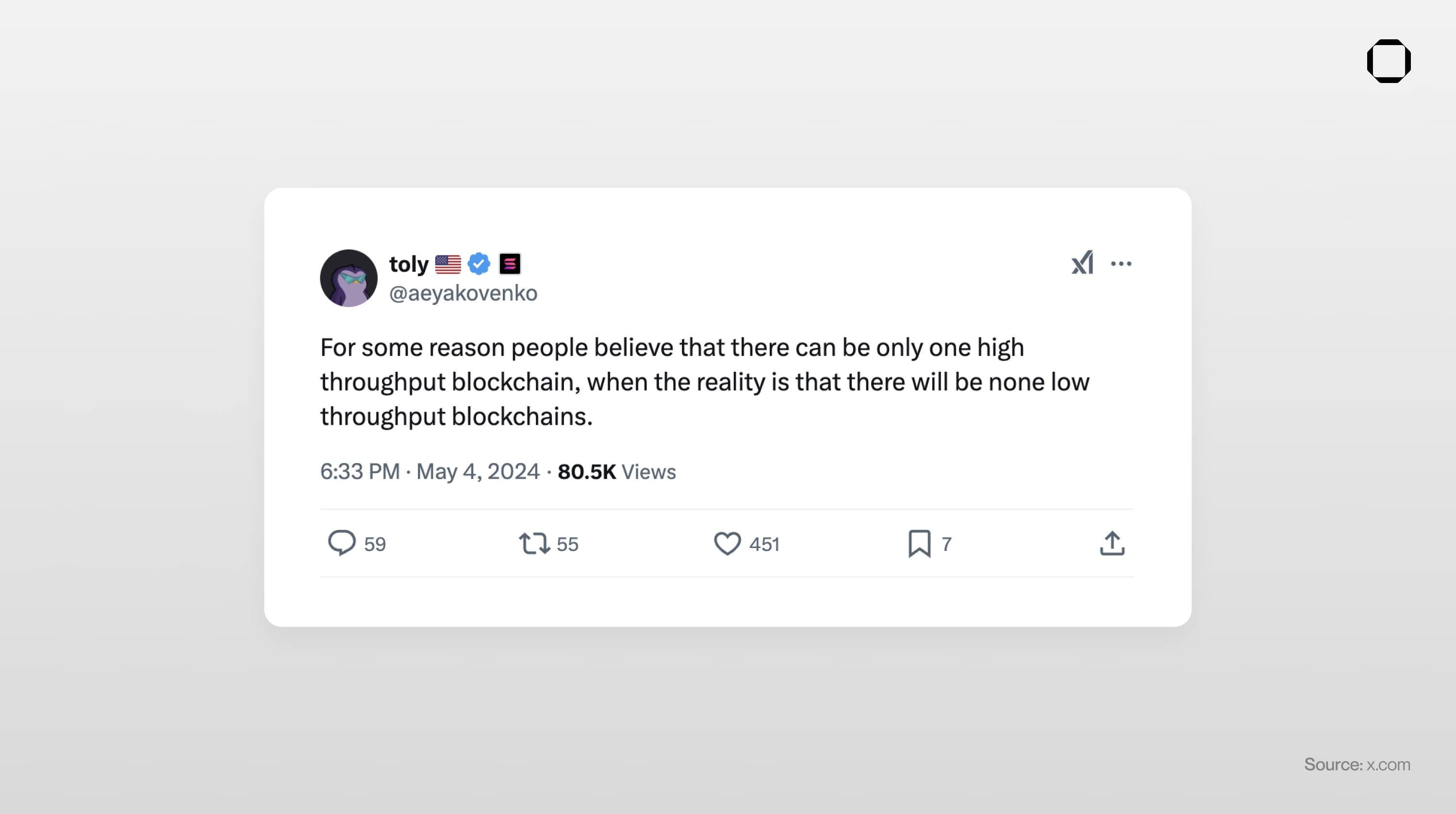
TPS reflects a network’s capacity and efficiency—higher TPS means the ability to handle larger volumes of real-time activity.

Finality refers to the time required for a transaction to be irreversibly confirmed. Fast and secure finality in payment systems is crucial to ensure irrevocability and prevent double-spending. If a blockchain cannot prevent double-spending, its value as a ledger collapses. Finality also gives users confidence that their transactions are settled and usable in financial agreements.
Solana and Base achieve finality through different mechanisms:
-
Solana offers two levels of commitment (finality states): confirmation and finalization. Confirmed transactions achieve supermajority (66% stake-weighted) consensus within 800 milliseconds, while finalized transactions require an additional 31 confirmations (~13 seconds) for maximum security. In practice, no optimistically confirmed block has ever been rolled back during Solana’s four-year existence.
-
Base takes a different approach via Coinbase-operated sequencers, offering near-instant pre-confirmations with a 2-second block time. These pre-confirmations rely on Coinbase’s reputation rather than economic incentives. True finality takes about 15 minutes as transactions settle on Ethereum. The centralized sequencer design enables rapid iteration, fast confirmations, and reduced toxic MEV, but introduces risks of censorship and single points of failure.
Low/Predictable Fees
Low and predictable fees are essential for any payment use case, allowing businesses and users to estimate transaction costs without significant volatility.
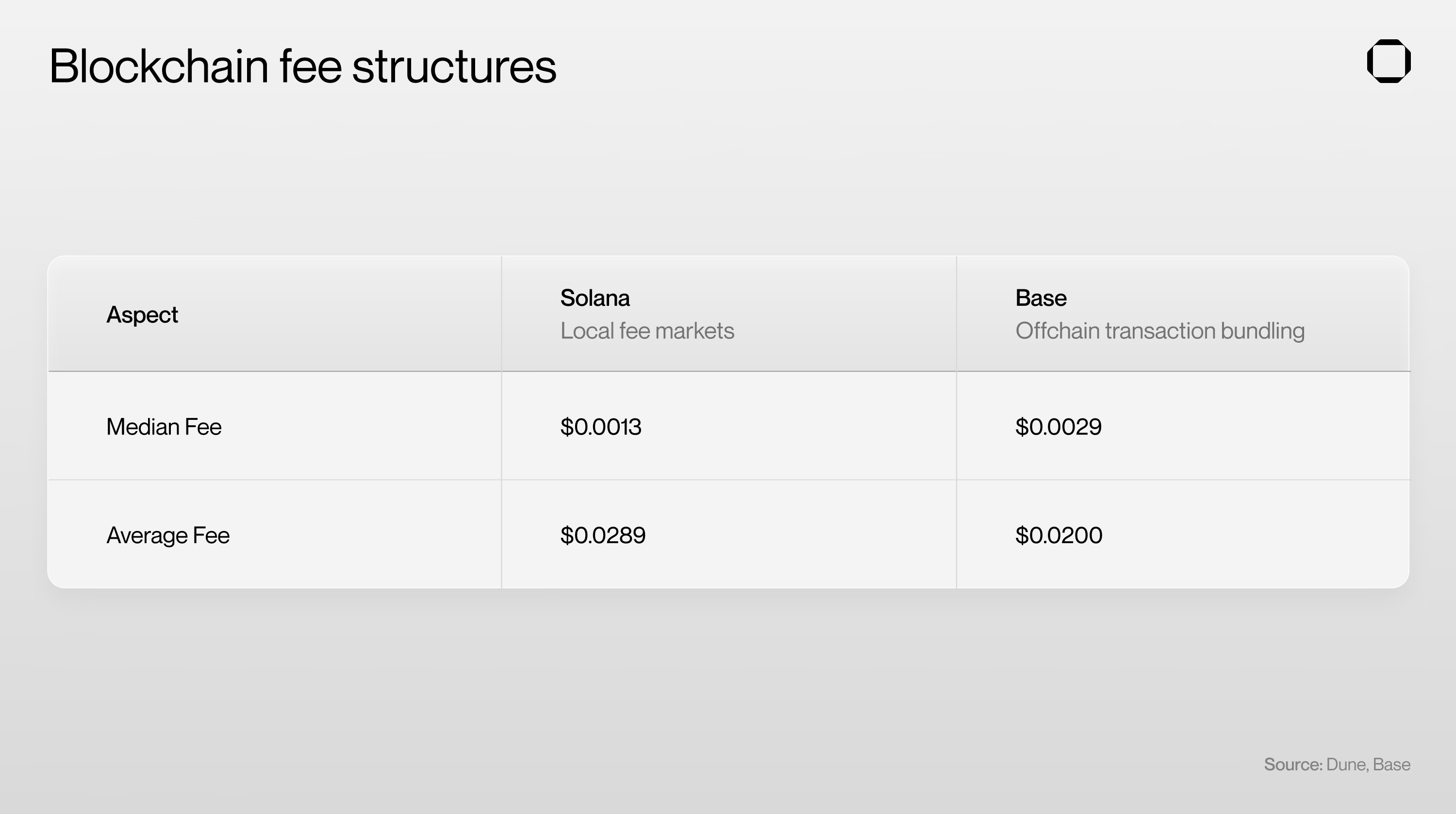
A key component of Solana’s payment capability is its local fee market, which partitions database hotspots—unlike Ethereum L1/L2s. Combined with Jito’s transaction batching engine, this makes transactions on Solana cheap and predictable for average users, a critical requirement for stablecoin payment applications. Solana’s native parallelization further increases throughput by executing multiple transactions simultaneously rather than sequentially.
Additionally, don’t forget Firedancer. Developed by Jump Crypto, Firedancer is an independent Solana validator client that achieved 1 million TPS in test environments and is expected to roll out incrementally this year.
In contrast, Base runs on a single-threaded EVM (Ethereum Virtual Machine), improving performance through software optimization and hardware scaling. Its performance is steadily increasing, with a commitment to raise Base’s block capacity by 1 Mgas/s weekly throughout 2025.
Moreover, Base batches sequencer transactions off-chain before finalizing them on Ethereum. This decouples user fees from Ethereum congestion—despite consuming over 40% of Ethereum’s blob space, Base contributes only 8% of fee revenue to Ethereum settlement. This design allows Base to offer users more stable and predictable transaction fees while reducing load on Ethereum’s mainnet.
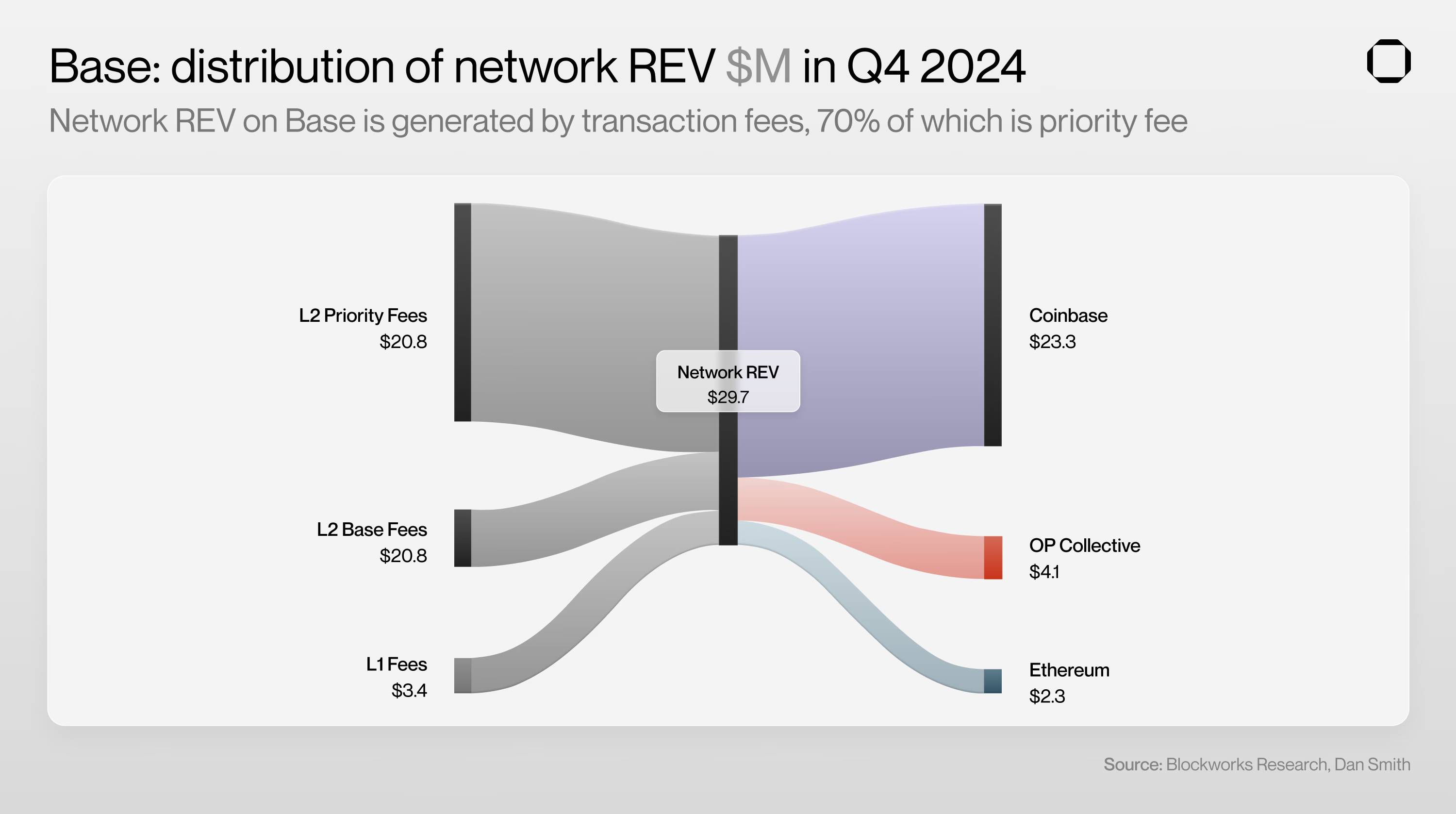
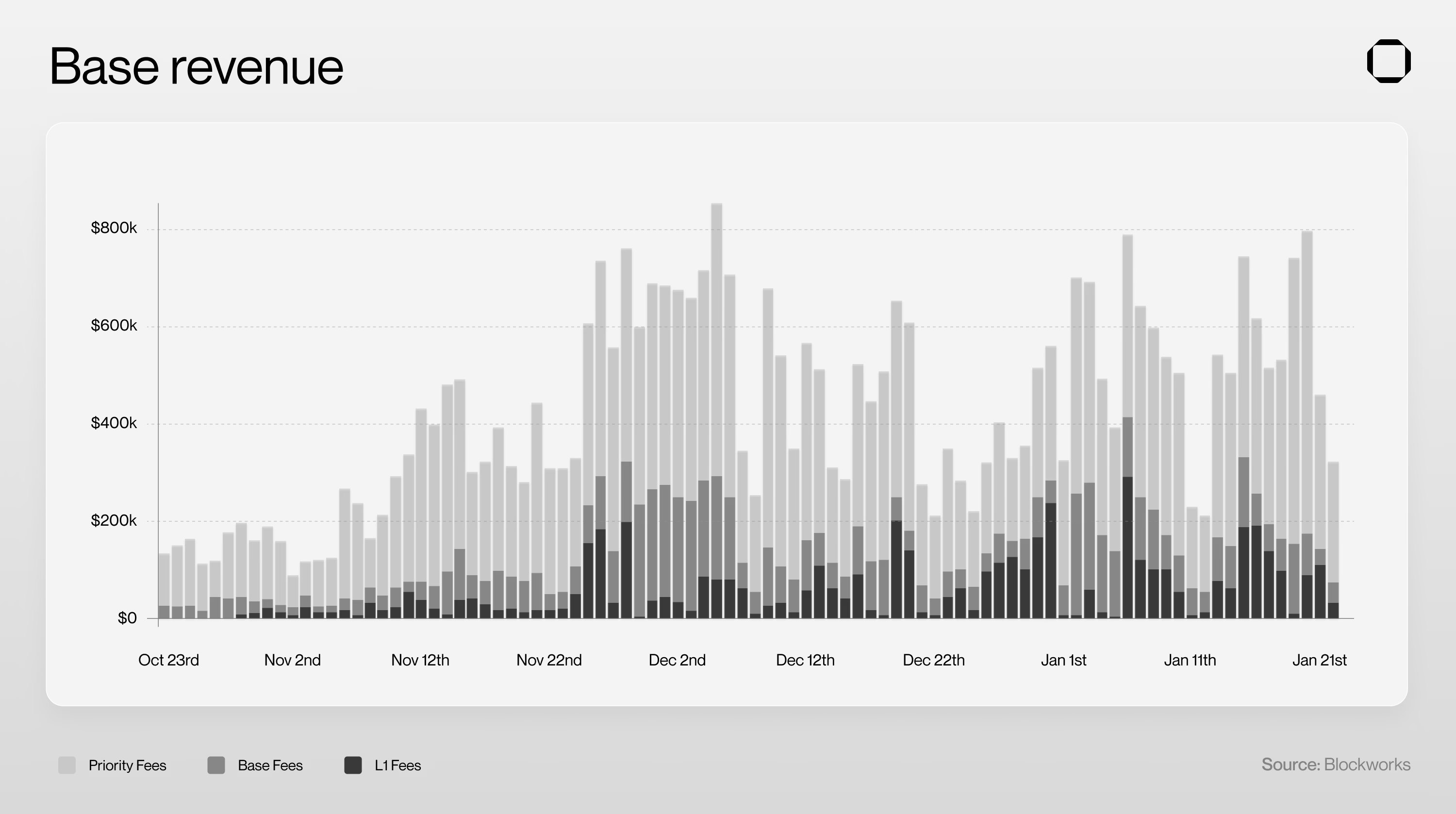
Another key difference between Solana and Base lies in who benefits from fees. On Solana, fees go to a decentralized set of validators; on Base, fees flow directly to Coinbase. In 2024 alone, Coinbase generated at least $56 million in revenue from sequencer fees.
Solana fosters a diverse ecosystem of companies focused on scaling solutions—from validator client optimizations to ZK state compression. Base lacks such diversity; instead, it leverages Optimism’s OP Stack and relies on Coinbase to define its technical roadmap.
This reduces Base’s innovation surface, but due to significantly lower coordination costs, it can adopt breakthrough technologies faster. Base can implement future upgrades and EVM research (e.g., Monad’s experiments with parallelization and EVM database optimization) more quickly than its decentralized counterparts like Solana.
Market Demand
On-chain payments are only viable if sufficient demand exists for stablecoins as “money.” With both Solana and Base reaching all-time highs in on-chain activity, both chains are well-positioned in the stablecoin payments arena.
A blockchain’s “realized economic value” (REV) is the best indicator of user demand. Daily or monthly active users (DAUs/MAUs) are unreliable metrics for assessing blockchain usage because they are easily manipulated. In contrast, inflating REV is significantly harder and economically unfeasible. High REV—not DAUs/MAUs—signals to enterprises and developers that a blockchain is a robust commercial platform, triggering a powerful flywheel effect.
Solana
As of January 23, 2025, Solana leads all blockchains in REV, generating $751 million in revenue during Q4 2024 alone.
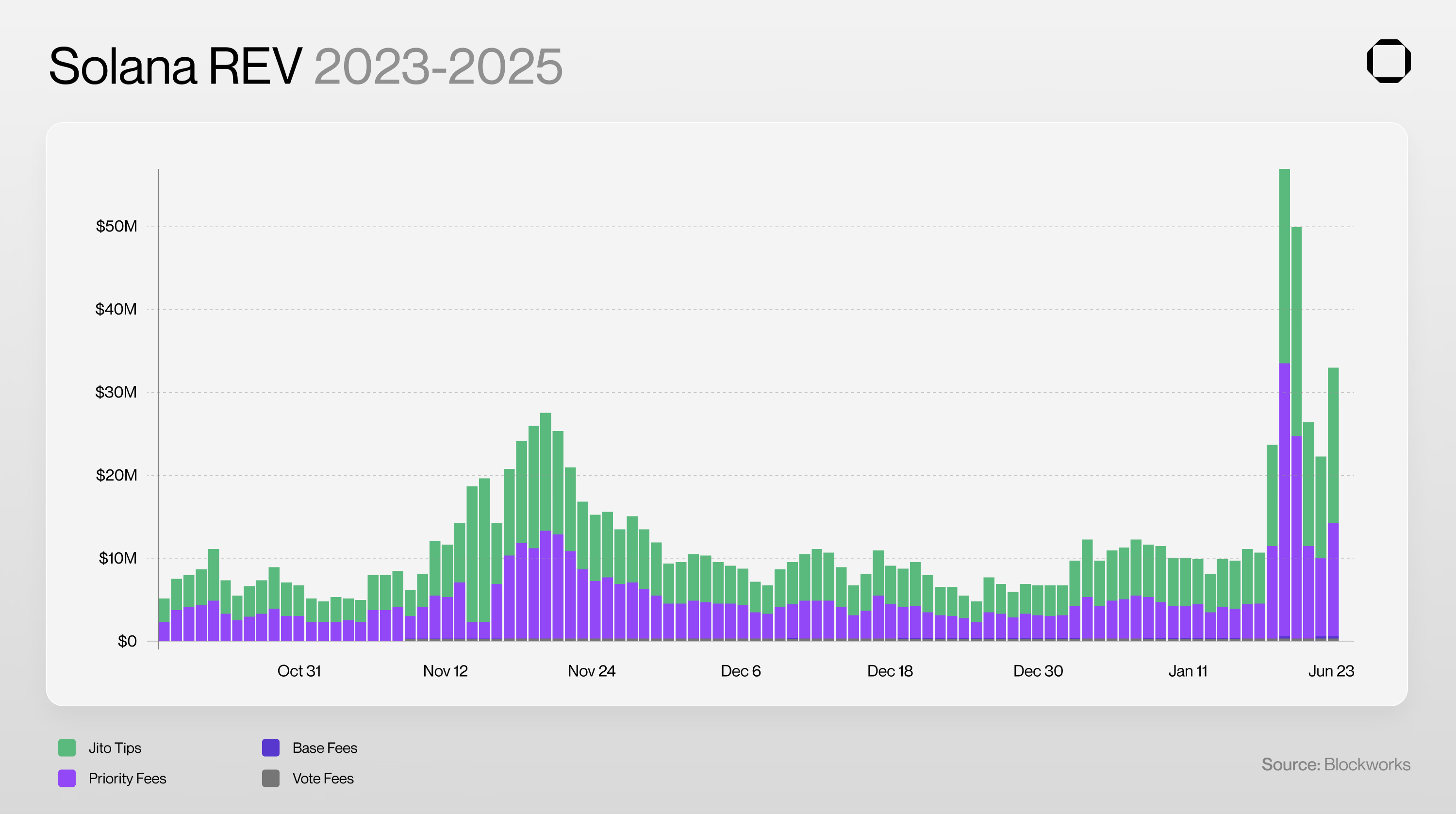
Solana’s dominance stems from its relatively simple onboarding process, low fees, and strong DeFi application ecosystem—including Jito, Jupiter, Kamino, Drift, Moonshot, and pump.fun. Notably, pump.fun has attracted massive transaction volume and new users since launching in March 2024, generating over $450 million in fees. This clearly demonstrates that Solana is a platform capable of supporting viable business models.

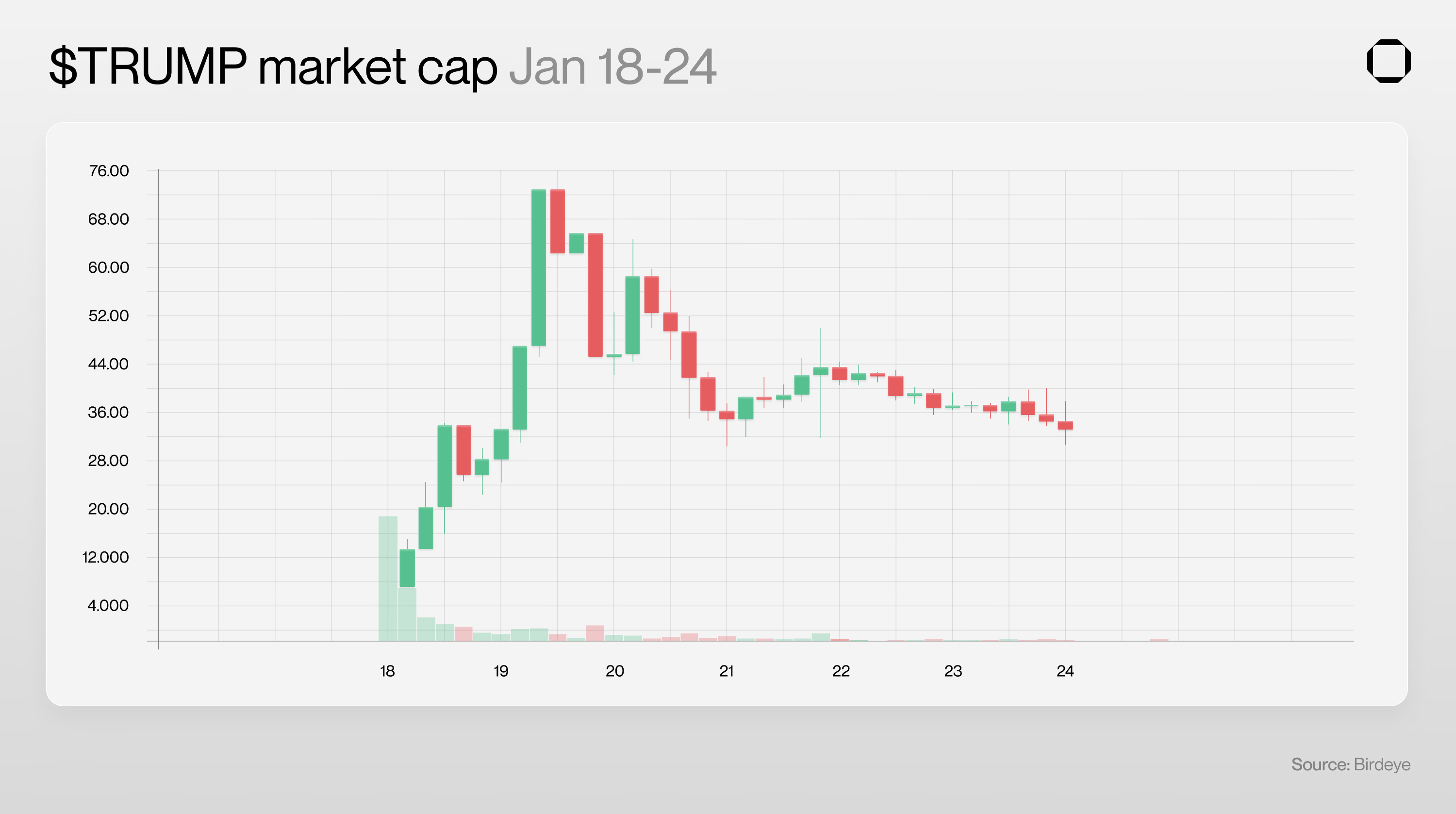
Regarding onboarding, on January 18, 2025, President Trump launched his official meme coin $TRUMP on Solana, generating over $7 billion in on-chain trading volume within 24 hours. By January 19, 2025, Solana’s daily REV exceeded $56 million, and Moonshot—a platform allowing users to buy crypto with Apple Pay—became the top financial app on the U.S. App Store.
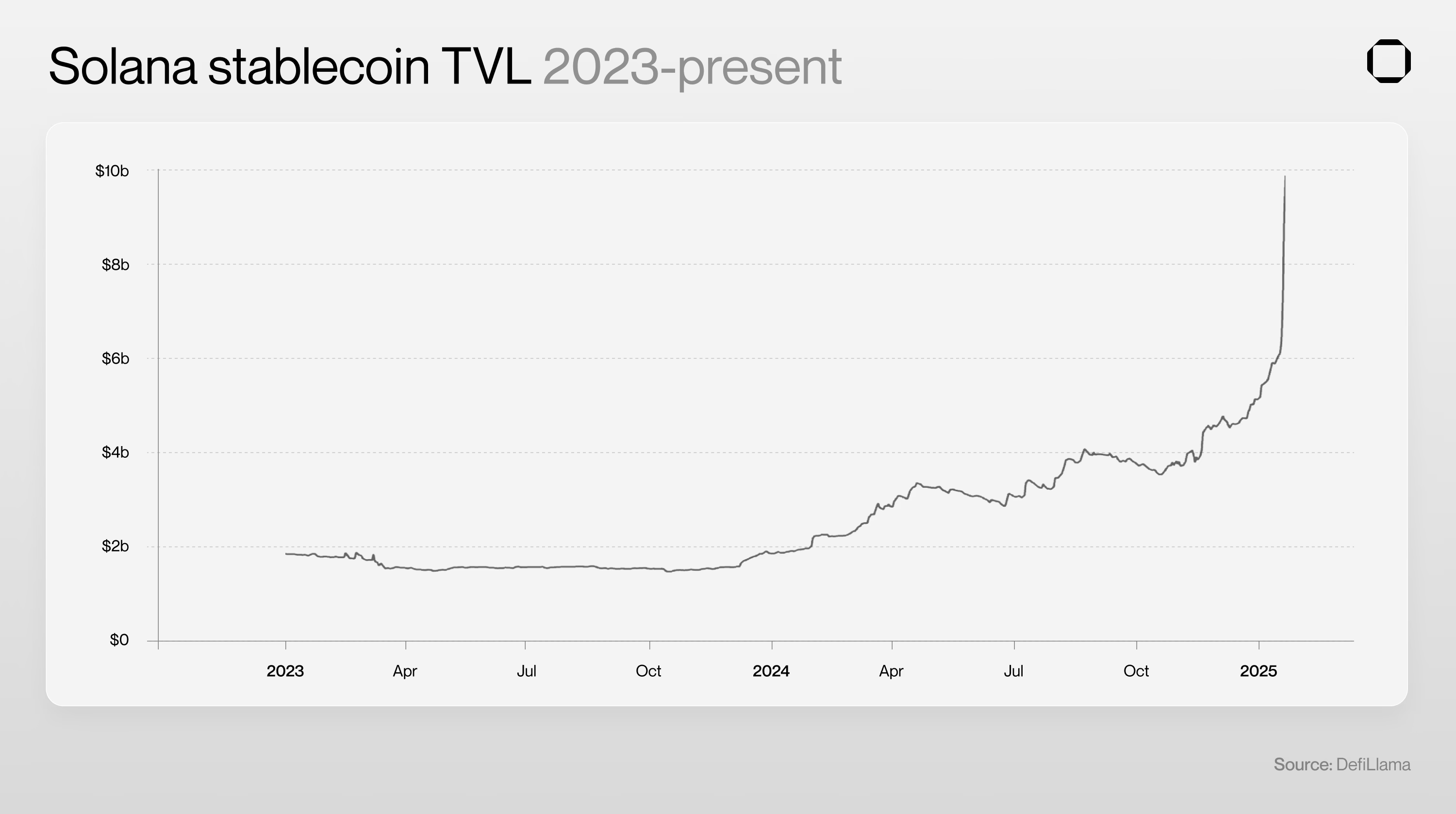
Other key indicators include stablecoin availability and the number of stablecoin payment applications under development. As of January 2025, Solana’s stablecoin TVL reached a record $10.7 billion. Between January 15 and 21, 2025, over $3 billion in stablecoins were minted on Solana alone—indicating substantial growth potential for stablecoin payment use cases.
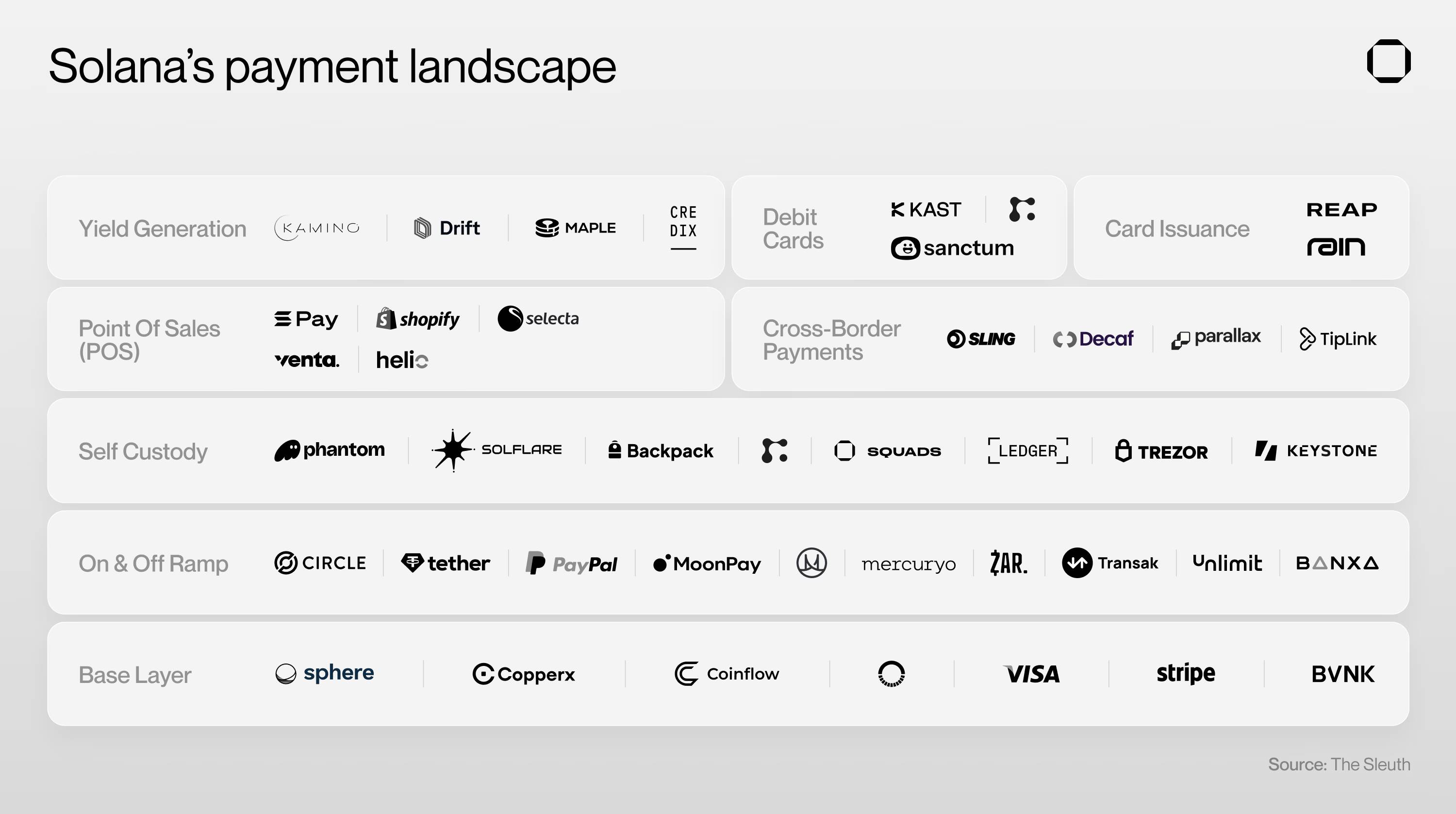
Consequently, numerous stablecoin payment verticals are already being developed on Solana, including cross-border payments, point-of-sale transactions, debit cards, yield generation, and more.
Base
Although Base’s total value locked (TVL) remains far below Ethereum and Solana, it stands out in terms of realized economic value (REV) and stablecoin growth.
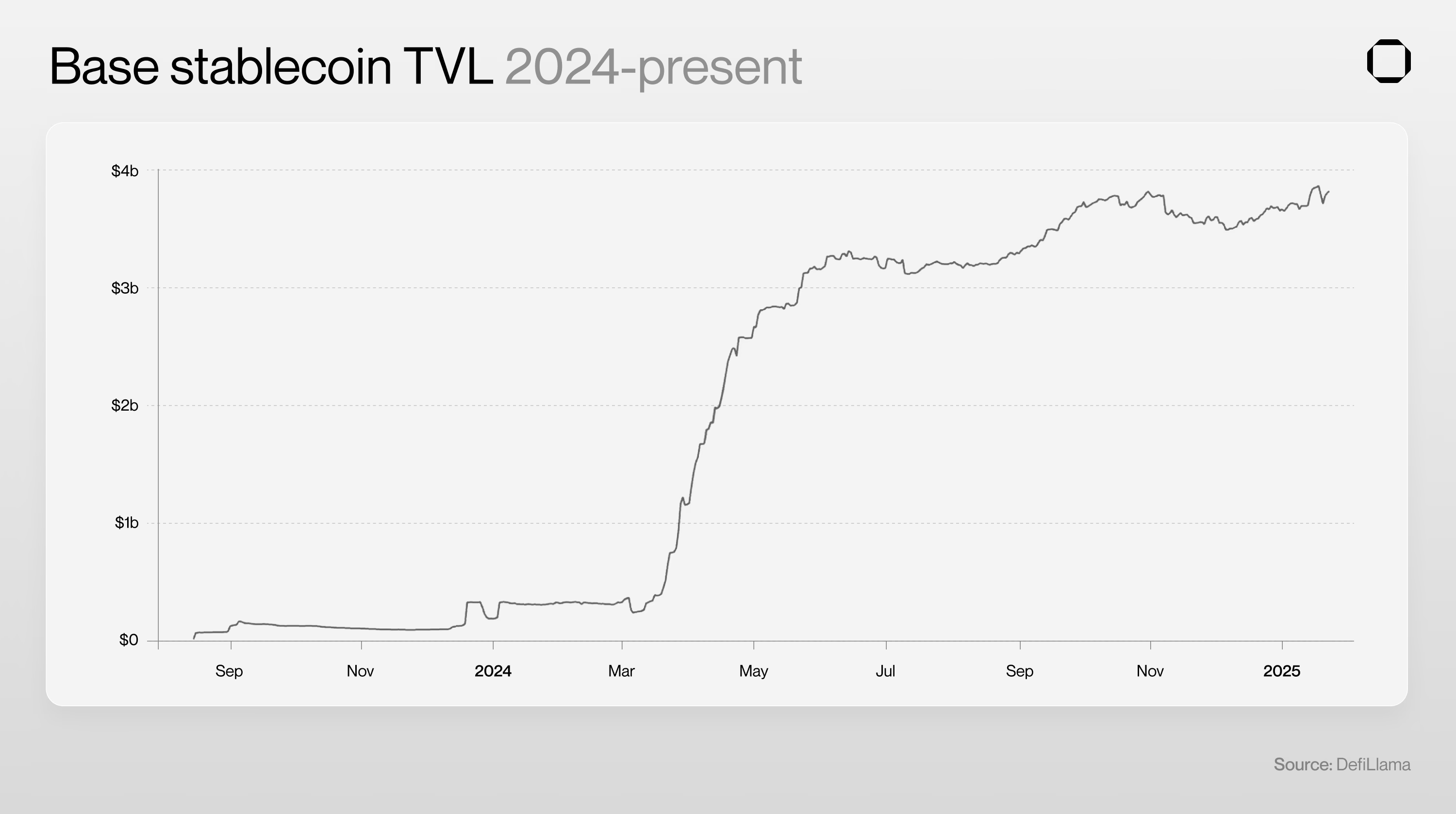
Today, Base is the world’s most widely used L2 network, with Coinbase increasingly storing user deposits directly on-chain—an important milestone in the history of on-chain economies.
Base users are unique, as most are likely funneled directly from Coinbase (the largest U.S. centralized exchange). With Coinbase holding 45% of the U.S. market share, many Base users are likely based in North America—a metric of particular significance for U.S.-based enterprises seeking to integrate on-chain payments.
A key factor behind Base’s success is its unique partnership with Circle. USDC was co-launched in 2018 by Circle and Coinbase, becoming the first stablecoin backed by a centralized exchange. Furthermore, Coinbase initially served as a key member of the Circle Consortium (now dissolved), responsible for holding the dollar reserves backing USDC. As a subsidiary of Coinbase, Base provides developers and users with unparalleled advantages, such as free gas allowances for apps, gas fee discounts when paying with USDC, and zero-cost USDC bridging.
Unsurprisingly, new native stablecoin payment applications have emerged on Base, including Peanut, LlamaPay, Superfluid, and Acctual. However, Base’s overall stablecoin payment ecosystem remains significantly smaller than Solana’s—though notably, Base’s ecosystem is still in its early stages.
Regulatory Clarity
From a regulatory perspective, both Solana and Base are currently in favorable positions, and the incoming Trump administration may further enhance regulatory clarity.
Unlike other blockchains, Base has no native token and has therefore not faced regulatory investigations. However, Coinbase itself has not been so lucky, remaining embroiled in litigation with the SEC.
Furthermore, Base’s design limits its neutrality amid changing regulations. Under its current architecture, Base can unilaterally impose geo-fencing, require KYC data for on-chain operations, blacklist tokens or applications, freeze wallets, or mandate verification through Coinbase to operate on its blockchain. Coinbase’s attestation functionality is already live, providing the necessary tools to enforce these rules. In contrast, Solana operates through over 1,000 validators, ensuring regulatory compliance is not managed by a centralized entity but enforced through frontends or token extensions.
Regulatory challenges for stablecoins and on-chain payments are not insurmountable. Adoption of blockchain technology by banks (such as Société Générale and Deutsche Bank) or companies (including Visa, Stripe, Venmo, PayPal, Robinhood, Nubank, and Revolut) suggests that the benefits may outweigh temporary risks.
Conclusion
Traditional enterprises and startups looking to integrate stablecoins and on-chain payments cannot ignore the rise of Solana and Base. Solana holds clear advantages in demand, ecosystem diversity, and censorship resistance. Base, meanwhile, excels through its strong U.S. presence, tight integration with Coinbase, USDC subsidies, and rapid pace of development.
The key distinction lies in credible neutrality. We believe Base will play an increasingly important role in onboarding new companies and users—especially in the United States. However, in the long term, Solana will emerge as the dominant platform for stablecoin payments.
Applications enabling borderless money movement will favor Solana’s neutral infrastructure—one built on distributed innovation rather than relying on a centralized sequencer driven by a single incentive structure. Solana offers enterprises and developers a fair and future-proof environment for building innovative stablecoin payment applications.
The race to build the next on-chain payment super app is intensifying—it’s the perfect time to get started.
If you found this research valuable, follow us on 𝕏 for the latest insights and analysis.
Join TechFlow official community to stay tuned
Telegram:https://t.me/TechFlowDaily
X (Twitter):https://x.com/TechFlowPost
X (Twitter) EN:https://x.com/BlockFlow_News
 @SquadsProtocol