









The Rise and Fall of TON: A Folded Narrative of VCs, Exchanges, and Traffic Mania
TechFlow Selected TechFlow Selected
The Rise and Fall of TON: A Folded Narrative of VCs, Exchanges, and Traffic Mania
Speaking of the founder of Yescoin being taken away.
 Navigating Web3 tides with focused insights
Author: Su Yuchen
I. Yescoin and TON's "Karmic Cycle"
Recently, the arrest of Yescoin’s founder by authorities has stirred intense discussion on Twitter. Just a month ago, Zhang Chi was still sharing reflections on his entrepreneurial journey, while hundreds of millions of users last year played this Telegram tap-based mini-game.
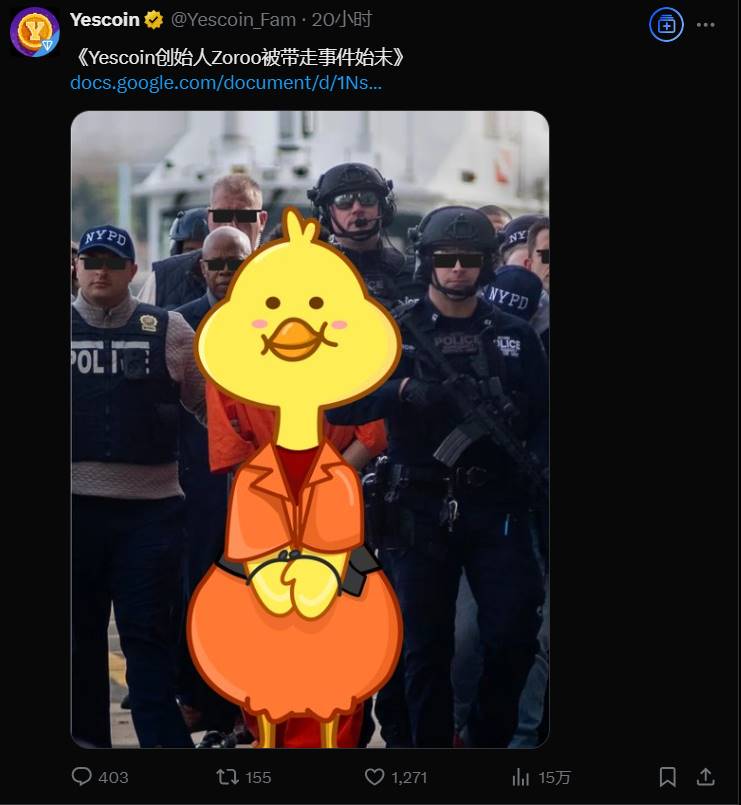
Out of curiosity, I looked into details disclosed in related posts—mentioning “missing the best token launch opportunity in May 2024”—which reminded me instantly of the mania surrounding the TON ecosystem half a year ago.
Back then, VCs and KOLs loudly proclaimed “TON will become Web3’s WeChat.” Social media overflowed with myths of instant wealth through simple clicks. Exchanges raced to list TON-based projects, retail investors crazily registered multiple Telegram accounts to farm airdrops… Today, Yescoin’s downfall acts like a mirror, reflecting the parabolic arc of TON—from peak euphoria to decline.
II. The Rise: A Trio of VC, Exchanges, and Telegram
1. VC Hype: From Narrative Building to Price Pumping
In 2024, Pantera Capital made a high-profile bet on TON, branding it as the “gateway to Web3 super apps,” igniting market sentiment. At that time, TON’s TVL surged 20-fold within two months to $600 million, outpacing Ethereum in user growth. VCs well understood the logic of “traffic equals valuation”: Telegram’s 1 billion-user base represented an unrivaled “gold mine” no other blockchain could match.

2. Exchange Land Grab: The Harvest Race for Traffic Pools
Exchanges like Binance and OKX quickly caught the scent of opportunity, rushing to list TON ecosystem projects. Mini-games such as Notcoin and Catizen went viral thanks to their “zero barrier + social virality” model. Notcoin surpassed 35 million users; Catizen amassed 20 million followers in just two months, achieving a billion-dollar market cap at launch. The flood of Telegram users into exchanges resembled Web2-era “Pinduoduo-style” viral growth—a perfect story of user acquisition metrics for exchange earnings reports.
3. Telegram’s “Grand Plan”: Payment and Commercial Closure
Telegram founder Durov repeatedly voiced public support for TON, even launching the built-in wallet TON Space, creating a closed loop integrating “messaging + payments + gaming.” Tether issued stablecoins on the TON chain, and official developer incentive programs offered up to $5 million in grants. Every move signaled ambitions to transform Telegram’s social empire into a crypto economy.
It was precisely this three-way collaboration that fueled the golden age of the TON ecosystem.
Early participants who held single accounts for projects like Notcoin or Dogs could earn $30 per account. This wave allowed many cross-border e-commerce operators and Telegram account resellers to make enormous profits—some reportedly earning millions in a single night. Back then, I was deeply shocked: So this is what a TON ecosystem airdrop looks like?
After Binance listed Notcoin and Dogs, the spectacle reached its climax—Binance eventually listed TON itself, pushing the price to a high of $8, followed closely by the launches of star projects like Catizen and Hamster.
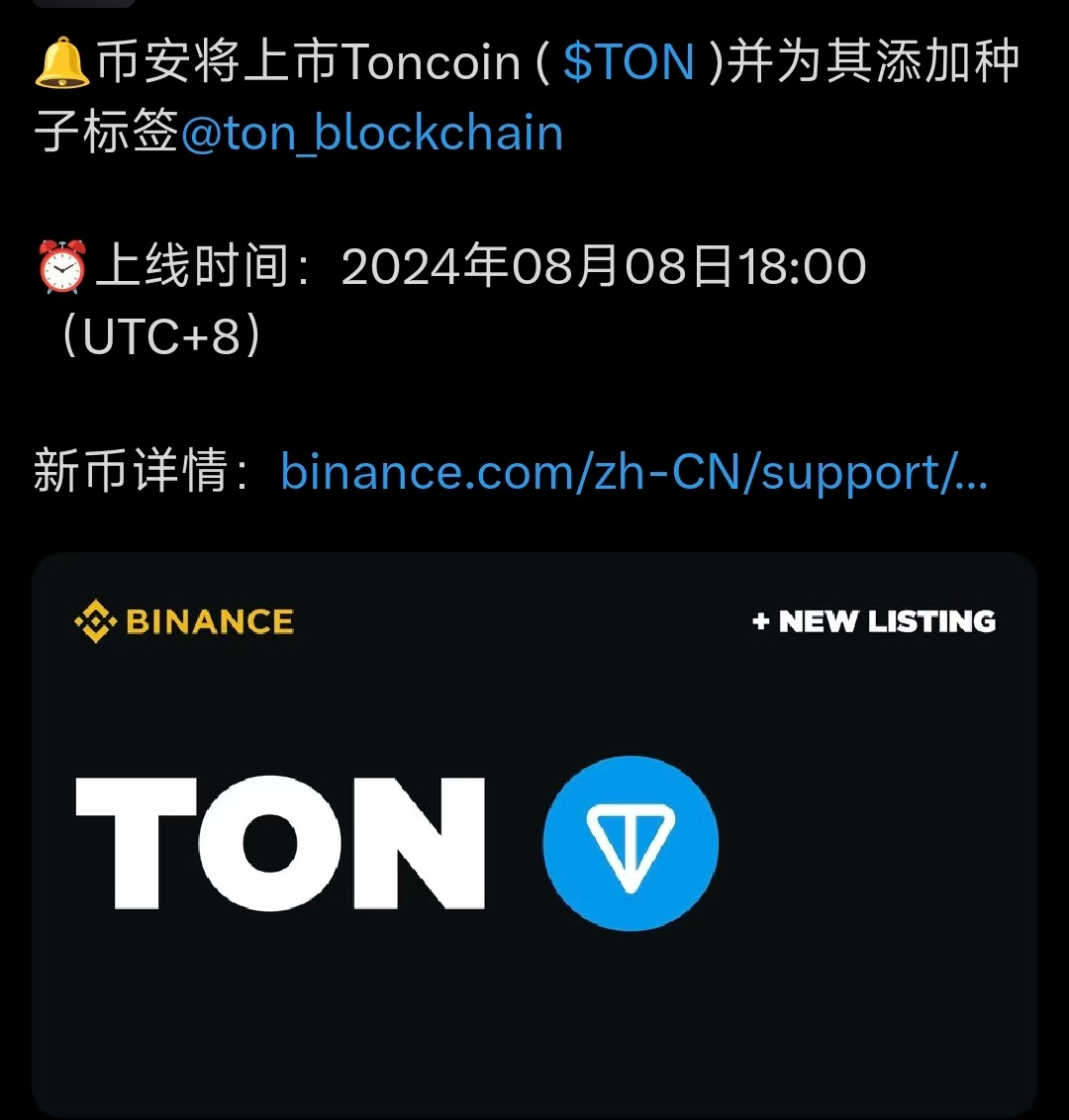 However, as a deep participant in the TON ecosystem, I began noticing an undeniable issue: airdrop value started rapidly eroding after TON’s Binance listing. That moment marked when I began shorting TON ecosystem tokens—an incredibly correct decision in hindsight.
III. The Fall: Value Collapse After Traffic Dries Up
1. User Fatigue: From Mass Frenzy to Empty Promises
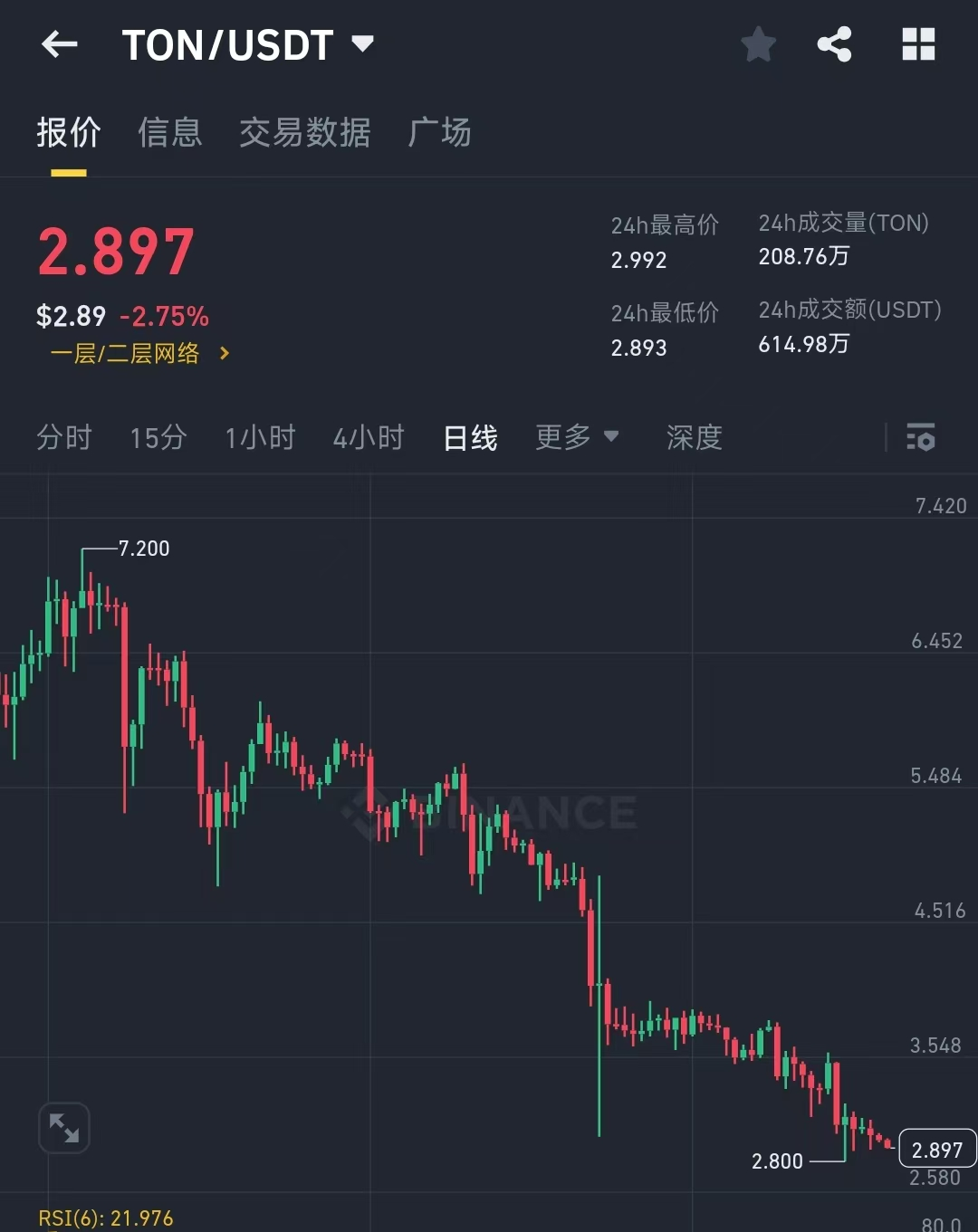
In the later stages of the TON ecosystem, project teams and exchanges jointly promoted a “TON Ecosystem Month,” but gameplay remained unchanged—check-ins, referrals, gas spending. Exchanges gradually woke up: the so-called “1 billion user pool” had less than 1% conversion rate, with most users only interested in farming free rewards. As prices drifted down from a high of $8 to under $3, even the most loyal community members began dumping their holdings.
2. VC and Exchange Exit: Narrative Breakdown and Capital Exit
Early investors like Pantera quietly reduced positions; exchanges drastically cut back on new TON project listings. Analysts who once claimed “TON will surpass WeChat” shifted focus to AI and other emerging narratives. Meanwhile, Telegram had already profited handsomely from ecosystem partnerships and achieved profitability in 2024, leaving retail investors staring at collapsing price charts wondering: where is the promised Web3 WeChat?
The range of TON ecosystem projects expanded from early mini-games like Catizen and Hamster to include more games and DeFi applications—but in reality, they were merely repackaged versions without substantive innovation.
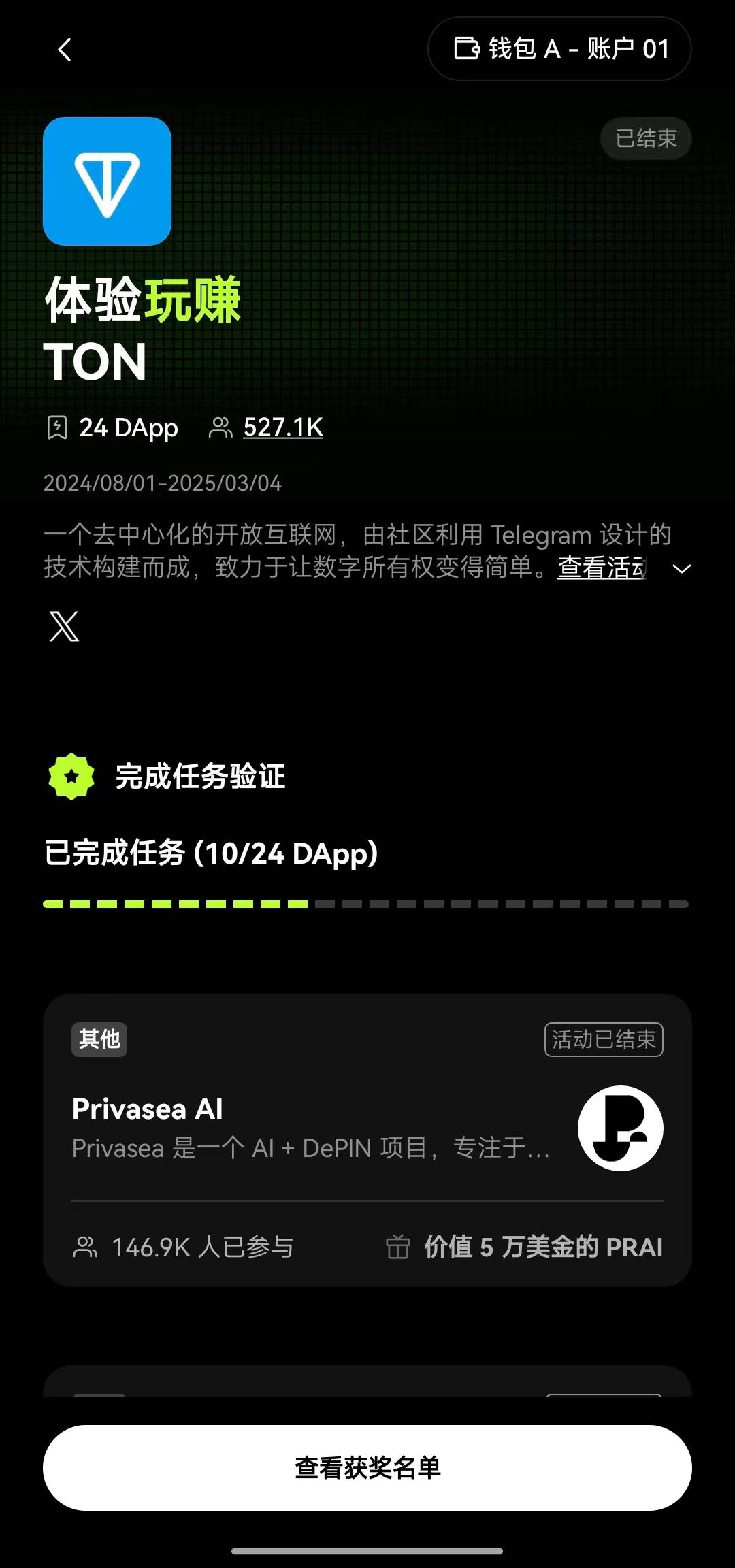
As an eyewitness, I watched TON project valuations plummet from $100 million to $10 million, then down to just millions. After Hamster, Binance stopped listing any further TON ecosystem projects. We saw the feast begin in grand halls, and we saw those halls crumble.
Conclusion: Waking Up, Chasing the Next Wind
At the beginning of the TON ecosystem, I bought 32 TON tokens, hoping to fully experience Telegram’s rise into becoming a Web3 super app—the kind of platform where wallet balances appreciate like gold over time.
But now the dream is over. It has shown us the sharp edge of VC greed, the illusionary magic of exchange-driven traffic, and humanity’s collective madness under the lure of sudden wealth. The TON story isn’t finished yet. Perhaps, as Durov said: “Telegram will always belong to the rebels.”

But the next rebellion shouldn’t be a betrayal of our own rationality. Can you and I detect the wind sooner than VCs, and press the button faster than exchanges?
Join TechFlow official community to stay tuned
Telegram:https://t.me/TechFlowDaily
X (Twitter):https://x.com/TechFlowPost
X (Twitter) EN:https://x.com/BlockFlow_News
 @suyuchen520463






