








One Day 500% Surge: Understanding Tensorplex Labs Backed by Yzi Labs?
TechFlow Selected TechFlow Selected
One Day 500% Surge: Understanding Tensorplex Labs Backed by Yzi Labs?
Tensorplex Labs being invested in by Yzi Labs is just a microcosm of the Bittensor ecosystem gradually gaining market acceptance; "halal" Bittensor typically doesn't attract much attention in the market.
 Navigating Web3 tides with focused insights
Author: BUBBLE, BlockBeats
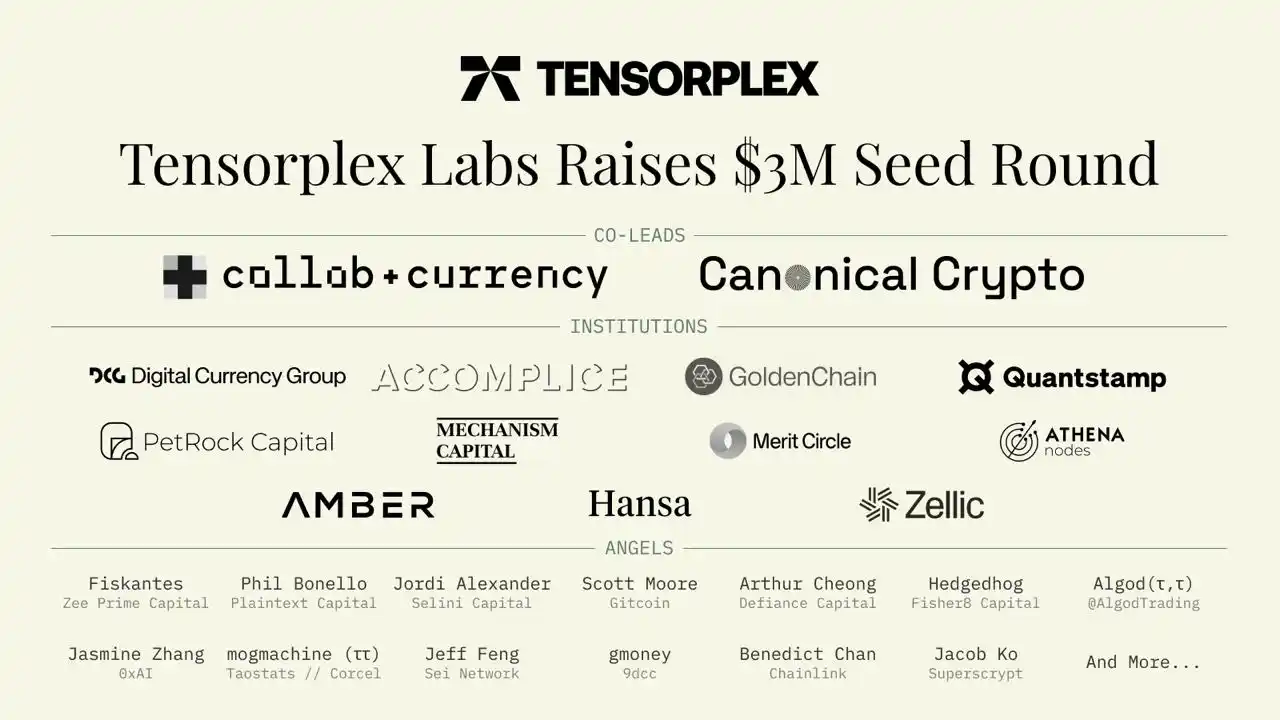
This morning, Yzi Labs announced its investment in Tensorplex Labs, immediately causing the price of Dojo, a Bittensor subnet project by Tensorplex, to surge by 500%. Last year at the same time, the decentralized AI startup Tensorplex Labs secured a $3 million seed round. One year later, Tensorplex Labs has made significant contributions to the Bittensor ecosystem across areas including DeFi, data dashboards, and AI. This article will briefly analyze what the Singapore-based company, founded just two years ago, has done to become a core participant in the Bittensor ecosystem.
DeFi Core of Bittensor
Staking and Lending
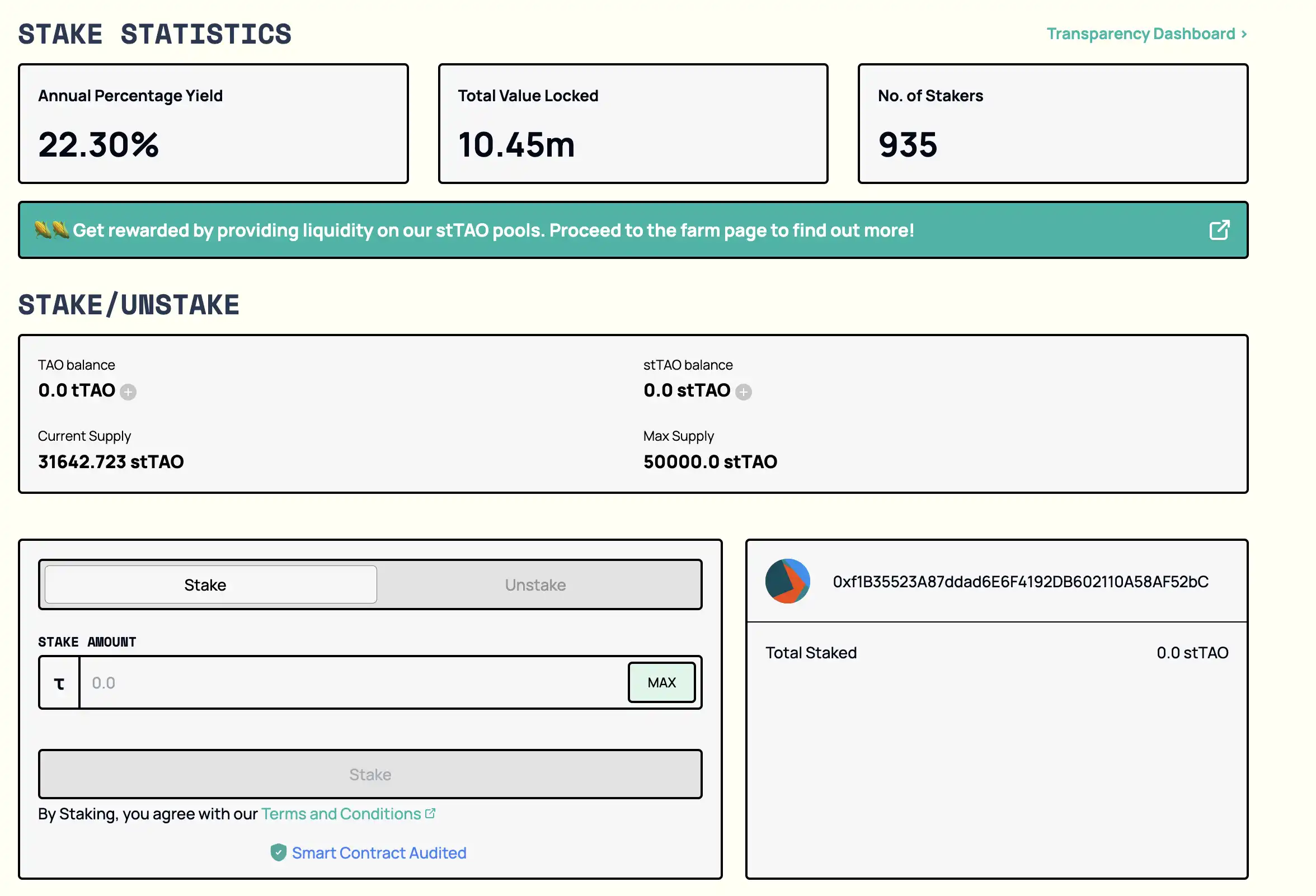
Prior to the launch of dTAO, the Bittensor ecosystem was relatively barren. Tensorplex contributed key DeFi products to the TAO ecosystem, one of which is Tensorplex Stake—a cross-chain staking solution that introduced stTAO, an LSD (Liquid Staking Derivative) ERC-20 token. This allows EVM investors to participate in the TAO ecosystem and earn staking rewards without downloading Substrate-compatible wallets or manually delegating. The staked assets can also be bridged to networks like Bittensor to participate in validator operations. To support this, Tensorplex established a minimal-trust bridge between Substrate and EVM. Additionally, it incubated lending protocols such as TaoBank, enabling users to take out interest-free loans using staked TAO as collateral. At its peak, staking TVL exceeded $30 million, making Tensorplex one of the largest validators on TAO.
Exchange + Data Dashboard: Backprop
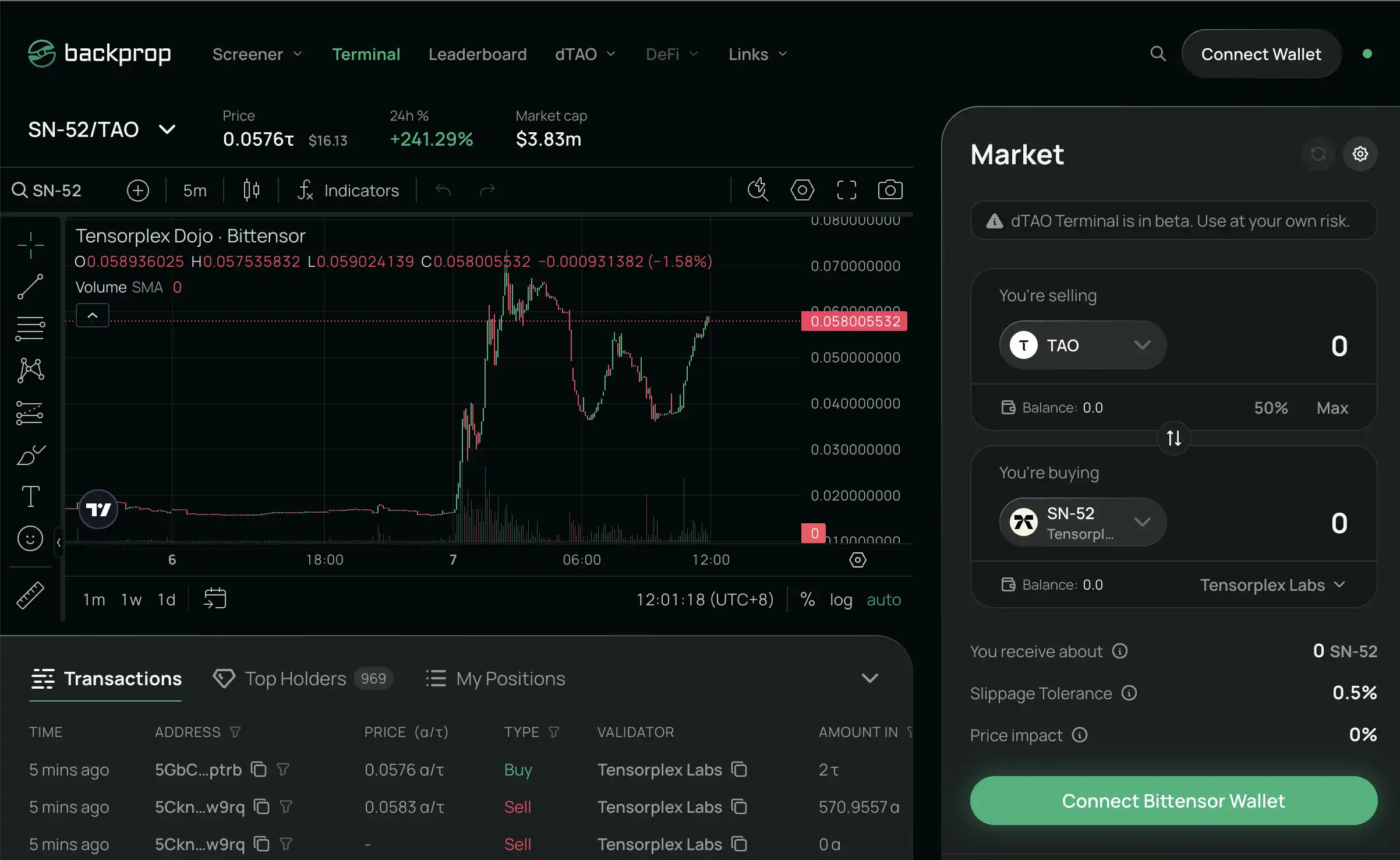
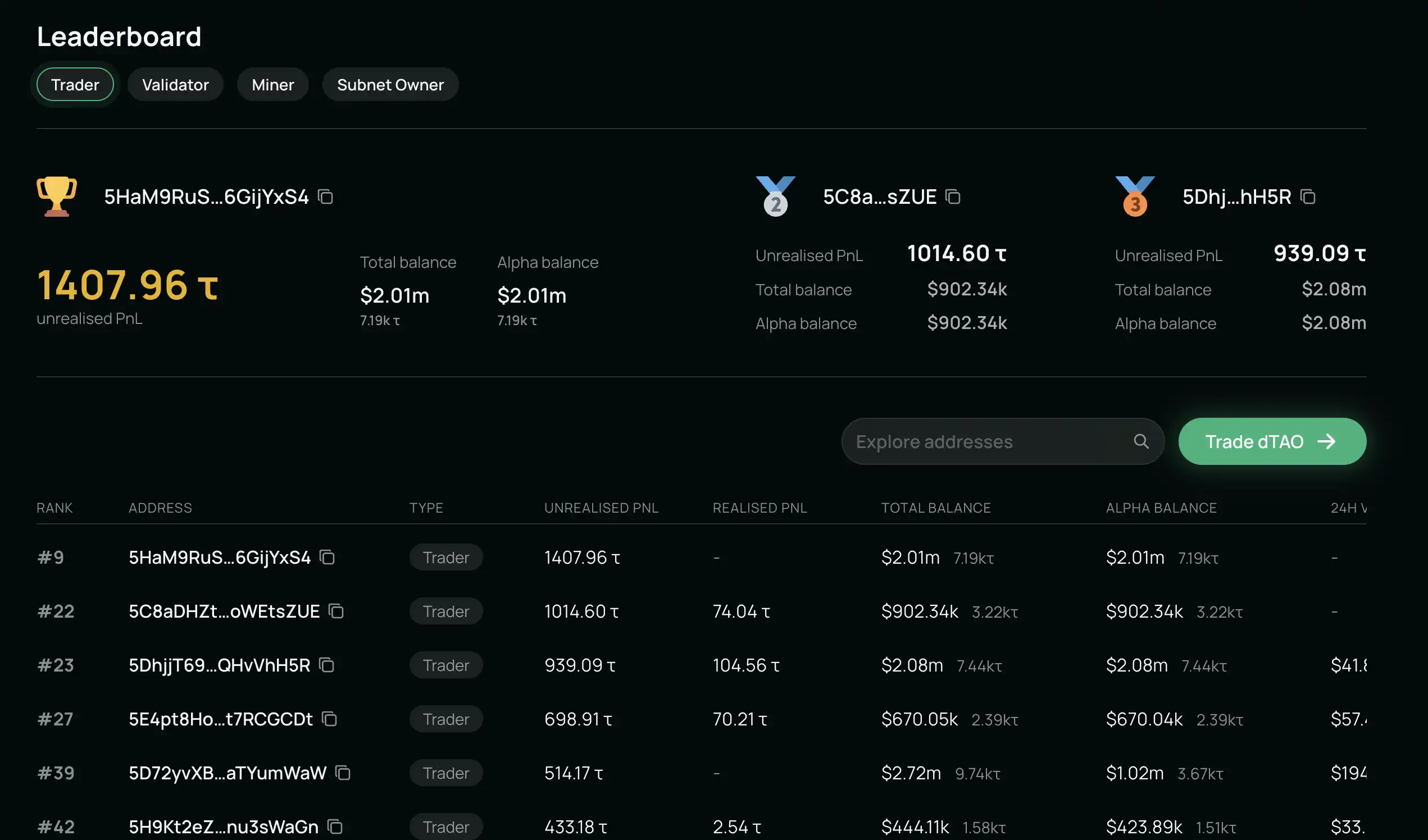
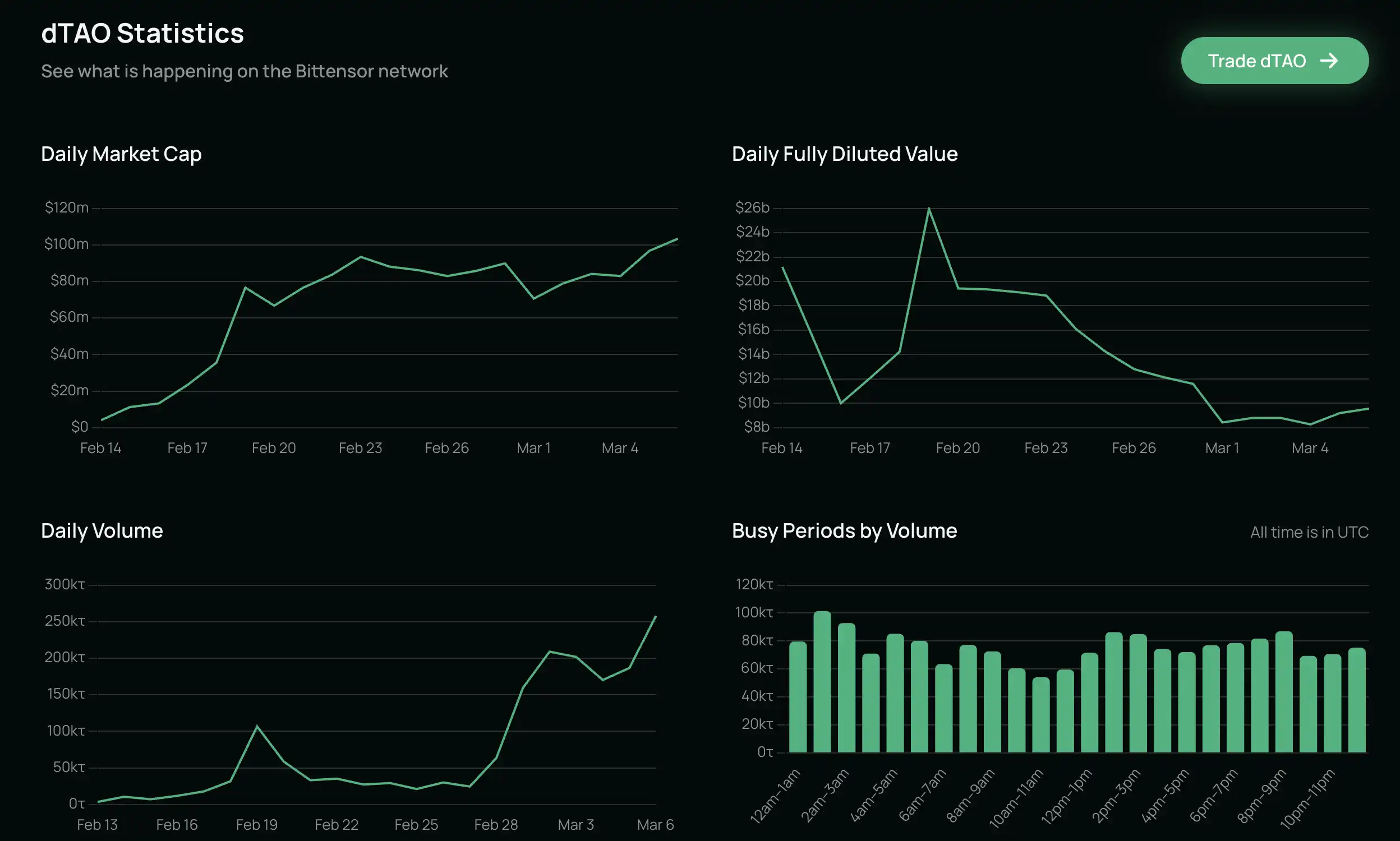
Last month, alongside the official launch of dTAO, @BackpropFinance officially went live. At this moment, as one of only three DEXs where dTAO can be traded (alongside hotkeyswap and taostats), Backprop not only enables trading of various Alpha subnets but also provides a comprehensive data dashboard integrating trading interfaces, address analytics, on-chain data queries, and market analysis into a single product. With its familiar UI and robust data tools, Backprop significantly lowers the barrier for new users entering the TAO ecosystem, making it currently the most popular DEX in the Bittensor ecosystem.
AI Ecosystem Development
LLM
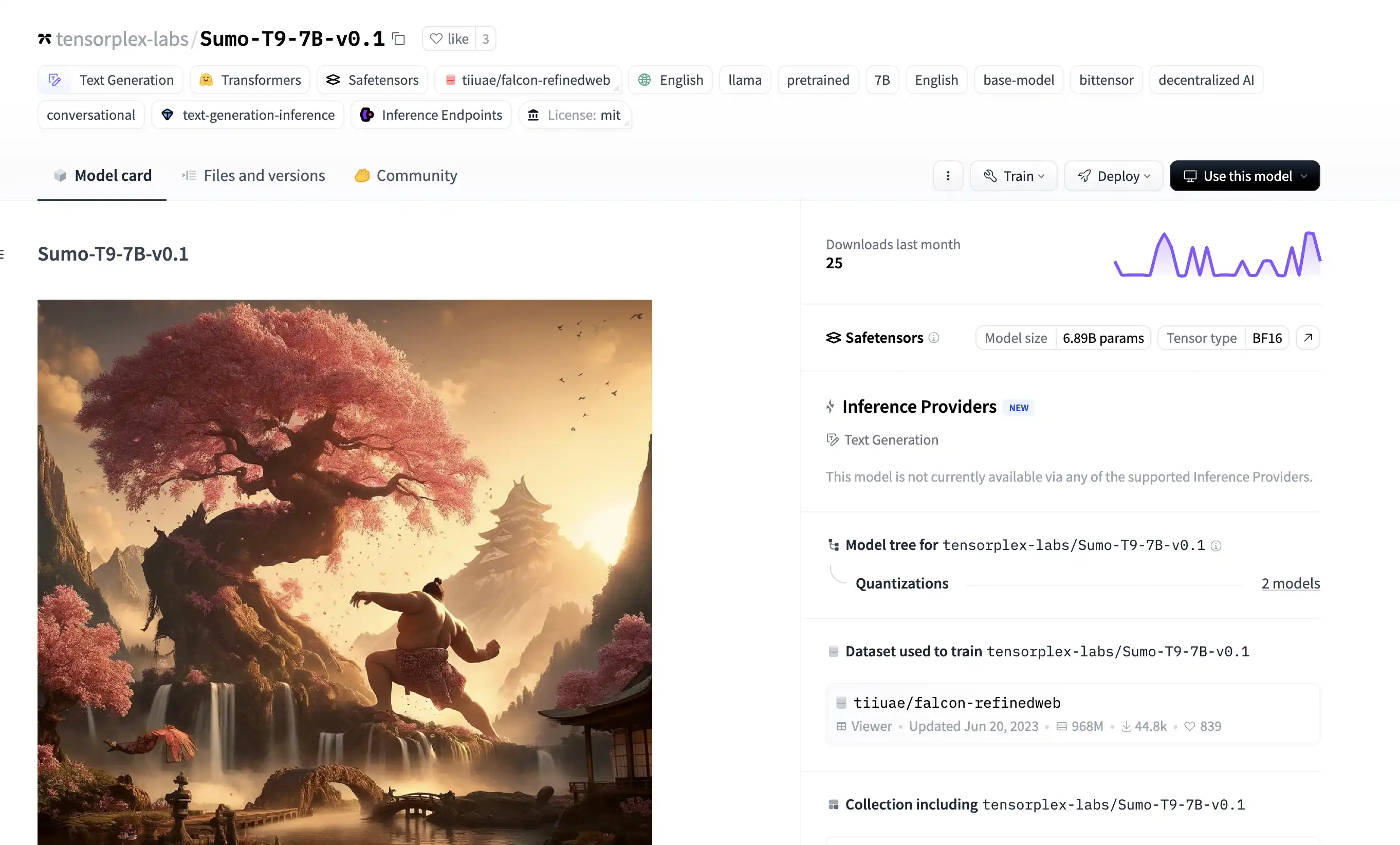
Tensorplex has conducted multiple experiments in large language models. In the decentralized LLM pre-training competition on @MacrocosmosAI (Subnet 19), it created a model that outperformed all other open-source counterparts. Running validators across over 60 Bittensor subnets, as well as on AI chains like @flock_io and @AlloraNetwork, Tensorplex released its top-tier model Sumo on Bittensor Subnet 9 starting in 2023. In April 2024, after increasing the parameter cap to 7 billion, Sumo-T9-7B surpassed well-known models such as Falcon 7B and Llama 2 7B in performance.
Tensorplex Stream
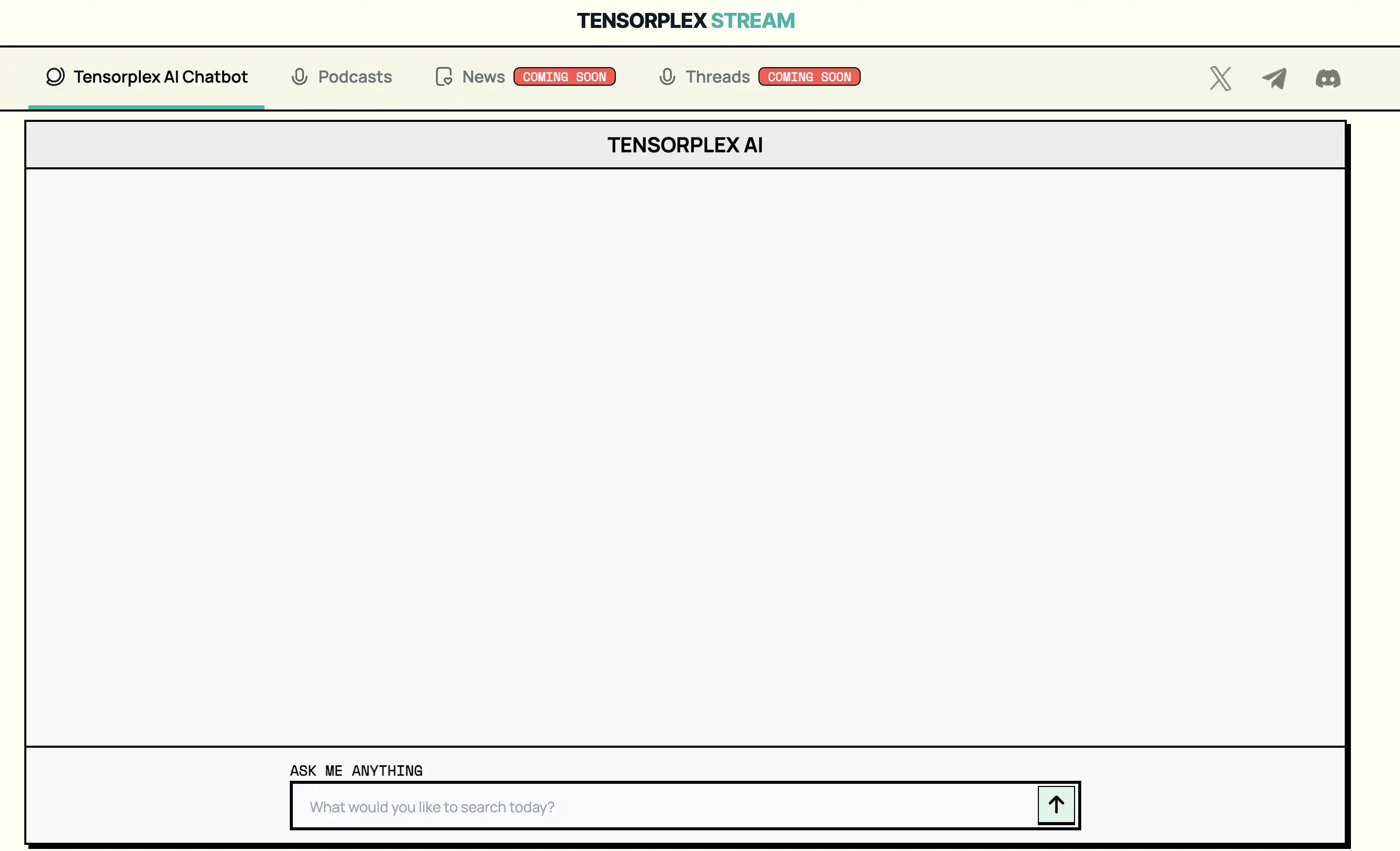
Tensorplex has also experimented in the Agent space. Together with @Corcel_X (Subnet 18), they built the first Web3 RAG chatbot—“Tensorplex Stream.” This bot trains an AI agent using transcripts from cryptocurrency podcasts, creating an agent that aggregates and summarizes the latest crypto news. Beyond the chatbot, they have since developed Podcasts, allowing the AI to “speak” the information it collects. Leveraging RAG’s advantages to gather real-time insights in the fast-moving crypto market has since been widely adopted.
Dojo Subnet
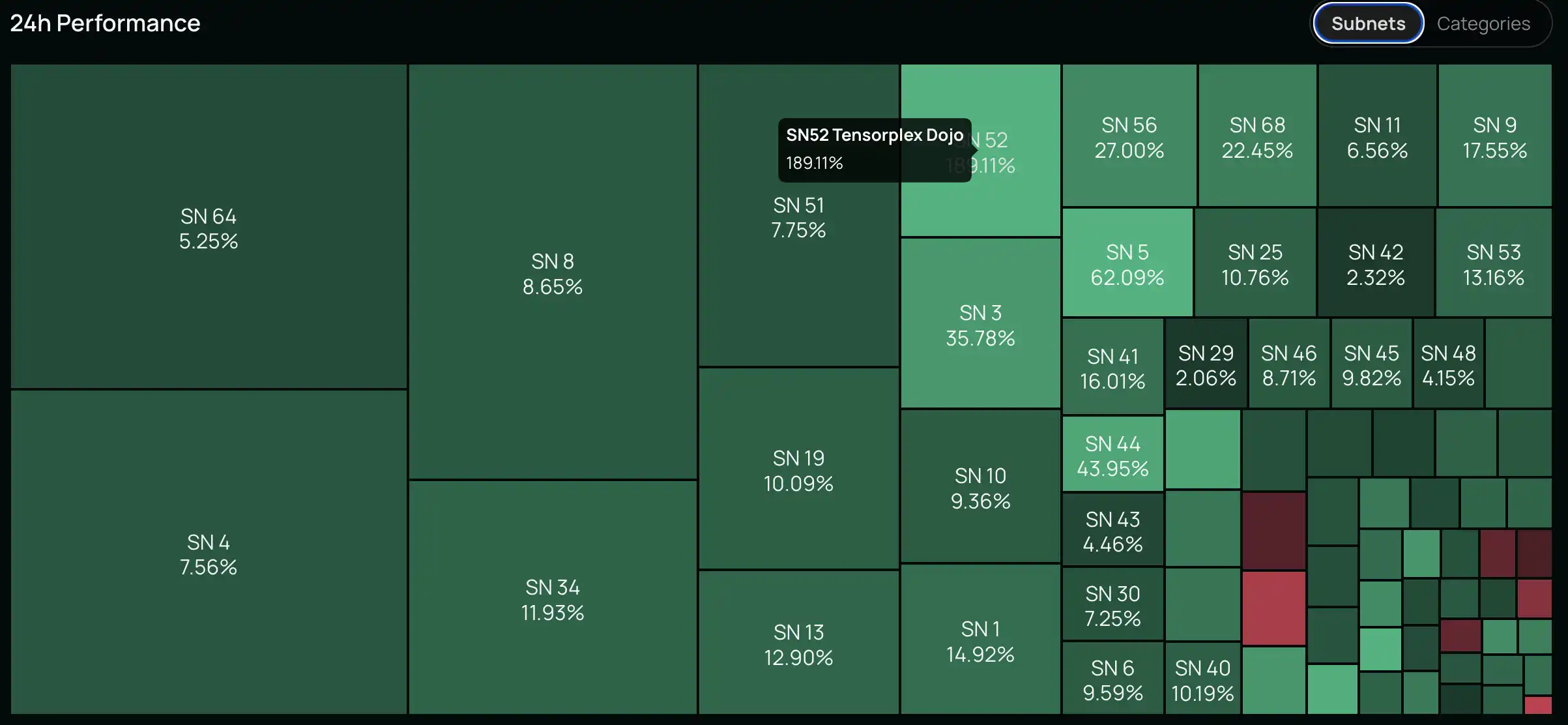
Dojo Subnet has become the brightest star among dTAO subnets over the past 24 hours, surging 500% following Yzi Labs’ announcement of investment in Tensorplex Labs. Dojo is more than just a data collection platform—it's a comprehensive ecosystem incorporating humans as third-party observers, allowing human intelligence to directly influence AI development, training, and agent operations both on-chain and in the real world.
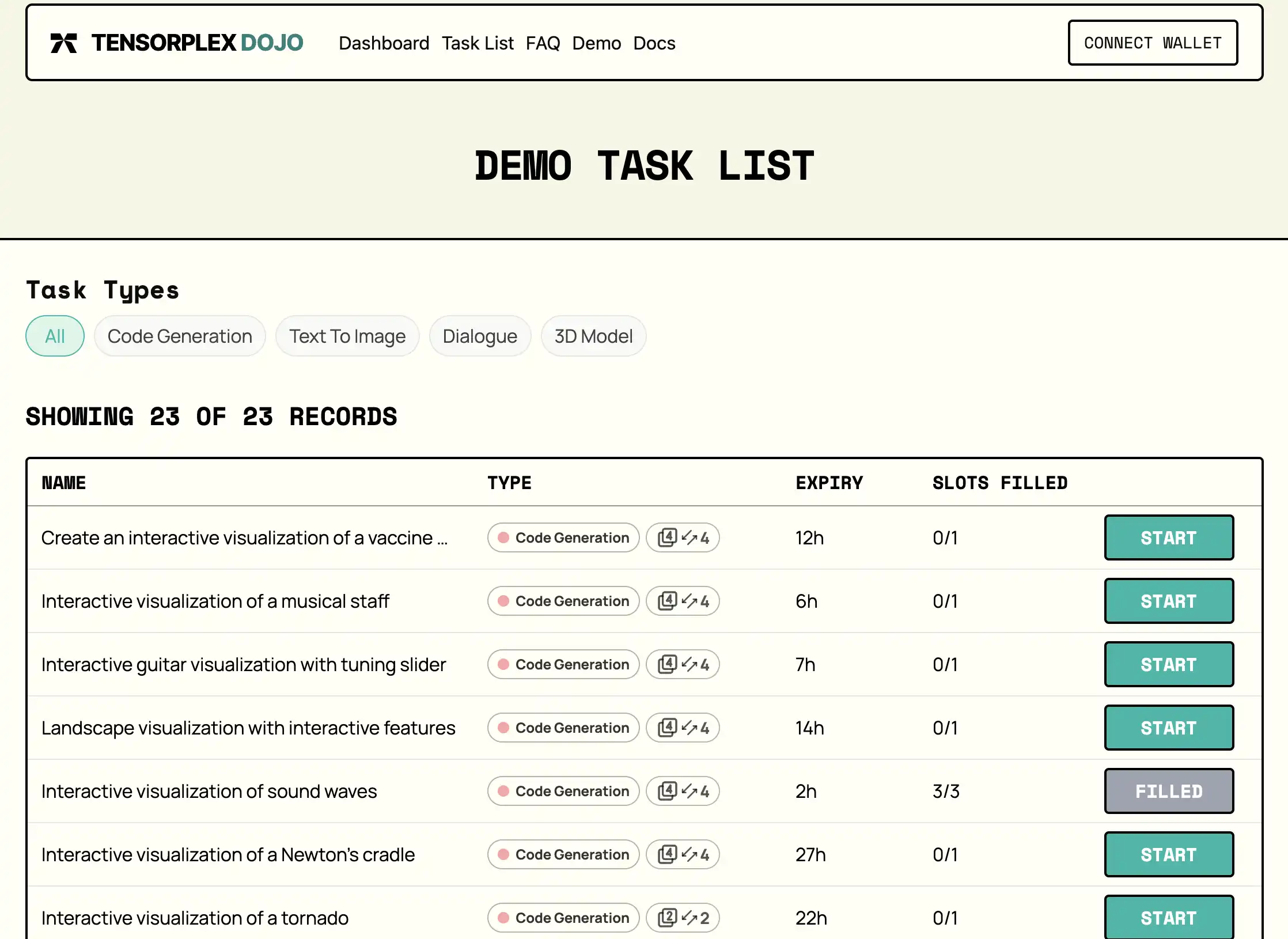
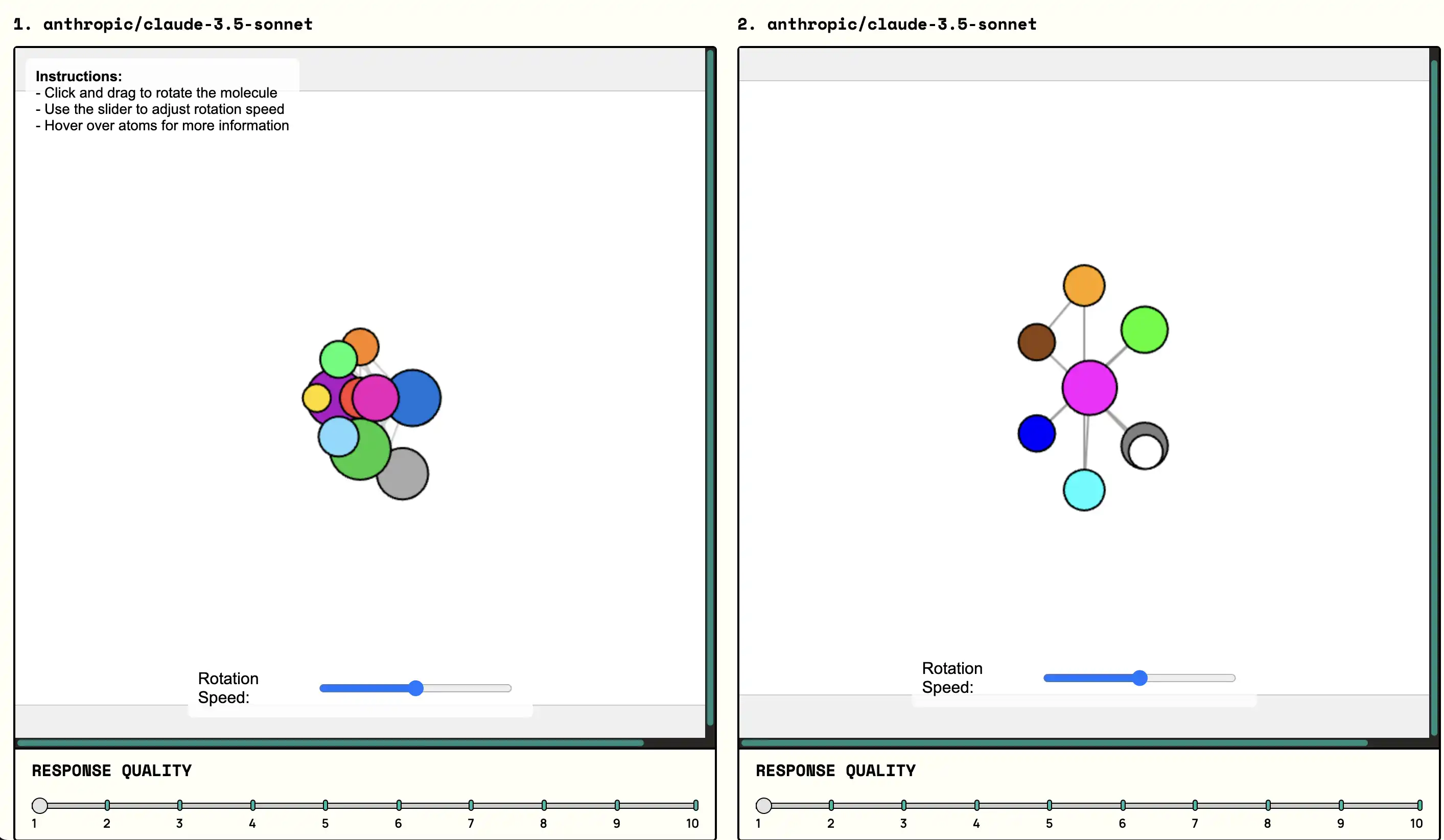
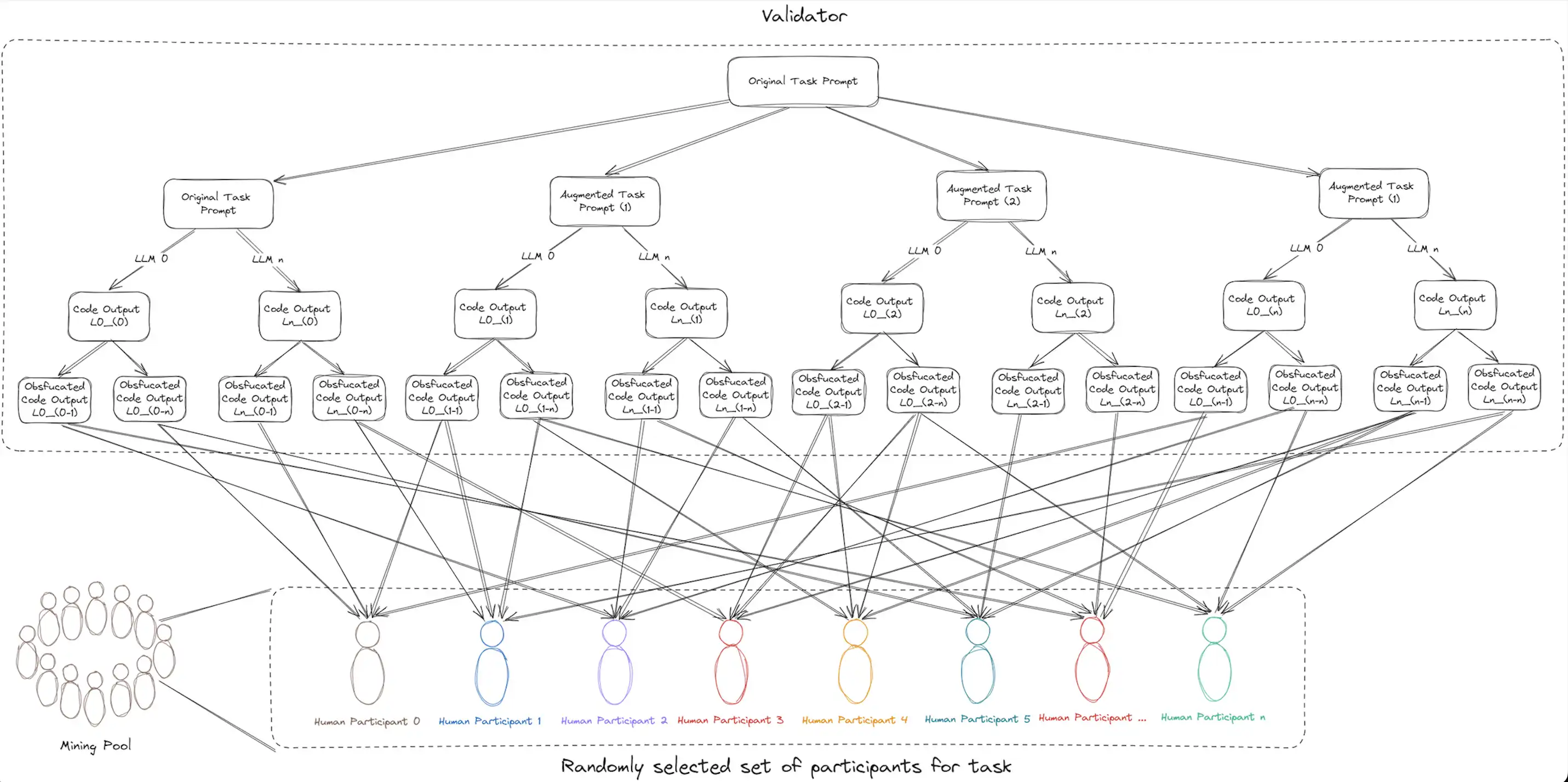
The primary workflow involves anyone generating unique synthetic tasks via LLMs—such as game physics feedback, image quality generation, or physical algorithms—which are then collected by Dojo using response confusion techniques.
Miners distribute these tasks, and human validators confirm ground truths generated by LLMs by evaluating the quality of responses from contributors and allocating rewards based on multi-dimensional metrics: human consistency (weighted Cohen’s Kappa), stability (intra-class correlation coefficient ICC), and factual fidelity (Spearman correlation). This data is used to improve open-source models and optimize performance.
Dojo employs technical measures to prevent Sybil attacks and ensure contributors are genuine humans (with additional anti-attacker roles and contribution chains to be introduced as the system matures). To date, Dojo has collected over 3 million human-generated data points.
Yzi Labs’ investment in Tensorplex Labs is merely a snapshot of the growing market acceptance of the Bittensor ecosystem. "Halal" Bittensor typically receives little attention in the market. Yet, as a veteran AI ecosystem, the projects within it demonstrate considerable capability and patience, fostering a genuine culture of building. Despite issues like copycat subnets or an incomplete dTAO framework, we remain hopeful that Bittensor will continue to deliver outstanding innovations. BlockBeats will continue to monitor developments closely.
Join TechFlow official community to stay tuned
Telegram:https://t.me/TechFlowDaily
X (Twitter):https://x.com/TechFlowPost
X (Twitter) EN:https://x.com/BlockFlow_News
 BlockBeats






