








Understanding Trump's Art of the Deal: Every Conflict Is a Business
TechFlow Selected TechFlow Selected
Understanding Trump's Art of the Deal: Every Conflict Is a Business
These are not only his trading blueprint, but also a reflection of his character.
 Navigating Web3 tides with focused insights
By TechFlow
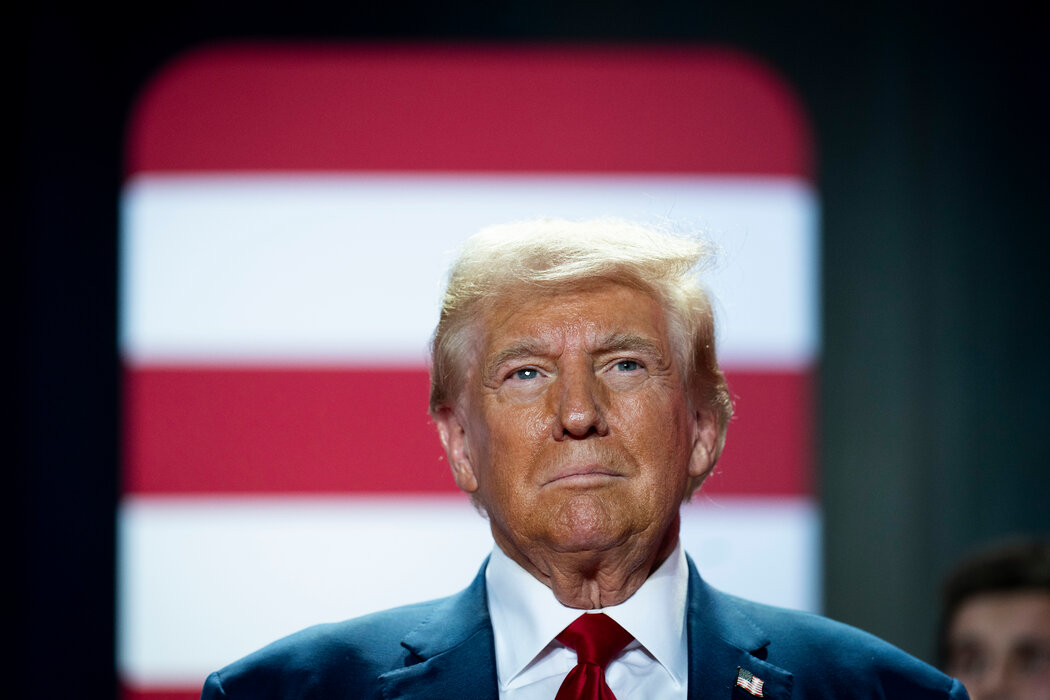
Before we realized it, the "Teflon Don" had become a pivotal figure shaping the crypto market.
Yesterday, he proposed on social media including several “Made-in-USA” meme coins into a strategic reserve. The market responded with a bullish candle—XRP, SOL, and ADA all rose significantly.
Today, Bitcoin plunged back from 94,000 to 84,000. Welcome to President-draws-the-ceiling行情.
From attending Bitcoin conferences, vowing to make America the “capital of the crypto world,” to proposing a national cryptocurrency reserve and signing an executive order establishing a digital assets task force, Trump appears to have shown unwavering determination toward the crypto industry.
Yet at the same time, his launch of the $Trump token has sparked controversy, criticized for potentially draining market liquidity, weakening other tokens’ value, and even leading some to question whether he’s simply trying to cash in quickly from the crypto market.
The entire market swings at his whim—yet he remains unpredictable: conflicting, contradictory, and defying convention.
If you can't understand a person, perhaps their writings hold the key.
You might not know that Donald Trump is also a bestselling author. He has published 16 books, all making bestseller lists. Among them, The Art of the Deal stands as his masterpiece—he once said it's his second-favorite book, right after the Bible.
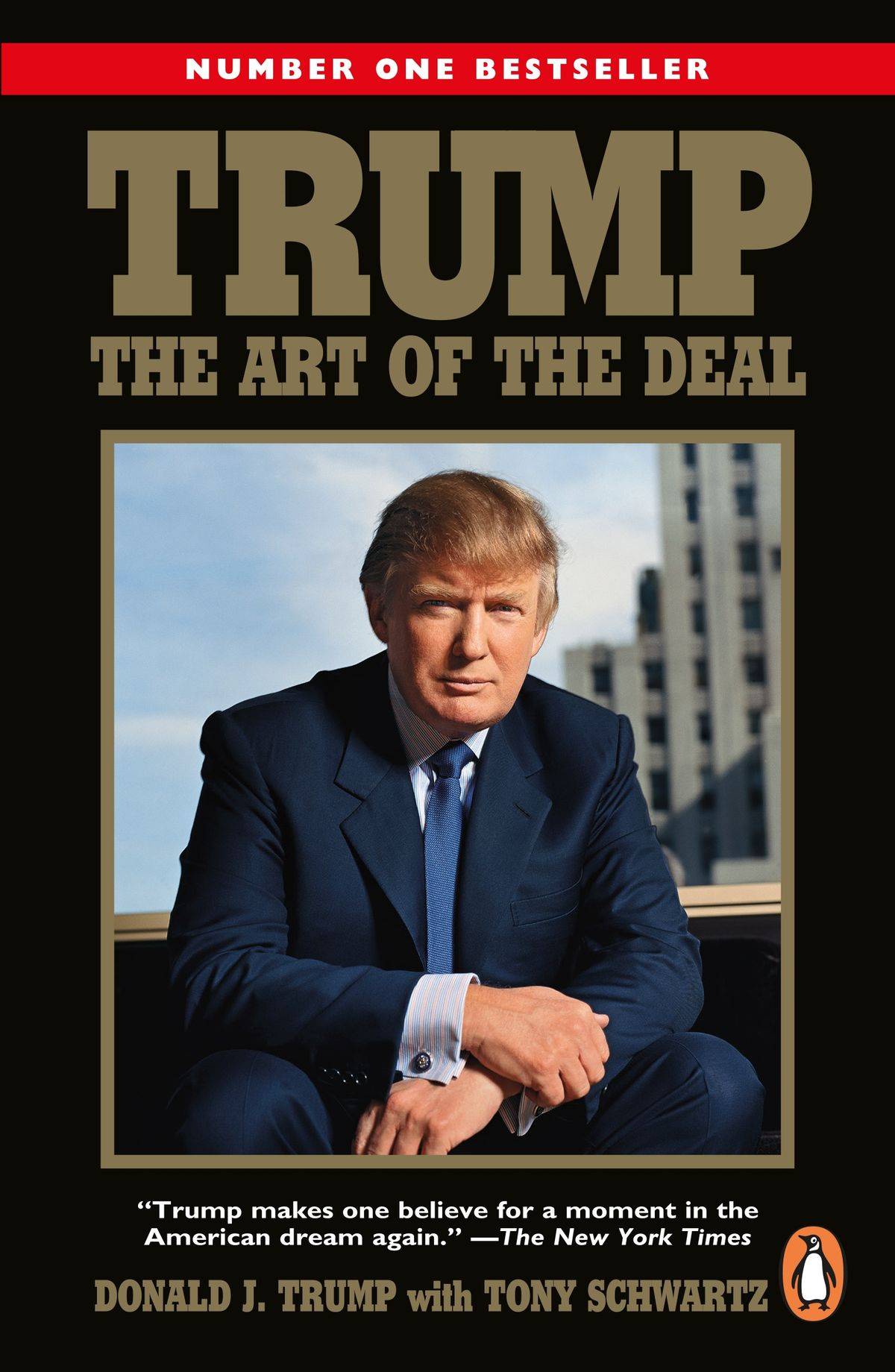
This book, co-authored with writer Tony Schwartz in 1987, is an autobiographical account where Trump shares his business success strategies and how his unique mindset and negotiation tactics led to victory.
So if you view him not as a politician but as a businessman—where everything revolves around better deals and achieving transactional goals—
Then many seemingly contradictory actions suddenly make sense.
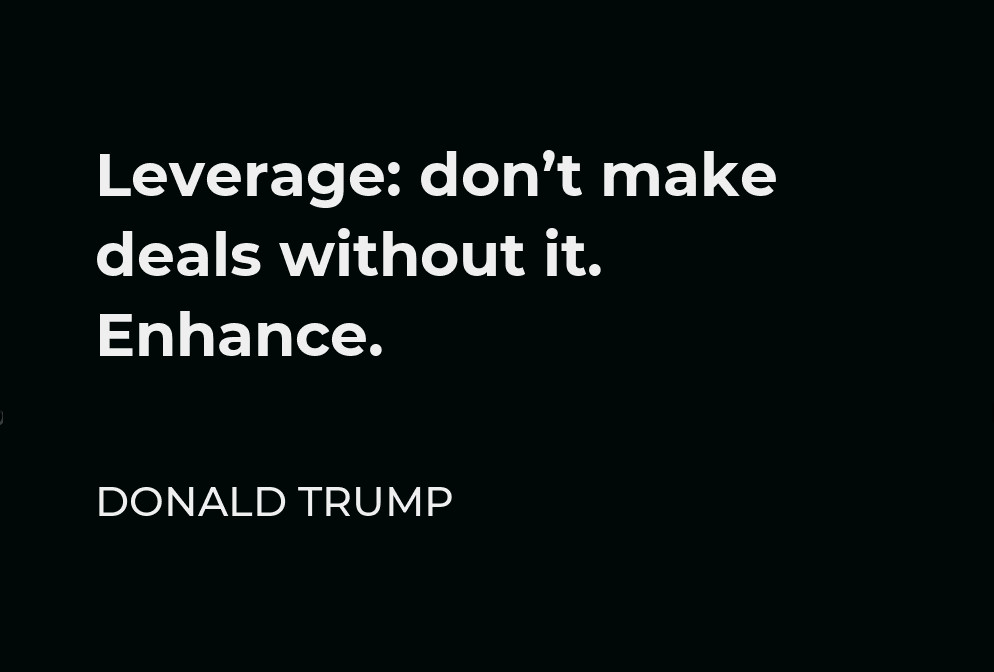
For example, one core concept emphasized in the book is leverage. Trump wrote:
“Leverage: don’t make deals without it. Enhance.” In plain terms: Leverage: never strike a deal without it. Amplify it.
Looking back at his economic and political moves, you’ll see most are about leveraging power to achieve objectives.
All Conflict Is Just Business
Last year, Trump posted on his social platform Truth Social:
“I told the EU they must offset their massive deficit with the U.S. by buying large quantities of our oil and gas. Otherwise—massive tariffs!!!”
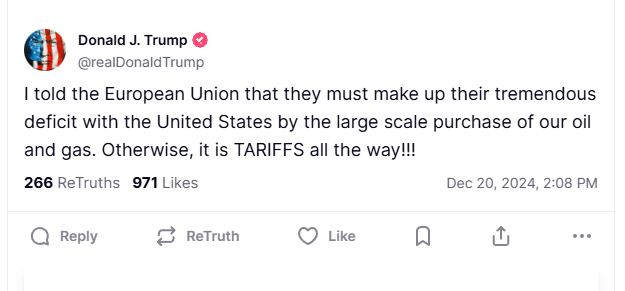
This statement perfectly illustrates Trump’s classic tactic of using tariffs as a threat in negotiations. Here, tariffs serve as leverage—an instrument to pressure opponents into concessions.
By creating unbearable pressure, he forces the EU to reconsider its trade stance. This is quintessential business thinking: every conflict can be turned into part of a business deal.
His recent approach to the Russia-Ukraine war reflects the same logic of leverage.
On February 19, 2025, he posted on X criticizing Ukrainian President Zelenskyy, claiming “Ukraine could have avoided war through negotiation,” implying Kyiv should’ve reached an agreement with Moscow earlier.
Though fact-checked as misleading—the war began with Russia’s invasion on February 24, 2022—Trump’s position reveals intent: by controlling U.S. military aid to Ukraine and sanctions against Russia, he aims to force both sides to the negotiating table.
The U.S. is Ukraine’s largest supporter, having pledged over $44 billion in military assistance in 2024 alone.
Trump may use this aid as leverage, threatening to reduce or suspend support unless Ukraine accepts terms more favorable to Russia. Simultaneously, he may hint at easing economic sanctions—such as lifting energy or financial restrictions—to entice Moscow.
This dual-leverage strategy embodies the principle from The Art of the Deal: “Have what the other side needs.” Through negotiation, he hopes to rapidly broker peace, showcase his “deal-making ability,” and possibly extract economic benefits.
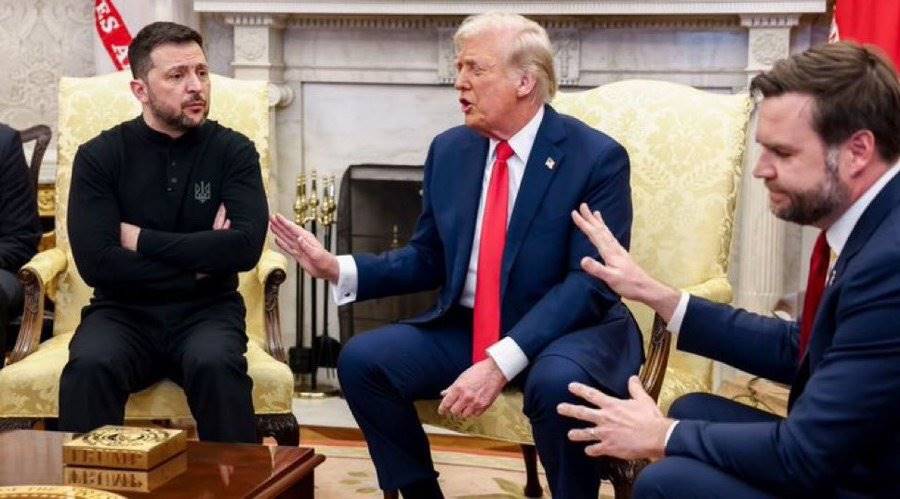
A few days ago (March 2, 2025), Zelenskyy and Trump clashed publicly at the White House in front of national media, exposing the crux of this strategy. According to the White House statement, Trump proposed a “mineral rights cooperation plan,” asking Ukraine to cede certain resources (like lithium and rare earth minerals) in exchange for peace.
Zelenskyy angrily rejected it, calling it a threat to Ukraine’s sovereignty. The conflict centers on Trump seemingly attempting to seize Ukrainian resources under the guise of peace talks—transforming war into business.
This move underscores his tendency to reduce international conflicts to transactions: everything serves a business purpose—even if it damages alliances or draws global criticism.
Crypto Is Also Leverage
In the world of cryptocurrency, Trump’s actions likewise bear clear marks of leverage.
On March 2, he announced on X that Bitcoin (BTC), Ethereum (ETH), Ripple (XRP), Solana (SOL), and Cardano (ADA) would be included in the U.S. strategic reserve. The market immediately rallied—a green candle emerged. XRP surged 33%, SOL jumped 22%, and ADA skyrocketed over 60%.
This policy used government endorsement as leverage, directly inflating these tokens’ values and strengthening his influence in the market.
Further, Trump’s prior launch of his own $Trump coin and the push for a national reserve are also seen as layered applications of leverage.
First, he may be forcing internal resistance—such as from the Treasury or Federal Reserve—to accept his pro-crypto agenda by selectively including specific altcoins. On January 23, 2025, he signed an executive order creating a Digital Assets Task Force led by David Sacks, his appointed “White House AI and Crypto Czar.” This move was widely interpreted as bypassing Congress to directly advance his agenda.
Each action demonstrates his effort to pull dissenters into alignment with his vision.
Second, this policy may use crypto as political and economic leverage. His declaration on X to “ensure America becomes the capital of the crypto world” isn’t just about winning support from the crypto community—an increasingly influential voter bloc—but may also aim to counter other major powers in the global race for dominance in digital assets.
Regardless of whether rival nations truly threaten U.S. leadership in digital assets, this rationale clearly functions as geopolitical leverage.
But let’s not forget: while serving the nation in office, there are also family businesses to run.
Take the $TRUMP coin, which siphons liquidity and risks crashing the crypto market.
Some industry leaders have questioned whether including newer altcoins like XRP, SOL, and ADA favors specific interests—possibly tied to Trump’s family-run World Liberty Financial platform.
The launch of $Trump coin has been accused of draining market liquidity and devaluing other cryptocurrencies.
As a retail investor, you may feel burned. But all of this aligns perfectly with the “maximize options” principle from The Art of the Deal:
Through leverage, he operates simultaneously as policymaker and market participant—seeking maximum gain in both the real and digital worlds, even if it leaves others unhappy.
11 Principles From The Art of the Deal
From peace-brokering strategies in the Russia-Ukraine war to leveraged maneuvers in the crypto market, every step Trump takes seems to follow the creed: “No deal without leverage.”
But the book offers much more than that.
Trump’s recent actions not only reveal his businessman’s mindset but also prompt us to wonder: how did he systematize these ideas and validate them repeatedly across decades of business?
Let’s dig deeper—examining the core principles Trump outlined in his book, and how they provide a blueprint for today’s conflicts and deals.
Appendix: 11 Key Deal-Making Principles from Trump’s Book:
-
Think Big
“I like thinking big. I always have. If you’re going to be thinking anything, you might as well think big. That’s my rule of thumb.”
Trump believes most people hesitate due to fear of failure—and that timidity gives him the edge. His focus is laser-sharp, sometimes bordering on obsession, much like boldly including altcoins in a national crypto reserve to reshape market dynamics.
-
Protect the Downside and the Upside Will Take Care of Itself
“I don’t gamble. I always assume the worst-case scenario. If I can live with that, then anything else will be fine.”
In the Ukraine-Russia peace talks, he may test limits by threatening to cut aid, ensuring U.S. interests remain protected no matter the outcome.
-
Maximize Your Options
“I never get too attached to one deal or one approach. I always keep lots of balls in the air because most deals fall apart anyway.”
This flexibility is evident in his parallel strategies of launching $Trump coin while pushing for a national reserve—multiple fronts to maximize chances of success.
-
Know Your Market
“I don’t rely on complex data analysis or market research. I go by instinct and observation.”
Trump once said he learns about real estate markets by chatting with taxi drivers.
-
Use Your Leverage
“In any deal, the worst thing you can appear is eager. If you do, the other side smells blood, and you’re dead.”
-
Enhance Your Location
“The secret to real estate success isn’t necessarily the best location—it’s the best deal.”
-
Get the Word Out
“You have to let people know what you’re doing. Otherwise, even the best product won’t sell.”
Clearly, Trump excels at amplifying impact via social media. Whether announcing a crypto reserve or advocating peace talks, each move comes with loud publicity—ensuring attention outweighs controversy.
-
Fight Back
“I’m very good to those who are good to me. But if someone screws me, I fight back hard.”
This was evident in his heated clash with Zelenskyy at the White House. Faced with opposition, he stood firm, advancing his “business plan”—while adopting a completely different tone with Elon Musk.
-
Deliver the Goods
“You can create excitement, hype things up, but if you don’t deliver, people will eventually see through it.”
He promised to make America the “crypto capital,” and despite backlash, continues pushing forward to maintain market confidence.
-
Contain the Costs
“Spend when necessary, but never a penny more.” In business, he pursues efficiency. This mindset may extend to extracting maximum diplomatic gain from minimal aid adjustments in the Ukraine-Russia talks—cost control at every turn.
-
Have Fun
“Money is just a scoreboard to me. The real fun is playing the game.” Whether manipulating crypto markets or intervening in global conflicts, Trump seems to enjoy it all—treating every battle as a thrilling business adventure.
Conclusion
From “President-draws-the-ceiling” moments in crypto markets to high-stakes negotiations in the Russia-Ukraine war, Trump uses leverage to turn every conflict into a bargaining chip.
Whether threatening the EU with tariffs, manipulating the Ukraine-Russia situation via aid and sanctions, or shaking up the crypto world with strategic reserves and $Trump coin—each move follows the core logic from The Art of the Deal: No deal without leverage.
This businessman’s mindset allows him to navigate contradictions with ease, yet leaves allies, markets, and global stability constantly in flux.
As revealed by his 11 principles—think big, leverage wisely, enjoy the game—these aren’t just transaction blueprints, but reflections of his character.
In a way, it’s consistency between belief and action.
Trump’s art of the deal will surely continue stirring waves during his term. May your portfolio survive the turbulence.
Join TechFlow official community to stay tuned
Telegram:https://t.me/TechFlowDaily
X (Twitter):https://x.com/TechFlowPost
X (Twitter) EN:https://x.com/BlockFlow_News
 深潮TechFlow


