
Libra上演猎杀游戏:近三成大户高位接盘,超7万地址被收割
TechFlow Selected TechFlow Selected
Libra上演猎杀游戏:近三成大户高位接盘,超7万地址被收割
Being an early entrant is often seen as the key to profitability, but Libra's token crash has exposed the harsh truth behind this "race for speed."
 Navigating Web3 tides with focused insights
Author: Frank, PANews
In the cryptocurrency market, getting in early is often seen as the key to profits, but the sharp plunge of Libra tokens has exposed the harsh truth behind this "speed game." On-chain data shows that over 27% of large holders bought in at the peak price of $2.50 within half an hour of issuance, while mysterious addresses profited more than $2 million through precise front-running. When presidential endorsements become tools for harvesting, and platform insiders turn into "front-runners," this meme coin frenzy—rife with insider trading and regulatory gaps—is systematically driving retail investors into a slaughterhouse.
Nearly 30% of Large Holders Buy at Peak, Early Buyers Hit Hardest by Losses
PANews conducted an in-depth analysis of the top 1,000 holding addresses as of February 17. Overall purchase costs show that the average initial buying price for these large holders was about $1.01. A significant group—254 addresses, or approximately 27.7%—bought in around $2.50, meaning nearly three out of ten large holders entered at the top. The lowest buyers got in at around $0.15.
In terms of timing, those who bought at the peak mostly did so within the first half hour of issuance, while those who bought at lower prices generally entered on the following day. Based on past experience, earlier purchases usually secure cheaper positions. However, Libra’s price movement defied traditional market patterns—earlier entrants were actually cut the deepest. This reflects how the hype cycle for meme coins appears to be shortening dramatically.
In terms of capital invested, Libra’s victims seem primarily to be small- and medium-sized retail investors. The average initial investment among the top 1,000 addresses was $9,696—far below the average initial buy-in of $590,000 seen during TRUMP’s launch.
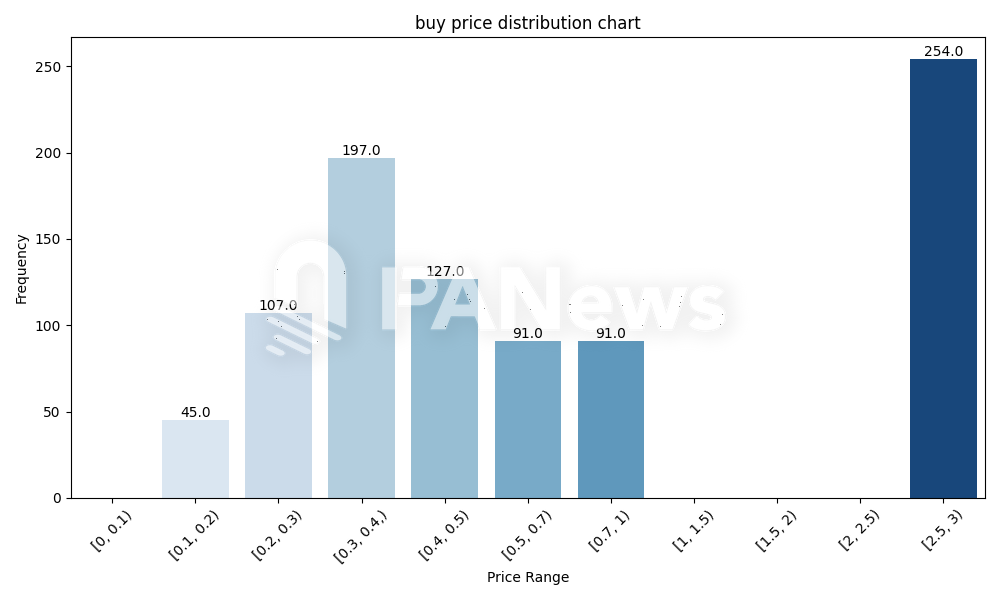
From a pricing perspective, Libra briefly reached a high of $4.56. Most large holders initially bought above $2.50, followed by a cluster in the $0.3–$0.4 range. Almost no large holders entered between $1 and $2.50. Several factors may explain this: first, many early large holders likely already dumped their holdings amid the rapid price collapse. Second, as visible from price charts, the $1–$2.50 range lasted only a very short time—less than 10 minutes during the initial surge—apparently dominated by insider traders who had already distributed and exited their positions. During the crash, there also seemed to be no appetite among large holders to absorb supply in this range.
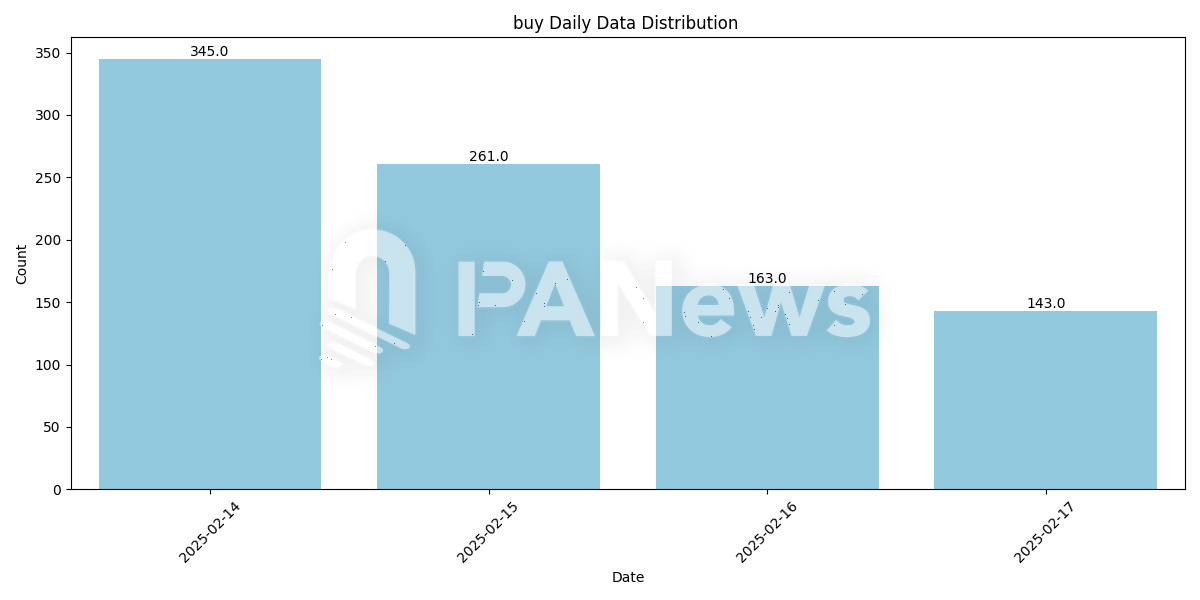
In terms of timing, most large holders made their initial purchases on February 14—the day of issuance. Despite gaining a time advantage, their speed-based strategy ended in disaster.
High-Profit TRUMP Address Reappears, Operational Details Suggest Insider Involvement
Previously, when analyzing the TRUMP token, PANews identified a powerful frontrunning address: 6QSc2CxSdkUQSXttkceR9yMuxMf36L75fS8624wJ9tXv (hereinafter "6QSc2"). This address purchased 5.97 million tokens for $1.09 million within one minute of TRUMP’s launch, eventually realizing gains as high as $477 million. Based on transaction timing, capital scale, and social media discussions, this address is widely believed to belong to an insider at Jupiter.
During Libra’s launch, a related address reappeared. cGxeYN6F7T9aELwjLPeL3hnJNscGU7EHg5CEsP4B3Hz (goofyahh.sol) emerged as a primary participant in the rush-buying. This address had previously received TRUMP tokens from 6QSc2. At 22:02 on February 14—just two minutes after Libra went live—goofyahh.sol spent $5.7 million to buy approximately 5 million Libra tokens. It sold all holdings within an hour for roughly $7.34 million, netting around $1.6 million in profit. However, compared to its prior TRUMP trade which yielded over $20 million, the Libra return was relatively modest.
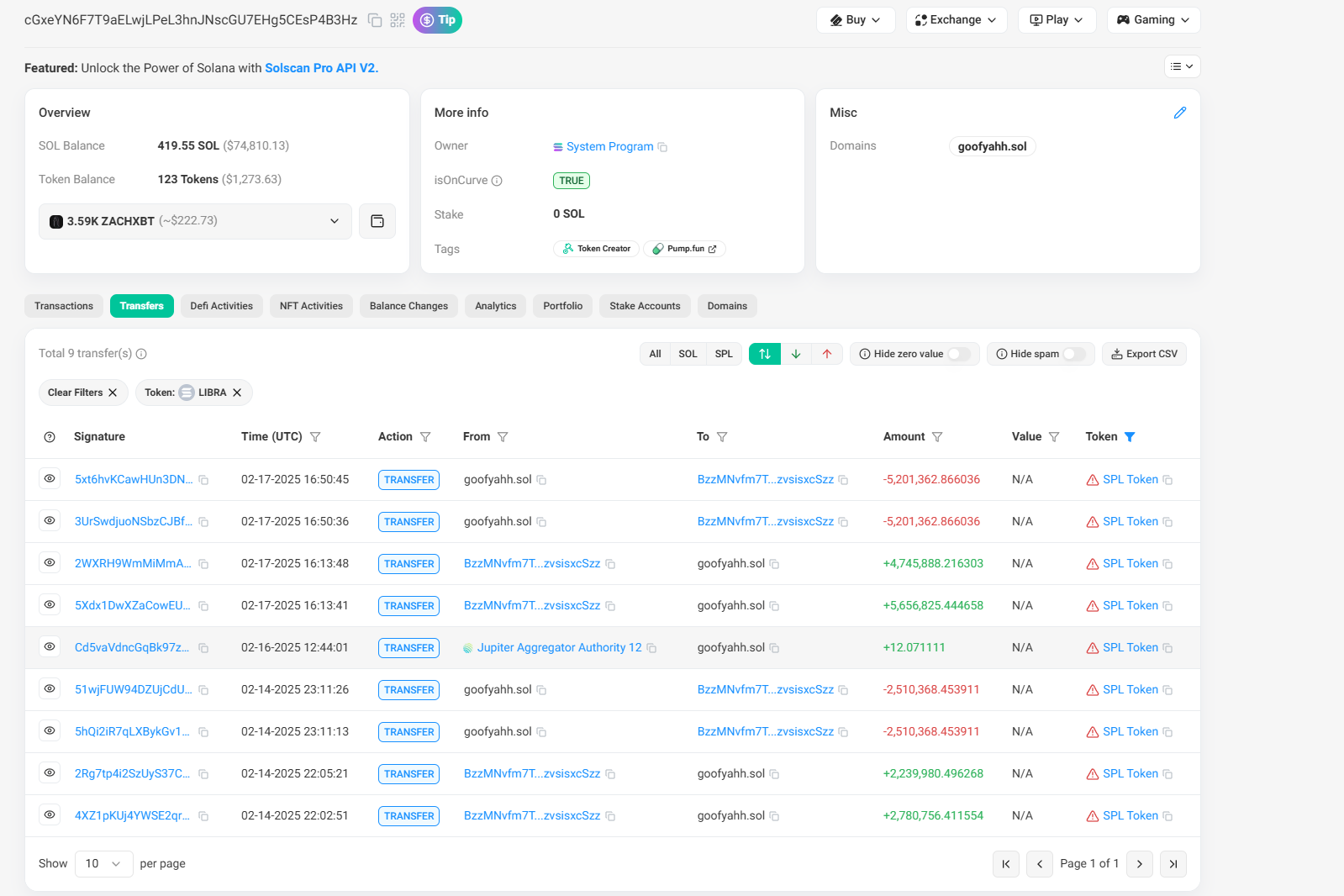
On February 17, Javier Milei retweeted a tutorial on purchasing LIBRA on X, causing the token to briefly spike above $0.70 before falling back below $0.50 within an hour. During this move, the same address injected $5 million into a short-term swing trade, earning about $500,000.
Several factors suggest this wallet belongs to an insider. First, the address has repeatedly targeted other tokens such as HAWK and CHILLGUY using identical tactics. Second, the transaction sizes during these two presidential token launches deviated sharply from its usual behavior—normally buying only hundreds of dollars, it suddenly deployed millions. Such a drastic shift implies near-certain inside knowledge. Third, the precision of entry timing stands out: both buys occurred within the first five minutes post-launch, with funds consolidated in advance.
Taken together, these on-chain behaviors strongly indicate coordination with individuals possessing non-public information, suggesting a well-practiced manipulation playbook. Social media speculation widely identifies these addresses as belonging to Jupiter insiders.
Approximately 74,000 Addresses Suffer Losses, Multiple Parties Distance Themselves
Previously, because newly launched tokens showed healthy initial momentum, early holders could typically exit profitably, drawing little scrutiny toward potential insider abuses. But Libra’s launch clearly involved more complex forces, leading to a swift collapse and massive losses for countless holders.
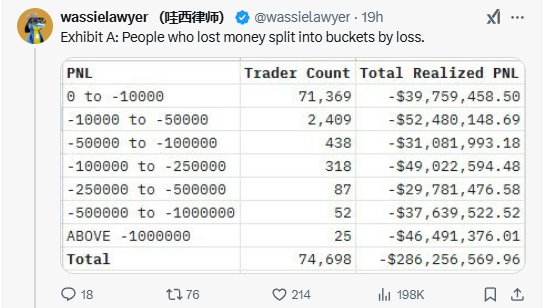
According to wassielawyer’s data, around 74,000 addresses incurred losses on Libra, totaling over $280 million in lost value. Over 70,000 of these lost less than $10,000 each. Amid widespread outrage, investigations into Libra’s alleged backroom dealings have become a top topic on social media.
On February 17, Hayden Davis, a project advisor for LIBRA, admitted that the team engaged in front-running during LIBRA’s launch. Meanwhile, KIP Protocol, another party suspected of involvement in the rug pull, stated it did not participate in the token issuance or market-making activities.
Under mounting criticism, Ben, head of Meteora, announced his resignation on February 18. His public statement clarified that the reason was oversight failure, not direct participation in the rug pull. Ben emphasized: “Neither the platform nor I personally ever received or managed any tokens privately, nor participated in off-chain transactions. All token releases are strictly confidential. Very few people at Meteora have access to release information—usually only I know the launch time, and token/pool addresses are only provided to me and perhaps one or two on-call engineers minutes before actual deployment.” He added, “For $LIBRA, I had no involvement beyond providing IT support, including commenting on liquidity curves and helping verify token authenticity after public launch.”
The founder of Jupiter also published a detailed response, announcing plans to hire an independent third party—law firm Fenwick & West—to conduct an investigation and issue a report. However, social media remains skeptical. Colin Wu pointed out that the firm was formerly FTX’s primary legal counsel. Notably, in 2023, Fenwick & West faced a class-action lawsuit accusing it of creating “shadow entities” to assist FTX’s fraudulent operations.
Amid the storm, Argentine President Javier Milei has been sued by lawyers alleging fraud. Milei insists he is innocent, yet on February 18 he retweeted a guide on buying LIBRA, triggering significant price volatility. In a television interview today, he claimed he acted in good faith but was unfairly targeted: “The state didn’t lose money. Argentinians lost at most four or five dollars. The vast majority of investors are Chinese and Americans.”
Since former U.S. President Trump launched his token at the beginning of 2025, global political figures appear to have discovered a new revenue stream: issuing meme coins to harvest investors worldwide. According to blogger Pump Superhero, among 11 celebrity tokens recently launched, six have gone to zero, all have dropped more than 70%, and most have fallen over 90%.
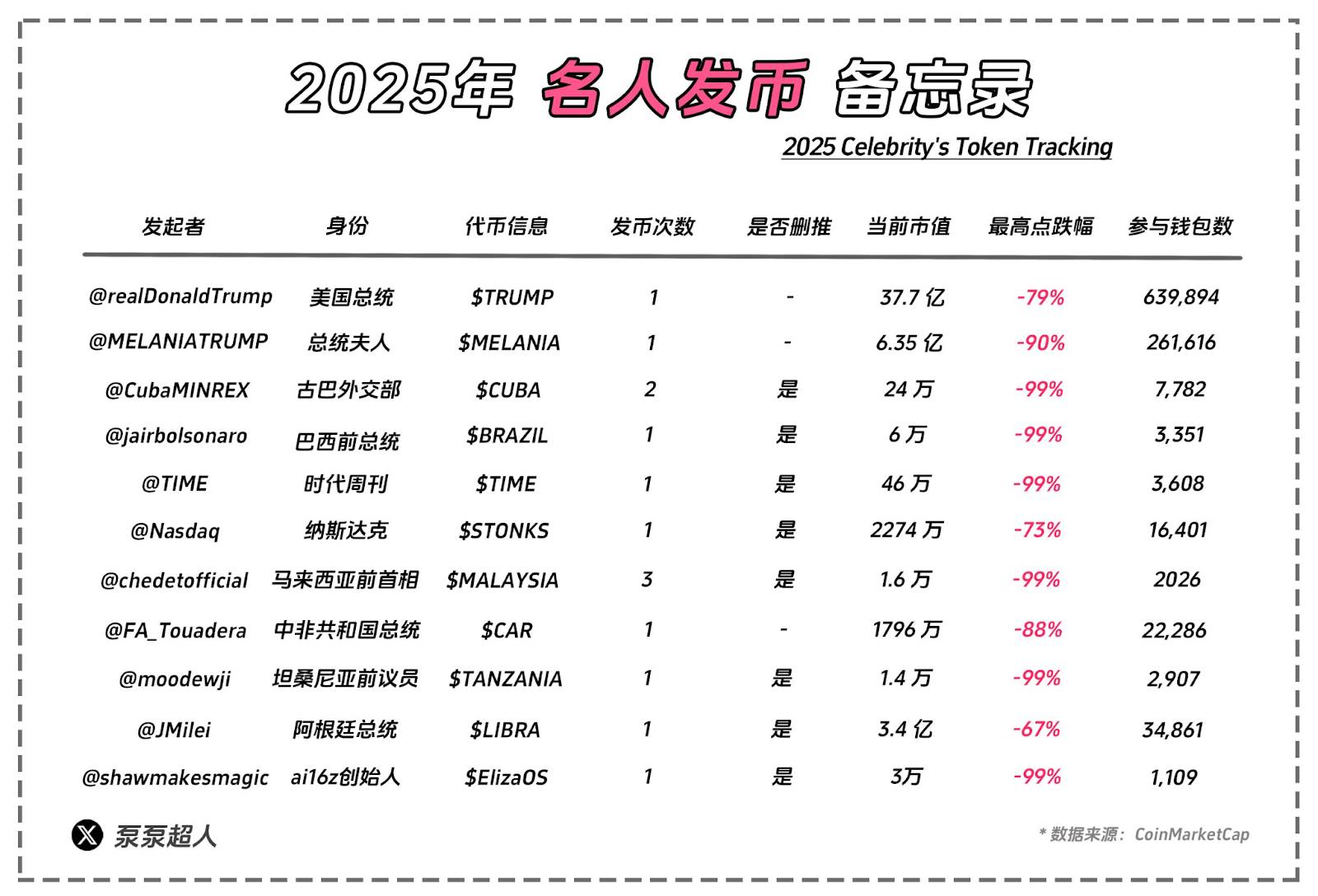
In reality, celebrity tokens have never truly been wealth generators. PANews previously noted during its TRUMP analysis that the token’s maximum price gain wasn’t particularly high—it only appeared impressive due to its large market cap. The biggest winners were simply those who invested large amounts of capital early. For retail investors, such heavily manipulated or conspiratorial tokens offer almost no chance of success. Milei also argued that participants knew exactly what risks they were taking: “They are volatility traders. It’s a private matter between individuals. Everyone joined voluntarily.”
Join TechFlow official community to stay tuned
Telegram:https://t.me/TechFlowDaily
X (Twitter):https://x.com/TechFlowPost
X (Twitter) EN:https://x.com/BlockFlow_News
 PANews