








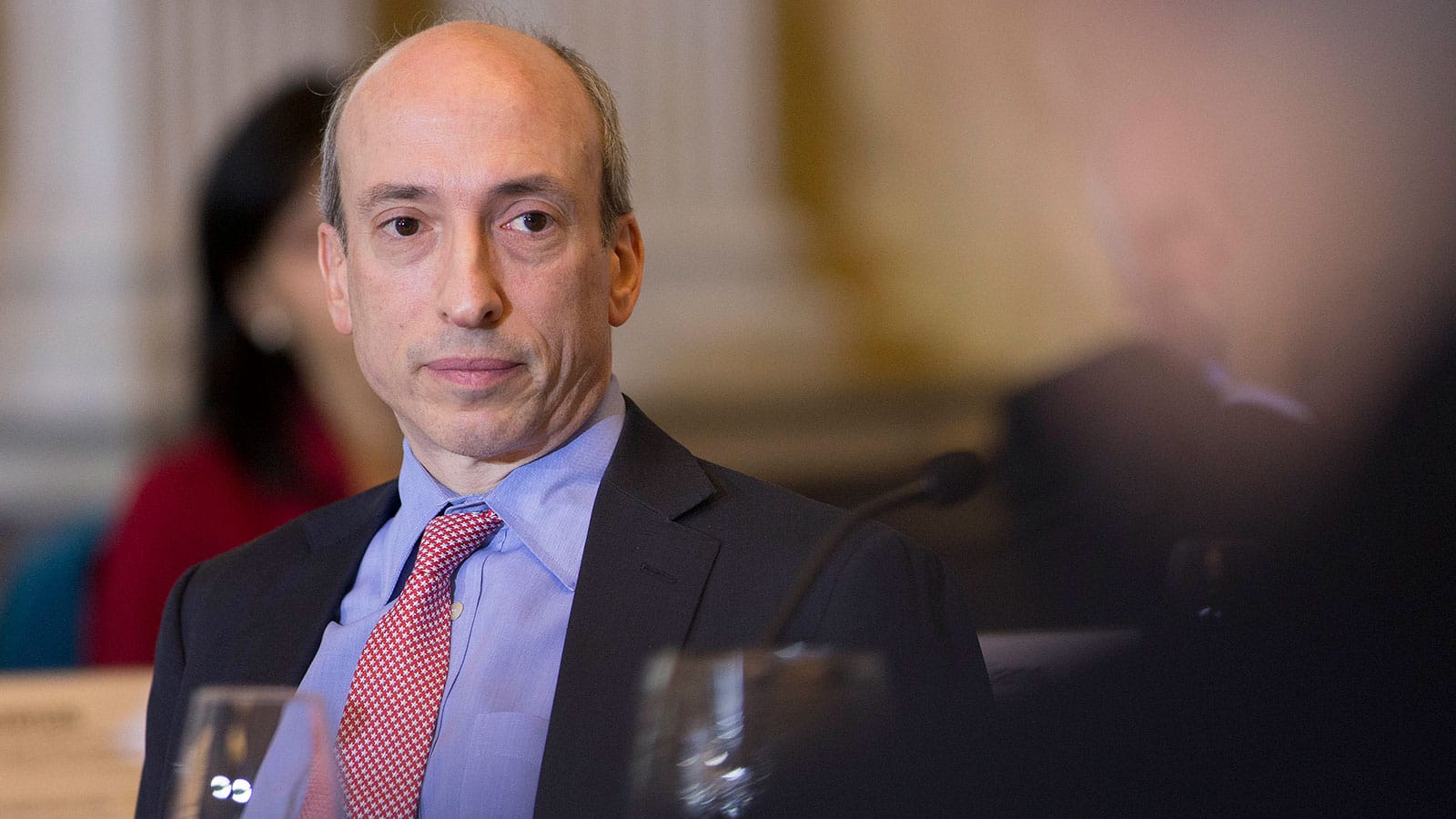
SEC Chair Gary Gensler Responds to 11 Key Questions on the Crypto Market Ahead of Stepping Down
TechFlow Selected TechFlow Selected
SEC Chair Gary Gensler Responds to 11 Key Questions on the Crypto Market Ahead of Stepping Down
Gensler will step down as SEC chair on January 20.
 Navigating Web3 tides with focused insights
Author: Weilin, PANews
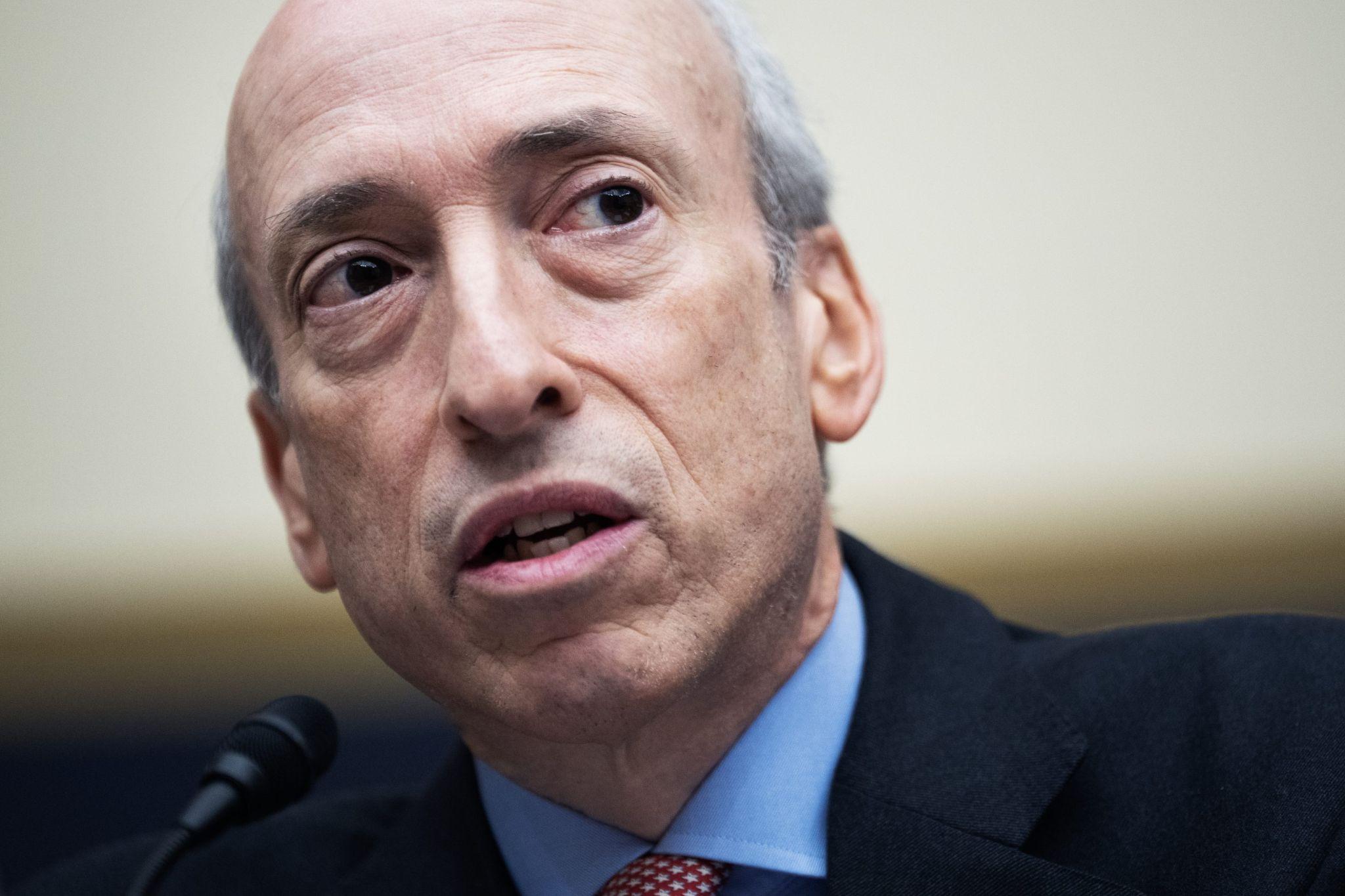
With just six days remaining before U.S. President-elect Donald Trump's inauguration, on January 14, Securities and Exchange Commission (SEC) Chair Gary Gensler gave back-to-back interviews to CNBC and Yahoo Finance, drawing attention to his leadership style and regulatory legacy. Gensler previously announced he would step down from his role on January 20.
Based on these two interviews, PANews has compiled 11 critical questions regarding cryptocurrency and capital markets—and Gensler’s responses.
1. On January 14, the SEC took actions against Robinhood and several private equity firms. With less than a week left in your term, should we expect more SEC enforcement actions?
We are entrusted by the public to ensure capital markets work for them, protect investors, and uphold legal compliance. We have an important responsibility, and we will fulfill it regardless of leadership. There will be a leadership transition this week and next, but we will continue ensuring capital markets serve investors and market participants comply with the law.
This is our mission. How can trust in capital markets be built if facts and laws aren’t followed? In fact, honest market participants benefit because more investors are willing to enter and participate in the market.
2. What does the incoming administration mean for the SEC? Are you concerned that actions taken during your tenure might be reversed?
The achievements of this administration have been significant. I took office after the GameStop episode, at the peak of the SPAC boom, and we implemented the most important reforms in equity markets. These were carried out consistently and with bipartisan support from commissioners. We also made substantial reforms in the Treasury market. I can’t imagine anyone wanting to return to longer settlement cycles—we’ve shortened settlement to one day.
I also can’t imagine rolling back the first federal privacy notice rule, which ensures individuals are notified if their data is breached by investment advisers or brokers. And I doubt anyone would want to make it easier for insiders to trade on material nonpublic information. I’m very proud of what we’ve accomplished.
Of course, democracy produces outcomes, and the next team may choose different priorities. But I believe these are sound policies—reducing costs and strengthening integrity in capital markets.
3. Some believe crypto supporters helped elect Trump in this latest election. How do you respond to that view?
Trust in capital markets matters. People must follow laws passed by Congress, and this great institution exists to enforce those laws. Think about it: on highways, we have rules, traffic lights, and police. If you’re driving a hybrid or electric car, do you get to ignore traffic laws? In financial markets, we apply the law consistently. The crypto space, as a whole, remains noncompliant.
Voters are smart. They vote based on issues like inflation or broader economic concerns. I’ve seen no evidence that crypto was a major factor influencing voter decisions.
4. You've achieved many things—shorter settlement cycles, reforms to money market funds and Treasury markets. Yet you lost 4 out of 5 legal challenges to your rules, more than the previous three chairs combined. Is there anything you’d have done differently?
It’s an interesting time for anyone in government, as courts are undergoing significant shifts. As the great hockey player Wayne Gretzky once said, you should skate to where the puck is going, not where it is. The courts are that puck—they’re reinterpreting laws across environmental, communications, health, and securities regulations.
We’ve always acted within the law, based on statutes passed by Congress. We’ve finalized 46 rules critical to capital markets—most have not only been adopted but are already in effect. People now benefit from them—knowing whether executives were paid based on inaccurate financial reports, and whether clawbacks apply. As you mentioned, our reforms in money market funds, plus enhanced access to private fund data. We’ve achieved a lot together.
5. You've repeatedly warned about crypto risks. Over the past year, courts have compelled you to approve spot Bitcoin and Ethereum ETFs, opening crypto investing to the public. Do you regret this outcome? Are investors now exposed to greater risk?
Bitcoin itself is not a security. Neither I nor my predecessors have ever said Bitcoin or Ethereum are securities. Investors in Bitcoin and Ethereum—including the “average person” you mention—already had access to these assets before ETFs existed. Approving Bitcoin spot ETFs during my tenure provided stronger investor protections, lower fees, stricter oversight, stock exchange monitoring, and registration with the SEC. My predecessor rejected such products; we followed J. J. Clayton’s precedent. Bitcoin and Ethereum represent 70% or even 80% of the crypto market. My real concern lies elsewhere—with the thousands of other tokens. Their continued existence depends on investors essentially betting on projects without adequate disclosure. The law requires such disclosures, but these tokens remain noncompliant. I don’t prejudge any individual project.
6. You seem intent on separating Bitcoin from the rest of the industry. Have you changed your view on Bitcoin? Do you believe it has intrinsic value or serves as a store of value? Or do you think, looking back 10, 15, or 20 years from now, it might resemble the 18th-century tulip bubble? You taught at MIT—you must have some perspective. Have you read *The Bitcoin Standard*?
It’s hard to predict. I understand how you view these other coins—I know you’re skeptical. But regarding Bitcoin, the SEC has never classified it as a security.
Yes, (I’ve read it). I see Bitcoin as a highly speculative and volatile asset. Yet globally, 7 billion people are interested in trading it. Just as humanity has valued gold for 10,000 years, we now have Bitcoin—and perhaps other similar assets in the future. These thousands of other projects must demonstrate real use cases and fundamental value, or they won’t last.
7. Do you dislike those other coins?
I’ve never owned any of them—and I’ve maintained that position for seven or eight years.
8. What’s your view on prediction markets, especially given Kalshi hiring Donald Trump Jr. as an advisor?
I have no opinion on who others hire. But capital markets are broad—$120 trillion in size. Whether equities, bonds, or even prediction markets, they’re all about forecasting future cash flows or corporate opportunities. In that sense, all these markets are “prediction markets.” That’s why I’m proud of some of our reforms—improved disclosures focused only on information meaningful to investors, so they can make informed judgments about the future.
9. Critics say the SEC relies too heavily on litigation instead of legislation. What’s your take?
We have laws. Congress passed them, and they can change them. But within crypto, the investing public allocates capital into projects that often fall under securities regulation. Many companies in this space simply aren’t complying. When you talk about markets daily, you discuss stocks, bonds, fundamentals, valuations—mixes of fundamentals and sentiment. Crypto seems far more driven by sentiment, with little fundamentals. But if fundamentals exist—if—they require proper disclosure under securities laws. That’s the basic bargain.
10. What do you see as the biggest risk in today’s markets?
We’re in a presidential transition. Democracy has spoken. Policy direction will become clearer over time, but uncertainty exists. Over the past four years, I’ve also pointed to areas in capital markets with high leverage, heavy borrowing, and low margin requirements. Often, these issues arise in the repo market, where commercial banks lend leverage to macro hedge funds. Finally, AI has transformed productivity, positively impacting many sectors—but risks remain ahead.
11. If you could do it all over again, what would you do differently?
I wish we had completed the Treasury and equity market reforms earlier, and handled court-related issues more smoothly. It’s important to note that judicial attitudes are shifting dramatically. I truly wish we could have better anticipated these changes, so we could design rules more resilient to legal challenges.
Join TechFlow official community to stay tuned
Telegram:https://t.me/TechFlowDaily
X (Twitter):https://x.com/TechFlowPost
X (Twitter) EN:https://x.com/BlockFlow_News
 PANews






