Hong Kong's Virtual Asset Market in 2024: 7 Exchanges, 31 Brokerages, and 36 Asset Management Firms Established
TechFlow Selected TechFlow Selected
Hong Kong's Virtual Asset Market in 2024: 7 Exchanges, 31 Brokerages, and 36 Asset Management Firms Established
The primary market for crypto assets and the secondary market funding channels in Hong Kong have yet to fully embrace a turning point, urgently requiring further progress and resolution.
 Navigating Web3 tides with focused insights
By Bai Lu, Bo Wen
On December 17, 2024, BTC reached a record high of $108,365, more than doubling from under $50,000 at the beginning of the year. BTC led the digital asset sector and firmly established its presence on the global stage.
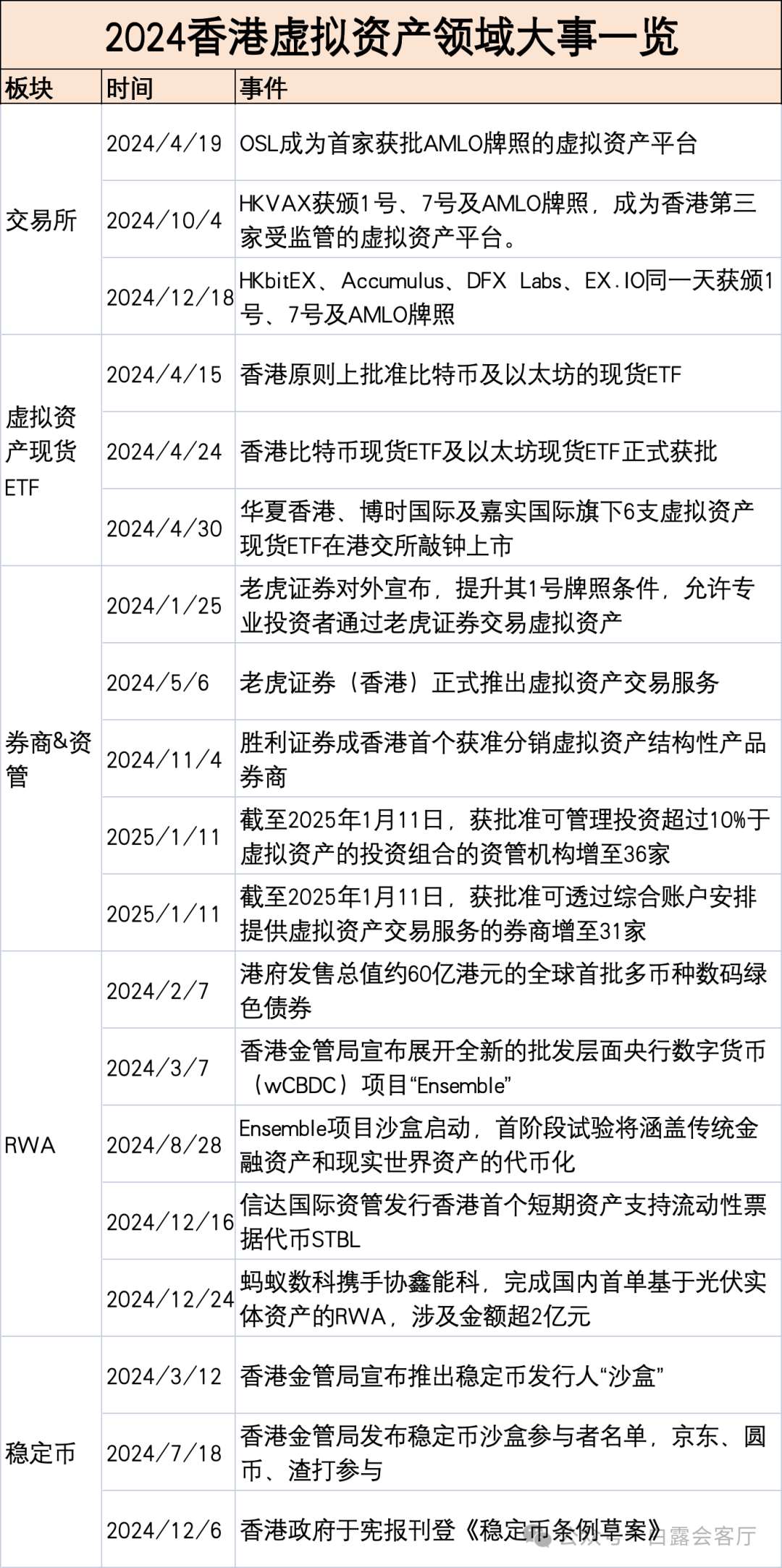
Over the past year, Hong Kong has made comprehensive preparations for integrating "old money" into the digital asset ecosystem, delivering tangible results across various sub-sectors:
-
Seven virtual asset trading platforms received Type 1, Type 7, and AMLO licenses;
-
Six spot virtual asset ETFs listed on the Hong Kong Stock Exchange (HKEX);
-
31 securities firms upgraded to Type 1 virtual asset licenses;
-
36 asset managers upgraded to Type 9 virtual asset licenses;
-
In the highly anticipated RWA sector, the Hong Kong government issued over HK$6 billion in multi-currency digital green bonds; the HKMA launched the Ensemble sandbox and stablecoin sandbox; Ant Digital Technology partnered with GCL Energy to tokenize over RMB 200 million in photovoltaic physical assets as RWA.
However, it cannot be denied that Hong Kong's primary market for crypto assets and secondary market for capital have yet to fully shine, requiring further acceleration and resolution. On the primary market side, Hong Kong’s virtual asset trading platforms apply extremely stringent criteria when listing crypto assets. While these high barriers ensure market compliance and stability, they also pose significant obstacles for emerging projects seeking entry. On the secondary market funding side, access from mainland China remains restricted due to regulatory policies, limiting investor reach to local Hong Kong and overseas users. Meanwhile, overseas user bases have already been captured by major platforms such as Binance, OKX, and Coinbase, making user migration extremely difficult.
How can Hong Kong strike a balance between ensuring market safety and promoting innovation among quality projects and asset issuers, thereby attracting uncommitted “old money”? This is the most critical question facing Hong Kong’s market in 2025.
This edition of the Bai Lu Salon guides readers through a comprehensive review of Hong Kong’s virtual asset market developments in 2024, exploring new opportunities ahead in 2025.
7 Virtual Asset Trading Platforms
As of January 11, 2025, seven virtual asset trading platforms in Hong Kong have officially received approval from the Securities and Futures Commission (SFC), allowing them to conduct virtual asset business in compliance with local regulations.
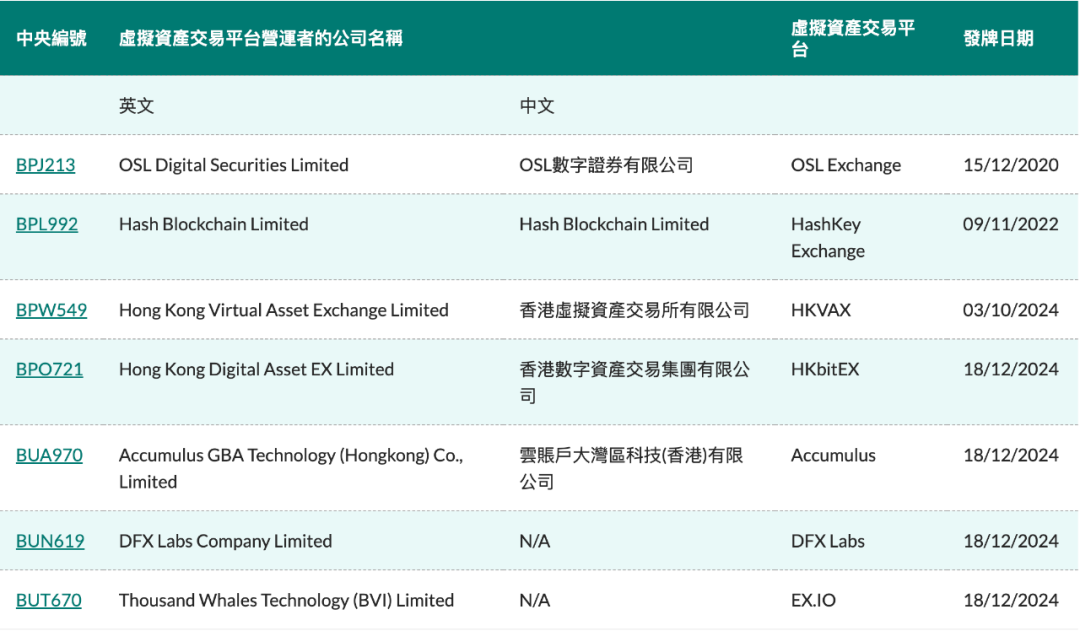
The seven licensed virtual asset trading platforms
OSL and Hashkey Continue to Lead
On April 19, 2024, OSL Group (00863) announced that its wholly-owned subsidiary holding an SFC license—OSL Digital Securities Limited—became the first virtual asset platform approved under the Anti-Money Laundering and Counter-Terrorist Financing Ordinance (AMLO). In May, Hashkey Exchange followed closely, becoming one of the first fully licensed virtual asset service providers in Hong Kong. Both remain leaders in regulatory compliance.
In terms of operations, Hashkey Exchange launched HashKey Pro, an institutional-grade integrated service, enabling institutions like ZA Bank and Victory Securities to embed virtual asset trading capabilities. Its cumulative trading volume exceeded HK$5 billion. As of November 2024, HashKey Exchange managed over HK$10 billion in assets, with total trading volume reaching HK$580 billion. OSL has broadly expanded into spot ETFs and RWA-related businesses.
HKVAX Emerges Strongly
On October 4, 2024, according to the SFC website, the Hong Kong Virtual Asset Exchange (hereinafter referred to as HKVAX) received formal SFC approval, obtaining Type 1 (Securities Dealing) and Type 7 (Automated Trading Services) licenses. It also obtained the “operating a virtual asset trading platform” license under the Anti-Money Laundering and Counter-Terrorist Financing Ordinance (AMLO). HKVAX became the third regulated virtual asset platform in Hong Kong.
For more information, see: HKVAX Officially Awarded License, Becomes Hong Kong's Third Licensed Virtual Asset Trading Platform
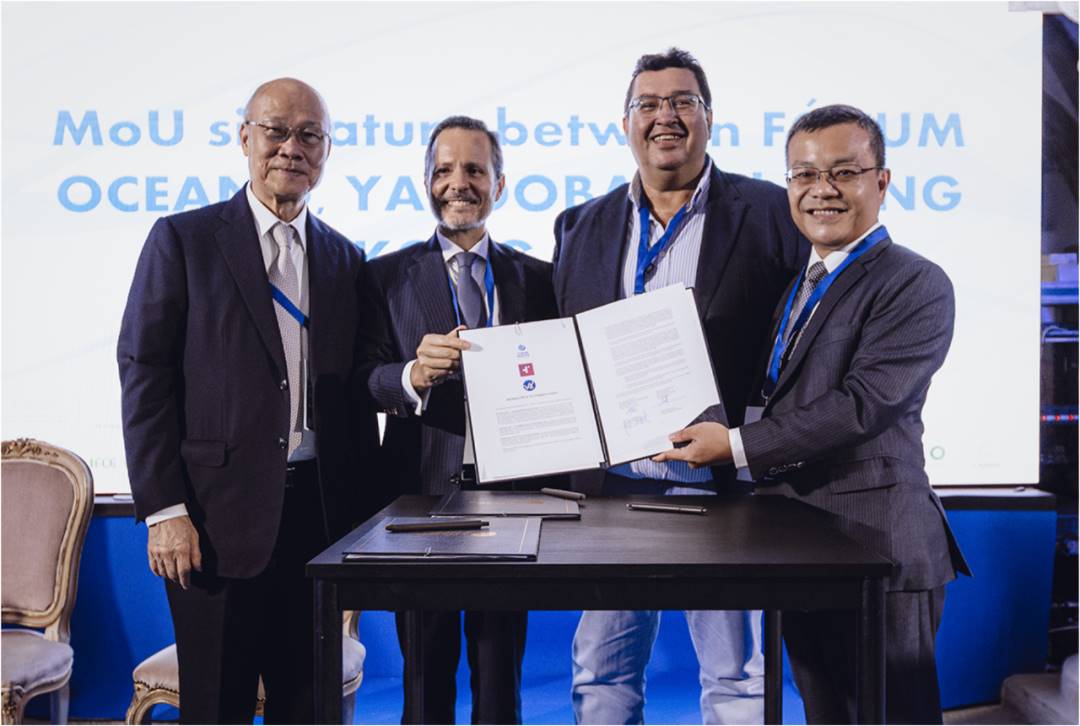
From left to right: Dr. Paul Su, Chairman of International Clean Energy Forum (Macau); Carlos Costa Pina, Chairman of Fórum Oceano; Mauricio Marques, Founder & CEO of Yacooba Labs; and Wilson Wu, Co-founder & CEO of HKVAX
HKVAX focuses on security token offerings (STO) and real-world asset tokenization (RWA). On October 18, 2024, HKVAX signed a memorandum of understanding with Fórum Oceano and Yacooba Labs for a blue economy STO project, collaborating on high-quality European blue economy STOs covering tokenization, distribution, listing, trading, and custody. On November 29, 2024, HKVAX formed a strategic partnership with Alibaba Cloud, focusing on technological infrastructure, security framework development, and services related to STO and RWA. Whether HKVAX will successfully carve out its niche in the RWA space will continue to draw market attention.
Four Institutions Approved Simultaneously in December
According to the SFC website, on December 18, 2024, HKbitEX, Accumulus, DFX Labs, and EX.IO were all approved on the same day by the SFC to receive Type 1 (Securities Dealing) and Type 7 (Providing Automated Trading Services) licenses, as well as the “operating a virtual asset trading platform” license under the Anti-Money Laundering and Counter-Terrorist Financing Ordinance (AMLO).
HKbitEX was launched by Hong Kong Digital Asset Exchange Group Limited, whose parent company is Tai Chi Capital Group, operating across three core areas: capital markets and wealth management, digital asset exchanges, and Web3 SaaS and technology R&D. Gao Han, founder of Tai Chi Capital, previously worked at HKEX, primarily responsible for promoting HKEX products in mainland China, including Stock Connect and Bond Connect.
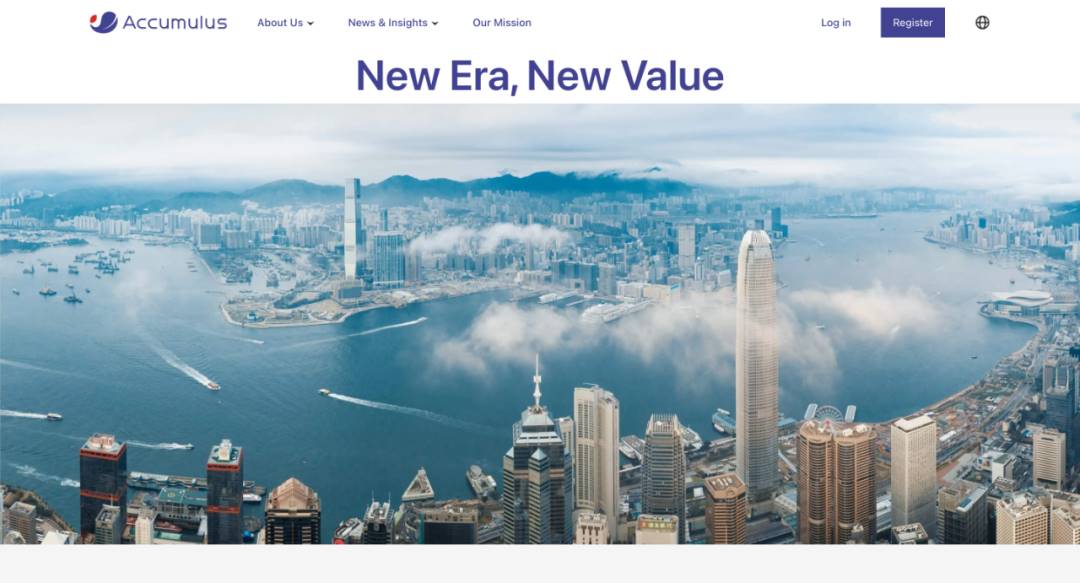
Accumulus is backed by a Fortune 500 Chinese enterprise and launched by Yun Account Bay Area Technology (Hong Kong) Company Limited. Yun Account Hong Kong is registered as Yun Account’s sole overseas headquarters. The group holds a RMB 985 million foreign direct investment quota approved by the National Development and Reform Commission. According to official data, Yun Account is China’s largest online human resources service provider, having served 110 million gig economy workers (freelancers) from 138 countries and regions. In 2024, it ranked among the “Top 500 Chinese Enterprises” with revenue of RMB 108.4 billion.
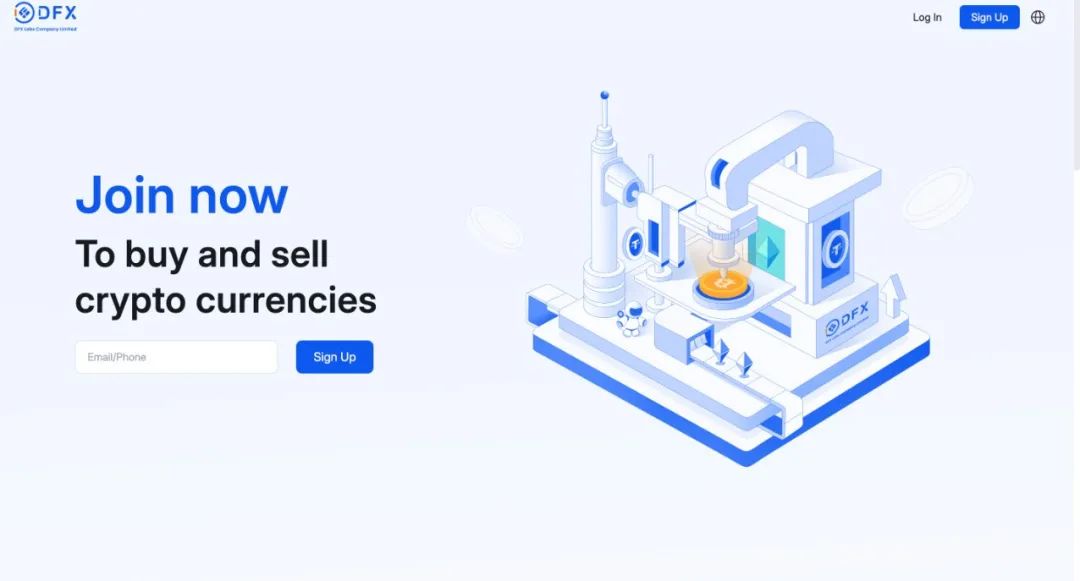
DFX Labs, the last applicant for a Hong Kong virtual asset trading platform license in 2024, was launched by DFX Labs Company Limited. The team has extensive experience in blockchain and fintech. COO Simon Au Yeung previously served as CEO of Blockchain Finance and BGE Exchange, and co-chair of IEEE Hong Kong. CTO David H. held positions at Morgan Stanley, Dell Technologies, and HashKey Group.
EX.IO was launched by Thousand Whales Technology (BVI) Limited. Major investors in EX.IO include Futu Holdings (under Sina), Longling Capital, and WeSure Financial Technology. Originally named xWhale, EX.IO was established in May 2024 following a strategic agreement between BusyWhale, a Web3 trading platform, and Futu Securities.
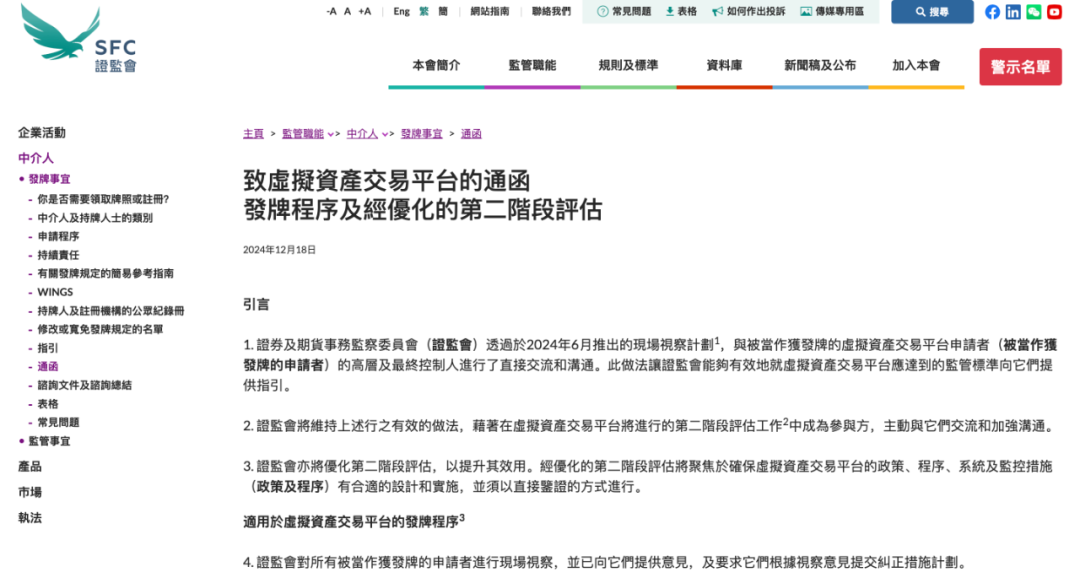
SFC circular on "Licensing Procedures and Optimized Phase Two Assessment"
Also on December 18, 2024, the SFC released a "Circular to Virtual Asset Trading Platforms – Licensing Procedures and Optimized Phase Two Assessment," providing a clear roadmap for the 11 remaining applicants awaiting licensing decisions. At the beginning of 2025, the SFC will establish a formal advisory group comprising all licensed platforms, with senior representatives from each institution participating to allow the SFC to systematically consider industry perspectives and prioritize investor protection initiatives. In the new year, more outstanding teams are expected to join the ranks of licensed virtual asset platforms, further expanding the market.
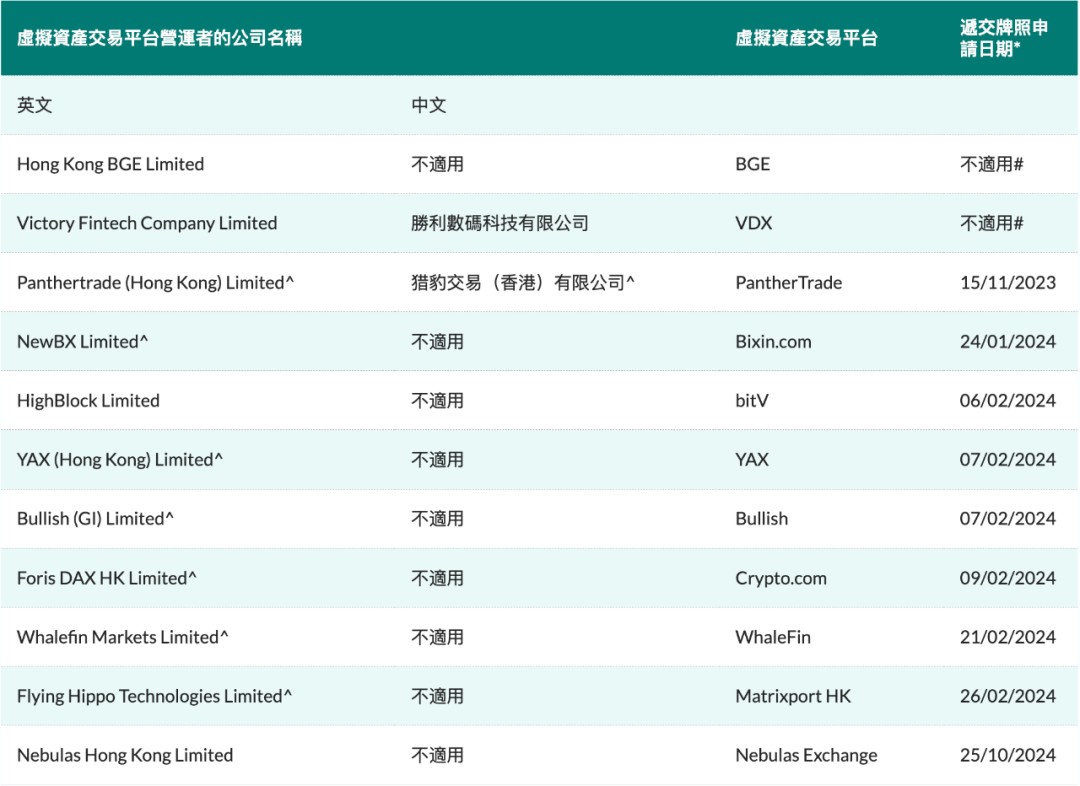
The 11 virtual asset trading platform applicants still awaiting licensing
Spot Virtual Asset ETFs
It took nearly a decade for spot Bitcoin ETFs to launch in the U.S.; by contrast, Hong Kong’s swift approval of spot virtual asset ETFs powerfully demonstrates its determination.
On April 15, 2024, Hong Kong conditionally approved spot Bitcoin and Ethereum ETFs. On April 24, the approvals were finalized. On April 30, six spot virtual asset ETFs—offered by CSOP Asset Management, Bosera Asset Management International, and Harvest Global Investments—rang the bell on the HKEX and began trading.
Overview of participants: Approved Next Monday! Assessing the Strength of Seven Hong Kong Spot Bitcoin ETF Applicants
Unlike the U.S., Hong Kong spot virtual asset ETFs support in-kind creation and redemption, allowing investors to exchange physical digital assets for ETF shares—not just cash-based transactions. In-kind redemptions mean underlying assets do not need to be immediately sold, offering advantages in cost and liquidity. Once the in-kind creation and redemption process is complete, investors will be able to directly receive corresponding Bitcoin, Ethereum, and other virtual assets tied to their ETF holdings, diversifying investment options.
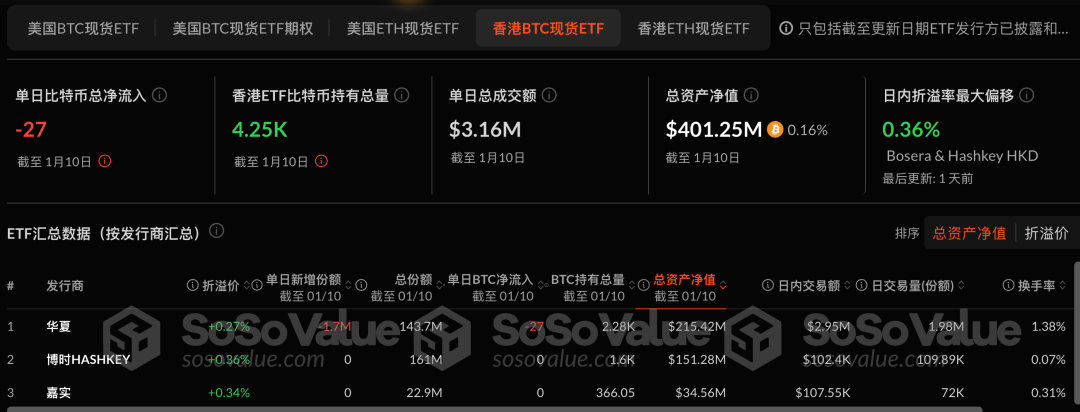
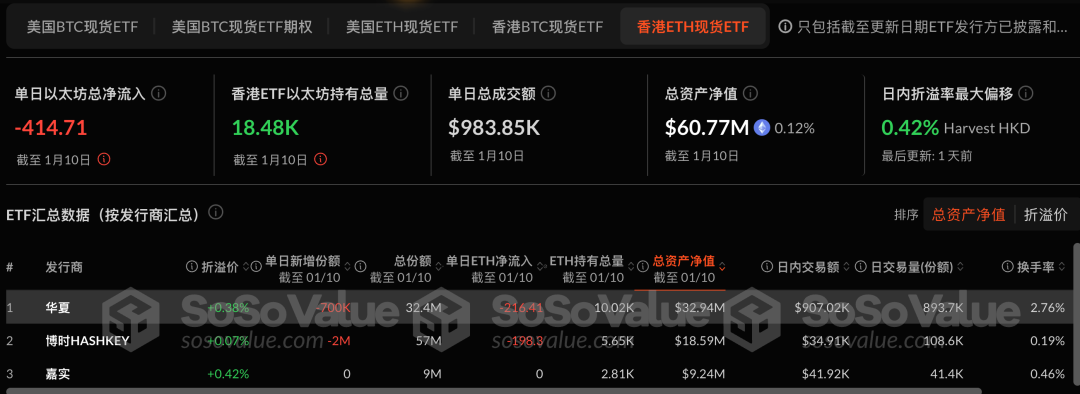
Data on Hong Kong spot Bitcoin and Ethereum ETFs as of January 11, per SoSoValue
On the first trading day, Hong Kong’s spot virtual asset ETFs raised approximately HK$2 billion (about USD 293 million in net asset value). The total trading volume of the six ETFs amounted to about HK$875.8 million (approximately USD 127 million).
As of January 7, 2025, according to HKEX data, the total trading volume of Hong Kong’s three spot Bitcoin ETFs reached HK$5.257 billion in 2024. In terms of market share, the U.S. Bitcoin ETF AUM of $129 billion accounts for 1.2% of its total ETF market, while Hong Kong’s equivalent figure stands at 0.66%, showing no significant order-of-magnitude difference. Since launch, Hong Kong’s spot Bitcoin ETFs have seen a net inflow of around 380 BTC, with total AUM growing by approximately 66%.
In 2025, influenced by the U.S.-led global financial landscape, the impact of Hong Kong’s virtual asset ETFs on the local financial market will become increasingly significant. Tools like ETFs may encourage more traditional institutions to genuinely embrace digital assets. Only when substantial “old money” flows in will Hong Kong’s virtual asset market witness transformative liquidity growth.
Mass Entry of Securities Firms and Asset Managers
The launch of ETFs signifies tool readiness; however, the true indicator of “old money embracing” the market lies in the active participation of securities firms and asset managers.
Tiger Brokers Makes a Grand Entrance
On May 6, 2024, according to Yahoo Finance, Tiger Brokers (Hong Kong) officially launched virtual asset trading services. Professional investors in Hong Kong can now trade 18 types of virtual assets seamlessly via Tiger Trade, Tiger Brokers’ investment platform.
On January 25, 2024, Tiger Brokers announced it had received SFC approval to upgrade its Type 1 license, enabling professional investors to trade virtual assets on its SFC-licensed platform.
On March 28, 2024, Tiger Brokers (Hong Kong) obtained the SFC’s Type 9 license for asset management services, qualifying it to offer a range of services including segregated accounts for retail and professional investors, and managing collective investment schemes targeting professional investors.
On May 6, 2024, Tiger Brokers (Hong Kong) officially launched virtual asset trading, becoming one of the first tech-driven brokers in Hong Kong to offer integrated trading of both traditional securities and digital assets. Initially, the transaction fee for virtual asset trades was set as low as 0.2% of transaction value, with custody fees waived—an aggressive pricing strategy reflecting Tiger Brokers’ strong execution intent to capture market share in the digital asset space.
More details: Tiger Brokers Launches Virtual Asset Trading in Hong Kong, Officially Enters Web3
Victory Securities Maintains First-Mover Advantage
Local broker Victory Securities has long been a pioneer in the virtual asset space. Thanks to its full suite of compliant licenses, it continues to lead in product innovation.
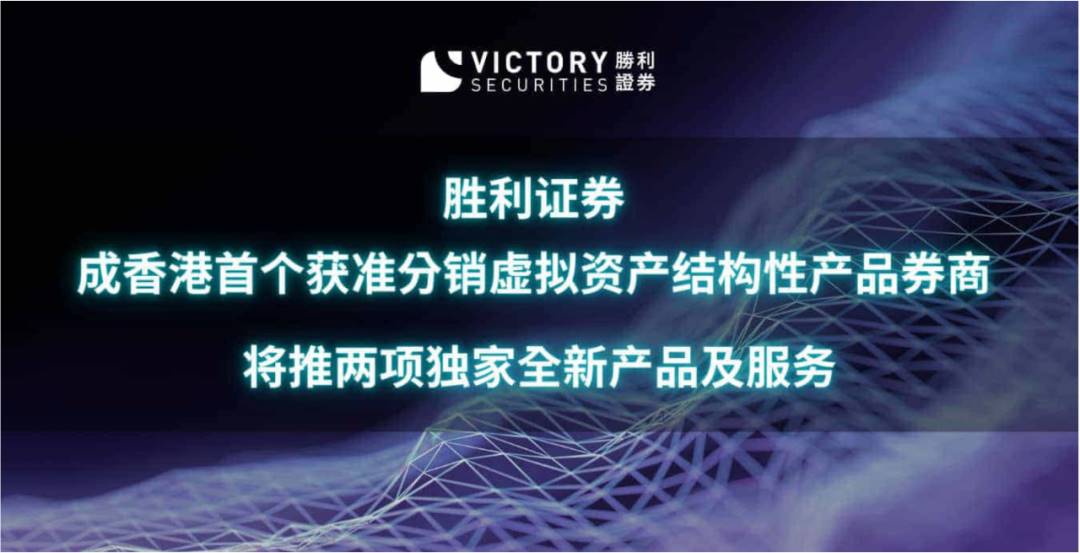
On April 23, 2024, Victory Securities announced it was the only participating securities firm in Hong Kong’s首批 spot Bitcoin and Ethereum ETFs to accept in-kind subscriptions. On October 15, 2024, it announced that on October 10, it successfully passed relevant regulatory inquiries, enabling it to initiate and manage the Victory VSG Virtual Asset Multi-Strategy Fund—the first Web3 multi-strategy compliant fund initiated by an SFC-licensed virtual asset investment organizer to accept stablecoin subscriptions. On November 4, 2024, Victory Securities announced it received SFC approval to sell cash-settled virtual asset structured products to qualified professional investors, becoming the first licensed broker in Hong Kong to receive this authorization.
No matter how far Victory Securities eventually goes in the virtual asset arena, its journey proves that compliance is a race against time—the earlier one embraces regulation, the greater the chance to seize market leadership.
31 Brokers and 36 Asset Managers Are Now Ready
Tiger Brokers and Victory Securities represent leading examples among securities firms, drawing significant attention. In reality, numerous traditional and emerging institutions have already obtained virtual asset-related licenses and are poised for expansion.
In terms of brokerage numbers, as of January 11, 2025, 31 securities firms have been approved to upgrade their Type 1 licenses, enabling them to offer virtual asset trading services through integrated account arrangements.
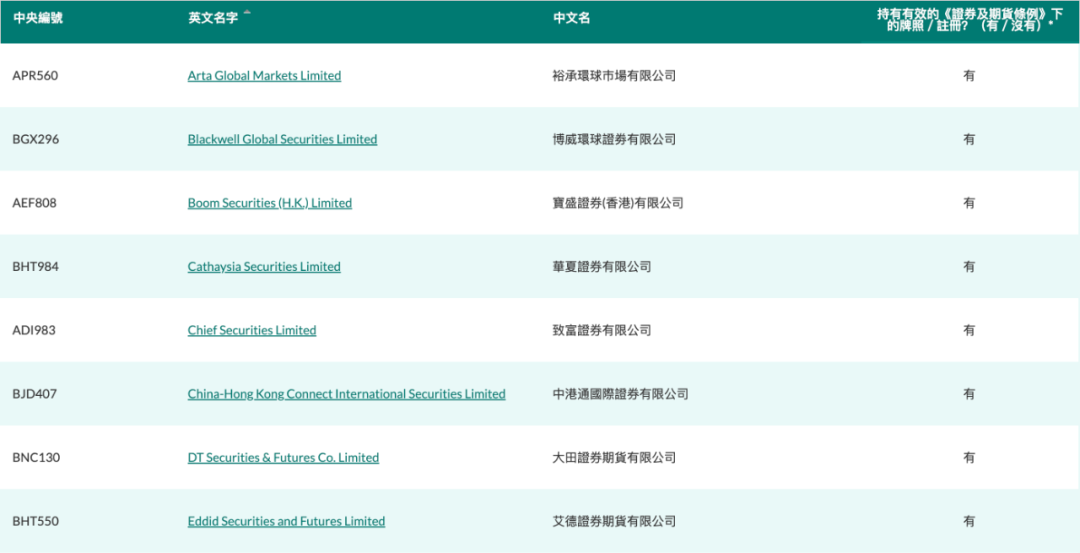
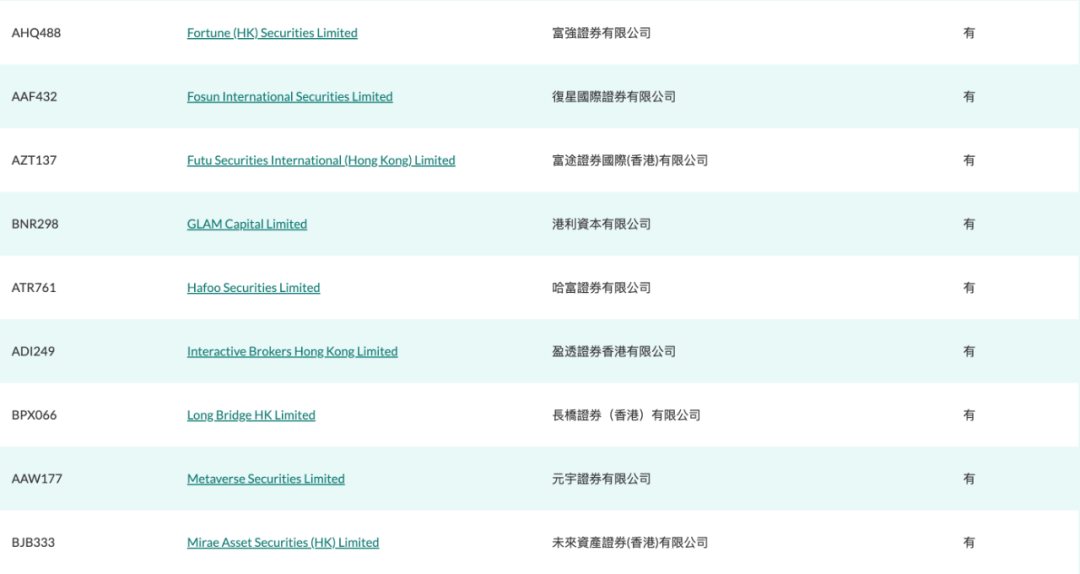
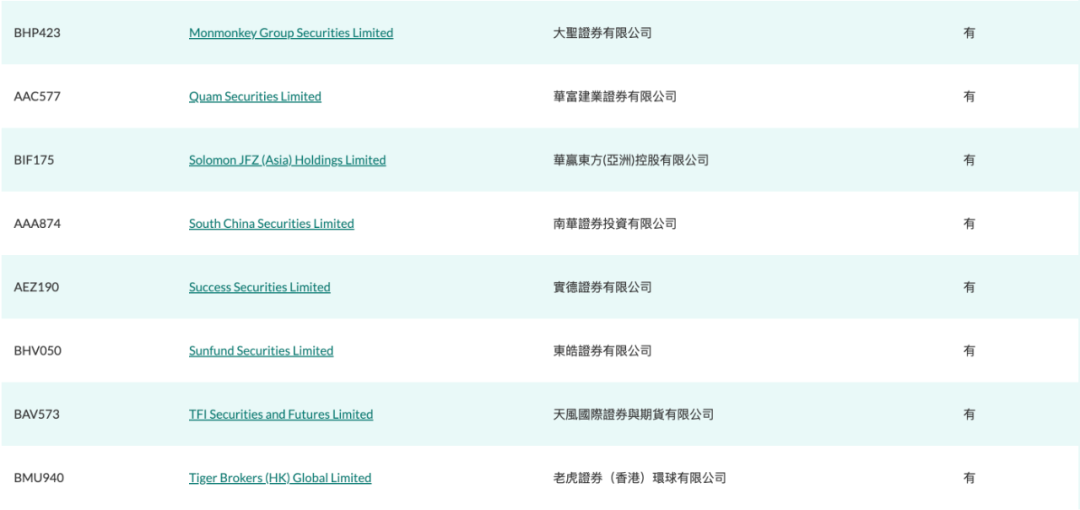
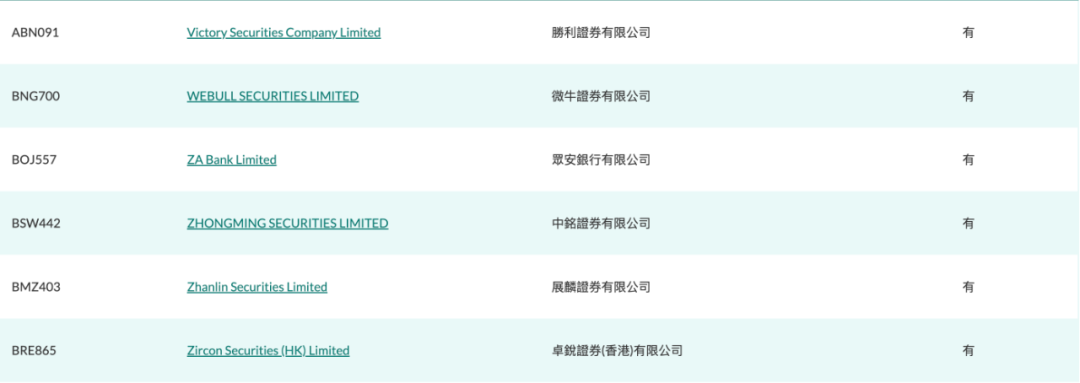
Per the SFC website, 31 brokers have been approved to offer virtual asset trading via integrated accounts
Regarding asset managers, at the beginning of 2024, only 11 firms were licensed to upgrade their Type 9 licenses to manage portfolios investing over 10% in virtual assets. As of January 11, 2025, that number has grown to 36.
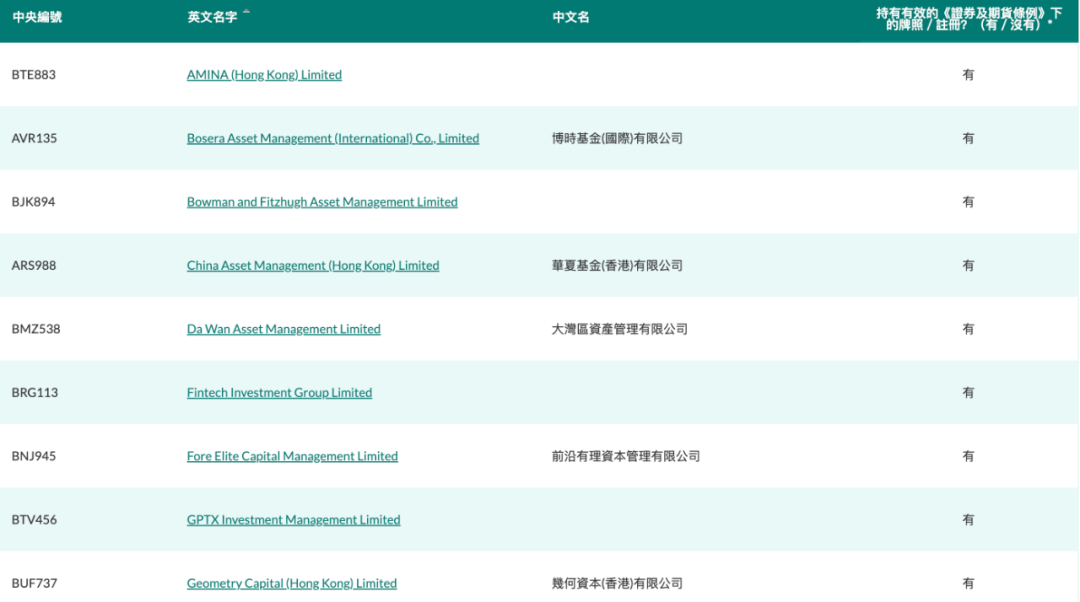
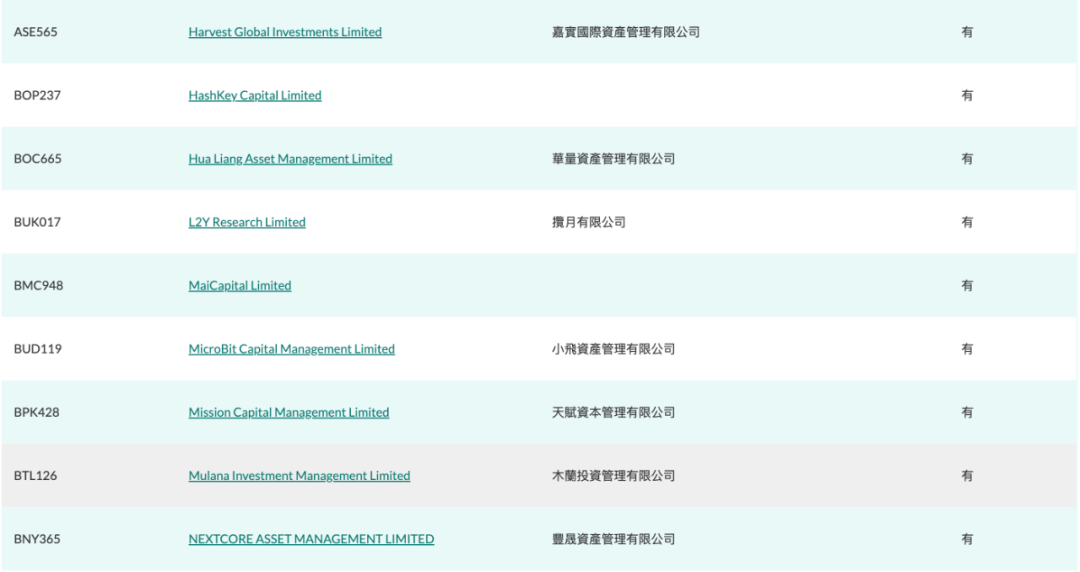
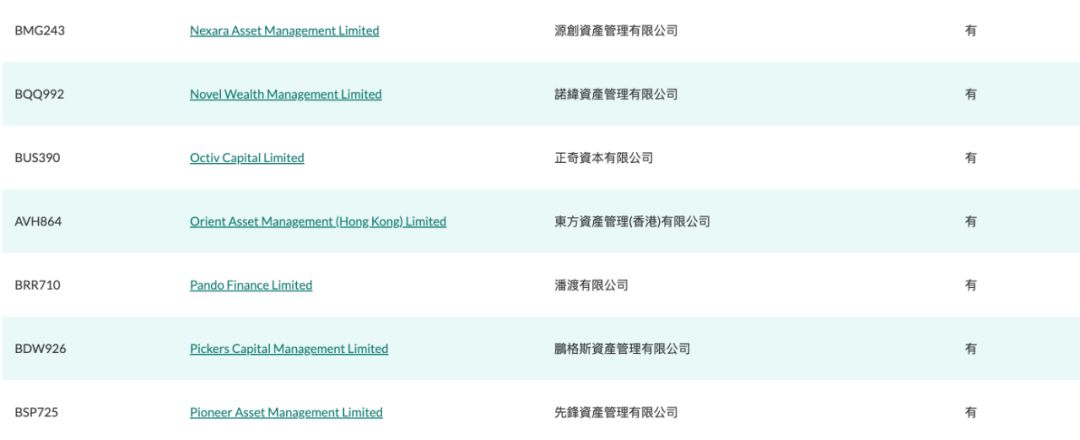
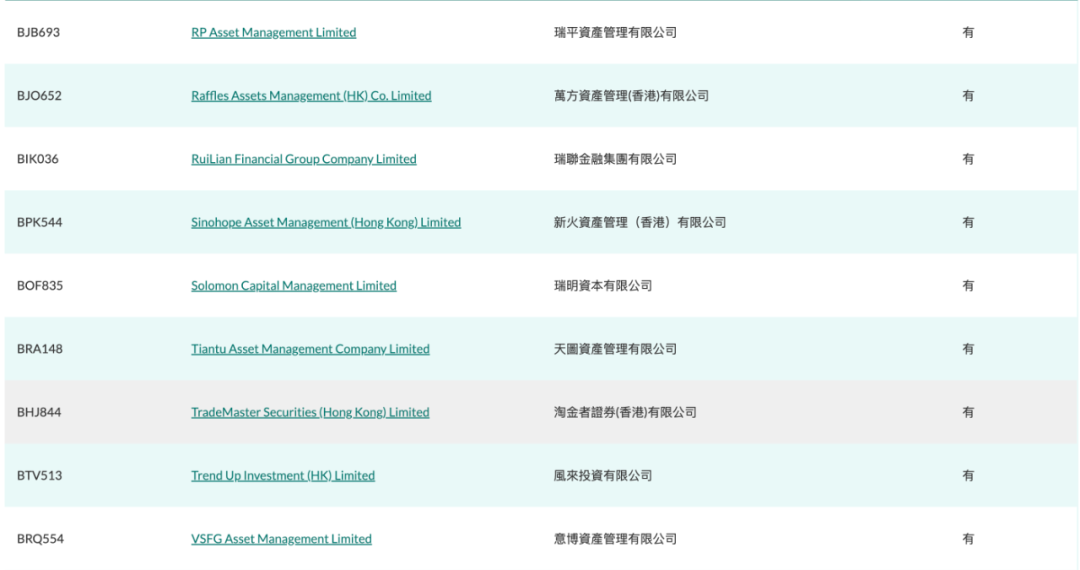

Per the SFC website, 36 asset management firms are now approved to manage portfolios with over 10% invested in virtual assets
With the rollout of virtual asset licenses, Hong Kong’s financial institutions are proactively positioning themselves for the rapid growth of RWA in 2025. From brokers to asset managers, both traditional and emerging players have laid dual foundations in compliance and technology. Based on this momentum, the gateways for increasing inflows of “old money” are now fully open. Hong Kong’s financial ecosystem is ready to sprint forward in this wave.
RWA: The Next Strategic Focus
Bridging the gap between the virtual and real worlds—enabling free flow of assets and capital between the two systems—is a global trend and Hong Kong’s next strategic priority.
RWA matters because, on one hand, it leverages blockchain technology to enhance transparency and security, addressing long-standing issues in traditional finance. On the other hand, if the market embraces it, RWA can fundamentally unlock vast pools of real-world assets, attract broader participation from small and medium investors, and inject much-needed liquidity into both physical industries and the digital economy.
Government-Led Issuance of Second Batch of Digital Green Bonds
On February 7, 2024, the Government of the Hong Kong Special Administrative Region of the People's Republic of China announced the successful issuance of digital green bonds worth approximately HK$6 billion, denominated in HKD, RMB, USD, and EUR—the world’s first multi-currency digital bonds—under its Green Bond Programme.
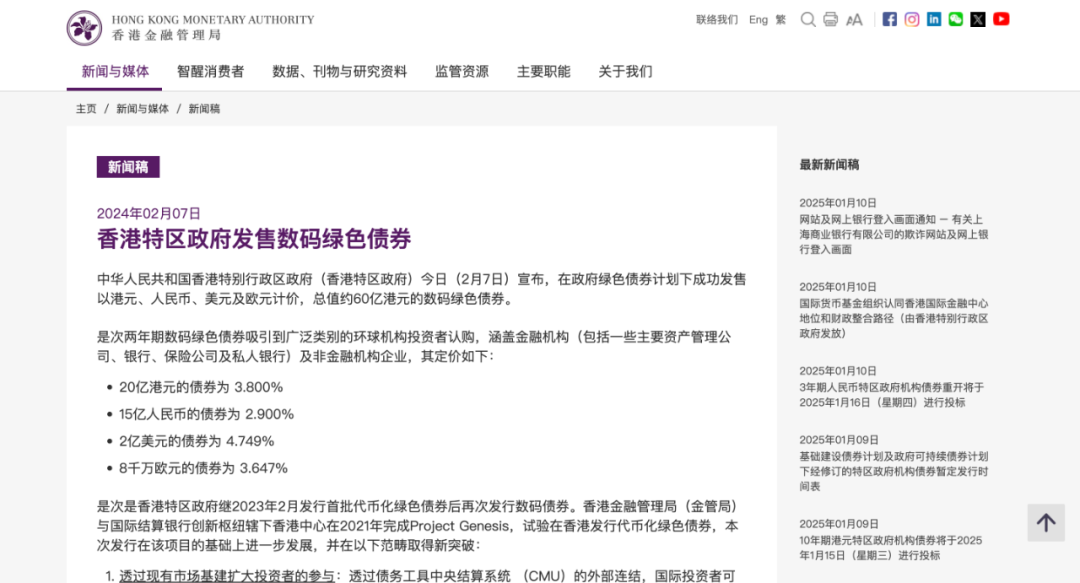
In 2021, the Hong Kong Monetary Authority (HKMA) and the BIS Innovation Hub Hong Kong Centre completed Project Genesis, piloting the issuance of tokenized green bonds in Hong Kong. This latest issuance builds upon that foundation. According to the HKMA, it achieved new breakthroughs in four areas: broadening investor participation, streamlining issuance procedures, introducing standardized elements, and integrating disclosures into digital asset platforms.
As the world’s first multi-currency digital bonds, settlement and delivery were conducted via the CMU system, using HSBC Orion as the digital asset platform. Participating institutions included HSBC, Bank of China (Hong Kong), Crédit Agricole, Goldman Sachs, ICBC Asia, UBS, Allen & Overy, Ashurst, and Linklaters.
HKMA’s Ensemble Sandbox Promotes Tokenization Applications
On March 7, 2024, the HKMA announced the launch of a new wholesale central bank digital currency (wCBDC) initiative called “Ensemble.” The HKMA stated: “The project will initially focus on tokenized deposits—that is, digital forms of commercial bank deposits issued and provided by commercial banks to the public.”
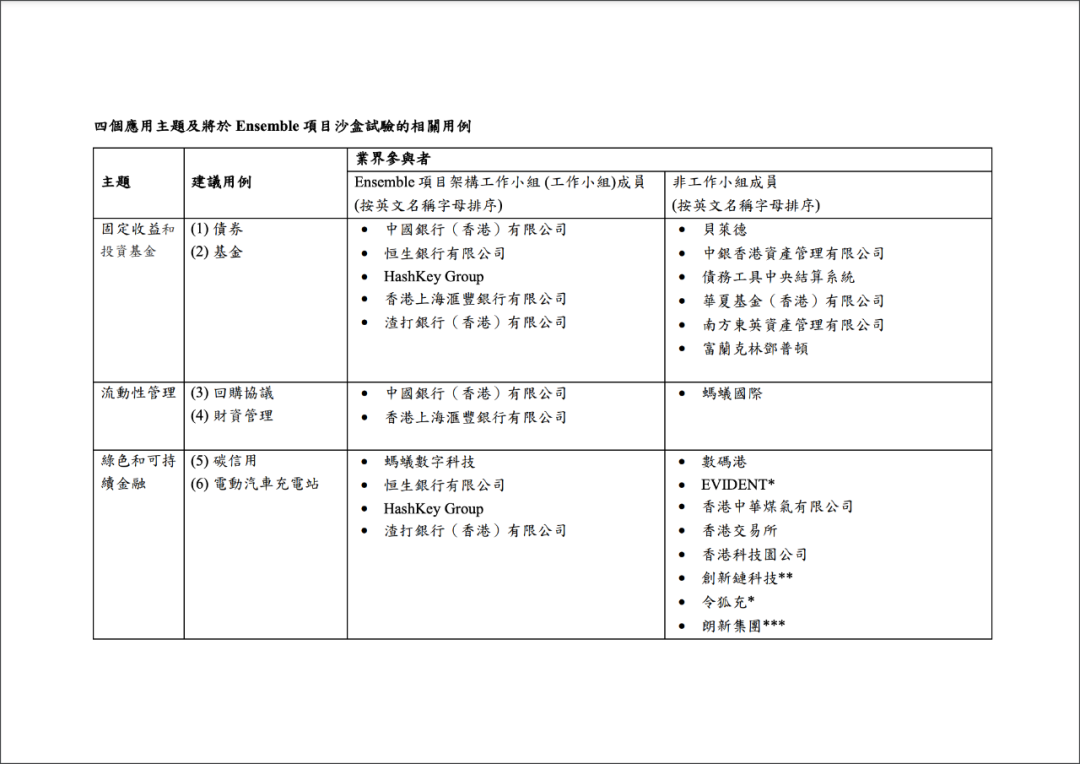
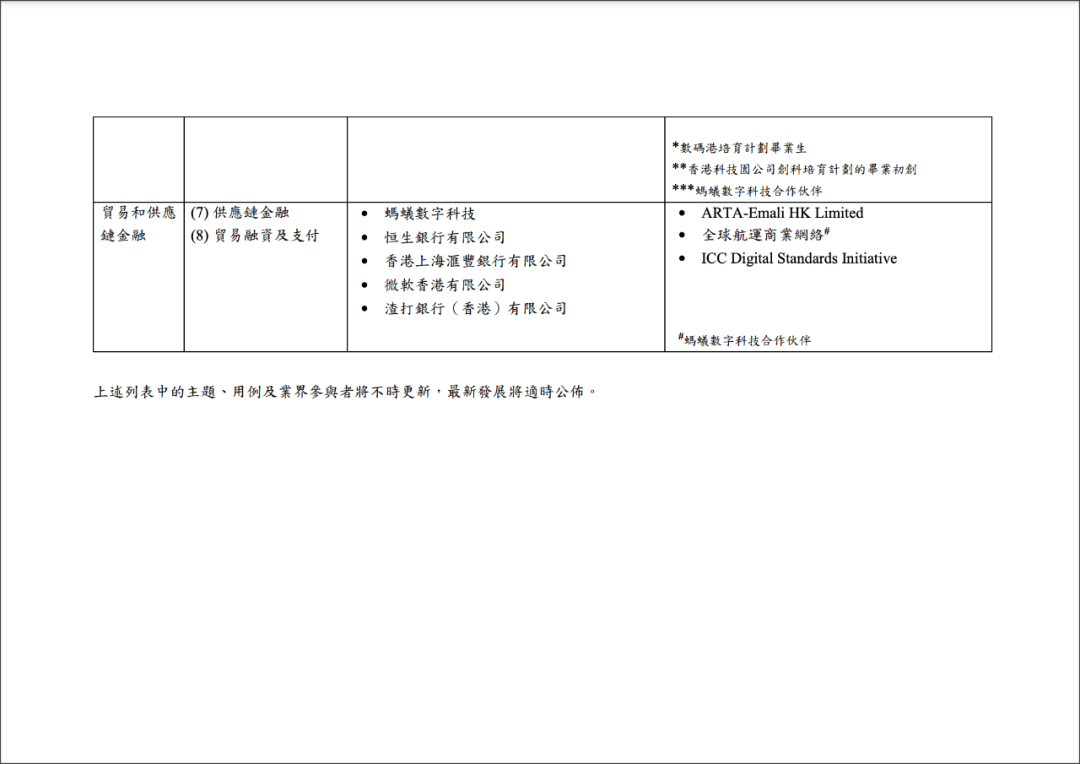
On August 28, 2024, the HKMA officially launched the Ensemble sandbox, announcing that the first phase would cover tokenization of traditional financial assets and real-world assets, focusing on four themes: fixed income and investment funds, liquidity management, green and sustainable finance, and trade and supply chain financing. Through these trials, the HKMA aims to verify interoperability among tokenized assets, tokenized deposits, and wCBDC, enabling industry participants to conduct end-to-end testing of tokenized asset transactions in real business scenarios.
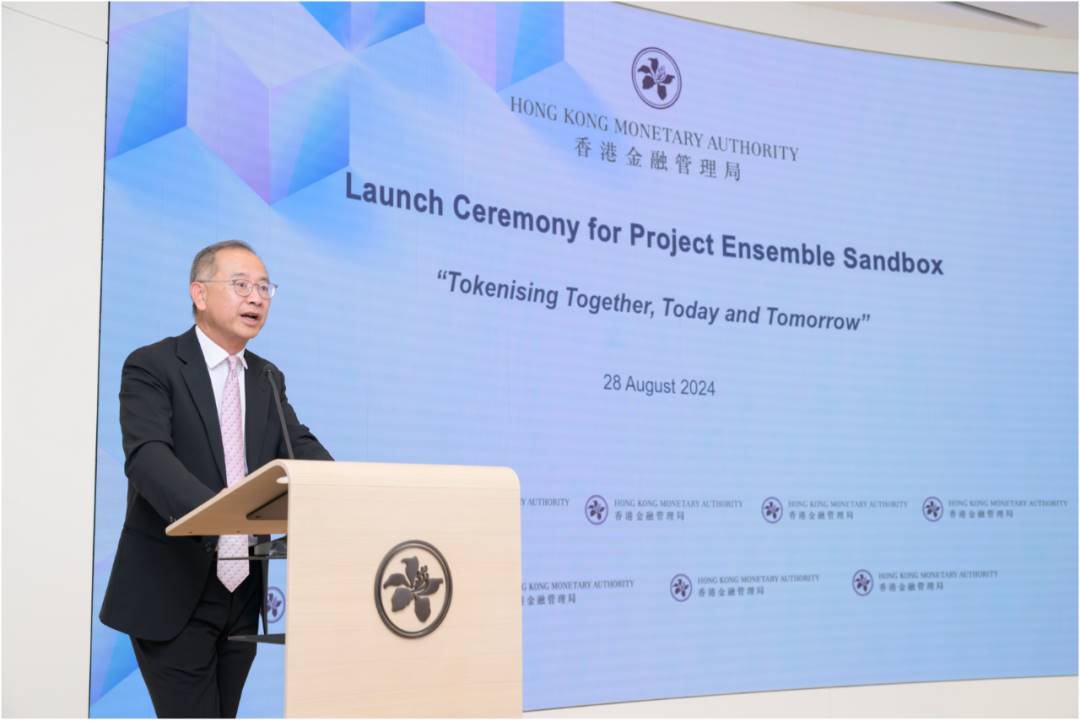
Norman Chan, Chief Executive of the Hong Kong Monetary Authority, delivers opening remarks at the Ensemble Sandbox launch ceremony
According to the HKMA, the Ensemble project architecture working group includes prominent financial and technology firms such as Bank of China (Hong Kong), Hang Seng Bank, Hashkey Group, HSBC, Standard Chartered, Ant Digital Technology, and Microsoft (Hong Kong). Internationally, the HKMA plans to explore collaboration with the BIS Innovation Hub Hong Kong Centre on one or more tokenization topics and work with CBDC expert groups to advance the sandbox.
Stablecoin Sandbox and Draft Stablecoin Bill
As the cornerstone of RWA, stablecoins are central to development. As early as January 2022, the HKMA released a discussion paper on extending Hong Kong’s regulatory framework to stablecoins, inviting industry input and outlining initial regulatory directions. In January 2023, the HKMA published a consultation summary on crypto assets and stablecoins, clarifying the intended scope and key requirements.
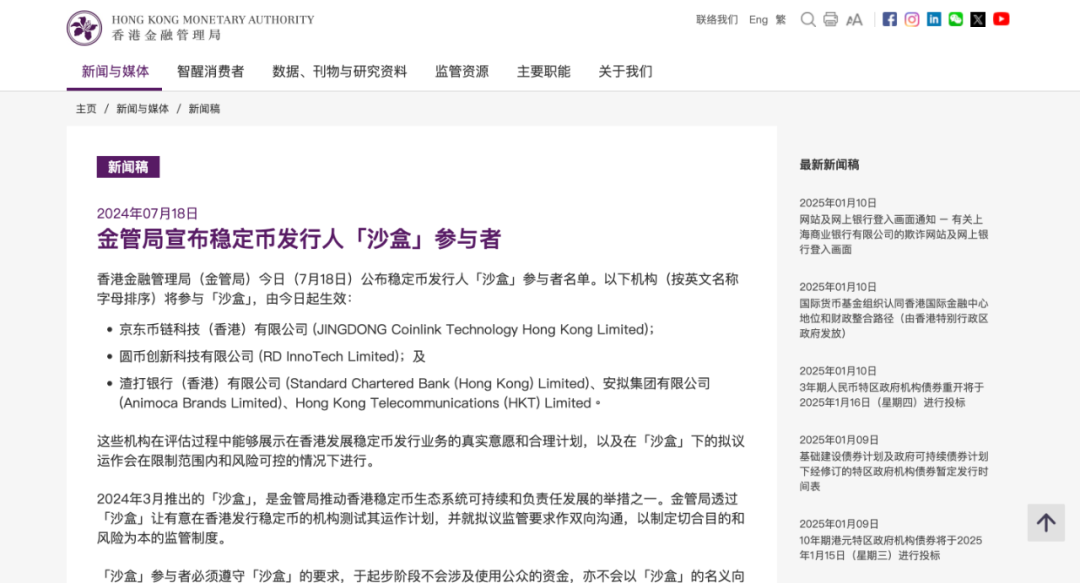
In March 2024, the HKMA launched a “sandbox” for stablecoin issuers, allowing testing within a regulated environment. On July 18, 2024, the HKMA released the list of stablecoin sandbox participants: JD, Circle, and Standard Chartered became official participants, proposing use cases in payments, supply chain management, capital markets, and secondary applications in Web3, gaming, and virtual asset trading.
The HKMA noted that fund transfers in these scenarios often involve financial institutions, payment providers, and clearing systems across different time zones—intermediaries and infrastructures that are not always available 24/7, leading to high costs and inefficiencies. Stablecoins can serve as efficient mediums of exchange, reducing costs and transaction times, while their programmability enables innovative solutions that automate and intelligentize financial processes, facilitating smoother capital flows and more precise risk management.
More details: JD, Circle, and Standard Chartered Enter Hong Kong’s Stablecoin Sandbox—Who Will Prevail?
On December 6, 2024, the Hong Kong government published the Draft Stablecoin Bill in the Gazette, aiming to strengthen the regulatory framework for virtual asset activities, address potential risks posed by fiat-backed stablecoins, and ensure transparency and consumer protection.
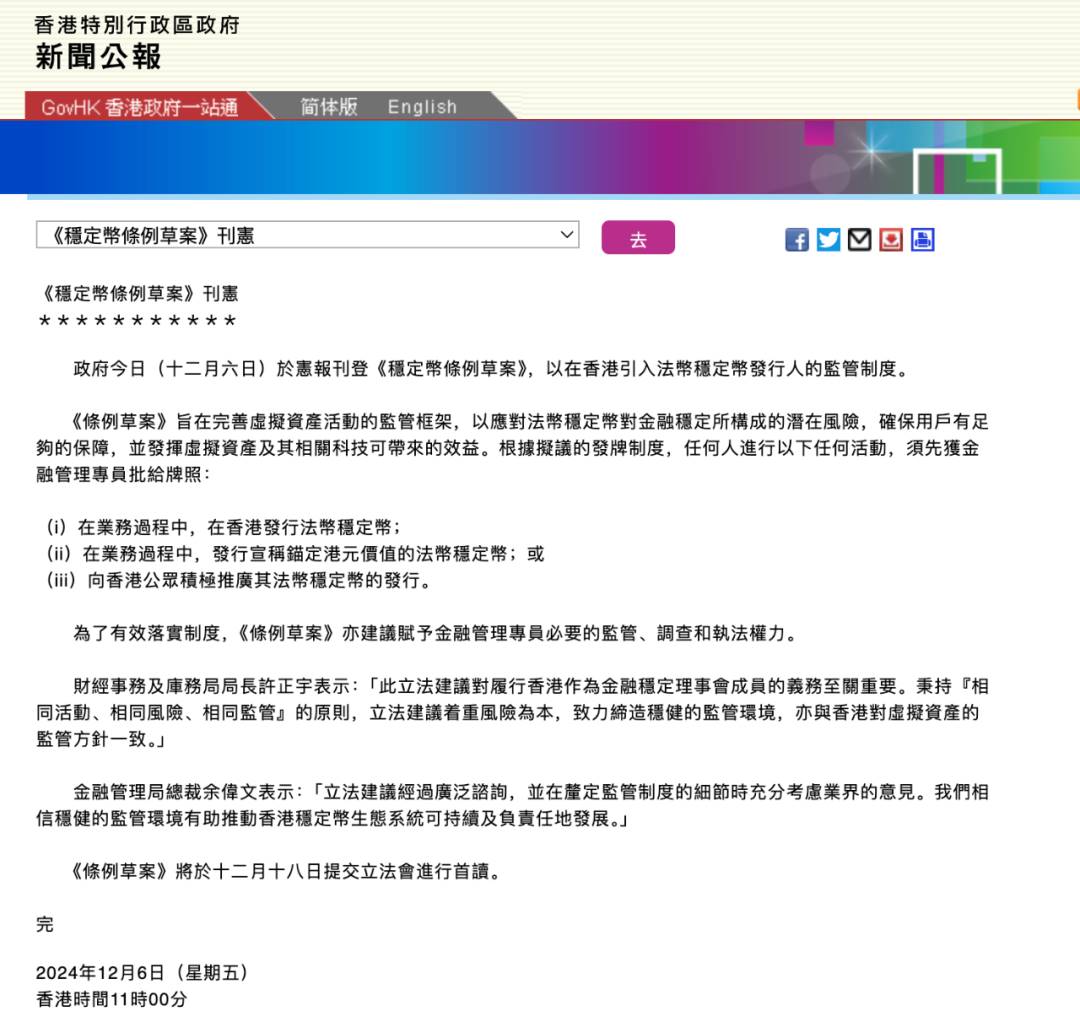
The Draft Stablecoin Bill sets strict licensing and compliance requirements. While beneficial for systemic stability, it may inadvertently exclude smaller or emerging market participants. Whether startups will face challenges due to high audit costs, stringent governance, and capital adequacy requirements remains a critical balancing act for Hong Kong between innovation and safety.
China’s First RMB 200 Million+ Photovoltaic Physical Asset RWA
On December 23, 2024, China Fund News reported that Ant Digital Technology partnered with green energy service provider GCL Energy to successfully complete China’s first RWA based on photovoltaic physical assets, involving over RMB 200 million. Victory Securities also participated in the transaction.
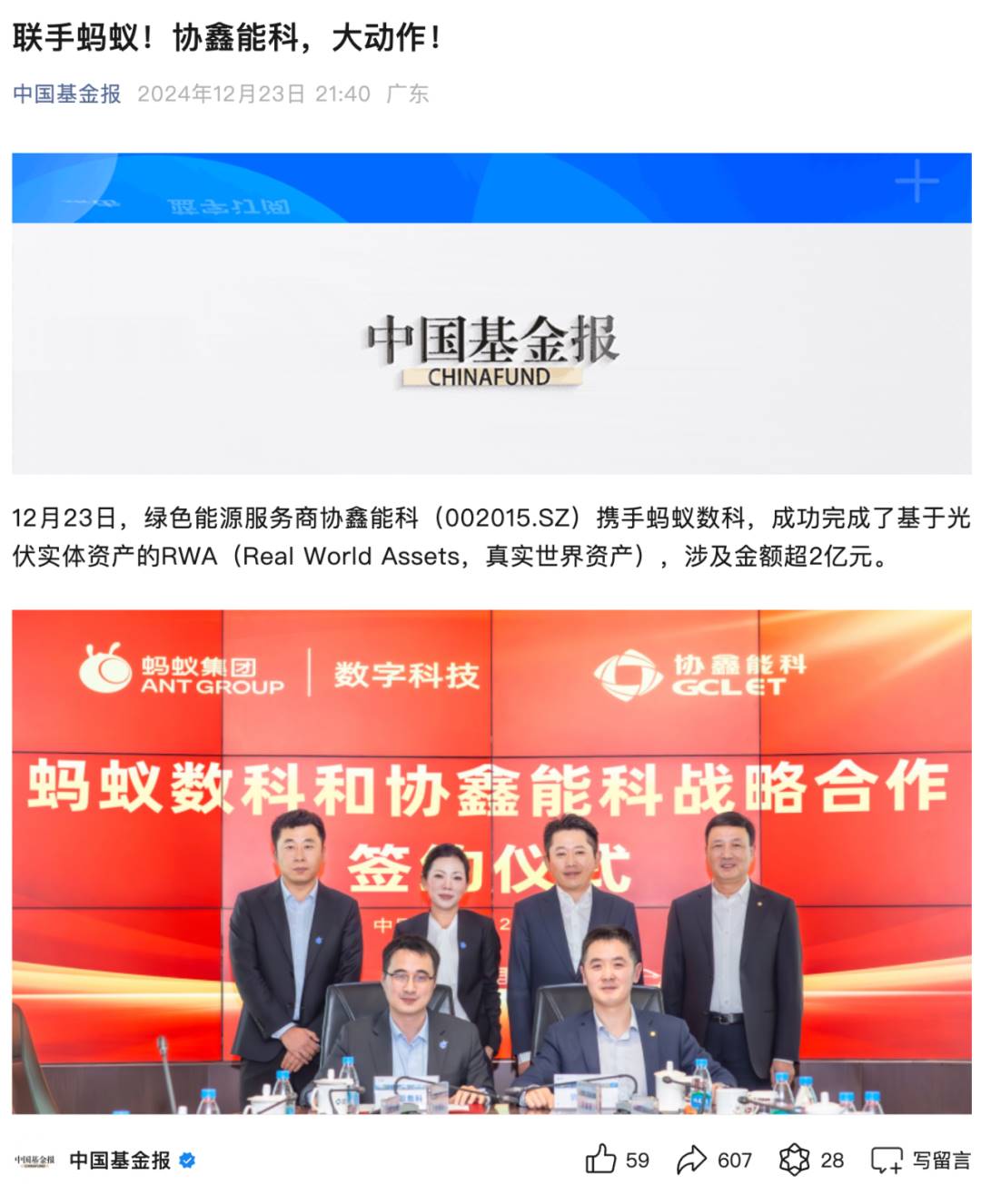
Ant Digital Technology, the independent technology commercialization arm of Ant Group, began independent operations in April 2024. To date, it has collaborated with over 300 partners to serve more than 10,000 enterprise clients. GCL Energy Technology Co., Ltd., a subsidiary of GCL (Group) Holding Limited, primarily engages in digital and clean energy businesses. Currently, its subsidiaries employ 225 energy experts, hold 192 software copyrights, have 324 patent applications pending, and participate in three national key R&D programs.
GCL Energy used approximately 82MW of “Sunshine Home” residential photovoltaic projects in Hubei and Hunan provinces as the RWA collateral. By integrating blockchain and IoT technologies, data on the value, operations, and revenues of these photovoltaic projects were packaged and stored on the blockchain as digital tokens. On the day of issuance, Ant Digital Technology and GCL Energy signed a strategic cooperation agreement in Suzhou. The two parties will collaborate comprehensively on distributed PV stations, energy storage stations, integrated energy services, new power system construction, green finance, and AI, continuing to explore integration pathways for digital industrialization and industrial digitization.
More details: Ant Digital Technology Partners with GCL Energy to Complete RMB 200 Million+ Photovoltaic Physical Asset RWA Issuance
Hong Kong’s First Short-Term Asset-Backed Liquidity Note Token (STBL)
Institutions across Hong Kong have begun experimenting with RWA. On December 16, 2024, Cinda International Asset Management Limited (“Cinda International AM”) announced the successful issuance of the short-term asset-backed liquidity note token (STBL) on the Ethereum blockchain—the first case arranged by a Hong Kong financial institution to issue a transferable tokenized securitized note.
Cinda International AM will serve as the STBL manager. NVT will act as blockchain agent, providing blockchain operations and technical support for the issuance. GF Securities (Hong Kong) Brokerage Limited and HashKey Exchange will serve as the initial distributors of STBL.
Through tokenization, STBL issuance and transfers no longer rely on third-party intermediaries such as clearing houses. All transactions are recorded in real-time and automatically on the blockchain, publicly verifiable by anyone, enhancing transparency. Each STBL has a face value of $1 and maintains stable value. Daily accrued interest is automatically distributed to professional investors’ wallets in the form of newly issued tokens on each monthly interest payment date. The STBL manager (Cinda International AM) will publish the average daily yield and underlying MMFs of the related assets weekly on a public website.
Meanwhile, Cinda International AM and HashKey Group are also exploring deeper future collaboration, potentially expanding STBL issuance to HashKey Chain, an Ethereum Layer 2 network, to broaden its investor base.
Outlook for 2025
Looking back at 2024, Hong Kong has strengthened its foundation in the virtual asset sector. From licensed trading platforms and spot ETFs to the flourishing emergence of RWA, the potential of compliance and innovation continues to unfold in Hong Kong’s financial markets.
Looking ahead to 2025, as “old money” gradually embraces the market, Hong Kong is poised to accelerate the deep integration of virtual assets and traditional finance. Particularly in stablecoins and RWA, if Hong Kong can strike the right balance between safeguarding security and fostering innovation, it is certain to enter its golden era within the global virtual asset landscape.
Join TechFlow official community to stay tuned
Telegram:https://t.me/TechFlowDaily
X (Twitter):https://x.com/TechFlowPost
X (Twitter) EN:https://x.com/BlockFlow_News