








From Blockchain to Business: Unlocking Crypto-Friendly Companies Beyond Tesla and MicroStrategy
TechFlow Selected TechFlow Selected
From Blockchain to Business: Unlocking Crypto-Friendly Companies Beyond Tesla and MicroStrategy
This article will explain how these companies skillfully integrate blockchain technology and explore differing views from critics regarding the legitimacy of digital assets and their long-term impact.
 Navigating Web3 tides with focused insights
Cryptocurrencies and blockchain technology are profoundly transforming industries worldwide, not only enabling more efficient operations but also streamlining financial transactions and elevating global connectivity to new heights. As the most representative cryptocurrency, Bitcoin has become a central focus of this digital revolution, sparking widespread debate over whether it can disrupt traditional finance and investment models. While companies like Tesla and MicroStrategy have boldly embraced Bitcoin, many others choose not to directly bet on cryptocurrencies, instead leveraging blockchain technology in flexible and innovative ways to empower their businesses. This article explores how these enterprises skillfully integrate blockchain technology and examines critical perspectives on the legitimacy and long-term impact of digital assets.
Companies Supporting Cryptocurrencies
Blockchain and cryptocurrency technologies are rapidly evolving, with an increasing number of companies integrating them into business practices to drive innovation, enhance efficiency, and advance global connectivity. From digital payment applications to blockchain-optimized operations, these companies are actively shaping the future direction of decentralized technologies.
Microsoft: An Active Explorer of Blockchain, A Rational Observer of Bitcoin
Microsoft has been at the forefront of blockchain innovation, offering enterprise-grade blockchain solutions through its Azure cloud platform. As early as 2014, the tech giant began accepting Bitcoin payments for services such as Xbox Live and Skype, becoming one of the first major corporations to adopt cryptocurrency. However, Microsoft recently rejected a proposal to add Bitcoin to its balance sheet, reflecting a cautious stance toward Bitcoin's high volatility.
This decision underscores Microsoft’s commitment to financial stability and predictable investments amid a rapidly changing economic landscape. Rather than making large bets on Bitcoin, Microsoft focuses on practical blockchain applications—such as enhancing supply chain transparency and securing data. This pragmatic approach to innovation demonstrates Microsoft’s ability to balance technological advancement with effective risk management.
With deep exploration of blockchain and strong control over financial stability, Microsoft continues to lead in the technology sector. Its careful and forward-looking strategy not only strengthens its influence within the crypto ecosystem but also serves as a model for how businesses can balance innovation and risk.
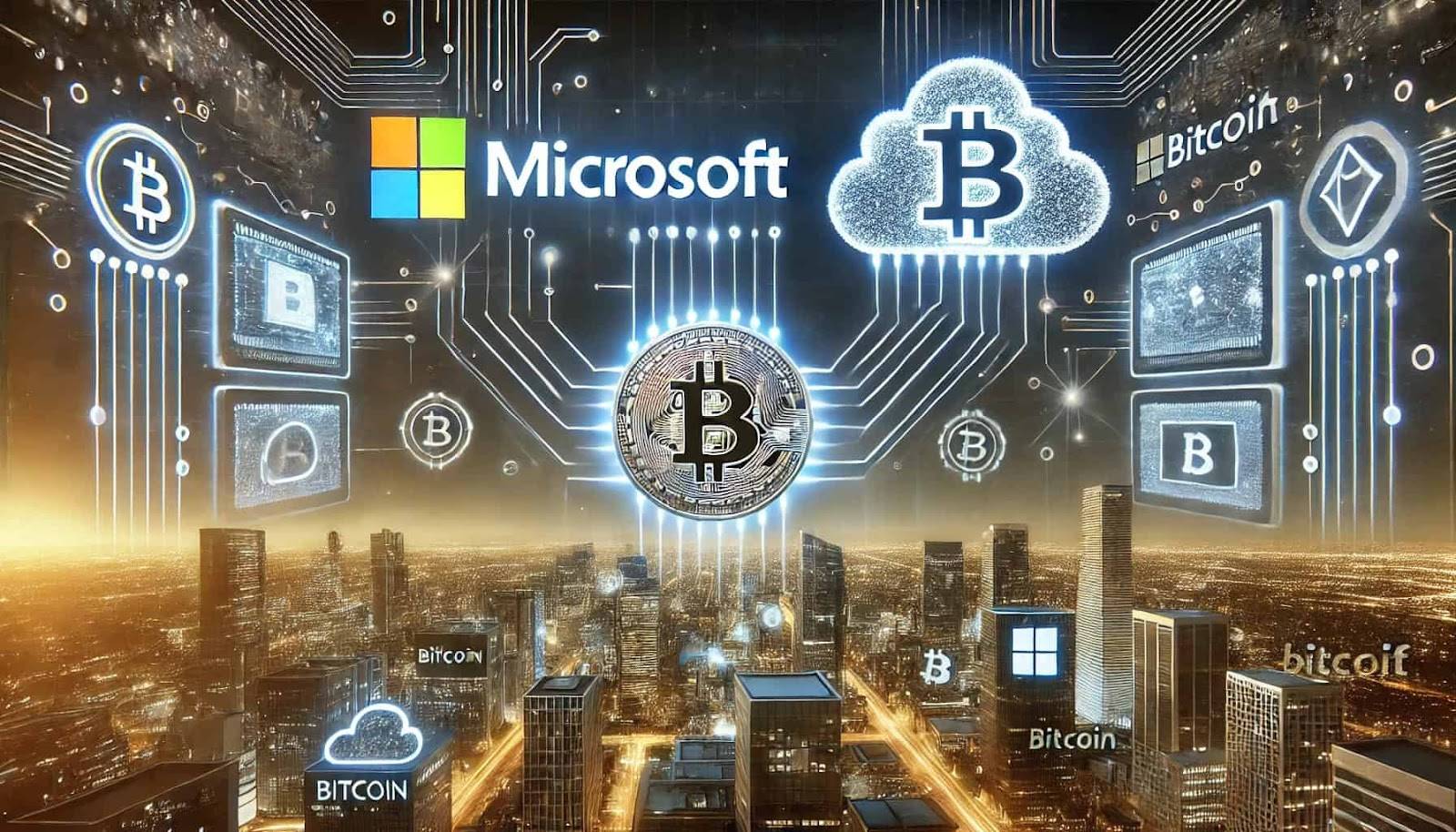
Image Source: Brave New Coin
Tesla: A Pioneer in Cryptocurrency Integration
Tesla’s entry into the cryptocurrency space has opened a new chapter in corporate adoption of digital assets. The company attracted significant attention by enabling Bitcoin payments for vehicle purchases and allocating part of its treasury to Bitcoin investments. However, due to environmental concerns related to Bitcoin mining, Tesla suspended Bitcoin payments while retaining its holdings—demonstrating confidence in Bitcoin’s long-term potential.
Meanwhile, Tesla is actively exploring other cryptocurrencies such as Dogecoin, reflecting ongoing interest in crypto innovation. CEO Elon Musk’s public support for digital currencies has positioned Tesla as a leader bridging traditional commerce and digital finance. This dual strategy of “cautious experimentation and selective adoption” sets Tesla apart in the crypto industry.
As Tesla continuously refines its cryptocurrency strategy, it offers valuable insights into how businesses can balance innovation with responsibility. Whether addressing environmental challenges or unlocking the potential of digital currencies, Tesla’s journey highlights both the complexity and foresight required in advancing cryptocurrency applications.
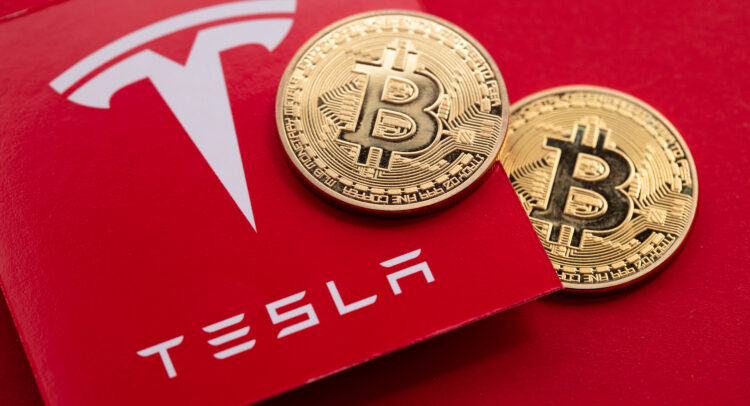
Image Source: TipRanks
MicroStrategy: The Industry Benchmark for Enterprise Bitcoin Adoption
Under CEO Michael Saylor’s leadership, MicroStrategy has emerged as the flagship company supporting Bitcoin in the corporate world. The company currently holds over 402,000 Bitcoins, ranking first globally among enterprises in Bitcoin holdings. Saylor views Bitcoin as a powerful hedge against inflation and an exceptional store of value, integrating it into MicroStrategy’s core financial strategy.
The company has launched an ambitious “21/21 Plan,” aiming to raise $42 billion to further increase its Bitcoin holdings—a clear testament to its unwavering belief in the asset. This aggressive strategy not only solidifies MicroStrategy’s position as a leading Bitcoin advocate but also encourages more enterprises to explore cryptocurrency adoption. Despite controversy surrounding its highly concentrated investment approach, MicroStrategy’s market performance validates the feasibility of its bold decisions.
MicroStrategy’s experience illustrates both the opportunities and risks of holding Bitcoin as a corporate asset. Its pioneering efforts have made it one of the key drivers behind Bitcoin’s growing role in global finance.

Image Source: The Chain Bulletin
Apple: The Cautious Tech Giant Entering the Crypto Realm
Apple is entering the cryptocurrency market cautiously and strategically, focusing on user-friendly solutions rather than direct investment in digital assets. Through its partnership with Coinbase Onramp, Apple Pay enables users to easily purchase cryptocurrencies—enhancing accessibility while minimizing direct exposure to digital asset risks.
Beyond payments, Apple is also exploring blockchain applications in intellectual property protection and app ecosystem optimization. While CEO Tim Cook has expressed personal interest in cryptocurrencies, Apple’s overall strategy remains centered on user experience and security. This measured approach ensures alignment with innovation goals while effectively mitigating potential risks.
By prioritizing consumer-friendly solutions, Apple exemplifies how companies can enter the crypto space in a rational and sustainable manner. This step-by-step strategy not only reflects Apple’s interest in digital assets but also reinforces its brand reputation for reliability and security.
Image Source: ETF Trends
Amazon: A Blockchain Pioneer and Potential Contender in Crypto's Future
Although Amazon does not currently accept Bitcoin payments, its substantial investments in blockchain technology reveal a strategic vision for improving operational efficiency. From supply chain transparency to logistics optimization, Amazon’s blockchain initiatives aim to strengthen operations and build greater user trust.
In recent years, speculation about Amazon entering the cryptocurrency space has intensified. Reports of a potential $250 million Bitcoin purchase and active recruitment of blockchain experts have drawn widespread attention. Additionally, Amazon owns several blockchain-related domains (such as AmazonEthereum.org), signaling its readiness and potential to integrate into the digital asset ecosystem.
These strategic moves clearly indicate that Amazon is positioning itself for a blockchain-driven future. By focusing on blockchain innovation while cautiously evaluating cryptocurrency adoption, Amazon is steadily reinforcing its significance in the digital economy.
Image Source: BanklessTimes
Visa: An Industry Leader Driving Cryptocurrency Adoption
Visa continues to lead efforts in bringing cryptocurrencies into everyday life. By partnering with cryptocurrency exchanges and fintech firms, Visa has launched debit cards that support crypto spending, enabling users to conveniently use digital assets for payments and paving the way for mainstream crypto adoption.
Moreover, Visa is actively exploring blockchain applications to enhance transaction security and transparency, delivering faster and safer payment experiences. These innovations not only make cryptocurrencies more accessible to consumers and merchants but also expand their real-world utility.
Visa’s actions reflect strong confidence in the transformative potential of cryptocurrencies in finance. By building bridges between fiat and digital currencies, Visa has successfully cemented its leadership in the fast-evolving financial ecosystem.

Image Source: CryptoWallet.com
PayPal: The Fintech Giant Reshaping Payments with Cryptocurrency
PayPal is redefining how people interact with cryptocurrencies, allowing users to buy, sell, and hold digital assets directly on its platform. Its collaboration with MetaMask further simplifies transaction processes, making conversions between fiat and digital currencies smoother and more convenient.
By supporting major cryptocurrencies such as Bitcoin and Ethereum, PayPal has built a bridge between traditional commerce and digital finance. In addition, its merchant services enable more businesses to accept crypto payments, significantly expanding the use cases for digital assets.
Through forward-thinking initiatives, PayPal has strengthened its leading position in the fintech industry. As it continues to expand its crypto offerings, PayPal is emerging as a key force shaping the future of digital payments.
Image Source: SmartData Collective
Crypto Critics: Who Questions This Revolution?
While cryptocurrencies and blockchain technology are seen as transformative innovations, they have also drawn skepticism from prominent figures in the financial world. Critics primarily highlight concerns around digital assets’ extreme volatility, ethical controversies, and uncertain regulatory environments. These viewpoints bring rational reflection to market enthusiasm, urging caution and reaffirming the importance of traditional investment principles.
Warren Buffett: The Legendary Investor’s Firm Opposition
Known as the "Oracle of Omaha," Warren Buffett has remained a staunch critic of Bitcoin and cryptocurrencies. He argues that these digital assets lack intrinsic value and serve merely as speculative instruments—contradicting his investment philosophy rooted in tangible assets and solid fundamentals. He once likened Bitcoin to “rat poison squared,” criticizing its inability to generate real returns and contrasting it sharply with productive enterprises.
Nevertheless, Berkshire Hathaway, Buffett’s conglomerate, has made significant investments in Nubank, a Brazilian fintech firm offering crypto services. This move reflects Buffett’s pragmatism: while personally dismissive of Bitcoin, he acknowledges the profound impact digital assets are having on the global financial landscape. This nuanced stance reveals his ability to maintain rational insight into market trends even amid criticism.
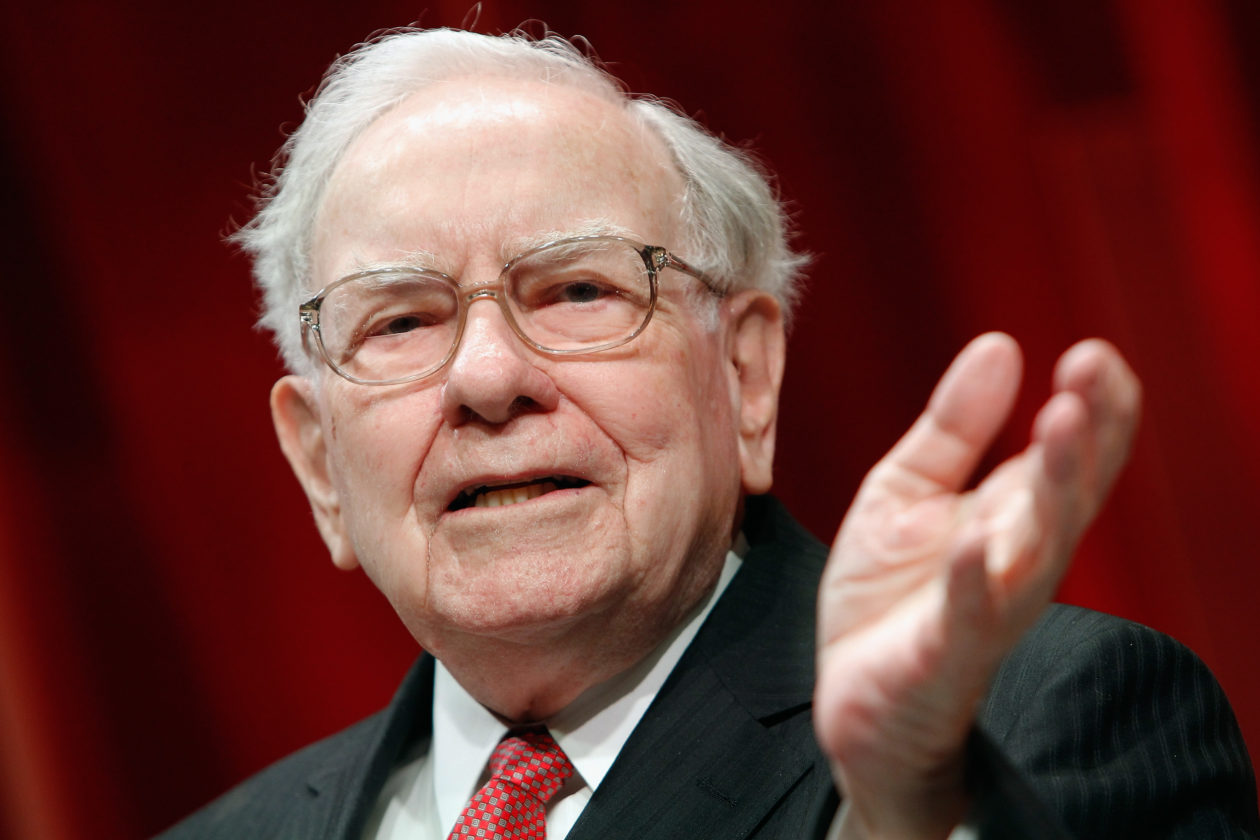
Image Source: Forkast News
Jamie Dimon: A Pragmatic Voice Distinguishing Bitcoin from Blockchain
Jamie Dimon, CEO of JPMorgan Chase, has been outspoken in his criticism of Bitcoin, once calling it a “fraud” and repeatedly warning investors about its speculative risks. However, his skepticism toward cryptocurrencies does not extend to blockchain technology. Under Dimon’s leadership, JPMorgan developed blockchain projects like JPM Coin, designed to enable instant and efficient cross-border payments through technological innovation.
Dimon’s position reflects a pragmatic and rational mindset: harnessing the efficiency benefits of blockchain while avoiding the volatility and regulatory risks associated with Bitcoin. This cautious yet practical strategy highlights blockchain’s potential within traditional finance and underscores the ongoing challenges facing cryptocurrencies.
Charlie Munger: The Business Titan Criticizing Cryptocurrency from an Ethical Standpoint
The late Charlie Munger, former vice chairman of Berkshire Hathaway, held particularly harsh views toward Bitcoin. He publicly labeled Bitcoin as “immoral” and described cryptocurrency trading as “trading feces.” Munger’s criticisms went beyond Bitcoin’s price volatility, touching on moral concerns, arguing that cryptocurrencies facilitate illegal activities such as money laundering, drug trafficking, and ransomware attacks.
He praised China’s comprehensive ban on cryptocurrencies, viewing it as far wiser than the United States’ relatively permissive regulatory stance. Describing Bitcoin trading as “babies’ brains speculating,” Munger expressed deep disdain for the asset class. In his view, cryptocurrencies contribute no real societal value and instead encourage blind speculation and irrational behavior—directly contradicting his lifelong value investing principles.
Fed Chair Powell: Bitcoin as “Digital Gold”
Federal Reserve Chair Jerome Powell takes a neutral and rational view of Bitcoin, likening it more to gold than to the U.S. dollar. Powell sees Bitcoin as a “speculative asset” that lacks the stability required of a currency, making it better suited as an investment vehicle than a medium of exchange.
Regarding concerns that Bitcoin might threaten the Fed’s authority or the U.S. dollar’s dominance, Powell firmly disagrees. He believes Bitcoin plays a supplementary role in the financial system rather than acting as a competitor. Although recognized as a potential inflation hedge, Powell emphasizes that Bitcoin’s high volatility limits its broader utility.
Powell also stresses the need to ensure that cryptocurrency development does not pose systemic risks to the financial system. He advocates for a balanced approach—maintaining a robust banking system while encouraging innovation—to thoughtfully integrate digital assets into traditional finance. This measured stance reflects his pragmatic outlook on regulation and technological progress.
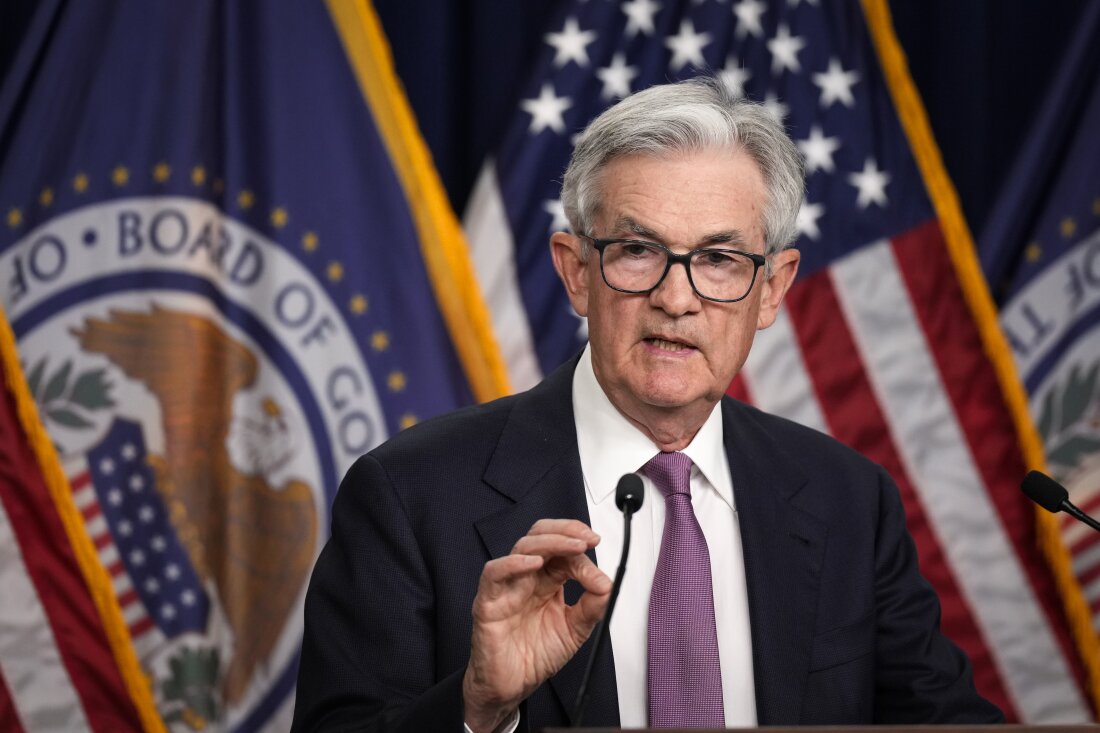
Image Source: NPR
A New Era for Bitcoin: Strategic Reserves and Global Competition
Donald Trump has confirmed plans to establish a U.S. Bitcoin strategic reserve—an initiative marking a significant shift in how nations perceive cryptocurrencies. Modeled after traditional oil reserves, this plan aims not only to position the United States as a global leader in the digital economy but also to help manage its $35 trillion national debt. Senator Cynthia Lummis’s proposed BITCOIN Act further advances this strategic vision, calling for the accumulation of one million Bitcoins over five years and reinforcing Bitcoin’s status as a national strategic asset.
At the same time, Russia is accelerating its own Bitcoin reserve strategy. President Putin has stated that Bitcoin could serve as an alternative foreign exchange reserve to counter Western sanctions, intensifying global competition for dominance in digital assets. Analysts predict that Bitcoin—due to its fixed supply and rising demand—could surge to $800,000 per coin. As Bitcoin increasingly becomes a tool in global economic power struggles, the international race for digital asset supremacy is fully underway, introducing greater uncertainty and possibility into the future economic order.
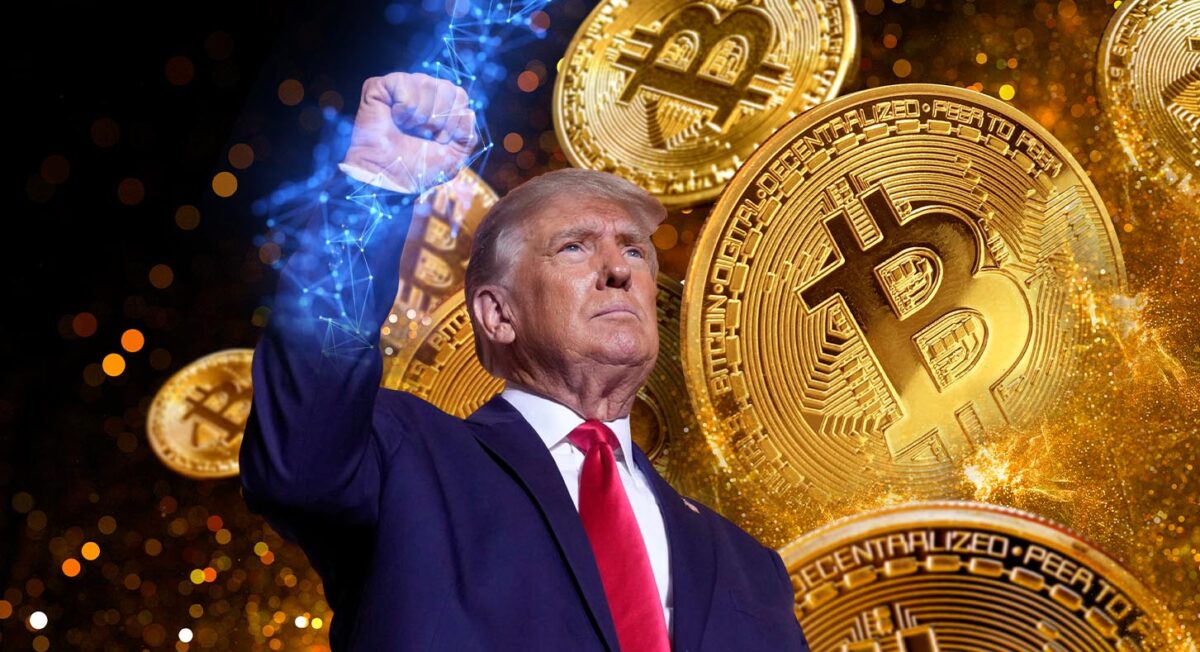
Image Source: Peoples Gazette
Conclusion
Cryptocurrencies and blockchain technology have evolved from fringe innovations to mainstream forces shaping the future of finance and global strategy. Companies like Tesla, MicroStrategy, and PayPal continue to lead transformative changes in this domain, while Microsoft, Apple, and Amazon take a more cautious approach in exploring blockchain applications. At the same time, critical voices such as Warren Buffett and Jamie Dimon remind us that the rise of digital assets comes with non-negligible risks.
As Trump advances his Bitcoin strategic reserve plan and Russia actively positions itself in the digital asset arena, Bitcoin’s influence has transcended individual investing, becoming a crucial component of national strategy and geopolitics. In an era where digital assets are reshaping the global economic landscape, governments and enterprises alike must strike a balance between bold innovation and prudent risk management. While the future of cryptocurrencies remains uncertain, their potential to transform the global financial system is undeniable.
About XT.COM
Founded in 2018, XT.COM now has over 7.8 million registered users, with more than 1 million monthly active users and an ecosystem reaching over 40 million users. We are a comprehensive trading platform supporting 800+ high-quality cryptocurrencies and 1,000+ trading pairs. The XT.COM cryptocurrency exchange offers diverse trading options including spot trading, margin trading, and futures trading. XT.COM also operates a secure and reliable NFT marketplace. We are committed to providing users with the safest, most efficient, and professional digital asset investment services.
Join TechFlow official community to stay tuned
Telegram:https://t.me/TechFlowDaily
X (Twitter):https://x.com/TechFlowPost
X (Twitter) EN:https://x.com/BlockFlow_News
 @XTexchange











