Discriminating Against Solana, Pushing Base? Coinbase's "Self-Interest" and Bias
TechFlow Selected TechFlow Selected
Discriminating Against Solana, Pushing Base? Coinbase's "Self-Interest" and Bias
Coinbase's private biases toward public blockchains: not supporting competitor network upgrades, bridging enterprise assets to Base, providing the worst Solana support among mainstream exchanges.
 Navigating Web3 tides with focused insights
By Alex Liu, Foresight News
Coinbase is the only cryptocurrency exchange publicly traded on U.S. stock markets and holds significant influence within the industry.
However, despite its leading position, Coinbase has drawn criticism from many in the crypto community for controversial practices—particularly perceived bias and favoritism in its support of blockchain networks. This bias manifests in multiple ways.
Solana Discrimination
"Helpful" Warnings
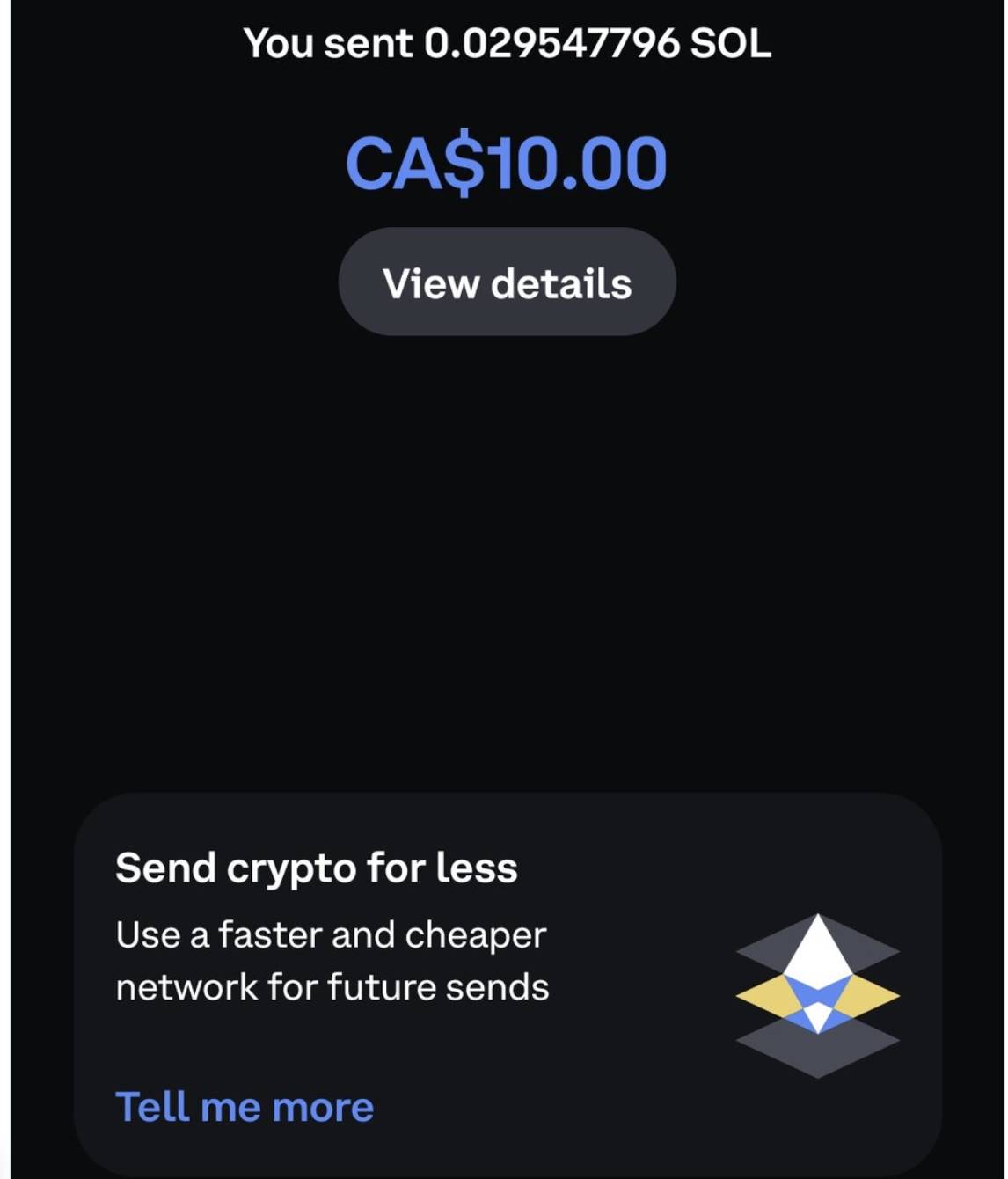
After sending cryptocurrency via the Solana network on Coinbase, users are greeted with a "helpful" message at the bottom of the page:
Send crypto for less
Use a faster and cheaper network for future sends
(Send crypto more cheaply: use a faster and cheaper network next time)
Abnormal Deposit and Withdrawal Times
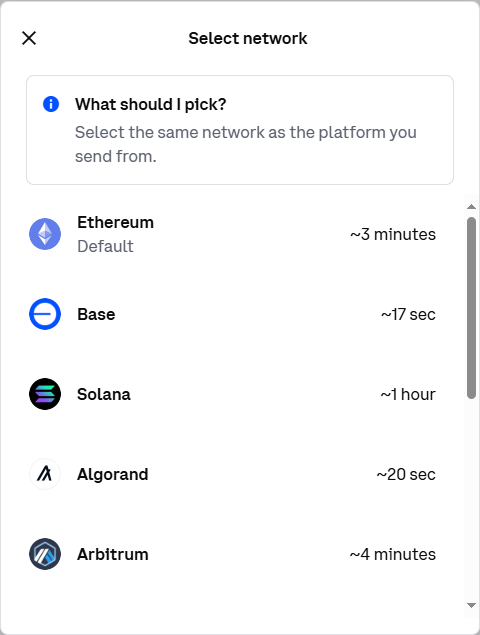
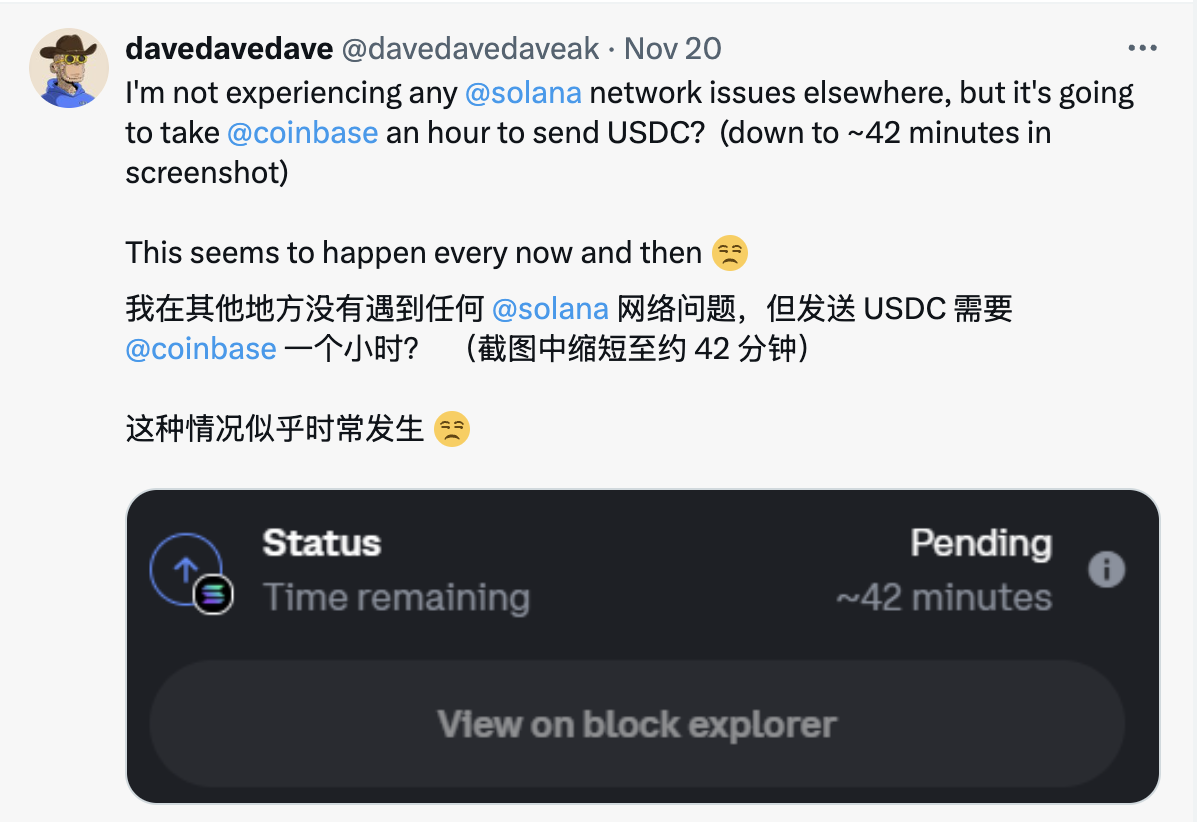
Users familiar with Solana know that transactions typically settle within seconds. Deposits and withdrawals of cryptocurrencies like USDC on centralized exchanges via Solana usually confirm within minutes. Yet when withdrawing USDC through Coinbase, the platform defaults to Ethereum's mainnet, which takes around three minutes—while Coinbase’s own Ethereum Layer 2, Base, confirms transfers in just 17 seconds. In stark contrast, withdrawals on Solana take approximately one hour.
This issue has been confirmed by multiple Coinbase users on social media.
On-chain, but Not Including Solana
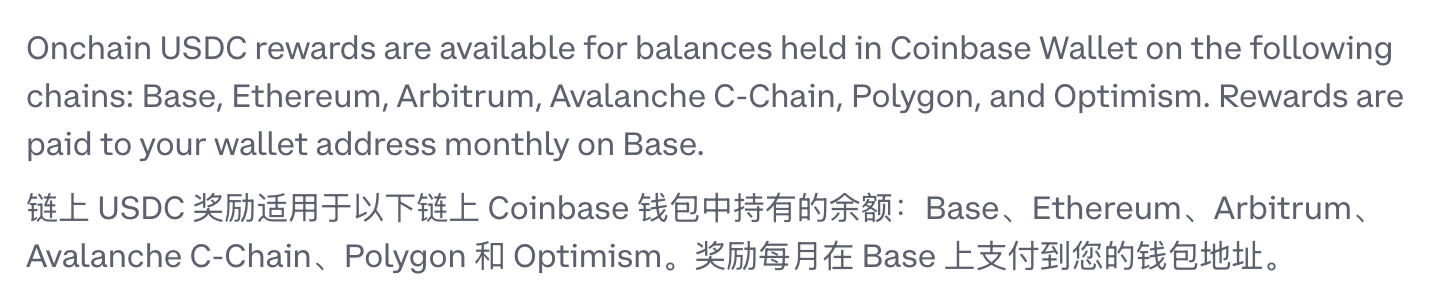
Coinbase advertises that holding USDC in an “on-chain” wallet earns yield.
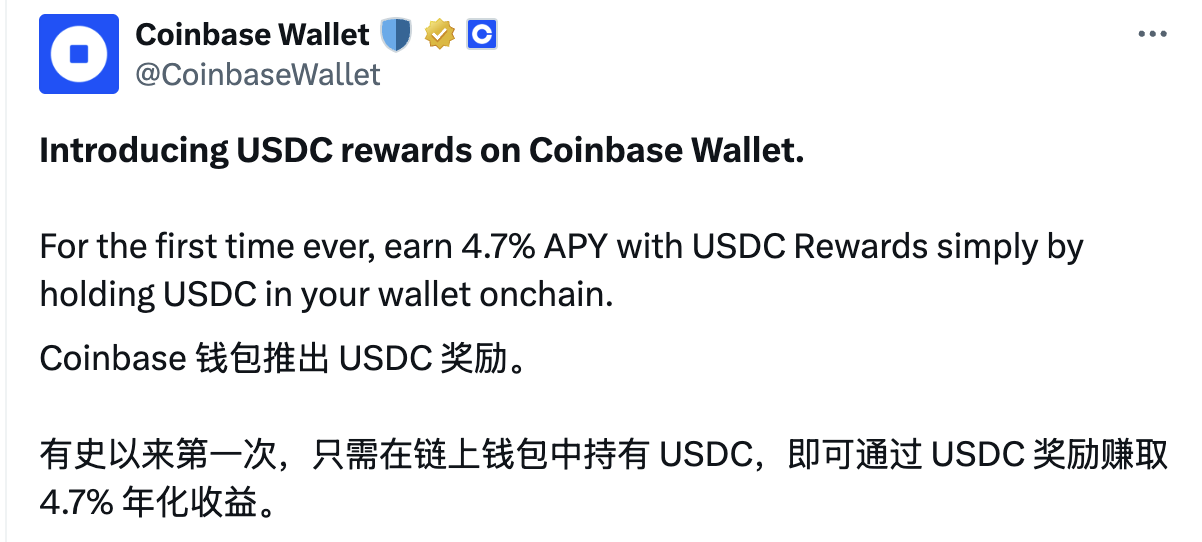
Yet Solana is not considered part of this “on-chain” definition—even though it may be more widely used than some of the other listed networks.
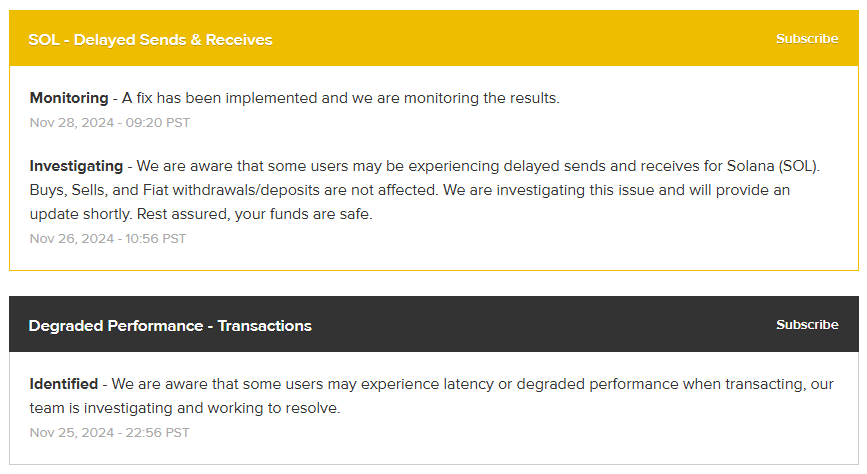
Poor Support for Solana
Coinbase's support for the Solana network is consistently poor, frequently suffering from network delays and degraded performance.
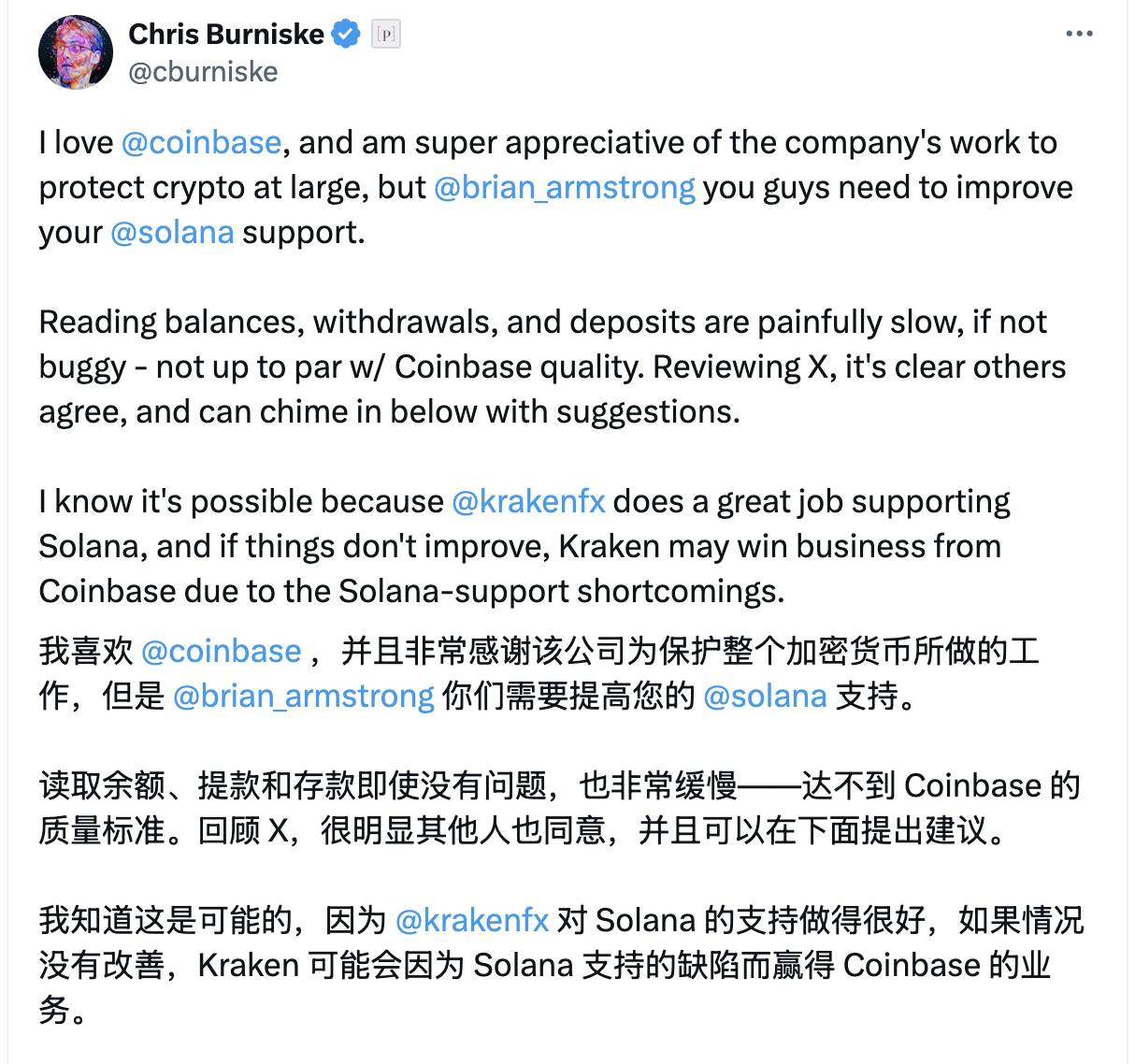
This prompted Chris Burniske, partner at Placeholder and well-known VC, to publicly call on Coinbase to improve its Solana support.
Why?
Coinbase is aggressively promoting Base, its own Ethereum Layer 2 network. By multiple metrics—including fees, application ecosystem, and user numbers—Solana stands as Base’s most direct competitor. By providing subpar support for Solana, Coinbase artificially degrades the user experience to steer users toward Base.
Moving Assets to Base
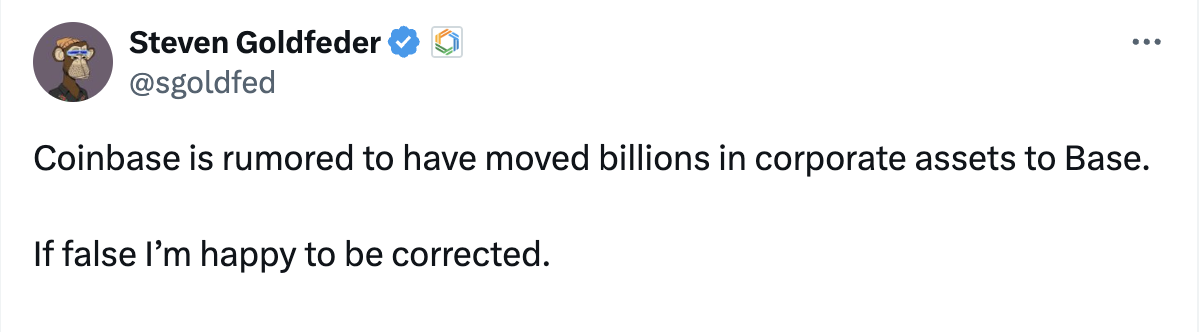
According to Arbitrum co-founder Steven Goldfeder, Coinbase appears to have transferred billions in corporate assets to Base to inflate its Total Value Locked (TVL).
Refusing to Support Competing Network Upgrades
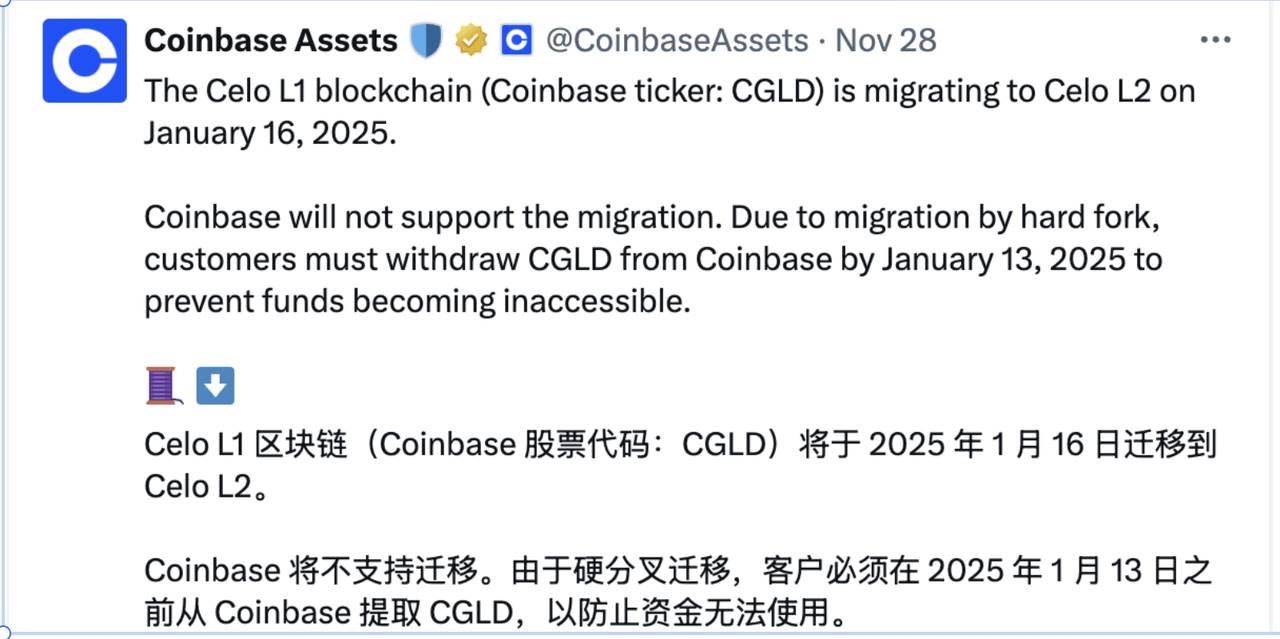
When Celo, an L1 blockchain, announced plans to transition into an L2 via a hard fork upgrade, Coinbase declared it would not support the upgrade. This decision would result in CELO tokens being delisted from Coinbase post-transition.
The move has been widely criticized by the community as a clear example of Coinbase suppressing competing L2s and obstructing Ethereum's broader ecosystem expansion.
Conclusion
As a leading player in the industry, Coinbase should uphold greater responsibility. Such blatant bias and self-interest have disappointed users and professionals alike. We hope Coinbase recognizes the harm of these actions and instead supports fair competition and healthy industry development.
Join TechFlow official community to stay tuned
Telegram:https://t.me/TechFlowDaily
X (Twitter):https://x.com/TechFlowPost
X (Twitter) EN:https://x.com/BlockFlow_News
 Foresight News