Everything You Need to Know After Trump Nominates Paul Atkins as SEC Chair
TechFlow Selected TechFlow Selected
Everything You Need to Know After Trump Nominates Paul Atkins as SEC Chair
The regulatory environment for the crypto industry is about to undergo significant changes.
 Navigating Web3 tides with focused insights
By Alex Liu, Foresight News
According to sources cited by Unchained reporting, President-elect Donald Trump has selected Paul Atkins to serve as Chair of the U.S. Securities and Exchange Commission (SEC). If confirmed, this appointment would mark a significant step in fulfilling Trump’s campaign promises, ushering in a more crypto-friendly regulatory environment. Following the news, Bitcoin briefly halted its decline and rebounded to around $96,000, reflecting positive market sentiment. Notably, Paul Atkins serves as an advisor to the RSR token, which surged over 100% within 24 hours of the announcement.
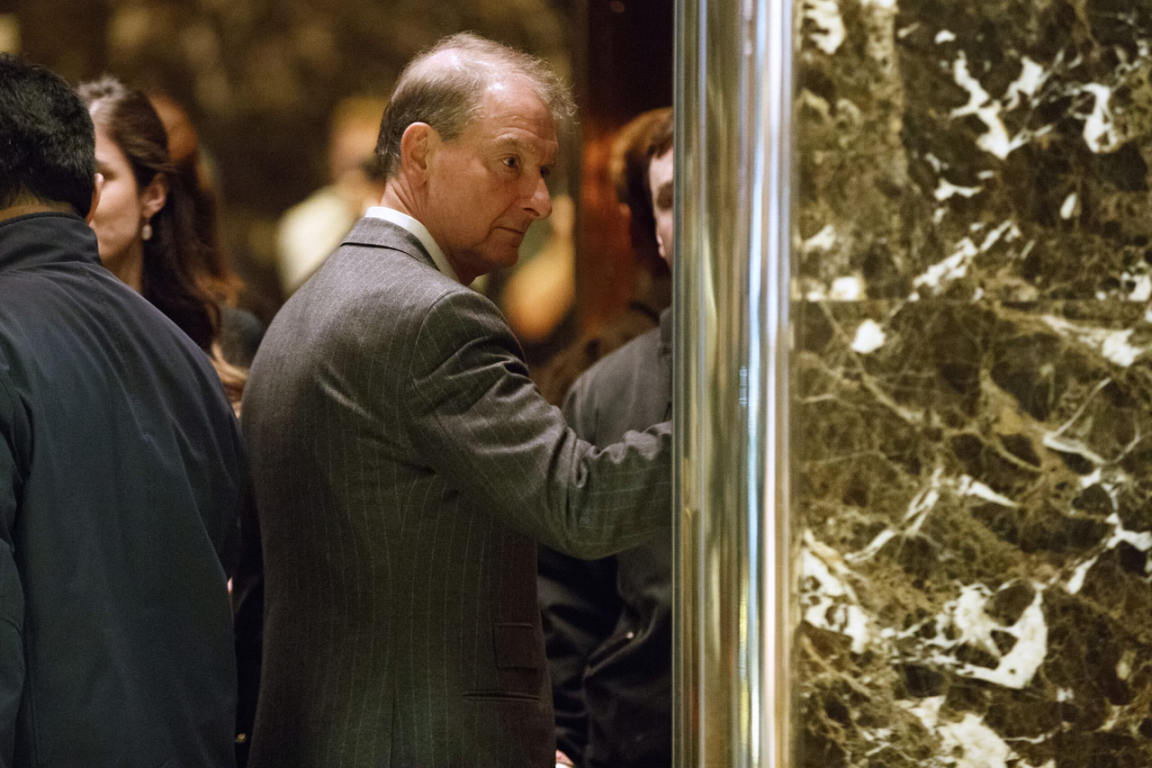
Background: A Champion of Innovation and Regulatory Reform
Born in North Carolina, Paul Atkins brings extensive legal and regulatory experience. He graduated from Wofford College and began his career at Davis Polk & Wardwell in New York City, where he advised global clients on complex securities offerings and mergers and acquisitions. In 1990, he joined the SEC, contributing to key regulations under multiple chairs—ranging from corporate governance and shareholder rights to expanding access to capital markets.
During the George W. Bush administration, Atkins served as an SEC commissioner, balancing support for innovation with robust investor protection. He played a role in investigating one of history’s largest Ponzi schemes and demonstrated strong crisis management skills that helped recover substantial losses for investors. After leaving the SEC in 2008, he founded Potomak Global Partners, offering regulatory guidance to fintech and crypto firms, while actively engaging in industry organizations—establishing himself as a staunch advocate for digital assets.
Hesitation and Challenges: Will Atkins Accept the Role?
While Trump’s nomination signals a clear intent to reform the SEC, sources indicate that Atkins remains hesitant about accepting the position. On one hand, he would need to step down from his leadership role at Potomak Global Partners; on the other, he faces immense pressure over the daunting task of overhauling the bloated institutional structure left by Gary Gensler’s tenure.
Current SEC Chair Gary Gensler, widely criticized by the crypto industry for aggressive enforcement policies, is set to resign when Trump assumes office on January 20, 2025. Atkins’ appointment requires Senate confirmation—though Trump could bypass this process via a recess appointment. Regardless, the mere announcement of this nominee sends a clear signal to markets: a significant shift in crypto regulation is imminent.
From Policy to Action: Trump’s Crypto Strategy
Throughout his campaign, Trump emphasized creating clearer cryptocurrency rules, reducing burdensome regulations, and positioning crypto as a strategic asset to enhance U.S. competitiveness. Beyond replacing the SEC chair, he may also establish a national Bitcoin strategic reserve, leveraging government-seized Bitcoin holdings to fuel the digital economy.
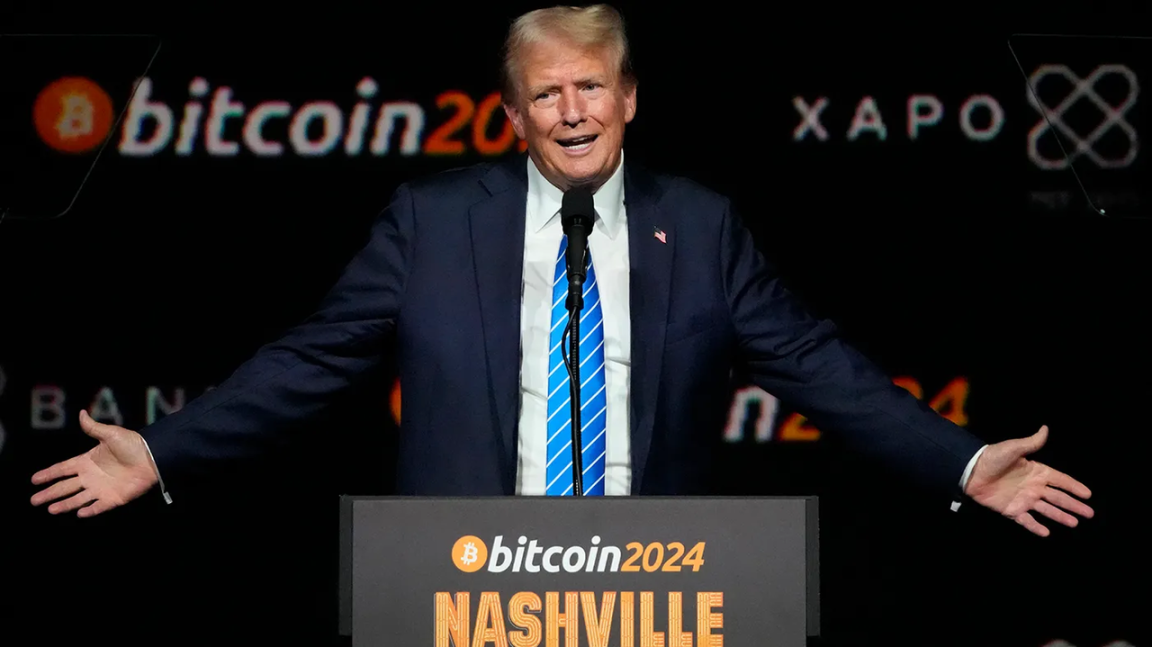
If Atkins ultimately takes office, he is expected to refocus the SEC on core missions such as combating fraud, insider trading, and misleading disclosures, while fostering a more inclusive environment for the crypto industry. This shift could not only move the agency away from Gensler’s “enforcement-first” approach but also strengthen America’s competitive edge in the global crypto landscape.
For both Trump and Atkins, this appointment represents more than a personnel decision—it’s a pivotal test in redefining the future of U.S. cryptocurrency regulation. Whatever the outcome, the decision will have far-reaching implications for the global digital asset ecosystem.
Join TechFlow official community to stay tuned
Telegram:https://t.me/TechFlowDaily
X (Twitter):https://x.com/TechFlowPost
X (Twitter) EN:https://x.com/BlockFlow_News
 Foresight News