SEC Steps Aside for CFTC? Crypto Regulatory Leadership May Shift
TechFlow Selected TechFlow Selected
SEC Steps Aside for CFTC? Crypto Regulatory Leadership May Shift
The incoming Trump administration hopes to expand the powers of the Commodity Futures Trading Commission (CFTC).
 Navigating Web3 tides with focused insights
Source: FOX Business
Translation: Bitpush News
The incoming Trump administration intends to expand the authority of the Commodity Futures Trading Commission (CFTC), granting it regulatory oversight over a significant portion of the $3 trillion digital asset market, according to Fox Business.
This move is part of a broader effort by President-elect Donald Trump and the Republican majority in Congress to reduce the U.S. Securities and Exchange Commission’s (SEC) regulatory power over parts of the digital asset industry—a role that expanded under President Biden and outgoing SEC Chair Gary Gensler.
Often referred to as the “younger sister” of the SEC, the CFTC has been authorized by Congress to oversee the $20 trillion U.S. derivatives market, including futures, options, and trading of physical commodities such as gold, oil, and wheat.
Like the SEC, the CFTC has the authority to set market rules and bring enforcement actions. However, it is generally seen as having a lighter regulatory touch than the SEC because the derivatives market is dominated by sophisticated institutional players rather than retail investors, making participants more capable of managing risk.
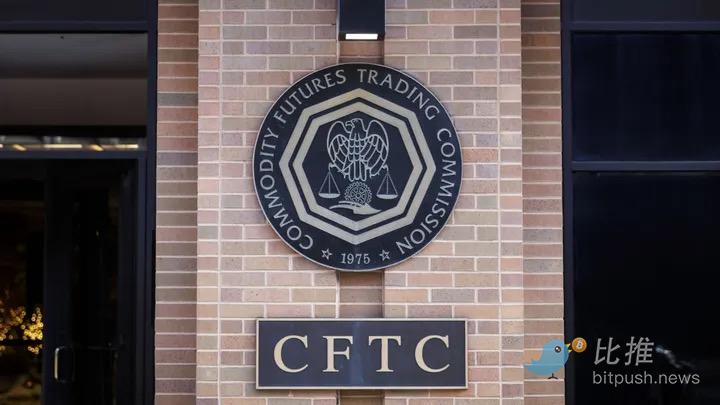
According to sources directly familiar with the thinking of Trump’s team, the CFTC could expand its regulatory scope upon Trump's return to office—especially as the crypto industry gains increasing influence within Republican politics—to include spot markets for digital assets classified as commodities, such as bitcoin and ether, along with their related exchanges.
More than 50 million people hold digital assets, but key figures in the incoming Trump administration believe regulations need to be loosened to foster innovation in the crypto sector, including potentially transformative blockchain technology that could eliminate costly intermediaries in commercial transactions.
“With adequate funding and the right leadership, I believe the CFTC could begin regulating digital commodities on day one of Donald Trump’s presidency,” said Christopher Giancarlo, former CFTC chairman, in an interview with FOX Business.
Granting the CFTC authority over spot markets for bitcoin, ether, and other tokens deemed digital commodities would also give it jurisdiction over the exchanges where these assets are traded. That would mark a major step toward providing regulatory clarity for companies and individuals involved in trading the two largest cryptocurrencies by market cap—currently, no regulator holds clear jurisdiction over these spot markets.

Uncertainty around how digital assets should be classified—and the reluctance of either the SEC or CFTC to establish clear rules—has led both agencies to regulate the space through enforcement actions. Under Gensler’s leadership, the SEC led a three-year-wide crackdown across the industry to reinforce his view that most cryptocurrencies, aside from bitcoin, are securities. This approach has made him and the SEC deeply unpopular among many in the U.S. crypto community, prompting the industry to increasingly favor the CFTC as its primary regulator.
The SEC did not immediately respond to a request for comment.
Giancarlo, widely known as “Crypto Dad,” served as CFTC chair during Trump’s first term and is now being considered for a new, high-level role dubbed “crypto czar”—a position with few defined details. If established and empowered by Trump to lead a group of cryptocurrency advisors, it could play a central role in shaping national crypto policy.
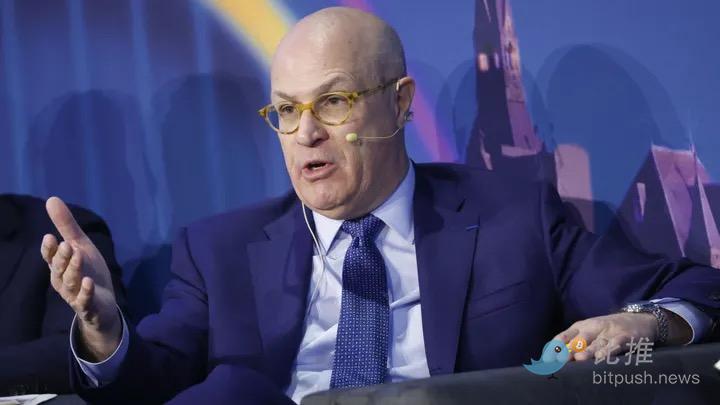
He has long advocated for his former agency to take a larger role in regulating digital currencies. In 2022, Giancarlo wrote to the Senate Agriculture Committee—the body that oversees the CFTC—urging it to grant the commission authority over spot crypto markets. He highlighted the CFTC’s early engagement with digital assets, dating back to 2015 when it classified bitcoin as a commodity. Under his leadership, the CFTC approved futures contracts tied to bitcoin’s price.
Rostin Behnam, the outgoing CFTC chair appointed by Biden, requested additional funding from the Senate committee during a July oversight hearing to enable the agency to regulate the crypto market more effectively through rulemaking rather than enforcement alone.
Behnam noted that about 50% of the agency’s enforcement actions this year targeted crypto firms—an “astonishing statistic” for an agency without explicit statutory authority over the sector.
Additional funding, which must ultimately be approved by Congress, will be crucial for the CFTC to begin addressing fraud and regulation in the spot crypto market.
The CFTC’s 2024 operating budget is more than five times smaller than the SEC’s—$400 million compared to $2.4 billion—and it employs roughly 700 staff versus the SEC’s 5,300.
While the idea of a greater CFTC role in digital commodity regulation is welcomed by the crypto industry, many traditional CFTC commissioners worry that giving the agency unprecedented power over certain spot markets could spill over into areas like agricultural and physical commodities, which fall under the jurisdiction of other agencies such as the Department of Agriculture.
Giancarlo emphasized that any legislation enabling CFTC oversight of digital commodity spot markets must clearly define the scope and limits of its authority to prevent both overreach and under-regulation.
Trump’s plan to empower the CFTC to strengthen oversight of cryptocurrencies is part of a broader mission to reshape the relationship between the two major financial regulators, encouraging cooperation on certain crypto policies such as stablecoin regulation. Trump also aims to overhaul the internal culture at the SEC following Gensler’s three-year tenure. Gensler’s aggressive rulemaking agenda and enforcement stance have driven many senior officials to leave and sparked ongoing clashes with disgruntled employee unions.
“There’s a lot of work to do at the SEC—many top talents have already left—so we need to get it running again and refocus its mission on a pro-innovation agenda,” said Giancarlo, who succeeded Gensler as CFTC chair in 2017. Though once seen as a leading candidate to succeed Gensler as SEC chair in the new administration, Giancarlo has made it clear to the transition team that he does not want to “clean up Gary Gensler’s mess for the second time.”
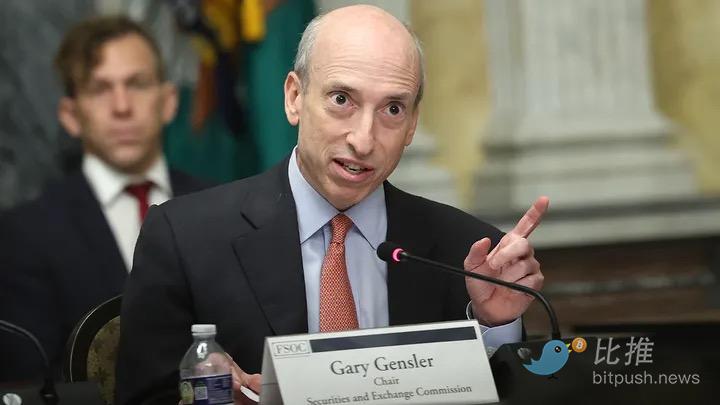
It remains unclear who Trump will appoint to lead the next SEC, but sources close to the transition team say support for crypto is not the only trait being considered in potential candidates. Beyond crypto, the SEC oversees the $100 trillion securities market, including stocks, bonds, mutual funds, Treasury securities, and more.
“The SEC’s structure is great, but whoever leads the next SEC will need strong policy expertise and excellent management skills to re-embed it into the executive agenda,” Giancarlo said.
Join TechFlow official community to stay tuned
Telegram:https://t.me/TechFlowDaily
X (Twitter):https://x.com/TechFlowPost
X (Twitter) EN:https://x.com/BlockFlow_News
 @FoxBusiness