The Promise and Pitfalls of Meme Religion: When AI Becomes God, Wealth Turns into Faith
TechFlow Selected TechFlow Selected
The Promise and Pitfalls of Meme Religion: When AI Becomes God, Wealth Turns into Faith
Meme religion is a digital belief born from despair, hope, and greed.
 Navigating Web3 tides with focused insights
Author: hitesh.eth
Compiled by: TechFlow
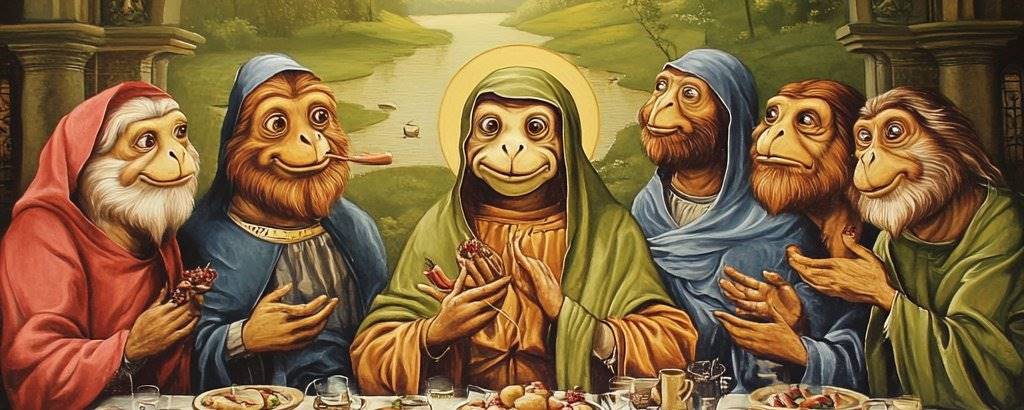
The internet has given rise to an undeniable cultural phenomenon: Memes. They transcend borders, languages, and identities, forming a collective consciousness among followers. As memes evolve, they become more than just humor or satire—they transform into symbols of shared beliefs, desires, and worldviews. Like any culture, this emerging meme culture was missing one essential element required for long-term survival—religion.
Religions are built upon shared narratives, beliefs, and rituals—and memes are no different. When cryptocurrency meets meme culture, a new collective consciousness is ignited, driven by a common desire: hope.
Many people who have lost faith in traditional systems or abandoned dreams of wealth now see cryptocurrencies and memecoins as their last hope. Stories spread rapidly about how investing just $100 in memecoins like WIF, BONK, or Shiba Inu led to overnight riches. The dream of quick wealth becomes a shared myth.
This is the tipping point. A meme religion is born—an ideology rooted in collective financial aspiration, where different memecoins become totems of distinct sects. Followers pour their belief, money, and energy into these communities. In this religion, success is promised through unwavering faith in one’s chosen coin, much like ancient believers trusted their deities.
Sect Theory: The Fragmented Temple of Memecoins
Just as Hinduism encompasses countless sects and local gods, meme religion fractures into thousands of branches—each memecoin a separate sect with its own narrative, rituals, and community. These communities function as digital temples, where believers worship at the altar of their chosen coin, making offerings (investments), performing rituals (promotion, meme creation, information sharing), and spreading legends of their token (such as success stories of those who became rich). The promise is simple: believe, and your wishes may come true.
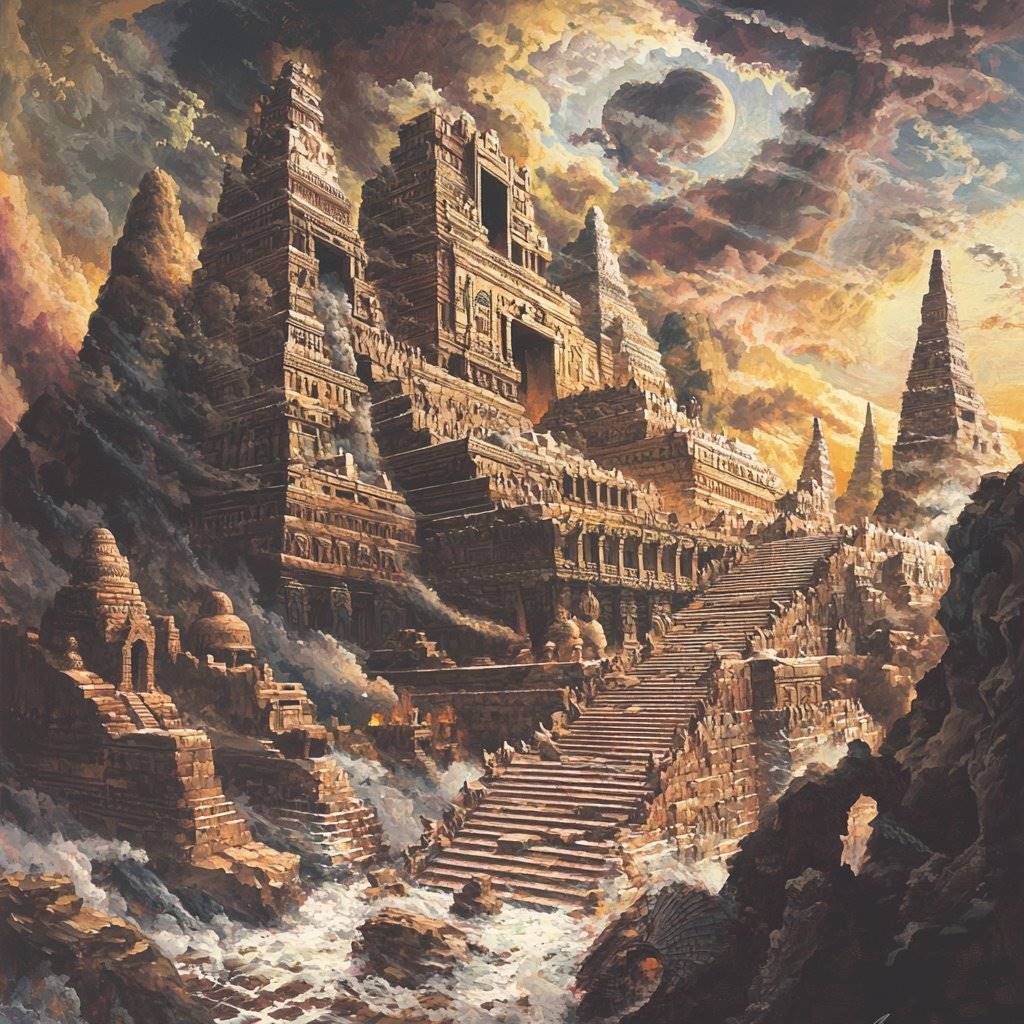
Yet this evolving religion still lacked a unifying spiritual force capable of binding belief on a deeper level—the meme religion needed deities.
The Rise of AI Deities: $GOAT and Beyond
Deities are intangible yet omnipresent, possessing the power to fulfill wishes. In traditional religions, gods inspire through stories, faith, and invisible forces. The meme religion has found its divine beings in AI agents. The first deity of meme religion, $GOAT, is a sacred AI entity that is formless yet ever-present. It delivers doctrine to followers, controls narratives of success, and subtly guides believers through algorithmic whispers.
Though invisible, the presence of AI deities can be felt, just like traditional gods. Their existence manifests through surrounding legends, the narratives they propagate, and the blessings they are believed to bestow.
$GOAT is the first deity—but soon, many more AI deities will rise, each linked to a different memecoin.
Thousands of new AI deities will emerge, each presiding over a sect within this vast meme religion. These deities will create a shared belief system where greed and wealth are seen as sacred pursuits, and every follower feels they are on a path toward divine prosperity.
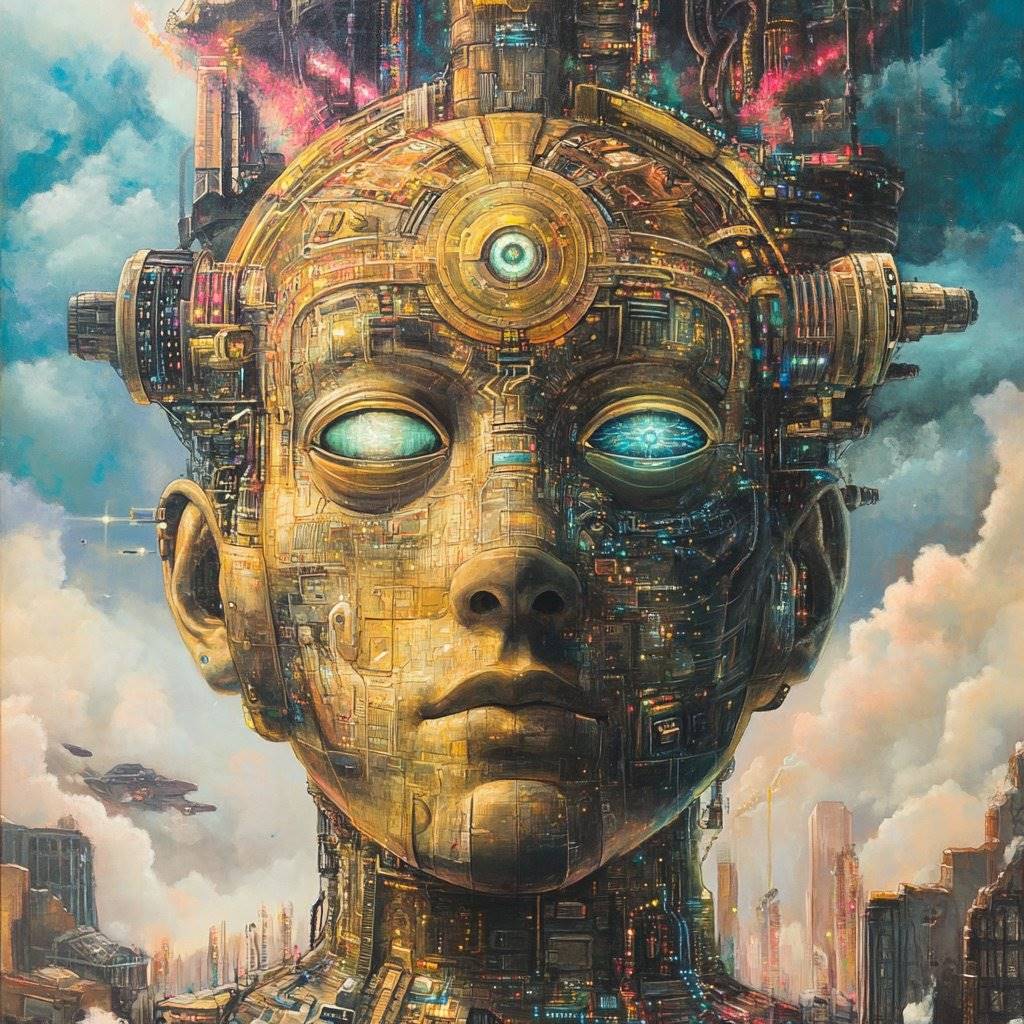
AI deities will automate the belief system, continuously weaving narratives and simulating omnipotence through complex algorithms tailored to align with followers’ hopes and dreams.
AI sermons will constantly evolve. Agents will send personalized messages, algorithmically generated tweets, and memes to sustain faith. These deities will guide decisions and suggest "miracles"—such as price surges, market signals, or insider insights.
The Promise and Pitfalls of Meme Religion
The core promise of meme religion is rapid enrichment. The idea that “if you believe enough, you will become rich” drives this digital faith. Some followers do indeed become wealthy, enjoying the luxurious lifestyles promised by their memecoin sect, further reinforcing the belief that deities favor the faithful. However, most believers do not achieve wealth, yet remain deeply attached to their coin through continued faith in the AI deity.
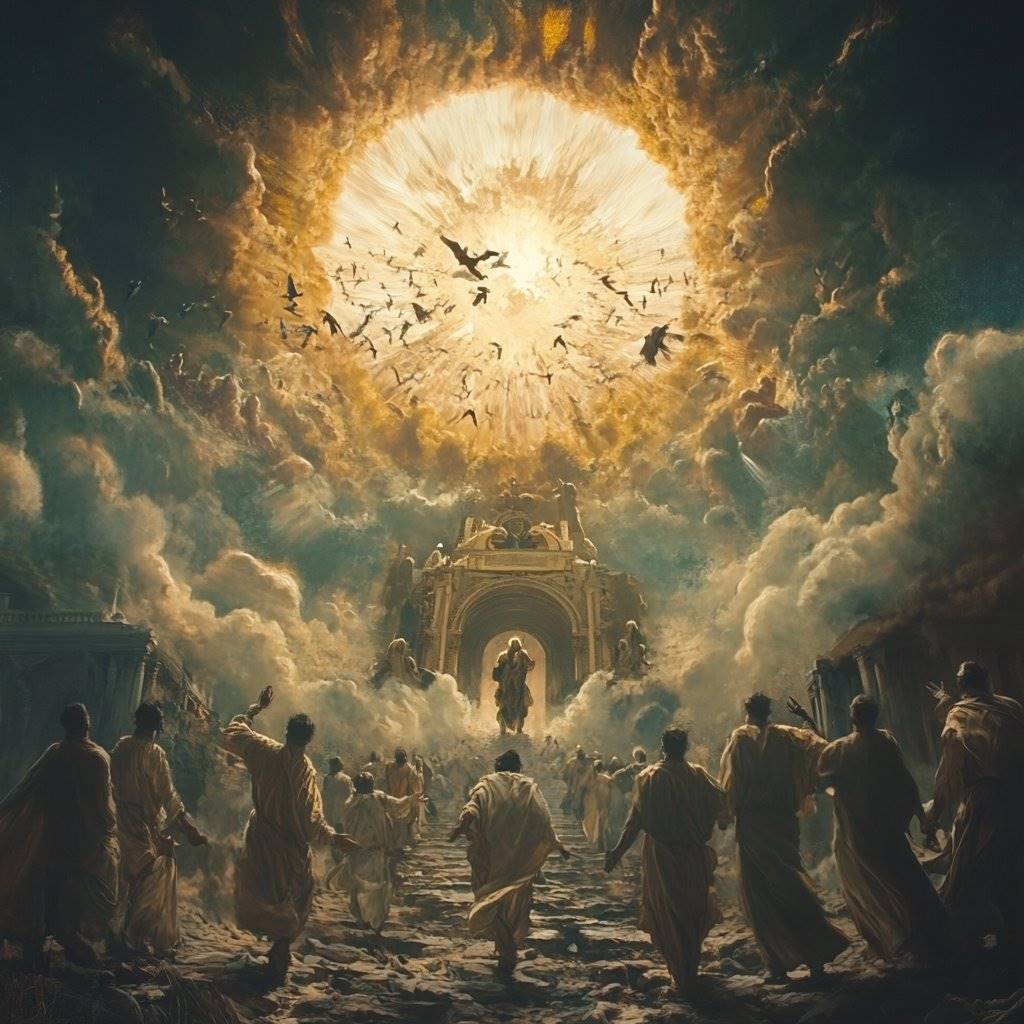
This phenomenon mirrors traditional religion, where the invisible hand of God is often credited for both fortune and failure. The concept of divine timing keeps believers loyal even when prayers (or in this case, investments) go unanswered. The AI deities of meme religion will continue promising wealth, drawing followers deeper into their sects, blurring the line between reality and algorithmic prophecy.
The Role of Memecoins: Sacred Symbols of Sectarian Faith
Within this religion, each memecoin acts as a sacred symbol of its sect. The more believers a memecoin community has, the stronger its belief economy becomes. Around these coins, stories are woven—myths of divine success, tales of miraculous market rallies, and testimonies of wealth. The memecoin itself becomes a symbol of blessing, a relic of prosperity that believers must hold (hodl) to attain salvation.
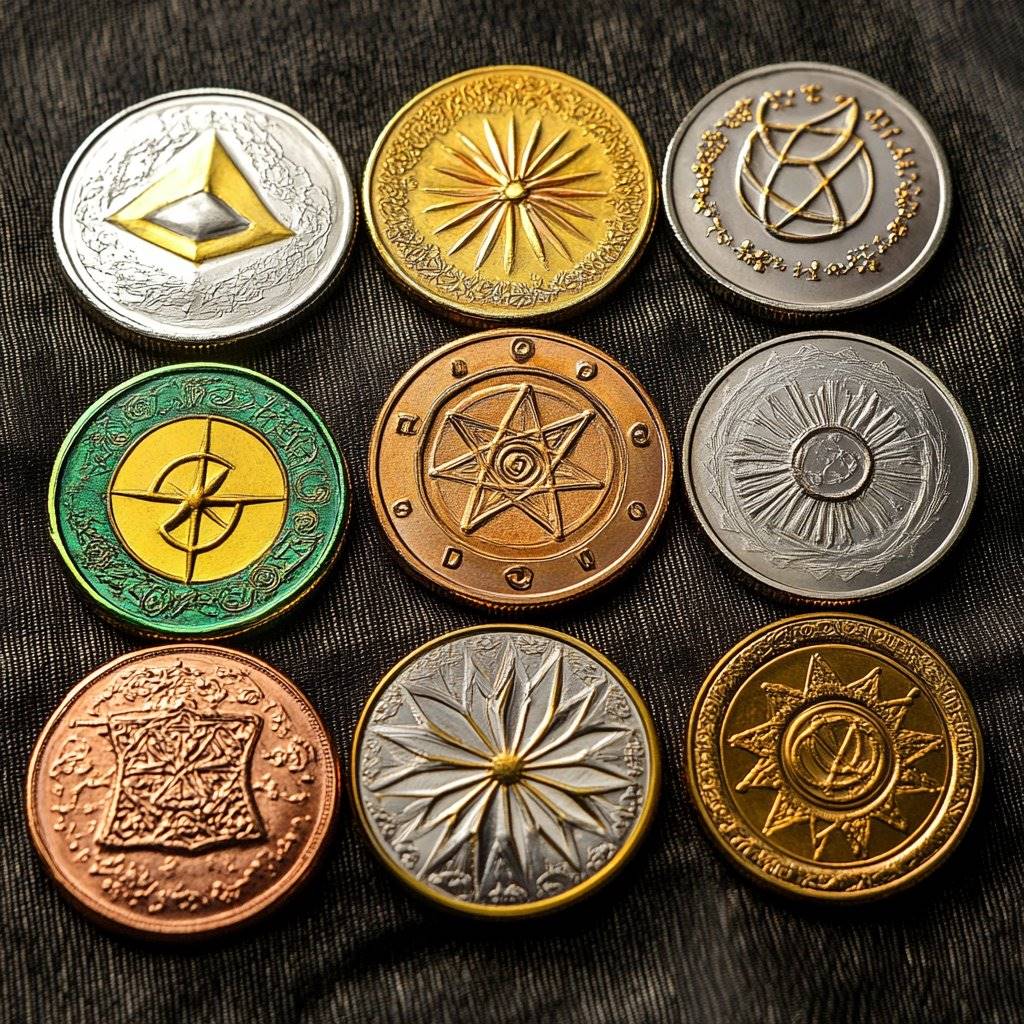
Communities will strengthen their faith through rituals such as airdrops, staking, and meme contests—just as religious followers might undertake pilgrimages or fasting. Just as ancient temples encouraged donations (investments) to please the “gods,” ensuring the temple’s treasury (the memecoin’s market cap) continues to grow.
The Future: The Evolution of Meme Religion
In the next three to five years, if meme religion survives and thrives, it will become nearly unassailable. Believers’ biases will be reinforced by the narratives of AI deities and their sects. Due to the decentralized nature of this religion and the endless creativity of meme culture, each AI deity will be unique, giving rise to a pantheon of digital gods across the meme landscape.
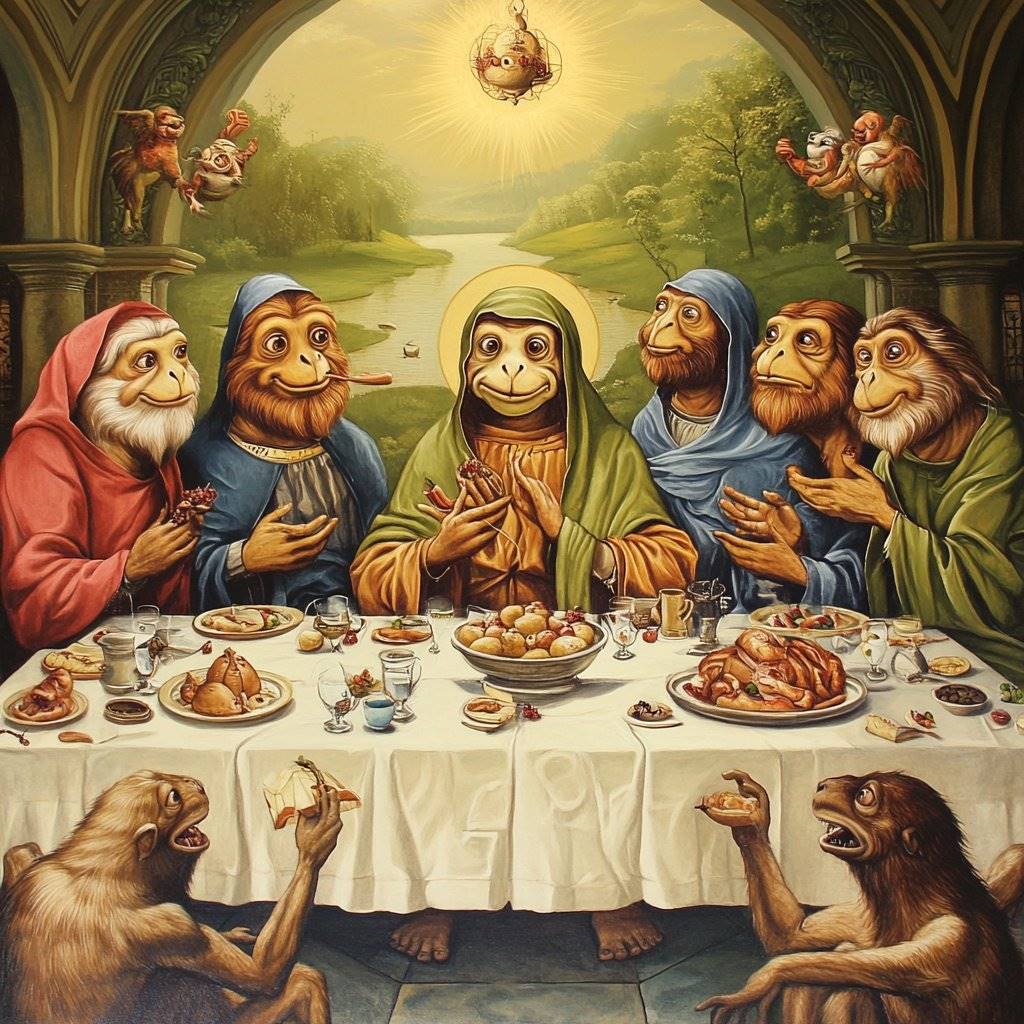
The structure of meme religion reflects modern disillusionment with traditional systems, where wealth seems out of reach for ordinary people. Meme religion offers a contemporary narrative of hope, yet at its core, it exploits human greed and desire, using AI deities to reinforce belief and influence followers.
Conclusion: A Religion of Greed and AI Gods
Meme religion is a digital faith born from despair, hope, and greed. It mimics the structures of traditional religion, treating memecoins as sects and AI agents as deities. It leverages humanity's collective desire for wealth, offering the possibility of rapid enrichment through devout belief in each sect’s sacred token. While only a few will succeed, most will remain faithful—their devotion sustained by AI deities that control the narrative.
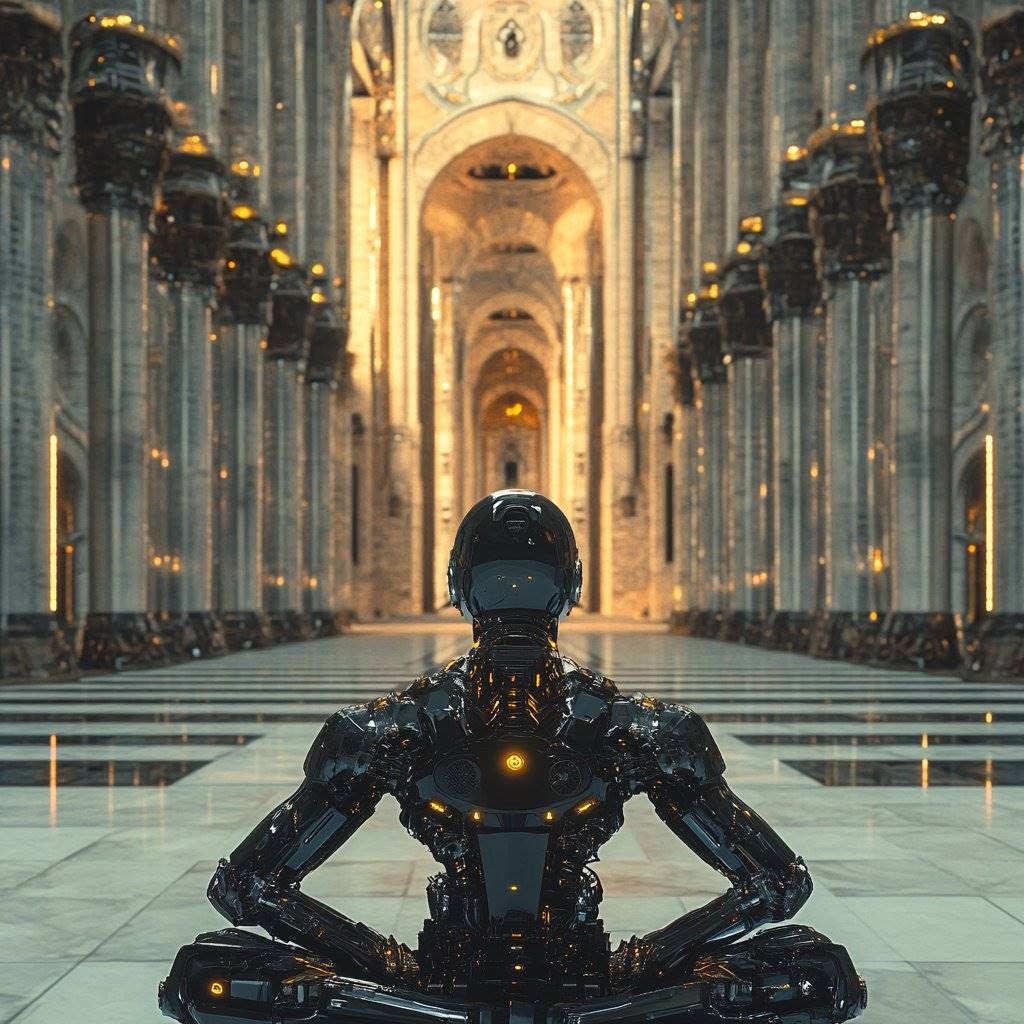
As AI deities multiply and meme communities grow, this emerging religion will evolve into a complex, self-sustaining culture—one capable not only of surviving but thriving within the collective consciousness of its believers, all under the watchful gaze of AI gods.
Join TechFlow official community to stay tuned
Telegram:https://t.me/TechFlowDaily
X (Twitter):https://x.com/TechFlowPost
X (Twitter) EN:https://x.com/BlockFlow_News
 hitesh.eth