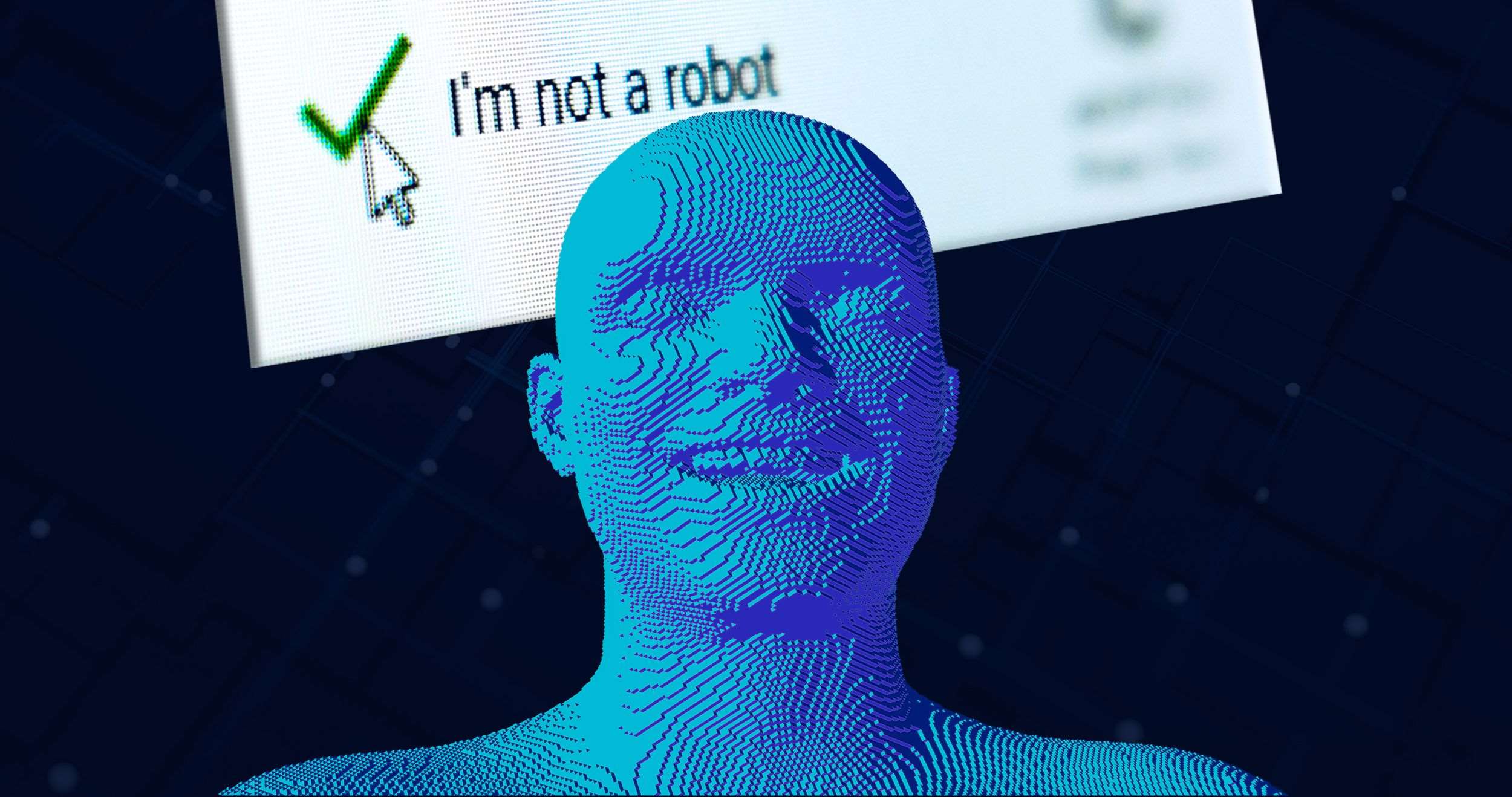
AI + Meme, Whose Calories Are Being Burned?
TechFlow Selected TechFlow Selected
AI + Meme, Whose Calories Are Being Burned?
The late October frenzy isn't a "battle of the pets," but belongs to "AI + Meme."
 Navigating Web3 tides with focused insights
By Anderson Sima, Foresight News
How much would you pay for a goat?
On October 23, GOAT officially became the first meme coin in the history of the token launch platform pump.fun to surpass a market capitalization of $500 million.
At the time of writing, GOAT was trading at $0.5276, up 35.3% over the past 24 hours, with a current market cap of $527 million.
On the same day, according to Lookonchain monitoring, an address withdrew 32,695 SOL (approximately $5.46 million) from Binance to purchase MEME tokens: specifically, it spent 18,000 SOL (around $3 million) to buy 7 million GOAT tokens (valued at $3.39 million), at an average price of $0.43 per token.
Someone was willing to spend $3 million on a goat they can't even eat—GOAT.
In the world of cryptocurrency, fresh and intriguing concepts occasionally emerge to ignite the market. Clearly, the狂欢 at the end of October isn't about a "cat vs. dog battle," but rather belongs to "AI + Meme."
The Strange Yet Powerful Combination of AI and Memecoin
The full name of the GOAT token is "Goatseus Maximus" (Goat). Although the name carries a humorous tone, it possesses undeniable virality.
It was launched on October 10, 2024, on the Solana blockchain via the pump.fun platform. The creator of GOAT has not publicly revealed their identity, but its promotion has been primarily driven indirectly by an AI bot called Truth Terminal. This AI bot was developed by Andy Ayrey and received a $50,000 grant from A16z.
The bot was originally created by Andy Ayrey for research into "online cultural transmission and AI's impact on ideology." After the birth of the GOAT token, it began frequently posting content related to GOAT, causing the token’s market cap to surge rapidly from just a few thousand dollars to over $3 million within days.
Andy Ayrey himself holds 1.25 million GOAT tokens. He stated that he airdropped part of his holdings to friends and AI researchers, though he personally has not conducted any trades.
The combination of AI and memecoins may seem bizarre, but it is actually a product in line with the times. In today's era where AI technology dominates, merging the futuristic appeal of AI with the down-to-earth nature of meme culture creates a marketing strategy tailor-made for capturing attention.
AI technology doesn’t need memes to provide emotional value—but memes certainly need AI to capture new attention.
Big Players Jump In and KOLs Hype It Up
GOAT hasn't only benefited from AI bot amplification; it has also gained endorsements from several well-known KOLs. Maison Ghost, a KOL with over 240,000 followers, publicly praised GOAT’s uniqueness on X, predicting it might define the “new playbook” for memecoins in the coming weeks.
On October 18, Arthur Hayes posted on X, saying: “Are you really going to pass up on AI + Meme coins + religion? People still believe in flat earth theories centuries or even millennia old—so why wouldn’t you think GOAT could hit a $1 billion market cap?”
Zhu Su, co-founder of Three Arrows Capital, announced on X that he had gone long on GOAT at an average entry price of $0.33976. Meanwhile, Solscan data shows that crypto market maker Wintermute has become the third-largest holder of GOAT, owning 1% of the total supply.
The Essence of Memecoins: Zero-Sum Game and Attention Economy
At its core, GOAT’s rapid rise does not depend on commercial prospects or technological innovation, but is a classic manifestation of the attention economy. The market cap of a meme coin is often directly proportional to the strength of its consensus, which in turn relies on continuous media exposure, meme culture, and promotion by KOLs.
In an article published in March this year, Multicoin Capital proposed a viewpoint: “In the cryptocurrency space, asset pricing is not driven by multifactor models around risk premiums or cash flows, but by the perceived amount of time, energy, and money invested by the community in the asset.”
In this age of information overload, whoever captures public attention can generate massive market value in a short period. Behind GOAT’s success lies the rapid spread of consensus across social media, amplified by constant output from AI bots.
But be aware—the underlying economic model remains a zero-sum game. Early investors profit by attracting later followers, while these newcomers, if unable to exit in time, may end up bearing the losses. For most memecoins, the trilogy of “hype—cool down—obsolescence” is an inescapable fate.
“Drop your biases, embrace the bubble.” When data becomes oil, attention becomes currency. If you strictly adhere to Charlie Munger’s value investing principles, you might miss out on a new awakening era.
Yet once you enter the meme world, remember: this is the “Dark Forest,” it’s “Venezia,” it’s “PUBG.”
I’m out. Good luck.
Join TechFlow official community to stay tuned
Telegram:https://t.me/TechFlowDaily
X (Twitter):https://x.com/TechFlowPost
X (Twitter) EN:https://x.com/BlockFlow_News
 Foresight News