20 Lessons for Crypto Founders: Start with Small Problems
TechFlow Selected TechFlow Selected
20 Lessons for Crypto Founders: Start with Small Problems
Work hard, celebrate small victories, and take breaks when needed.
 Navigating Web3 tides with focused insights
Author: Imran Khan, Founding Supporter of AllianceDao
Translation: 1912212.eth, Foresight News

Start with a Small Problem
Don't aim for a massive market from the beginning—instead, focus on solving one small, specific problem. This approach often contradicts VC advice, which typically pushes founders to target large markets. Instead, concentrate on issues affecting a smaller group of users—by using crypto products daily yourself, you can directly experience these pain points. Amidst thousands of new products launching constantly, use as many as possible to understand the real challenges everyday users face. In this way, you'll identify actionable problems worth solving.
Starting small allows you to deeply understand user needs and refine your product without the noise and complexity of a large market.
Avoid Consensus
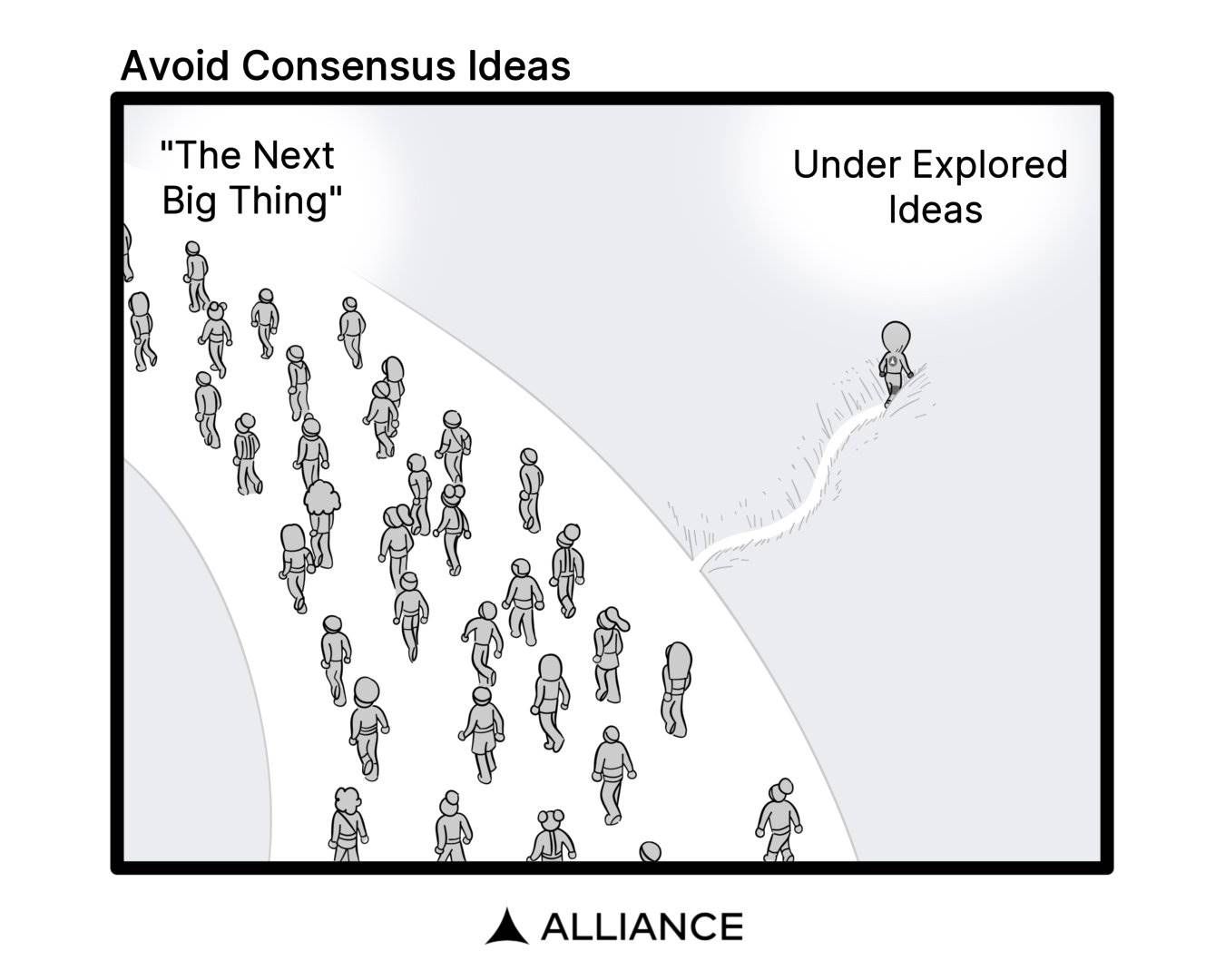
Avoid chasing ideas that everyone agrees will be the next big thing. When an idea becomes widely accepted, the market is often already saturated. Take Polymarket as an example: now that prediction markets have been validated, hundreds of teams are building in this space. The innovative moment was when only Polymarket existed—not after validation. Competing against established players requires a product that’s ten times better just to stand out. Instead, focus on under-explored areas where competition is low. This gives you more room and time to experiment and develop a unique value proposition.
Build for a Niche Group of Users
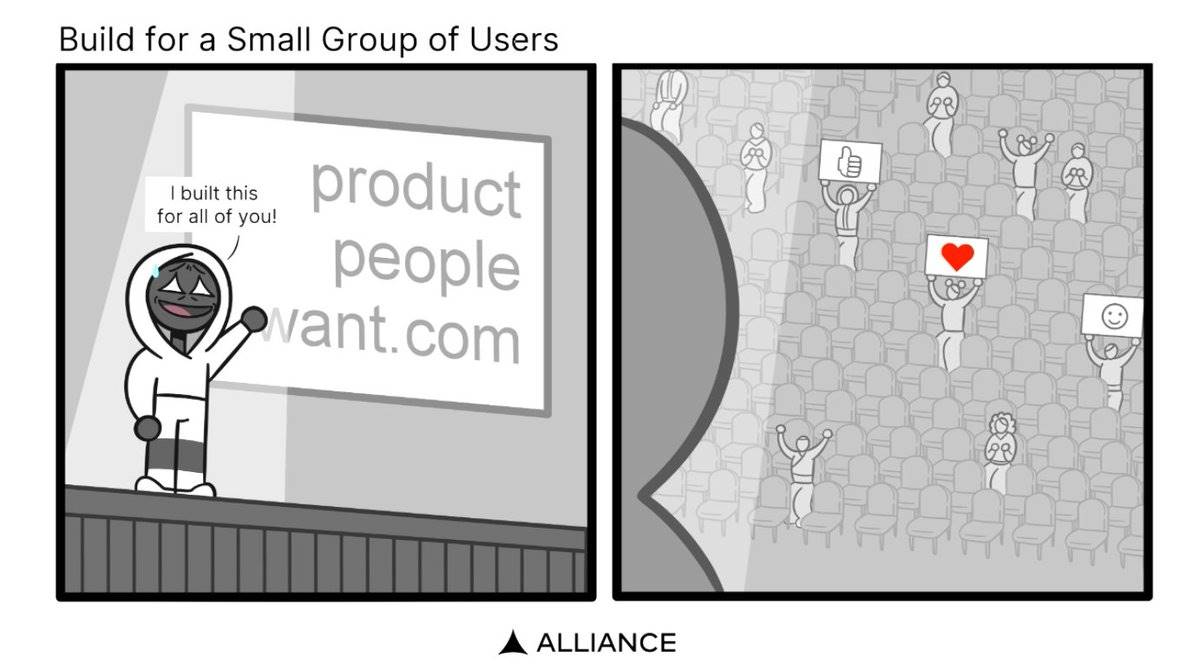
Identify a core group of early adopters—around 25 to 50 passionate users who genuinely care about the problem you're solving. By focusing on their specific needs, you can build a solid foundation and cultivate true advocates. These early users will provide valuable feedback, helping you iterate quickly and improve your product. Over time, this naturally expands your user base. If people love what you've built, sharing it with friends and family happens organically.
Validate Your Assumptions with an MVP
Before investing significant resources (like money or time), validate your core assumptions with a minimum viable product (MVP). This simplified version should focus solely on addressing the key pain point you’ve identified. Launch a lean product that provides enough insight to determine whether to double down or pivot. It also enables faster user feedback and may reveal completely unexpected learnings. Additionally, launching quickly gives you a head start—many others might be considering the same idea, and being first often captures attention.
Ship Your Idea Within 30 Days
Time to launch is critical. Aim to develop and release your MVP within 30 days to capitalize on the momentum of your idea and begin collecting user data as soon as possible. This rapid deployment forces you to prioritize core functionality and avoid the trap of over-planning.
Do Things That Don’t Scale
In the early stages, personalized engagement matters more than building a fully scalable product. Interact directly with users, handle customer support personally, and manually execute transactions that will eventually be automated. These non-scalable efforts help you build strong relationships with early users and gain deep insights into their needs and behaviors. This approach not only accelerates development and launch but, more importantly, gets your product into users’ hands sooner.

Don’t Overbuild—Simulate Using Existing Tools
Avoid building everything from scratch. For crypto entrepreneurs, it's best not to create core infrastructure from the ground up. Instead, collaborate with or leverage existing products to simulate the final solution. For instance, use off-the-shelf AMMs like Uniswap or Raydium rather than building a custom AMM for your product. This saves resources and lets you focus on perfecting your core offering.
Recruit users one by one until you reach 50
When building your initial user base, personalized outreach is essential. Reach out individually via email, social platforms (like Twitter DMs), or community forums. This method allows you to engage users willing to try your product and gather precise, honest feedback.
Constantly Seek Feedback and Iterate
Maintain ongoing conversations with users. Regular feedback often reveals insights you wouldn’t have considered. Use this input to iteratively improve your product, ensuring it continues meeting evolving user needs. Establishing this feedback loop is crucial—it keeps you closely aligned with users and helps you build something people truly love. Alon from Pump.fun DMed 3,000 Twitter users before Pump gained traction.
Don’t Take Feedback Literally
While user feedback is important, interpret it carefully. Users may not accurately articulate their needs or may suggest features misaligned with your product vision. Use your judgment to uncover underlying problems and address them in ways consistent with your product’s direction.
Stabilize at 50–100 Daily Active Users
Aim for steady growth in daily active users (DAU), with an initial goal of 50 to 100. This level of engagement indicates your product is gaining traction and becoming part of users’ routines. Monitor retention and engagement metrics to ensure you’re building sustainable momentum.
Refine your business model
Once you have a stable user base, focus on monetization. Develop a clear business model outlining how your startup generates revenue. Whether through transaction fees, premium features, or token sales, a well-defined model is vital for attracting investors and ensuring long-term viability.
Dive Deep Into Data to Find Growth Levers
Data is your ally. Analyze it thoroughly to understand what drives user acquisition, engagement, and retention. Identify key performance indicators (KPIs) aligned with your business goals. Use these insights to make informed decisions about marketing strategies, product features, and resource allocation.
Be Persistent: Reach Out via Email, Group Chats, Social Platforms
Persistence pays off. Don’t hesitate to contact potential users, partners, or investors multiple times. Broaden your reach across channels—email, DMs, group chats, and social media. Startup success often depends on relentless networking and outreach. Always maintain an “Always Be Closing” mindset.
Celebrate Small Wins and Take Breaks When Needed
Celebrate every milestone, no matter how small. Acknowledging progress—whether launching a new feature or hitting a user benchmark—keeps team morale high. Also, taking short breaks prevents burnout and helps you and your team stay effective over the long term.
Work Hard
No substitute exists for hard work. Building a successful startup demands dedication, long hours, and a willingness to go the extra mile. Your effort sets the tone for the team and can be the difference between success and failure. Consider this: if your competitor works 7–8 hours a day on their idea, how many hours are you willing to put in to win? Of course, I’m not suggesting victory comes purely from overtime—but use this mindset to push yourself to work smarter and emerge victorious.
Protect Your Equity
Especially in the early stages, be cautious about the equity you give away. Offering large stakes to secure funding or talent may be tempting, but retaining control is crucial for shaping your company’s future. Explore alternative incentives and negotiate terms aligned with your long-term vision. Ultimately, founders should retain enough ownership to be rewarded for their early, intensive effort.
Raise Small Amounts—It Teaches Frugality
Raising a modest amount of funding forces you to prioritize core problems and learn to operate frugally. In the earliest stage, you should typically raise only $500k to $1M. A lean budget pushes founders to find creative solutions. This discipline can lead to a more sustainable business model and make you more attractive to future investors. Amazon founder Jeff Bezos famously used a door as his desk to remind himself to save time and money.
Be Frugal
Adopt a frugal mindset across all aspects of your startup. Scrutinize every expense, avoid unnecessary operational costs, and direct funds toward areas that directly drive growth. Frugality extends your runway and provides flexibility when facing unexpected challenges or market shifts.
Keep the Team Lean—Hire as Little as Possible
Expand your team thoughtfully. Each new hire should fill a role critical to the company’s success. A lean team is more agile, easier to manage, and less burdened by the complexities of larger startups. Staying lean allows for quick pivots and helps preserve a strong company culture. Hiring too much too soon can rapidly erode your culture.
Join TechFlow official community to stay tuned
Telegram:https://t.me/TechFlowDaily
X (Twitter):https://x.com/TechFlowPost
X (Twitter) EN:https://x.com/BlockFlow_News
 @lmrankhan