Token distribution sparks controversy—Hamster Kombat, the game that once popularized massage guns, ends up alienating players
TechFlow Selected TechFlow Selected
Token distribution sparks controversy—Hamster Kombat, the game that once popularized massage guns, ends up alienating players
The distribution details of the HMSTR token for Hamster Kombat, a game claiming 300 million players, have sparked widespread backlash and protests from players ahead of its official airdrop.
 Navigating Web3 tides with focused insights
By Anna Kharton, Olivia Capozzalo
Translation: Zen, PANews
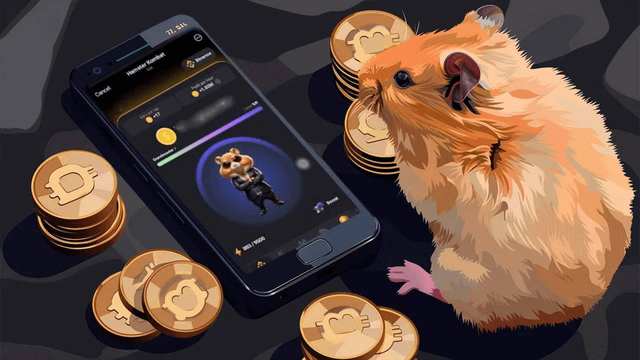
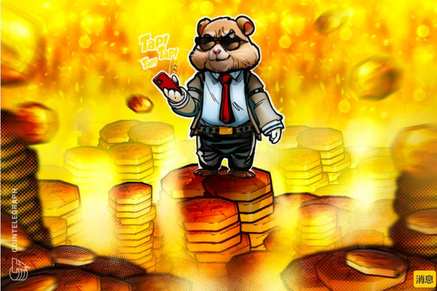
Whether you're one of the loyal players of Hamster Kombat—a Telegram-based click-to-earn game—or completely indifferent to it, the hype surrounding this game since its launch earlier this year has been very real.
Following in the footsteps of Notcoin, after Hamster Kombat reached tens of millions of registered accounts, most news coverage quickly shifted focus to speculation around its native token HMSTR, particularly regarding its release and price predictions. Now, with the conclusion of the game’s first season since launching in March, players are accusing the team of unfair treatment and false promises.
By last weekend, player-accumulated resources were converted into HMSTR tokens as part of the promised reward system, expected to be distributed via an airdrop at TGE (Token Generation Event). The team also shared more details on token supply and distribution through a post on X. They stated that out of the planned 100 billion HMSTR token supply, 75% would be reserved for the community, with 60% allocated to users upon completion of Season One.
According to the team's post on X, this so-called "hamster math" continues: of the 60% of HMSTR supply designated for users, 88.75% will be distributed during this week’s token airdrop and listing, while the remainder will be locked and only unlocked 10 months after the token lists on exchanges. The team also pledged an additional airdrop of 15% of the 100 billion-token supply during the upcoming second season of Hamster Kombat.
Since March, according to the Hamster Kombat team, the game has amassed up to 300 million users. Of these, only about half—131 million players—are eligible to receive token rewards in the highly anticipated airdrop, which is now scheduled for September 26. Additionally, 2.3 million players have been flagged as cheaters and are completely excluded from token distribution.
Disappointing Token Distribution
Since the Hamster Kombat team announced the details on Sunday, many users have taken to X to express dissatisfaction with the token distribution process and criteria, feeling their rewards fall far short of the time and effort invested.
HMSTR tokens are set to list on exchanges and become tradable shortly after the airdrop later this week, but several major exchanges have already begun spot and futures pre-market trading. Prices vary widely across platforms—from 0.01 USDT to 0.1 USDT—leaving players confused about the actual value of their allocated tokens.
Judging by community comments, based on the highest USDT prices across exchanges, average users who spent hundreds of hours playing earned less than $50.
Timbo, a player in the Telegram community, said he played almost from day one, spending roughly 4–5 hours daily over two months and earning about 500 tokens. As excitement around the game and its upcoming token grew, more and more players joined, all expecting token distributions upon launch. “Over time, my interest faded. The game itself isn’t that fun anymore. As for potential earnings, I didn’t expect much—there are just too many players, and everyone needs to be rewarded,” Timbo said.
Cheater Designations Spark Backlash
Another wave of negative sentiment emerged when Hamster Kombat announced that 2.3 million players would be excluded from the token distribution. According to the project, the ban targets users allegedly using unfair methods to gain advantages, such as clicking from multiple devices, gaming from different accounts, or referral cheating. The team gave examples: “One person linked over 400 accounts to the same Binance address; another invited nearly 2,000 ‘friends,’ all flagged by our anti-cheat system.”
However, some of these cheating criteria appear controversial. One of the most shocking penalties involves purchasing keys. Keys are a key late-game item with significant weight in the airdrop calculation. In the game rules, users earn keys by completing a mini-game, but some opted to pay to buy them directly, skipping the mini-game. The Hamster Kombat system allowed such purchases without any warning or indication that this was against the rules. Yet, this action was clearly deemed “cheating” in the airdrop and reportedly led to players being barred from receiving tokens.
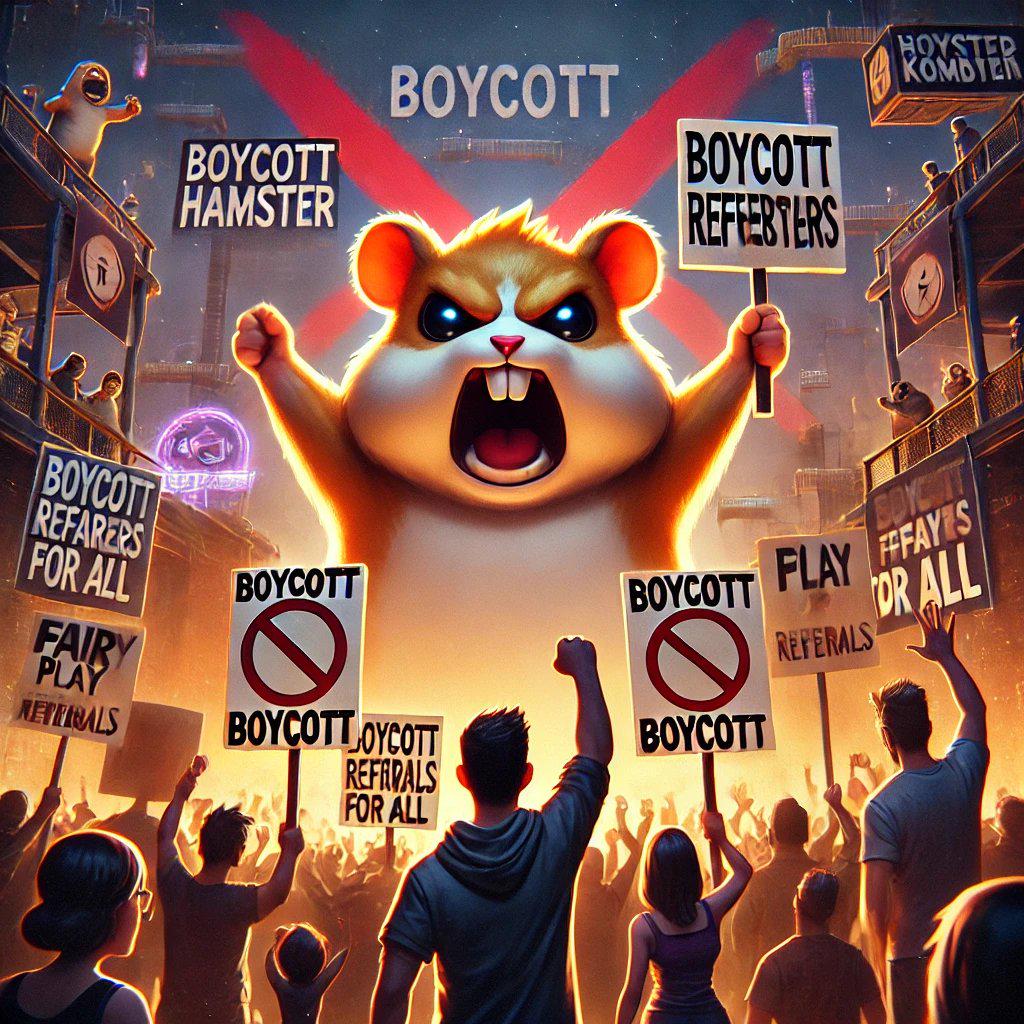
Members of several Hamster Kombat Telegram chat groups shared a message containing the following statement:
“Some of my friends did nothing wrong but were wrongly labeled as cheaters. This injustice severely damages trust within the community and creates an atmosphere of distrust.”
Players marked by the project as violating so-called “game rules” received only a simple message at the end of Season One: “Cheating is bad.” Telegram community group chats were immediately flooded with complaints about unfair distribution standards, with demands for administrators to reconsider and distribute tokens. Users expressed frustration at suddenly being labeled cheaters at the season’s end, emphasizing the immense time they had dedicated to the game.
“At the beginning of the project, nobody knew what constituted a violation. Then, at the end, bans suddenly appear, using absurd excuses to give tokens to fewer people,” complained one self-identified player on X, who said he played for four months, collected over 200 keys, earned 8.36 million HMSTR per hour, and even set alarms to track card “boost times.” “Now you’re telling me I don’t deserve it. Hamster Kombat is a scam.”
In the meantime, the hashtag #boycotthamsterkombat is trending on X—with over 22,000 posts under the tag at the time of writing.
How Is Token Allocation Determined?
Based on community reports, the number of tokens a player receives is determined by the following criteria:
-
Total number of coins collected by the user during the period
-
Number of friends the user invited to join the game
-
Amount of coins earned through passive income
-
Number of keys won by the user in mini-games
-
Number of daily tasks completed by the user
Within Hamster Kombat, tokens are categorized into several types: Total HMSTR, Claimed, Next Unlock, and Unclaimed. However, the game does not provide explanations for these categories.
It turns out that the most important factor determining a player’s token allocation is not passive income earned through gameplay, but rather the number of friends invited via referral links. Based on social media reactions, ordinary users are most frustrated with this logic—they spent considerable time actively playing, striving to reach top 100 rankings, completing tasks, etc. These core community members may not have the broad social networks of YouTube influencers who can easily invite dozens or hundreds of “friends” by sharing referral links and thus earn significantly more tokens.
Has Hamster Kombat deceived everyone? Despite the backlash, with its large-scale token distribution plan and reported user numbers, the game is still poised to deliver one of the largest airdrops in the crypto space. Players who linked their wallets to their Hamster Kombat accounts are expected to receive their allocated tokens in this week’s airdrop and then trade them on major exchanges like Binance and OKX.
Given the reportedly massive user base, it may not be surprising that individual token rewards are lower than expected. With a fixed total supply of 100 billion tokens and hundreds of millions of users, the math becomes somewhat clear—even if disappointing for most players.
In any case, the actual monetary value of users’ earnings will only become clear once HMSTR tokens go live on spot markets on September 26 and players finally receive their long-awaited tokens.
Russian Expert Warns of Downward Price Pressure
According to RTVI, Viktor Pershikov, an independent expert in combating financial crime in crypto, said those who “wanted to get rich playing Hamster Kombat” are “finding their hopes dashed.” The outlet noted that many were disappointed to learn that their months of gameplay yielded returns of only “$5 to $15.” Pershikov added that the game and its team “never promised to make anyone rich,” and that when players begin converting their HMSTR tokens into fiat currency, the token price “will face downward pressure.”
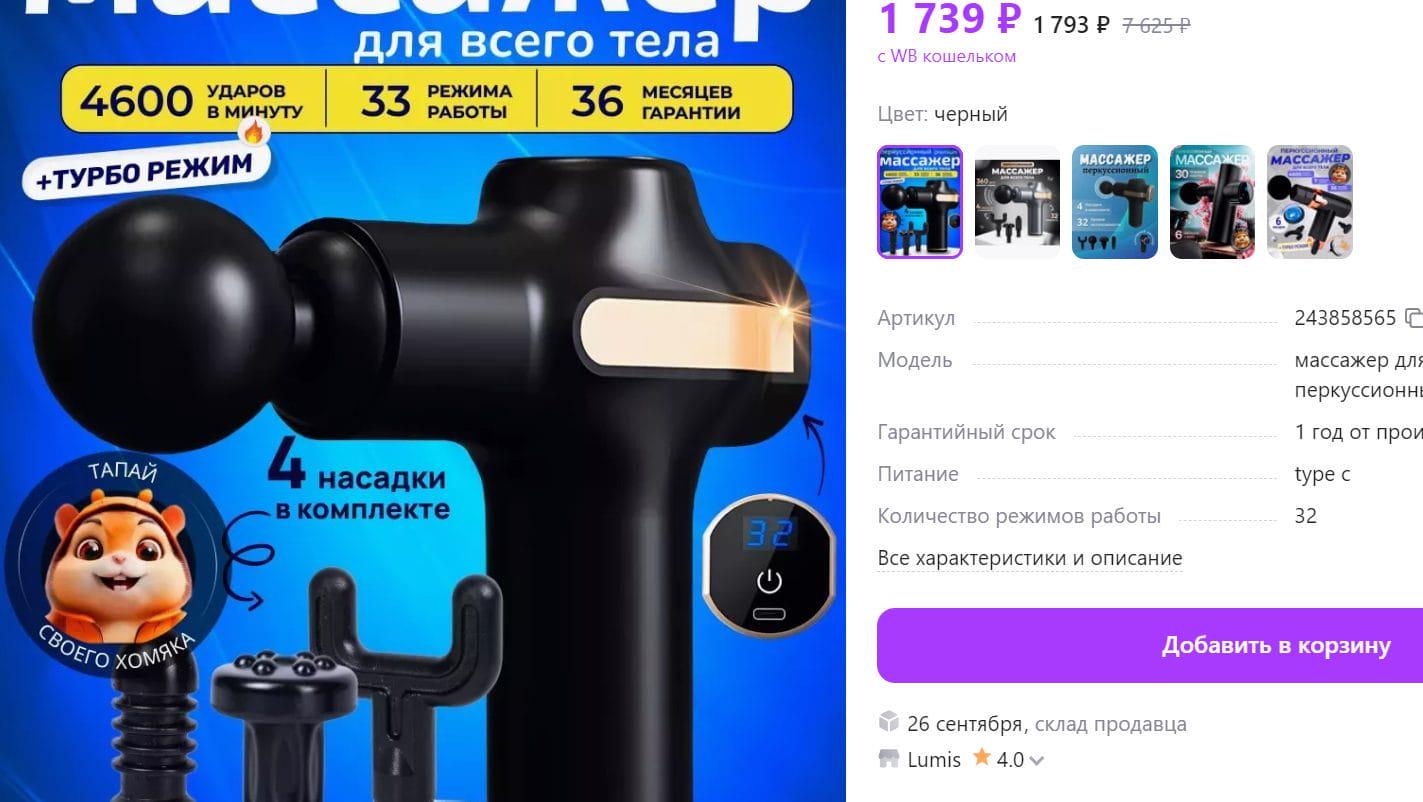
Telegram is the preferred messaging app for most Russian citizens, and the viral success of Hamster Kombat naturally made it hugely popular in Russia. Some local players even purchased massage guns to enhance their tapping speed. Many e-commerce sellers began marketing their massage guns as tools for “tapping hamsters,” boosting sales on Russian e-commerce platforms.
Russian information and socio-political online newspaper Fontanka.ru reported on Hamster Kombat on September 22, noting that one of its employee’s eight-year-old son had “mined” “Bitcoin” for 120 days straight. In the end, the boy earned approximately 4.3 rubles (about $0.046).
Some commenters in the article’s section voiced discontent, with one Russian social media user lamenting: “How did we go from being the nation that reads the most and is the most educated in the world to this?”
Join TechFlow official community to stay tuned
Telegram:https://t.me/TechFlowDaily
X (Twitter):https://x.com/TechFlowPost
X (Twitter) EN:https://x.com/BlockFlow_News
 PANews