Tether, a parallel economic system beyond the reach of U.S. law enforcement
TechFlow Selected TechFlow Selected
Tether, a parallel economic system beyond the reach of U.S. law enforcement
USDT can be considered the first successful real-world product of the cryptocurrency revolution that began over a decade ago.
 Navigating Web3 tides with focused insights
By Angus Berwick and Ben Foldy, The Wall Street Journal
Translated by Luffy, Foresight News
An unregulated currency is undermining U.S. efforts to combat arms dealers, sanctions evaders, and fraudsters. Last year, the volume of money flowing through its network nearly matched that of Visa; more surprisingly, its recent profits have surpassed those of asset management giant BlackRock, despite having only a fraction of BlackRock’s workforce.
It is Tether (USDT), a cryptocurrency that has become a significant component of the global financial system, with daily trading volumes reaching as high as $190 billion.
In essence, USDT is a digital dollar—but one controlled by a private company based in the British Virgin Islands, whose activities are largely unknown to governments.
USDT is pegged 1:1 to the U.S. dollar, making it a so-called stablecoin. Initially popular only within the cryptocurrency world, USDT has now penetrated the financial underground, fueling a parallel economy beyond the reach of U.S. law enforcement.
In countries cut off from the U.S. dollar financial system—such as Iran, Venezuela, and Russia—USDT has flourished as an anonymous digital dollar for cross-border fund transfers.
Russian oligarchs and weapons traders use USDT to buy foreign assets and pay for sanctioned goods. Venezuela’s state-owned oil company, under sanctions, uses USDT to pay for shipments. Drug cartels, scam groups, and terrorist organizations like Hamas use USDT to launder money.
In dysfunctional economies suffering from hyperinflation such as Argentina and Turkey, USDT has also become a lifeline, used for everyday payments and to protect savings.
USDT may be the first successful real-world product of the cryptocurrency revolution that began over a decade ago. It has made its parent company extremely wealthy. Tether holds $120 billion in assets, mostly risk-free U.S. Treasury bills, along with positions in bitcoin and gold. Last year, Tether earned $6.2 billion in profit—$700 million more than BlackRock, the world’s largest asset manager.

Paolo Ardoino, CEO of Tether
Tether CEO Paolo Ardoino claimed earlier this year that despite having fewer than 100 employees, the company had the highest per-employee profit of any company.
In a May press release, Ardoino said Tether aims to "build a fairer, more interconnected, and more accessible global financial system." He claimed over 300 million people are now using USDT.
Washington traditionally wields power by cutting adversaries off from the dollar—and thus much of the global trade system—because all dollar transactions involve banks regulated by the U.S. But Tether undermines this control.
Wally Adeyemo, Deputy Secretary of the U.S. Treasury, told The Wall Street Journal: "We need a regulatory framework that doesn’t allow offshore dollar-backed stablecoin providers to circumvent our rules." Adeyemo specifically mentioned Tether during congressional testimony in April.
The Wall Street Journal interviewed Tether users, researchers, and government officials, and reviewed transaction data between intermediaries, court and corporate records, and blockchain data.
Tether did not respond to requests for comment. In May, the company said it was cooperating with law enforcement and upgrading transaction monitoring to prevent illicit activity. It said it independently freezes crypto wallets linked to sanctioned entities. Ardoino said Tether is taking a "proactive approach to protecting our ecosystem from illegal activity."
How USDT Works
Tether Holdings, the company behind USDT, issues virtual currency to a select group of direct clients—mainly trading firms—in exchange for real-world dollars deposited into exchanges. Tether uses these dollars to purchase assets, primarily U.S. Treasuries, to back the value of USDT.
Once in circulation, USDT can be traded on exchanges and through local brokers for other tokens or traditional currencies. For example, in Iran, a crypto exchange called TetherLand allows Iranians to convert rials into USDT.
Tether verifies the identities of its direct clients, but the vast secondary market remains unregulated. These tokens can move almost instantly between digital wallets. A January report by the United Nations named USDT the “preferred” tool for money laundering in Southeast Asia.
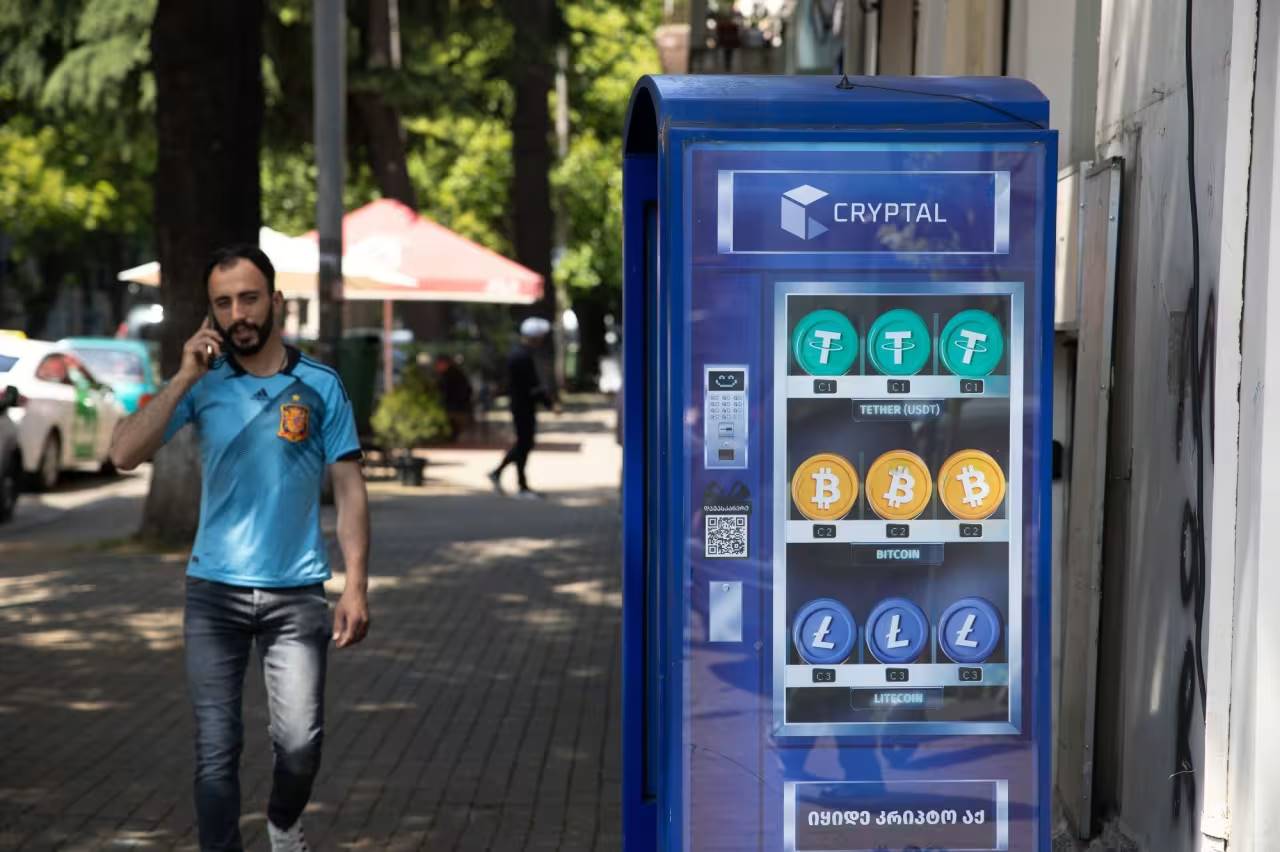
A cryptocurrency ATM in Batumi, Georgia, supports Tether
Tether says it can track every transaction on the public blockchain ledger and can freeze or destroy USDT in any wallet.
But freezing wallets is like playing whack-a-mole. According to ChainArgos, a crypto data provider, from 2018 through June of this year, Tether blacklisted 2,713 wallets on the two most popular blockchains. These wallets received about $153 billion in total. Of that amount, Tether managed to freeze only $1.4 billion—the rest had already been moved out.
Giancarlo Devasini founded USDT in 2014. Stablecoin adoption was initially slow, and early investor William Quigley said profiting from the accumulated billions was once just “fantasy.”
According to people familiar with the matter, he and other co-founders soon sold their stakes to Devasini. Since then, Devasini has remained in charge of managing Tether. Company records show the low-profile billionaire lives in a modernist villa in Roquebrune-Cap-Martin, a French Riviera enclave. Devasini’s Italian compatriot, Ardoino, became Tether’s public face.
Tether’s breakout came during the 2020–2021 bull market, when traders used USDT as a pricing asset for buying and selling. USDT’s market cap quickly surged from $4 billion to nearly $80 billion.
Dollars for Everyone
Venezuela, isolated financially due to U.S. sanctions and poor domestic economic management, provided a ready user base for USDT.
In 2020, the government under President Nicolás Maduro was under pressure from U.S. measures targeting the state-owned oil company Petróleos de Venezuela (PdVSA). That October, Maduro’s legislature passed an “Anti-Blockade Law,” authorizing the use of cryptocurrencies to shield transactions.
People familiar with PdVSA say the company began demanding USDT for oil shipments. Authorized purchase orders often instructed buyers to send USDT to specific wallet addresses. Another method involved intermediaries converting cash deliveries into USDT and loading the tokens onto prepaid travel cards, allowing cardholders to make purchases using crypto.
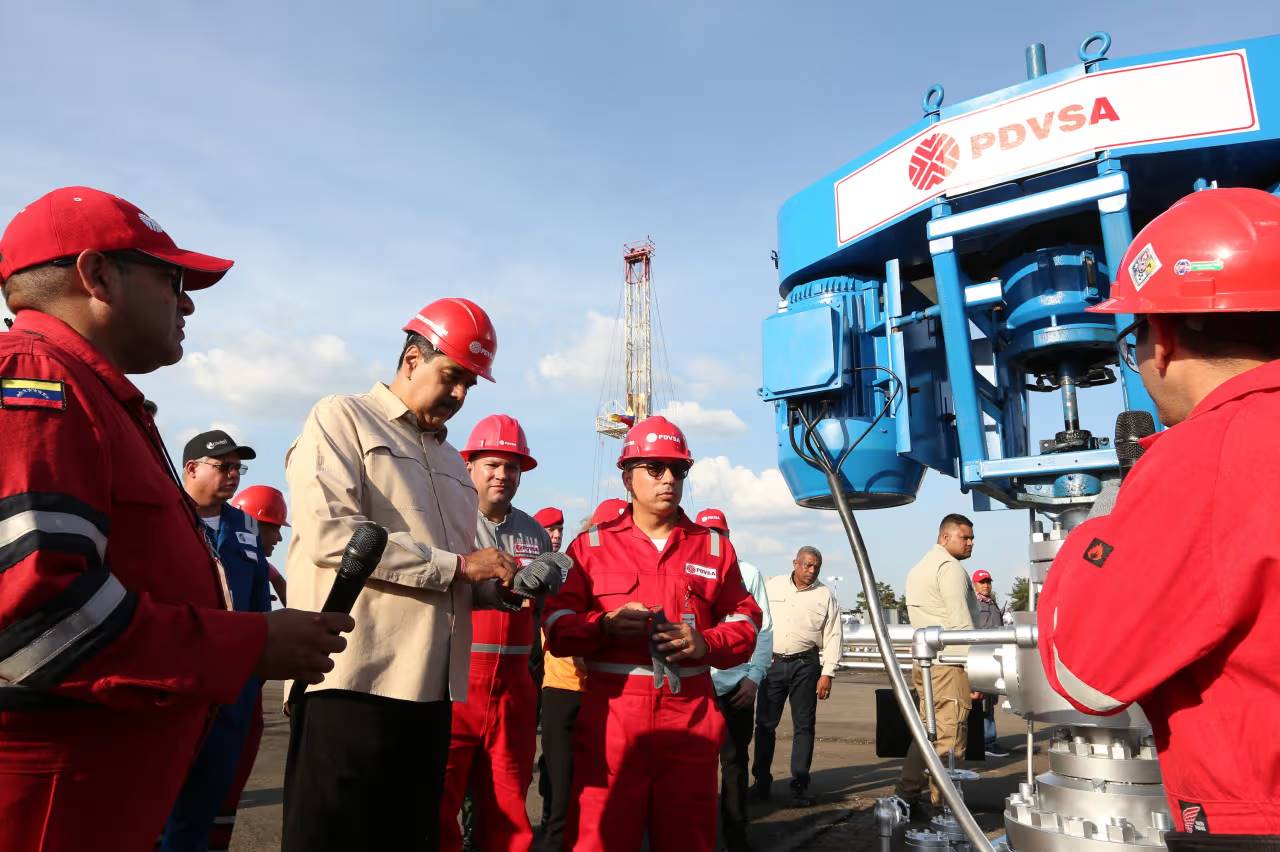
President Nicolás Maduro of Venezuela passed a law allowing the government to use cryptocurrencies for transactions
PdVSA’s widespread adoption of USDT had another consequence: middlemen handling sales kept the funds instead of returning oil revenues to the government, sparking a scandal that led to the oil minister’s downfall.
Rafael Ramírez, a former oil minister under Maduro, said in an interview: "The use of these cryptocurrencies only fuels massive corruption."
The Venezuelan government did not respond to requests for comment. The country’s attorney general said in April that intermediaries using cryptocurrencies allowed funds to be “stolen without authorities detecting it.”
For ordinary Venezuelans, USDT has also become a lifeline. Hyperinflation—reaching as high as 200 million percent—wiped out bolívar savings. Currency controls made international bank transfers impractical.
Guillermo Goncalvez, a 30-year-old graduate from Caracas, runs a platform called El Dorado that facilitates peer-to-peer USDT trading, directly connecting buyers and sellers.
El Dorado has over 150,000 users who pay only a fraction of the fees charged by traditional remittance services: local shops convert daily earnings into USDT, Venezuelan migrants send USDT back to families, and freelancers receive salaries in USDT.
"USDT is the digital dollar for all Venezuelans," Goncalvez said.
Enough Cash to Fill a Plane
The Wall Street Journal previously reported that USDT has become a major payment channel in Russia.
This year, a research center backed by the Russian government drafted a confidential report stating that USDT is one of the most popular methods for importers to convert rubles into foreign currencies. Some large institutions are involved: according to a corporate presentation released in June, Russian bank Rosbank offers customers USDT transfers for payments to overseas suppliers. A Rosbank spokesperson did not respond to requests for comment.
USDT is also the preferred currency among Russia’s elite.
Ekaterina Zhdanova, a broker, told colleagues in Telegram chat messages from 2022 and 2023 that she was arranging large-scale conversions of rubles into USDT for clients. Blockchain data shows digital wallets linked to Zhdanova’s clients have transferred over $350 million in USDT.
Zhdanova, 38, born in a Siberian village, runs a concierge service helping wealthy Russians obtain foreign visas and a travel agency organizing luxury cruises. Her ex-husband is a senior aide to a Russian billionaire real estate developer.
Russia’s invasion of Ukraine and subsequent sanctions caused demand for her services to surge.
According to Telegram chat logs, two months after the war began, Zhdanova forwarded a client’s request to a group of major Russian crypto traders. She said the client wanted to buy about $10 million in USDT each month, totaling $300 million, in exchange for cash delivered in the United Arab Emirates or Turkey.
After finding traders willing to accept the deal, Zhdanova told them she could coordinate cash collection.
She said: "They will come get the cash by plane."
Late last year, the U.S. Treasury imposed sanctions on Zhdanova, accusing her of transferring assets for unnamed oligarchs. People familiar with the matter said French police detained her at a French airport, as part of another French money-laundering investigation. She remains in custody. Zhdanova’s lawyer declined to comment.
“Everything. Everywhere.”
Tether is now investing in startups that use USDT for everyday payments. The more users Tether attracts, the more USDT it needs to issue.
In Tbilisi, Georgia—a popular destination for Russian migrants—the green circular “T” token symbol glows outside windowless currency exchange shops. ATM signage advertises that users can deposit stablecoins.
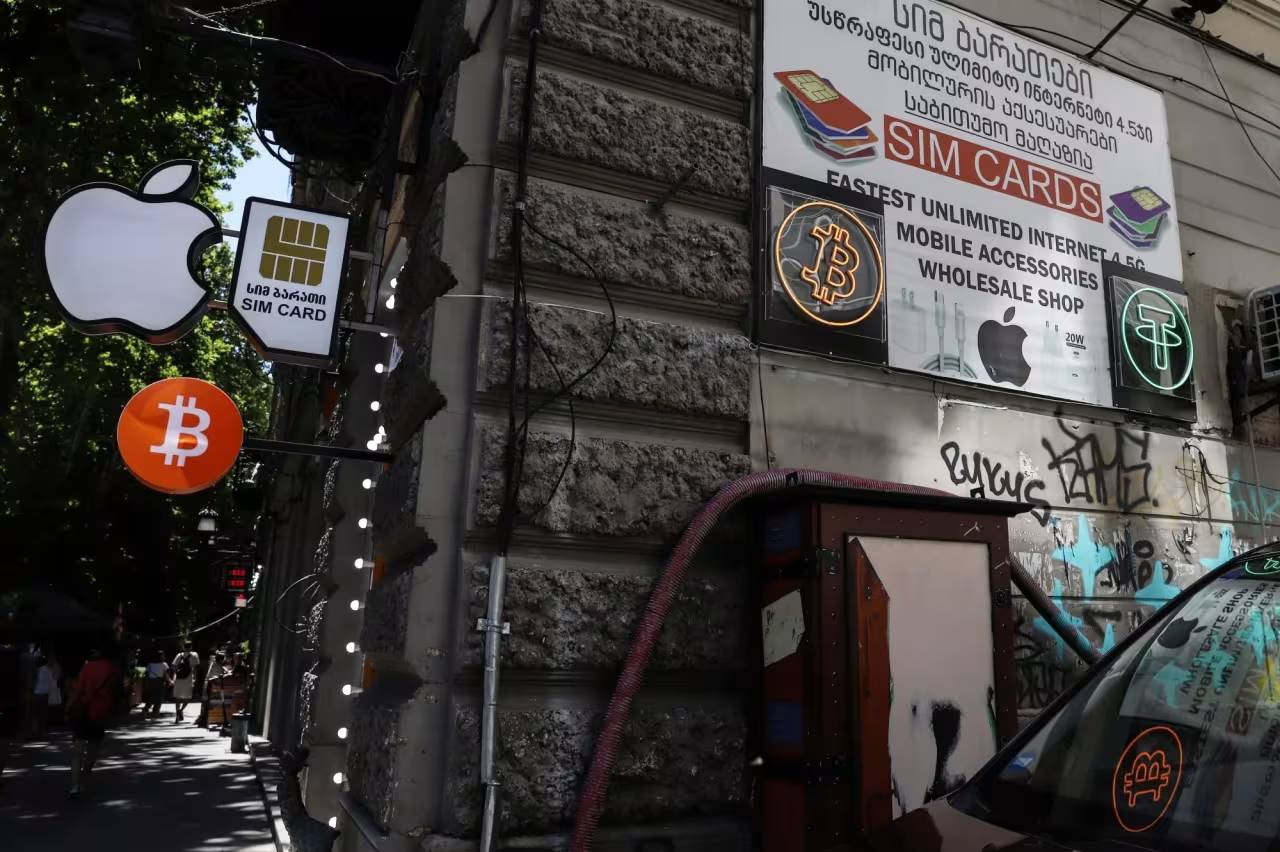
Tether’s logo outside a shop in Tbilisi, Georgia
Tether CEO Ardoino visited Georgia last year and proposed helping local officials develop the country’s crypto economy. They signed a cooperation agreement, which Ardoino said would turn the former Soviet republic into a thriving payment hub. According to Georgia’s Innovation Agency, Tether has invested $25 million in local startups.
CityPay.io, a key Tether-backed firm, has rolled out a USDT payment system for thousands of Georgian businesses. Hotels including the Radisson Blu Iveria in central Tbilisi have CityPay terminals. The company also partnered with a local real estate firm to support USDT purchases of luxury apartments.
CityPay also offers businesses international USDT payment services. According to Eralp Hatipoglu, CityPay’s Turkish CEO, monthly transaction volumes reach up to $50 million. He said pressure from the U.S. on the global banking system has created these new opportunities. Exporters from Turkey to Georgia face correspondent bank scrutiny, and wire transfers can take days.
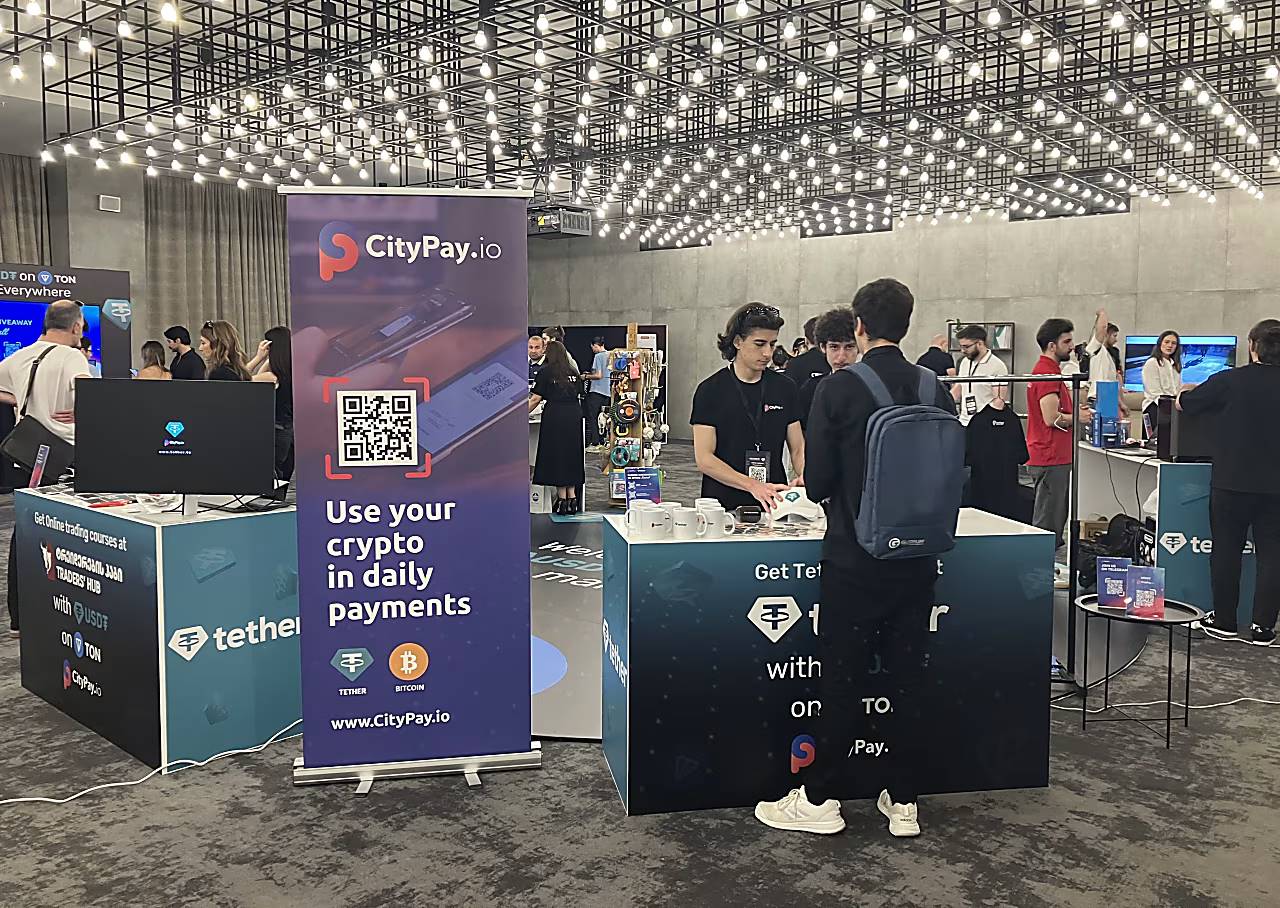
A Tether-sponsored cryptocurrency conference in Tbilisi, Georgia
CityPay’s website claims “100% anonymous transactions,” but Hatipoglu said they verify customer identities against sanctions lists and do not accept Russian companies.
Tether says it aims to help CityPay expand into other emerging markets. At a cryptocurrency conference held in June in a skyscraper in Tbilisi—sponsored by Tether—Tether’s expansion lead attended, and banners promoted USDT for daily payments via CityPay. Guests queued to buy coffee using USDT.
“Pay with USDT,” a sign read. “Everything. Everywhere.”
Join TechFlow official community to stay tuned
Telegram:https://t.me/TechFlowDaily
X (Twitter):https://x.com/TechFlowPost
X (Twitter) EN:https://x.com/BlockFlow_News