Crypto's money printer wants to buy Juventus: Europe's old money vs. new money battle
TechFlow Selected TechFlow Selected
Crypto's money printer wants to buy Juventus: Europe's old money vs. new money battle
When Paolo enthusiastically knocked on Juventus's door, there were no flowers, no applause to greet him.
 Navigating Web3 tides with focused insights
By: Sleepy.txt
Tether, the world's largest stablecoin giant, is preparing to buy Italy's most iconic football powerhouse Juventus.
On December 12, Tether filed a takeover offer with the Italian Stock Exchange, proposing to acquire Exor Group’s 65.4% stake in Juventus at €2.66 per share—a price 20.74% higher than market value. If successful, Tether will inject an additional €1 billion into the club.
This is an all-cash offer. No earnouts, no附加 conditions—just "cash on delivery." In the world of capital, this represents the crudest form of sincerity. And Tether has given Exor Group only 10 days to respond.
Yet, Exor Group, controlled by the Agnelli family, quickly issued a statement: "There are currently no negotiations regarding the sale of Juventus shares."
The message was clear: We’re not selling.
Less than 24 hours later, Italian journalist Eleonora Trotta reported that Tether was ready to double its bid, pushing Juventus’ valuation to €2 billion.
At the center of this storm stands Paolo Ardoino.
In 1984, Paolo was born in a small Italian town. His parents were civil servants; his grandparents tended a traditional olive grove. It was a classic Italian childhood—black-and-white striped jerseys, chants echoing from Turin’s Allianz Stadium, and the glory of the Agnelli family—all forming spiritual totems in his memory.
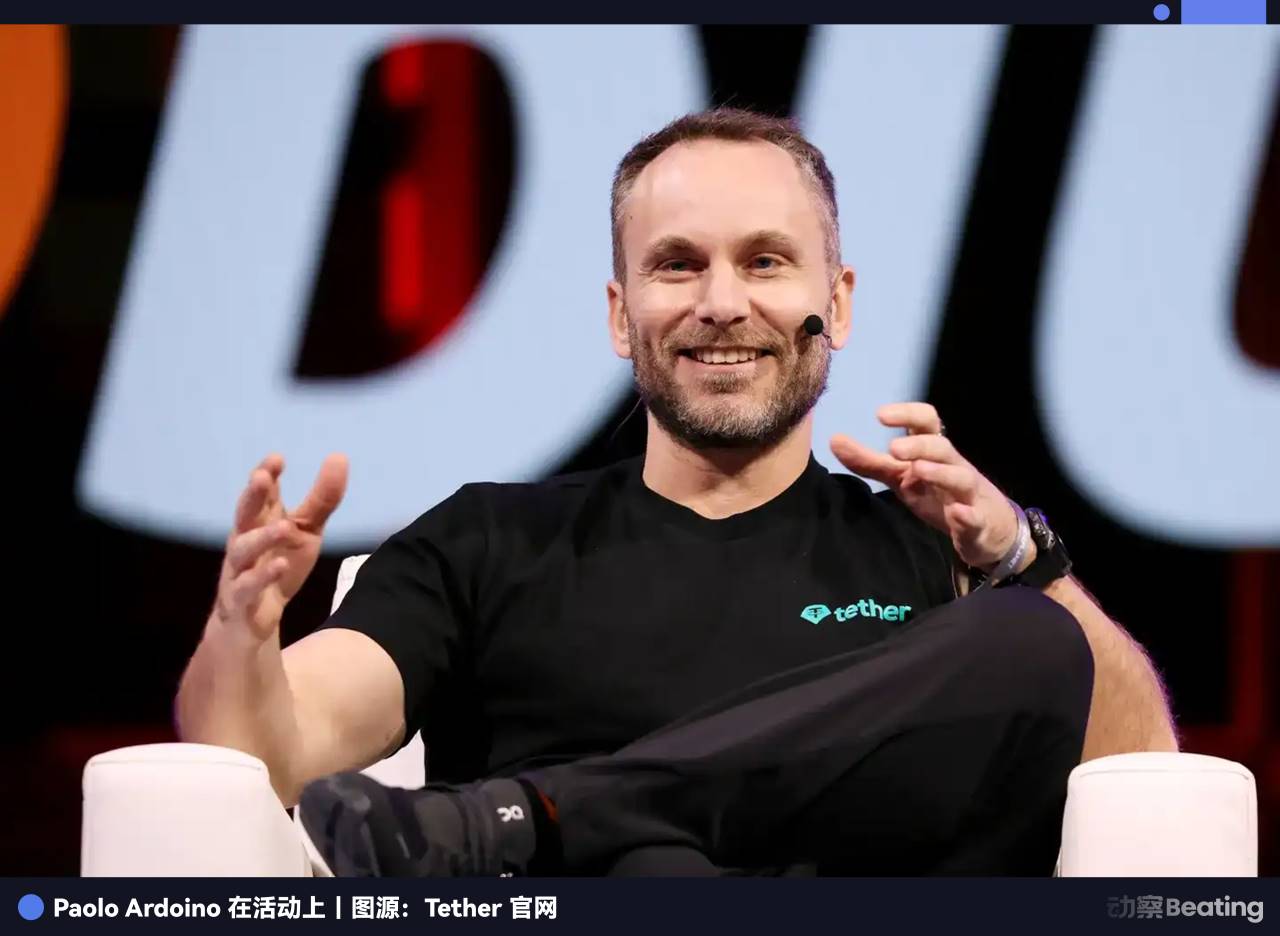
Thirty-two years later, the boy under the olive trees has become Caesar of the cryptocurrency world, running Tether—the $13 billion annual profit printing machine. Now he returns home in triumph, trying to buy back his childhood dream, repaying the black-and-white faith flowing in his blood.
But reality teaches sentiment a harsh lesson.
When Paolo passionately knocked on Juventus’ door, he was met not with flowers or applause, but with nine months of exclusion and humiliation from the old world.
The Nine Months of Rejection
The honeymoon began in a near one-sided manner.
In February 2025, Tether announced it had acquired 8.2% of Juventus’ shares, instantly becoming the second-largest shareholder after Exor Group. In the official statement, Paolo dropped his businessman’s shrewdness and revealed rare vulnerability: "Juventus has always been part of my life."
Paolo thought this was a mutually beneficial deal: I have money, you need money—we shake hands and move forward. But in Italy, some doors cannot be opened with money alone.
Two months later, Juventus announced a capital increase plan worth up to €110 million. At this critical moment when the club desperately needed funding, Paolo, as the second-largest shareholder, was deliberately "forgotten." No calls, no emails, no explanations. Exor Group didn’t even bother giving him a courtesy nod.
Paolo took to social media to express his frustration: "We hoped to increase our stake in Juventus through a possible capital raise, but this wish was ignored."
It might have been the most humiliating moment of Paolo’s life. A financial titan managing $13 billion in annual profits could only use social media to "remind" Juventus: I want to participate, I want to invest more—but I’m being ignored.
Some sympathized with Paolo, seeing him as a true Juventus fan; others questioned his motives, suspecting he merely wanted to whitewash Tether’s image using Juventus.
Regardless of public opinion, in the eyes of the Agnelli family, Paolo remained an "outsider." From the start, their relationship wasn't partnership—it was caution, even resistance.
If sentiment won't earn respect, then money will.
From April to October, Tether increased its stake from 8.2% to 10.7% through open-market purchases. Under Italian law, owning over 10% grants the right to nominate board members.
On November 7, in Turin, during Juventus’ annual general meeting, tensions rose due to Tether’s intervention.
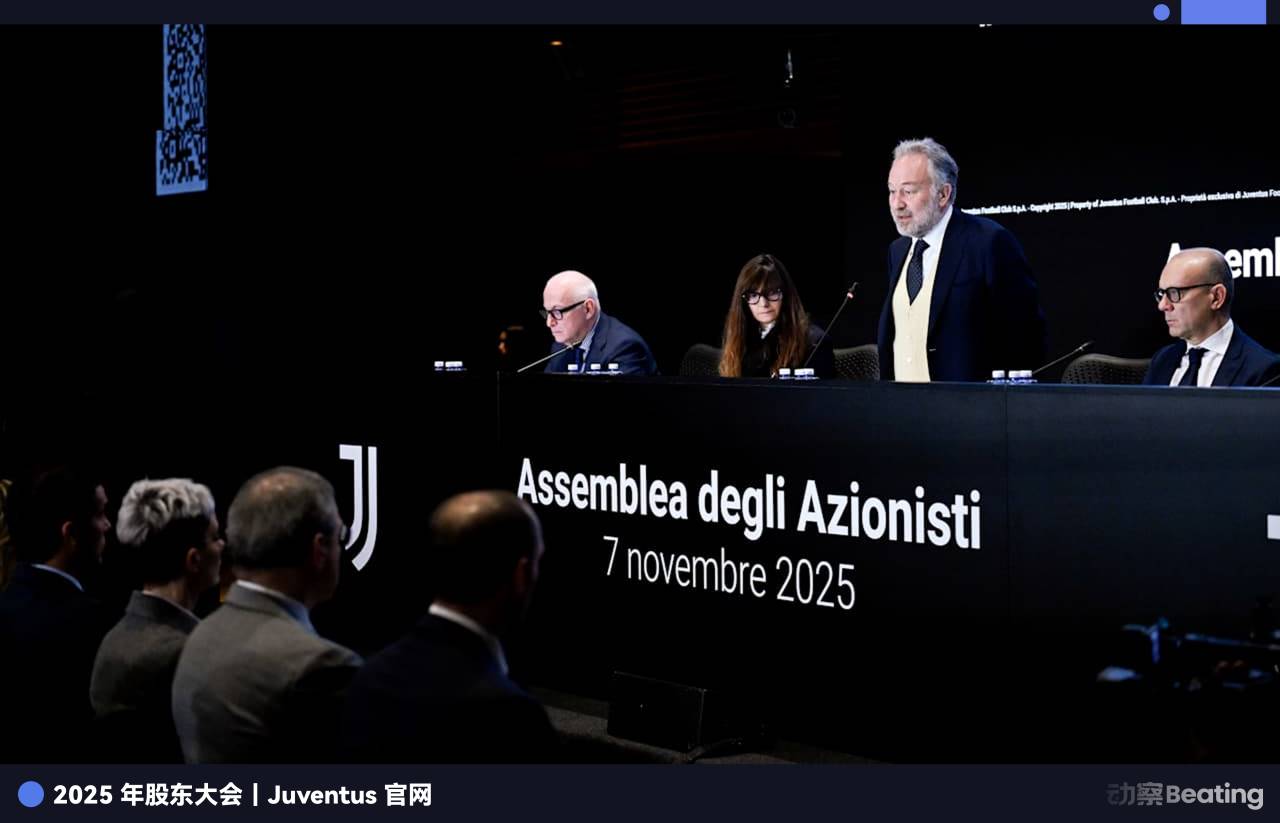
Tether nominated Francesco Garino, a local Turin physician and lifelong Juventus fan, as a board candidate. Paolo was sending a message: We’re not barbarians—we are sons of Turin, bound by blood.
But the seasoned Exor Group played its trump card: Giorgio Chiellini. The legendary captain who spent 17 years at Juventus and lifted nine Serie A titles was brought to the forefront.
This was Exor’s strategy: use legends to counter capital, sentiment to resist money.
In the end, Tether narrowly secured one board seat. But within a board dominated absolutely by the Agnelli family, one seat meant you could attend meetings and make suggestions—yet you’d never touch the steering wheel.
John Elkann, fifth-generation leader of the Agnelli family, delivered the closing statement: "We are proud to have been shareholders of Juventus for over a century. We have no intention of selling shares, though we remain open to constructive ideas from all stakeholders."
In plainer terms: This isn’t just business—it’s our family’s territory. You’re welcome to come in for tea, but don’t expect to be the master here.
The Old Money’s Arrogance and Prejudice
Behind John’s words lies a family’s 102 years of pride and prestige.
On July 24, 1923, 31-year-old Edoardo Agnelli took the helm as Juventus president. From that day on, the Agnelli family’s fate became inseparable from Juventus. Their Fiat automotive empire dominated much of 20th-century Italy as the nation’s largest private employer, supporting countless workers and millions of families.
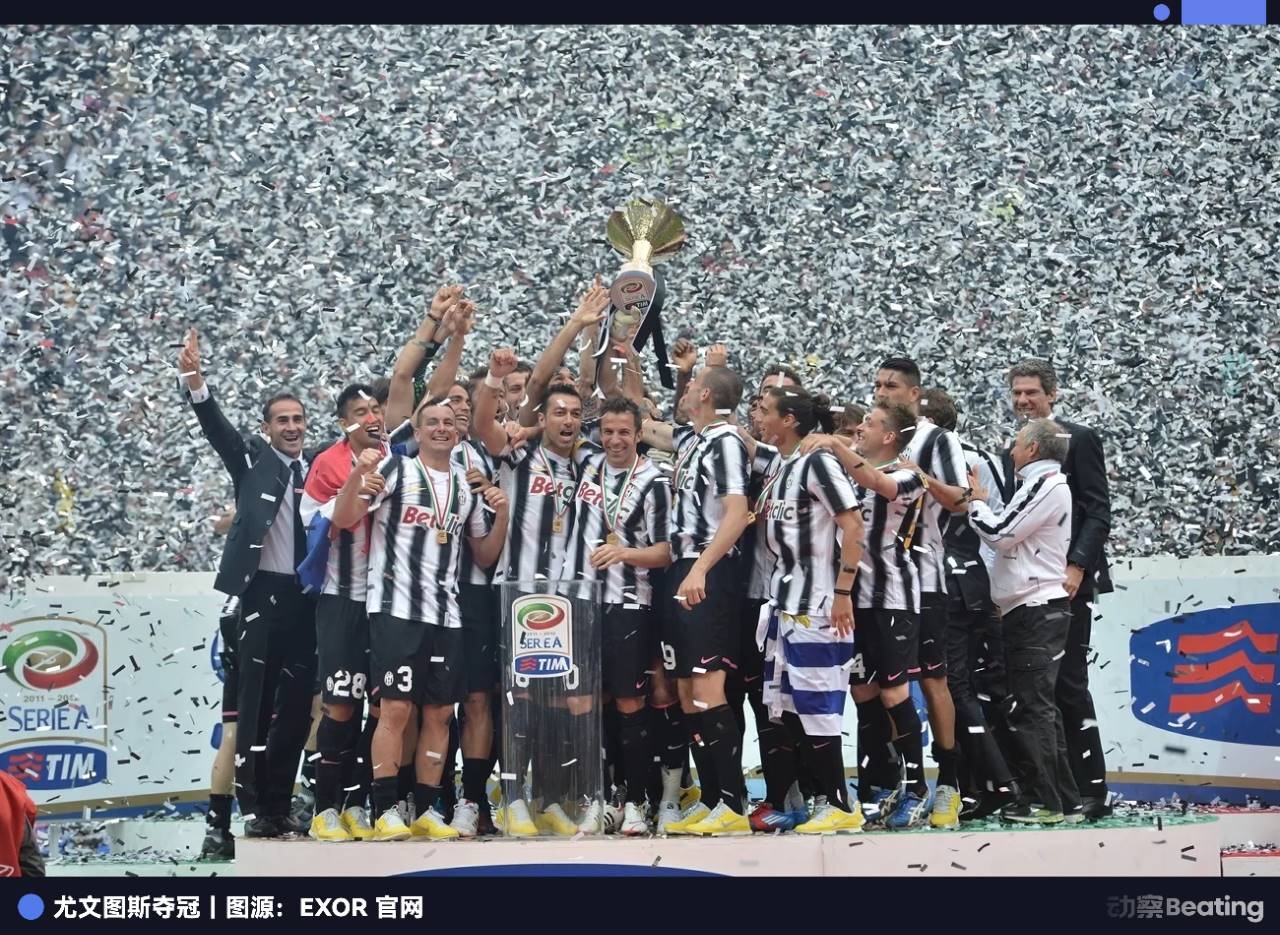
And Juventus became another symbol of the family’s power: 36 Serie A titles, 2 Champions League trophies, 14 Coppa Italia wins—Italy’s most successful football club, a source of national pride.
Yet the Agnelli family’s legacy is also written in blood and fracture.
In 2000, heir Edoardo Agnelli jumped from an overpass, ending his battle with depression. Three years later, patriarch Gianni Agnelli passed away. The baton of power had to be handed to grandson John Elkann.
John was born in New York, raised in Paris. He speaks English, French, and Italian—with a noticeable foreign accent in the latter. To many traditional Italians, he is merely a bloodline-appointed agent.
To prove he deserved the Agnelli name, John spent 20 years rebuilding his credibility.
He restructured Fiat, merged Chrysler, creating Stellantis—the world’s fourth-largest automaker; he took Ferrari public, doubling its market value; he bought The Economist, extending the Agnelli influence from Italy to the globe.
But trouble brews within. In September 2025, John’s mother Margherita filed a 1998 “will” at the Turin court, claiming John had seized her inheritance from father Gianni. Mother versus son—public litigation in a country that values family honor above all.
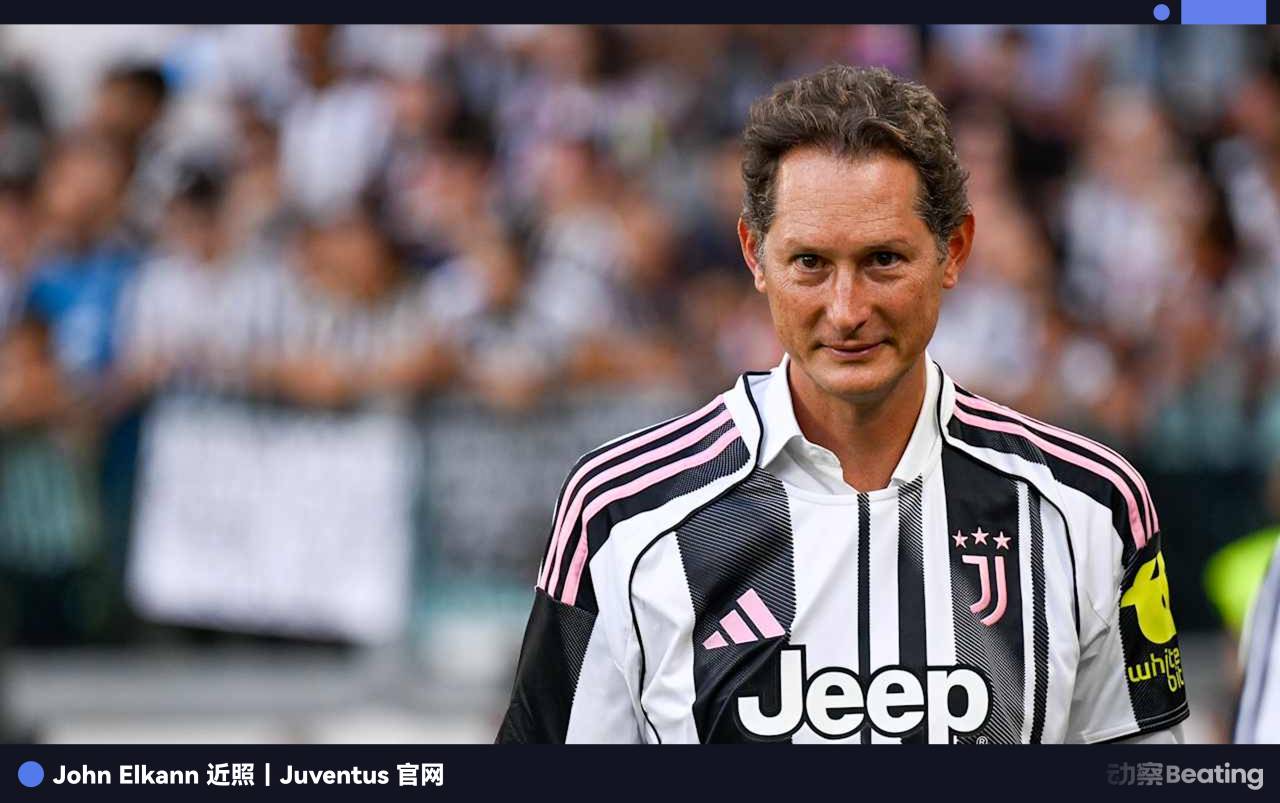
Against this backdrop, selling Juventus would mean admitting the end of family glory, confessing inferiority to ancestors.
To protect Juventus, John is frantically selling off other assets.
Just days before Tether’s offer, Exor Group rushed to sell GEDI Media Group to Greek media Antenna Group for €140 million. GEDI owns two major Italian newspapers—La Repubblica and La Stampa—media pillars whose stature in Italy rivals Juventus in football.
The news sparked national outrage. The Italian government even invoked the “golden power” law, demanding Exor protect jobs and editorial independence during the sale.
Newspapers are losing money—liabilities to cut; Juventus is a totem—must be preserved.
This choice reveals the old aristocracy’s desperation. They can no longer sustain their former empire, forced to cling to the last symbol of family glory.
Hence, despite Tether’s offer carrying a 20% premium, John Elkann still sees it as a threat.
In European old-money circles, wealth has a hierarchy.
Every coin the Agnellis earned carries the scent of engine oil—forged in steel, rubber, roaring engines, and the sweat of millions of workers. This wealth is tangible, representing order, control, and a century-long social contract.
Paolo’s money, however, comes from cryptocurrency—an industry that grew wildly and controversially over the past decade.
Recent history serves as warning.
Just years ago, blockchain firm DigitalBits signed €85 million sponsorship deals with Inter Milan and AS Roma, only to default when funds collapsed, leaving both clubs scrambling to terminate contracts amid chaos.
Not to mention the 2022 crypto meltdown, when Luna’s logo adorned Washington Nationals’ stadium and FTX’s name crowned Miami Heat’s arena. To the Agnelli family, crypto reeks of speculation and bubbles.
In their eyes, Paolo will always be an “outsider”—not because of birth, but because of his money.
A Totem in Need of Rescue
But the truth is, Juventus needs money.
Today’s Juventus is mired in crisis, rooted in one fateful day: July 10, 2018—when the club announced the signing of 33-year-old Cristiano Ronaldo. €100 million transfer fee, €30 million after-tax salary, four-year contract.
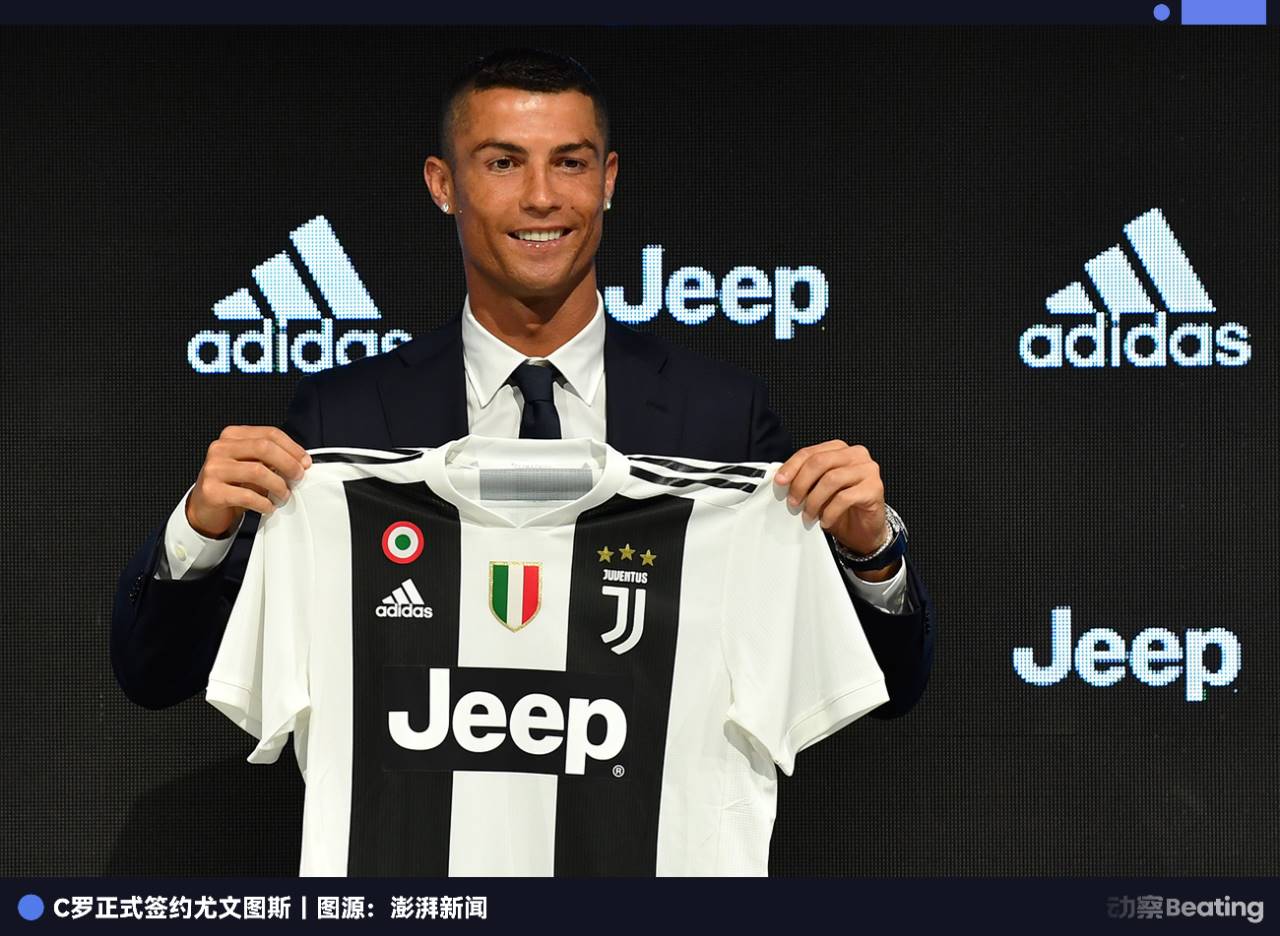
The biggest transfer and highest wage in Serie A history. Andrea Agnelli, fourth-generation Agnelli leader and then Juventus chairman, declared excitedly at the shareholder meeting: "This is the most important signing in Juventus history. We’ll win the Champions League with Ronaldo."
Turin erupted. Fans flooded Juventus stores, buying Ronaldo jerseys. Within 24 hours of the announcement, over 520,000 jerseys were sold—a record in football history. Everyone believed Ronaldo would lead Juventus to Europe’s summit.
But they didn’t win the Champions League. In 2019, eliminated by Ajax; 2020, knocked out by Lyon; 2021, defeated by Porto. In August 2021, Ronaldo abruptly left for Manchester United. Juventus not only failed to recoup investment but sank deeper into financial quagmire.
Actuaries later tallied the total cost: including transfer fee, salary, and taxes, the Ronaldo deal cost €340 million. Over three seasons, he scored 101 goals—each goal costing an average of €2.8 million.
For a club like Juventus, Champions League qualification isn’t just about prestige—it’s a cash flow switch: broadcasting revenue, matchday income, bonus clauses in sponsorships—all tied to Champions League participation. Losing it thins revenues instantly, forcing teams to resort to accounting tricks to cover gaps.
Juventus sold Pjanic to Spanish giants Barcelona for €60 million and bought Arthur from Barca for €72 million. Officially, the two deals were unrelated, but everyone knew it was a carefully orchestrated swap. Juventus paid only €12 million in cash difference, yet booked tens of millions in "capital gains" on paper.
Such accounting maneuvers aren’t uncommon in football, but Juventus went too far.
Prosecutors found that over three years, the club inflated profits by €282 million through 42 similar suspicious transactions. When exposed, the entire board—including Chairman Andrea Agnelli—resigned en masse.
Punishments followed: point deductions, Champions League bans, long-term executive suspensions. This triggered a vicious cycle: poor performance led to shrinking revenue, which limited recruitment, worsening results further.
Starting with a €39.6 million loss in 2018–19, Juventus’ finances deteriorated steadily, reaching a €123.7 million deficit in 2022–23. From nine-time Serie A champions to consecutive massive losses, by November 2025, Exor Group had to inject nearly €100 million again into Juventus.
This marked the third time Exor had bailed out Juventus in two years. With holdings including Ferrari, Stellantis, and The Economist, Juventus’ ongoing losses are eroding the entire group’s profits. In 2024 financial reports, Exor’s net profit fell 12%, with analysts noting Juventus had become a drag on group performance.
John Elkann now faces a dilemma, unsure how to proceed.
Meanwhile, Paolo—CEO of a company generating $13 billion in annual profit—is knocking at the door. He has money, patience, and genuine love for Juventus.
This should have been a perfect deal—if not for the mountain called "class" standing between them.
The Dream Under the Olive Tree
With no response to his knocks, Paolo made his own choice.
On December 12, Paolo bypassed all private negotiations and publicly filed his offer through the Italian Stock Exchange. He cornered John Elkann, forcing him to answer before all of Italy: Do you take the money, or preserve family pride?
News broke—Juventus’ stock surged, signaling market hunger for "new money." Both La Gazzetta dello Sport and Tuttosport ran front-page stories. The entire Italian peninsula awaited the Agnelli family’s decision.
Their refusal was expected, yet astonishing.
Expected, because the Agnelli pride wouldn’t bow to new money. Astonishing, because given their current finances, rejecting such an offer required near-heroic stubbornness.
For Paolo, this is about saving his childhood idol with self-made wealth. Companies have roots—Tether may be a globally operating digital nomad, but its CEO is Italian, and its heart beats in Italy.
For the Agnelli family, they’re defending not just a club, but 102 years of family honor and a symbol of Italy’s industrial age.
This is no longer a battle of business logic—it’s a clash of beliefs.
To John Elkann, the bronze door must stay shut, for outside stands a speculator seeking legitimacy. But to Paolo, the door should open—for outside stands a son of Italy, capable of saving the team, blood pulsing with the same black-and-white faith.
Yet, the times are not on the side of the old aristocracy.
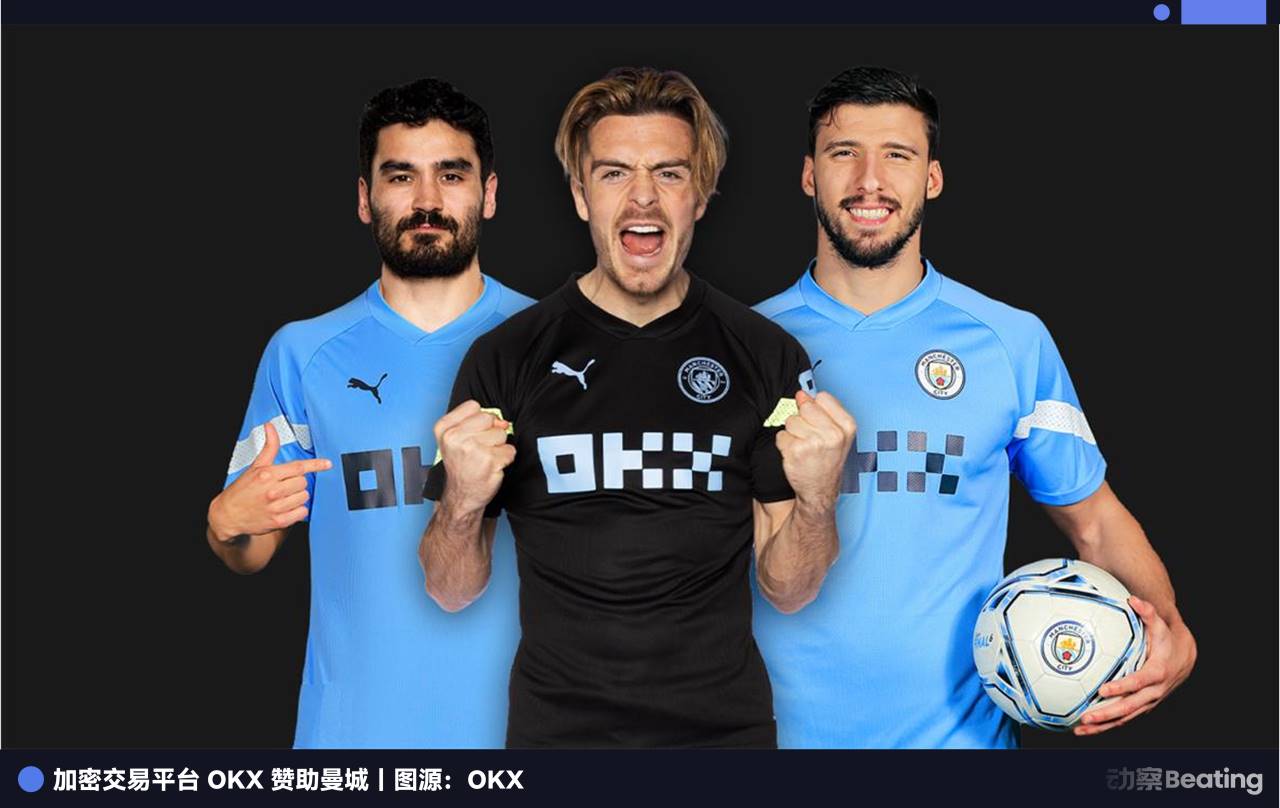
In the same week Exor rejected Tether, Premier League champions Manchester City renewed their deal with crypto exchange OKX, with shirt sponsorship worth over €100 million. Paris Saint-Germain, Barcelona, AC Milan—all European giants—are now deeply partnered with crypto firms. In Asia, South Korea’s K-League and Japan’s J-League have begun accepting crypto sponsorships.
New money entering old-money-controlled industries is no longer a question of "if," but "how." Football is just one battlefield. In art auctions, Sotheby’s and Christie’s now accept crypto payments. In real estate, luxury homes in Dubai and Miami are already being bought with Bitcoin. Similar clashes unfold worldwide.
Paolo’s charge, whether it succeeds or fails, tests the era’s boundaries: After a generation creates vast wealth in new ways, do they deserve a seat at the old world’s table—controlled by inherited wealth?
The story ends with a scene in a countryside olive grove.
Thirty-two years ago, a dark-haired boy sat there, listening to his grandparents work, cheering at black-and-white figures on the TV. He couldn’t have imagined that one day he’d stand outside that grand door, waiting for an answer.
The closed bronze door remains cold and imposing. Behind it lies 100 years of Agnelli glory—and the final glow of the old industrial era.
It hasn’t opened for new money. But this time, the man knocking won’t back down. Because he knows—opening this door is only a matter of time.
Join TechFlow official community to stay tuned
Telegram:https://t.me/TechFlowDaily
X (Twitter):https://x.com/TechFlowPost
X (Twitter) EN:https://x.com/BlockFlow_News
 BlockBeats