








Blockchain Empowers Intellectual Property
TechFlow Selected TechFlow Selected
Blockchain Empowers Intellectual Property
Story offers a decentralized, transparent, and efficient solution for the creation, management, and commercialization of intellectual property through its universal Layer 1 blockchain Story Network, innovative Proof-of-Creativity protocol, and Programmable IP License (PIL).
 Navigating Web3 tides with focused insights
Written by: Trustless Labs
1. Background
A Vast IP Market
As times evolve, more people are recognizing the economic value of intellectual property (IP), which has become a significant asset class spanning diverse fields—from software code and artistic works to scientific inventions.
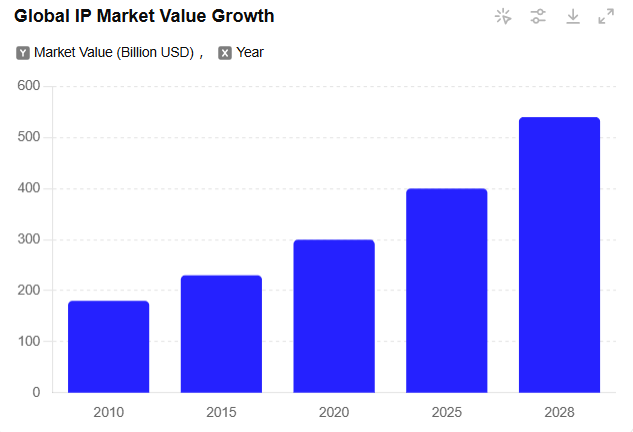
Figure 1: Incomplete Statistics and Projections of Global Intellectual Property Market Value (Self-made)
-
Global Market Value: The global intellectual property market reached approximately $180 billion in 2020 and is projected to grow at a compound annual growth rate (CAGR) of around 8.5% between 2024 and 2028.
-
Growth in Patents and Trademarks: In 2020, global patent filings exceeded 3.27 million, an increase of 1.6% compared to 2019. Trademark applications grew even more significantly, reaching about 17.1 million with a growth rate of 13.7%. These figures indicate that despite the global economic impact of the pandemic, businesses and individuals remain proactive in driving innovation and expanding operations through IP tools.
-
Regional Contributions: Asia shows highly active IP activity, accounting for 64% of total global patent filings in 2020. China stands out particularly, holding the largest share of global patent applications.
Despite a sluggish global economy and severe employment challenges, the rising value of global IP, increasing numbers of patents and trademarks, and the shift of IP hubs toward Asia suggest an unpredictable future for the IP market.
Challenges in the Digital Era
However, as the IP market expands, so does the complexity of IP management. Traditional IP management relies on centralized legal systems and manual verification processes, which appear inefficient and ill-suited in today's rapidly advancing digital landscape. Conventional IP management also faces issues such as easy infringement, difficult licensing, and low transparency. Legal frameworks vary across countries and regions, making it hard to protect IP owners' rights.
-
Lack of Liquidity: Due to the absence of a unified platform, IP transactions and licensing require complex legal procedures, resulting in high costs, time consumption, and inefficiency.
-
Protection and Transparency Issues: In the United States alone, digital piracy causes losses amounting to $50 billion annually. Traditional legal protection methods struggle to trace infringements, and the process of evidence collection and rights enforcement is complicated.
-
Outdated Legal Systems: Existing IP legal frameworks were primarily designed for the physical world and fail to meet the demands of the digital age.
Facing these numerous real-world challenges, tokenizing IP on blockchain—making it programmable and directly manageable by IP owners—may be one viable solution.
2. Introduction to the Story Project
Project Vision
Story is a revolutionary blockchain-based IP management platform dedicated to transforming how narratives are created. Its core mission is to unlock new ways of creating, managing, and licensing intellectual property (IP) on-chain, forming an ecosystem of remixable and combinable "story legos." Through a simplified framework called Story Protocol, it supports the entire lifecycle of IP—from creation and management to licensing. This framework includes features like provenance tracking, frictionless licensing, and revenue sharing, enabling creators to express themselves more freely and profitably. Additionally, the platform allows anyone to contribute to or remix existing creations, ensuring that the value of each contribution can be captured and distributed fairly.
Development Timeline
-
Initial Vision and Founding (Early 2022): Story Protocol was founded in early 2022, bringing together experts in blockchain technology, legal counsel, and leaders from the creative industries. The goal was to build a platform supporting global creators and enterprises in managing and commercializing their creative assets.
-
Technology Development (Mid-2022): The team focused on building a vertically integrated technical solution capable of handling complex IP data structures and decentralized management models.
-
Proof-of-Creativity Protocol Launch (Early 2023): Story Protocol introduced its signature Proof-of-Creativity protocol. Creators could register, verify, and protect their works on the platform, with automated royalty payments and license management enabled via the protocol.
-
Funding and Expansion (2023–2024): Story Protocol completed three funding rounds, raising over $150 million from top-tier VCs including a16z.
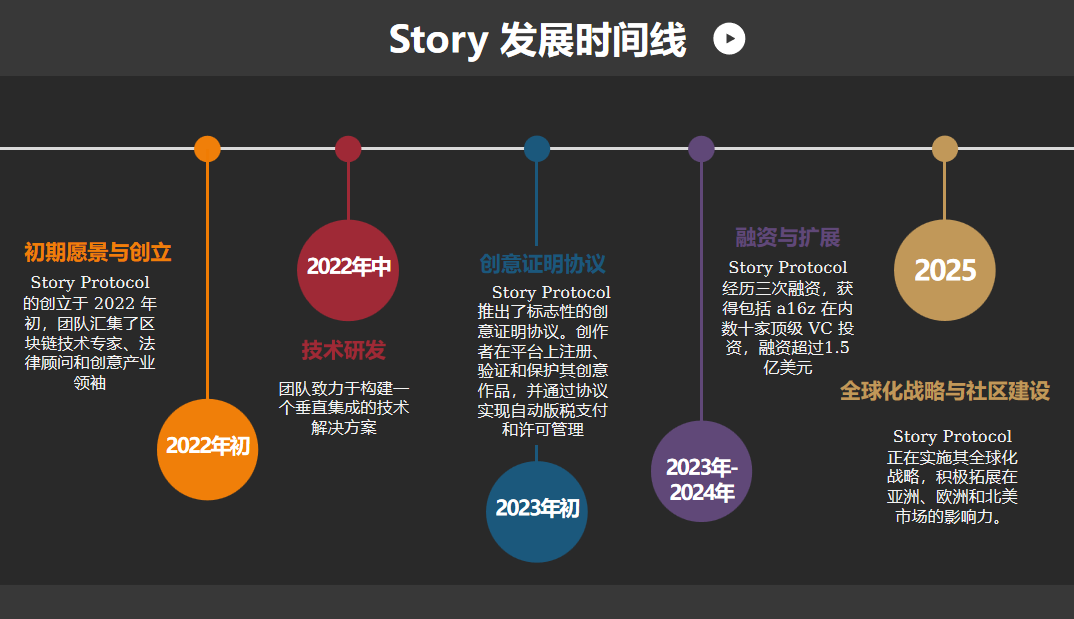
Figure 2: Story Development Timeline (Self-made)
3. Story Network — A General-Purpose Layer 1 Blockchain
Story Network is a general-purpose Layer 1 blockchain specifically designed to efficiently handle complex data structures, particularly those related to intellectual property (IP). Built on a combination of Ethereum Virtual Machine (EVM) and Cosmos SDK, it leverages the strengths of both to deliver high performance and flexibility for IP-related operations.
Integration of EVM Compatibility and Cosmos SDK
EVM compatibility provides Story Network with the same execution environment as Ethereum, allowing developers to directly port existing Ethereum applications written in Solidity to Story Network with minimal modifications. This compatibility significantly reduces development costs and accelerates deployment timelines, laying a solid foundation for rapid ecosystem growth.
In addition, Story Network adopts Cosmos SDK as its underlying framework to enhance scalability and transaction efficiency. Cosmos SDK offers efficient consensus mechanisms and cross-chain interoperability, enabling Story Network to maintain low latency and low transaction fees even under high throughput. This architecture not only supports complex IP data processing but also enables seamless interaction with other blockchains, opening up broader application scenarios for developers and users.
Advanced Data Processing Capabilities
The complexity of IP lies in its multi-layered relationships and interactions—for example, a single creative asset may involve multiple creators, versions, and derivative works. These intricate graph-like data structures pose new challenges for blockchain technology. Traditional Layer 1 blockchains often struggle to manage such complex relational networks efficiently, especially when dealing with vast parent-child hierarchies where data inconsistencies may arise.
To address this, Story Network introduces a graph-based data storage mechanism within its execution layer. This enables fast and cost-effective traversal of large-scale IP relationship networks, ensuring accurate tracking and management of ownership and royalty distributions. This innovation empowers Story Network to support a wide range of IP management and commercialization use cases, including automated licensing, royalty payments, and dispute resolution.
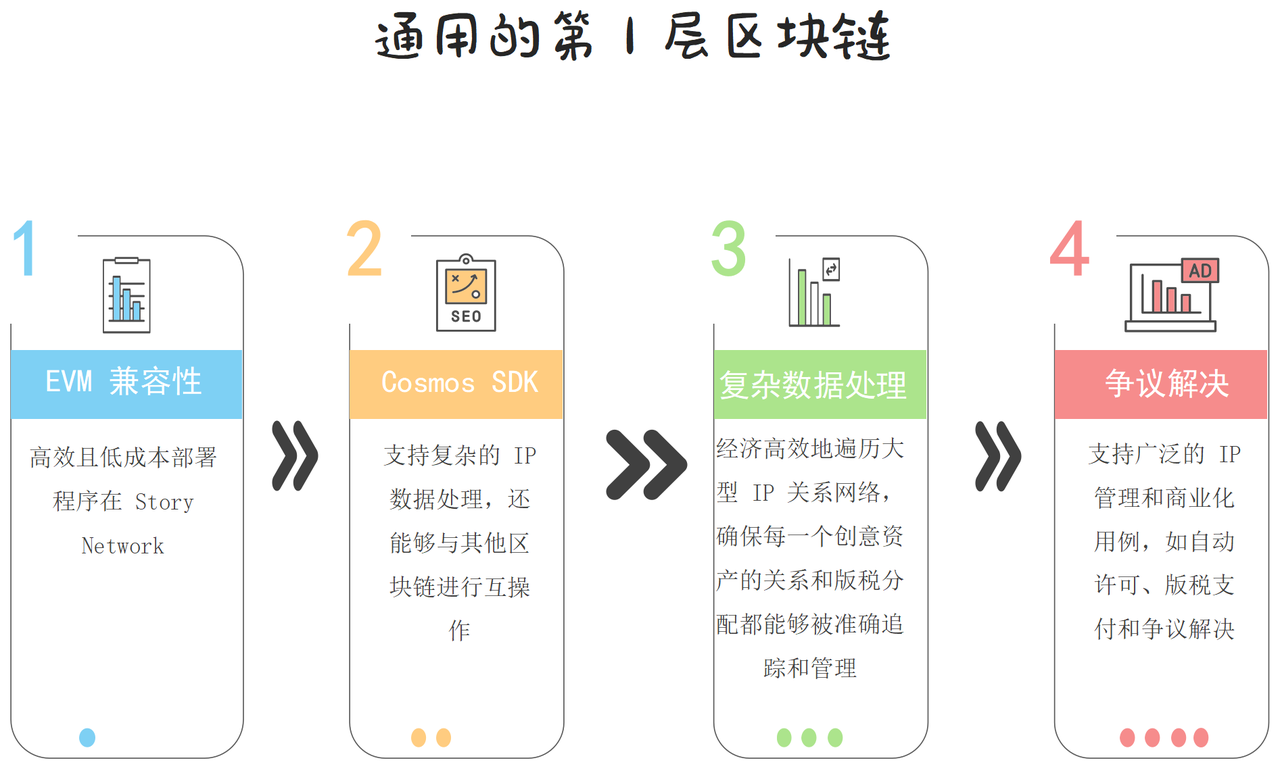
Figure 3: Schematic Diagram of Story Network (Self-made)
4. Proof-of-Creativity Protocol
One of the core innovations of Story Network is its Proof-of-Creativity protocol, which provides foundational support for digitizing and automating IP management. Natively integrated into Story Network, this protocol enables permissionless licensing, automatic royalty payments, and other functions, offering creators and enterprises worldwide a novel, decentralized approach to intellectual property management.
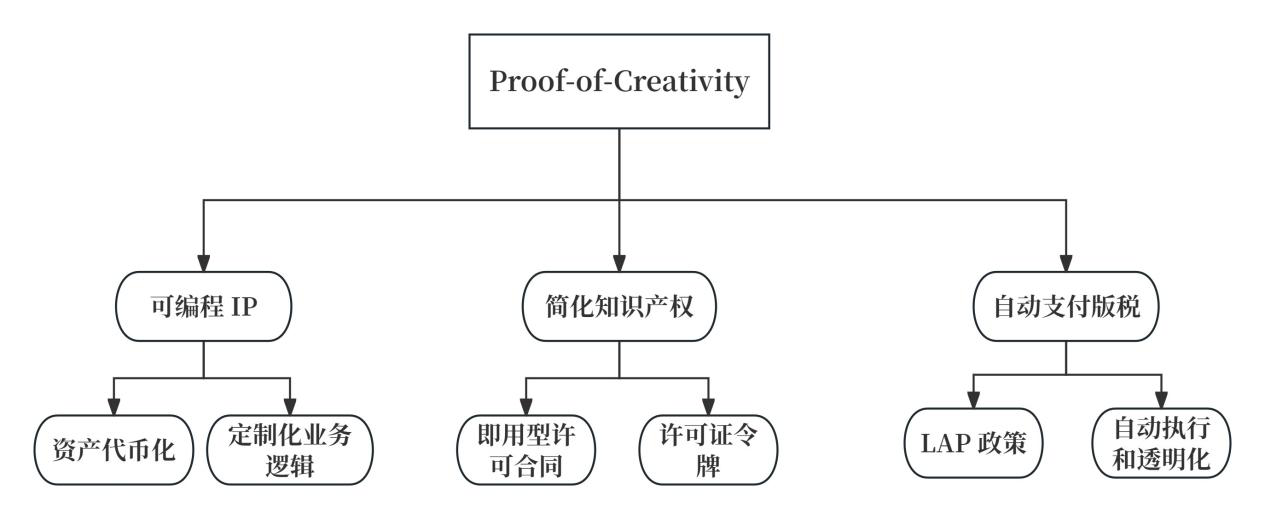
Figure 4: Proof-of-Creativity Workflow (Self-made)
Ushering in a New Era of IP Management
On Story Network, programmable IP becomes a reality. IP is no longer static legal clauses or contracts but dynamic smart contracts capable of autonomous actions. This programmability brings automation, transparency, and reliability to IP management, making governance structures more efficient and accessible.
The realization of programmable IP rests on two key pillars: asset tokenization and module-driven interaction.
-
Asset Tokenization: On Story Network, any creator can register their creative assets as on-chain IP assets. These assets exist as non-fungible tokens (NFTs), representing real-world intellectual property and stored in a comprehensive registry. On-chain records ensure the uniqueness and immutability of each IP, providing transparent proof of ownership.
-
Custom Business Logic: Story Network is more than just a storage platform for IP assets. Each registered IP asset comes with its own IP account, equipped with modules enabling complex interactions and business logic. These modules function like Lego bricks, supporting features such as permissionless licensing and automatic royalty payments. Beyond pre-configured modules for licensing, royalties, and dispute resolution, developers can create custom modules to meet advanced business needs.
Simplifying IP Usage and Licensing
In traditional IP management, licensing is often a complex and costly process. Story Network’s Proof-of-Creativity protocol simplifies this through pre-configured licensing modules, making licensing efficient and easy to manage.
-
Ready-to-Use License Contracts: Story offers ready-to-use license contracts similar to Y Combinator’s SAFE templates. These pre-configured contracts cover all media types, allowing creators to define and attach customized license terms within seconds. This streamlined process drastically reduces licensing complexity, enabling faster monetization of creative works.
-
License Tokens: Story Network uses license tokens to manage permissions—digital assets representing specific licenses. Anyone can obtain a license token to create derivative works, subject to the original creator’s preferred terms. The use of license tokens not only simplifies licensing but also enables new use cases such as trading license tokens (IPFi), paving the way for IP financialization.
Automated Royalty Payments
Royalty payments are crucial in IP commercialization. Story’s Proof-of-Creativity protocol ensures automated and transparent royalty distribution through blockchain technology, delivering secure and reliable payment allocation.
-
Liquid Absolute Percentage (LAP): Story implements the LAP policy to define revenue sharing along derivative chains. Each IP asset can set downstream royalty distribution, meaning income from every derivative work is automatically split according to predefined ratios back to the original creator.
-
Automatic Execution and Transparency: Since all royalty calculations and payments occur on-chain, they are error-resistant and tamper-proof. Creators can be confident their earnings arrive on time, resolving common issues of delays and disputes in traditional royalty systems. This automation provides creators with reliable cash flow support.
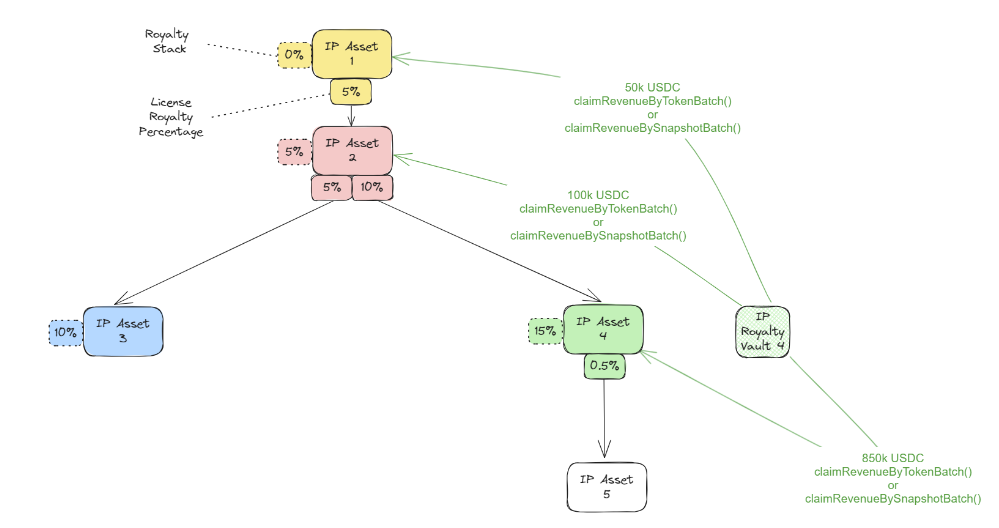
Figure 5: Using Liquid Absolute Percentage Royalty Policy (Official Website)
5. Programmable IP Licenses
Programmable IP License (PIL) is a core innovation of Story Network, enabling intellectual property to be brought onto the blockchain, unlocking liquidity and programmability for a multi-trillion-dollar asset class.
Bridging Blockchain and Real-World Law
On Story Network, intellectual property is not merely a digital clause—it is a programmable smart contract. Much like USDC bridges fiat currency to blockchain, PIL uses tokenization and universal licensing agreements to bring real-world IP onto the chain. This process goes beyond simple asset tokenization; it establishes a two-way link tightly connecting on-chain assets with real-world legal systems. In this context, PIL acts as the “Y Combinator SAFE” for intellectual property, offering legal safeguards while preserving creators’ control over their works. Thus, Story Network establishes a secure and reliable legal foundation for on-chain IP management.
Universal Licensing Agreements
More precisely, PIL is a universal licensing agreement that allows IP owners to set rules for the usage of their intellectual property. With PIL, creators can easily define usage conditions without complex legal procedures. PIL offers a suite of pre-configured options that creators can select and customize based on their needs.
-
Non-commercial Social Remixing: Allows others to remix the IP into their own works and distribute them, but prohibits resale or commercial use.
-
Commercial Use: Permits others to purchase usage rights at a set price for display or publication, but forbids resale or commercial remixing.
-
Commercial Remixing: Builds upon commercial use by allowing others to create and distribute remixes, with configurable percentages for revenue sharing from commercial outputs.
Beyond these presets, PIL also supports fully customizable license agreements, which developers can easily attach and parameterize using Story Network’s SDK.
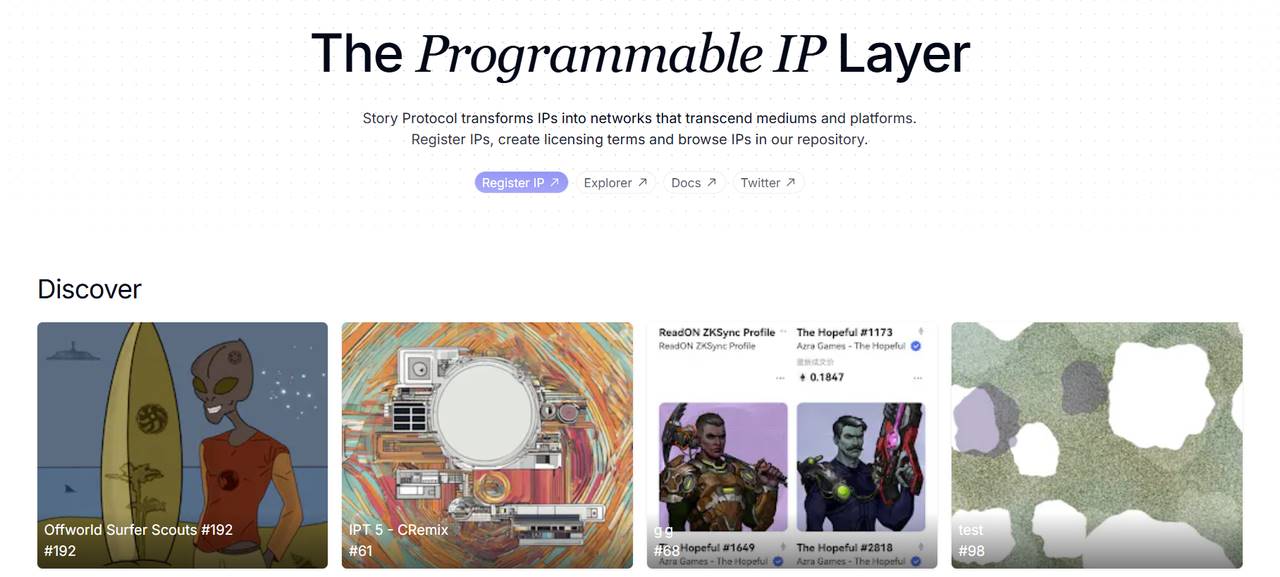
Figure 6: Official Illustration of Programmable IP (Official Website)
6. Application Deployment
Builder Program: Story Academy
A mature blockchain ecosystem requires rich applications. To foster this, Story Network launched Story Academy—a program specifically designed to support, guide, and accelerate innovative projects built on Story Network. It offers comprehensive technical support, marketing strategies, funding grants, and investor network access to help entrepreneurs realize their visions.
With the support of Story Academy, several projects—including Magma, Mahojin, Sekai, and Ablo—have successfully implemented Story Network protocols.
Magma: Collaborative Design Tool for Teams
Magma is a multi-user online design toolkit serving over 2 million users, enabling creatives to collaborate in real time. Leveraging Story’s IP tokenization solution, designers can easily register their works as IP assets and set usage terms via PIL (Programmable IP License).
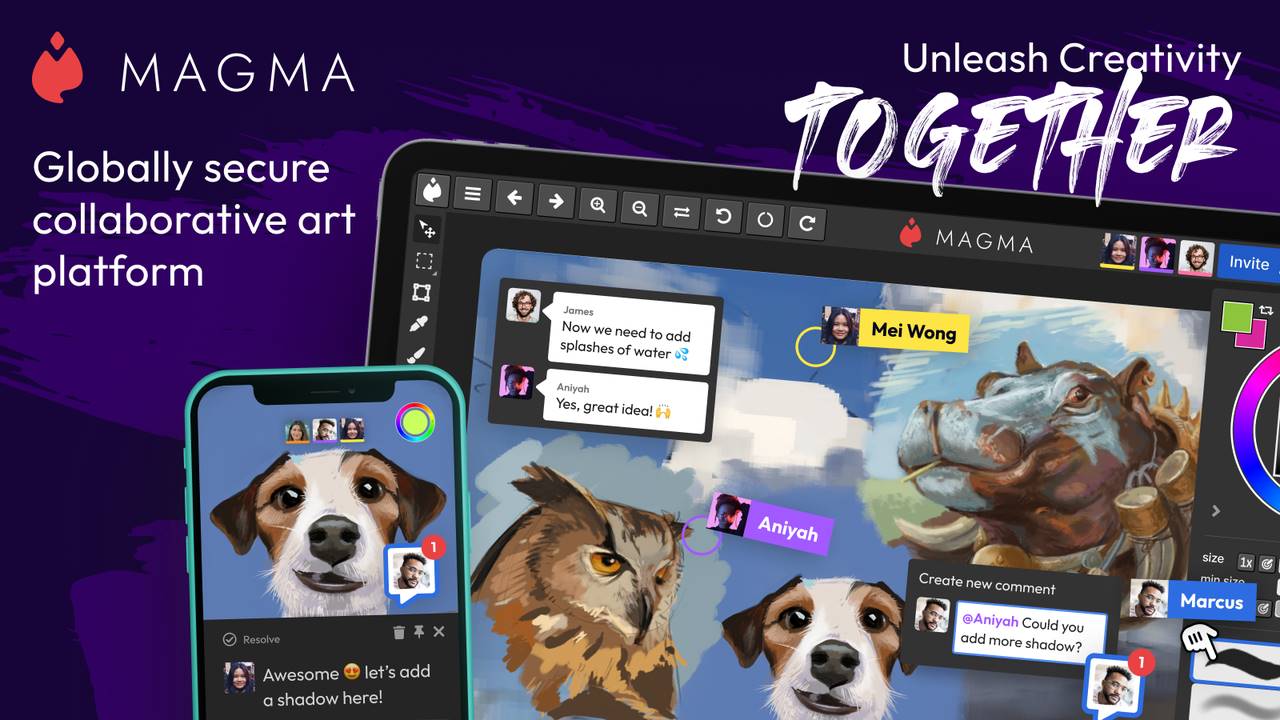
Figure 7: Magma Official Website Image (Official Website)
Mahojin: IP Tokenization for AI Training Data
Mahojin focuses on tokenizing intellectual property related to AI training data, models, and outputs. Data owners can register their datasets as IP assets on Story and define licensing terms. This mechanism ensures AI model developers can quickly and affordably access high-quality training data, while protecting the rights and interests of data providers.
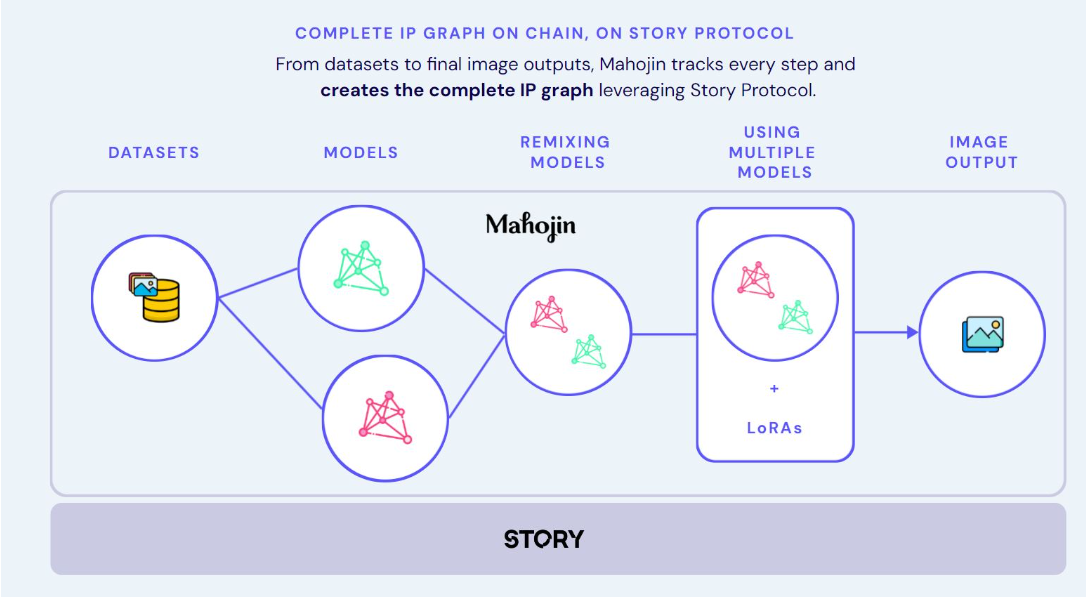
Figure 8: Mahojin Integrated with Story (Official Website)
7. Summary
-
The IP sector represents a massive untapped market. Story has secured an early-mover advantage by strategically positioning itself in this space.
-
Story Network has attracted strong investor interest, raising over $120 million in funding.
-
The Story ecosystem primarily consists of three components: a general-purpose Layer 1 blockchain, the Proof-of-Creativity protocol, and Programmable IP Licenses.
-
Story demonstrates strong performance in fundraising, technological development, and real-world applications. However, the IP market remains immature, and long-term success will depend on further evolution and adoption.
Join TechFlow official community to stay tuned
Telegram:https://t.me/TechFlowDaily
X (Twitter):https://x.com/TechFlowPost
X (Twitter) EN:https://x.com/BlockFlow_News
 @TrustlessLabs






