








The Terrifying Outcome of the Telegram Case: Guilt by Developers
TechFlow Selected TechFlow Selected
The Terrifying Outcome of the Telegram Case: Guilt by Developers
Although these crypto ideals may be cherished, law enforcement authorities appear intent on drawing a line, prioritizing the fight against organized crime far above the so-called spirit of the crypto industry.
 Navigating Web3 tides with focused insights
By: Liam Kelly
Translation: Mary Liu, BitpushNews
Crypto developers should really be on high alert—they could face legal liability simply because others use their creations.
Privacy experts say this is the worst-case scenario playing out in France’s prosecution this week of billionaire and Telegram CEO Pavel Durov.
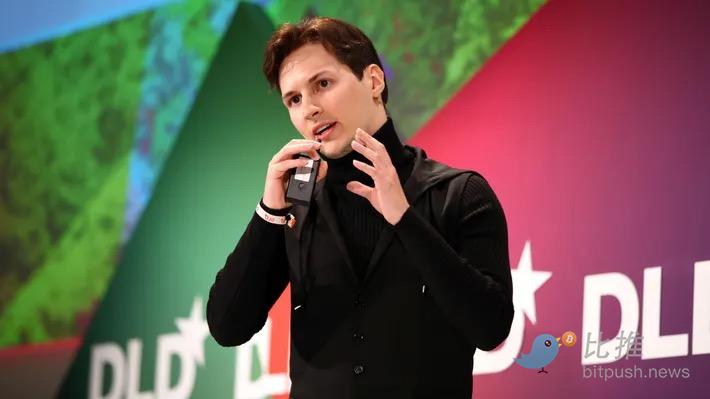
Regulators are attempting to hold Durov responsible for illegal activities occurring on the Telegram platform, thrusting once again into the spotlight the question of how much responsibility developers bear for how their products are used.
"In my view, if you combine the Telegram case with that of Tornado Cash, it's a double whammy," Taylor Monahan, chief security researcher at MetaMask, told DL News.
"It's terrifying because it demands that developers anticipate and understand everything users might do—and then prevent them from doing it."
High Stakes
Telegram has denied French authorities' allegations against Durov and stated it complies with EU laws.
The stakes in this case are enormous, especially for the cryptocurrency industry.
Based in Dubai, Telegram boasts 950 million users worldwide and has become an essential part of the digital asset ecosystem by enabling communication and collaboration for hundreds of millions of people and businesses.
Smart contracts won’t save them. From the outset, the company has promoted its "don't ask, don't tell" approach to user activity as a core feature of its business model.
The boundary between the end of tech product development and the beginning of legal accountability has long been blurry.
Earlier this year, in March, a Dutch court sentenced Alexey Pertsev, a former developer of the cryptocurrency mixer Tornado Cash, to five years in prison for facilitating $2.2 billion in money laundering—despite Pertsev himself not personally engaging in any laundering.
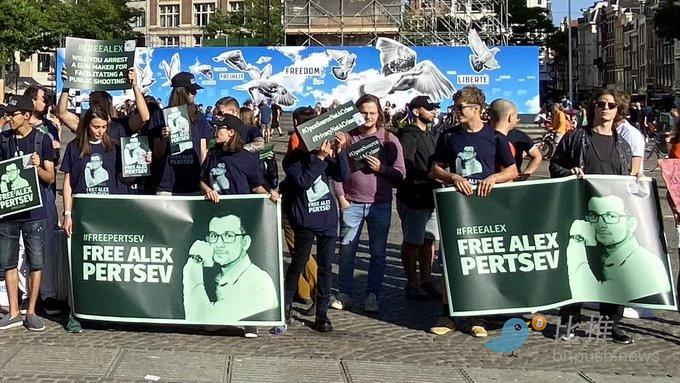
It was enough that he managed a website facilitating such activities.
Now, 39-year-old Durov, who holds dual French and Emirati citizenship, faces a similar situation.
On Wednesday, French prosecutors charged Durov with failing to prevent criminals from using the popular social media platform for child sexual abuse, drug trafficking, fraud, and other crimes.
According to statements from French prosecutors, Telegram has refused to cooperate with French law enforcement investigations into these crimes and declined to provide information.
Freedom of Speech
Supporters of Telegram, including Elon Musk, have framed the case as an attack on freedom of speech. After all, Telegram’s business model is built on the idea that the platform is an open marketplace of ideas, free from censorship, for better or worse.
But this philosophy clashes with long-standing legal principles that prioritize cooperation with law enforcement over business models, product design, or technical features like smart contracts.
In this regard, Gary Gensler certainly knows how to rile up the industry.
Moreover, from a structural standpoint, Tornado Cash may actually have been in a stronger position, as it is decentralized and continues to operate. In contrast, Telegram is largely controlled by Durov and operates more like traditional platforms such as WhatsApp.
"Both WhatsApp and Telegram rely on centralized server clusters, with the responsible companies maintaining absolute control over those servers," Harry Halpin, CEO of blockchain privacy firm Nym Technologies, told DL News.
This makes it easier for management to moderate illegal or offensive content and to suspend or censor accounts.
"Hard to Detect"
Halpin noted that because WhatsApp and Telegram are not open-source—their code isn’t publicly visible—governments may be able to surveil users. "This is hard to detect," he said.
While fears of state surveillance have long fueled crypto culture, prosecutors now appear to have drawn a red line.
During Pertsev’s trial, a Dutch judge criticized the developer for failing to respond to authorities seeking information or action regarding the mixer’s illicit uses.
"This is terrifying," said MetaMask’s Taylor Monahan. "It’s roughly equivalent to the government demanding every developer act like a heavily censored Web2 company from day one."
Encryption Channels
For an industry proud of its decentralization, Telegram plays a pivotal role. Over-the-counter markets like Offx and SecondLane are embedded directly within Telegram.
Emerging projects rely heavily on Telegram groups for outreach and marketing, and the messaging app recently integrated cryptocurrency wallets and in-app crypto payments.
"Telegram is no longer just a messaging platform," Reuben Yap, administrator of privacy project Firo, told DL News.
As the case unfolds, Telegram’s fate—and its market position—could shift dramatically.
"This is a very bad precedent that will cause immeasurable harm to individual freedom and privacy," Monahan said.
While these crypto ideals may be cherished, law enforcement agencies appear determined to draw a line, prioritizing the fight against organized crime far above the so-called spirit of the crypto industry.
Join TechFlow official community to stay tuned
Telegram:https://t.me/TechFlowDaily
X (Twitter):https://x.com/TechFlowPost
X (Twitter) EN:https://x.com/BlockFlow_News
 @DLNewsInfo






