








Network Effects and Token Economics: The Twin Engines of Web3 Project Growth
TechFlow Selected TechFlow Selected
Network Effects and Token Economics: The Twin Engines of Web3 Project Growth
In Web3, applications are composable and immutable, creating larger network effects at scale than Web2.
 Navigating Web3 tides with focused insights
Author: chandan
Compiled by: TechFlow
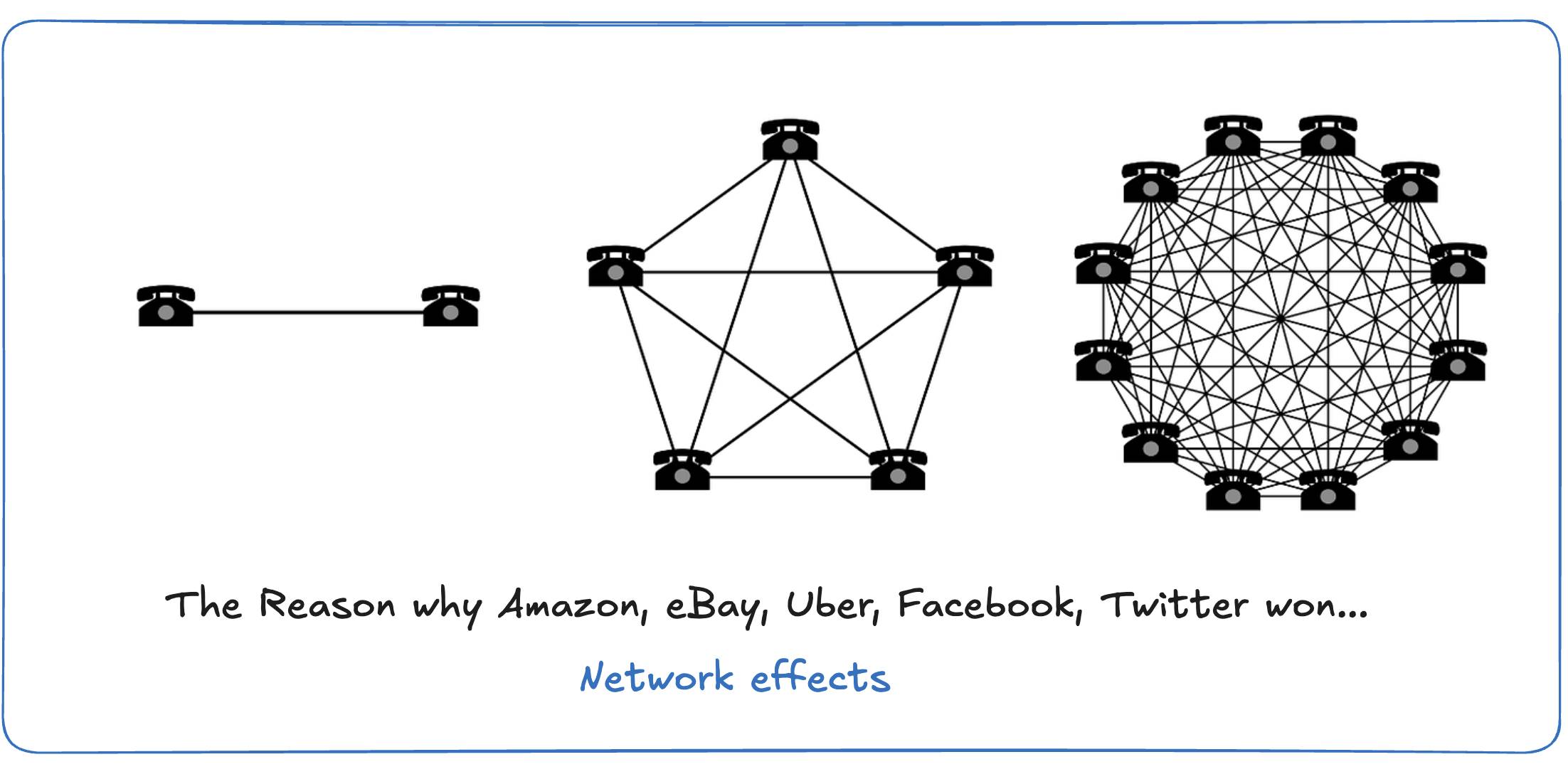
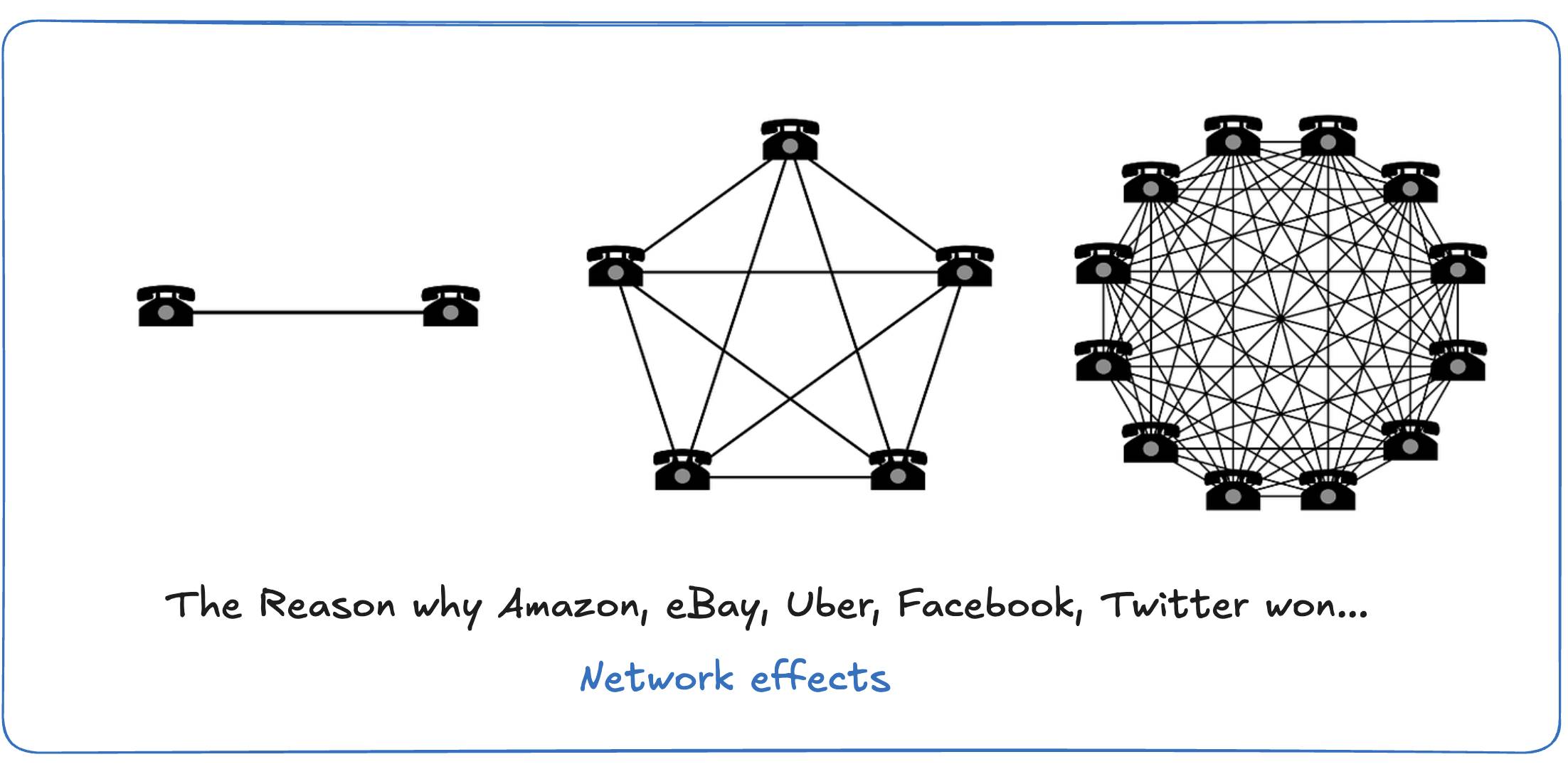
Most successful internet-era companies rely on network effects, where the value of a product increases as the number of users grows.
Today, many leading companies and startups benefit from network effects, such as:
-
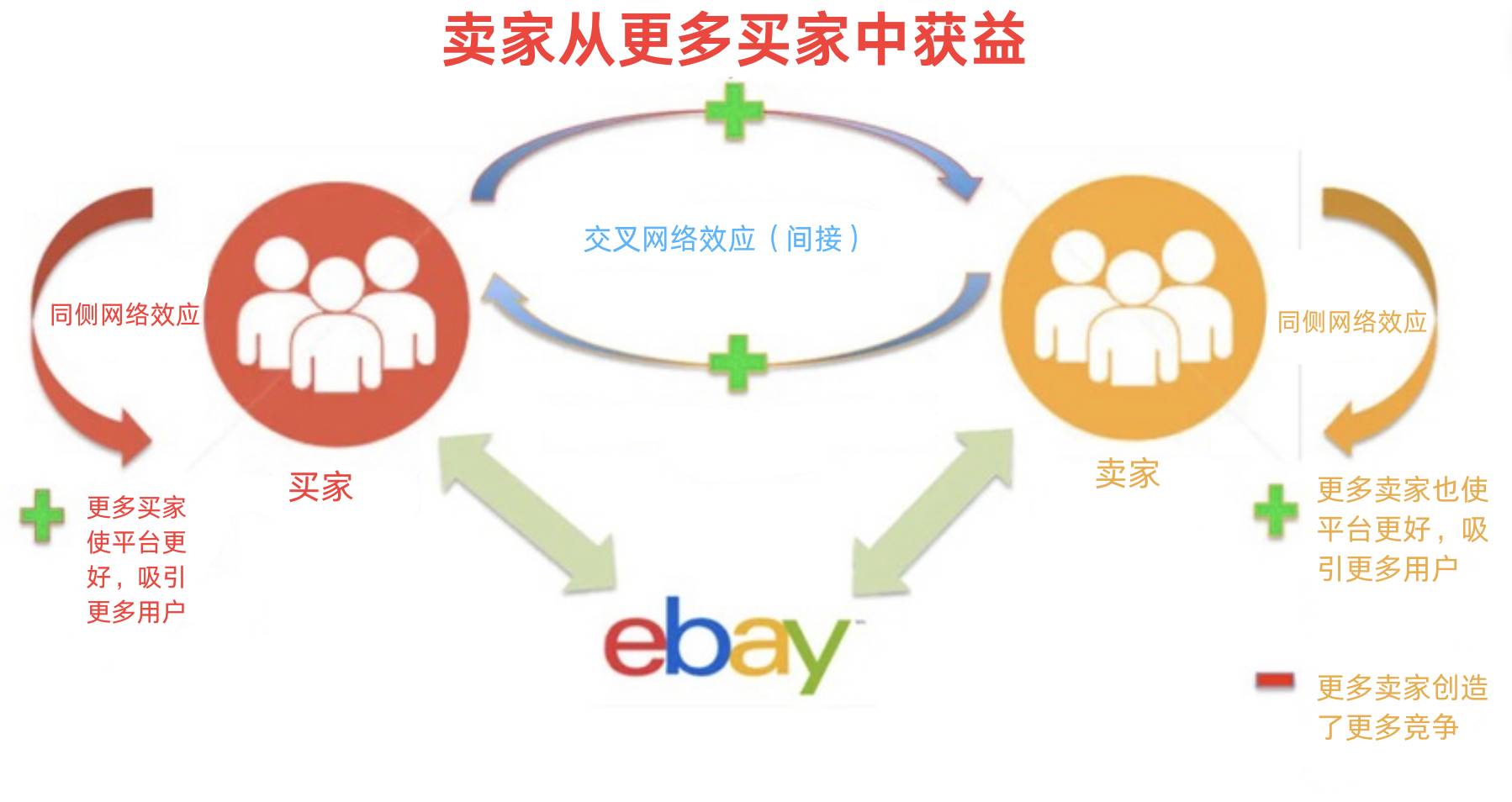
E-commerce: eBay, Etsy, Amazon, Alibaba
-
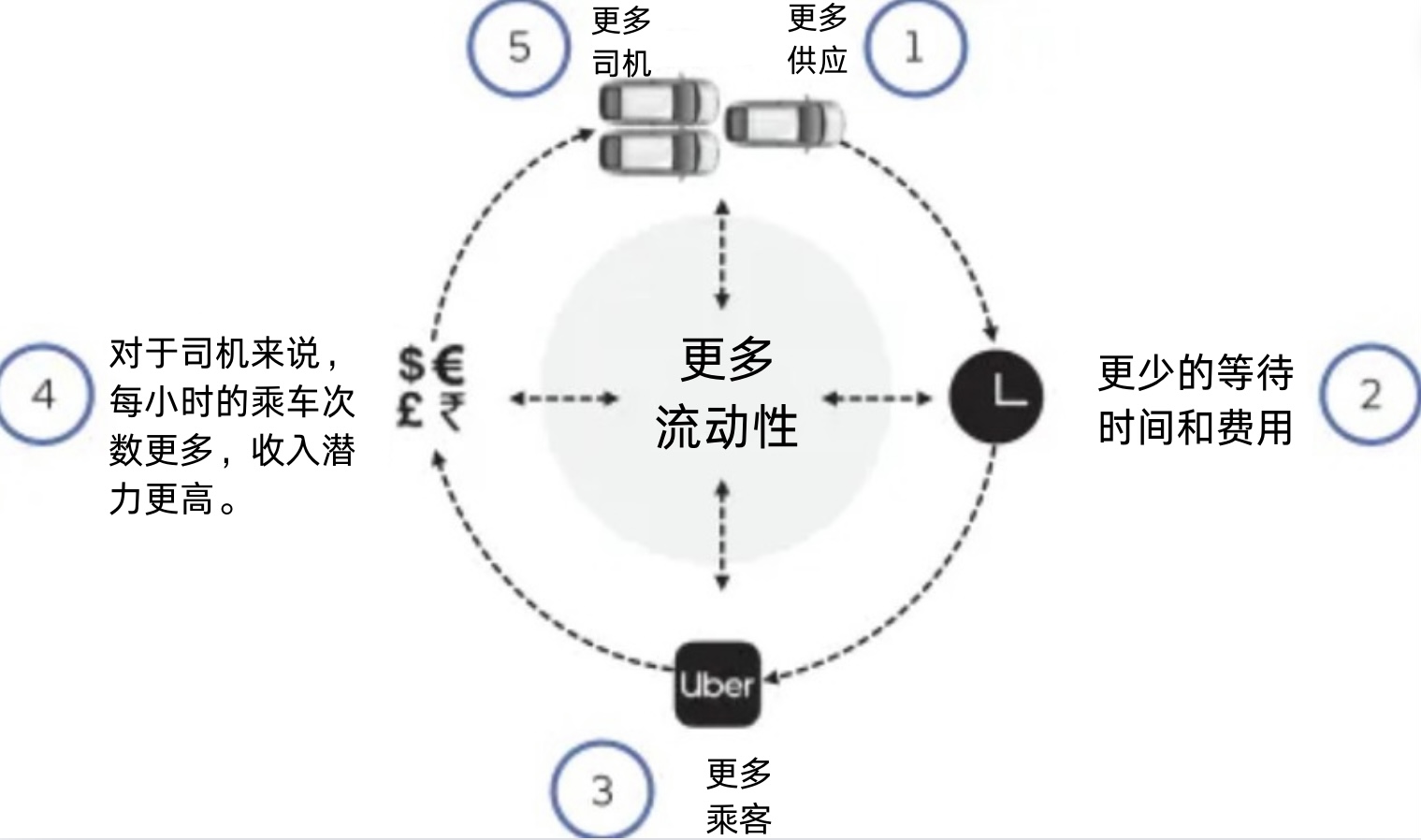
Ride-sharing: Uber, Lyft
-
Social media: Facebook, Twitter, Instagram, YouTube
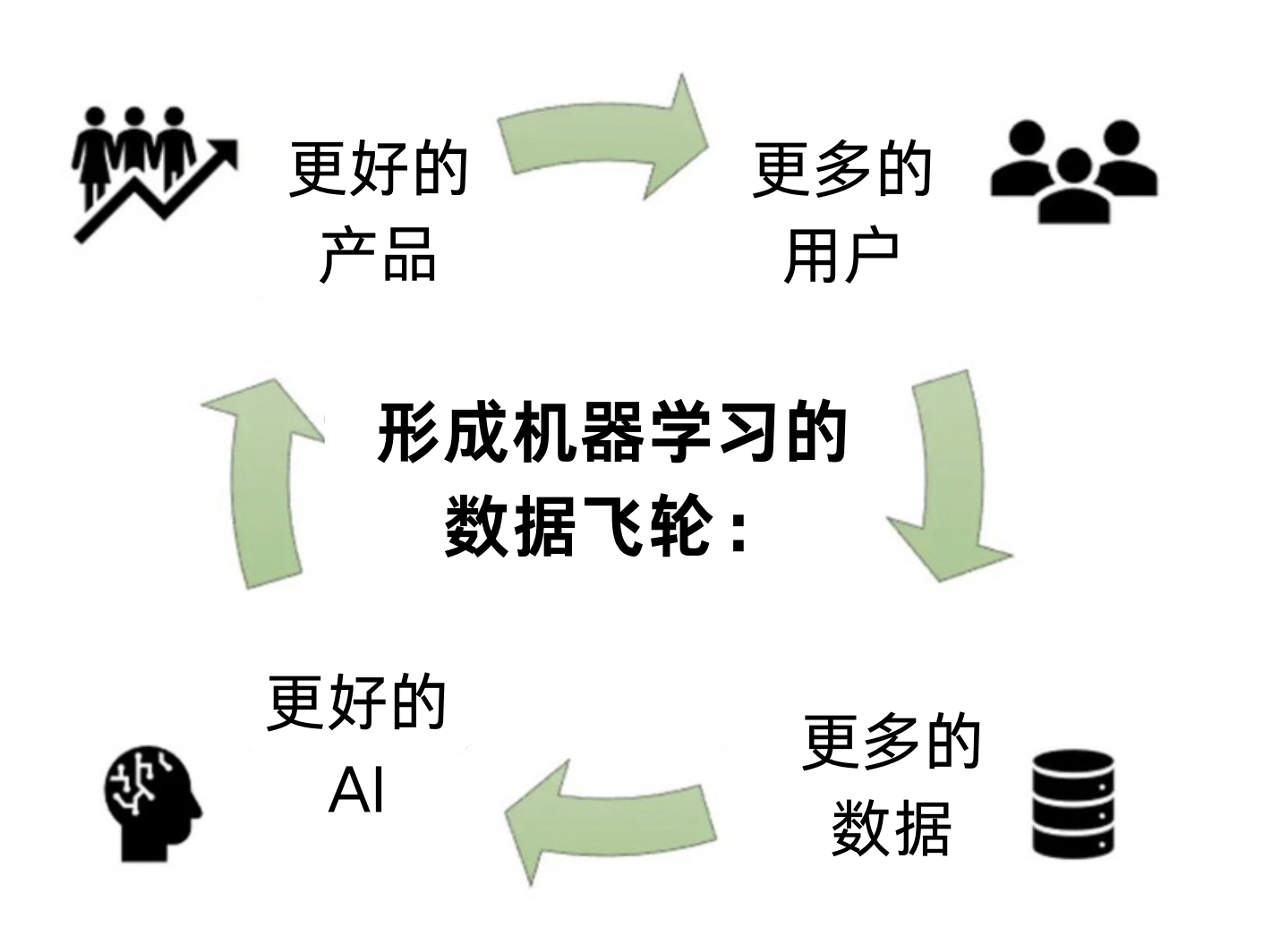
In the Web3 space, network effects and power laws are even more pronounced due to composability, open-source standards, and the presence of tokens. We’ve already seen network effects manifest across multiple areas in Web3, as follows:
Blockchain Layer
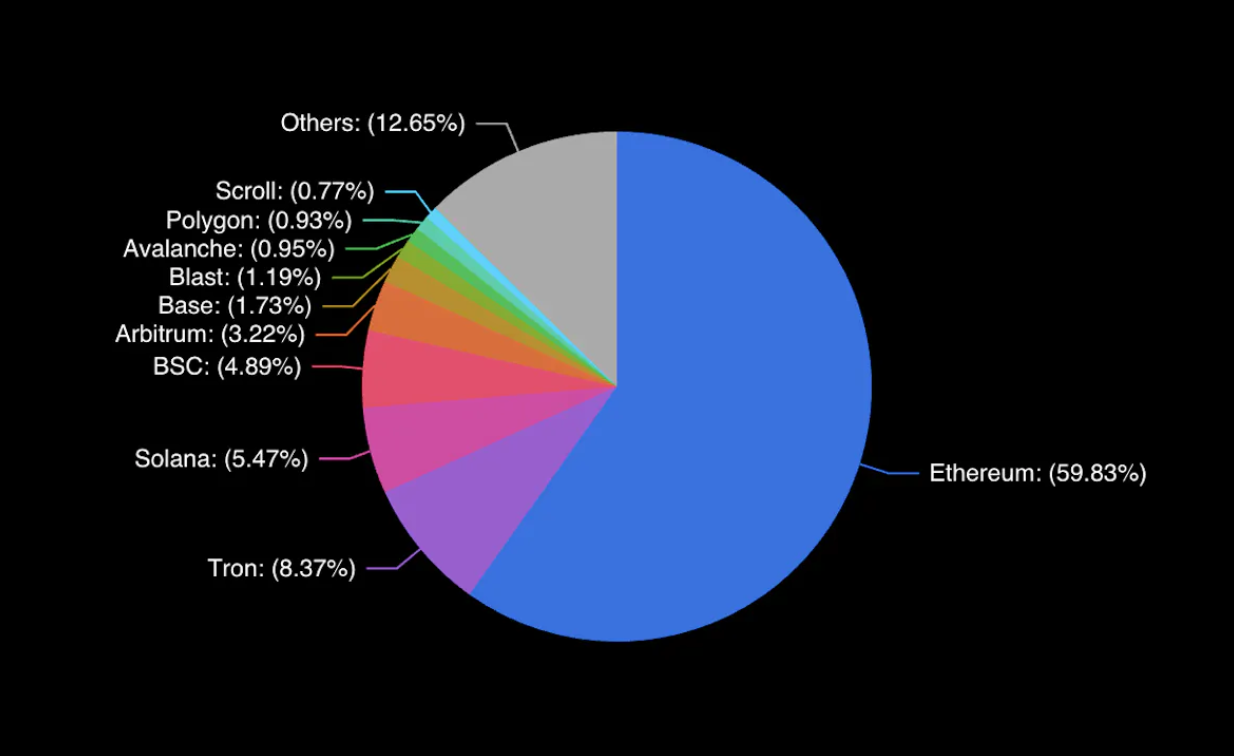
At the blockchain level, Ethereum, Tron, and Solana account for over 70% of the total value locked (TVL) market share.
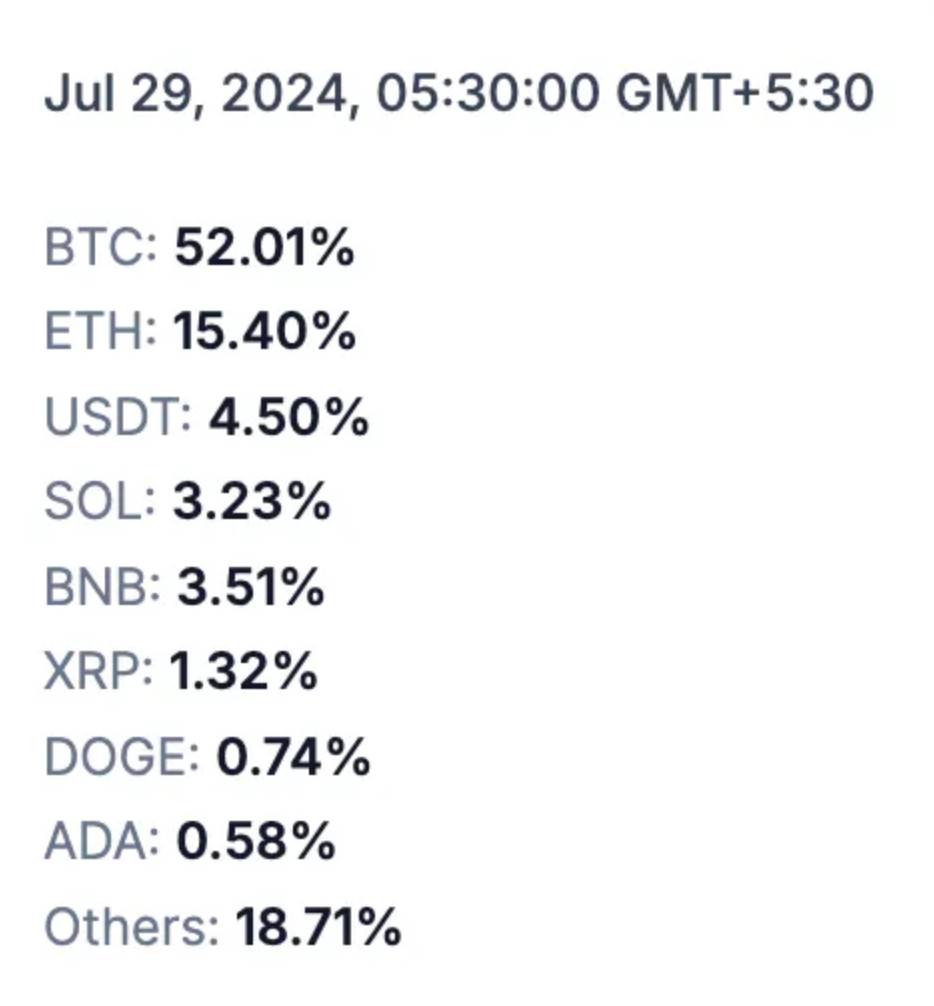
In terms of market capitalization, Bitcoin, Ethereum, and Solana hold 76% of the market share.
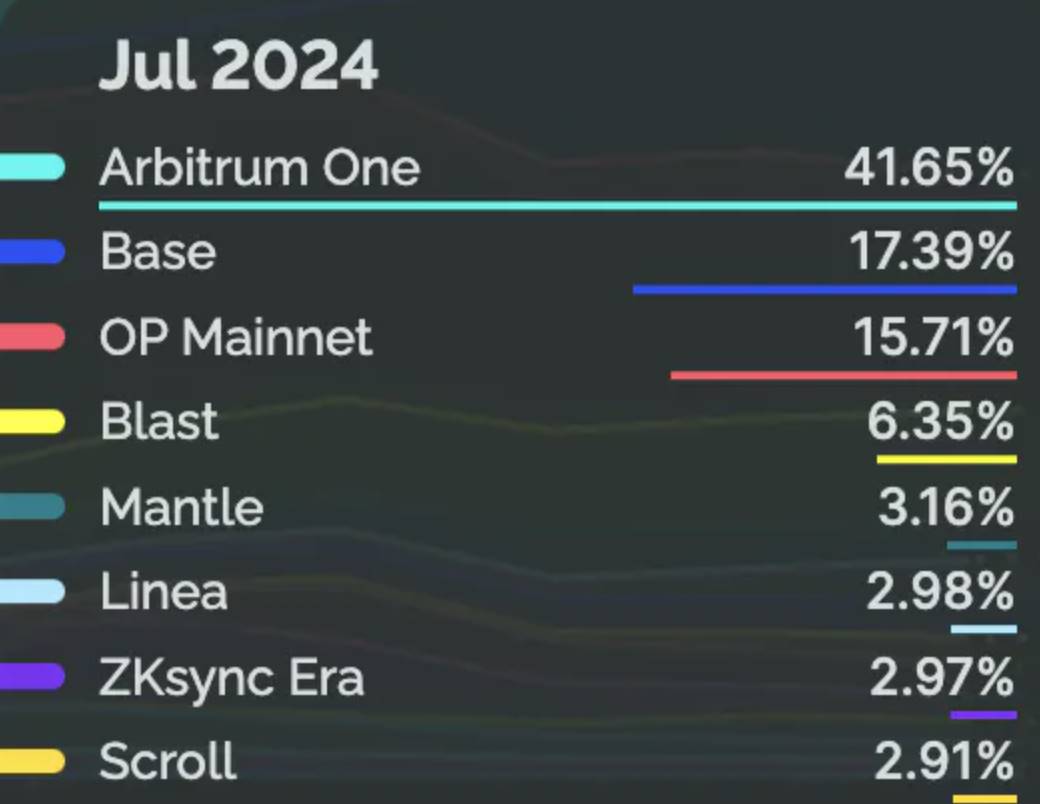
Within Ethereum’s Layer 2 ecosystem, Arbitrum One, Base, and OP Mainnet capture over 75% of the market share.
Application Layer
In the liquid staking market, Lido holds over 62% market share.
In the decentralized exchange (DEX) space, Uniswap and Raydium together exceed 70% market share.
In lending markets, Aave, Justlend, and Spark collectively hold over 60% market share.
Similar to many successful companies in the internet era, many dominant Web3 projects also exhibit two-sided or three-sided network effects, as detailed below.
Blockchain Network Effects
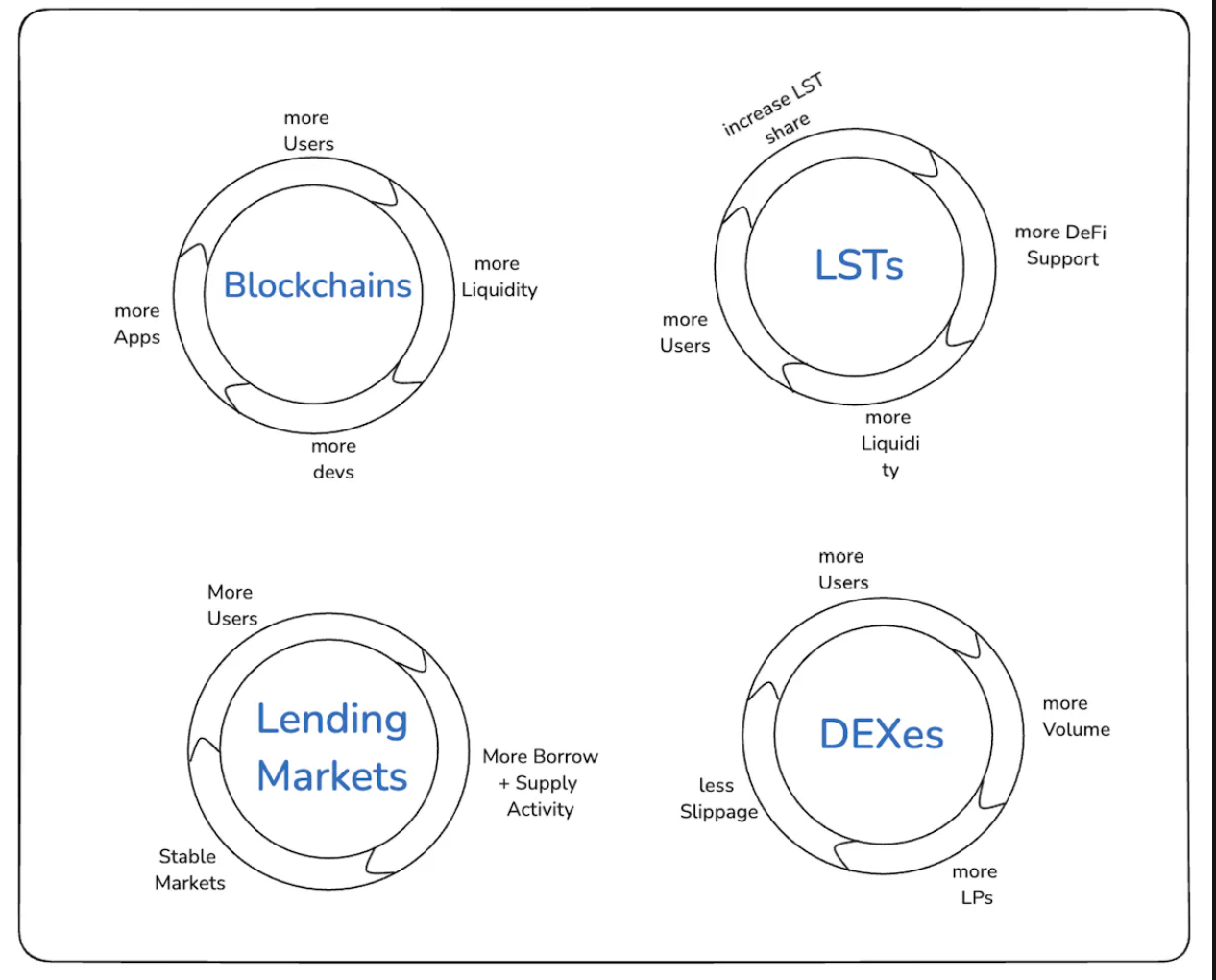
For blockchains: more users → more developers → more applications → more users → flywheel effect.
For DEXs: more users → higher trading volume → more liquidity providers (LPs) → lower slippage → more users → flywheel effect.
For lending markets: more users → increased borrowing/supplying of assets → improved market stability → more lenders and borrowers → flywheel effect.
For liquid staking tokens (LSTs): as an LST gains market share → more DEXs, lending platforms, and yield-generating DeFi products support it → greater utility for the LST → attracts new users → increases liquidity → flywheel effect.
In Web2, building products or services around another company's APIs can be risky, as the parent company may shut off API access and build competing products internally.
Examples include:
-
Twitter shutting down its API access.
-
Facebook removing group API access.
-
Pebble losing out to Apple Watch.
-
Clubhouse being overtaken by Twitter Spaces.
-
Slack facing the risk of losing to Microsoft Teams.
In contrast, in Web3, applications are composable and immutable, enabling other projects to build on top without needing to trust the original team. This creates significantly stronger network effects at scale compared to Web2.
The Importance of Tokens in Creating Network Effects
In Web2, users find it difficult to leave a system due to economies of scale and strong network effects. However, in Web3, the situation differs:
Establishing competitive advantages in Web3 is challenging because:
-
User data and identity are public, making it easier to create new products that "drain" existing ones.
-
Switching costs are low, intensifying competition.
-
Creating alternatives (forks) is easier.
-
Tokens help projects address these issues, along with cold-start and supply-side challenges.
A platform becomes highly attractive when users develop genuine preference for it. In Web3, this preference may stem from owning the platform’s token, enhancing users’ sense of belonging and investment.
As users grow alongside a platform or application, their identity becomes closely tied to the projects they support. This is especially evident on Crypto Twitter, where communities passionately advocate for their respective ecosystems.
Considerations for Builders and Investors
-
Which network effects are defensible?
-
Who creates value for the network, and who extracts value from it?
-
Which users drive strong network effects and accelerate network growth?
-
Do the network effects apply to the token or the platform?
-
Are the network effects local or global?
-
Who should be incentivized, and who should be charged?
Conclusion
Network effects are crucial for any platform seeking competitive advantage. As key applications are built on top, blockchains become indispensable, thereby incentivizing ongoing maintenance and development of the platform or tools.
Join TechFlow official community to stay tuned
Telegram:https://t.me/TechFlowDaily
X (Twitter):https://x.com/TechFlowPost
X (Twitter) EN:https://x.com/BlockFlow_News
 @chandan1_











