









2024 Airdrop Trends: User Disappointment, Deteriorating Protocol Fundamentals
TechFlow Selected TechFlow Selected
2024 Airdrop Trends: User Disappointment, Deteriorating Protocol Fundamentals
As a protocol party, it is essential to ensure user retention and build a product for long-term success.
 Navigating Web3 tides with focused insights
Author: Stacy Muur
Translated by: TechFlow
Key insights from Delphi Digital's report "Airdrops Do More Harm Than Good".
Critical for users, essential reading for founders.
Even four years after the Uniswap airdrop, this landmark event remains a significant milestone in the Web3 market—peaking at $6.4 billion in value, it’s still the largest airdrop in history.
Since then, the industry has evolved significantly, giving rise to a surge of sybils and airdrop farmers.
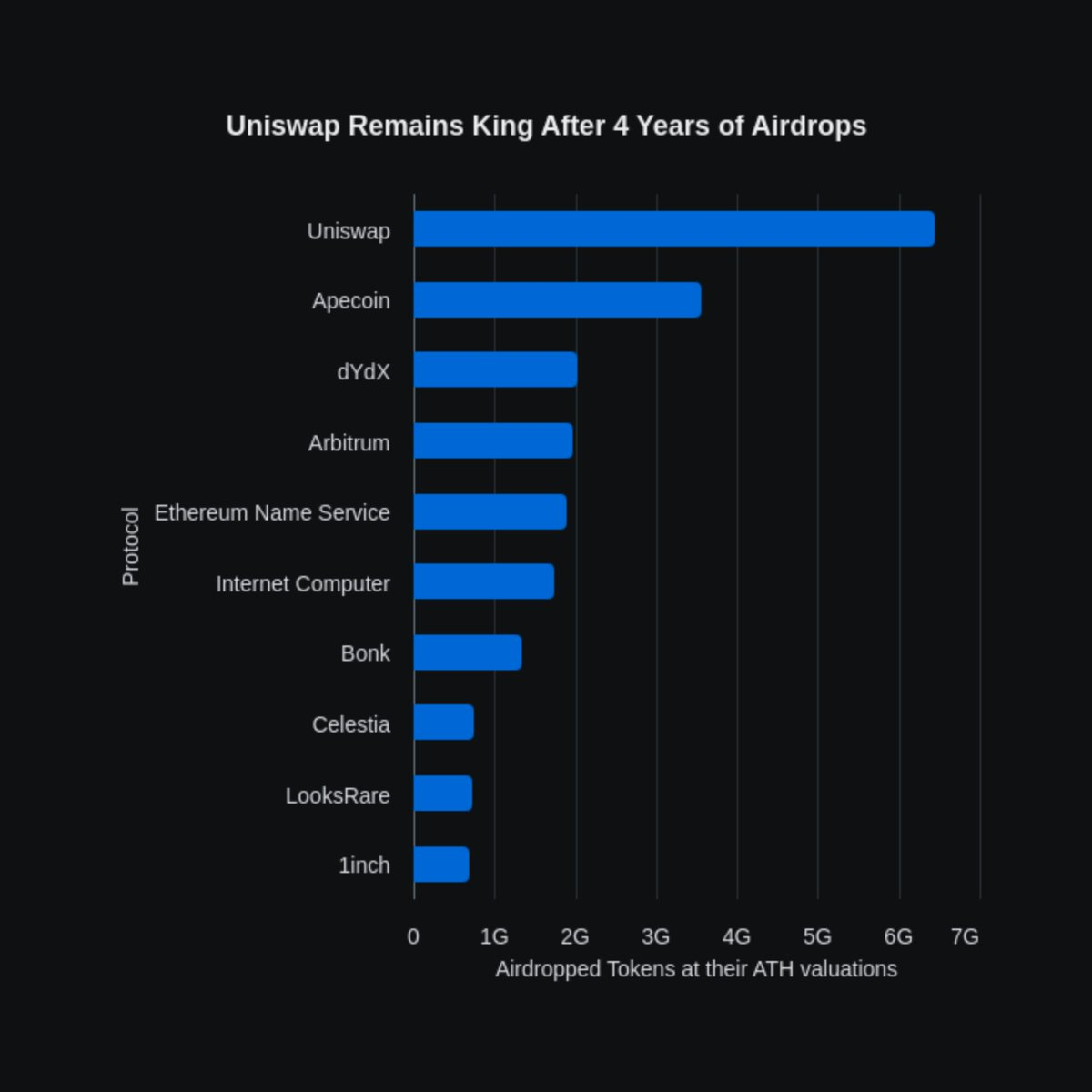
The top 50 airdrops in crypto have distributed over $26.6 billion in value.
This opportunity for "free money" hasn’t gone unnoticed. Now, every exciting new crypto protocol launch attracts sybil attackers and bots eager to claim a significant share of initial airdropped tokens.
As a result, protocols must establish new airdrop standards and anti-sybil measures.
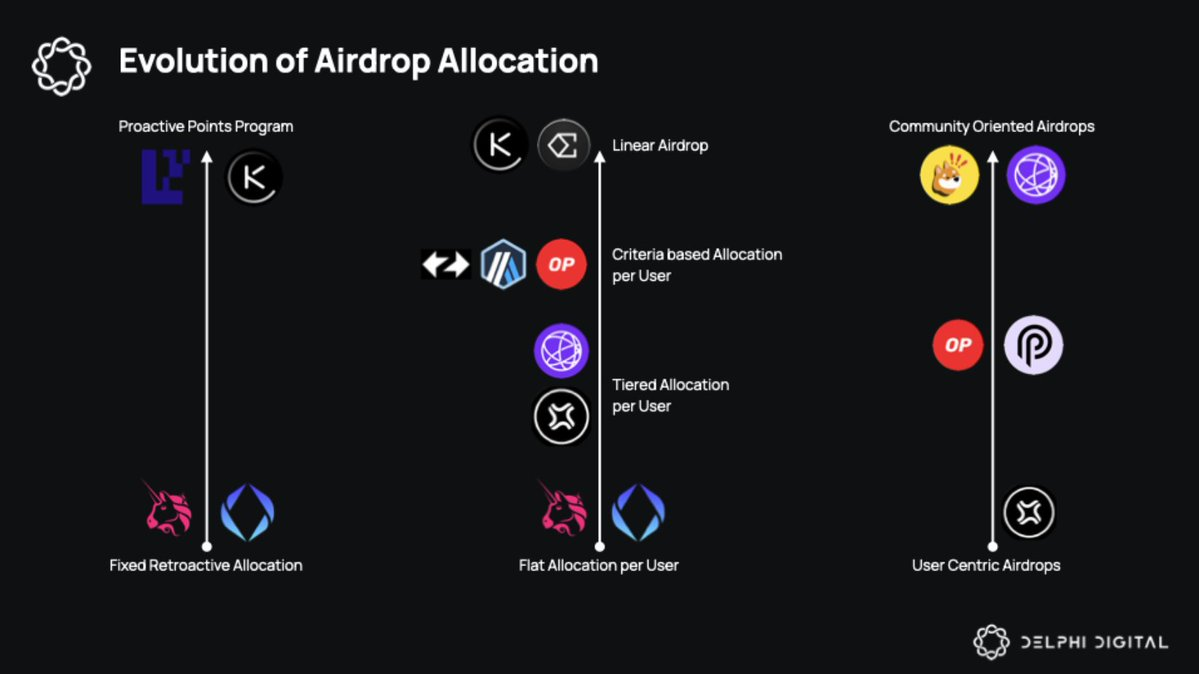
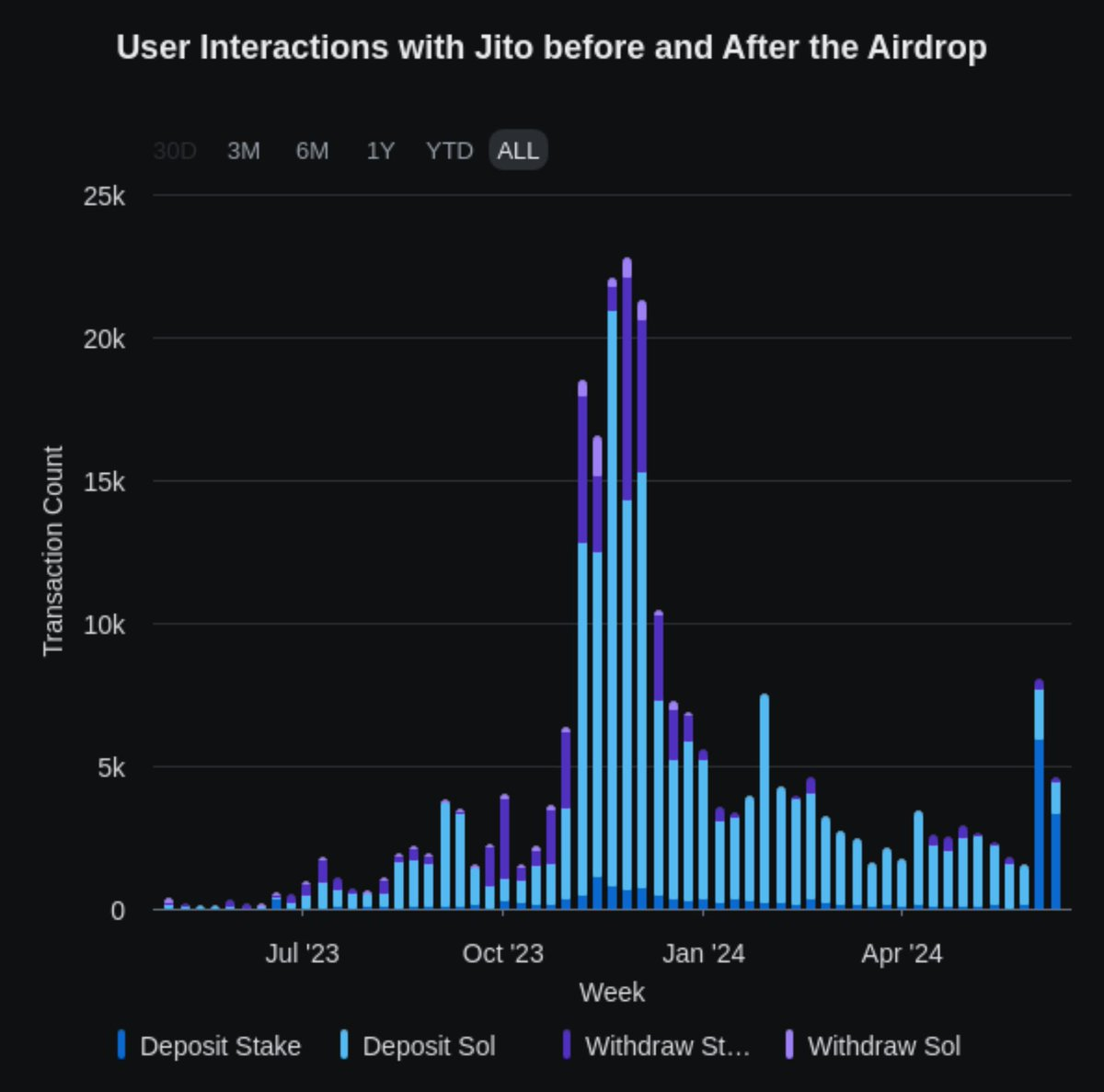
Initially, flat reward systems were used (e.g., Uniswap). Then tiered airdrops emerged (e.g., Jito). The Optimism team popularized multi-criteria airdrops. Now, we have points-based systems.
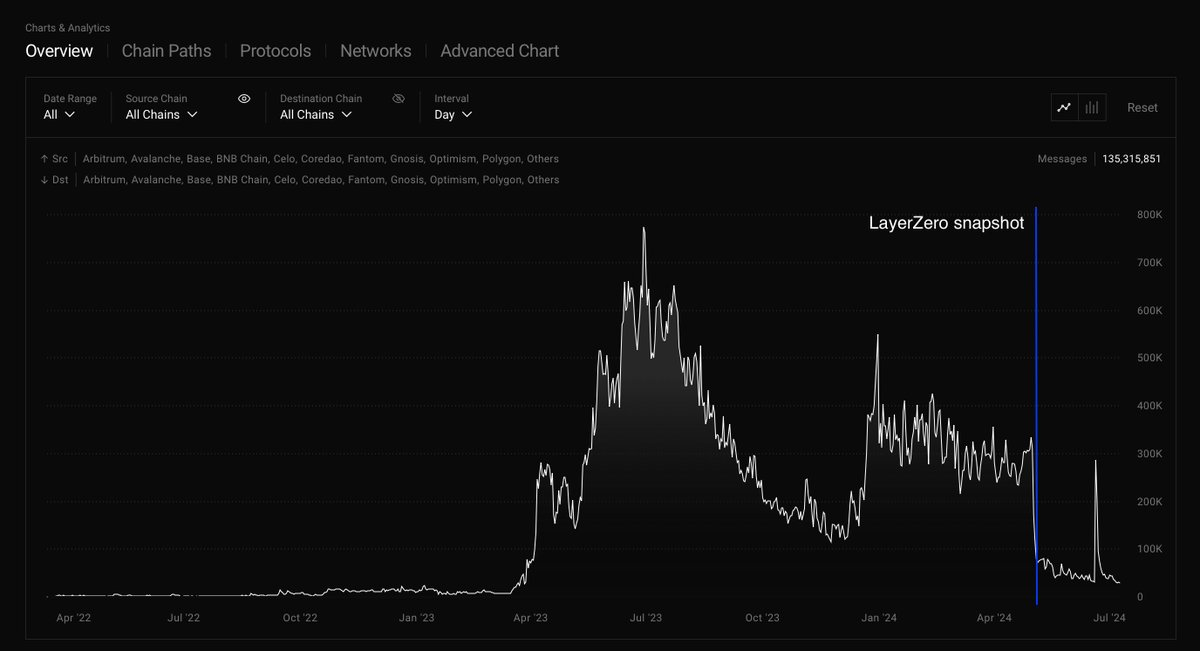
However, for many dApps popular among airdrop hunters, the main issue with airdrops is the bubble effect: usage metrics plummet sharply after the snapshot.
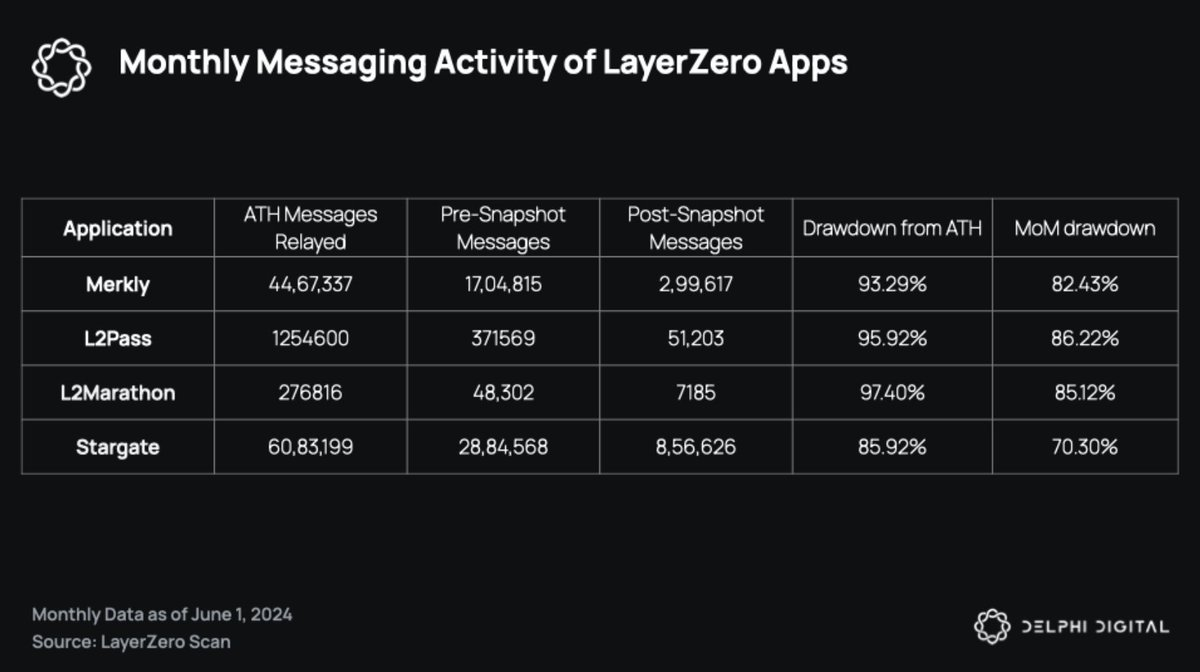
Take LayerZero Foundation as an example.
Since April, StargateFinance's cross-chain trading volume has dropped from $1.67 billion to $406.7 million—a 75% decline. I personally never farmed $ZRO; my allocation was naturally earned, around $400.
This pattern is very common.
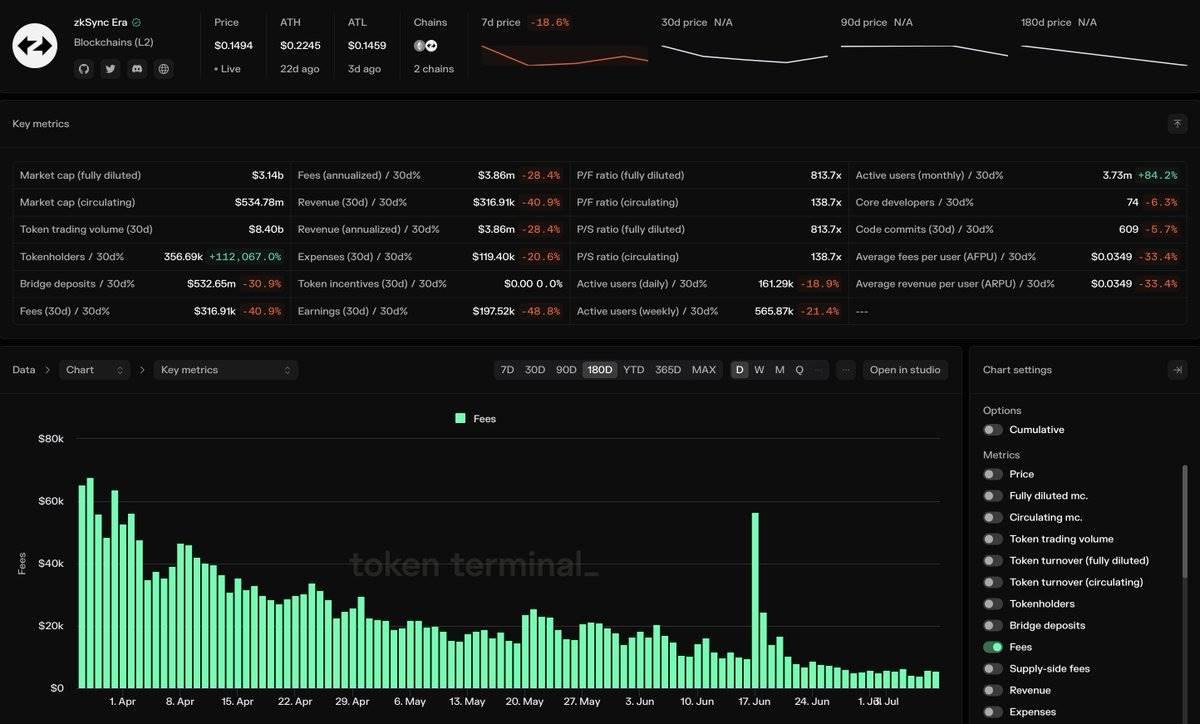
Before the $ZK airdrop, zksync generated daily fees comparable to Arbitrum.
However, since the snapshot announcement and token distribution, this number has been declining. Recently, daily fees fell below $10,000 for the first time—something not seen since the launch week of zkSync Era.
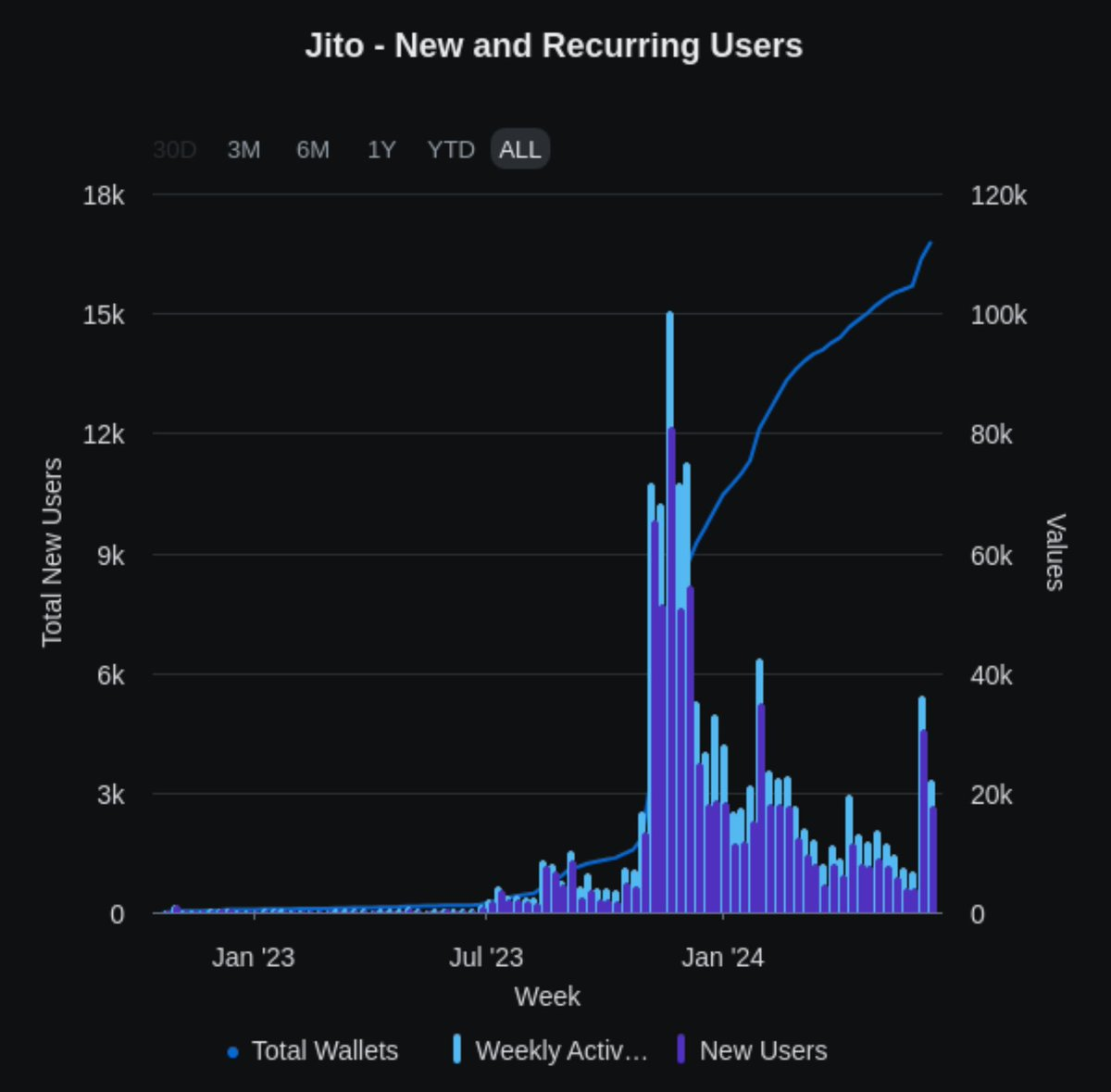
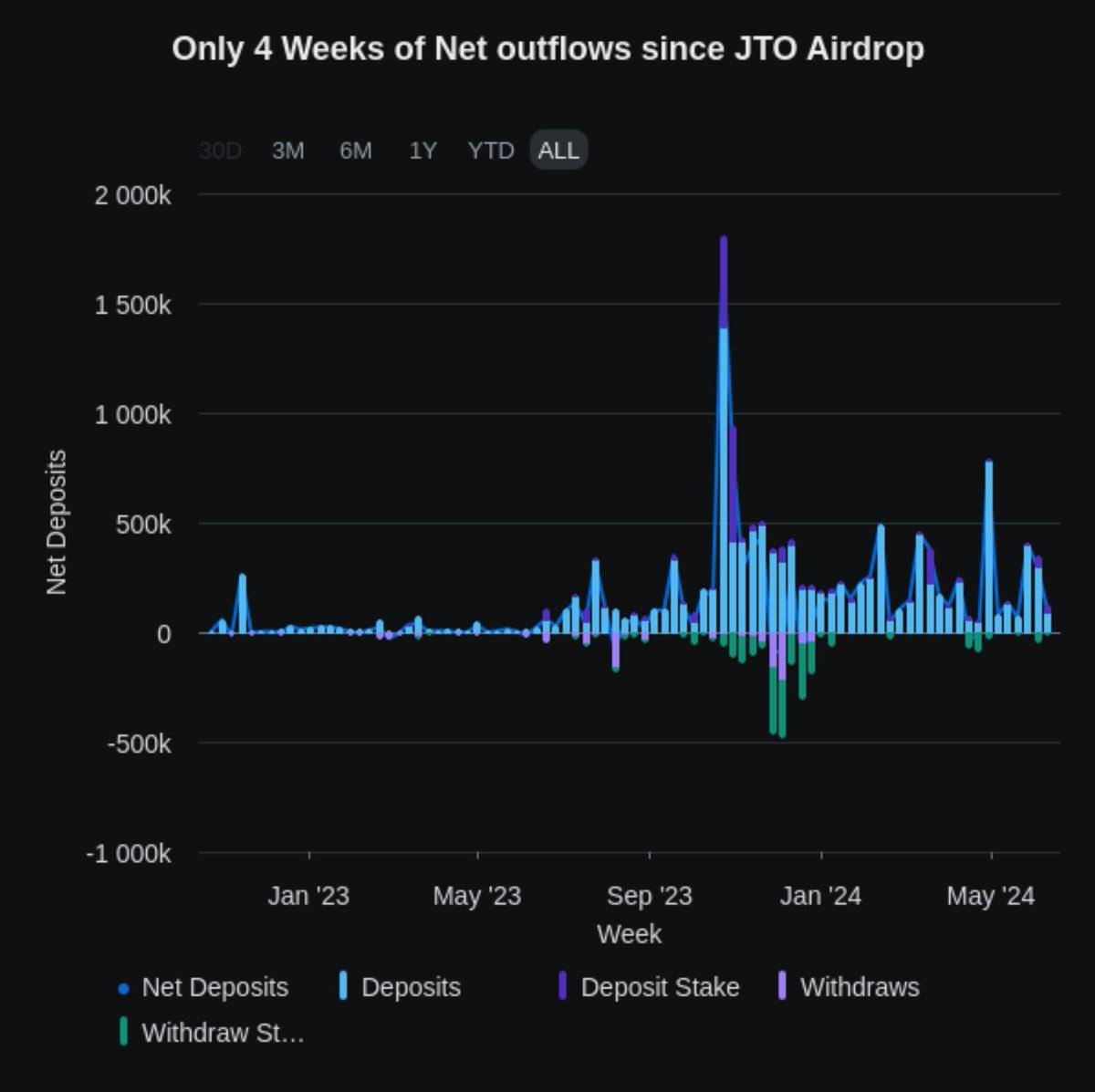
Delphi Digital's research dives into similar cases: KaminoFinance, Parcl, MantaNetwork, and jito_sol—all showing the same pattern: significant activity drop after the snapshot, with further user retention exposing real product-market fit (PMF) issues.

The biggest problem with this artificial growth lies in fairly evaluating protocols and making informed investment decisions. The following points may help:
Track daily active users (DAU) and monthly active users (MAU) over time, observing whether there’s a post-snapshot decline and subsequent user stickiness.
-
Measure how many users continue using the platform after a predetermined period post-airdrop (e.g., one week or one month).
-
Analyze the ratio of new vs. returning users among DAU or weekly active users (WAU).
-
Monitor the number of transactions per user.
-
Observe which features are being used and how frequently. Continued or increased usage of core features after the airdrop indicates sustained user interest or PMF.
-
Track wallet engagement metrics.
-
Monitor activity on community discussions and governance forums.
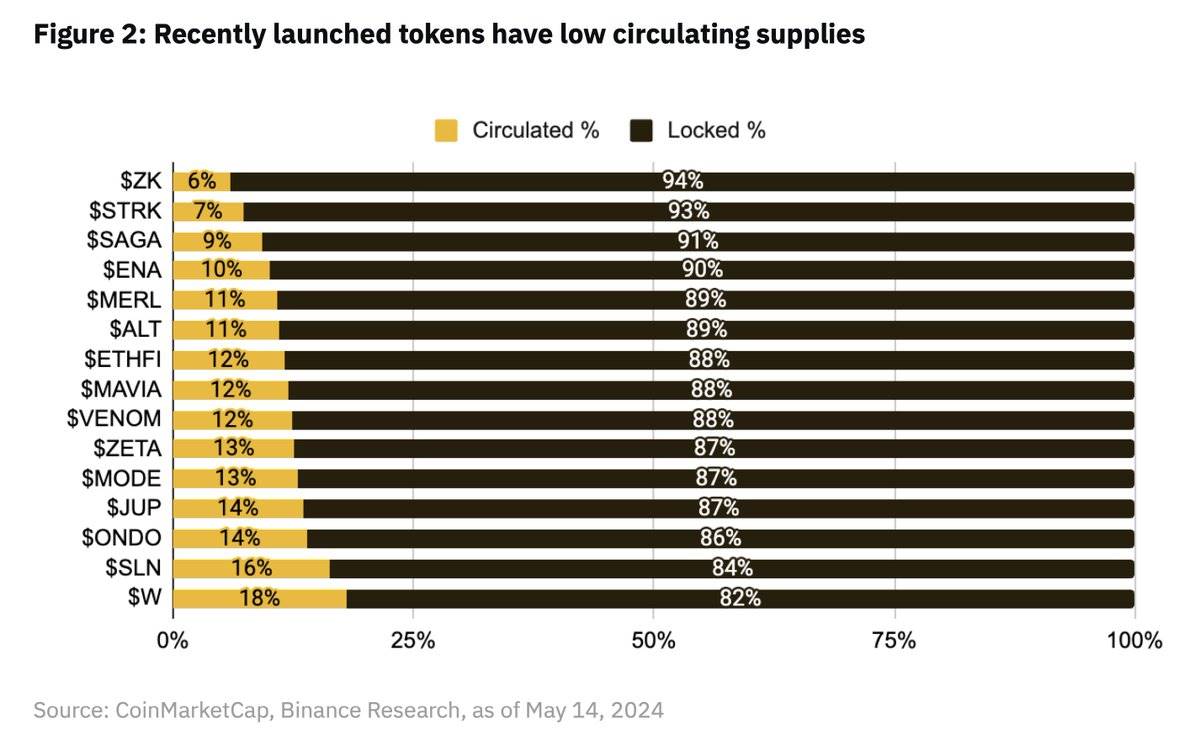
Another issue with 2024 airdrops is that many new protocols widely adopted the "low circulating supply, high fully diluted valuation (FDV)" token model. This model makes it hard for new buyers to assess growth potential and difficult to offset selling pressure from airdrops. But that’s a topic for another day.
Personal note: Airdrops can attract new users, some of whom might stay. But it’s like running a giveaway on X: some users will show up, a few may become active, but most will disappear. As an investor, distinguish between organic and inorganic growth.
For protocol teams: ensure you can retain users and build a product for long-term success.
PS: Thanks to Delphi Digital for this report.
Original link: https://x.com/stacy_muur/status/1811080011103035571
Join TechFlow official community to stay tuned
Telegram:https://t.me/TechFlowDaily
X (Twitter):https://x.com/TechFlowPost
X (Twitter) EN:https://x.com/BlockFlow_News
 @stacy_muur











