









Exploring the Potential of Pirate Nation
TechFlow Selected TechFlow Selected
Exploring the Potential of Pirate Nation
Pirate Nation has strong fundamentals.
 Navigating Web3 tides with focused insights
By Yu Zhong Kuai Shui
Let's talk about Pirate Nation.
This is an analysis from someone who's only speculating, not playing.

1. Core Data
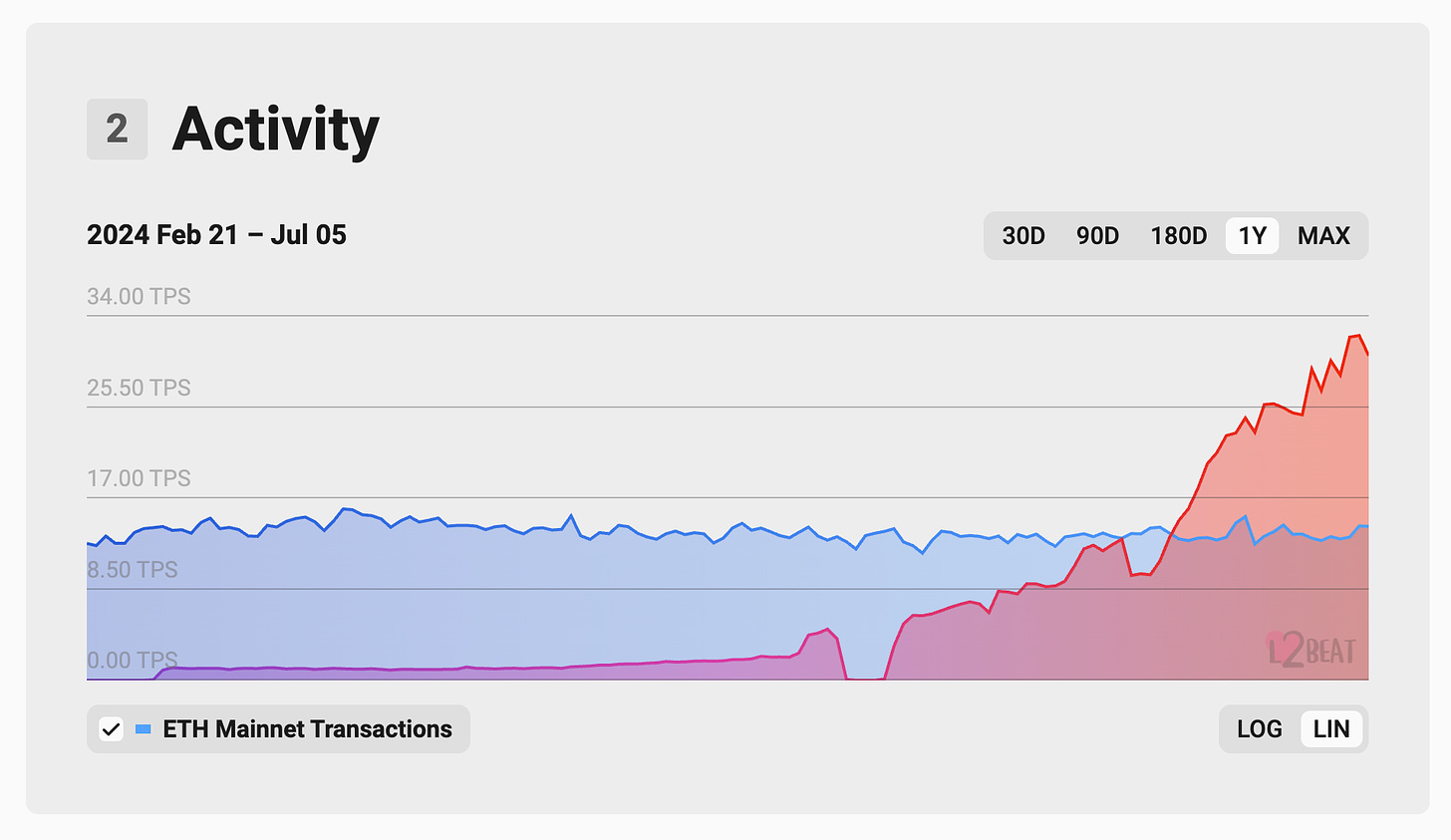
First, Pirate Nation has strong fundamentals. The first part is on-chain activity (Proof of Play built its own Layer3 via the Arbitrum Orbit, and currently most of the chain’s activity comes from Pirate Nation). Proof of Play Layer3 ranks second in activity only to Basechain (XAI is inflated volume). Proof of Play is the first project whose own dApp has driven such high activity on a Layer3. (One additional note: another reason for this level of activity is that Pirate Nation is a fully on-chain game—its entire gameplay logic runs on-chain.)
From changes in Gems, we can see demand for $PIRATE and team revenue (Gems are the in-game currency used to enhance gameplay).
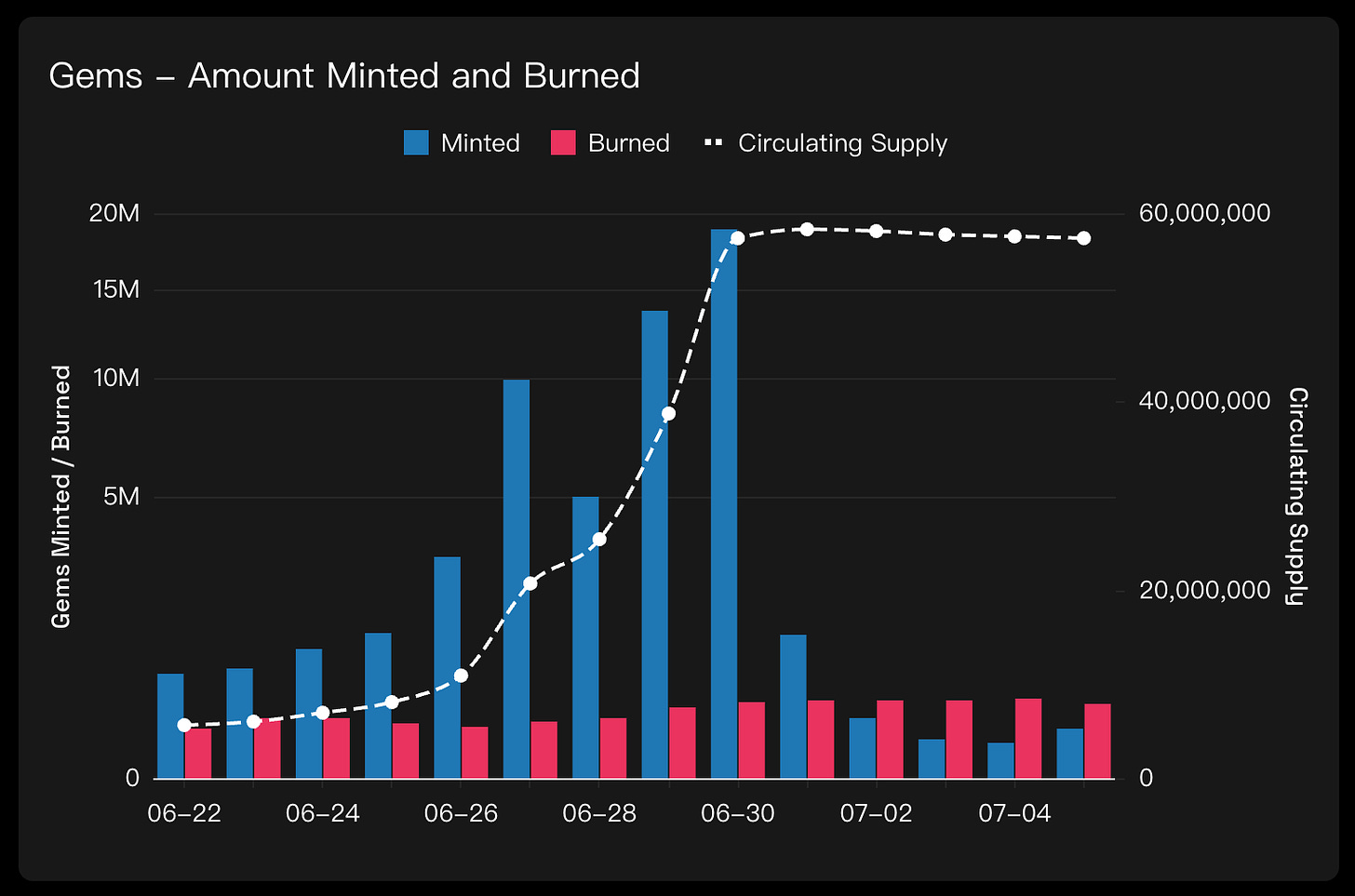
Based on the Gems amount calculated at a $PIRATE price of 333, 333 $PIRATE buys 3393+857 (Bonus) Gems—so 1 $PIRATE = 12.76 Gems. The team’s current revenue is approximately 57M Gems = 4.46M $PIRATE, or about $1.2 million (this $1.2M is a conservative estimate; if more users purchase the higher-tier packages, revenue would be even greater. This income can be directly sold by the team—the on-chain liquidity is insufficient, so the optimal route is transferring to Coinbase to sell).
Calculating from box sales: (333*13075 + 166*331 + 66*1591)*0.27 = $1.21 million. The two figures align closely.
The team’s rapid revenue growth is temporary. From June 22 to June 30, revenue surged sharply, but has declined noticeably in recent days. According to the chart below, this drop may stem from insufficient new paying players entering the game. Existing paying players are actively engaging and using Gems. Another factor could be the rising price of $PIRATE—per the Docs, the team adjusts the exchange rate based on $PIRATE’s price. If they increase $PIRATE’s purchasing power, it might stimulate a new wave of in-game spending. The next price adjustment could come on July 9.
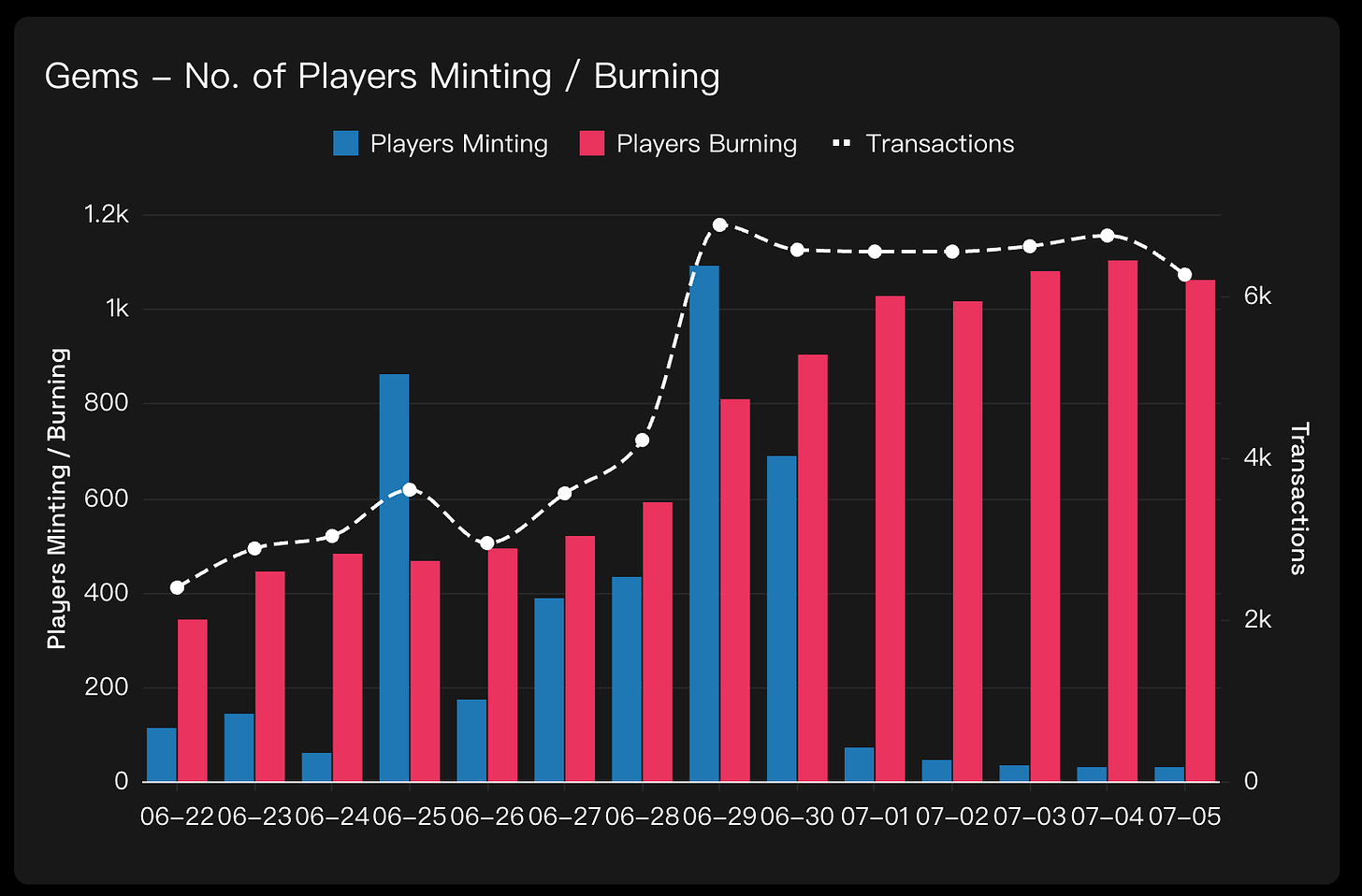
In-game resource minting remains consistently healthy. I won’t include every chart here, but overall metrics are at peak and stable levels. This is one benefit of being a fully on-chain game—you can monitor item/resource data in real time.
According to official statements, hundreds of people play Pirate Nation daily, with over 1,500 total players. Currently, there’s a queue to enter the game (mainly due to chain capacity constraints, limiting new player onboarding). If scalability isn’t resolved, game growth will be bottlenecked.
2. Tokenomics
-
Total Supply: 1B
-
Circulating Supply: 216M
-
Current Market Cap: $57M
-
FDV: $263M
Listed on Coinbase.
Data source: Coingecko
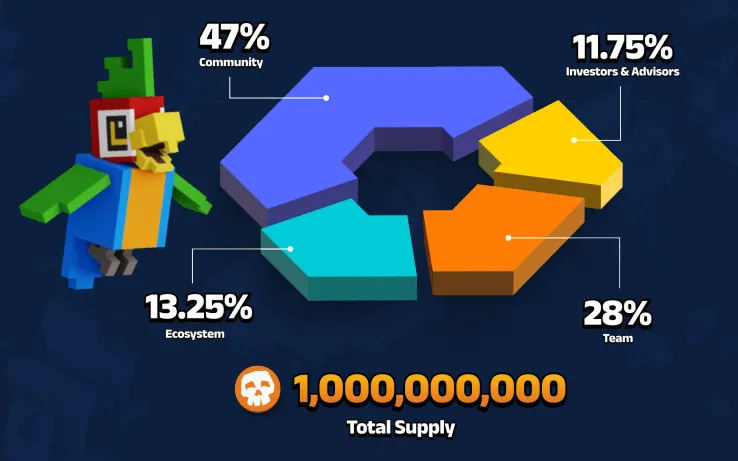
TGE unlocked 15% of $PIRATE; the remainder will vest over 36 months. Investors & Advisors (11.75%) and Team (28%) are locked for 12 months. That means until June 13 next year, token releases will only go to Community and Ecosystem.
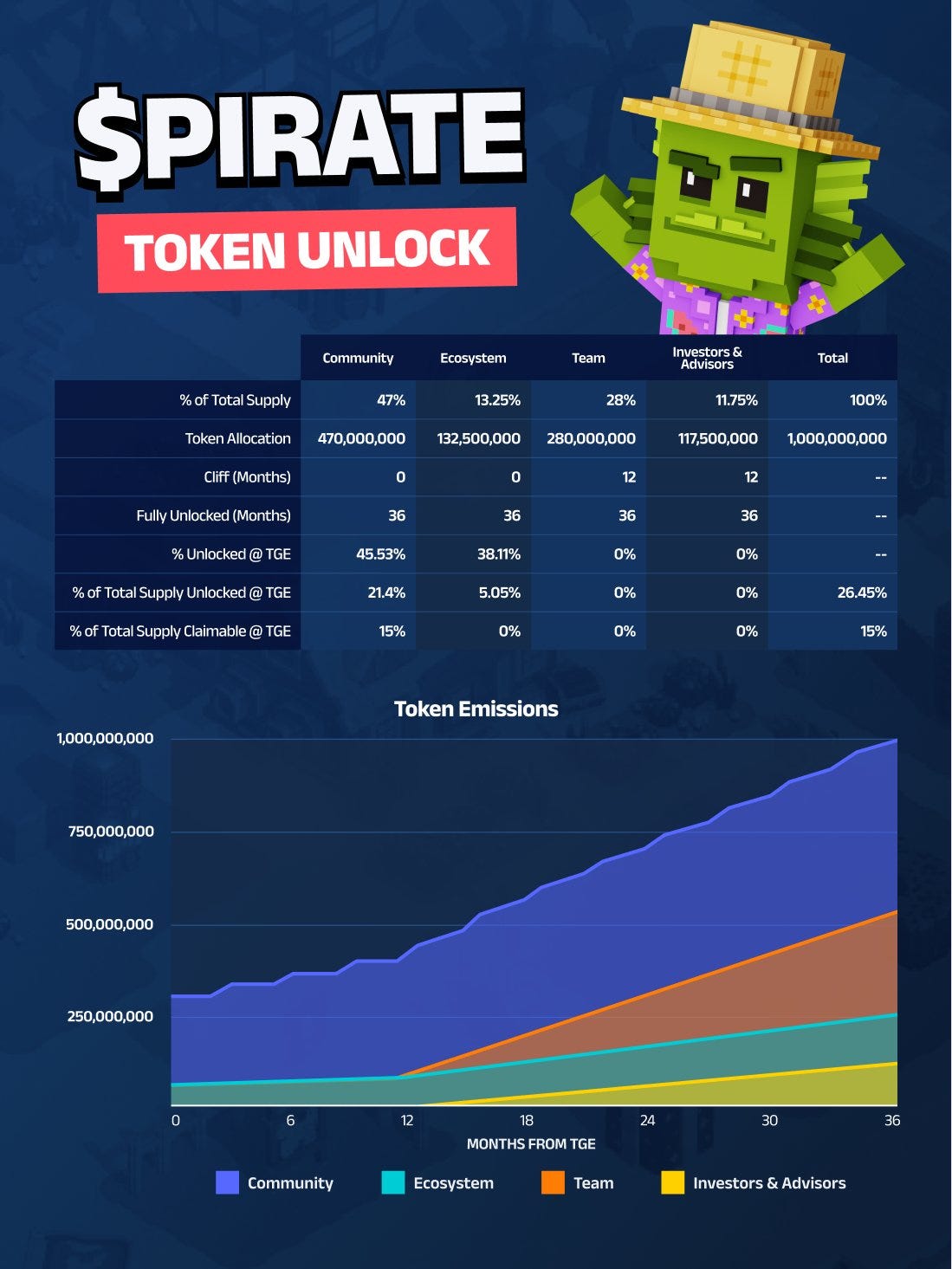
Currently, $PIRATE can be used to buy Gems (and other in-game items/services), or staked on Foundation to earn PoP points. Staking has a multiplier that decreases by 10% per day—so earlier staking yields a higher multiplier. Unstaking resets the multiplier to zero. Founder's Pirates NFTs (which disappear once sold) also grant points. So far, 125M $PIRATE have been staked—about 57% of circulating supply.
Could PoP points lead to a future airdrop? (Just a possibility—don't get too excited.)
3. Investment Background
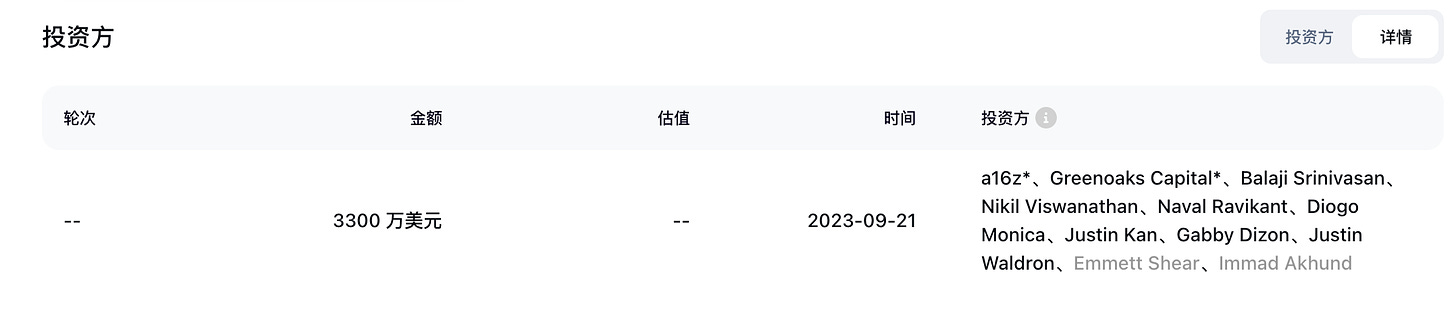
Pirate Nation’s developer, Proof of Play, raised $33 million in September last year, led by a16z. If PoP itself launches a token, or if PoP’s Layer3 launches a token in the future, $PIRATE stakers might receive an airdrop.
4. Summary & Viewpoint
Overall, Pirate Nation has solid fundamentals, has attracted a dedicated player base, and generates strong revenue. For $PIRATE specifically, utility is clear—players need it to buy Gems, while speculators can stake it to earn PoP points. Plus, no investor or team tokens will unlock for over half a year.
What could drive price upside?
First, as mentioned earlier, the team needs sufficient liquidity to offload their revenue—could this create a motive to pump the price?
Second, higher prices could attract new players, leading to more revenue? This is questionable—currently, the game appears saturated until it resolves its chain capacity issues.
Third, strong fundamentals may attract fundamental investors to buy $PIRATE. But I’m skeptical—current market sentiment is lukewarm, and many may hesitate to take positions right now.
Personally, I’ve turned on notifications for Pirate Nation’s Twitter to track updates on scaling progress. I’ll also keep an eye on $PIRATE staking data. Betting on a price surge now seems premature. The key trigger for a rally would be concentrated market attention. Right now, interest in $PIRATE is still brewing.
Join TechFlow official community to stay tuned
Telegram:https://t.me/TechFlowDaily
X (Twitter):https://x.com/TechFlowPost
X (Twitter) EN:https://x.com/BlockFlow_News
 雨中狂睡Sleeping in the Rain











