








Ethereum Solo Staking Survey: 95% Male, Over 70% of Stakers Do Not Work in Crypto
TechFlow Selected TechFlow Selected
Ethereum Solo Staking Survey: 95% Male, Over 70% of Stakers Do Not Work in Crypto
A large number of Genesis participants, 80% are Home Stakers, 84% do not hold any significant amount of liquid staking tokens, and 77% have staked over 66% of their ETH.
 Navigating Web3 tides with focused insights
Author: nixo
Translation: TechFlow
Executive Summary
We conducted a survey of independent operators (commonly referred to broadly as "solo stakers") to better understand their profiles, demographics, pain points, and motivations. We observed that although respondents feel increasingly structurally disempowered and concerned about centralization pressures on validators, they maintain high confidence in validation and resilience.
The intent of this data is to provide a set of insights from highly privacy-conscious participants in their own words, accurately reflecting their needs. This survey will be conducted annually, and feedback on the question set is welcome.
Methodology
Collection and Distribution
Survey responses were collected using LimeSurvey software. Branching display logic was used to ensure questions remained relevant to respondents throughout. Cookies were used to prevent duplicate entries, and CAPTCHA was employed to deter bot activity. The survey was publicly accessible, and all responses were anonymous.
We solicited responses through EthStaker's social channels (Reddit, Discord, Twitter, Farcaster), Obol’s Twitter account, and public forums of leading Staking-as-a-Service providers, hardware vendors, and client software teams. The survey was also promoted via Beaconcha.in, Rhino Review, and Week in Ethereum newsletters. The survey ran from April 8, 2024, to May 6, 2024.
Analysis
Only fully completed surveys were used; incomplete responses were discarded. Results were manually inspected for signs of bot activity, though no complete surveys were excluded. Pie charts show results for single-choice questions. Multiple-choice answers are indicated in discussions with the star unicode ✶ symbol ✶.
Sampling Bias
While the data suggests a preference for home staking over more passive staking methods, this may reflect differences between participants and the broader population. Those active in staking communities typically manage their own configurations, whereas those who do not self-manage are less engaged, as their validators rarely require immediate attention.
This information is more qualitative than quantitative, relying on subjective data from a self-selected subset.
How representative is this data?
Public node crawlers indicate between 6,000 and 11,000 Ethereum nodes. These are not all validator nodes, and many are operated by professional entities. This survey targets only those staking with their own capital, excluding professional operators. At the time of writing, Rocket Pool validator nodes were estimated at 1,832—calculated by subtracting Allnodes from the number of nodes holding node ETH during the staking snapshot. This serves as a lower bound for independent operators. Of 1,024 total responses, 868 came from those claiming control over their node configuration, suggesting approximately 8% to 47% of node operators participated—though both extremes are unlikely. Note this percentage includes all node operators, including professionals. This survey primarily focuses on non-professional operators.
While the number of validators on the network is easily visible, there is currently no accurate count of validator nodes, independent operators, or network nodes (this is arguably a feature, not a flaw). Node operators can self-identify their validators, but most independent and many professional operators do not.
Results
Raw data is available here.
Respondent Profile
-
32% are Genesis stakers.
-
80% are home stakers, with an additional 4% combining home and remote staking.
-
84% do not hold significant funds in liquid staking tokens (LSTs).
-
85% have not changed their primary staking method.
-
77% have staked 66%–100% of their ETH.
-
30% use smoothing pools, 61% do not, and 9% are unfamiliar with the concept or unaware of relevant options.
-
95% run validators on Linux ✶.
-
51% did not use staking software to set up validators. 27% used Rocket Pool, 15% DAppNode, and 10% Eth Docker ("no staking software" typically means following guides and using systemd) ✶.
-
85% have not changed their staking approach since beginning.
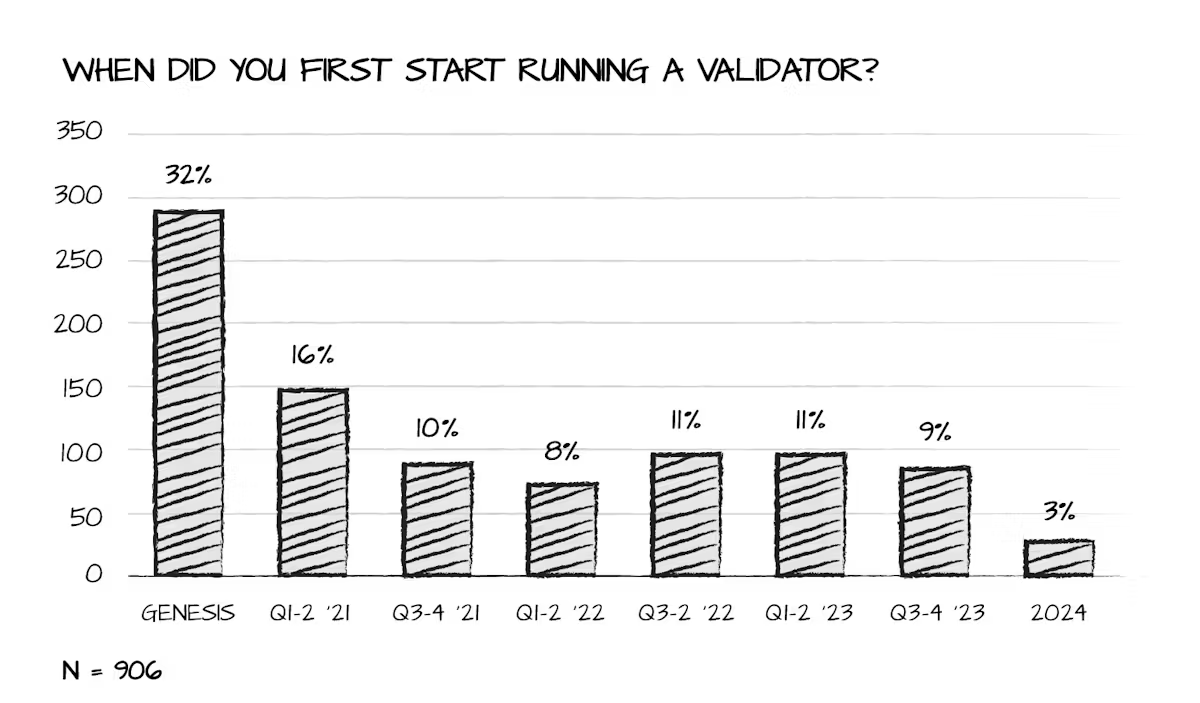
Figure 1: When did you start running a validator?
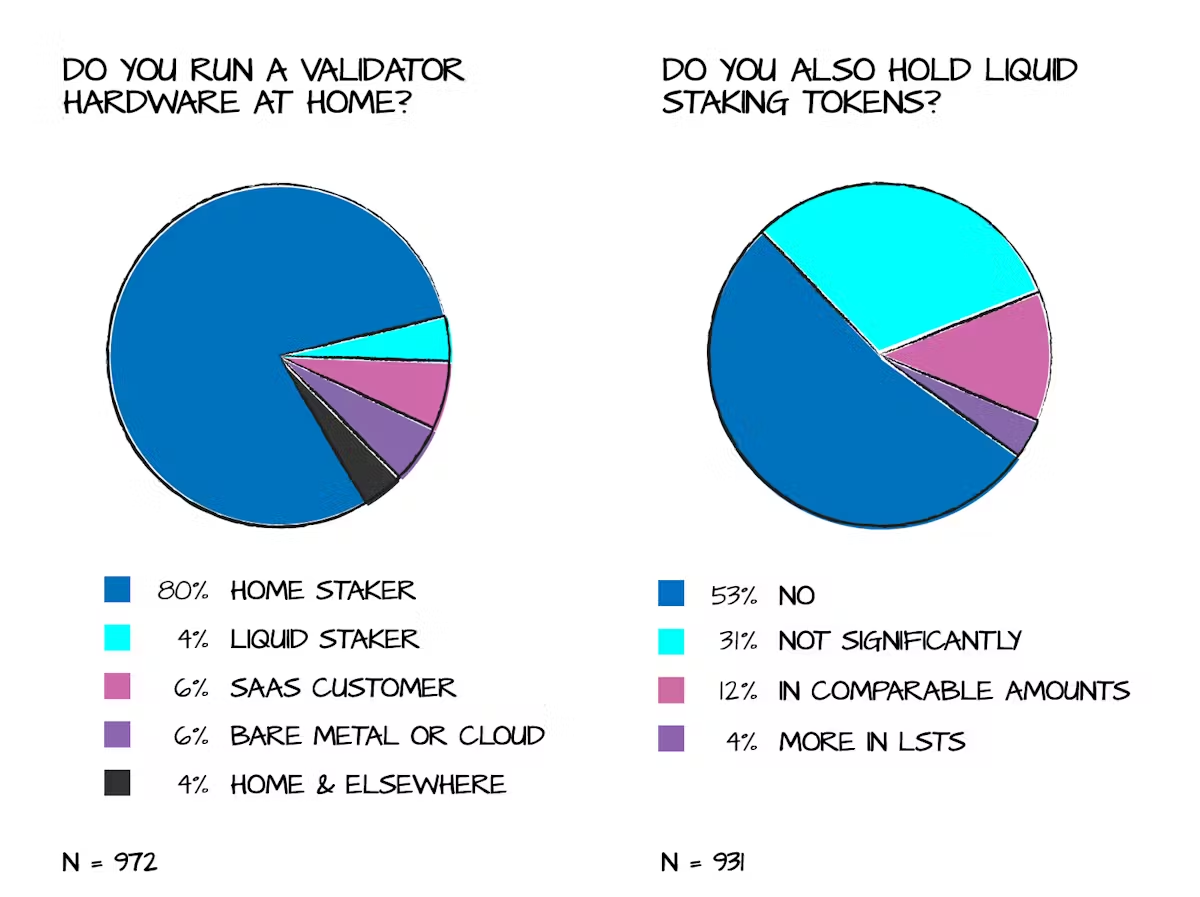
Figure 2: Where do you stake? Do you hold LSTs?
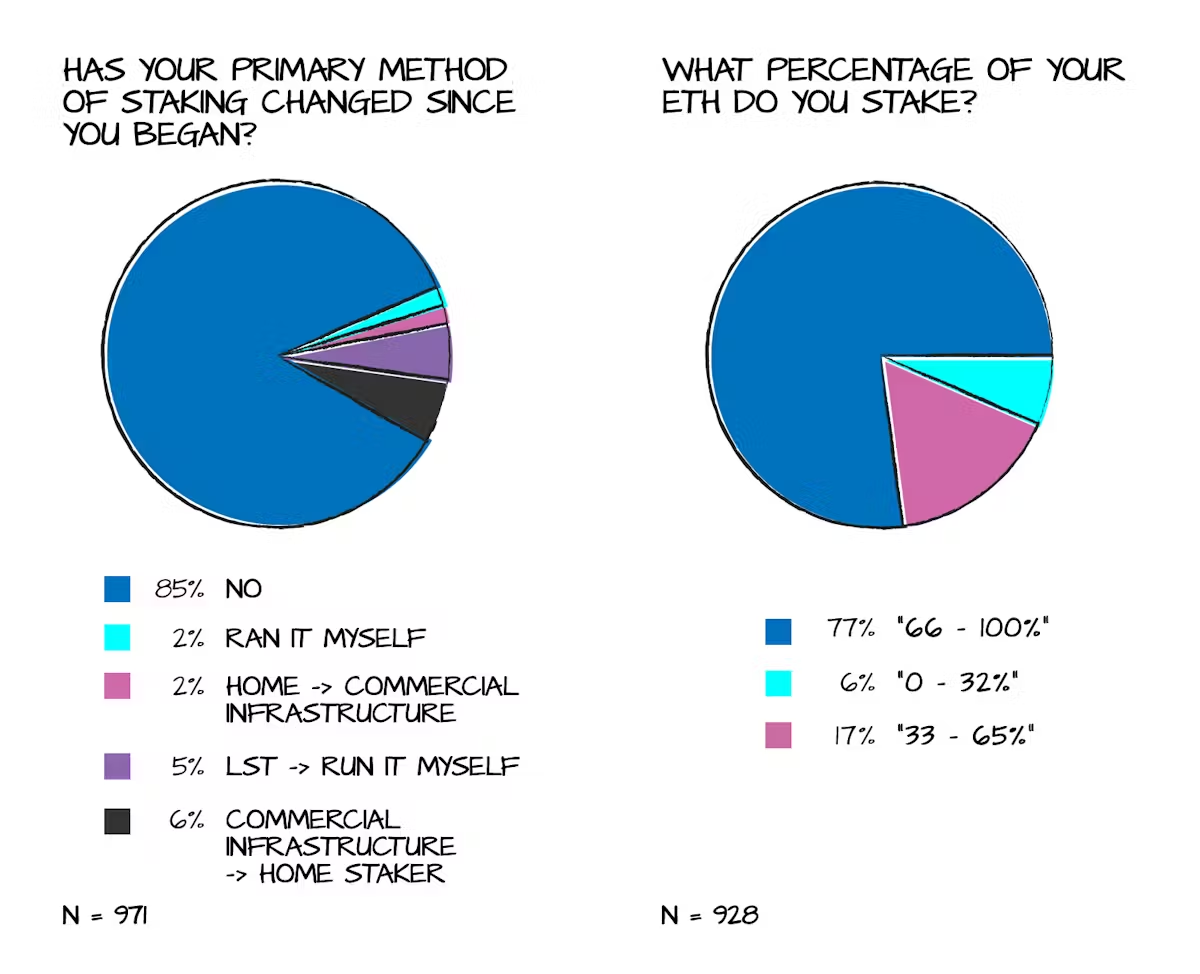
Figure 3: Have you changed your staking method, and how much ETH have you staked?
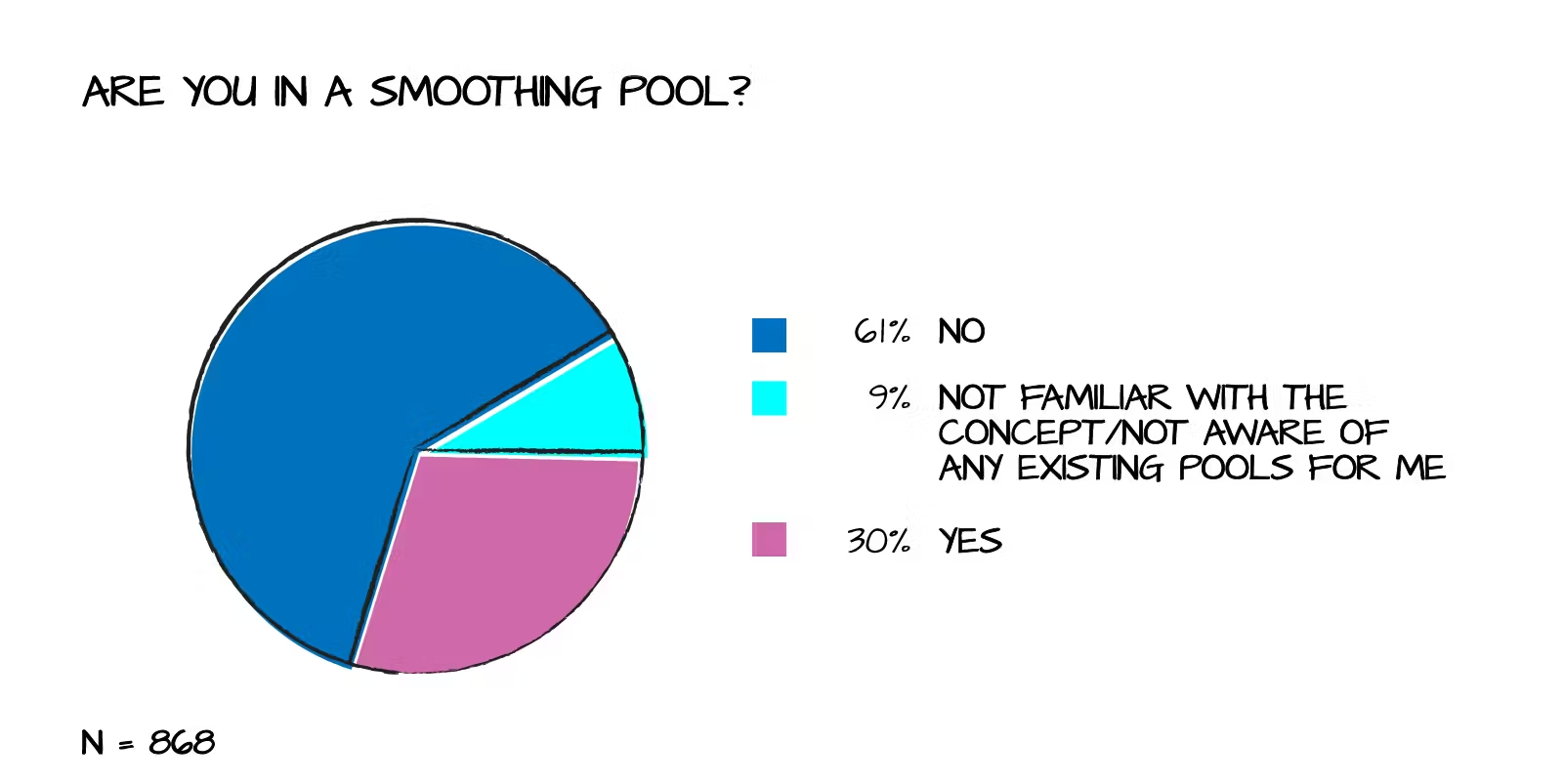
Figure 4: Are you in a smoothing pool?
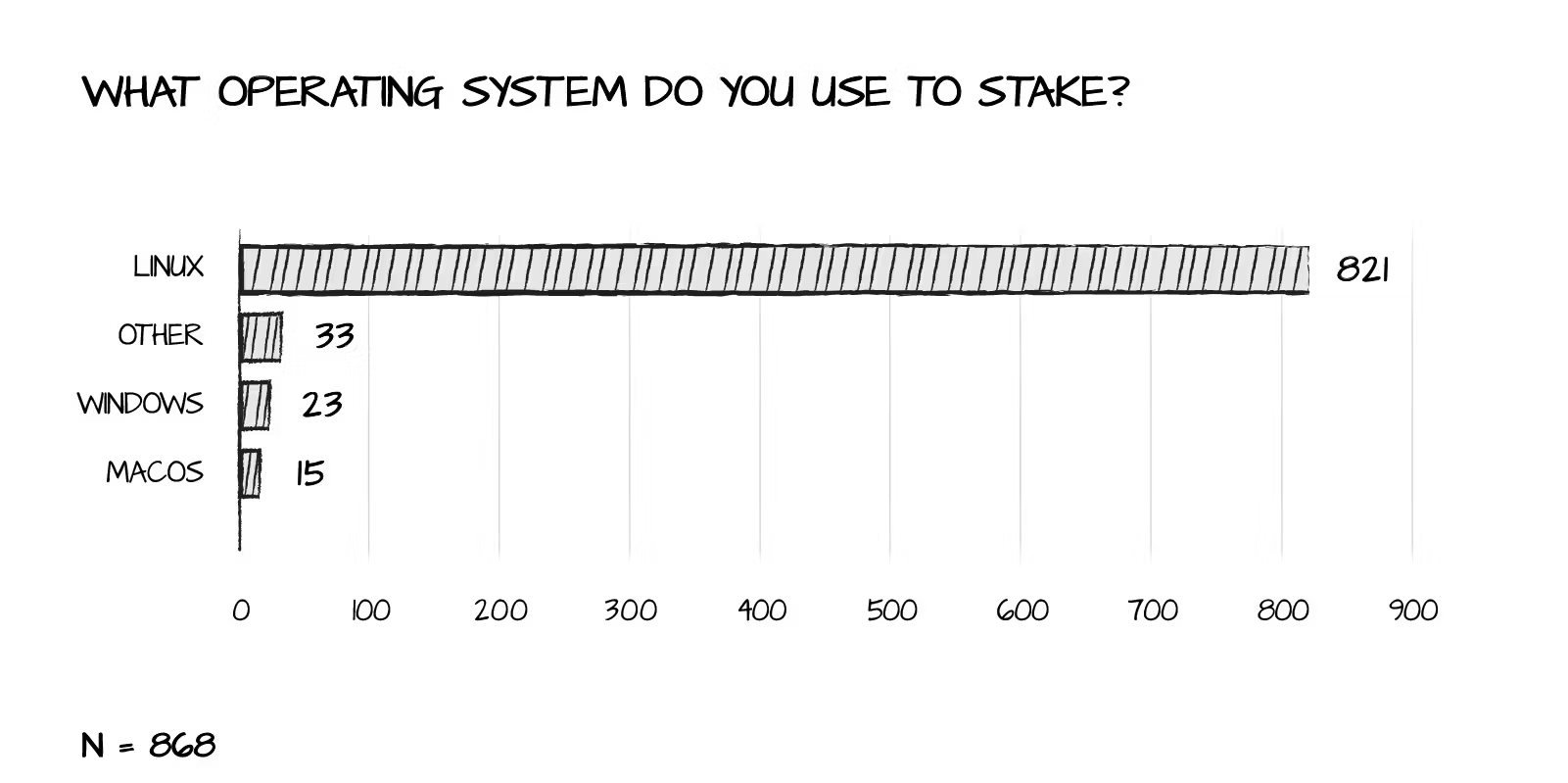
Figure 5: What operating system do you use for staking?
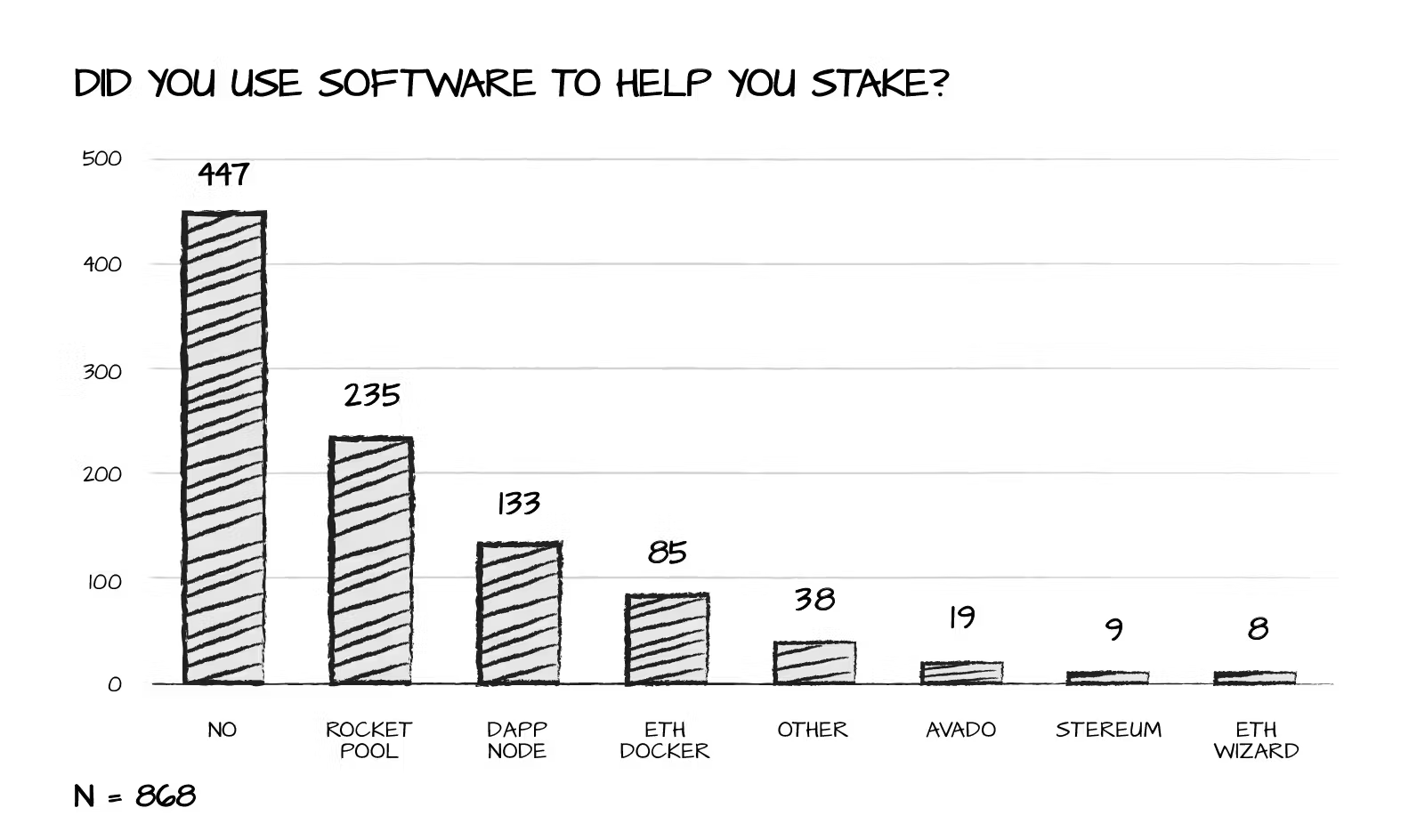
Figure 6: Have you used software to help with staking?
Primary Concerns
-
Top concerns include majority client risk, suboptimal tax structures for staking, hardware issues, and key management ✶.
-
69% do not track their bandwidth, and 78% are uncertain whether bandwidth usage has increased since Dencun.
-
Respondents spend an average of 3.4 hours per month (median: 2 hours) maintaining their setup. Excluding one outlier (x = 155 hours, z-score >22), the average drops to 3.2 hours monthly.
-
On a 1–10 scale (10 = greatest possible risk), voters rated supermajority risk at 7.4 and staking centralization risk at 7.2 (scale adjusted for clarity).
-
When asked to estimate the percentage of ETH that will be staked in 2–3 years, respondents (n = 1003) averaged 49.4%.
-
When asked what proportion of ETH staking they believe is operated by independent operators like themselves, respondents (n = 924) averaged 15.9%.
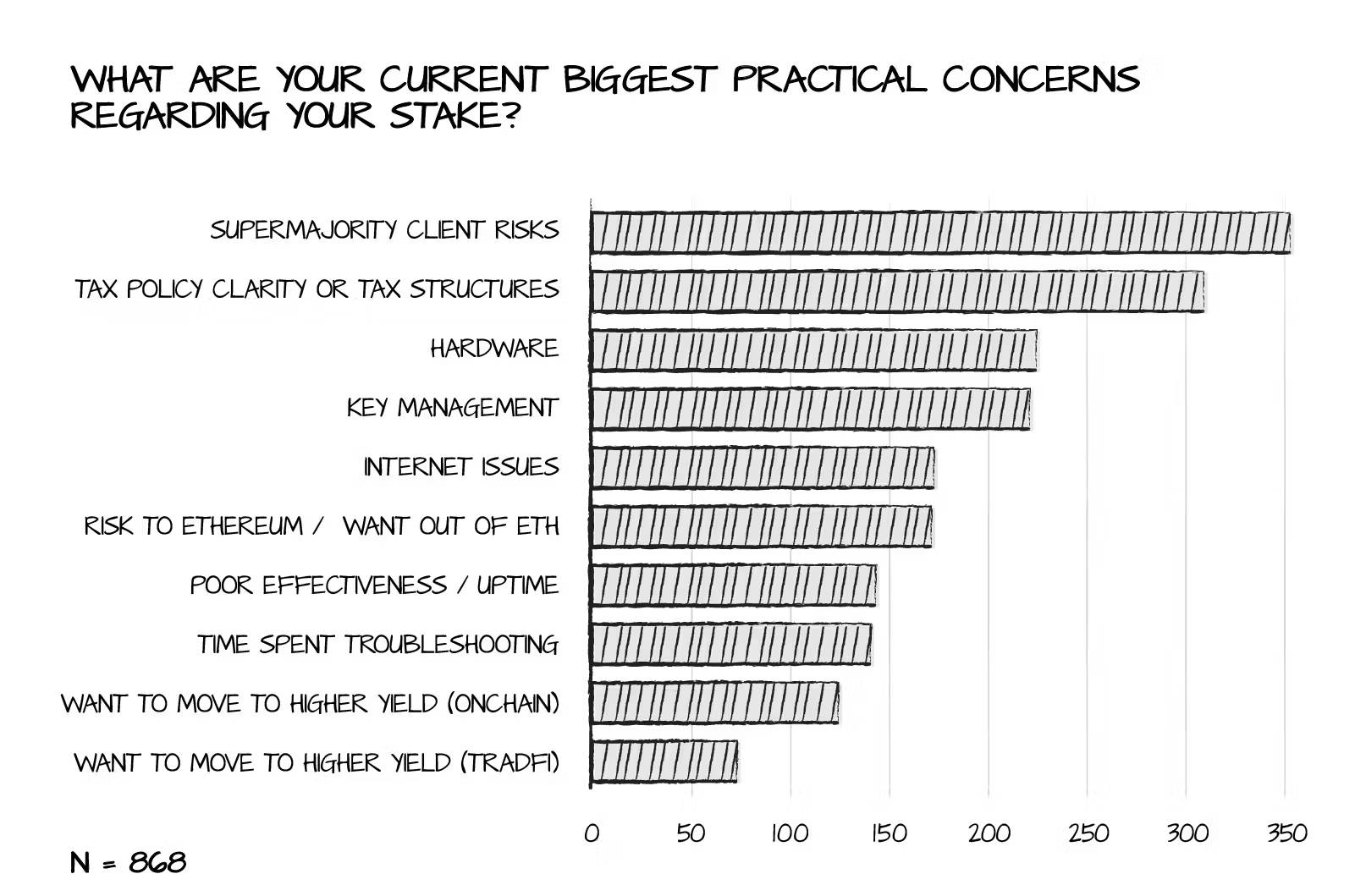
Figure 7: What practical issues concern you most?
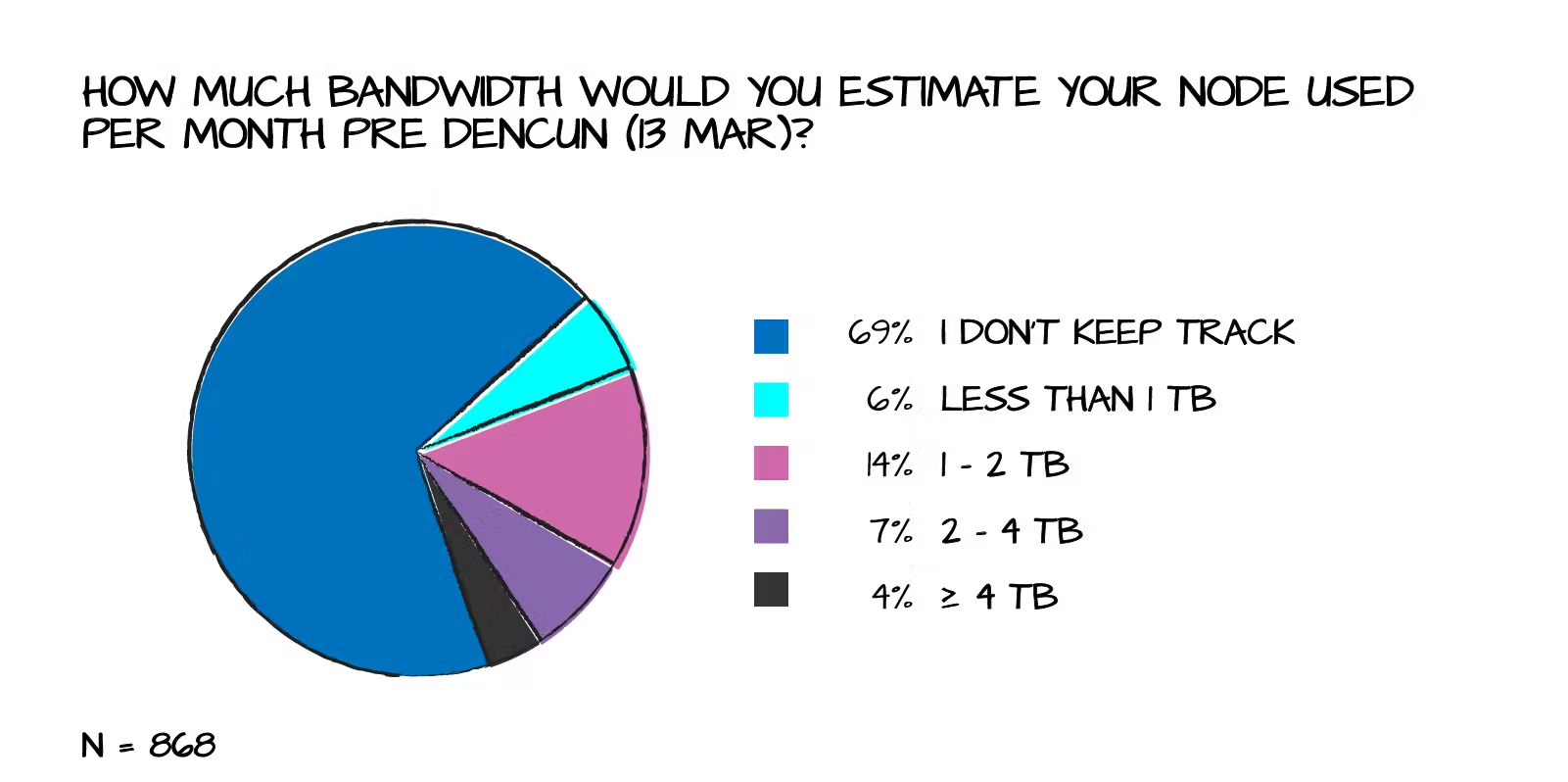
Figure 8: How much bandwidth does your node use?
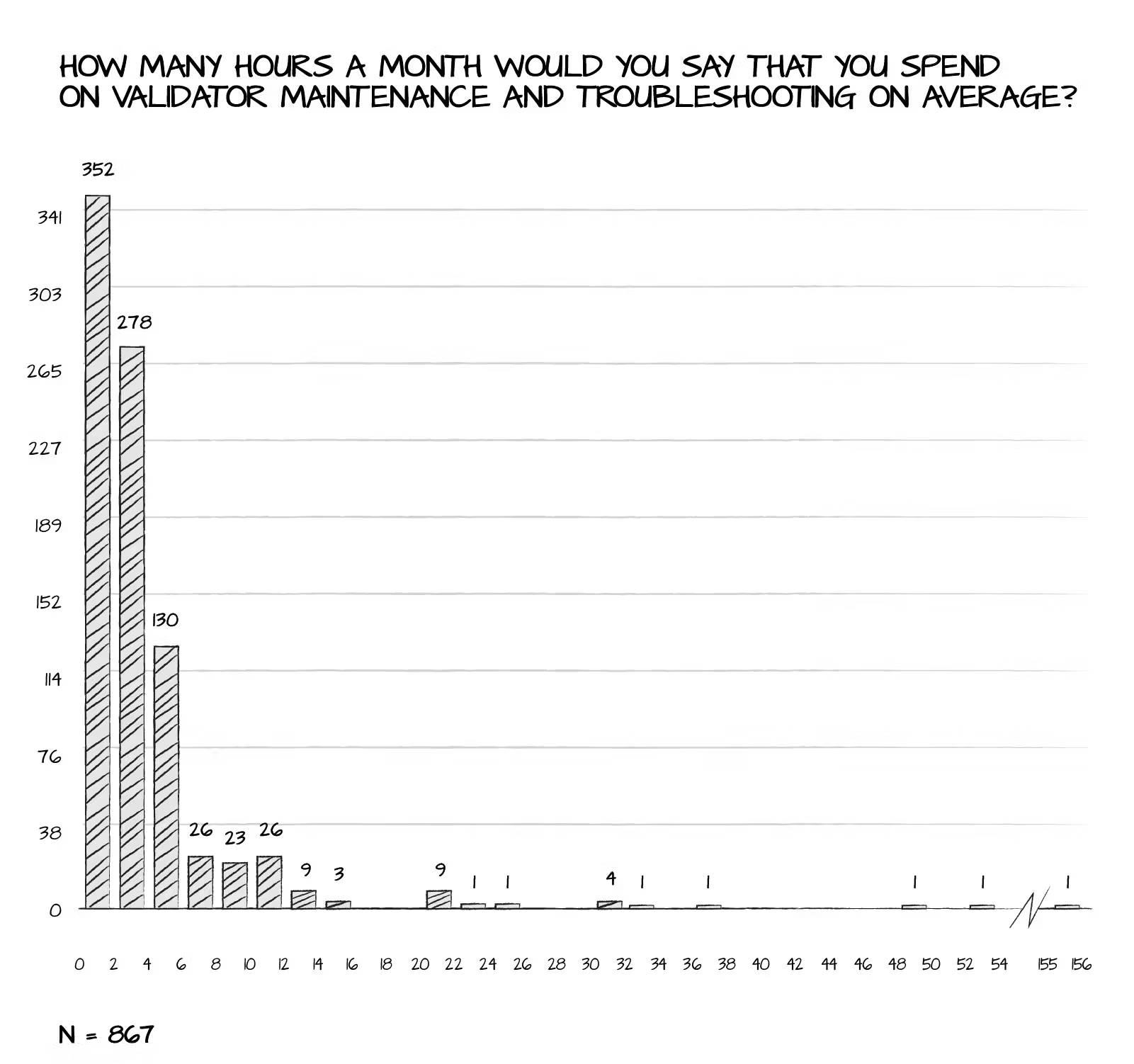
Figure 9: How many hours per month do you spend on maintenance?
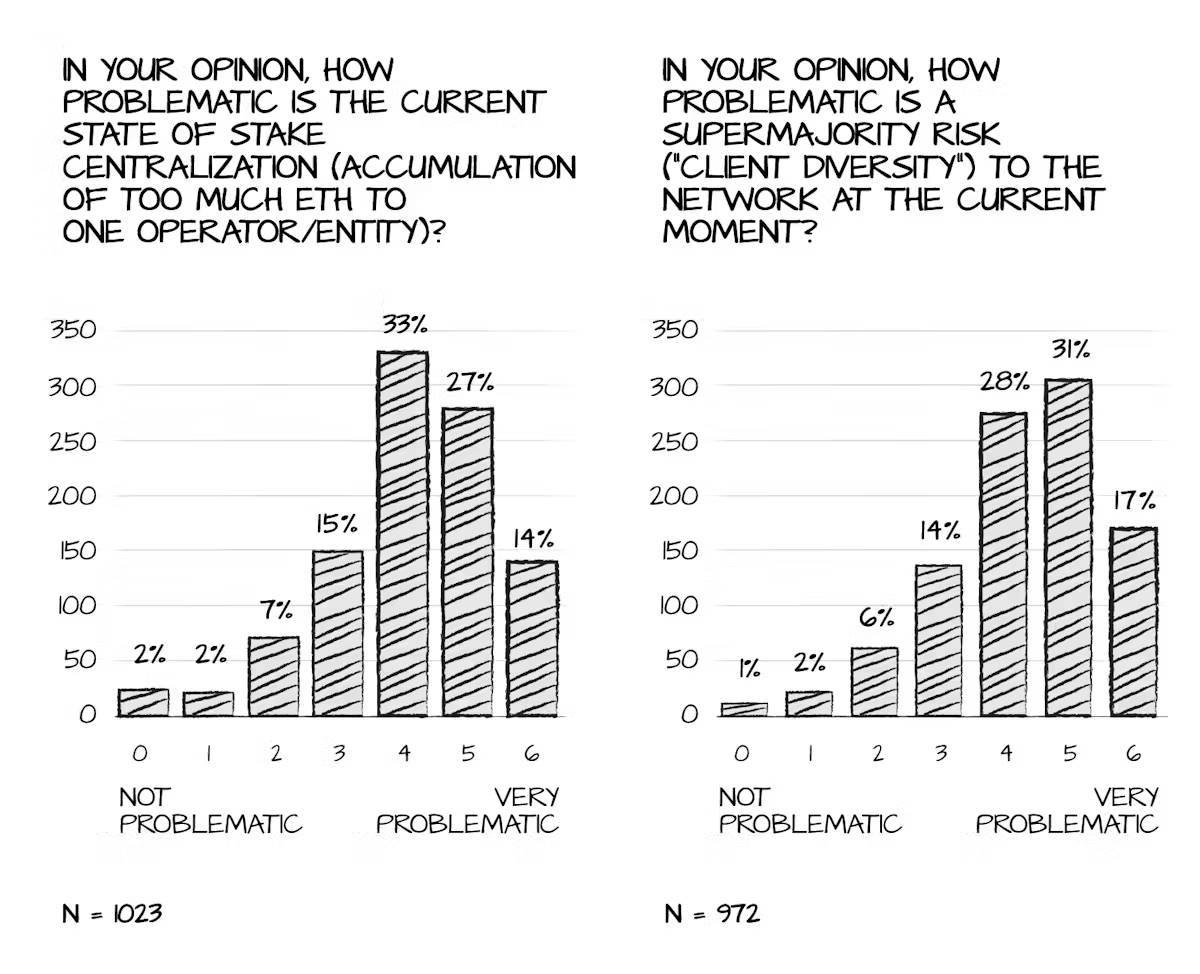
Figure 10: Risks facing the network
Perceived Value and Representation
-
89% believe independent stakers are as important or more important now than when they began staking (11% believe less important).
-
66% believe individual validators receive equal or greater benefits from participating in consensus now compared to when they started (34% believe less).
-
When asked how well represented they feel in ongoing research and protocol development, the average score was 5.8 out of 10 (10 = "very well represented", 1 = "not represented at all"; scale adjusted for clarity).
-
50% believe protocol research either ignores solo stakers or is largely ineffective at protecting them against financial interests (19% said indifferent).
-
92% support or are neutral toward changing the issuance curve to better incentivize decentralized staking (regardless of current proposals).
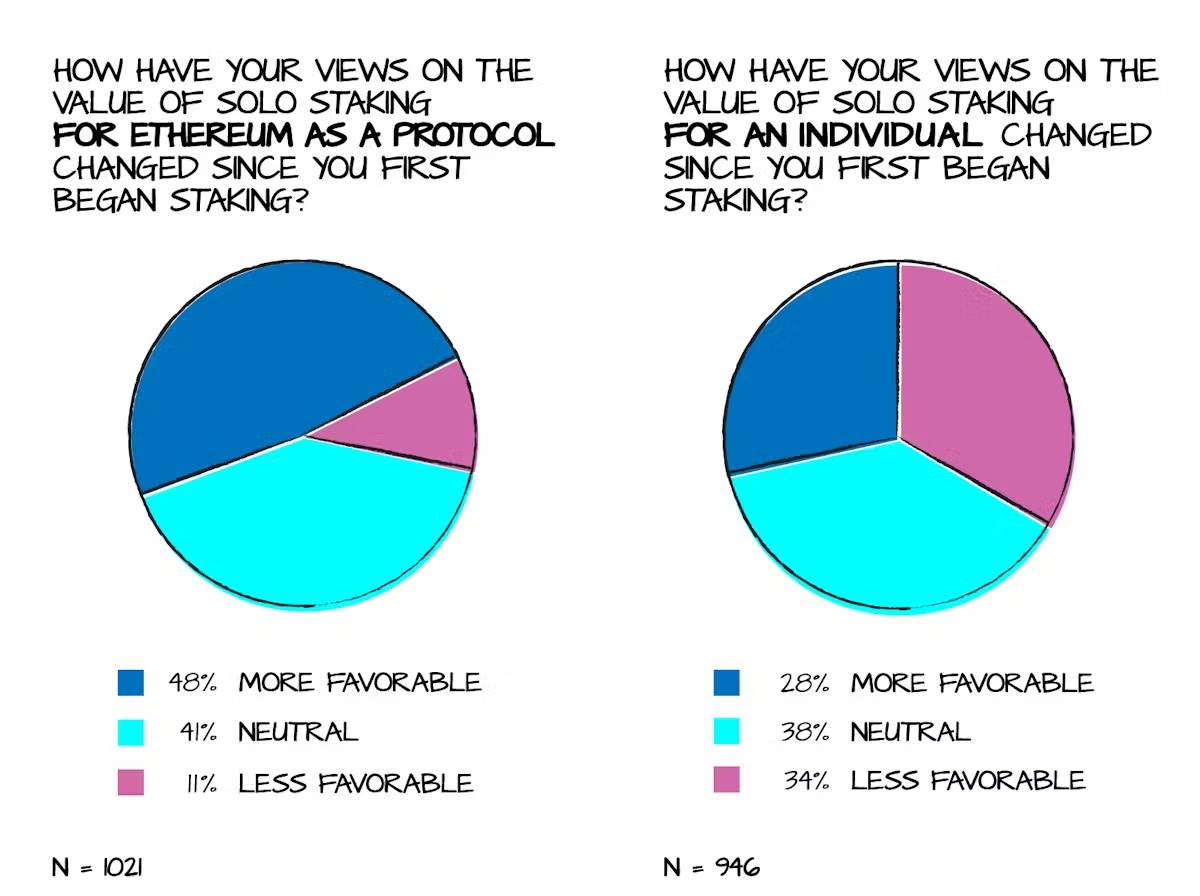
Figure 11: Value of solo staking
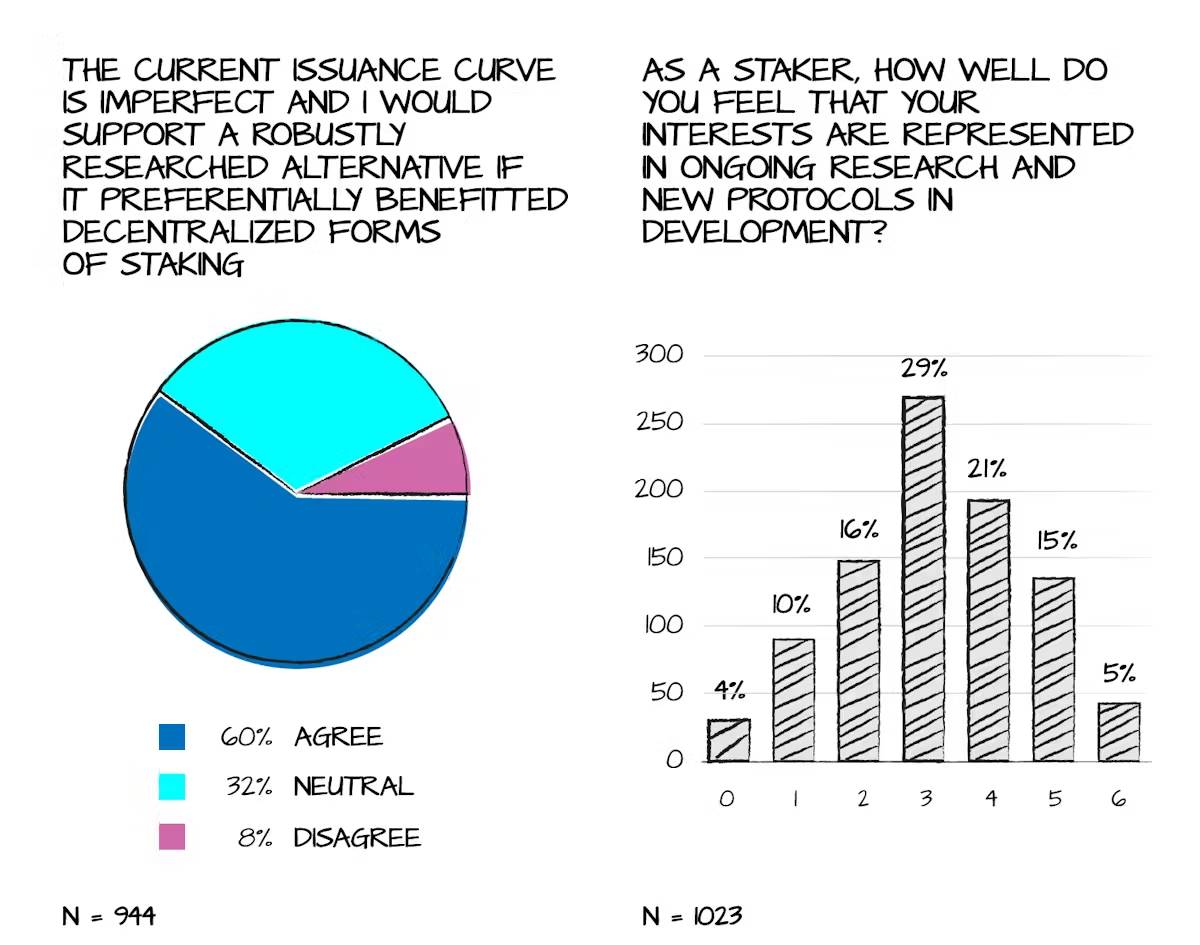
Figure 12: Issuance and representation in research
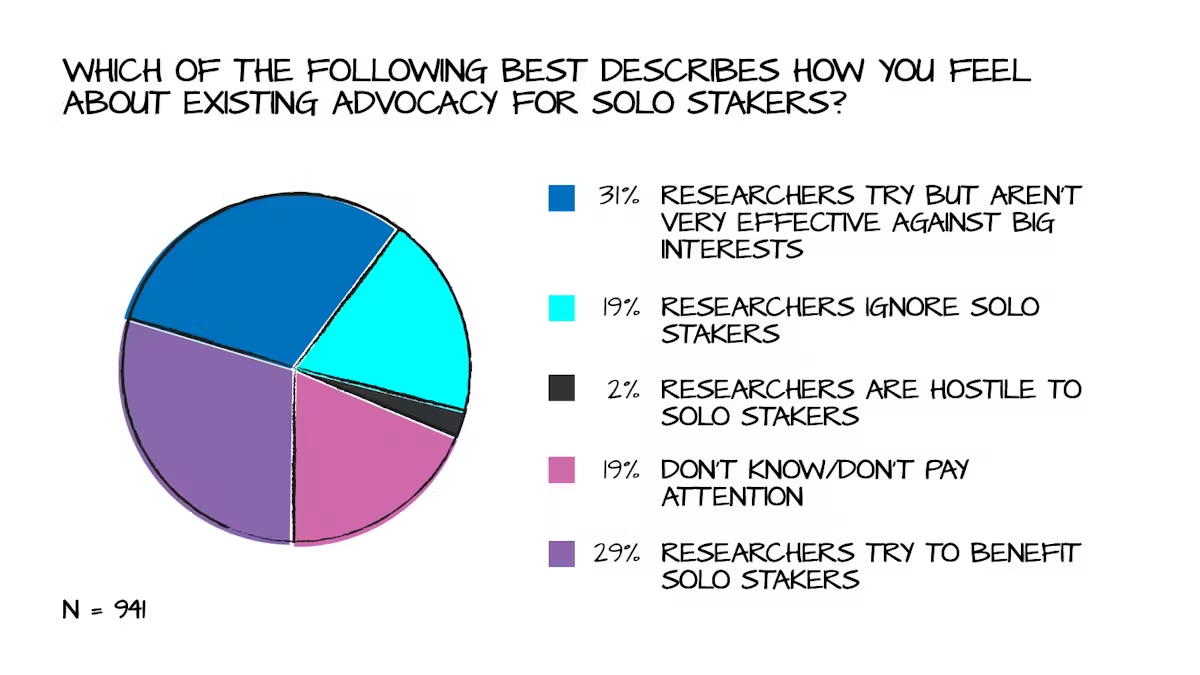
Figure 13: Advocacy for solo stakers
Continued Participation
-
Supporting the Ethereum protocol (84%) was the primary initial motivation, followed by yield (81%) ✶.
-
65% plan to continue increasing their staked amount.
-
35% plan to increase staking but intend to stop adding new stakes once certain external conditions are met.
-
31% do not plan to add new stakes.
-
62% report no plans to exit staking ✶.
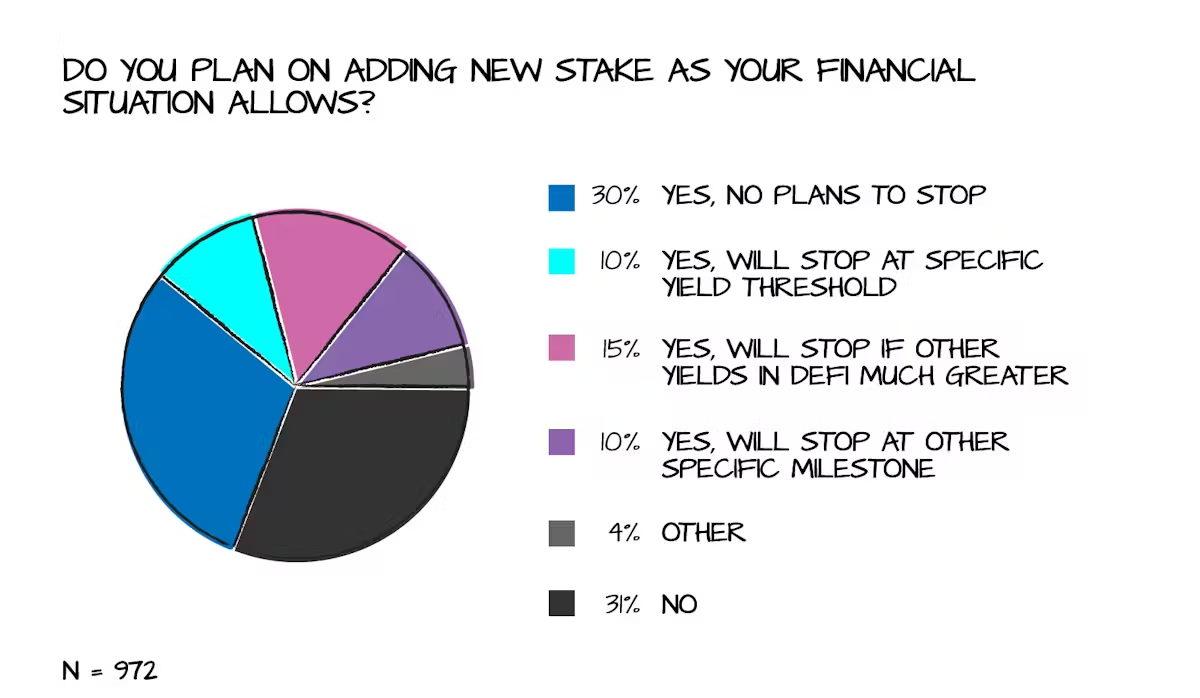
Figure 14: Do you plan to add new stakes?
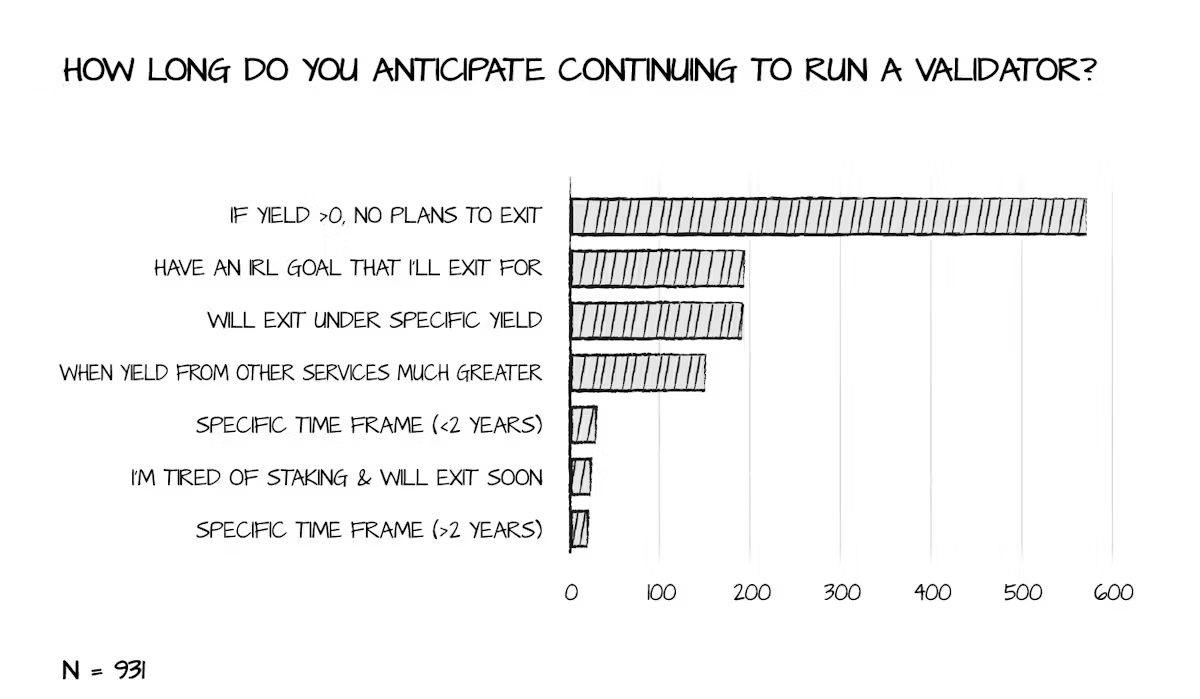
Figure 15: How long do you expect your validator to remain online?
Where do stakers learn?
-
69% cite technical guides as a primary learning source (e.g., various sites, CoinCashew, Rocket Pool docs, client documentation) ✶.
-
63% cite EthStaker as a primary source ✶.
-
53% use ethereum.org as a primary source ✶.
-
Discord, explorer notification services, Twitter and Reddit, ethresear.ch, and podcasts were most commonly reported as sources for updates and protocol research (these questions appeared conflated, so discussed together), with many specifically mentioning The Daily Gwei ✶.
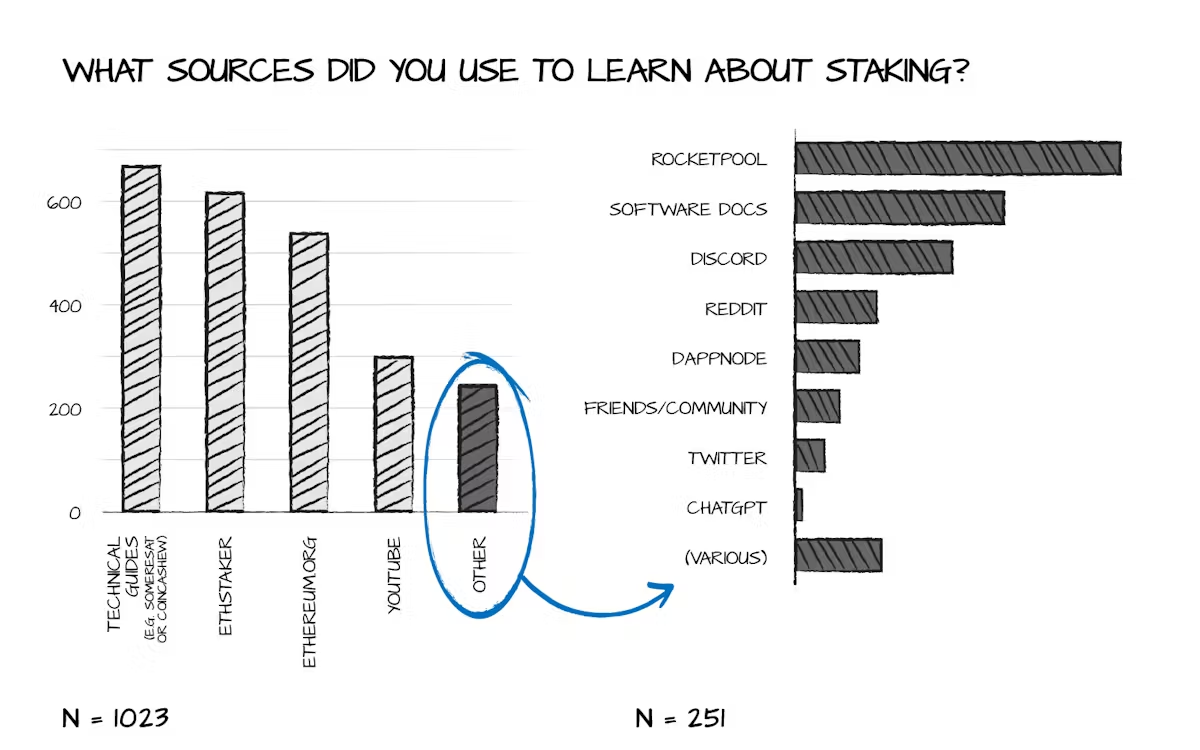
Figure 16: Where did you learn about staking?
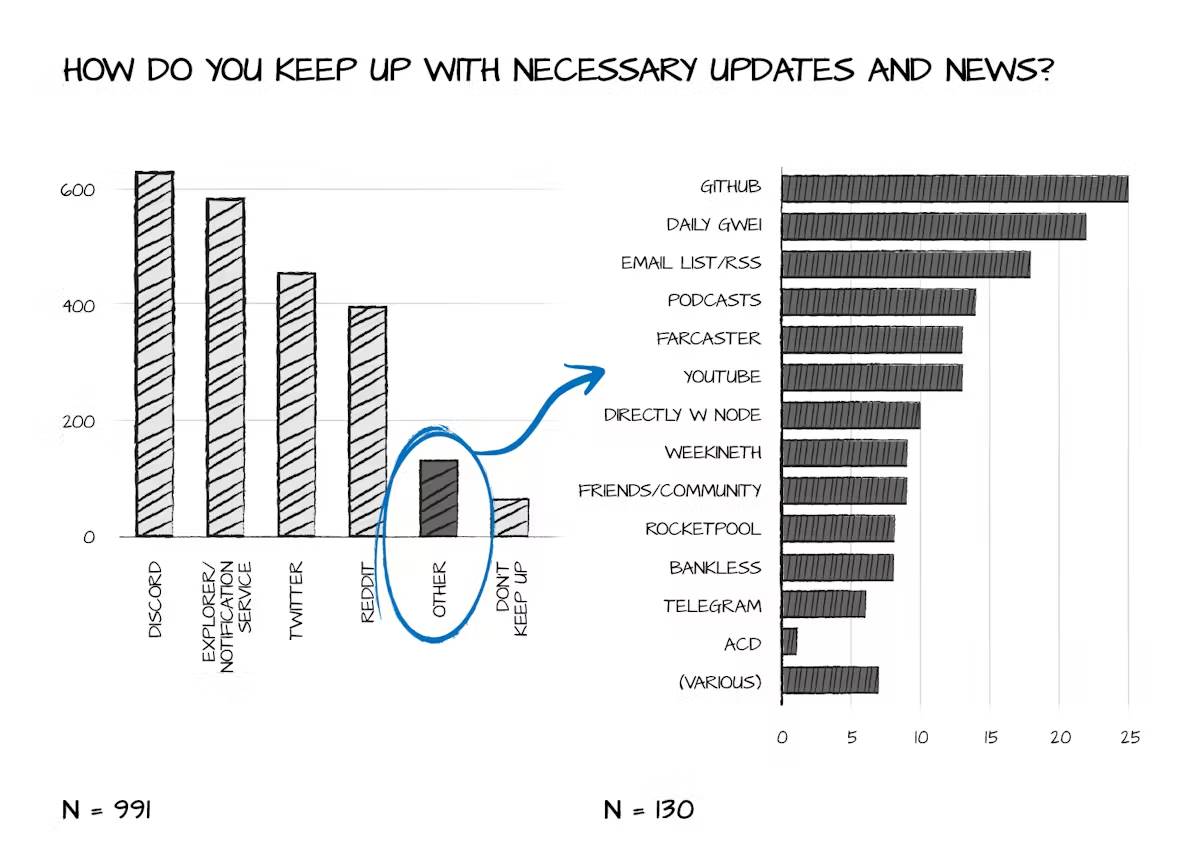
Figure 17: Where do you get updates and news?
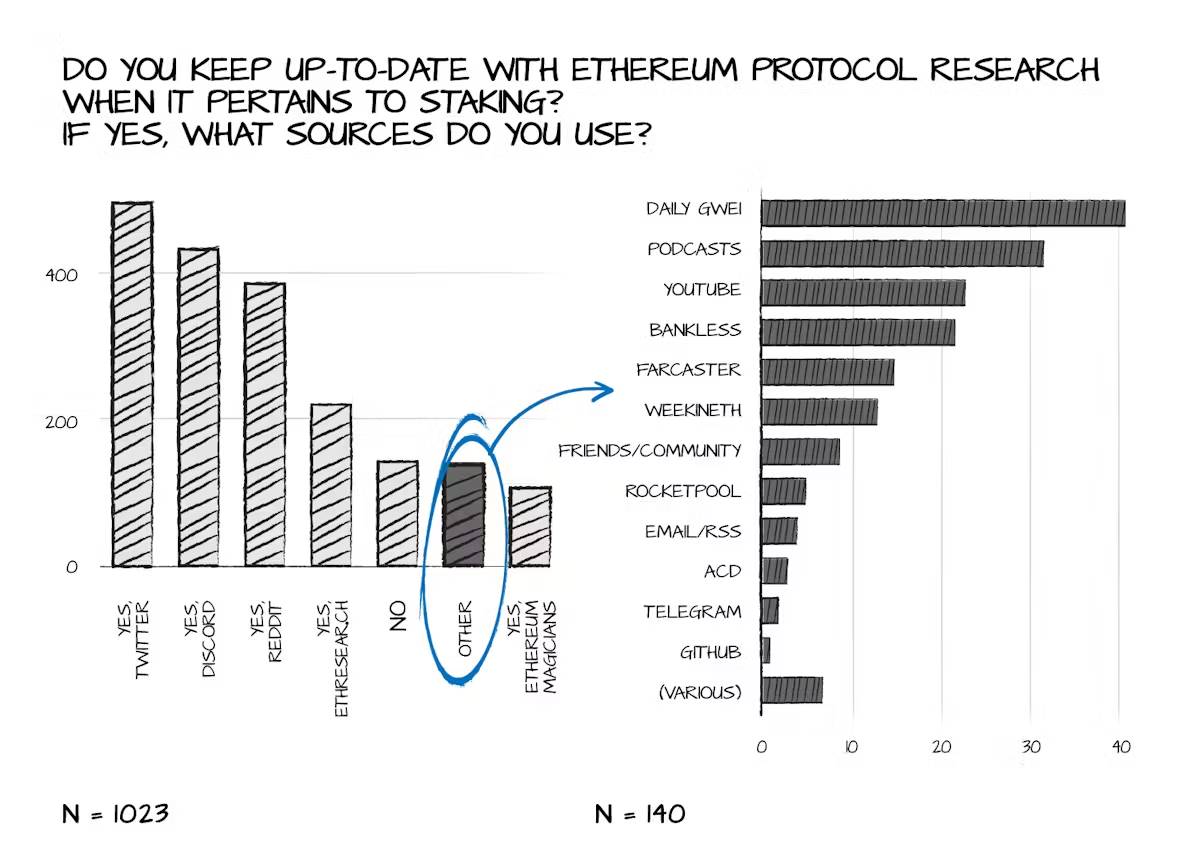
Figure 18: Where do you follow protocol research updates?
Open-ended Question: Unresolved Concerns
At the end of the survey, respondents had the opportunity to share thoughts on topics they felt were insufficiently covered. Full responses are available in raw data; here is an AI-assisted summary:
n = 204
-
Decentralization and Centralization Risks (n = 68): Many respondents expressed concern that current protocol developments could create centralizing effects and underrepresentation of solo stakers. LSTs are seen as a centralizing force reducing the appeal and feasibility of independent node operation, while restaking is viewed as a potential vector for further centralization.
-
User Experience, Technical Barriers, Hardware (n = 46): Numerous calls to simplify staking processes for non-technical users. Additional concerns included bandwidth usage, need for IPv6 support, and estate planning solutions.
-
Issuance Curve Adjustments (n = 38): Significant concern about the impact of changing the issuance curve, particularly on independent operators, though some support the research direction. Many believe declining yields will favor large centralized entities.
-
Economic and Tax Implications (n = 28): Tax policies impose a major burden on solo stakers, making solo staking economically less viable compared to holding LSTs with more favorable tax treatment.
-
MEV (n = 24): Divided opinions exist among stakers regarding MEVboost usage, with some opting out due to ethical considerations. Respondents advocate for alternative solutions and further research into MEV-related issues. MEV is perceived as a tool enabling large centralized entities to capture protocol value. Participants call for stronger measures to prevent MEV from undermining Ethereum’s decentralization.
-
Privacy Issues (n = 15): Stakers worry about exposure of operational details (e.g., IP addresses, transaction contents), compromising privacy and security. Respondents desire development and integration of privacy-preserving technologies. Some creators reportedly engage in censorship due to lack of privacy, affecting network neutrality and inclusivity.
Demographics
-
95% identify as male.
-
90% consider themselves somewhat or strongly technical.
-
74% do not work in crypto.
-
88% of staking originates from North America, Europe, or Australia.
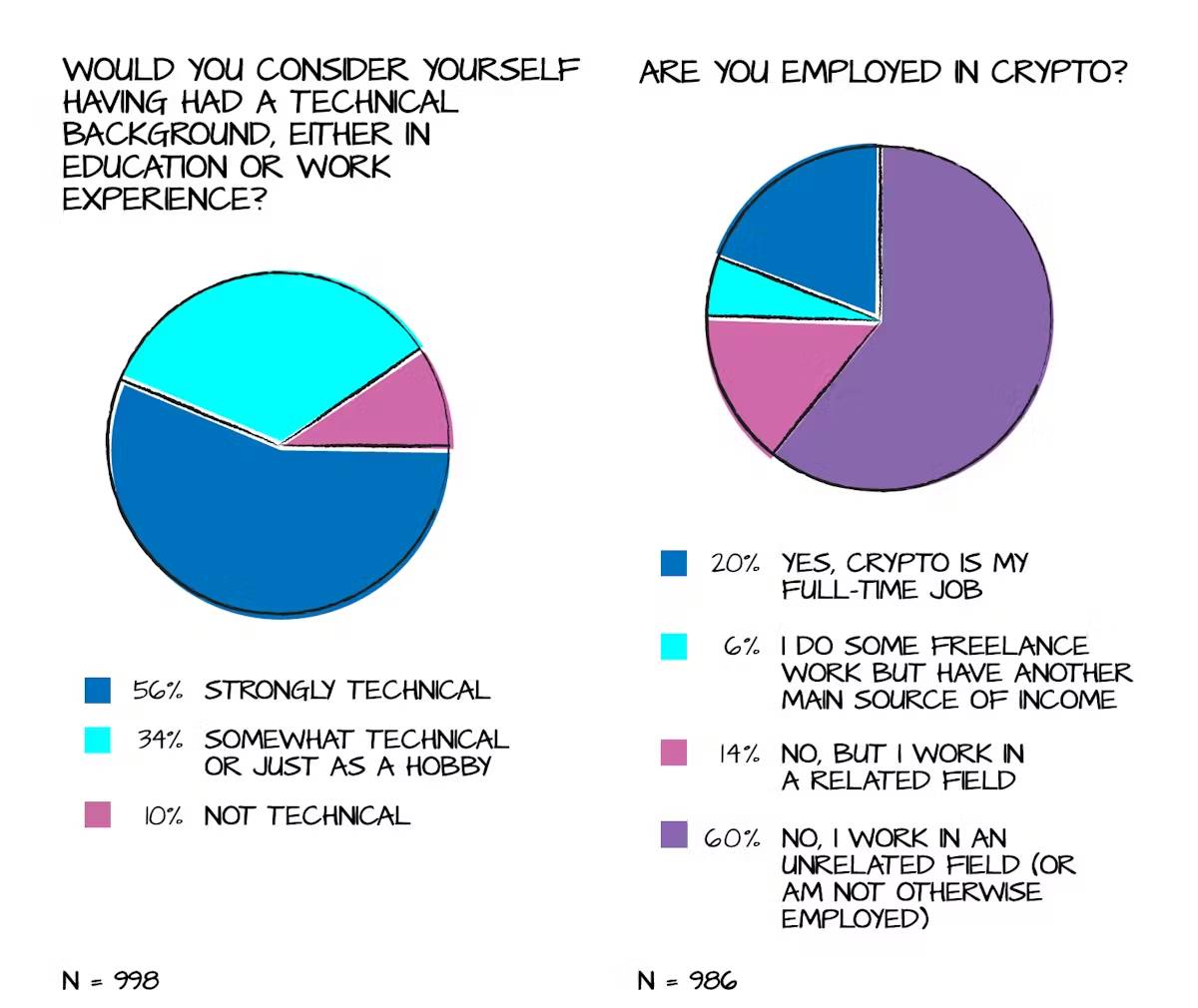
Figure 19: Technical background and employment industry
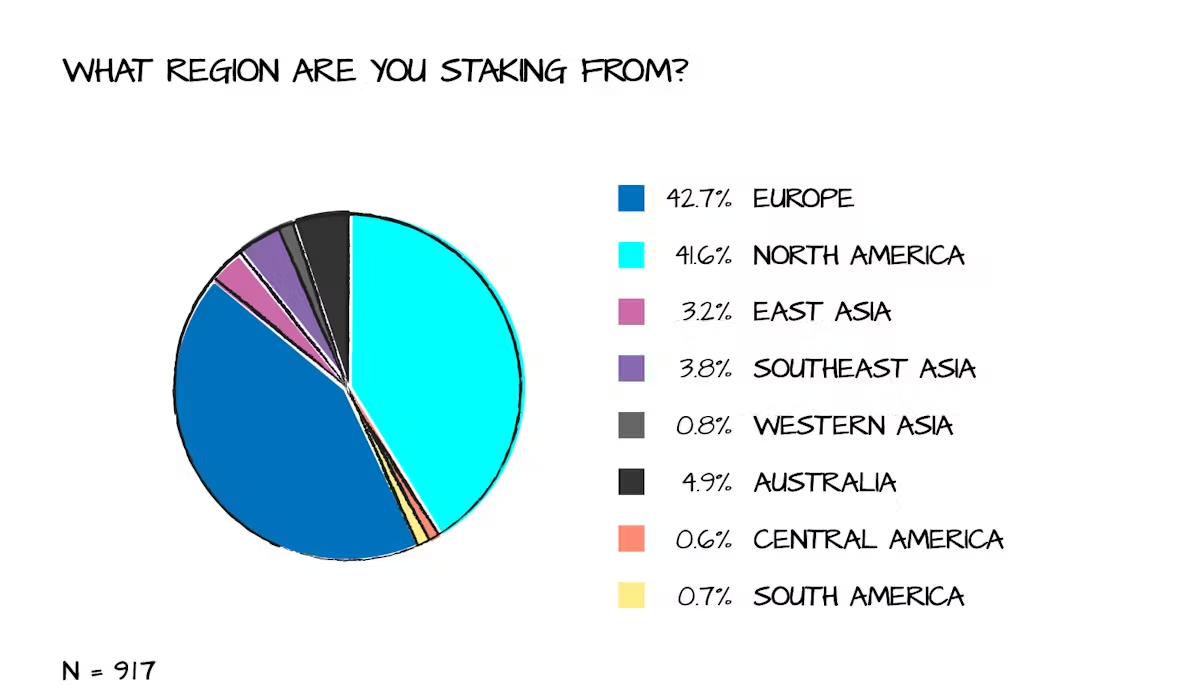
Figure 20: From which region do you stake?
Discussion
Respondent Profile
Independent operators are predominantly technically skilled individuals from North America, Europe, and Australia running Linux—results unsurprising given existing community trends. Numerousdiversityinitiatives exist across the staking community. However, little is known about how, why, or to what extent these operators run validators, as stakers often avoid sharing potentially security-relevant information.
High numbers of Genesis participants, 80% home stakers, 84% not holding significant LSTs, and 77% staking over 66% of their ETH are encouraging indicators of strong confidence and resilience among independent operators.
Proportion of Independent Operators
A recent report by StakeCat analyzed addresses identified as independent operators (methodology here) and found the proportion of such operators on the network has increased since the Merge. Survey data shows a substantial portion (32%) have been staking since the Beacon Chain Genesis event. As the survey draws from a self-selecting subset, results likely skew toward those who joined around Genesis, when EthStaker was the sole comprehensive source for staking education and support.
As more user-friendly protocols and products emerge targeting independent operators, newer stakers may interact less with general staking communities. This is positive, indicating that software, education, and support for independent operators are evolving into diverse, self-sustaining projects that may attract less technically proficient individuals.
Morale
Since the Shapella hard fork enabled withdrawals, the ETH staking slope has steadily increased, along with professional entities’ interest in delegated staking, as shown here.
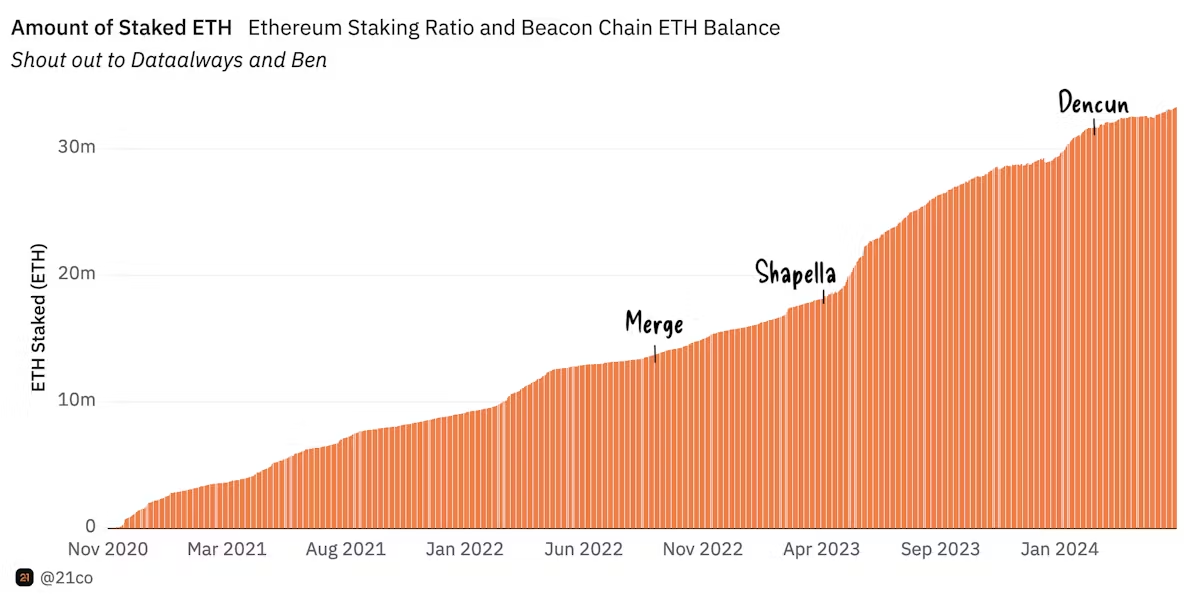
Figure 21: ETH staking over time: clear slope increase post-Shapella
Professional entities benefit from economies of scale, running hundreds or thousands of validators per node, reducing hardware costs per ETH. Independent operators typically run single or double-digit validators per node. Large entities can pool execution-layer rewards to smooth validator returns, while independent operators only recently gained access to two dedicated smoothing pools. Professional operators can earn extra income via off-protocol services requiring advanced hardware or expertise. These factors sometimes allow LST holders higher net returns than independent operators, even after fees.
Considering these dynamics, respondents express feelings of structural disempowerment. While they perceive their role in the network as equally or more valuable than before, they don’t feel similarly valued by the protocol. When asked about representation in protocol research, most respondents fall between "not represented" and "well represented," slightly leaning toward the latter. Over half believe researchers either ignore or fail to effectively advocate for solo stakers. Most support altering reward structures to address perceived inequities (though this does not imply endorsement of specific proposals).
"Stickiness" of Independent Operators
Independent operators have long been labeled "irrational actors" and "altruists," believed to exhibit more "sticky" behavior than delegated stakers. This survey cannot compare the two groups directly, but respondents clearly express intent to continue staking regardless of minor yield fluctuations or broader ecosystem changes.
While most expect to continue staking at any positive yield, 21% (n = 184) specified a concrete threshold below which they would exit, averaging 2.3% yield.
(* As anecdotal evidence, this figure should be interpreted cautiously, as some respondents indicated they currently run validators but would have unsubscribed at thresholds already passed, suggesting some may not actively monitor actual yields.)
This reluctance to exit, combined with ideological motivations ("supporting Ethereum"), is often framed as "altruism." However, inertia may cut both ways. Independent operators are less likely to unstake during minor market or issuance shifts, but equally unlikely to re-stake afterward, even if conditions improve. Thus, their exits may be more permanent than those of delegated stakers. Overreliance on altruistic motives rather than structural fairness risks eroding this cohort over time.
A series of airdrops targeting independent operators in 2023 and 2024 acknowledged the current gap in rewards and influence between solo and professional operators, and the value of retaining independent participation. While helpful short-term, such one-off incentives should not be relied upon long-term to close the gap.
Looking Ahead
Recent findings from StakeCat show strong and enduring demand for solo staking, with the ratio of independent to professional operators remaining stable or even increasing over time. Given emerging centralization pressures in current protocol design, recent research efforts aim to preserve meaningful independent operator participation. These proposals should draw heavily on insights derived directly from the motivations and concerns of independent operators—the very purpose of this survey and report, intended as a resource for brainstorming and research.
Join TechFlow official community to stay tuned
Telegram:https://t.me/TechFlowDaily
X (Twitter):https://x.com/TechFlowPost
X (Twitter) EN:https://x.com/BlockFlow_News
 @paragraph_xyz











