








How Tabi Is Reshaping the Tokenomics of Crypto Gaming by Integrating Game Theory with L1
TechFlow Selected TechFlow Selected
How Tabi Is Reshaping the Tokenomics of Crypto Gaming by Integrating Game Theory with L1
What is the core moat of L1? Is it speed, greater decentralization, or lower cost?
 Navigating Web3 tides with focused insights
Author: Xavier Lee
In 2024, crypto did not see any new structural narratives. The reason memes have thrived is largely due to a lack of market innovation—repetitive stories, repeated mechanics, and even the same recurring market players. Everyone is feeling aesthetic fatigue.
Recently, many Degen friends have been paying close attention to Tabi’s tokenomics, with endless questions arising daily within the community. I believe it's necessary to provide a comprehensive walkthrough: what we’re doing, why we’re doing it, and what problems we’re solving. I hope this article can quickly clarify these points for everyone.
1. Reference: Curve War / ve Model
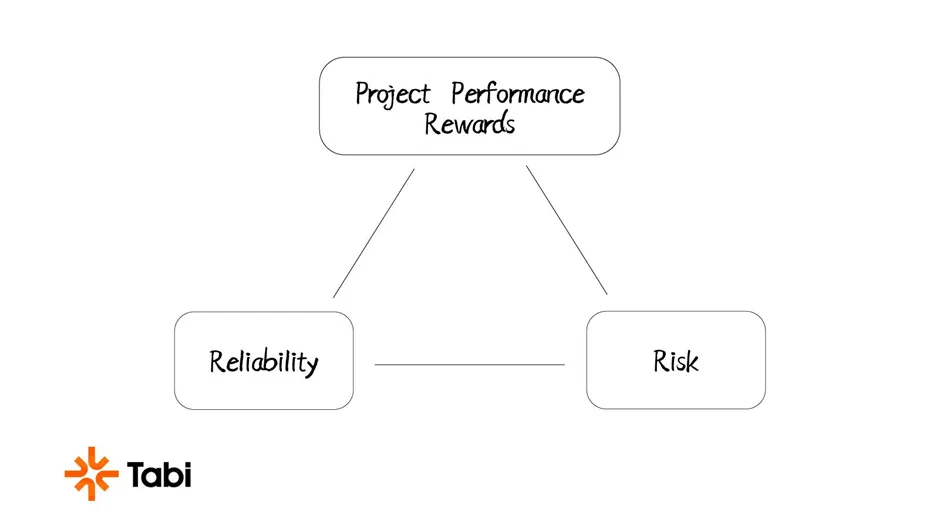
Curve, as the largest stablecoin market, uses a vote-bribery mechanism to macro-regulate supply and demand balance. Projects offer rewards to bribe users, who must vote to claim them, while also weighing the trade-off triangle between project reliability, reward APY, and risk.
Take game publishing as an example (though this applies more broadly):
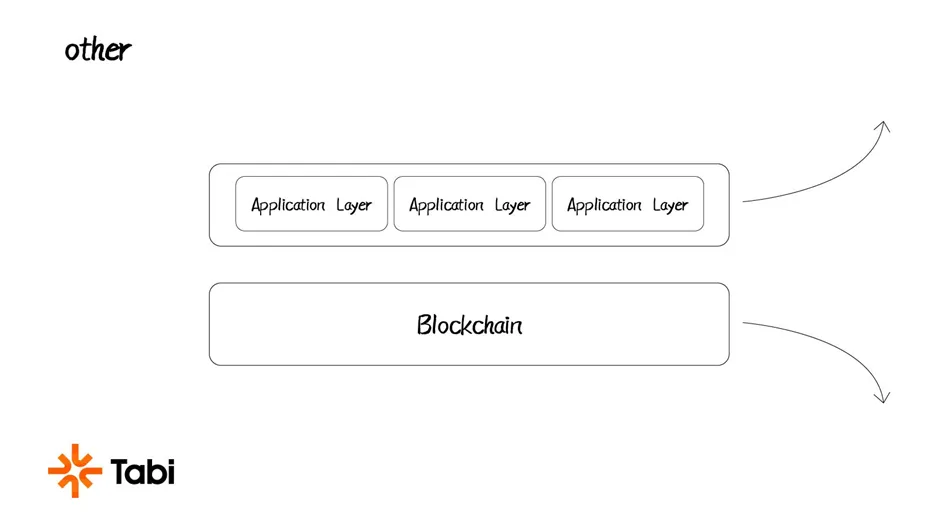
Currently, all chains and application layers are decoupled. Collaboration between games and blockchains occurs mostly at the business development level, with economic models playing little role in incentives. Official decisions on which chain receives grants are based on subjective judgment. Too many non-project-related factors come into play:
a. Relationship-based factors
The founder has a good personal relationship with a particular BD representative.
b. Subjective bias
Sam is a BD for a certain chain but is more familiar with RPGs, yet he happens to be talking to a simulation management game project (I'm a hardcore fan of sim games).
c. Scheduling conflicts
“We’ve already launched too many similar products recently”—a common excuse across industries.
In short, there's a shared characteristic: their decisions have no direct link to the community. Yet, it's undeniable that in gaming, countless great titles start obscure—*Stardew Valley*, *Kenshi*, or recently viral hits like *Palworld*. These examples prove that the community should come first.
So what will we do?
We are introducing the “Curve War” mechanism to Tabichain for the first time ever. Before launching, games must publicly introduce themselves and declare what rewards they’ll offer the community. $veTabi holders then vote on projects, balancing the same triangle mentioned earlier: project quality, reward, and risk. Projects ranking highest gain community support and receive $veTabi emissions—which, in effect, function as grants.
But the key point is: this isn’t decided by the official team—it’s decided by the community.
What are the benefits?
a. Chain and application layer coupling
True bottom-up support from infrastructure to applications, with apps reciprocally strengthening the base layer.
b. Cost reduction and efficiency improvement
Imagine a chain with a 300-person team, 70% being BD staff. Each pair handles one game studio through multiple meetings. We won’t dive deep, but such teams may spend $15–20 million annually on salaries alone—inefficient and ineffective.
c. Decentralization of power
The community decides who gets support. Everything happens on-chain. Projects gain legitimacy through community approval—even without knowing the core team.
d. True user acquisition
Current Web3 gaming task platforms don’t bring real traffic. Most engagement stays on social media—they aren’t genuine users.
e. High moat via super flywheel
Regarding point b, here’s my take on Pdd vs Alibaba. Bottom line: Pdd delivers a dimensional strike against other e-commerce platforms—meaning it aims to eliminate you, rendering your efforts nearly meaningless.
Alibaba manages 10 million SKUs with 100,000 people. How can they manage 50 million SKUs? Through customer service reps managing merchants who profit from markups. So Alibaba prioritizes variety over efficiency. While vastly superior to traditional retail, the only reason Taobao succeeded early was low prices—and nothing else.
How does Pdd differ?
Pdd doesn’t aim for 10 million SKUs from day one. It starts with just 1,000. But those must be extremely cheap. How?
Pdd hires 10,000 people dedicated solely to squeezing every cent out of those 1,000 SKUs. With fewer SKUs, Pdd deals directly with manufacturers. These 10,000 people scour the globe for supply chain advantages, turning each product into a breakout hit. By concentrating all traffic on 1,000 SKUs, volume per SKU becomes massive—some suppliers even accept losses to partner with Pdd (reasons omitted here).
Back to our case: we believe we truly reduce costs while boosting efficiency, decentralize authority, and genuinely practice Mao Zedong’s principle: “From the people, to the people.”
2. Reference: Dutch Auction & POW Pricing Model
We must mention Gala, the pioneer of node sales. Their model is simple: early participants pay less; later ones pay increasingly more. Latecomers are almost guaranteed to lose money. Reportedly, Gala raised around $500 million from node sales (exact figure uncertain due to age). But remember: this was a 2020-era model.
In 2024, following Xai and Aethir, numerous node sales have emerged—all using essentially the same outdated approach. That users still participate shows market irrationality. Recent trends indicate this model is now extremely weak. I don’t think it’s because the market lacks funds, but rather that it’s tired of repetitive themes.
So how does Tabi do it differently?
We reference the Dutch auction and POW pricing models. I’ve been involved with BTC since 2013 and participated in mining. Whenever a new generation of miners arrives, its superior hash power overwhelms older models. If you don’t upgrade, you get被淘汰. Thus, whenever new miners launch, hash power is in high demand. Buyers willingly pay above MSRP because they capture greater mining rewards—clearly, market supply-demand dynamics prevail, independent of subjective desires.
Drawing from POW miner economics, I believe this better aligns with market principles—not rewarding early buyers disproportionately while punishing late ones. Today’s users have been educated through multiple market cycles. This old model no longer fits. Moreover, I see the original model as inherently selfish—exploiting FOMO psychology without delivering real value.
Core logic of our model:
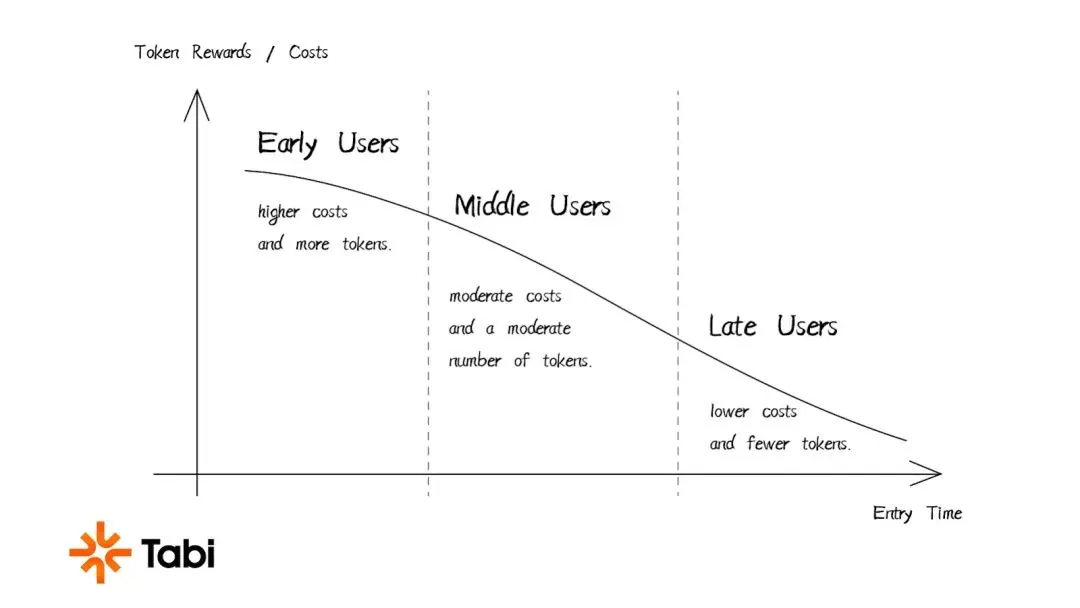
- Early entrants = higher cost paid = more tokens received
- Mid-stage entrants = medium cost = medium token allocation
- Late entrants = lower cost = fewer tokens received
Upon closer inspection, you’ll find balance and game theory embedded throughout—no one side is absolutely disadvantaged.
3. Original NODE Tier System
All existing nodes—Gala, Xai, etc.—differ only in price, not in computational power. This is highly unreasonable. Remember: users grow smarter over time. They’re not fools. If you still treat them as such today, you’re the fool.
Why introduce tiers?
Under models like Gala and Xai, an unsolvable issue arises: early users enjoy massive cost advantages, leading inevitably to “mine, sell, exit” behavior until no one remains incentivized to buy. Recently launched node projects show no real thought given to this: who will buy later nodes, and why would they?
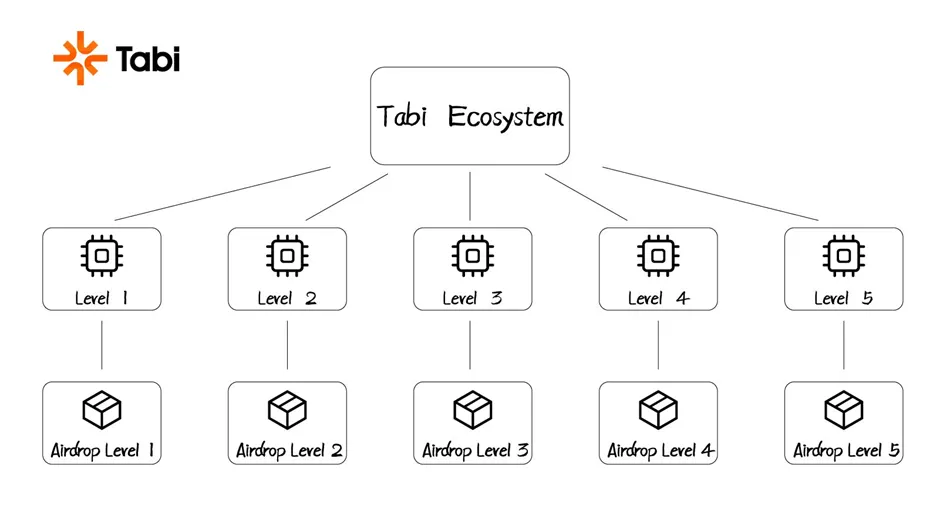
Tabi’s node tiers are divided into five levels. Each new tier offers certain advantages over previous ones. Additionally, new projects in the Tabi ecosystem can distribute airdrops tailored to different user tiers.
But that’s not the main point. Most importantly: Tabi nodes are upgradable!
As previously mentioned, users earn veTabi by participating in Tabi nodes and voting for rewards. But this doesn’t solve the core question: why should users engage with ecosystem projects?
Because engaging with ecosystem projects allows node upgrades. This truly brings users into the ecosystem, achieving genuine integration between chain and application layers.
Using games as an example, the user journey looks like this:
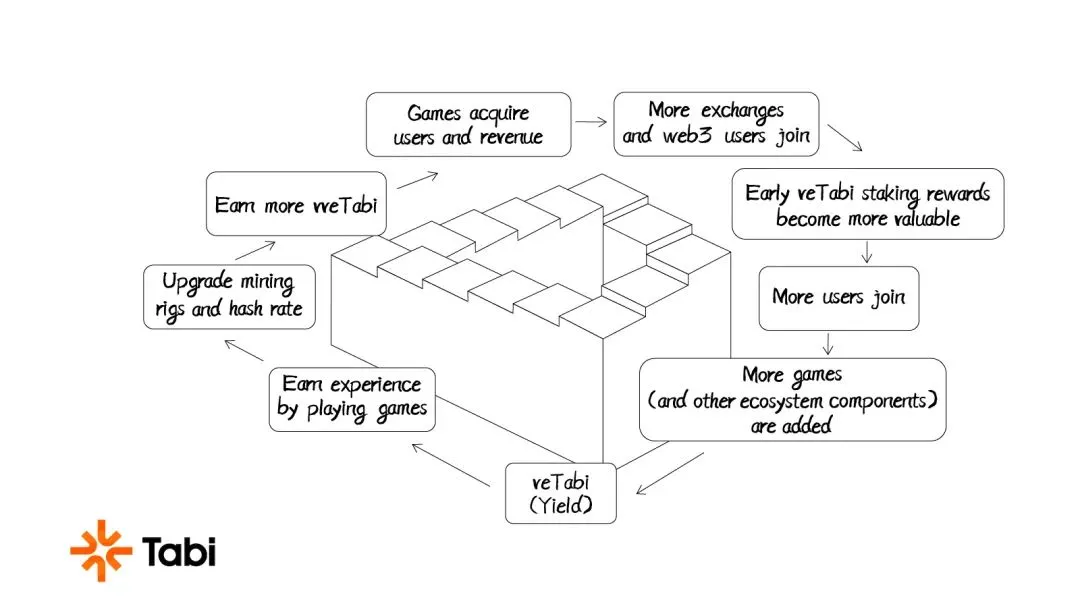
To earn more veTabi (rewards) → Play games to gain experience → Upgrade node tier and compute power → Earn more veTabi → Games acquire users and revenue → Exchanges and more Web3 users join → Early veTabi voting reward assets become more valuable → More users join → More games (and other ecosystem projects) emerge → Creating absolute dominance. This flywheel strengthens Tabi’s influence in game publishing.
4. Reference: Canto
Currently, most Layer1s extract value from all application layers. Note: all L1 revenue comes from users within the ecosystem. However, user interactions happen primarily with applications, not the chain itself.
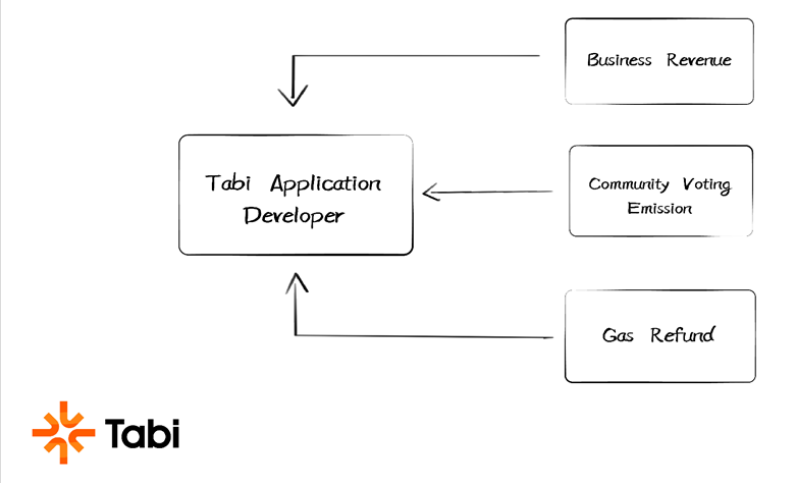
Following Canto’s example, Tabi shares gas fee revenue with application developers. Thus, building on Tabi offers richer income streams: business revenue + community voting emissions + gas rebates.
5. Symbiotic Relationship
In most games, 80% of revenue comes from 20% of players—these whales are what every game seeks. As noted earlier, Tabi’s node system features an upgradeable tier model, amounting to 200,000 potential node holders.
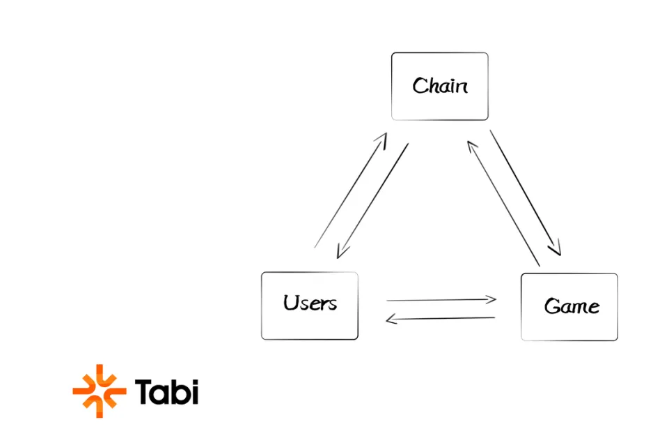
Tabi encourages game developers to offer tailored rewards to node holders of different tiers. This effectively makes early asset holders the whale community. Only through such alignment can sustainable bonds form between developers and the community.
Furthermore, based on this tokenomics, we will guide ecosystem developers to build protocols akin to Convex. We’re also incubating Mundus, a key infrastructure on Tabichain—similar to Roblox, acting as a middleware layer enabling users to rapidly build mini-games, forming a UGC developer community.
I often ask: what is the core moat of an L1? Is it speed? Decentralization? Low cost?
A thousand people see a thousand Hamlets—there’s no absolute answer. From a developer commercialization perspective, we focus on maximizing business possibilities. PolyVM (link) is especially friendly to Web2 developers, lowering entry barriers.
Allow me to be subjective: we prioritize developers above all. We’ve deeply considered commercial viability—from revenue structures to user journey design—and technologically prepared thoroughly for future mass adoption.
Join TechFlow official community to stay tuned
Telegram:https://t.me/TechFlowDaily
X (Twitter):https://x.com/TechFlowPost
X (Twitter) EN:https://x.com/BlockFlow_News
 @CryptoXavierLee






