Overview of 2024 Play-to-Earn Web3 Gaming Trends
TechFlow Selected TechFlow Selected
Overview of 2024 Play-to-Earn Web3 Gaming Trends
The rise of Web3 technology is driving the gaming industry toward earning rewards and creating real value.
 Navigating Web3 tides with focused insights
By: Ali Asef
Translation: Baishuo Blockchain
With the emergence of Web3 technology, the gaming industry is undergoing a paradigm shift. Games leveraging blockchain components such as NFTs and ERC20 tokens are revolutionizing the gaming experience, offering players new opportunities to earn real value through gameplay. This article explores the requirements for creating a Web3-based play-to-earn game, the underlying concepts involved, and the latest trends in this rapidly evolving field.
1. The Concept of Play-to-Earn Web3 Games
Play-to-earn Web3 games allow players to earn real-world value in the form of cryptocurrency, tokens, or NFTs while playing. These games leverage blockchain technology to enable true ownership of in-game assets, allowing players to buy, sell, and trade digital items on decentralized marketplaces. Players can earn rewards through various in-game activities such as completing quests, battling opponents, or participating in community events.
If you're interested in building metaverse games, we highly recommend reading our two previous articles on this topic: [Part 1] [Part 2]
Additionally, if you’re interested in statistics about Web3 game development, you can read this article: 4 Reasons Proving That Web3 Gaming Is Not Dead.
2. The Key Role of Game Economics and Tokenomics
The success of Web3 play-to-earn games depends on a well-designed financial ecosystem incorporating principles from game economics, decentralized finance (DeFi), and tokenomics. Game economics provides the foundation for understanding how value is created and exchanged within the game. DeFi introduces mechanisms like staking and liquidity mining, enabling players to earn passive income. Tokenomics—the study of token supply and demand—is critical to maintaining economic balance within the game, ensuring reward sustainability and healthy in-game economic growth.
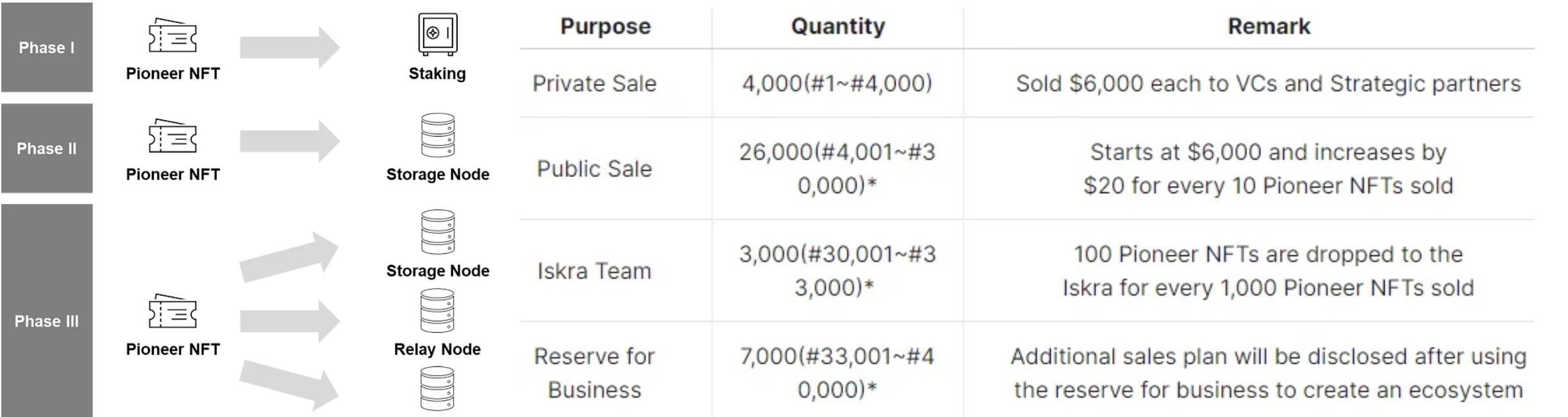
An example of NFT distribution and game economics in the Iskra project (currently the top-ranked game by trading volume).
3. Web3 Concepts in Play-to-Earn Games
Web3-based play-to-earn games utilize various Web3 concepts and technologies to create engaging and rewarding gameplay experiences:
-
ERC20 Tokens: Many Web3 games use ERC20 tokens as their native currency. These tokens serve multiple purposes, including purchasing in-game assets, rewarding players, and facilitating transactions within the game ecosystem.
-
Non-Fungible Tokens (NFTs): NFTs are unique digital assets representing ownership of virtual in-game items. These may include character skins, weapons, land, or any collectible item. NFTs can be traded on dedicated NFT marketplaces, allowing players to buy, sell, or exchange their virtual assets.
-
NFT Markets: Web3 games often integrate with or partner alongside NFT marketplaces to enable players to buy, sell, or trade their NFTs. These markets leverage blockchain technology to ensure secure and transparent transactions.
-
Staking and Liquidity Mining: Many Web3 games incorporate DeFi concepts such as staking and liquidity mining. Players can lock up tokens or NFTs in smart contracts to earn rewards, participate in governance decisions, or contribute to the game’s ecosystem.
-
Decentralized Autonomous Organizations (DAOs): Some Web3 games are governed by DAOs—decentralized organizations operated by community members. Players can take part in decision-making processes and help shape the future of the game through voting mechanisms.
-
Interoperability: Web3 games often pursue interoperability, enabling assets and tokens to move across different blockchain ecosystems. This allows players to use their assets across multiple games or metaverses, expanding earning and trading opportunities.
4. Latest Trends in Web3 Gaming
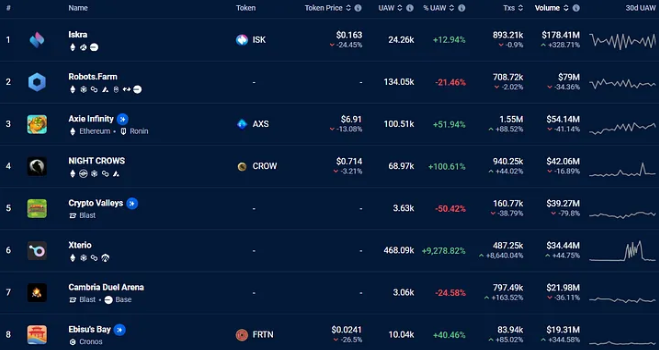
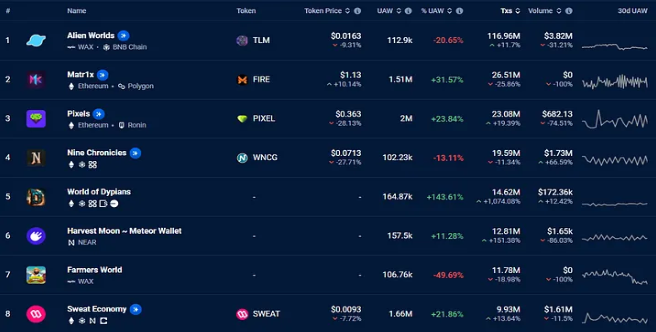
The Web3 gaming space is dynamic, with trends shifting rapidly. Interestingly, many high-profile games from the 2022 metaverse hype cycle—such as Axie, Decentraland, Sandbox, and Star Atlas—are no longer dominant in current rankings. Instead, newer games featuring innovative ideas and backed by significant venture capital investments are racing to attract fresh Web3 users.
Below is a list of top games ranked by the number of active wallets over the past month, based on DappRadar statistics.
Here is the list of popular games ranked by trading volume.
Here is the list of popular games ranked by transaction count.
5. Conclusion
The rise of play-to-earn Web3 games represents a paradigm shift in the gaming industry, offering players new ways to earn real value from gameplay. By integrating blockchain technology, DeFi concepts, and tokenomic models, developers can build engaging and sustainable in-game economies. As trends in the Web3 gaming space continue to evolve at a rapid pace, staying ahead requires expertise and innovation.
Join TechFlow official community to stay tuned
Telegram:https://t.me/TechFlowDaily
X (Twitter):https://x.com/TechFlowPost
X (Twitter) EN:https://x.com/BlockFlow_News
 @BitiumAgency