









Supply concentrated, L1 undervalued, TON poised to become the next major crypto event
TechFlow Selected TechFlow Selected
Supply concentrated, L1 undervalued, TON poised to become the next major crypto event
In the long run, comparing TON to BNB with a $9 billion market cap is a reasonable and realistic goal.
 Navigating Web3 tides with focused insights
Author: Potato's Thoughts
Compiled by: TechFlow
Compared to some long-standing participants, my involvement in DeFi/crypto has been relatively short—roughly two years. During this time, due to the volatility of DeFi and the broader cryptocurrency market, I feel as though I've aged fifty years. But I believe I’ve seen it all: chaos, gambling, leverage, battles with adversaries during rallies, frustration, devastating drawdowns during downturns, liquidations, bitter schadenfreude, and cold-blooded rug pulls/exploits. That’s why I think I’m well-suited to publish this traditional finance-style memo discussing a cryptocurrency that might interest certain fund managers while also appealing to retail investors eager to make their mark. I hope to continue producing more content like this and conduct some standalone quantitative analyses, provided that:
1) The crypto alternative markets remain interesting, and more importantly:
2) I notice disproportionate Twitter coverage around a specific project/play, as it has done for TON and its ecosystem.
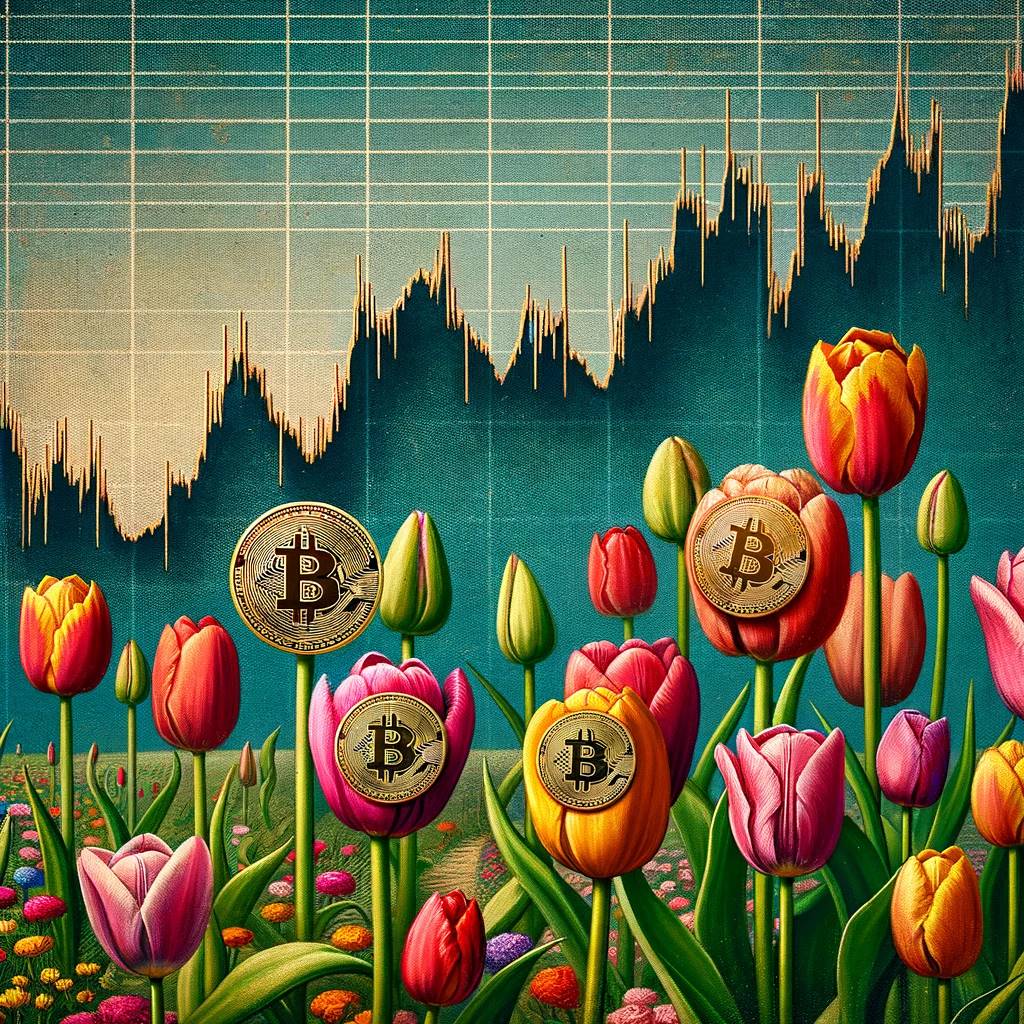
Crypto: the Wild West of financial markets. Too risky to ignore.
This article focuses on TON—the Open Network—and is essentially a synthesis from multiple sources covering various aspects of the blockchain project, including its history, current supply-demand dynamics, unique tokenomics, and more, supplemented with my own views. This memo was written on April 29, one week before the headline news broke about Pantera purchasing locked TON tokens at an undisclosed price—marking their largest investment to date. Although this development does signal that the asset is no longer entirely “undervalued,” none of the analysis herein has changed as a result.
Executive Summary
TON is a proof-of-stake blockchain indirectly backed by Telegram Inc. through the TON Foundation. It achieves horizontal scalability via an architecture called infinite dynamic sharding, achieving over 100k tps in test environments (compared to Solana’s 60k). Given the following points, we believe the chain’s native token is currently undervalued:
-
Concentrated supply and scarcity value as a relatively lesser-held L1
-
Clear market entry strategy and superior distribution channels
-
Significant headroom for new growth given current KPIs
-
Crypto-specific catalytic factors
Overview of TON
History of TON
Originally known as Telegram Open Network, TON traces its origins back to 2018 when Telegram’s founding brothers, Pavel and Nikolai Durov, began exploring blockchain solutions for Telegram Messenger. That year, they raised a total of $1.7 billion in a private ICO for TON tokens, followed by the release of the TON whitepaper and the launch of the first TON testnet in spring 2019. After a series of regulatory challenges, Telegram was sued by the SEC in October 2019 for conducting an unregistered securities offering. Ultimately, Telegram agreed to return funds to investors and paid an $18.5 million settlement penalty in May 2020.
Although the official Telegram team ostensibly halted development of the chain, a new group of developers coalesced under the name NewTON (later renamed the TON Foundation), continuing development in earnest while staying faithful to the design principles laid out in the whitepaper—particularly its “blockchain of blockchains” structure. Starting in 2020, all available TON coins were mineable via a "Giver" smart contract using a proof-of-work (PoW) system, with CPU mining lasting from 2020 to 2022. While this distribution method aimed to promote decentralization and fairness, research clearly shows that the majority of the supply was mined within just two months (July–August 2020) by insiders or addresses affiliated with the TON Foundation—248 closely related addresses mined 85% of the total supply.
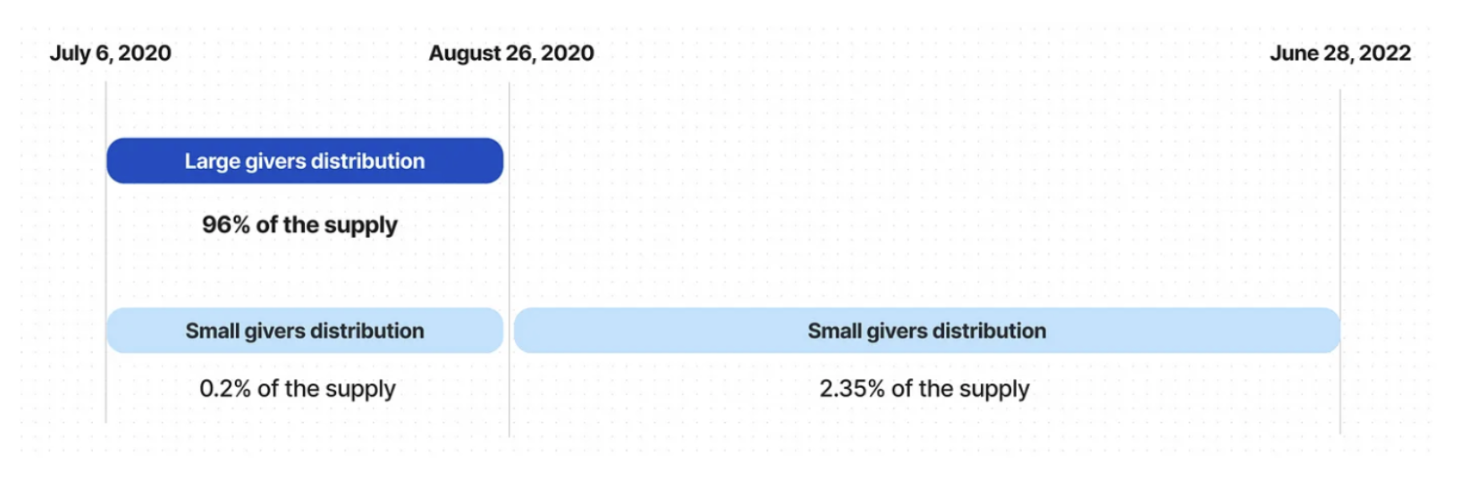
Token allocation by Giver smart contract type
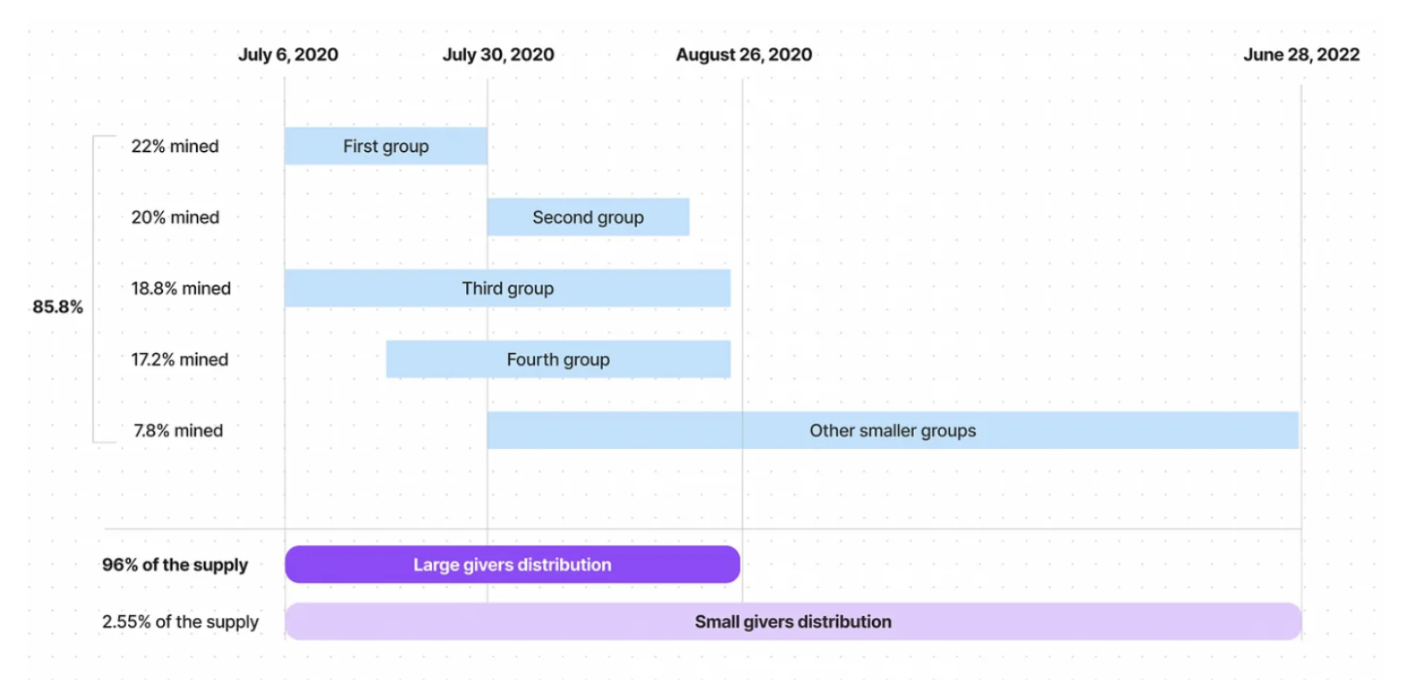
Large miner groups categorized by mining duration
The TON Foundation has played a crucial role in shaping TON token prices to date and remains vital to the project’s success. Since inception, its funding has come primarily from grants derived from early mining efforts and, more recently, from locked OTC sales to professional investors. To strengthen its strategic direction, the TON Foundation announced a partnership with Telegram in September 2023, led by core team member Anatoliy Makosov. This collaboration marks a pivotal step in TON’s ongoing evolution and positioning within the broader crypto landscape, reinforcing the bullish case for TON by providing a coherent, centralized driving force capable of effectively influencing and elevating the token’s price.
Current Ecosystem of TON
Today, TON consists of four main components: TON Blockchain, TON Payments, TON Proxy, and TON Storage (decentralized storage). The TON Blockchain is a general-purpose blockchain featuring a standard execution layer that allows permissionless transactions. TON Payments is a low-fee micropayments platform enabling instant, fast peer-to-peer payments. It is currently accessible via the @wallet bot on Telegram, benefiting from in-app convenience. TON Storage enables file storage and distribution on TON, functioning similarly to a decentralized Dropbox. Finally, TON Proxy ensures censorship resistance by allowing users to run .ton websites independent of fixed IPs or centralized domains. All four components have rich roadmaps ensuring future cross-compatibility and connectivity.
Due to coordinated efforts by the TON Foundation, Telegram, and partners, on-chain activity has exploded in recent weeks. Most notably, in April, Tether announced direct integration within TON, enabling native minting and redemption—opening possibilities for deep DEX liquidity and further capital inflows. The TON Foundation is also running various liquidity mining incentive programs, including approximately 11 million TON (~$50 million) reserved for DeFi liquidity providers. Beyond DeFi-specific incentives, the foundation is running broader on-chain incentive campaigns totaling over 30 million TON. As a result, TON-denominated Total Value Locked (TVL) surged explosively in April 2024 to $30 million, a sixfold increase from the beginning of the year. We note, however, that DeFi TVL tends to be opportunistic; once rewards end in June 2024, some capital may exit.
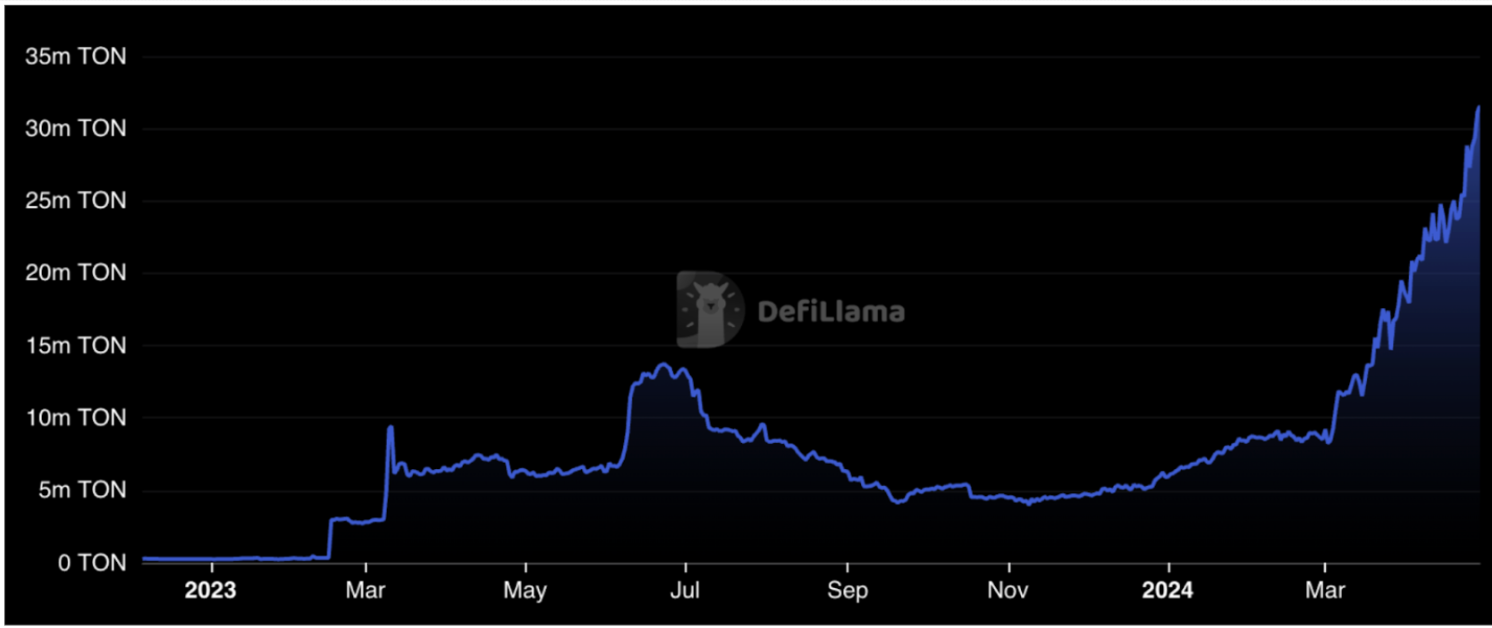 Significant growth in DeFi TVL since incentive announcement
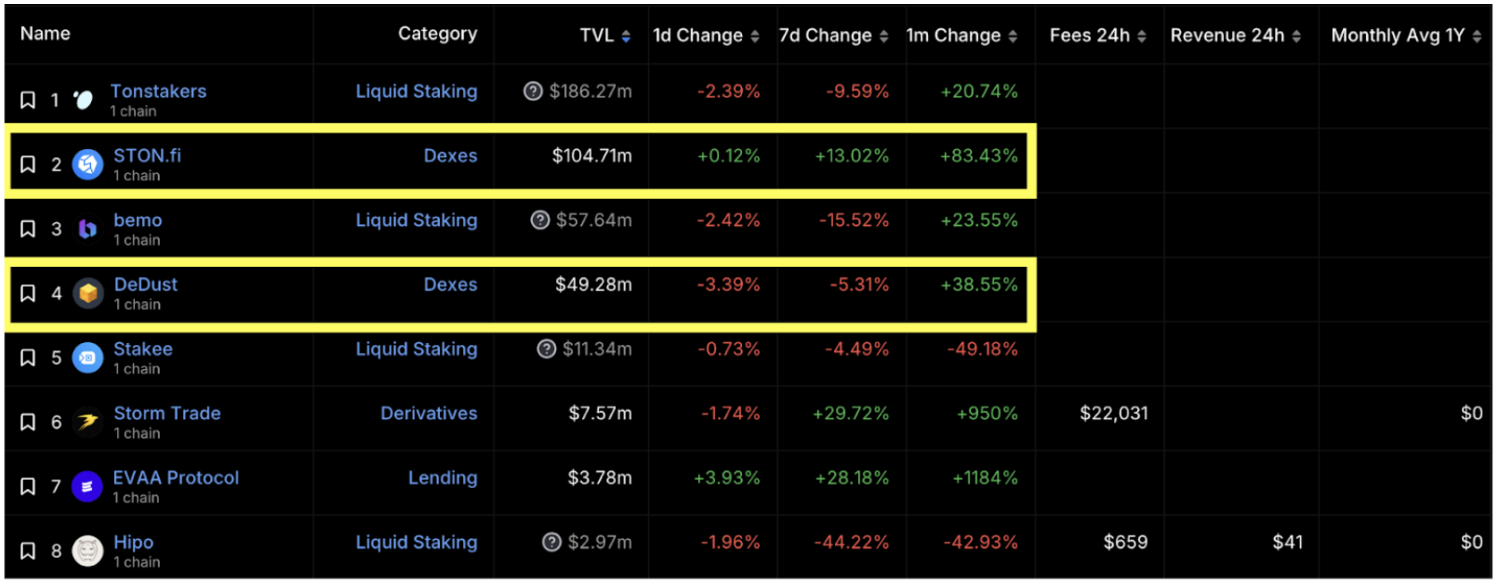
Dedust and StonFi represent the largest share (>90%) of TVL on TON
Given that DeFi liquidity mining is ultimately a solved game, having been iterated multiple times across past alt-L1s, we believe the real value of these incentives lies in how Telegram can use other orthogonal and niche methods to encourage app users to interact with TON. Current incentive programs reward projects through viral mechanics such as NotCoin—a simple yet addictive clicker app boasting over 3.5 million daily active users. These are followed by rewards for completing in-app tasks (like minting NFTs and DNS names), culminating in liquidity mining on TON’s largest decentralized exchanges (DEXs). The ultimate goal here is to leverage TON’s existing distribution channels to gradually introduce and familiarize Telegram’s established user base with on-chain ‘workflows’.
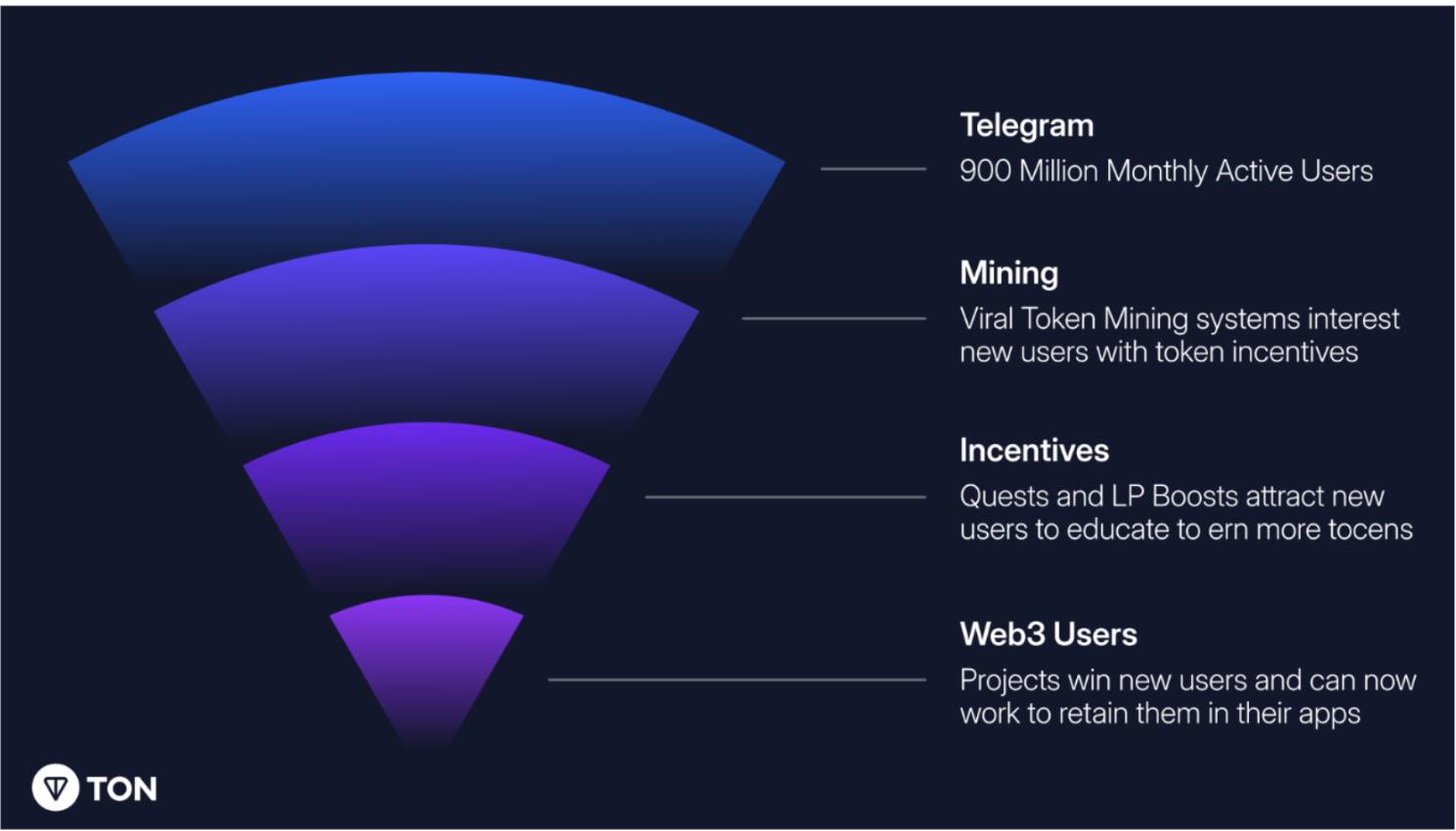
The OpenLeague Incentive Program aims to attract and retain sticky on-chain TON users
Driven by TON’s incentive mechanisms, blockchain activity has grown significantly across all metrics:
-
Transaction volume increased tenfold: Since March 2024, transaction volume has risen from 200,000 per day last year to between 2 million and 4 million per day.
-
On-chain activated wallets increased 3.6x: From 600,000 addresses in January 2024 to 3.5 million by end-April.
-
Daily Active Wallets (DAWs) now in six figures: DAWs are now around 160,000, up significantly from 30,000 at the start of the year.
-
TON daily fees range between $50K–$250K: Half of TON’s fees are burned.
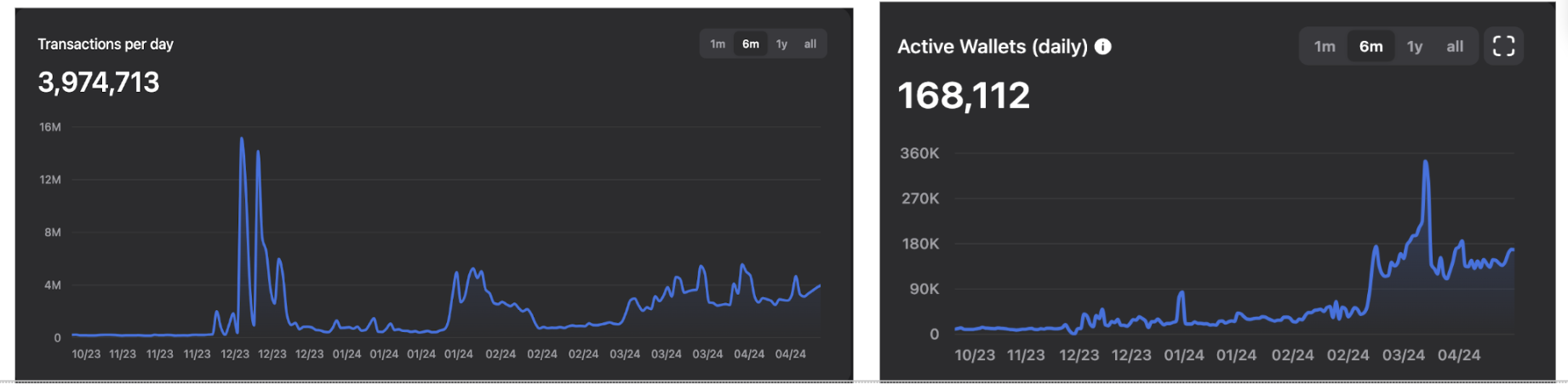
While these elevated numbers may reflect non-organic and non-sticky on-chain participation, the ecosystem’s rapid growth and activity are notable—especially compared to historically smaller incentive programs (e.g., Avax’s $180M program in 2021). Whether this level of activity and Total Value Locked (TVL) can be sustained post-incentives should remain under continuous monitoring.
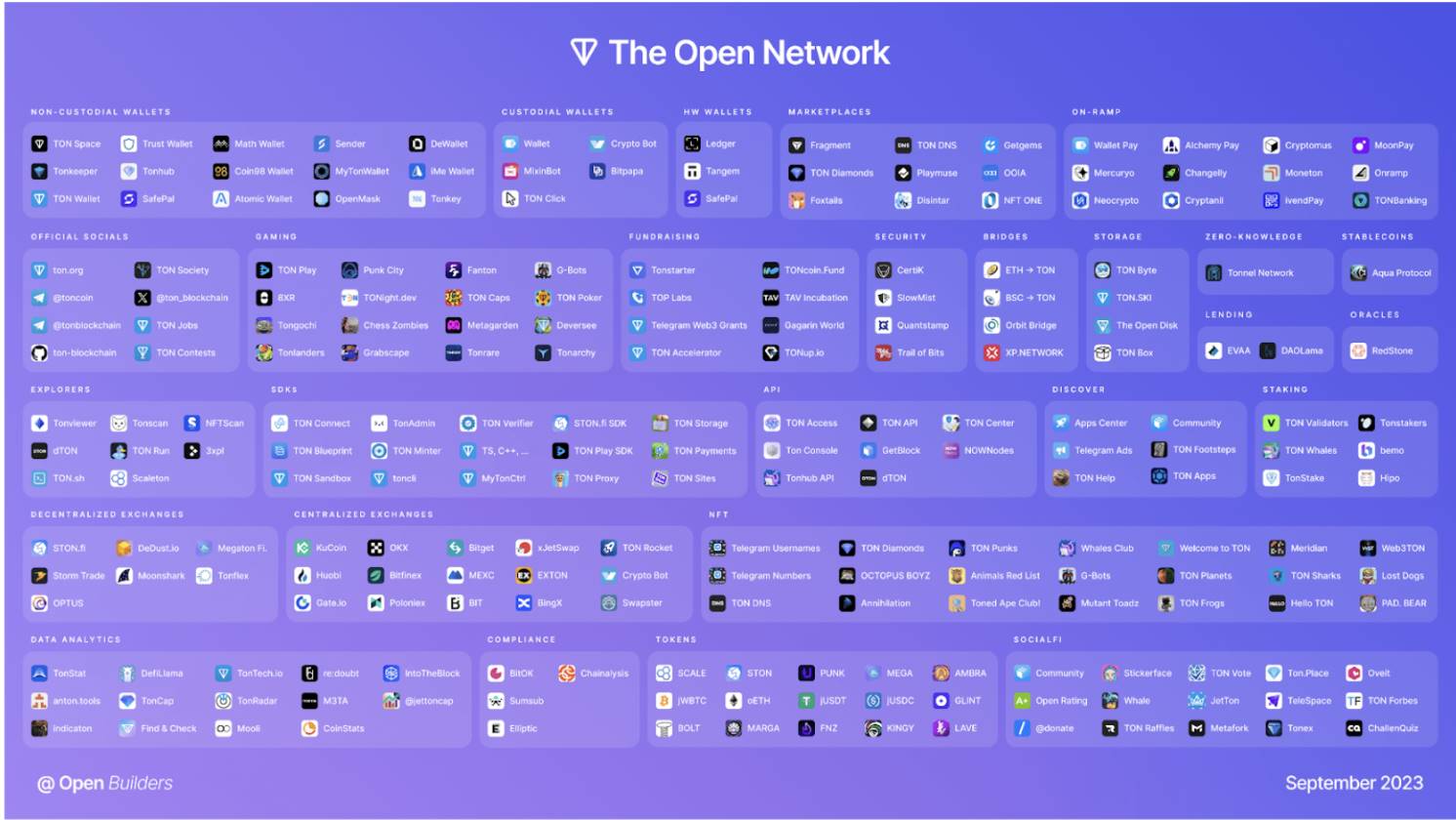
A thriving TON ecosystem
Overview of TON Tokenomics
The core argument of this article is that TON possesses healthy tokenomic characteristics. Despite a relatively high valuation—with a fully diluted valuation (FDV) of $24 billion and a circulating market cap of $16 billion—the TON Foundation and affiliated parties tightly control a large portion of the supply. Combined with the network’s low inflation rate and systematic OTC sales to distribute tokens to investors, these are positive indicators.
The current total supply stands at 5.10734318 billion (initially 5 billion at genesis), with an initial allocation of 85% to users and 5% to validators. The chain’s inflation rate is 0.6% annually, with rewards distributed to validators to maintain consensus. Delving deeper, approximately 1.3 billion tokens are locked in a smart contract (“Believers Fund”), securing over 20% of TON supply until October 12, 2025, after which monthly unlocks will occur over a three-year period. This includes roughly 1 billion TON locked by users and 284 million TON allocated for rewards.
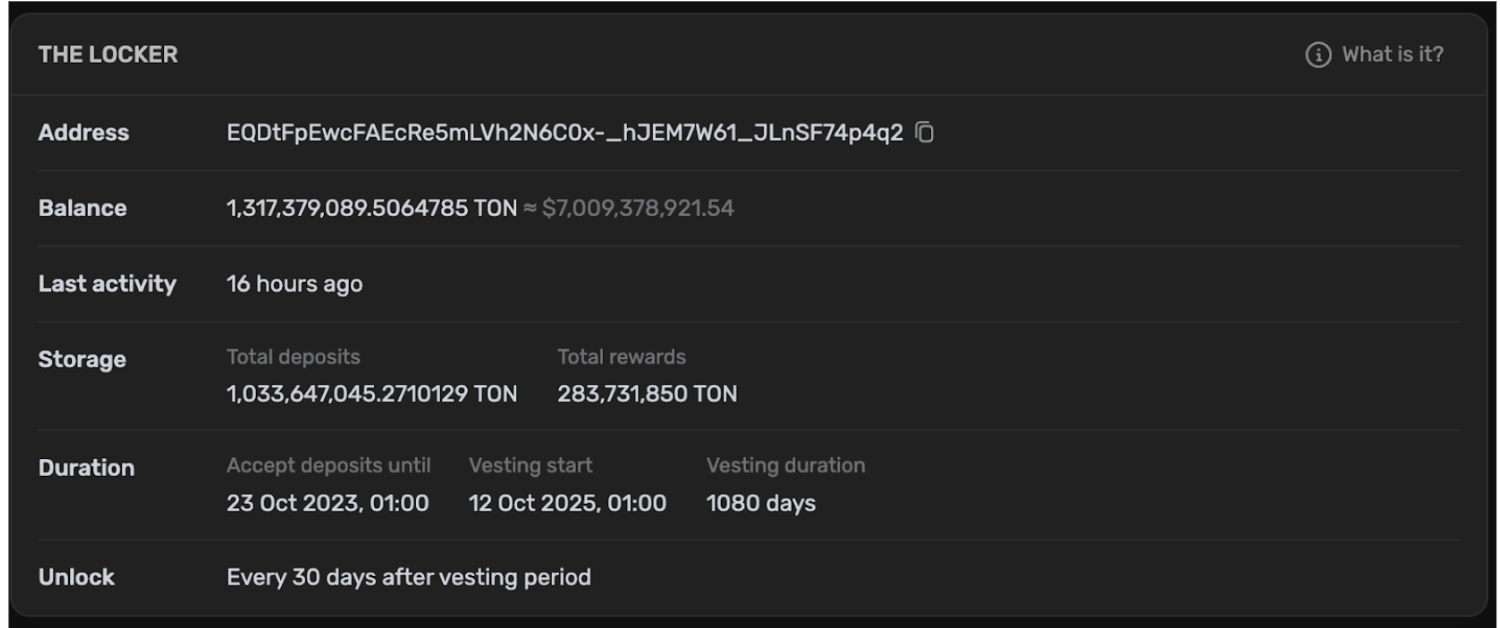
Locker smart contracts on TON
In addition to the Locker contracts, the TON Foundation has deactivated approximately 1.1 billion TON held in large early miner wallets that have had zero outgoing transactions for 48 months. Together, these measures result in approximately 47% (2.4 billion tokens) of the TON supply being effectively removed from circulation for the foreseeable future. Thus, the effective circulating market cap is around $8.5 billion.
On the other hand, it is difficult to precisely assess the dollar value of sold locked OTC coins, but based on public statements, at least $30 million worth of tokens have been sold to venture and professional investors:
-
MEXC Ventures made a “tens of millions” USD investment into TON in October 2023.
-
Animoca Brands became the largest validator on the TON network in November 2023.
-
Mirana Ventures supported TON tokens with $8 million in March 2024.
Although TON is still in the early stages of adoption and its value accrual narrative remains relatively weak, this should improve with continued growth in on-chain activity and the mechanism burning 50% of TON transaction fees. A fee-burning mechanism similar to Ethereum’s EIP-1559 is already live on TON.
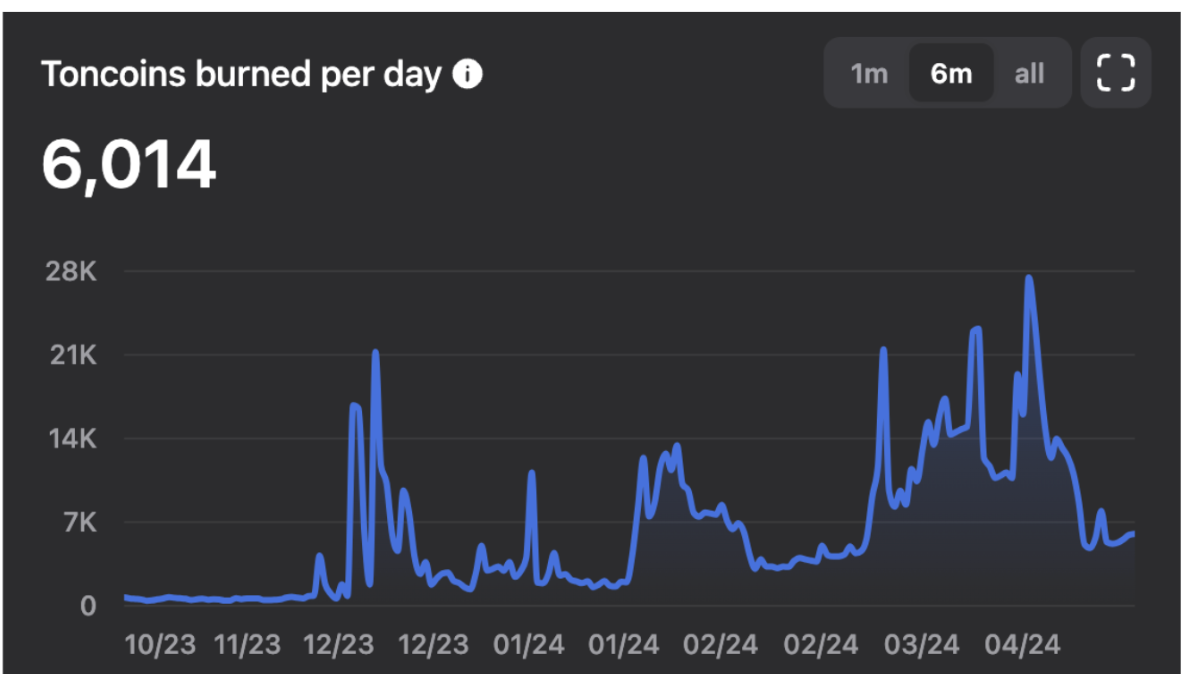
Fee burning mechanism on TON akin to EIP-1559
More importantly, Telegram is actively developing utility functions for the TON token as a “token pool” to enhance its value. For example, Telegram recently announced it will exclusively use TON for ad payments. Under this model, advertisers fund marketing campaigns using TON, with revenue split evenly between Telegram and content creators. Additionally, Telegram has started accepting TON for payments toward Telegram Premium subscriptions—offered via Fragment Store—which currently boasts 5 million subscribers. These initiatives demonstrate the Telegram team’s deliberate effort to ensure TON becomes a token with real-world utility and clear value accrual mechanisms.
Investment Case for TON
Concentrated Supply and Undervalued L1
With a moderate annual inflation rate of 0.6% (lower than Bitcoin), relatively low liquidity in the medium term—given that ~50% of supply is locked in the Believers Fund and inactive miner wallets—and approximately 86% of mined coins controlled by or associated with the TON Foundation. Moreover, most attention and locked OTC investments have come from Asian participants, suggesting EU/US investors are at a disadvantage. The sharp rally over the past two months has been primarily driven by Asia.
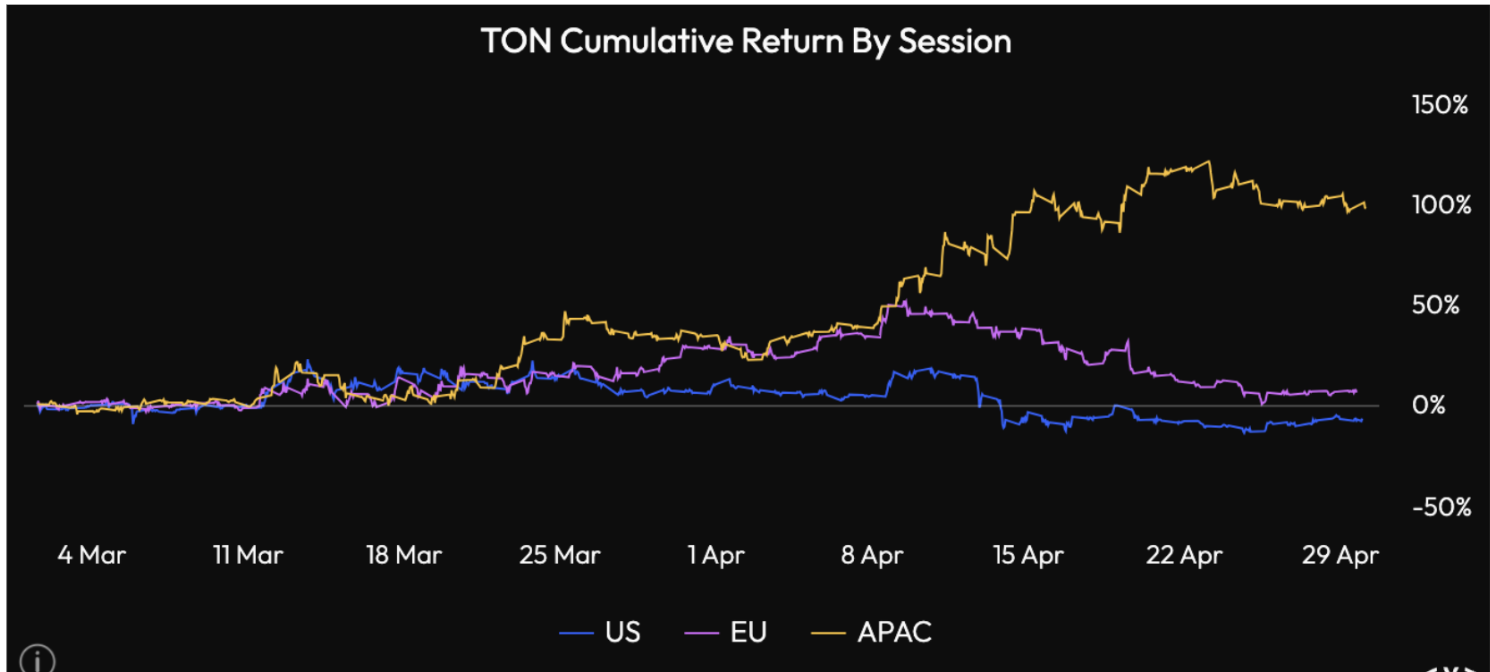
The sharp rally over the past two months has been primarily driven by Asia
From a technical standpoint, the token now trades at 2–3 times its price at the beginning of this year and its 2023 lows. Compared to similar products like SOL, AVAX, and NEAR, the rally has been relatively modest, making downside risks more defined.
Clear Market Entry Strategy and Long-Term Vision
The ambitious vision of building a Web3 super app directly from mobile convenience has the potential to compete with WeChat. This represents a fundamental shift from the status quo of numerous crypto blockchains and dApps that serve speculators and tech elites—an inherently smaller total addressable market (TAM)—and thus deserve lower valuations. Tether provided soft validation through its integration announcement, but in reality, support comes from Telegram itself through its strong roadmap encompassing TON Blockchain, TON Proxy, TON Payments, and TON Storage.
New Growth Opportunities
With approximately 3.5 million currently active online wallets against Telegram’s 800 million monthly active users—and projected to reach 1.5 billion within five years—this represents a substantial and natural upper bound for total addressable market (TAM). The TON Foundation strategically aims to attract 30% of Telegram’s monthly active users over the next 3–5 years. If Telegram manages to convert at least 0.2% of its 200 million daily active users, its daily active user count would surpass Ethereum’s current ~400,000. This clearly presents a massive opportunity for user base expansion.
Crypto-Specific Positive Catalysts
Over the past few months, TON’s daily trading volume has exceeded $170 million. A potential listing on Binance spot markets could significantly reduce investment risk, offer meaningful upside potential, and provide greater downside protection due to improved liquidity. As Ethereum continues advancing its sharding roadmap, TON is expected to gain further attention thanks to its dynamic sharding architecture—though this comparison may be somewhat stretched.
Risks and Mitigations
-
Questions remain about whether the project can sustain its current valuation. It is an ambitious project that appears close to fair valuation. At these levels, the chain and its native gas token should be viewed as a monetary play rather than a technological speculation. Monetary premiums are harder to achieve and less fleeting than technological ones.
-
Details of TON’s OTC arrangements require further exploration, as marginal pricing players may opt to buy discounted OTC tokens, reducing buying pressure on public markets.
-
Developer engagement lags behind other chains due to the somewhat obscure programming language (FunC). TON has 39 full-time developers and around 120 monthly active developers, compared to ETH’s 2,400 full-time and 7,800 monthly active developers.
-
Supply unlocking from the Believers Fund begins in October 2025, although this will be phased over three years.
-
Regulatory risk remains a factor. However, we believe that given prior experience with the SEC, most risks have been mitigated. Telegram is clearly working to integrate the token into its platform, and it is reasonable to expect that comprehensive legal due diligence has been conducted to ensure compliance with applicable regulations for both current and future TON operations.
Conclusion
We believe most of TON’s growth will not come from on-chain users already captured by EVM- and Rust-based blockchains. TON is paving its own distinct path forward, carving out a niche for consumers who value ultra-fast, highly convenient decentralized solutions prioritizing capital mobility and censorship resistance on a new blockchain. In the long run, comparing TON to BNB—a $9 billion market cap—is a reasonable and realistic target, leaving clear room for significant upside and outperformance versus BTC.
Join TechFlow official community to stay tuned
Telegram:https://t.me/TechFlowDaily
X (Twitter):https://x.com/TechFlowPost
X (Twitter) EN:https://x.com/BlockFlow_News
 @0xpotato3






