








How to prevent public goods from being "freeloaded" on?
TechFlow Selected TechFlow Selected
How to prevent public goods from being "freeloaded" on?
While visiting the weekend market, I came up with these four thoughts.
 Navigating Web3 tides with focused insights
Author: BruceXu, LXDAO
01 Understanding Public Goods – A Weekend Market Example
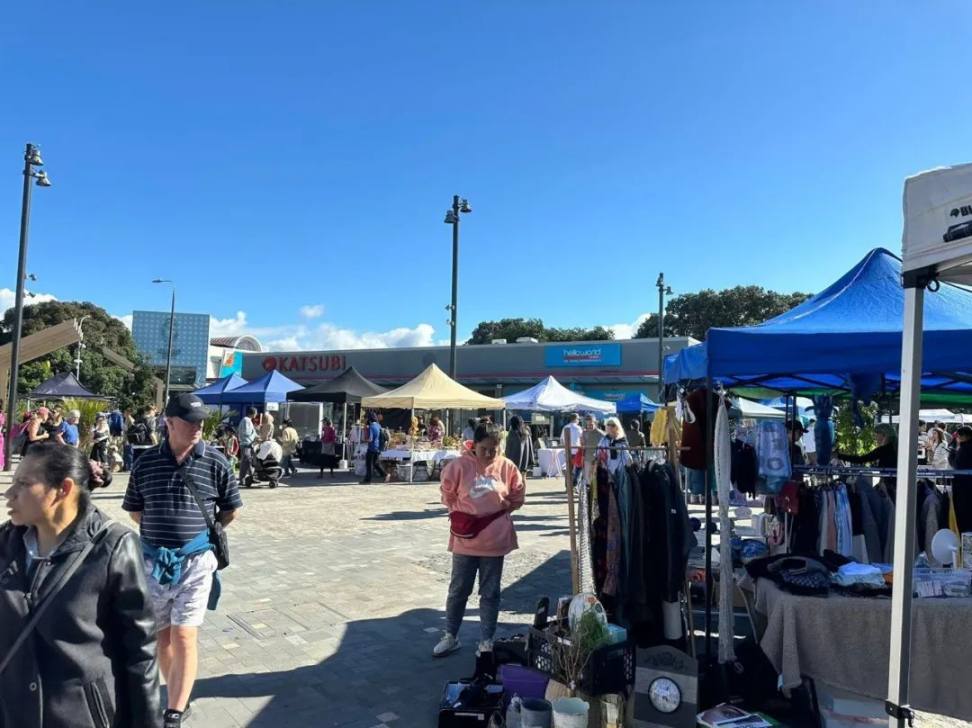
A weekend market is typically held on weekends in a public square or parking lot. Vendors can apply for stalls and pay rent to set up shop, while anyone is welcome to visit. Some sell food, others flowers or handmade crafts, and some come to perform music. It looks roughly like this:
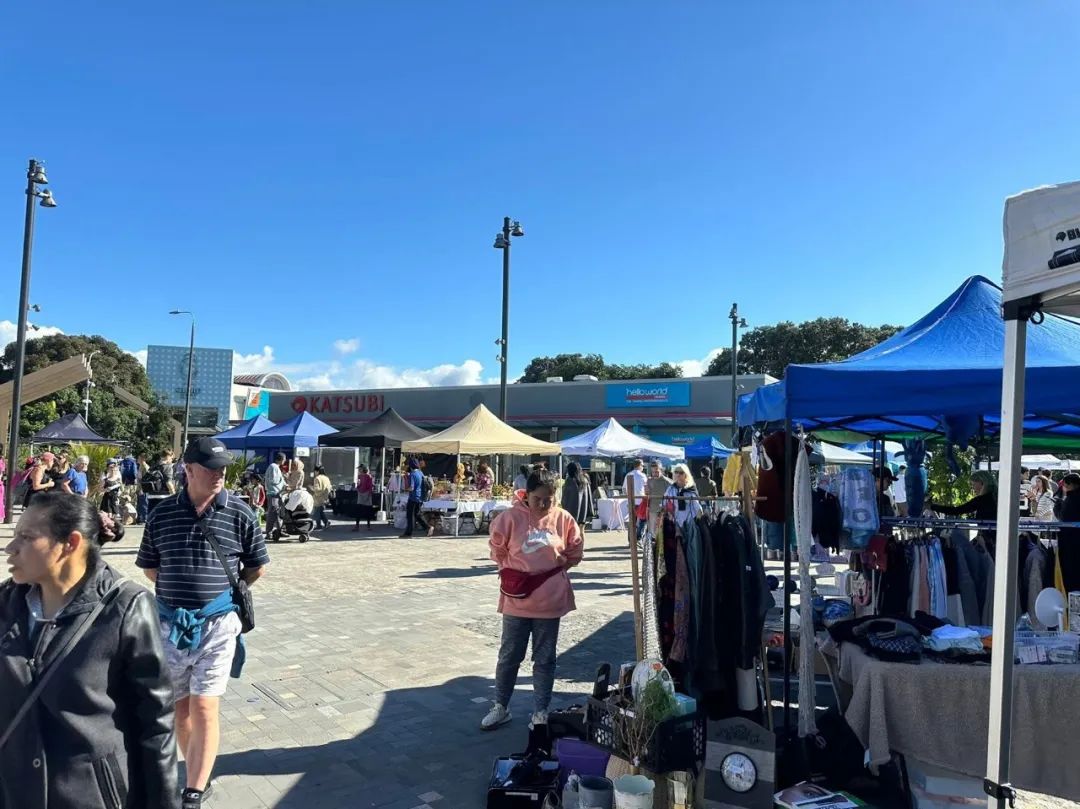
The market space itself is what we call a commons—a publicly accessible area where everyone can enjoy the activities and goods available.
Within this commons, vendor booths exhibit rivalry and excludability, especially among breakfast vendors. Since appetite is limited, if someone eats a hot dog, they’re less likely to also eat a serving of dumplings. This is rivalry: among a fixed number of visitors, the more people who buy from me, the more I earn.
When a physical item is sold to buyer A, it’s no longer available to buyer B—this demonstrates excludability. Similarly, sellers can control who they sell to, which is another form of excludability. When I arrived late, the best figs had already been picked over.

Yet within this same commons, there are also elements that possess both non-excludability and non-rivalry, known as public goods. Indeed, in the context of a weekend market, these are the musical performances.
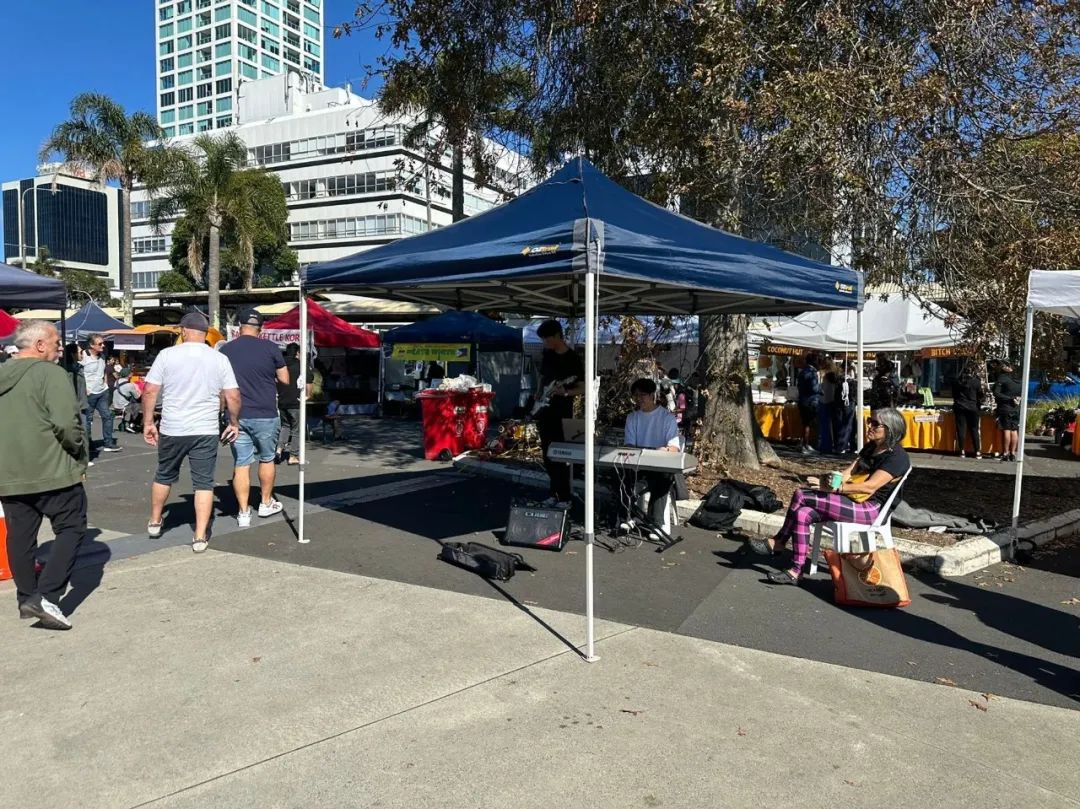
Non-excludability means:
1) You can enjoy the music without paying anything.
2) Musicians cannot selectively allow certain people to hear the music while excluding others.
Non-rivalry means:
1) Whether or not you've bought breakfast or any product, you can still come and listen to the music.
2) With multiple music booths playing simultaneously, listening to one doesn’t prevent you from enjoying another.
The primary revenue model for these musicians relies on donations—typically a guitar case placed out front where listeners may voluntarily contribute if they enjoyed the performance.
However, this model suffers from significant uncertainty and lack of sustainability.
If donations aren't sufficient for basic living, musicians may be forced to abandon their craft, leading to the disappearance of music from the commons altogether.
This represents another dimension of the tragedy of the commons—valuable public goods fail due to inadequate support, ultimately damaging the entire ecosystem.
Here, we assume the music is pleasant rather than noise. Good music enhances the mood of visitors, potentially attracting more people to the area and encouraging consumer spending.
Under this assumption, nearby vendors might benefit from increased foot traffic and higher sales. Yet these vendors have no obligation to donate to the musicians—a classic case of free-riding, where individuals benefit from public resources without contributing.
With that, we’ve covered the core concepts: public goods, tragedy of the commons, free-riding, rivalry, and excludability. One final note: truly absolute public goods are rare. For instance, once you leave the square, you can no longer hear the music—geographically, this introduces excludability. Therefore, the classification of something as a public good often depends on specific conditions and relative degrees.
02 Sustaining Valuable Public Goods
How do we identify and measure the value of public goods?
Most people recognize the value of public goods since everyone benefits without bearing direct costs—free-riding feels great. This leads to the first challenge: how do we identify and quantify the value of public goods?
For private goods, valuation is straightforward. I pay for a loaf of bread and feel full—that’s tangible benefit.
But how do you put a price on feeling uplifted by music? This is a fundamental challenge with public goods. Consider openly accessible research papers: many may find them incomprehensible and thus worthless, yet a single study could inspire breakthrough research that transforms humanity.
How should we price such a paper? Patents protect intellectual property but also impose restrictions. Patent disputes and legal battles consume vast societal resources and can hinder technological progress.
What if all scientific findings were fully open public goods? Would the world look different? This is precisely one of the questions explored in DeSci (Decentralized Science).
If a public good’s value were clearly quantifiable, solutions would be easier. For example, if hiring a band increases vendor stall fees by $1,000, the market operator could afford to pay $600 to bring the band in. But in reality, we struggle to measure such impacts. Therefore, our following discussion assumes that public goods do have real, albeit hard-to-measure, value.
How can public goods become sustainable?
Taking the music booth as an example, how can this public good achieve long-term sustainability? Here are several possible approaches:
1. Donations
-
If the performance is enjoyable, people may voluntarily donate. This is the most direct and simple method for supporting public goods, but funding tends to be minimal because people prefer to free-ride—this is the classic tragedy of the commons.
-
In Web3, tools like Gitcoin, GiveETH, JuiceBox, and Donate3 (LXDAO) use blockchain technology to improve donation efficiency and transparency.
-
Learn about Donate3: https://lxdao.io/projects/006
2. Payment by Venue Operator
-
If it's proven that music enhances the market experience, the operator can fund performers using revenue collected from stall rents and profits—supporting essential but less profitable offerings.
-
This mirrors existing tax systems, where taxes are allocated to public infrastructure, schools, and other public goods.
3. New Allocation Mechanisms
-
If we can quantify the output and value of public goods—e.g., proving that music boosts nearby vendors’ sales—then beneficiaries should contribute financially, enabling fair redistribution of gains.
-
In Web3, such mechanisms are still under research and exploration, but hold promise for fair and efficient resource allocation.
4. Commercialization
-
Examples include offering paid song requests, selling merchandise, or displaying ads at the booth.
-
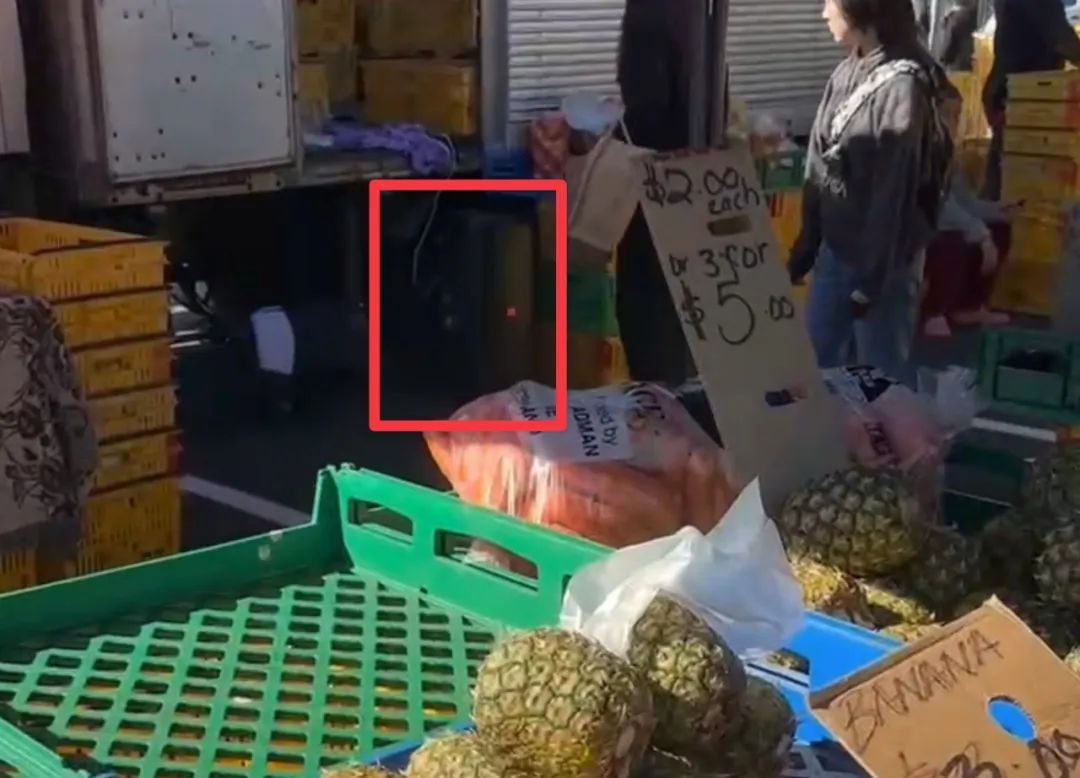
Another approach involves partnering with profitable vendors to share operational costs. For instance, a fruit vendor (see red box in image below) uses speakers to play music, attracting customers while providing a public good. In return, the musician only needs to cover electricity costs for the shared setup.
-
In Web3, new funds are emerging that commit a portion of investment returns to supporting public goods. However, commercialization risks degrading user experience—this is why Vitalik introduced the concept of the “revenue-evil curve” (to be discussed another time).
-
Revenue-Evil Curve—https://vitalik.eth.limo/general/2022/10/28/revenue_evil.html
03 Why We Should Care About the Sustainability of Public Goods
Public goods are everywhere
You might think this problem is isolated to weekend markets or local communities—does the sustainability of public goods really affect me? Do we even need them?
In fact, public goods are ubiquitous. You may never visit a weekend market, but surely you go online every day. The internet itself is a commons filled with countless public and private goods. Would you accept an internet like this:
-
Paying a subscription fee just to view information or download files from any website.
-
Having to pay for nearly every software application, with few free alternatives available.
-
Even when software or websites are "free," they’re overloaded with intrusive ads popping up with every click.
-
Commercial companies could exclusively restrict access to their services—even if you’re willing to pay. Without open-source alternatives, they could charge arbitrarily high prices.
The reason you currently enjoy a relatively free, open, and shared internet is precisely because of open-source projects and digital public goods.
Open-source contributors and builders of public goods deserve recognition
Why do we praise open-source contributors and creators of public goods?
Because they defy the tragedy of the commons, willingly contribute, and ask for nothing in return. How many people visiting a weekend market would voluntarily help clean up and maintain the public space?
Despite immense challenges, open-source developers and public good builders have helped create today’s open and accessible internet, accelerating human development and historical progress.
Flip the perspective: what if we increased awareness, advocacy, and support for public goods—and even participated directly? By donating a little money or contributing to the development and maintenance of open-source projects, solving key sustainability issues so that public goods become as viable as private or commercial ones—what kind of world could we create?
Join TechFlow official community to stay tuned
Telegram:https://t.me/TechFlowDaily
X (Twitter):https://x.com/TechFlowPost
X (Twitter) EN:https://x.com/BlockFlow_News
 @LXDAO_Official











