








Victoria VR: Launching on Apple Vision Pro, the First Crypto Metaverse for Top Players
TechFlow Selected TechFlow Selected
Victoria VR: Launching on Apple Vision Pro, the First Crypto Metaverse for Top Players
Embrace the narrative, and you'll become the top player in the crypto world.
 Navigating Web3 tides with focused insights
Author: TechFlow
In the crypto market, aligning with trending topics from the tech world has always been the right approach to crafting narratives and chasing wealth-generating opportunities.
On February 2, the launch of Apple's Vision Pro quickly captured the attention of tech enthusiasts. The new hardware, along with its novel interaction and display methods, has opened up imaginative possibilities for various VR/AR/XR applications.
Crypto applications are no exception.
Almost simultaneously with the announcement of Vision Pro’s release, the well-known crypto project Victoria VR posted on social media: "We’re ready."
This also means that Victoria VR has become the first crypto application in the space to officially announce support for Apple Vision Pro. According to subsequent information, its VR app is expected to formally launch in Q2 of this year.
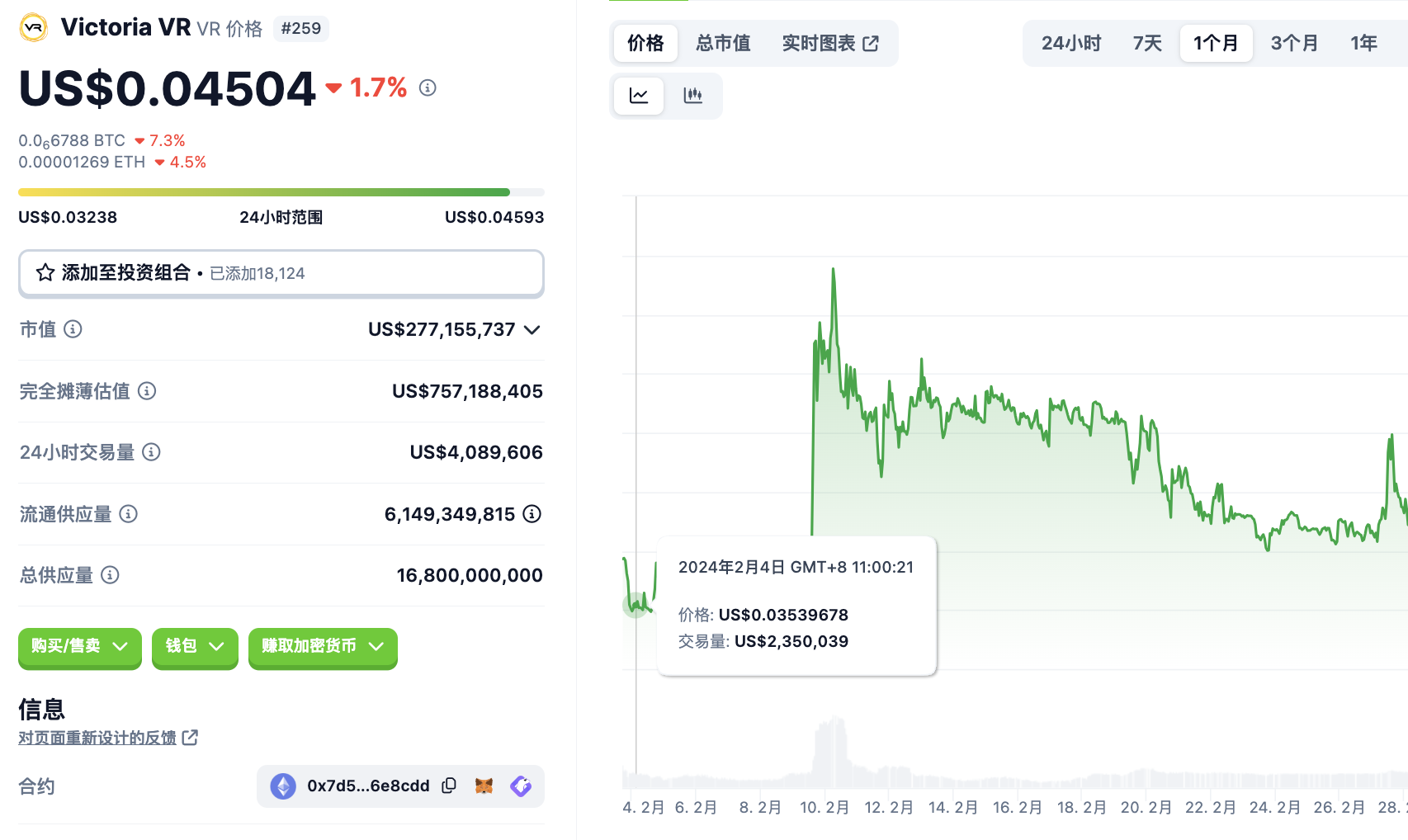
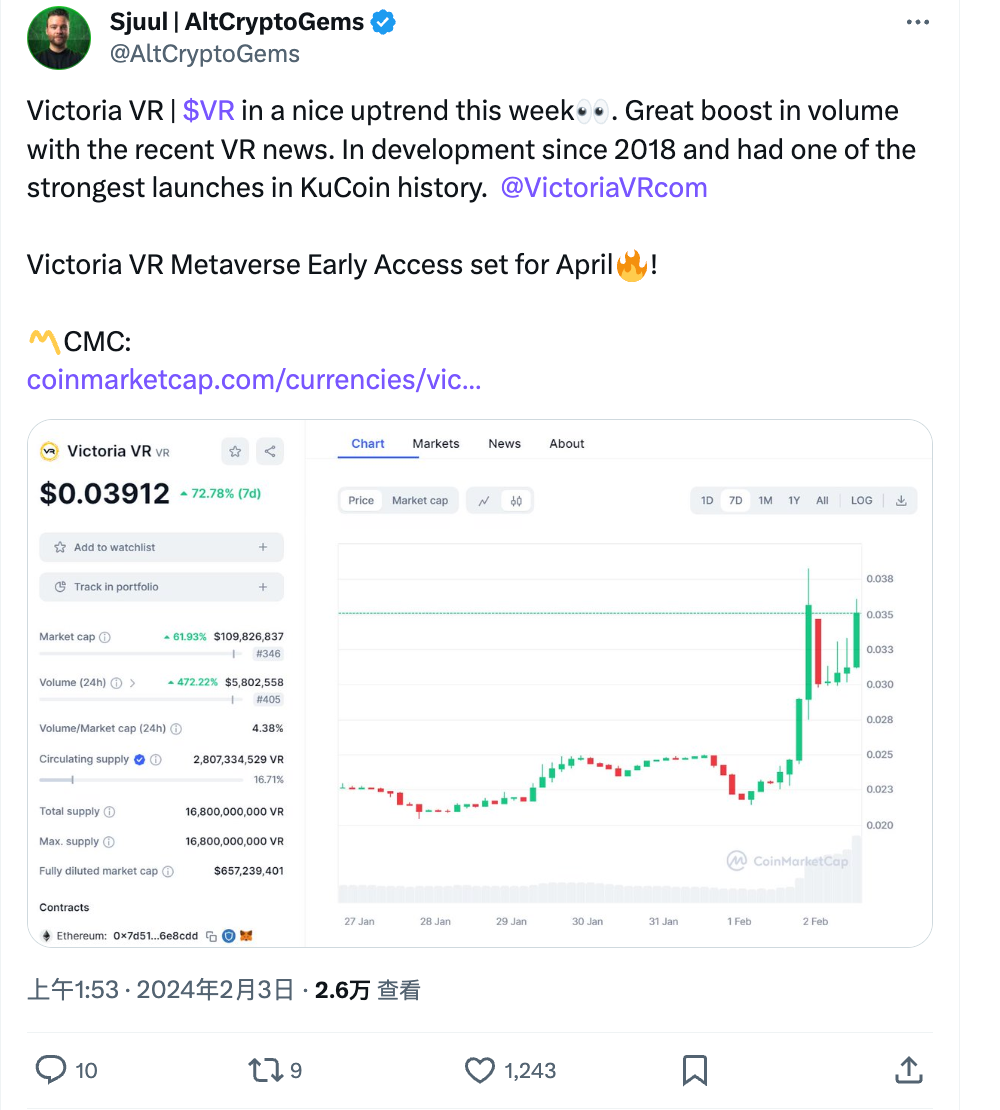
As shown in the image above, shortly after Victoria VR announced its integration with Vision Pro, its token VR began a sharp rally, surging 60% within just one week.
The rise in token price reflects the secondary market's bullish sentiment toward metaverse/VR projects breaking into the mainstream through synergy with major tech hardware.
However, such short-term volatility may not mark an end, but rather a preview:
As Vision Pro becomes the latest darling of the tech world, crypto-based VR and metaverse projects have found a broader stage. Projects that actively engage with technological highlights will see their narrative potential significantly expanded.
And those capable of delivering on these narratives early often attract capital more easily than others in the same sector.
Yet the crypto market frequently plays out the classic "sell the news" scenario—once the news breaks and expectations are priced in, will there be more to come for Victoria VR?
Exploring New Possibilities in an Immersive Virtual World
First, we need to focus on the fundamentals of the game.
What kind of game is Victoria VR? Based on publicly available information, it can be understood as a blockchain-based virtual reality metaverse.
For virtual reality products, visuals and gameplay are paramount.
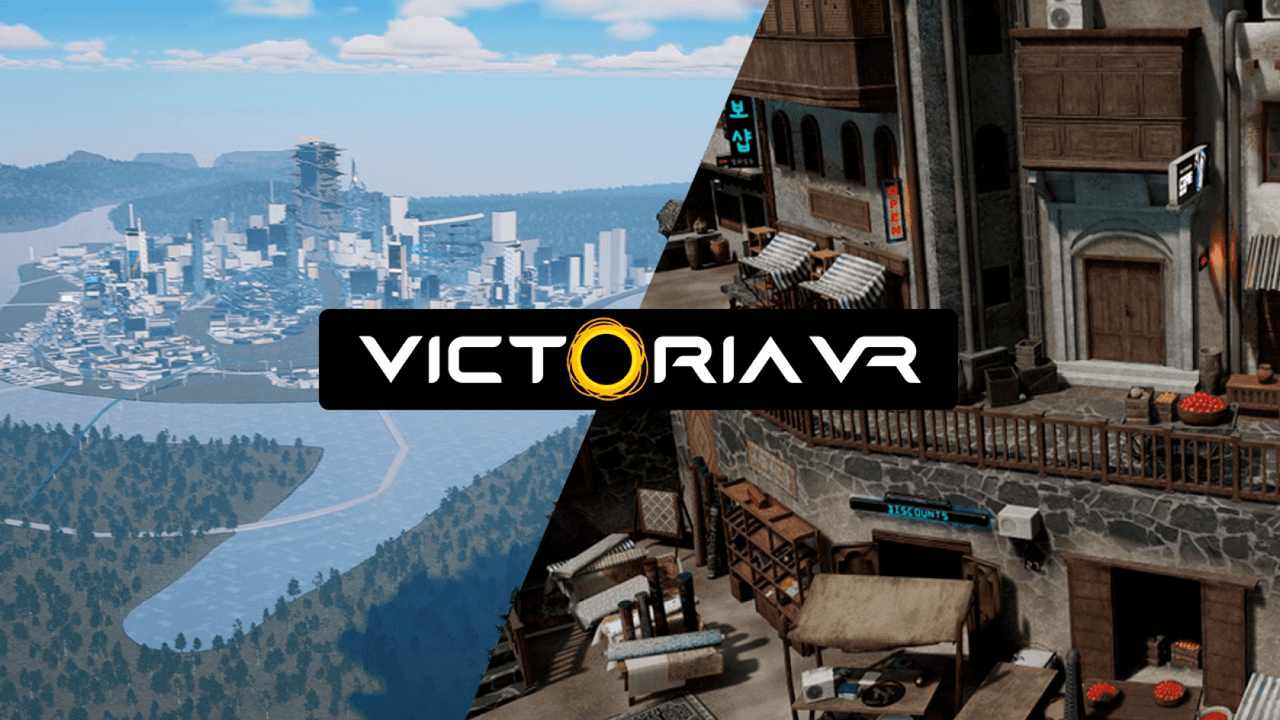
According to the project’s blog, Victoria VR is being developed using Unreal Engine 5—the most advanced game engine currently available—offering realistic and highly detailed graphics. It combines massively multiplayer online role-playing game (MMORPG) elements with a unique social playground experience.
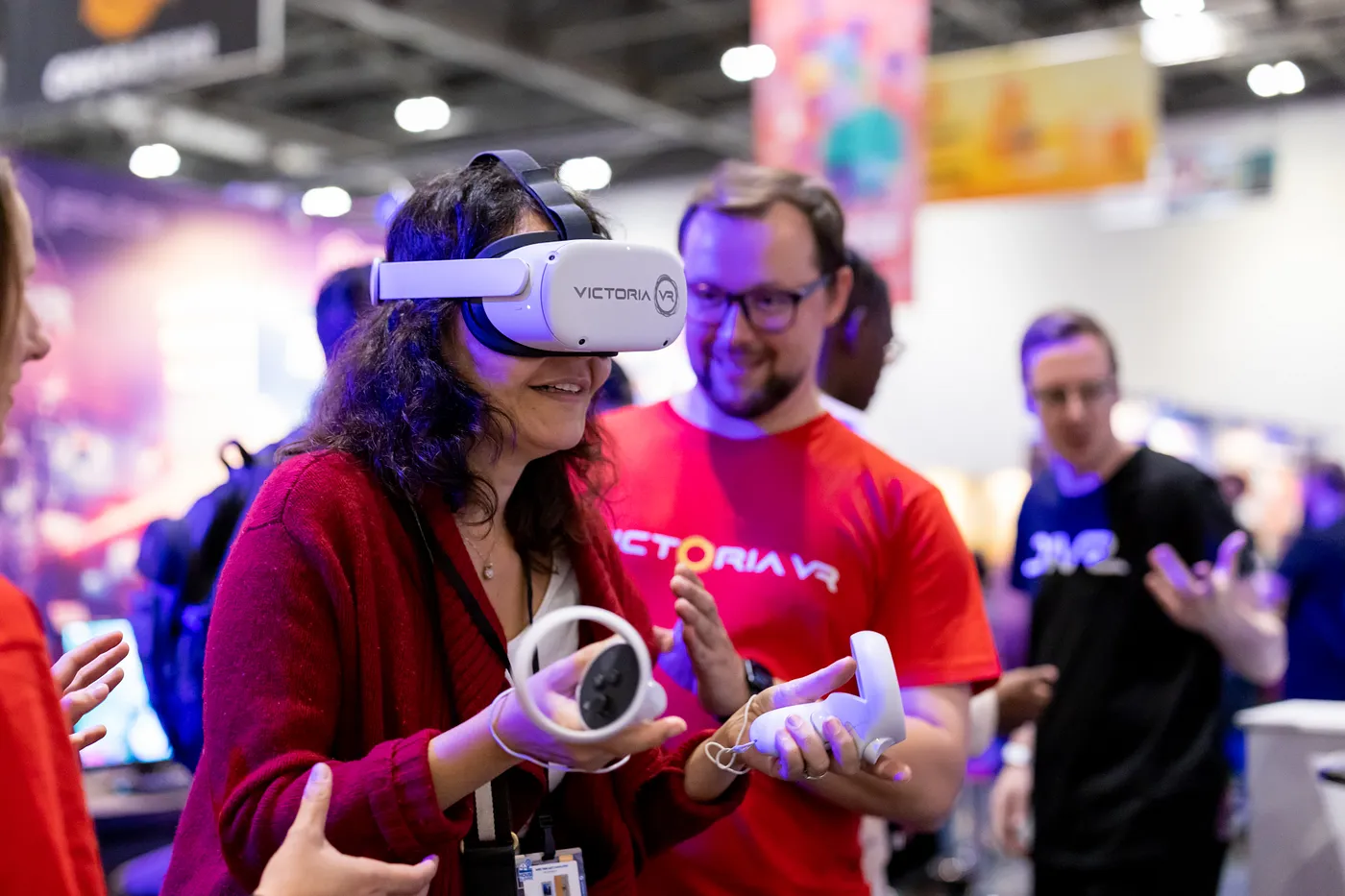
The game is currently planned for access via PC and VR devices, and it has already announced plans to launch on Apple Vision Pro.
Although the full version of the game is still under development, based on current disclosures, one of Victoria VR’s key selling points is immersive exploration.
Ondřej Dobruský, CEO and co-founder of the project, described the game’s vision as follows:
“Victoria VR places strong emphasis on exploration—not only exploring the game’s 'world,' but also exploring yourself, your connections, and your creativity within the virtual universe.”
So, what exactly can players do in this virtual world?
You can enjoy life in the virtual universe, explore a vast world, and progressively upgrade your character and lifestyle as you play deeper.
As for the crypto aspect, game worlds created by players and assets generated through character actions will exist in the form of NFTs.
More specifically, players will encounter a virtual reality world combining entertainment, exploration, and learning: playing games and completing quests, buying and selling goods and services, attending courses and lectures, visiting virtual galleries, watching sports events, creating their own games and missions, exploring a world filled with adventures and user-generated content—and earning rewards...
Notably, some of the game’s worlds and scenes incorporate elements inspired by Chinese feng shui.
The entire virtual world consists of an island called Victoria, divided into five distinct regions based on five natural guiding elements: Wood, Earth, Fire, Metal, and Water;
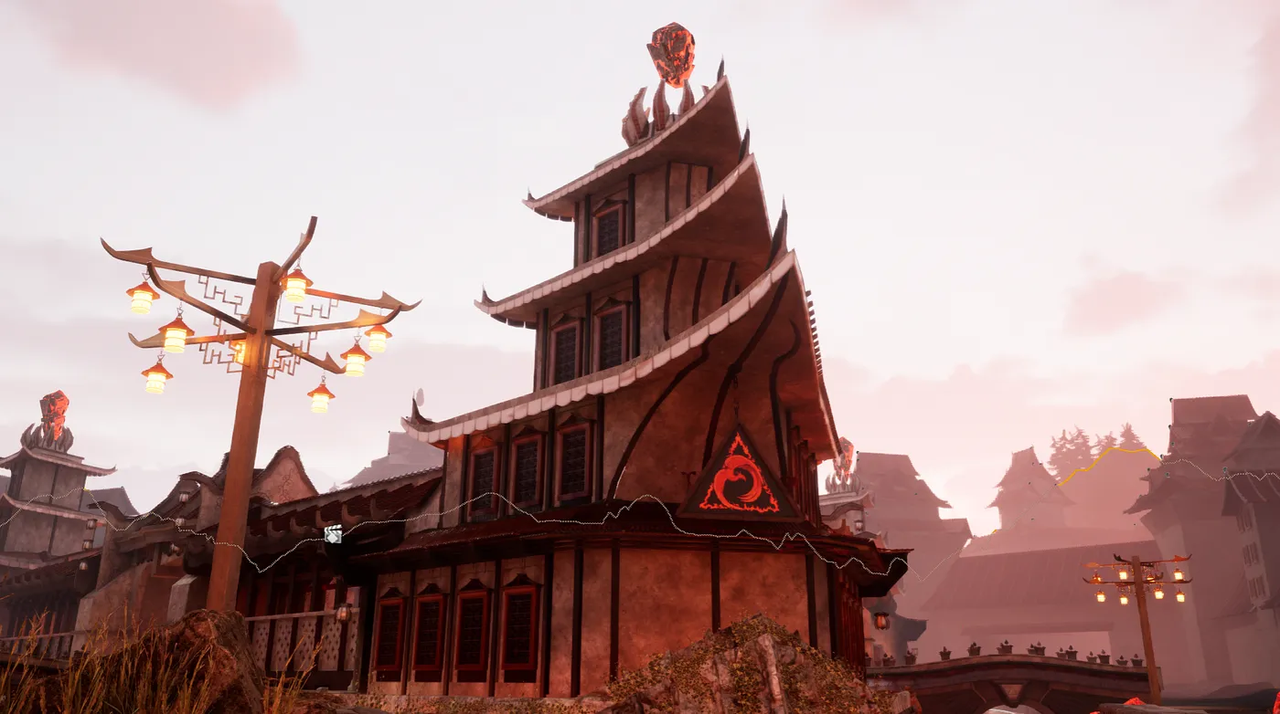
Depending on the elemental attributes of each region, players can engage in different activities, complete unique tasks, and gather varying resources—all awaiting discovery, construction, and exploration at the player’s discretion.
However, building the entire world isn’t something done overnight. Victoria VR has opted to roll out different types of game content gradually, allowing players to experience it step by step.
And right now, the main highlight is VR shooting.
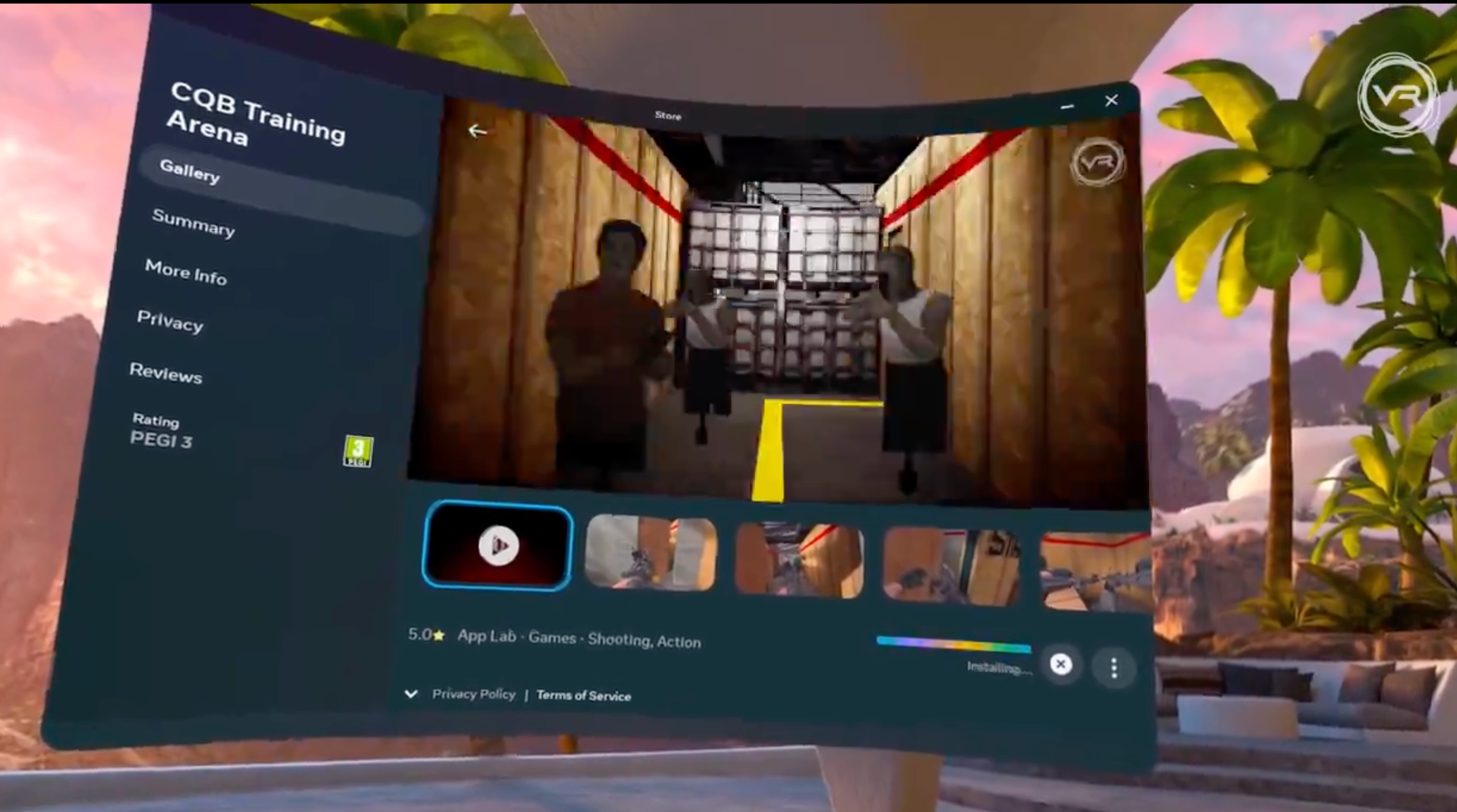
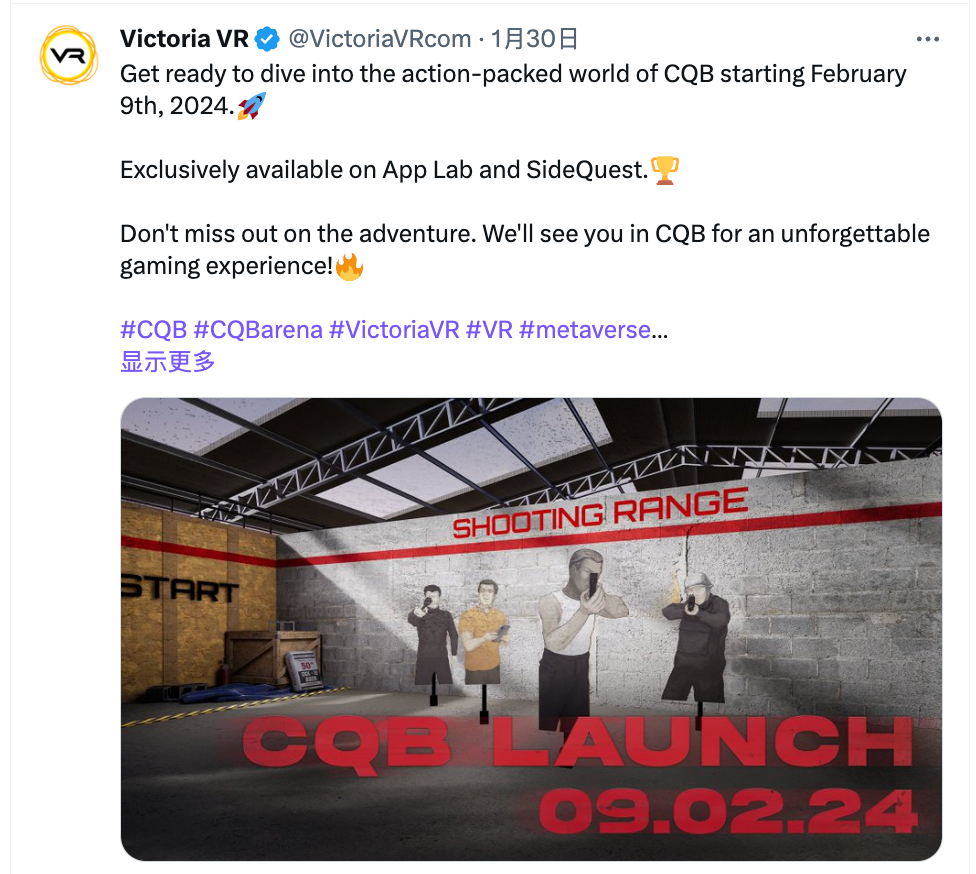
On February 9, the project’s official Twitter released its VR shooting map, CQB Arena, for players to try. With compatible VR hardware, players can use physical movements to control various firearms, aiming to defeat enemies and obstacles in a training range to progress.
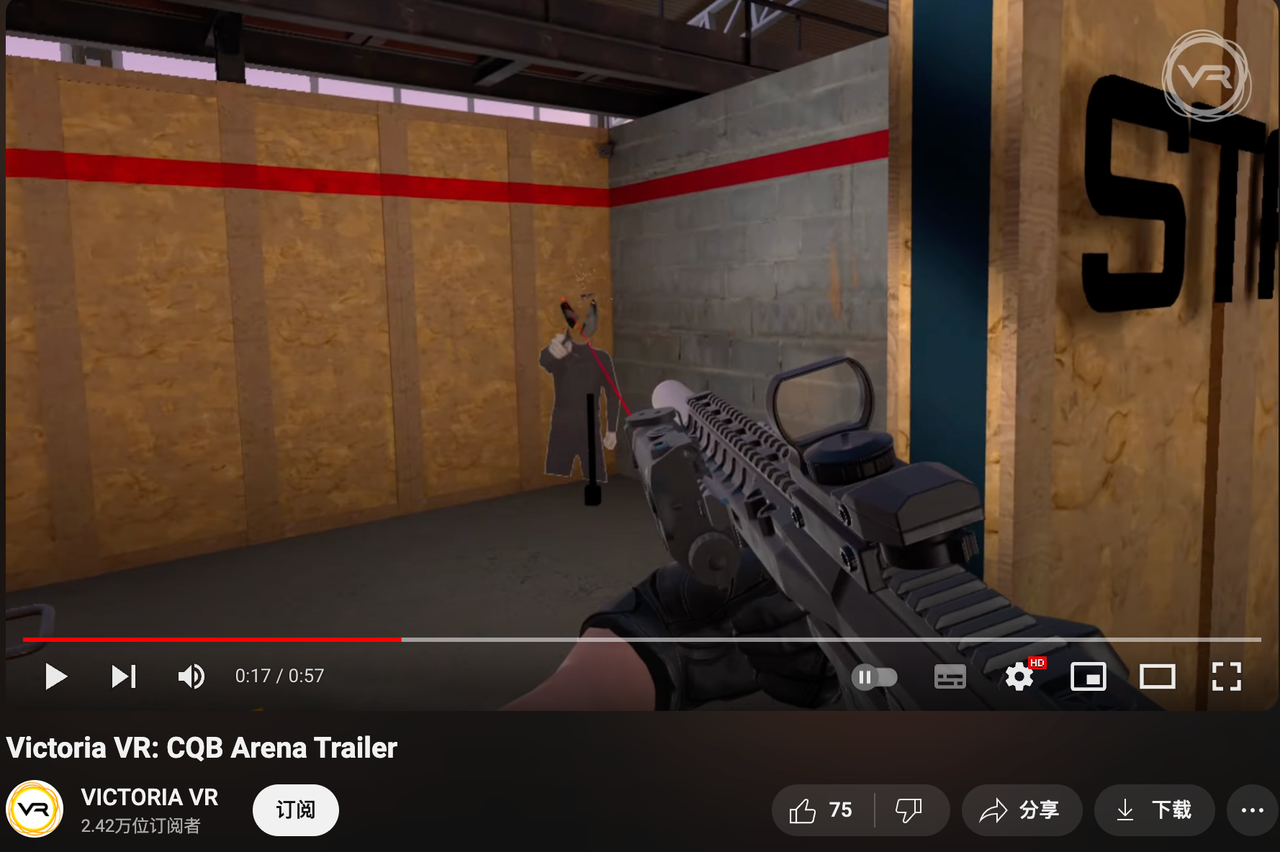
Based on current gameplay videos and player feedback, the quality of Victoria VR’s shooting component is top-tier. The visuals, enhanced by VR hardware, deliver a truly immersive experience. While VR controls may not yet match the efficiency of traditional mouse-and-keyboard setups, the immersion and excitement offered by VR are unmatched by conventional gaming.
It is likely that more VR experience scenarios will be rolled out over time, tested incrementally to refine the overall game before presenting the final product to players.
Finding Participation Opportunities Through Long-Term Development
This iterative, incremental rollout of gameplay features has become standard practice among crypto gaming projects.
Especially for VR games, development is a long-term process requiring adaptation to various hardware platforms, fine-tuning of motion controls, and refinement of visual details.
Gradually releasing playable demos allows developers to optimize based on user feedback while aligning with the long-term operational rhythm of crypto projects—such as airdrops, multi-phase testing, and NFT sales.
This also means that at different stages of development, various activities will be launched, offering crypto users more ways to participate and potentially earn returns.
So what progress has Victoria VR made so far? What participation opportunities and key milestones should players watch?
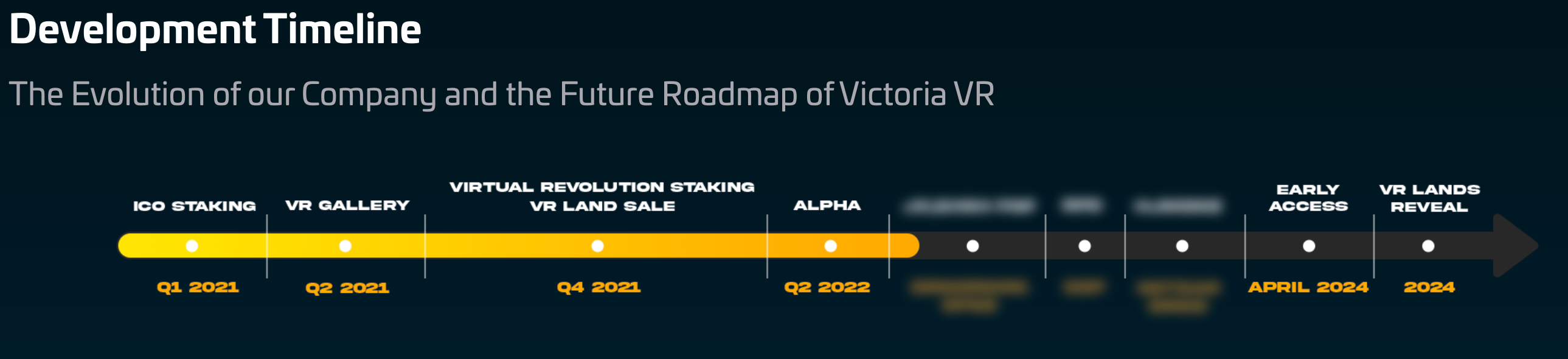
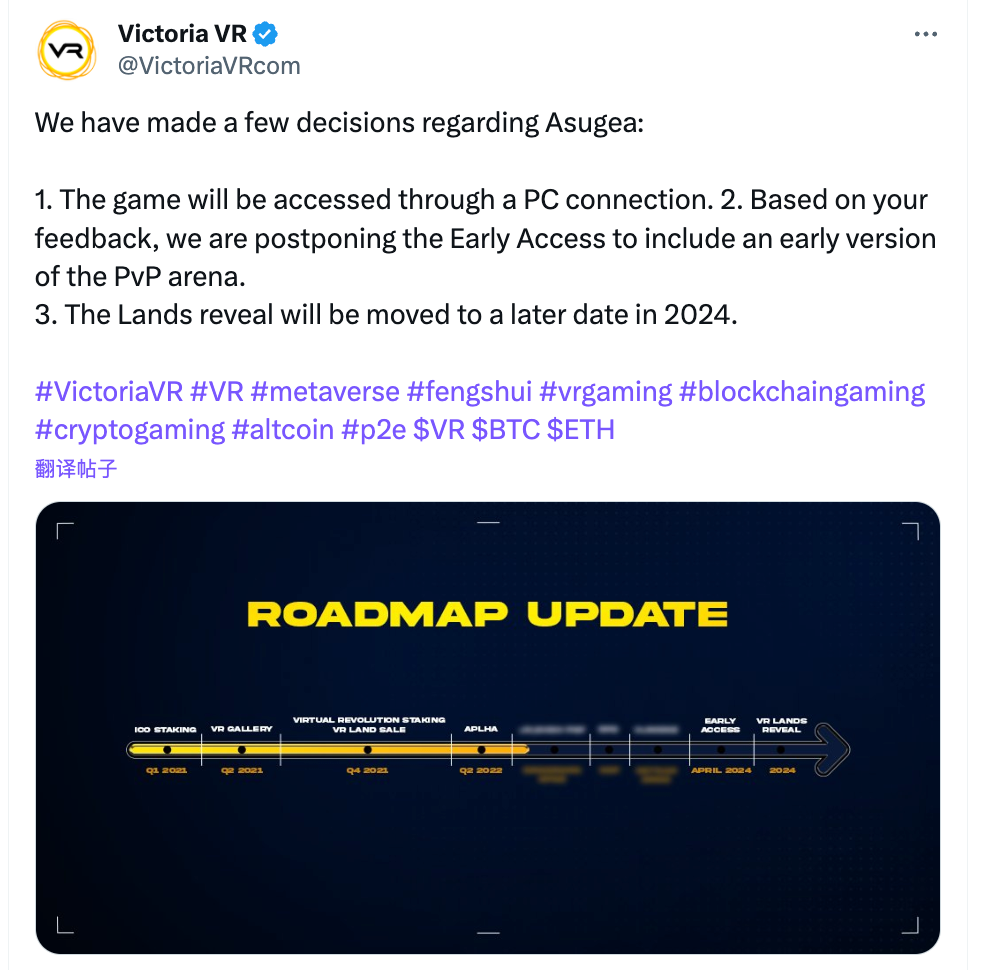
In the medium term, the key event to watch is Early Access—the early trial phase.
The original Early Access plan has been postponed to April this year to include an early PVP arena. This delay builds greater anticipation, suggesting that by April, players could experience PVP VR battles, with more aspects of the game becoming visible.
PVP modes naturally drive engagement and discussion. Combined with the buzz around Apple Vision Pro, April is likely to spark narrative-driven hype and wider attention—worth monitoring closely.
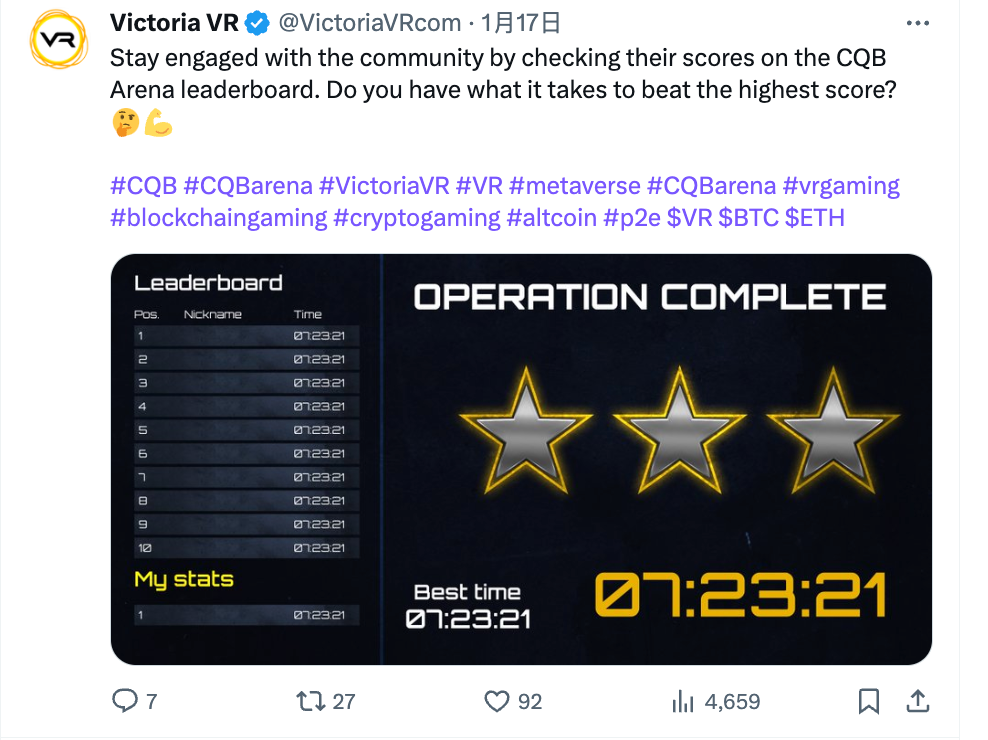
In the short term, as previously mentioned, the “CQB Training Level” demo was released on February 9. Players must complete shooting challenges using different weapons, ranked by completion time, with rewards granted accordingly.
While the official team hasn't explicitly confirmed how rewards connect to crypto assets, given the nature of the project and the fact that the VR token is already trading on secondary markets, it's reasonable to expect potential NFT asset rewards or token distributions upon participation.
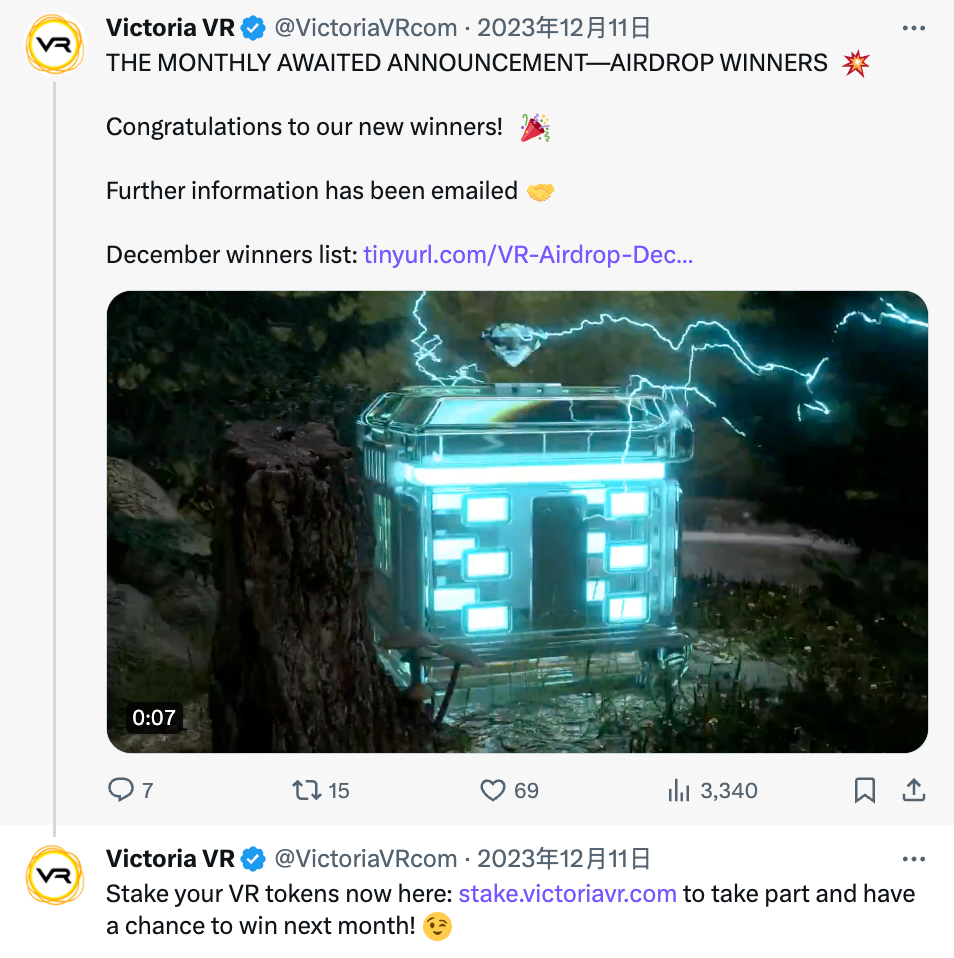
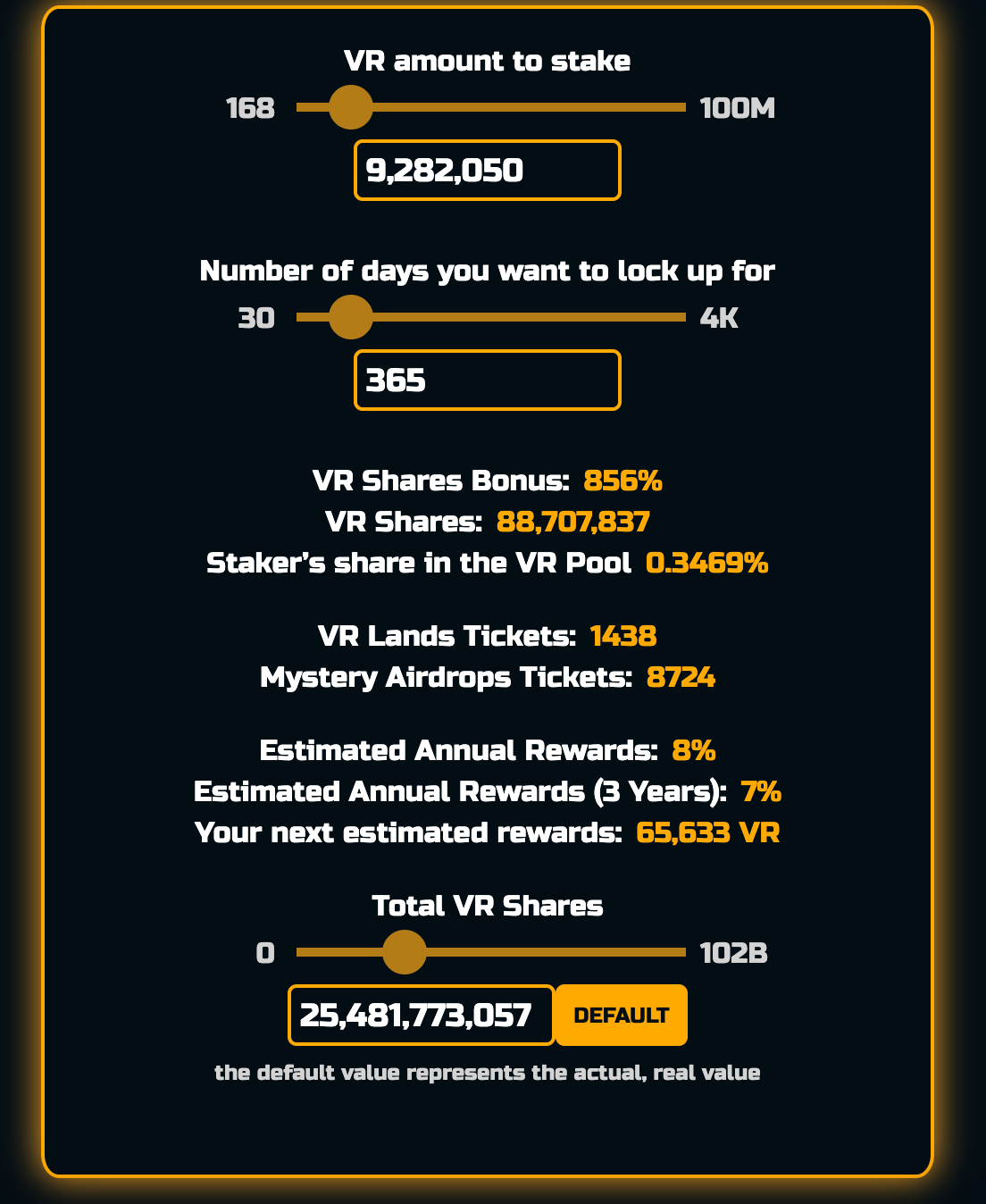
Looking further ahead, the project runs a monthly “staking rewards” program. Staking VR tokens each month gives participants a chance to receive mystery boxes of varying rarities, which can be redeemed for various in-game items after launch. Additionally, the probability or rate of receiving the following benefits increases with higher staked amounts and longer staking durations:
-
Share of game revenue
-
Whitelist access for land NFTs in the game
-
APY on VR token staking itself
VR Catalysts
From the perspective of crypto market participants, people may not care much about whether the game itself is fun—after all, the cost and barrier to entry for VR hardware are high, making hands-on experience inaccessible to many.
What matters more is whether the combination of VR themes, game quality, and long-term operations can generate stronger bullish catalysts for the VR token.
Let’s examine both external and internal factors that could influence the performance of the VR token.
Externally, narrative remains the lifeblood of any crypto project.
The gap between rising hardware demand and limited software ecosystems presents Victoria VR with positioning opportunities and room for imagination.
Vision Pro generates significant buzz, but its software ecosystem hasn’t exploded yet—especially in VR gaming, where no dominant app has emerged. The biggest weakness in the VR/AR/MR space today is the lack of compelling content. Without content, even the best hardware struggles to succeed alone. High-quality VR titles often provide a strong pull for hardware adoption, thereby activating the entire ecosystem.
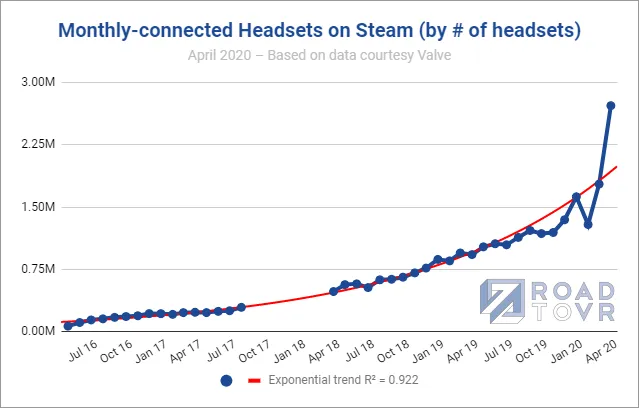
History offers precedent: After the release of *Half-Life: Alyx* in March 2020, Steam reported over one million new VR device users in a single month.
If Victoria VR successfully launches, regardless of whether it drives hardware sales, it could elevate the visibility of crypto projects and revive interest in the metaverse sector to new heights. The value of the narrative itself may already surpass the importance of actual project delivery.
With Victoria VR positioned at the forefront of a hardware wave, its narrative potential is fully charged—sharp capital won’t miss this opportunity.
Internally, listings on major CEXs indicate growing market expectations for Victoria VR:
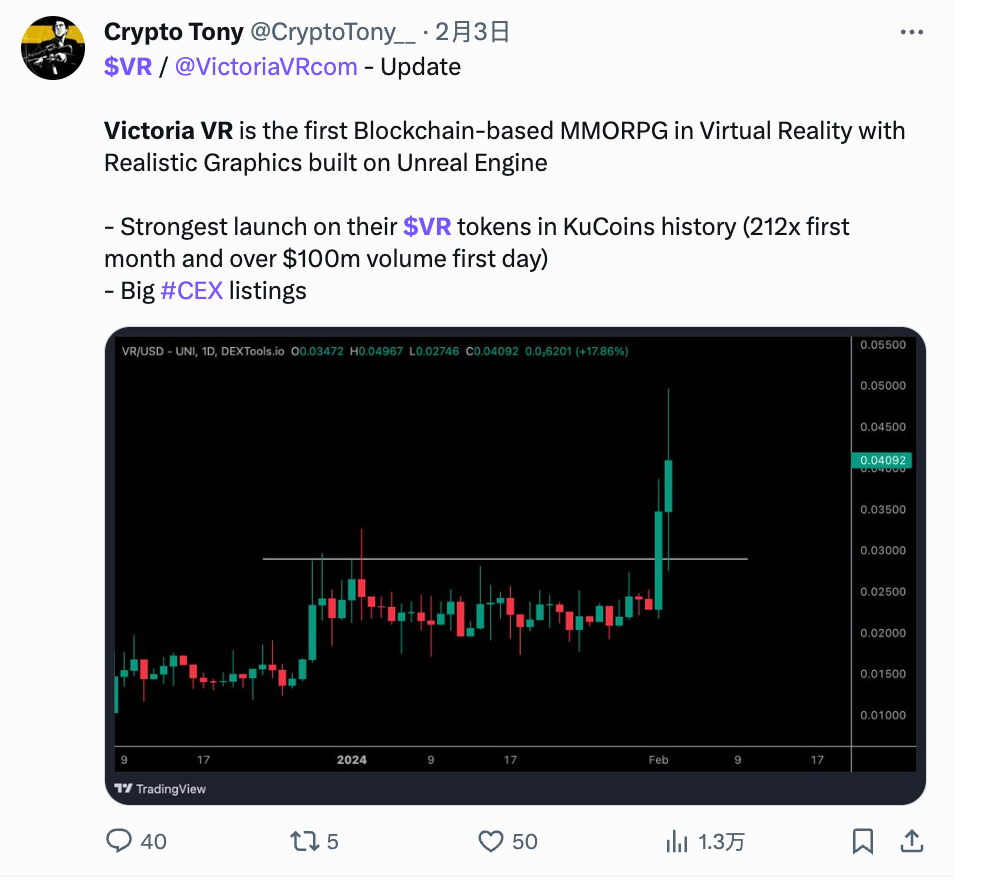
Previously, the launch of the VR token on KuCoin set records: up more than 200x in the first month post-listing; daily trading volume reached $100 million on day one;
On February 2, Bitget announced VR’s listing in its Innovation Zone.
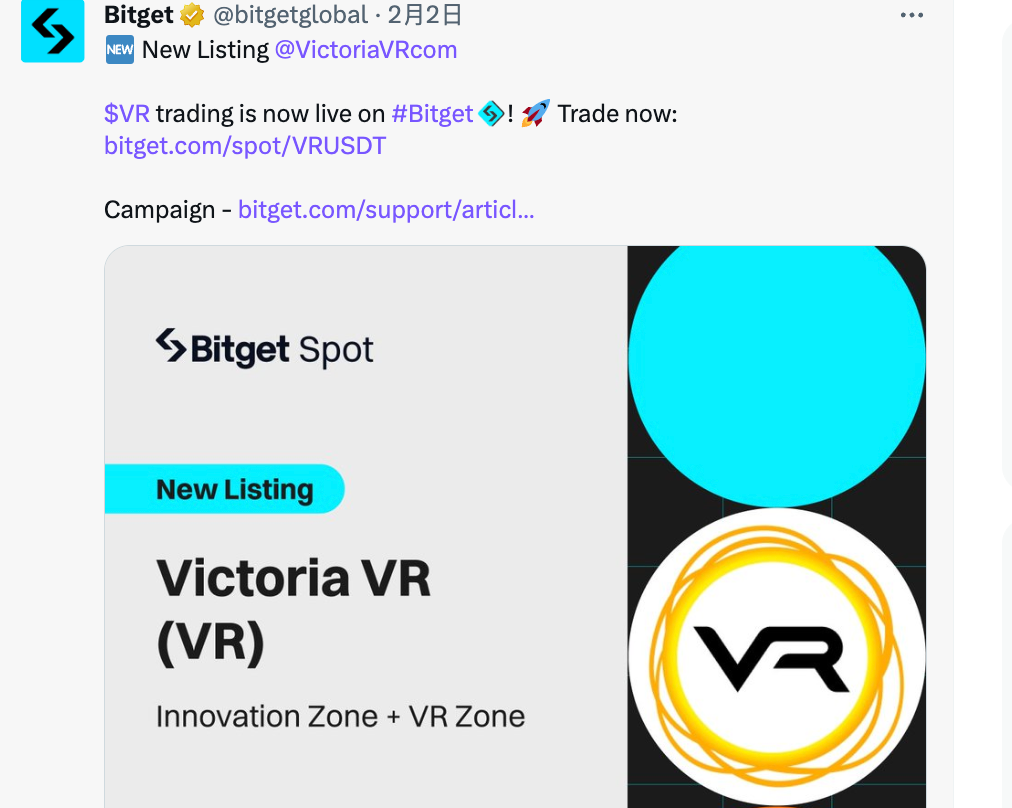
For CEXs, capturing trading traffic means betting on trending assets. Multiple major exchanges listing VR signals growing investor interest around the token.
Meanwhile, crypto Twitter and overseas KOLs are beginning to notice VR’s performance. Combined with Victoria VR’s planned early testing in April, the coming months are bound to bring even greater attention.
Wherever the spotlight goes, capital follows. But it’s important to note that opportunities and risks often go hand in hand.
Embrace the Narrative, Not the Critique of 'Uselessness'
A common argument heard often is that crypto metaverse or VR projects lack real-world applications or users—they’re “useless.”
But this doesn’t reflect how the crypto market actually operates.
Before Vision Pro’s release, related VR projects were largely dormant. Afterward, skepticism and short-sightedness gave way to curiosity and anticipation. In emotionally driven markets, embracing the narrative beats questioning utility.
Integration between Victoria VR and Apple devices may not go smoothly, and questions remain about adapting to App Store business models. But the crypto world is small, and intersections with mainstream tech are rare. By the time the narrative fully materializes, participation opportunities may already be gone.
Scenes reminiscent of the movie *Ready Player One* are gradually becoming reality. As hardware matures, software evolution deserves close attention.
Embrace the narrative, and you might just become the top player in the crypto world.
Join TechFlow official community to stay tuned
Telegram:https://t.me/TechFlowDaily
X (Twitter):https://x.com/TechFlowPost
X (Twitter) EN:https://x.com/BlockFlow_News
 深潮TechFlow











