Web3 Going Global: Overview of Hong Kong's Policies – Cyberport
TechFlow Selected TechFlow Selected
Web3 Going Global: Overview of Hong Kong's Policies – Cyberport
What incentives are available for Web3 companies establishing in Hong Kong's Cyberport?
 Navigating Web3 tides with focused insights
By: Lawyer Zhang Yi
Cyberport is located in Telegraph Bay, Southern District, Hong Kong Island, in the Pok Fu Lam area, covering 24 hectares. On March 3, 1999, former Chief Executive of the Hong Kong Special Administrative Region of the People's Republic of China, Tung Chee-hwa, stated in his policy address that Hong Kong needed to develop information technology to keep pace with rapid high-tech advancements and meet local enterprises' growing demand for IT[i]. Today, Cyberport has become Hong Kong’s flagship digital technology hub and startup incubator, hosting over 2,000 member companies, including more than 900 on-site resident startups and nearly 1,100 non-resident tech startups and companies, all managed by Hong Kong Cyberport Management Company Limited, a wholly government-owned entity. Through nurturing tech talent, encouraging youth entrepreneurship, and supporting startups, Cyberport is committed to building a vibrant innovation and technology ecosystem[ii].
Currently, Cyberport has emerged as a gathering place for digital technology enterprises in Hong Kong’s emerging web3 market. Especially since the Hong Kong government issued its "Hong Kong Virtual Asset Development Policy Statement" on October 31, 2022, Cyberport has received favorable policy support from the Hong Kong government, making it an increasingly popular destination for web3 entrepreneurs from mainland China. Leveraging policy support in funding, physical space, and talent development, Cyberport continues to attract more related businesses.
This article compiles information from official government websites and public sources. Readers interested in Cyberport’s preferential policies can gain initial insights through this piece. The next application deadline for the Cyberport Creative Micro Fund (CCMF) is approaching (April 2, 2024); industry professionals are encouraged to act promptly.
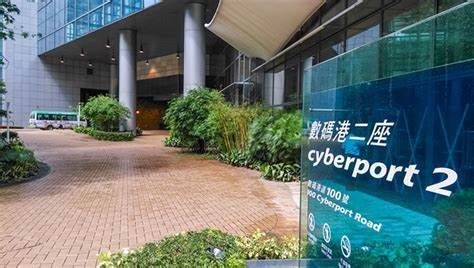
image from the Internet
01 Why Do Web3 Entrepreneurs Choose Hong Kong?
As a major international financial center, Hong Kong has long guided efficient capital allocation through its capital markets, playing a significant role in both real economy and financial sector development—benefiting fintech industries as well. Hong Kong offers diverse and abundant financing channels, including government grant programs, private financing, private equity, and venture capital, backed by a large-scale capital market. In recent years, Hong Kong’s financial regulators have actively attracted fintech investments. The "Hong Kong Virtual Asset Development Policy Statement" released at the end of 2022 further emphasized Hong Kong’s status as an international financial hub and its open, inclusive stance toward global innovators in the virtual asset industry.
According to Vincent Yim, Fintech Director at Cyberport, Hong Kong operates under the “one country, two systems” principle, offering unique advantages by connecting to both Mainland China—the world’s largest market for fintech adoption—and the global economy. The Outline Development Plan for the Guangdong-Hong Kong-Macao Greater Bay Area provides Hong Kong with fresh opportunities for expansive growth. Moreover, Hong Kong aligns institutionally with international standards, featuring a stable regulatory framework consistent with global industry practices, transparent regulations, and a robust legal system—all conducive to the development of fintech companies in this emerging field[iii].
In addition, Hong Kong offers tax incentives and subsidy schemes for startups. Given the absence of foreign exchange controls or restrictions on capital inflows and outflows—unlike those in mainland China—Hong Kong is better positioned to support fintech firms expanding cross-border operations globally.
02 The Evolution of Cyberport
The concept of Cyberport first emerged in the 1990s, initially envisioned as a catalyst for technological innovation in Hong Kong. At inception, Hong Kong aimed to become a leading global city in information technology development and application, particularly in e-commerce and software industries, prompting the proposal and construction of Cyberport as a supporting policy. However, due to limited market size and inadequate IT infrastructure, early Cyberport failed to generate significant momentum. Early efforts focused more on promoting a culture of innovation, but during this period, Hong Kong’s overall tech innovation sector also slowed down[iv]. Starting in 2018, the government intensified efforts to promote the digital economy, allowing Cyberport to benefit once again from policy tailwinds, shifting focus toward developing fintech based on Hong Kong’s financial strengths, leading to steady growth in resident enterprises.
On April 11, 2023, the Hong Kong government website published a press release regarding Chief Executive John Lee’s speech at the inauguration ceremony of the Hong Kong Web3 Association[v]. According to the release, to seize opportunities presented by web3, the new Financial Budget will allocate HK$50 million to Cyberport to accelerate the development of Hong Kong’s web3 ecosystem, particularly promoting cross-sector business collaborations. In early 2023, Cyberport also established the “Cyberport Web3 Hub”[vi].
Cyberport management recognizes that most fintech startups are small in scale and often face significant challenges in securing development funding. A key mission of Cyberport is to serve as an incubator for startups, providing them with growth space. Its core mandate includes incubating and supporting startups by offering financial grants, business consulting, collaboration platforms, product launch assistance, market expansion guidance, and investor matchmaking—meeting diverse developmental needs across various stages of startup growth[vii].
03 Breakdown of Cyberport Startup Subsidy Policies
Cyberport offers tailored subsidy programs of varying scales for enterprises at different development stages, with total subsidies potentially exceeding HK$1 million. Refer to the following illustration (from Cyberport’s official website):
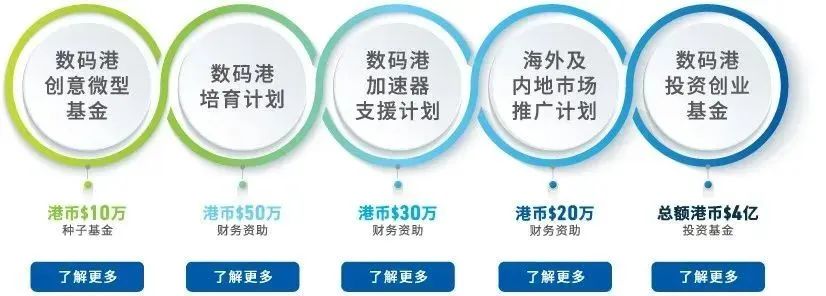
Details of each subsidy type are summarized in the table below:
1. Cyberport Creative Micro Fund (CCMF)
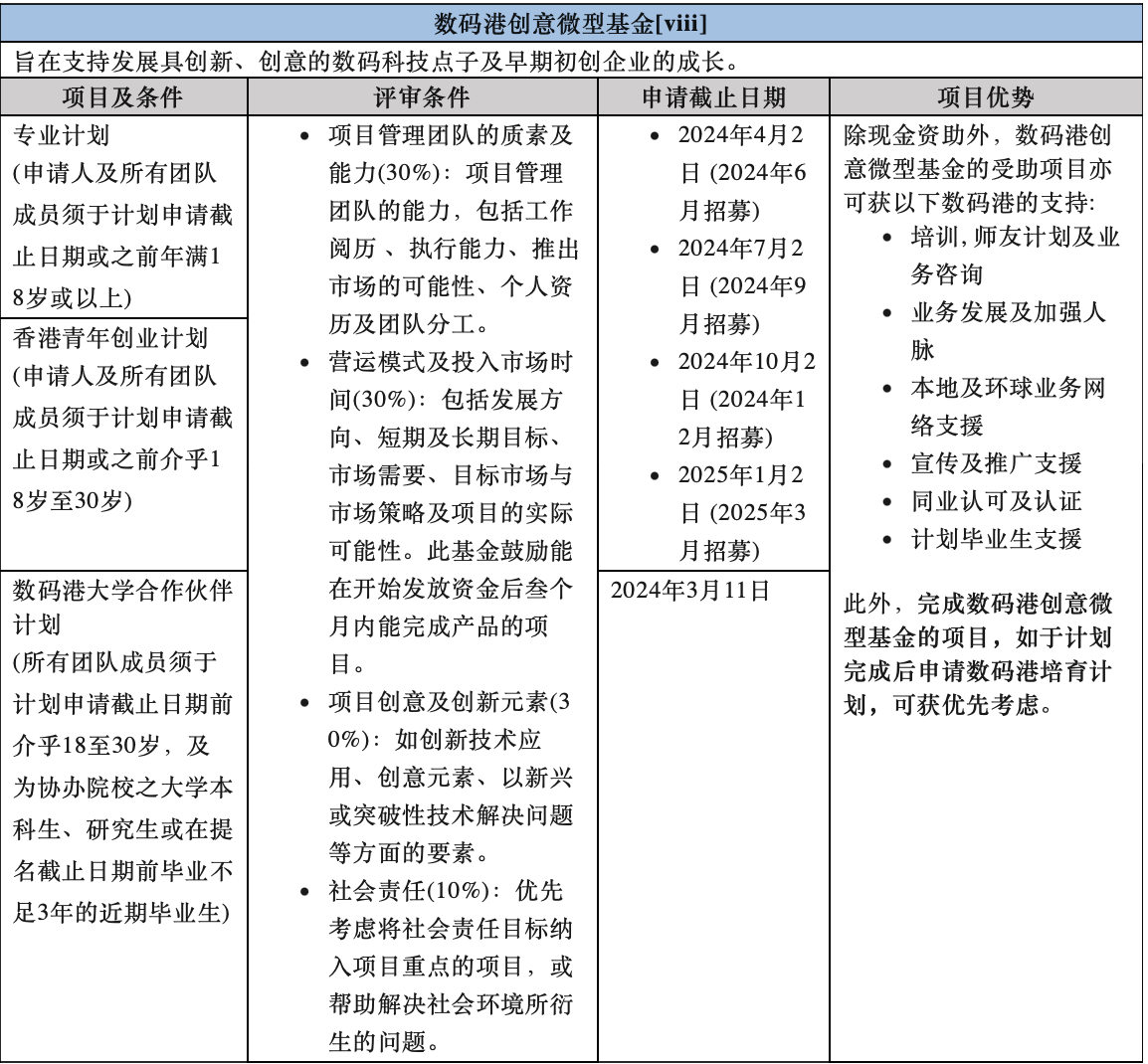
2. Cyberport Incubation Programme
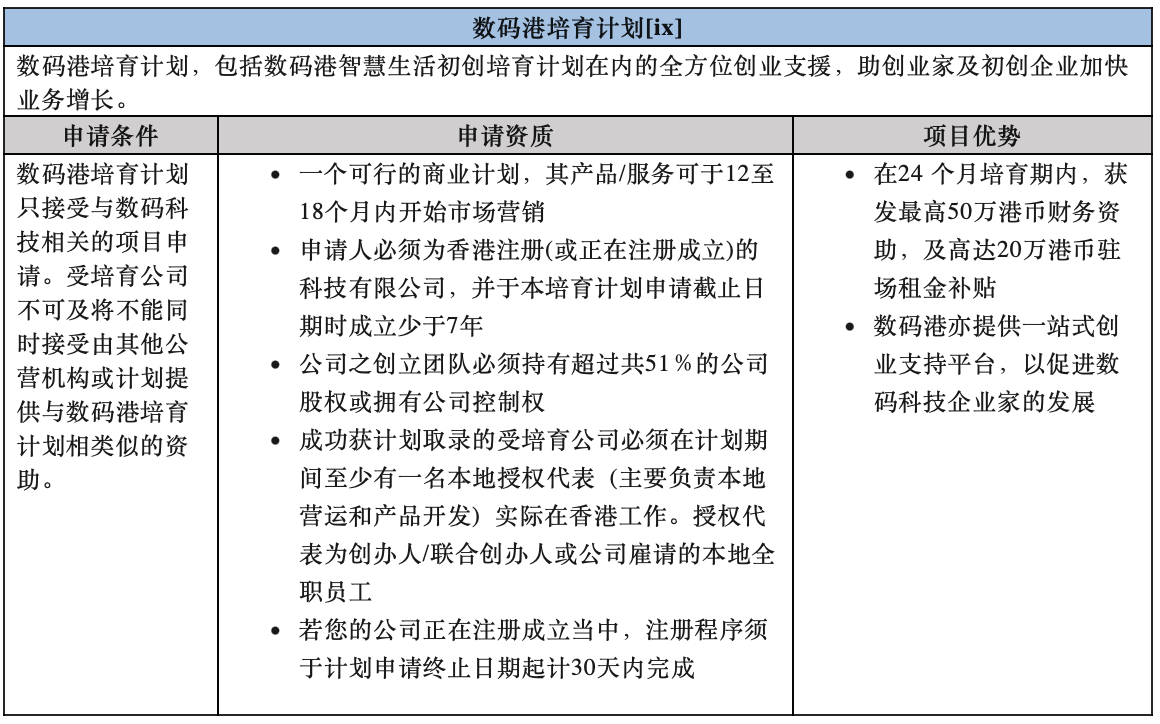
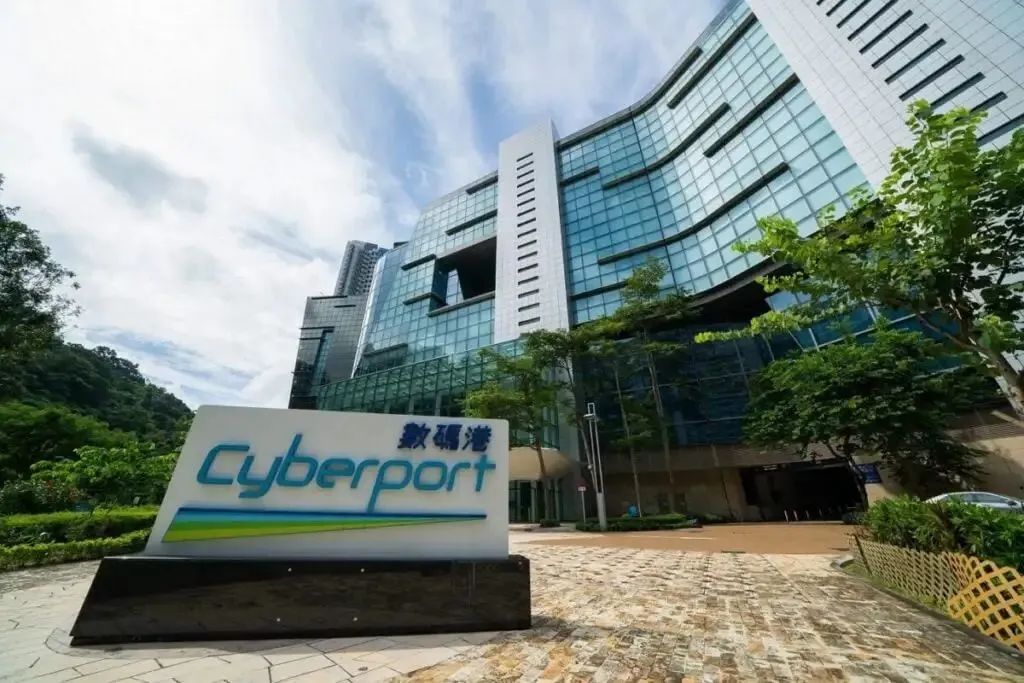
image from the Internet
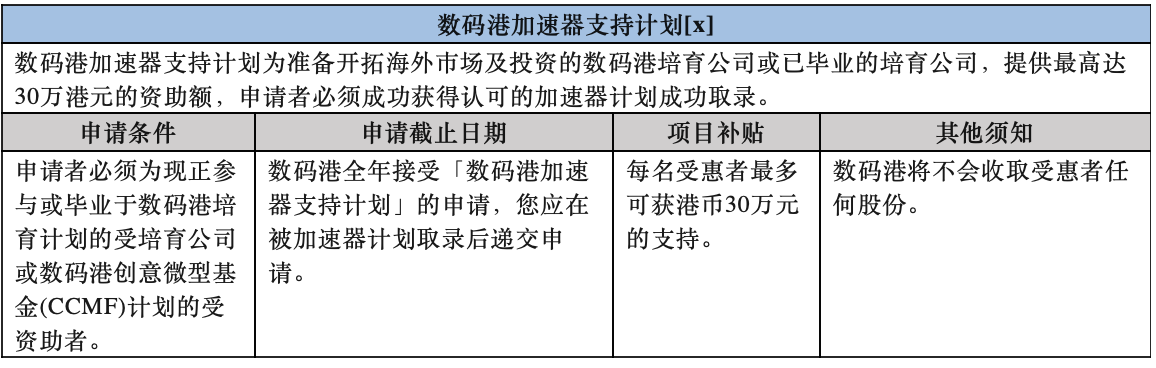
3. Cyberport Accelerator Support Programme
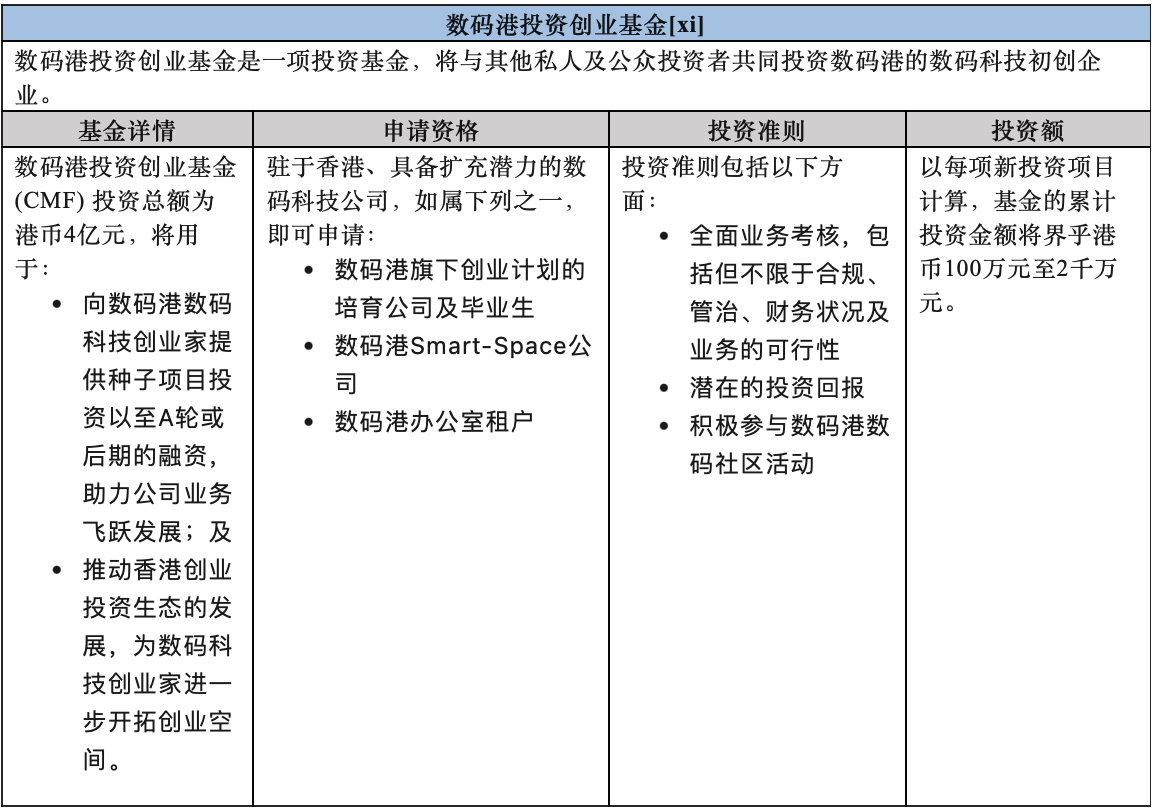
4. Cyberport Investment Startup Fund
Join TechFlow official community to stay tuned
Telegram:https://t.me/TechFlowDaily
X (Twitter):https://x.com/TechFlowPost
X (Twitter) EN:https://x.com/BlockFlow_News