
Visual Guide: 10 Commandments for Building DAOs
TechFlow Selected TechFlow Selected
Visual Guide: 10 Commandments for Building DAOs
Conway's Law states that the systems designed by an organization will reflect its own communication structure.
 Navigating Web3 tides with focused insights
By Owocki
First Law: Gall's Law
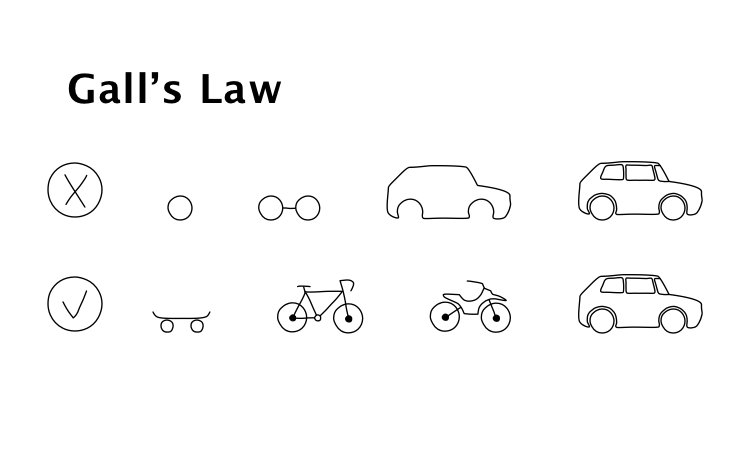
Gall's Law states that a complex system that works has always evolved from a simple system that worked. (Not from a complex system that was initially ineffective.)
How to use this law: Apply it when designing a minimum viable product.
Second Law: The Pareto Principle
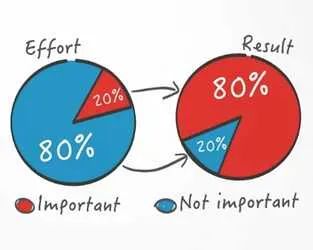
The Pareto Principle (or 80/20 rule) suggests that roughly 80% of the outcomes come from 20% of the key efforts.
How to use this law: Apply it when designing a minimum viable product.
Third Law: Parkinson's Law
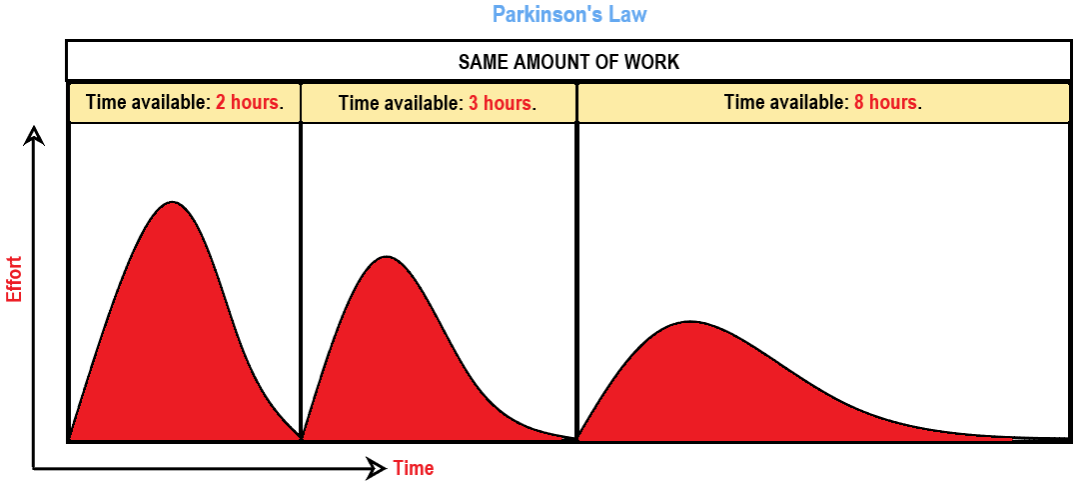
Parkinson's Law states that work expands to fill the time or budget available for its completion.
How to use this law: Use it to set deadlines that are far enough but not too far out.
Fourth Law: Goodhart's Law
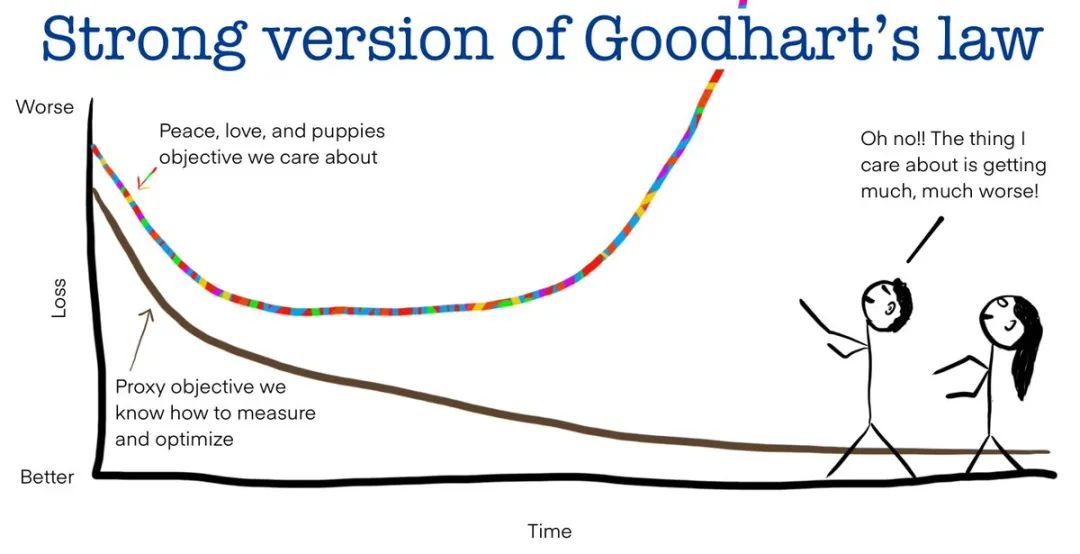
Goodhart's Law states that when a measure becomes a target, it ceases to be a good measure.
How to use this law: Strictly adhere to it when building systems designed for challenging tasks (such as public goods funding or sybil resistance).
Fifth Law: Brooks' Law
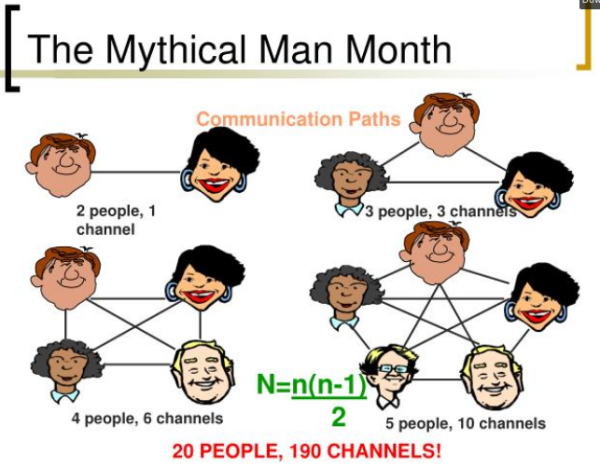
Brooks' Law, introduced by Fred Brooks in his book "The Mythical Man-Month," states that adding more people to a late software project only makes it later.
How to use this law: Keep teams small.
Sixth Law: Moore's Law
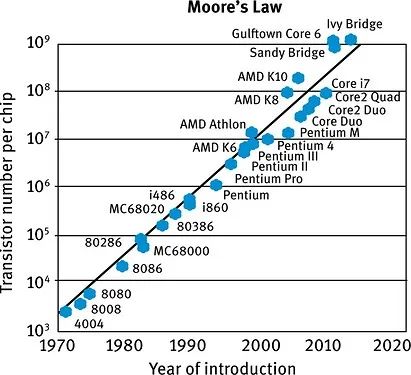
Moore's Law is an observation made in 1965 by Gordon Moore, co-founder of Intel, stating that the number of transistors on a chip doubles approximately every two years while the cost halves.
How to use this law: We're all organically riding the wave of Moore's Law. This is part of creating massive returns in technology!
Seventh Law: Metcalfe's Law
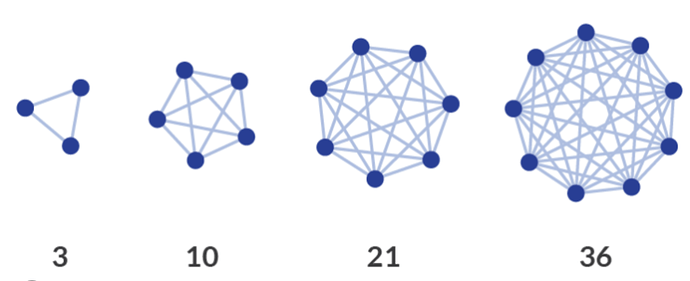
Metcalfe's Law states that the value of a telecommunications network is proportional to the square of the number of connected users (n^2).
How to use this law: Build for exponential value creation!
Eighth Law: Dunbar's Number
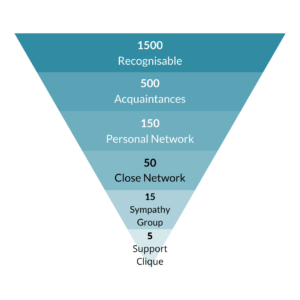
Dunbar's Number suggests there is a cognitive limit to the number of people with whom one can maintain stable social relationships.
How to use this law: Unless otherwise necessary, keep teams small! If team expansion is needed, pay attention to optimal trust patterns at each level.
Ninth Law: The Unix Philosophy
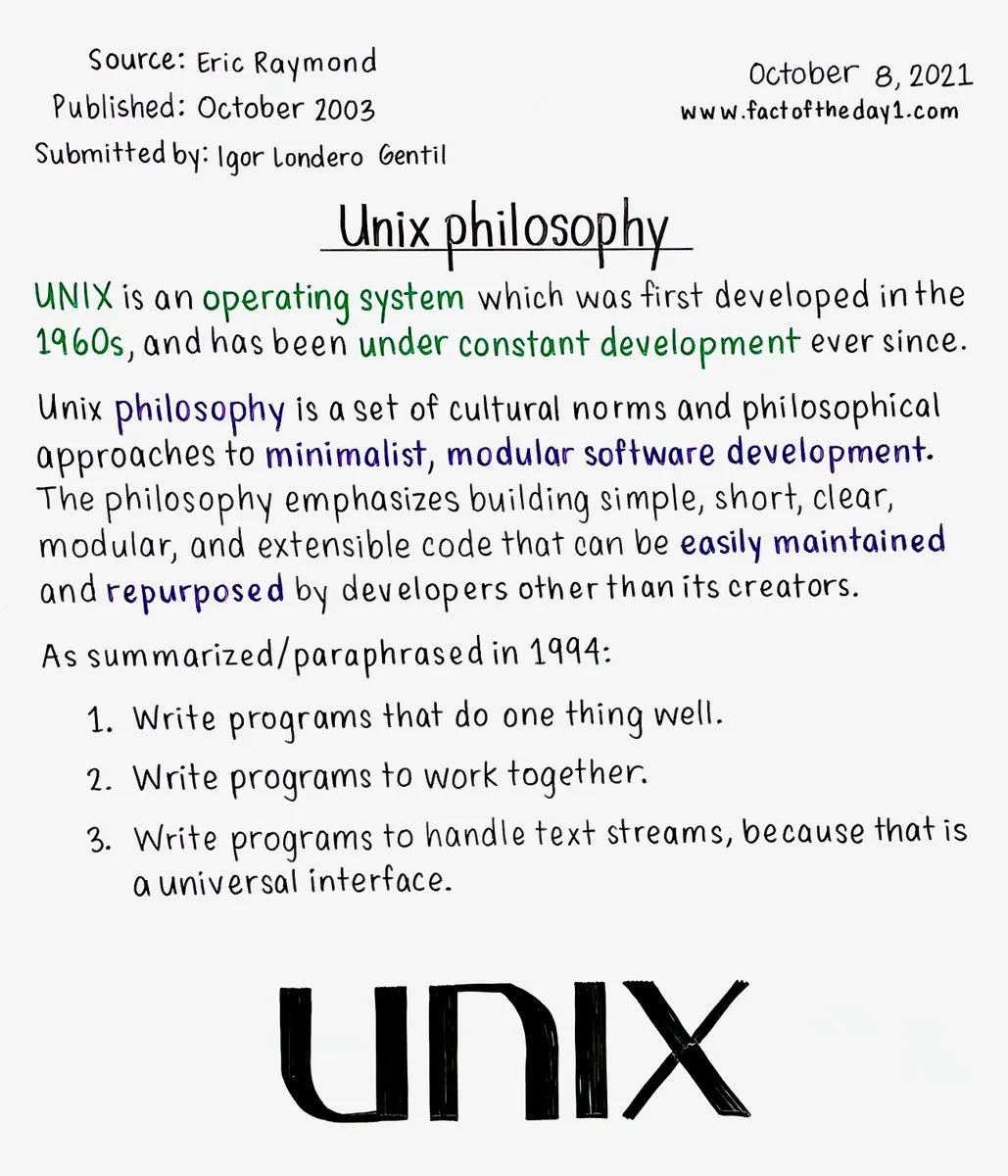
The Unix philosophy is:
1) Make each program do one thing well;
2) Make the output of one program become the input of another;
3) Design programs so they can work together.
How to use this law: Build modular software!
Tenth Law: Conway's Law
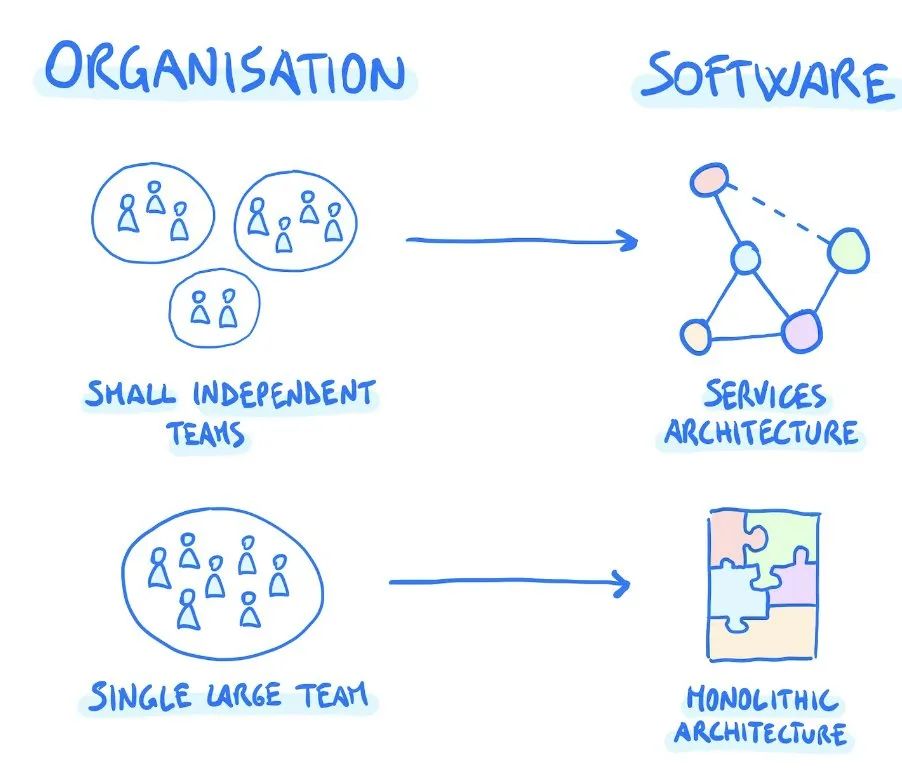
Conway's Law states that any organization that designs a system will produce a design whose structure reflects the organization's communication structure.
How to use this law: Design your organization using principles similar to software development. Note that the overall structure cannot scale!
Join TechFlow official community to stay tuned
Telegram:https://t.me/TechFlowDaily
X (Twitter):https://x.com/TechFlowPost
X (Twitter) EN:https://x.com/BlockFlow_News