









What You Need to Know About the Upcoming Runestone Airdrop
TechFlow Selected TechFlow Selected
What You Need to Know About the Upcoming Runestone Airdrop
The snapshot has ended, but the airdrop timing has not been determined yet.
 Navigating Web3 tides with focused insights
Author: Uncle Jian
$RISC pioneered the rune airdrop trend. Due to its novel combination of airdrops, mining, and runes, market sentiment turned highly FOMO, driving the price from 200U up to 1,700U.
It's no big deal if you missed out on the $RISC airdrop— a fairer rune — Runestone (symbol ᛤ) will soon be airdropped for free to active Ordinals addresses.
Below is a detailed introduction to Runestone:

1. Origin
Runestone is an experimental project initiated by @LeonidasNFT, founder of @ord_io, inspired by $RISC.
$RISC was only airdropped to select holders of blue-chip Bitcoin NFTs, with the team reserving 10% of the supply—making its distribution somewhat unfair.
Leonidas disliked $RISC's claim of being the "first rune" and pointed out its unfair distribution model. As a response, he launched Runestone as a free airdrop to the Ordinals community and raised 70,000 USD from the community to cover airdrop costs.
2. Airdrop Rules
The snapshot for Runestone was completed at block height 826,600—the one-year anniversary of Ordinals.
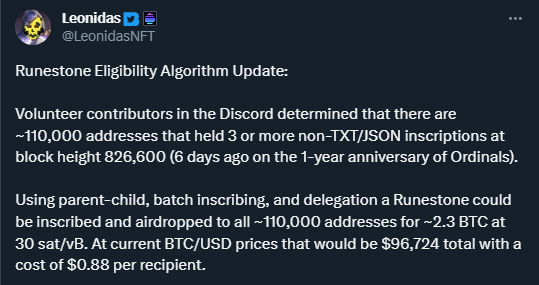
There will be a total of 110,000 Runestones, with a maximum of one per address. The airdrop will be delivered in the form of inscriptions. Once Casey completes development of the Rune protocol, each inscription holder will receive one corresponding Runestone rune on a 1:1 basis. (Recently, Casey has been playing Baldur’s Gate 3—hopefully the Rune protocol launches on schedule, haha.)
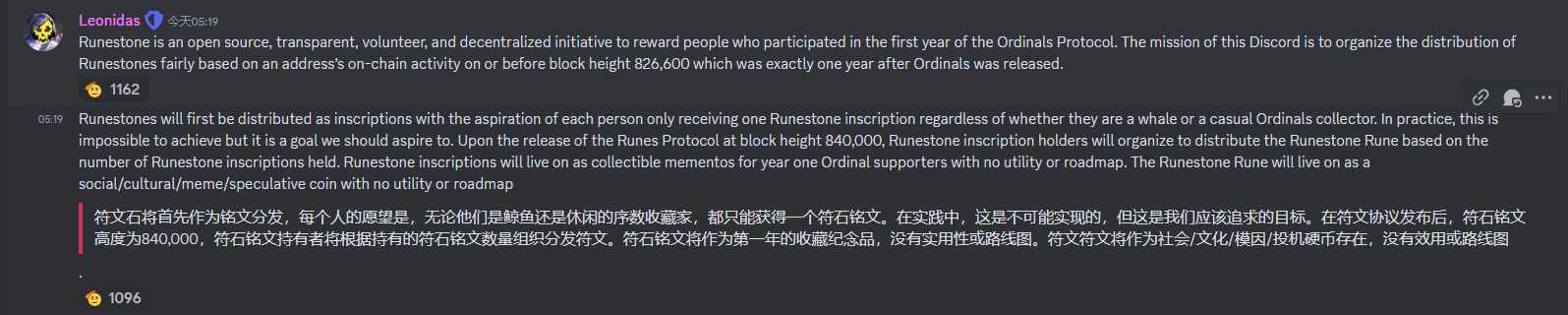
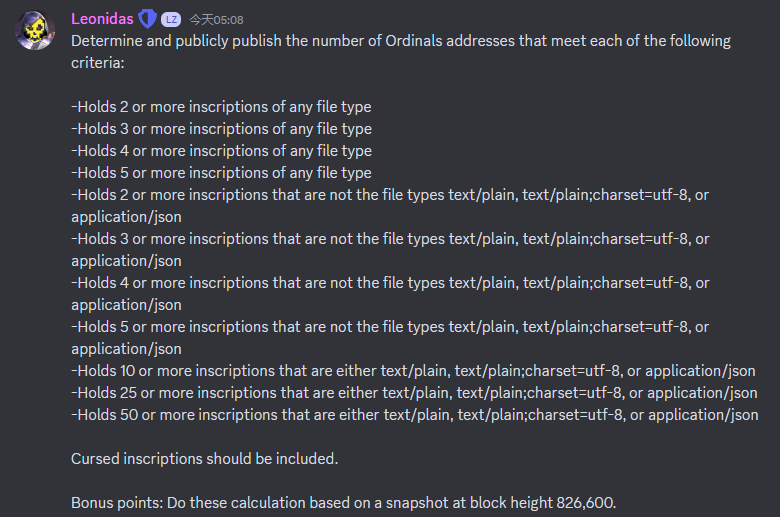
Leonidas considered the following factors when determining eligibility:
-
Number of inscriptions held
-
Inscription file type (text/json); different formats may carry different allocation weights
-
Includes cursed inscriptions (unclear whether broken inscriptions count)
Based on these criteria, Leonidas announced today that recipients must hold three or more non-text/non-JSON inscriptions.
3. The Symbol ᛤ and the Origin of Rune
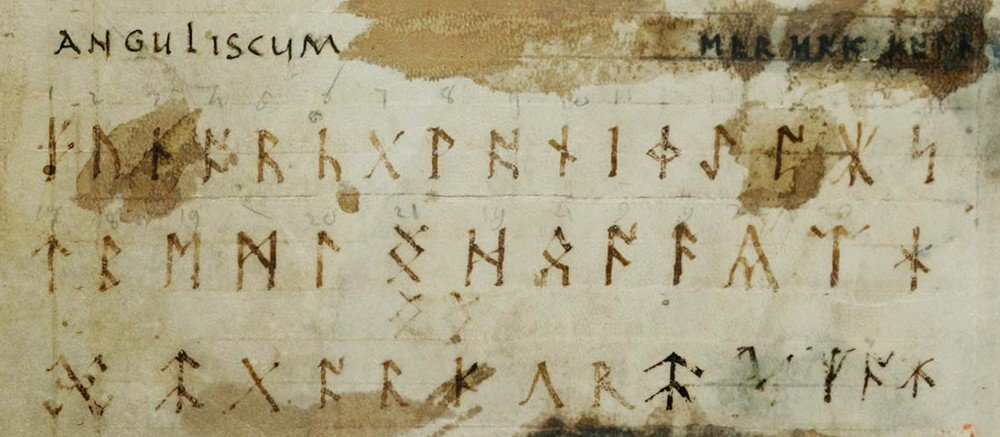
The symbol ᛤ originates from Anglo-Saxon runes, though its exact meaning is lost to history.
The word "Rune" comes from Greek, meaning "secret." According to legend, it was created by Odin, the god of magic, war, death, and knowledge. The earliest known reference dates back to 101 AD. Runes have since been used throughout history and are deeply embedded in esoteric traditions. (The images and text in this section are credited to @micaiOXS.)
4. Important Notes
The snapshot has already ended—there's no need to create additional inscriptions. The exact airdrop timing hasn't been confirmed yet; follow the founder @LeonidasNFT on Twitter for updates.
What's being airdropped first is the inscription—inscription—inscription. The rune itself will be airdropped 1:1 once Casey completes the Rune protocol. Casey plans to launch it around the Bitcoin halving (block height 840,000).
Runestone is a free airdrop—just wait for it to arrive. There is no minting site. Anyone asking you to mint is a scammer.
Finally, I hope every fan receives the Runestone airdrop. You can now check your eligibility at http://runestone.lfg.cash. Note that this is not the final list—updates may follow.
Join TechFlow official community to stay tuned
Telegram:https://t.me/TechFlowDaily
X (Twitter):https://x.com/TechFlowPost
X (Twitter) EN:https://x.com/BlockFlow_News
 @jianshubiji











