








Interpreting GamerHash: The gamer version of RNDR—renewed growth or just a flash in the pan?
TechFlow Selected TechFlow Selected
Interpreting GamerHash: The gamer version of RNDR—renewed growth or just a flash in the pan?
The computer is on anyway, so during idle times when not gaming, why not run a mining program to earn some cryptocurrency?
 Navigating Web3 tides with focused insights
By: TechFlow
There is a kind of political correctness in the crypto market known as "chasing new tokens, not old ones."
However, some obscure older projects often quietly deliver stronger market performance than before by leveraging new narratives and new cycles.
Last week, a token named GHX surged nearly 300% within just two days. Although its price pulled back slightly after that, it has since resumed climbing and has already sparked limited discussions within overseas crypto communities.
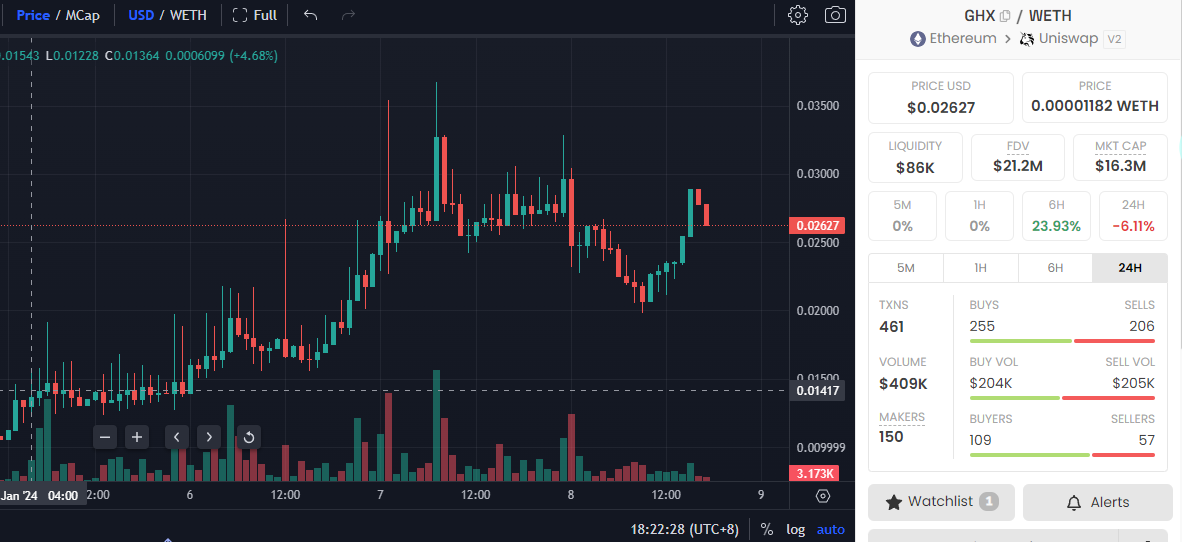
With a name easily confused with GMX and a market cap under $20 million, combined with its sudden price surge, GHX appears at first glance to be a newly launched meme token.
But public data reveals that the project behind GHX is called GamerHash, whose team and company were established as early as 2017, with its token launched in 2019.

The fact that capital continues flowing into this project even after enduring multiple market cycles is nothing short of a case of an old tree blooming anew.
Moreover, the combination of its early origins, long absence from mainstream attention, low market cap, and recent sharp price movements naturally sparked our interest in investigating it further.
According to GamerHash's official website, the project’s main business allows users to contribute their devices’ idle computing power in exchange for mining rewards.
This description may immediately remind you of RNDR, another GPU-mining project that previously saw explosive price growth.
However, the key difference is that GamerHash specifically targets gamers, with a simpler and more self-consistent business logic that can be summarized in one sentence: gamers leave their computers on anyway—why not utilize their excess computing power for other purposes, earn mining rewards, and use those rewards directly to purchase games or related merchandise?
Truly, taking from players and giving back to players.
If you browse GamerHash’s website briefly, you’ll notice it even supports Steam login—a feature highly appealing to gamers.
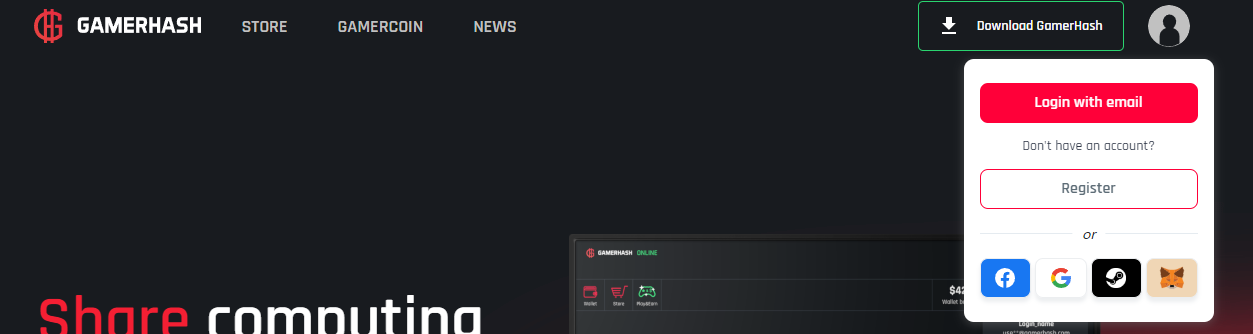
There are many crypto projects focused on gamers and gaming, and numerous ones based on contributing computing power for mining. However, projects that integrate gaming and distributed computing—bearing even a hint of DePIN characteristics—are rare.
GamerHash may have tapped into the convergence of three overlapping narratives, which could explain its eye-catching price performance.
Is this “gamer version of RNDR” truly an example of an old tree blooming, or merely a flash in the pan?
Targeting Gamers, Simple and Accessible Mining
Looking deeper into the project’s documentation, we find several distinct features that set GamerHash apart from typical small-cap tokens:
comprehensive functionality, ease of understanding, and a solid existing user base.
Launched initially in November 2017, GamerHash now boasts over 740,000 registered users worldwide. As a gamer, you can easily visit their website and sign up.
The project’s product suite consists of three main components: the desktop application, the platform, and the mobile app.
Understanding these components is straightforward: the desktop app enables device-based mining, the platform handles pre-mining hardware assessment and post-mining token usage, while the mobile app allows real-time monitoring of mining activities and earnings, along with an integrated wallet.
The core idea is simple: players run the desktop application in the background of their computers to earn and share their computing power. Additionally, GamerHash operates a task-based marketing platform where users can complete tasks—such as playing specific games—to earn project tokens as rewards.
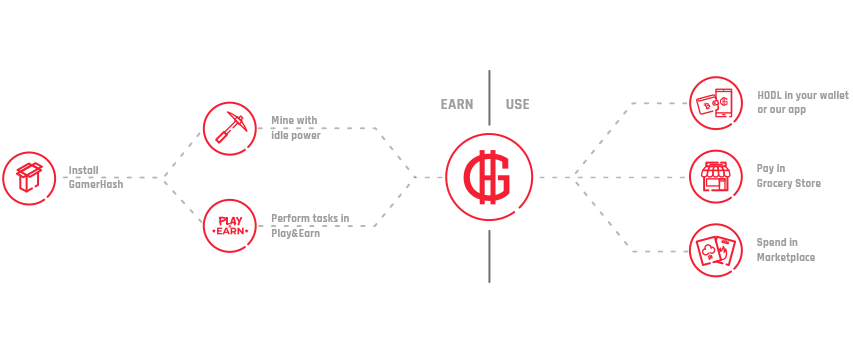
You might wonder about the specifics: what tokens does GamerHash mine, and how exactly does its mining program work?
First, it's important to clarify that when users contribute their idle computing power via GamerHash, they are not mining the project’s native GHX token. Instead, they mine various PoW-compatible cryptocurrencies, including but not limited to the following:
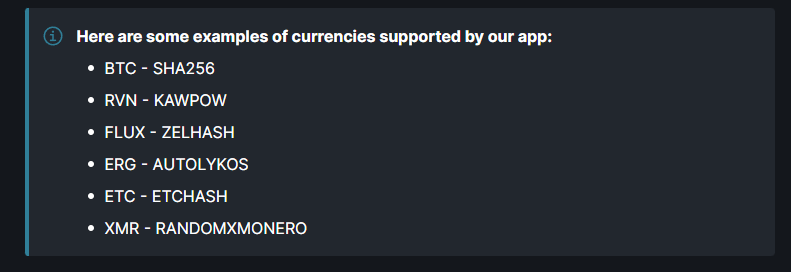
In essence, GamerHash functions more like a mining pool aggregator and proxy—aggregating distributed computing power from gamers’ devices and dynamically allocating it across different cryptocurrencies based on demand.
When users launch the application, they receive rewards based on their available computing capacity.
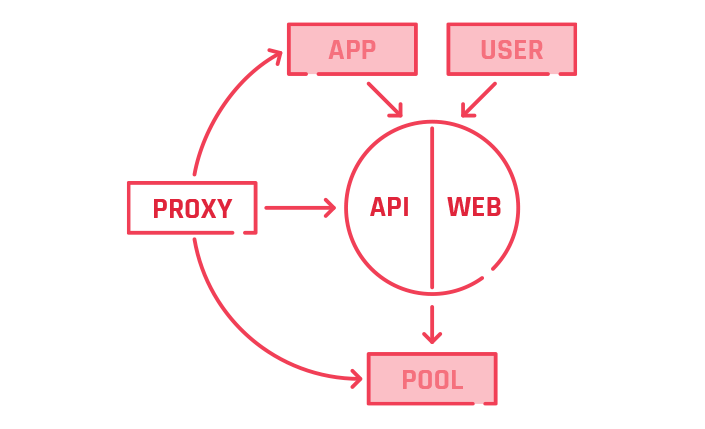
The project’s algorithm matches each user’s hardware configuration with the most profitable cryptocurrency to mine, then begins mining automatically. The mined altcoins are instantly converted into Bitcoin. This entire process runs seamlessly in the background, requiring no active involvement from the user. Most importantly, the GamerHash application can run virtually anytime the user wants—even while they’re sleeping or engaged in daily activities.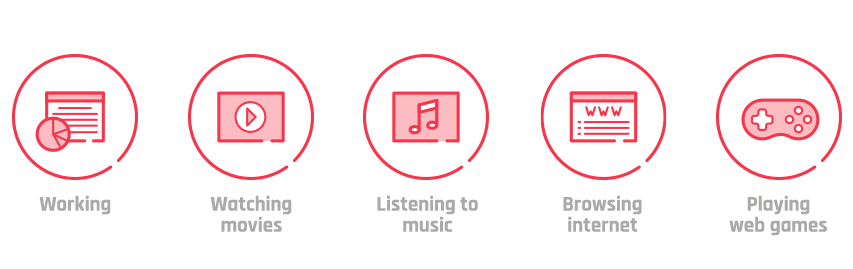
This embodies a gamer-centric logic of maximizing idle resources:
Your computer is on anyway—during downtime between gaming sessions, why not run a mining program and earn extra tokens passively?
Note that this isn’t about forcing people to mine; rather, it’s a value-add during idle time. Hardcore gaming enthusiasts or frequent players can especially relate to this.
All mining proceeds are automatically transferred to the user’s wallet daily, once the accumulated amount reaches a threshold of 0.01 mBTC (0.00001 BTC). Players don’t even need to track what they’ve mined—the system automatically converts everything into BTC and deposits it into a wallet linked to their account.
Notably, users don’t even need to manage their wallet’s public or private keys—all of this is silently configured behind the scenes.
Reusing idle resources with seamless integration offers significant time and psychological advantages for users.
GamerHash also provides an official earnings simulator. For example, using an RTX 3070 gaming GPU, if your gaming PC is equipped with such a card, you could earn approximately $15 worth of BTC in one month of idle time, based on current BTC prices.
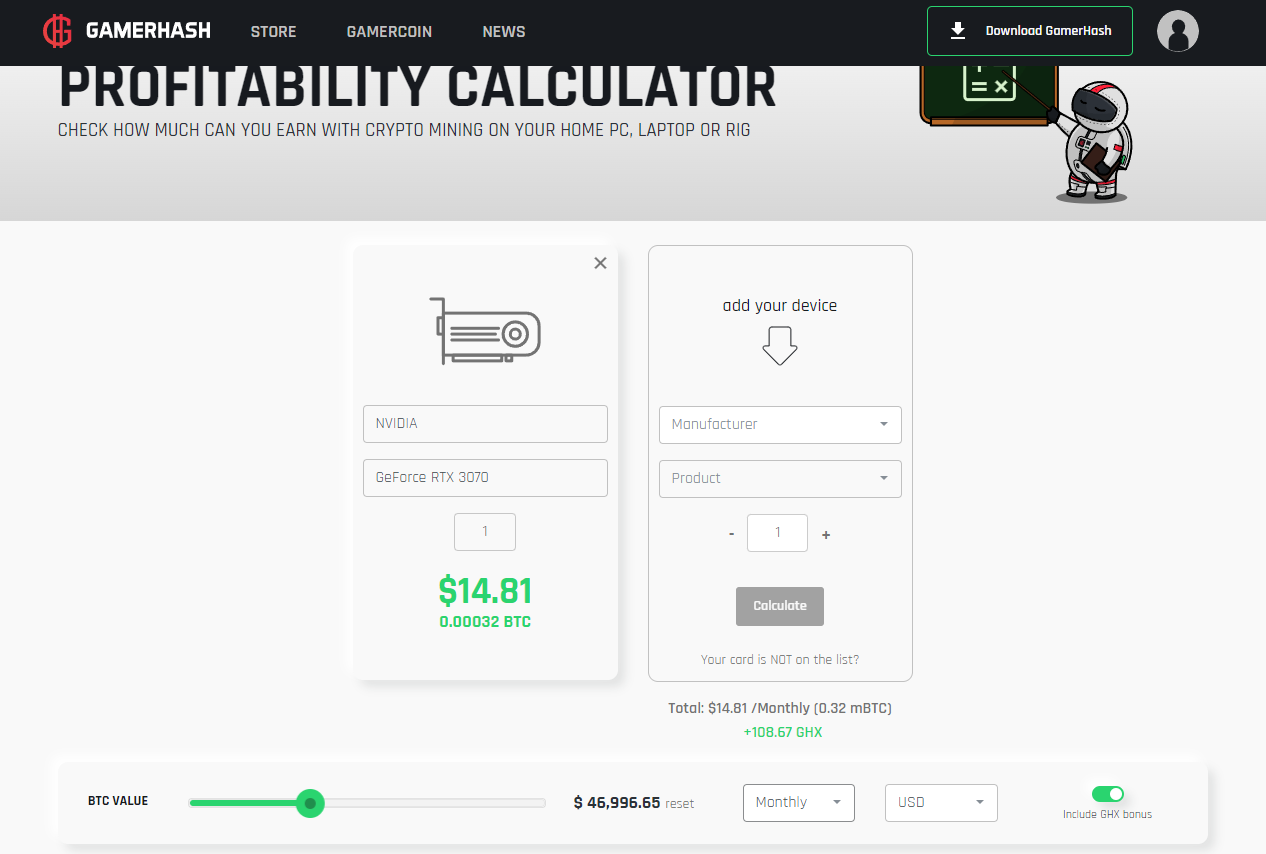
To crypto degens, $15 may seem trivial. But for a gamer, if the computer is already running anyway, earning an extra $15 is hardly a bad deal. Keep in mind,
However, whether this mining consistently runs GPUs at full or even overloaded capacity requires real-world testing—damaging hardware would ultimately outweigh any gains.
Mine to Buy Games, Fulfilling Gamers’ Dreams
In the crypto space, especially within gaming projects, there’s always been a fundamental tension—the conflict between token rewards and actual utility.
Crypto projects offer rewards, but often only for the sake of profit. The common approach is not to actually play games or care about the project—just endless “mine, sell, take profits.”
But GamerHash offers a far more self-consistent reason to mine: buying games.
As mentioned earlier, many non-gamers may not grasp the significance of $15. Consider that the evergreen blockbuster game *GTA5* currently costs $30. In other words, simply by leaving your PC running, you could earn enough in two months to get GTA for free.
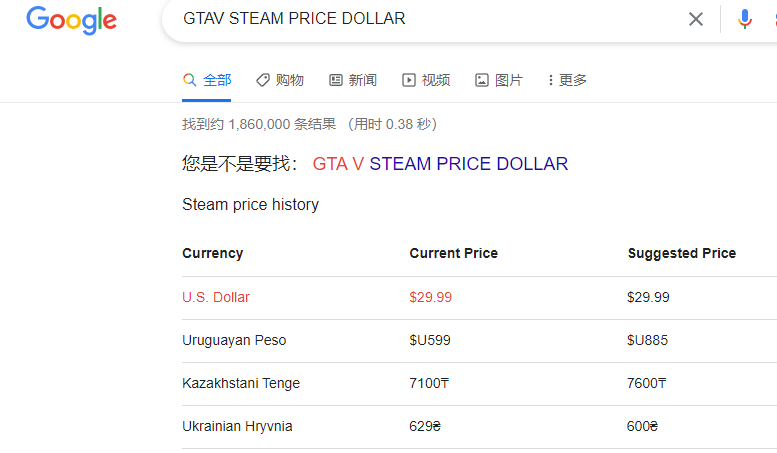
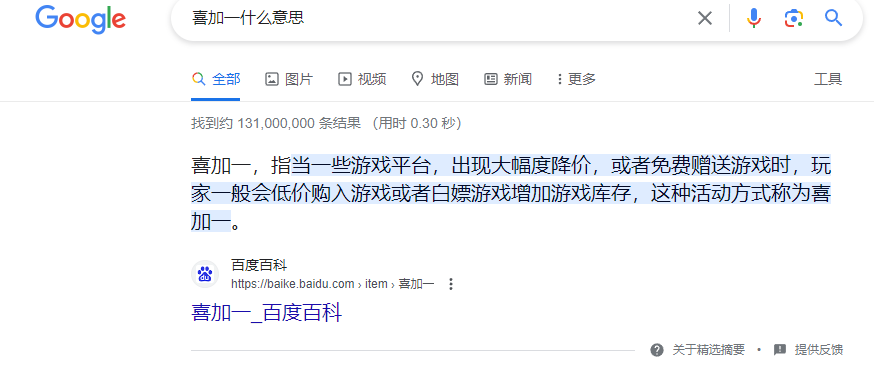
Within the Steam community, there’s a famous meme known as "Xi Jia Yi" ("Happiness +1"), referring to receiving a free game to expand one’s library.
Can you afford it? Yes—but no one turns down free games. This is precisely GamerHash’s core appeal to gamers.
On the GamerHash platform, there’s even a built-in game store. You can directly use your mined cryptocurrency to purchase popular AAA titles like *Elden Ring*. Additionally, you can use tokens to buy gift cards for services like Netflix, Blizzard, or other game platforms.
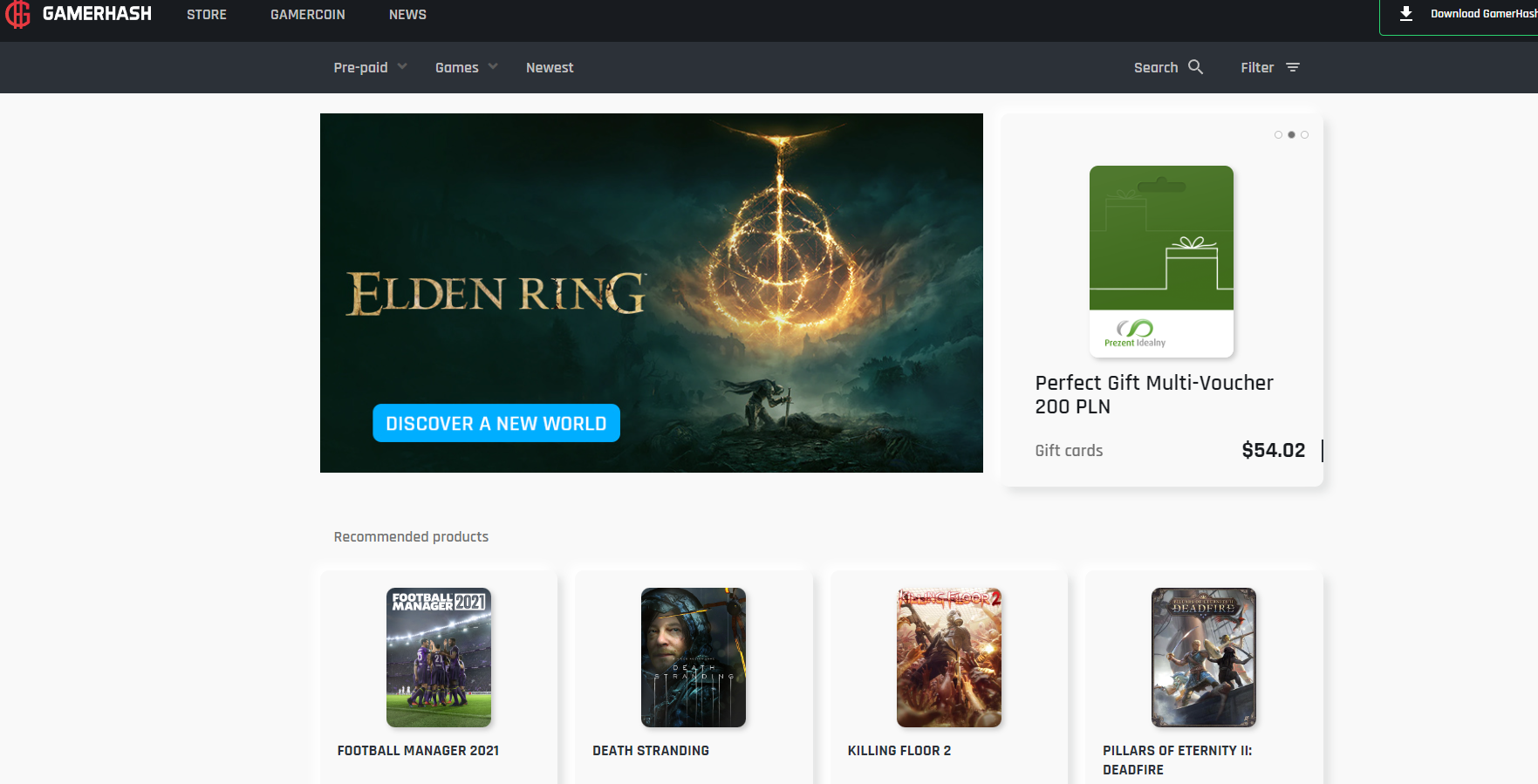
Sometimes players just want to play. Rather than focusing solely on crypto speculation, directly enabling tokens to purchase games creates genuine utility.
Token Overview
GamerHash’s native token is GHX. As previously noted, its price remained relatively flat until around January 5th, when it suddenly surged by approximately 300%. Its current market cap stands around $17 million.
Notably, trading volume has spiked simultaneously. At the time of writing, GHX’s 24-hour trading volume represents a staggering 166% of its market cap, clearly indicating strong short-term capital inflow.
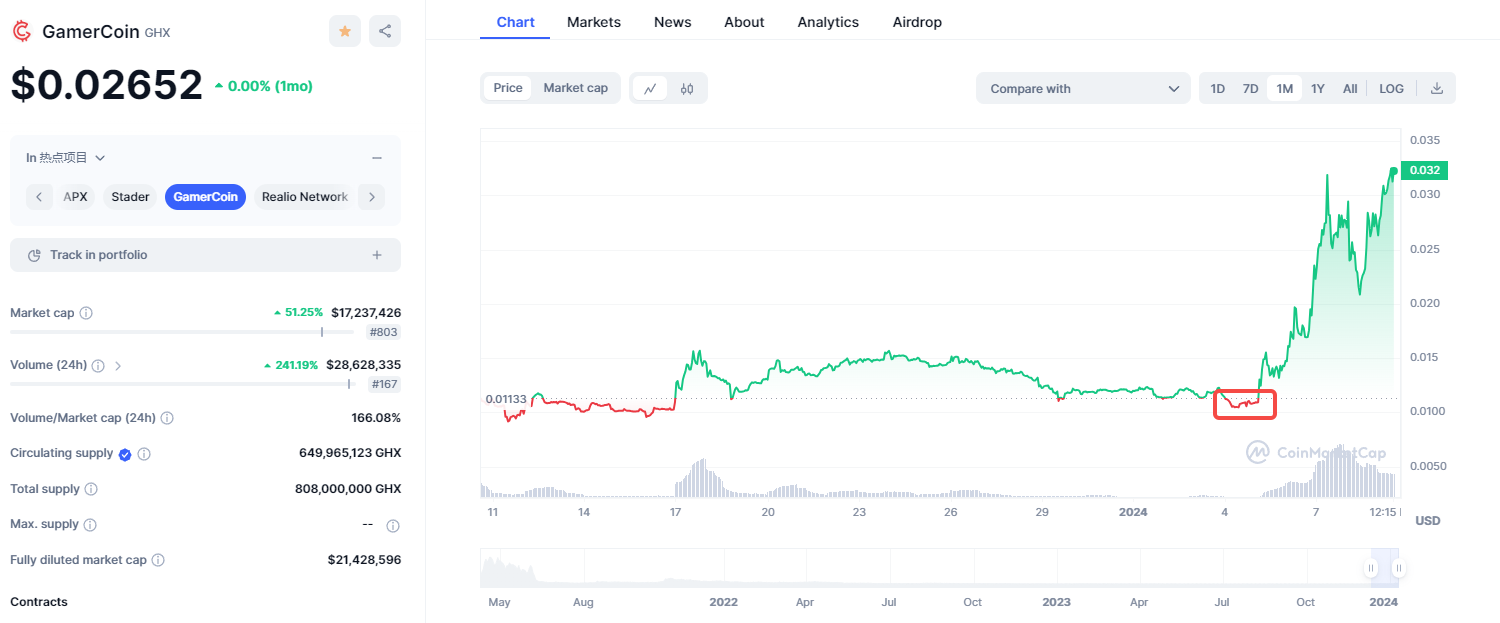
Currently, GHX exists on both Ethereum and BNB Chain with identical pricing across both networks.
Besides purchasing GHX on secondary markets, users can obtain it through two additional methods:
-
As mining rewards
-
As rewards for completing Play & Earn tasks

All users who mine using the GamerHash application receive not only BTC-denominated payouts but also additional GHX rewards. Whether a user receives a bonus depends on the quantity and frequency of mined cryptocurrencies. Bonus pool allocations and individual user caps are governed by GamerHash’s terms of service.
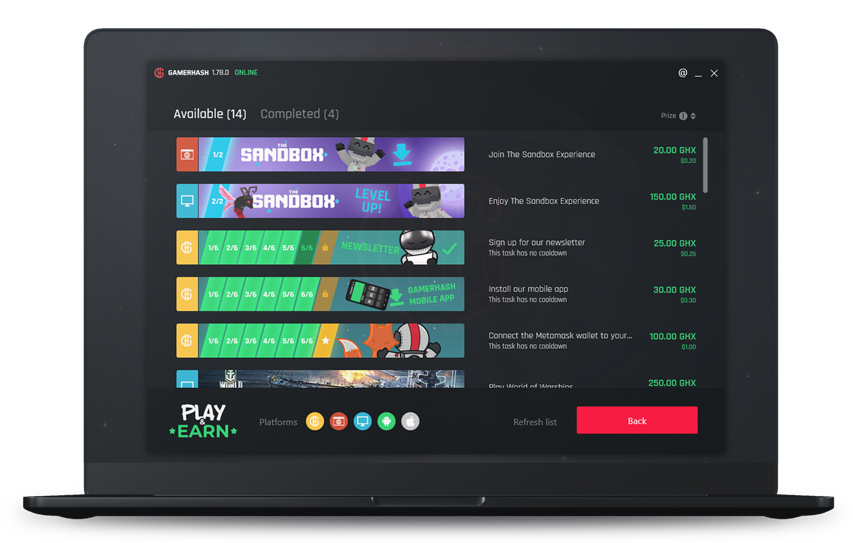
Additionally, users can earn GHX by completing tasks listed in the Play & Earn section—an extension of the familiar crypto “farm and airdrop” model. Notably, GamerHash’s tasks often involve partnerships with blockchain games like The Sandbox. This adds a positive layer to the project: it can function as a reward layer compatible with various games, enabling joint airdrops and collaborations that enhance GHX’s overall value.
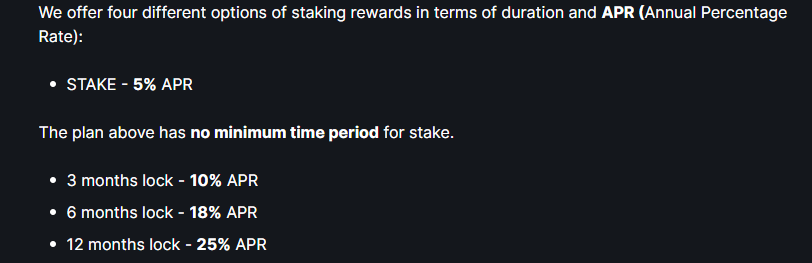
Finally, from a DeFi perspective, GHX also offers staking and liquidity mining incentives. Standard staking APR is around 5%, while longer lock-up periods can yield up to 25% APR.
Regarding token distribution, 36% was allocated to “token sale contributors.” A closer look reveals this refers to private round investors, rewarding their early support.
In terms of vesting, 12.5% of these tokens unlocked 7 days after TGE, another 12.5% unlocked 14 days after TGE, followed by 25% unlocks every 3 months for a total duration of 9 months.

Considering this is an older token and TGE occurred on December 31, 2020, the private allocation should now be fully unlocked after three years, eliminating potential sell-side pressure from this group.
For details on other token allocations and unlock schedules, refer here. Additionally, between December 2021 and June 2022, GHX underwent seven phases of token burning. According to CMC data, out of a total supply of 800 million GHX tokens, nearly 700 million are currently in circulation. Overall, remaining locked supply doesn’t pose significant future sell pressure.

From a news standpoint, there hasn’t been any major fundamental catalyst for GHX. Therefore, I believe the token’s rapid price increase is tied to its alignment with overlapping narratives—gaming, GPU mining, and DePIN—making it an attractive target for speculative capital.
Furthermore, since this idle computing power can mine PoW coins, it could also potentially mine AI-related cryptocurrencies—thus indirectly riding the AI narrative wave.
Chase new, not old—but when chasing old, you need a reason.
Given GHX’s low market cap and growing social media buzz, this resurgence of an old project could sustain momentum for some time.
Backed by multiple compelling narratives and a self-reinforcing cycle where gamers contribute resources and gain access to games, the project now has a degree of fundamental support.
We’ll have to wait and see how it unfolds from here.
Join TechFlow official community to stay tuned
Telegram:https://t.me/TechFlowDaily
X (Twitter):https://x.com/TechFlowPost
X (Twitter) EN:https://x.com/BlockFlow_News
 深潮TechFlow







