








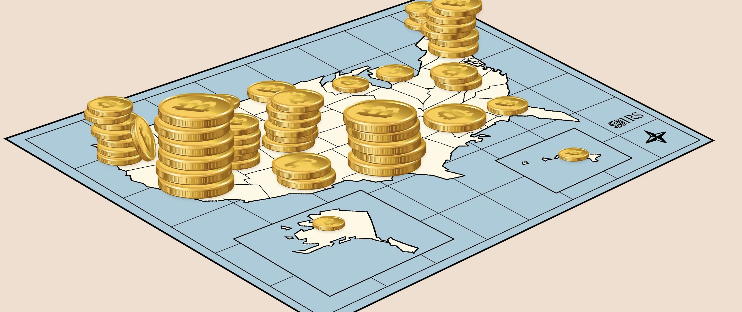
Where do cryptocurrency believers in the United States tend to gather?
TechFlow Selected TechFlow Selected
Where do cryptocurrency believers in the United States tend to gather?
Population, occupation, and politics are all determining factors.
 Navigating Web3 tides with focused insights
Author: William Baldwin
Translation: Luffy, Foresight News
Cryptocurrency believers congregate in some places and not in others. Now there's a way to identify where crypto adherents are located across the United States.
According to indirect evidence, if your community appears on the cryptocurrency heatmap, you're likely surrounded by young, wealthy taxpayers or those working in software development.
Unsurprisingly, California leads in the number of areas densely populated with Bitcoin or other cryptocurrency owners. But in state rankings, Washington surpasses California.
Notably, digital speculation remains relatively unpopular across the American Midwest. Among high-income taxpayers, there's a 13-fold difference in cryptocurrency adoption between Washington and West Virginia.
These insights stem from a decade-long government crackdown on crypto asset misuse. The IRS suspects token holders have failed to report capital gains, prompting demands for exchanges like Coinbase and Kraken to disclose customer information. The U.S. Department of Justice fined Binance $4 billion for money laundering violations. Federal agencies have repeatedly traced seemingly anonymous blockchain transactions to recover stolen tokens or gather evidence of other crimes, such as drug trafficking.
A key component of this enforcement effort has been requiring, starting with 2020 tax returns, that taxpayers indicate whether they conducted any cryptocurrency transaction during the year. Although the primary goal was to catch individuals who had cashed out cryptocurrency or received it as payment, in the first round, even if all you did during the year was purchase digital assets, you were still required to check "yes" on the form.
The takeaway from this fishing expedition: at least among taxpayers unwilling to risk prosecution for perjury, it provides a reasonably accurate snapshot of U.S. cryptocurrency penetration three years ago. The IRS recently released these results in a statistical summary of Form 1040 data listed by ZIP code.
The dataset contains roughly at least 20 million entries. I sifted through this massive dataset, focusing on the 9.3 million returns with adjusted gross incomes exceeding $200,000. High-net-worth individuals show the highest rates of cryptocurrency adoption.
Nationally, one in every 47 top-tier taxpayers qualifies. Geographic disparities are significant. On the West Coast (three states combined), adoption is one in every 29; in another 21 states, the rate falls below one percent.
State Rankings for Cryptocurrency Adoption
Blue states (those voting for Biden) have more than their share of cryptocurrency enthusiasts. Note: Maine has an above-average population age, while Texas hosts Bitcoin miners.
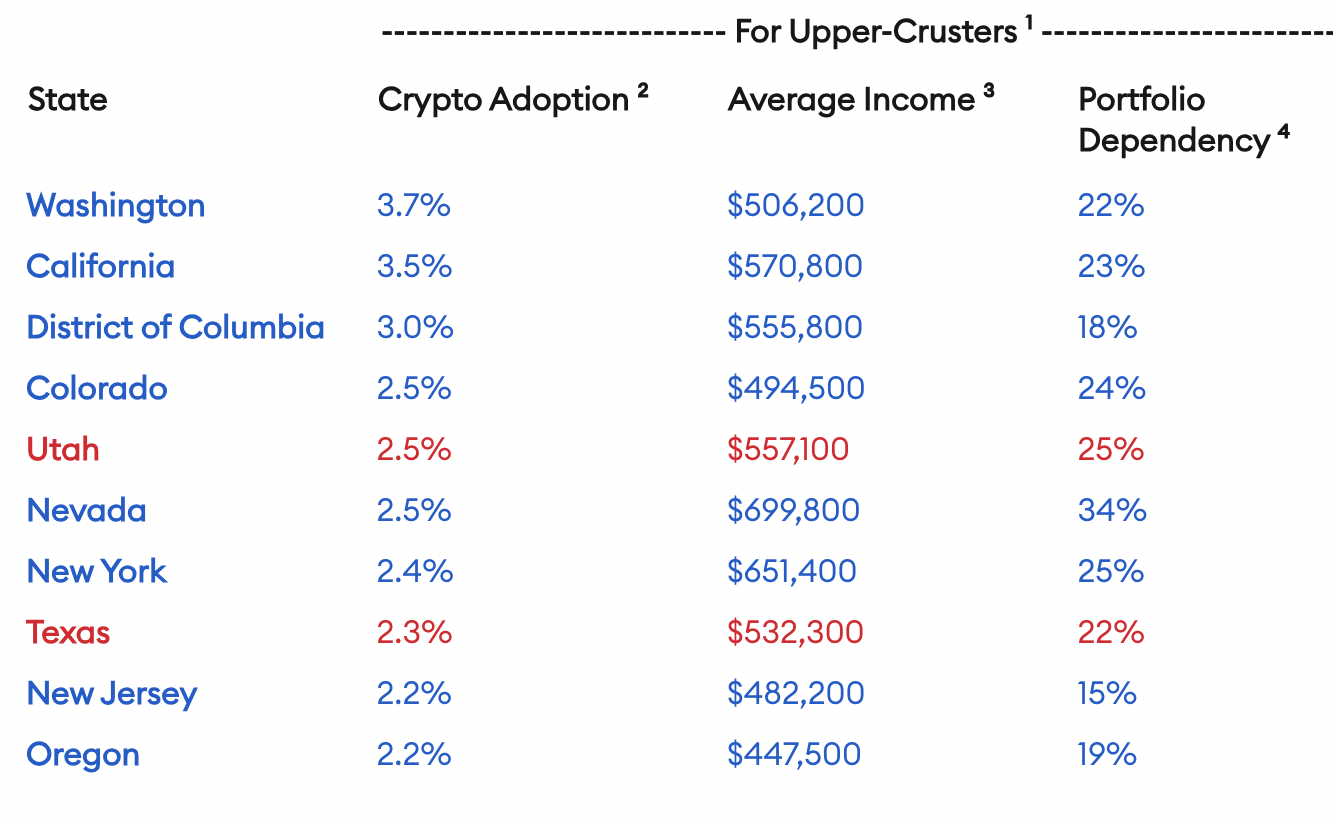
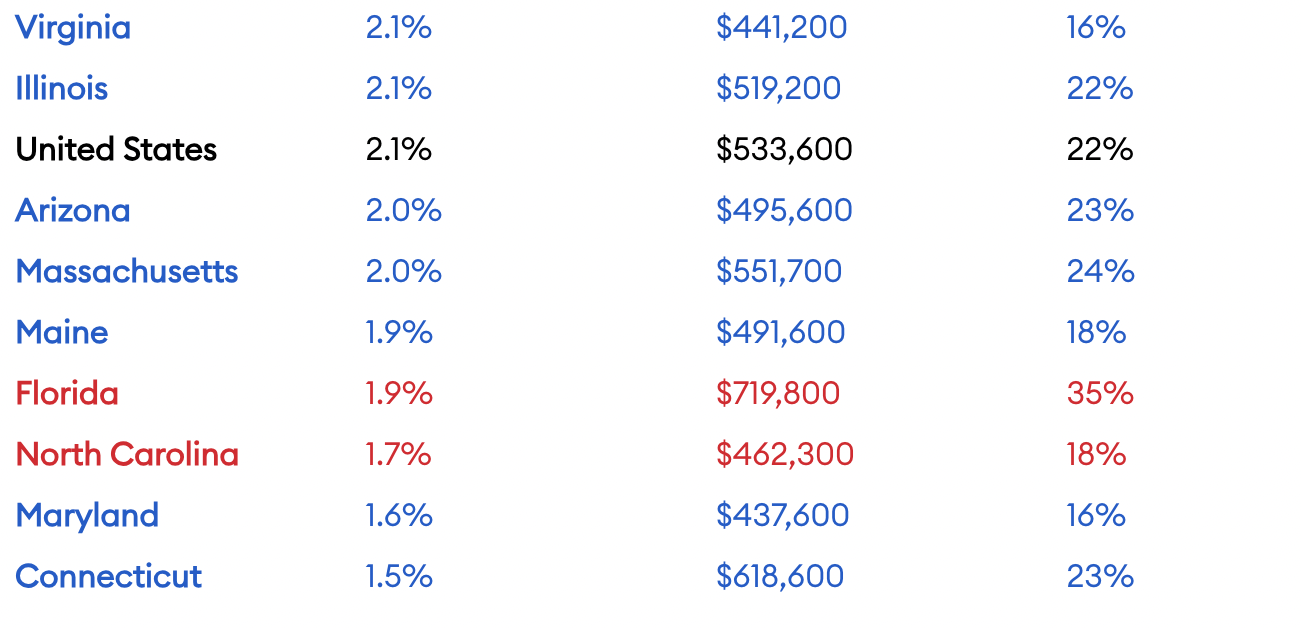
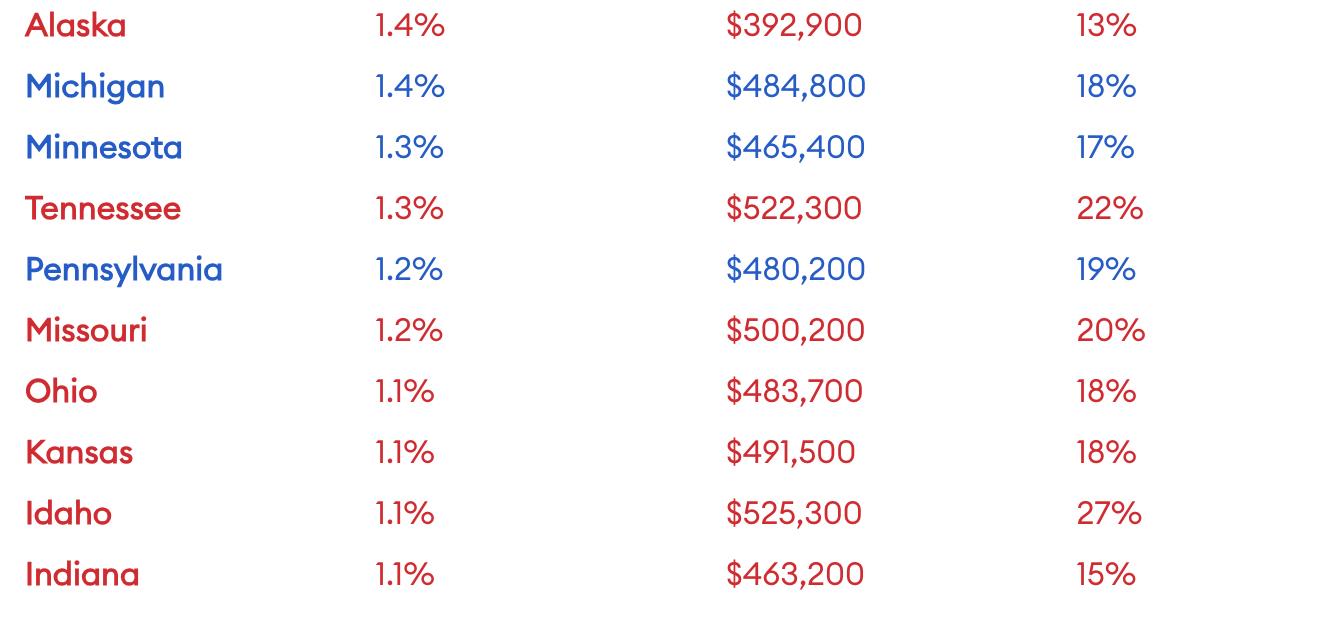
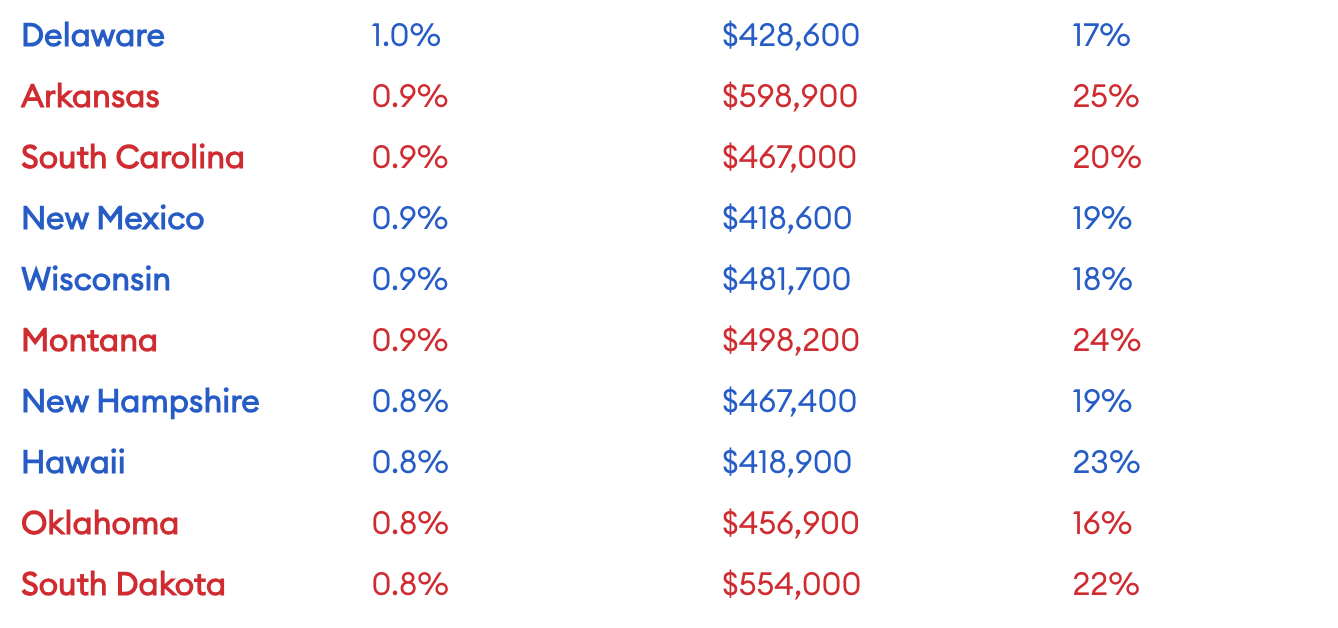
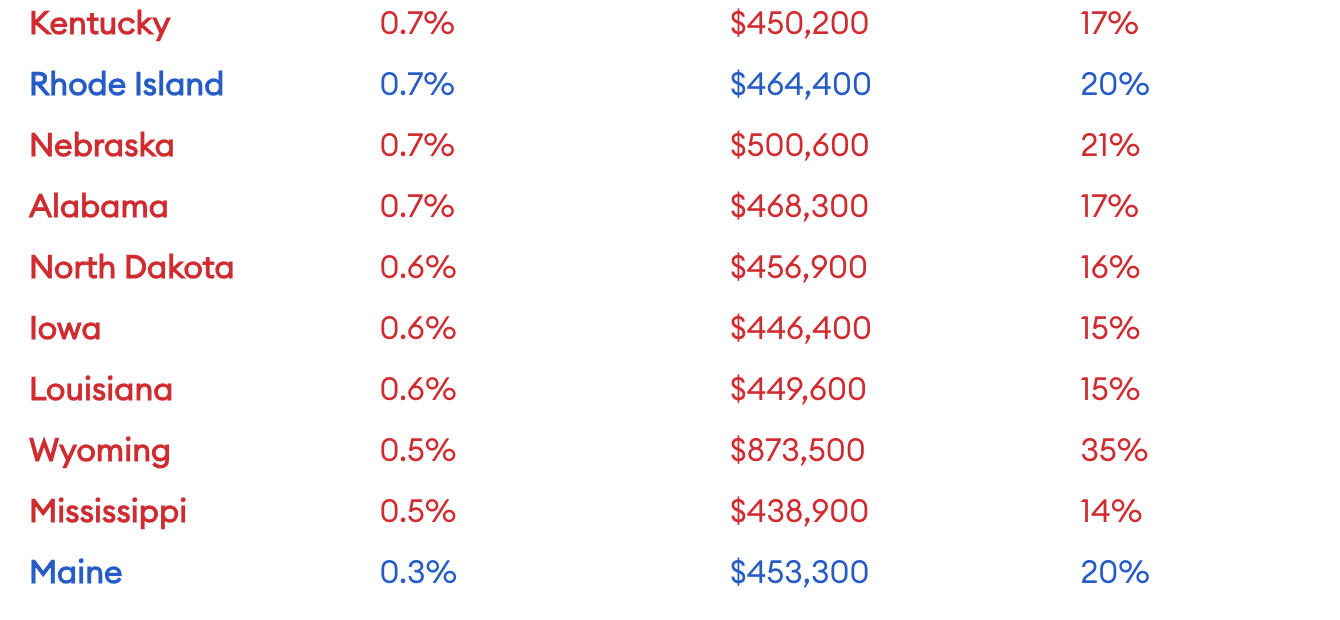

Demographics explain some of this. Young people are fascinated by crypto assets; traditionalists are not. Measured by median age, Washington, California, and the District of Columbia have younger populations than the national average. Vermont, West Virginia, and Maine have older populations compared to the U.S. average.
Occupation may be an even bigger determinant of crypto popularity. California and Washington have large numbers of programmers and data scientists. Presumably, they find it easier than most to invest money into strings of digits. That’s what Bitcoin is: a 256-digit string of 0s and 1s representing a large integer. Some of these integers are worth $42,000; others are worthless. This concept might be hard for a corn farmer in Nebraska to embrace.
Politics? It matters too—blue states are more likely than red states to enter the crypto space. Maine and Texas are clear exceptions.
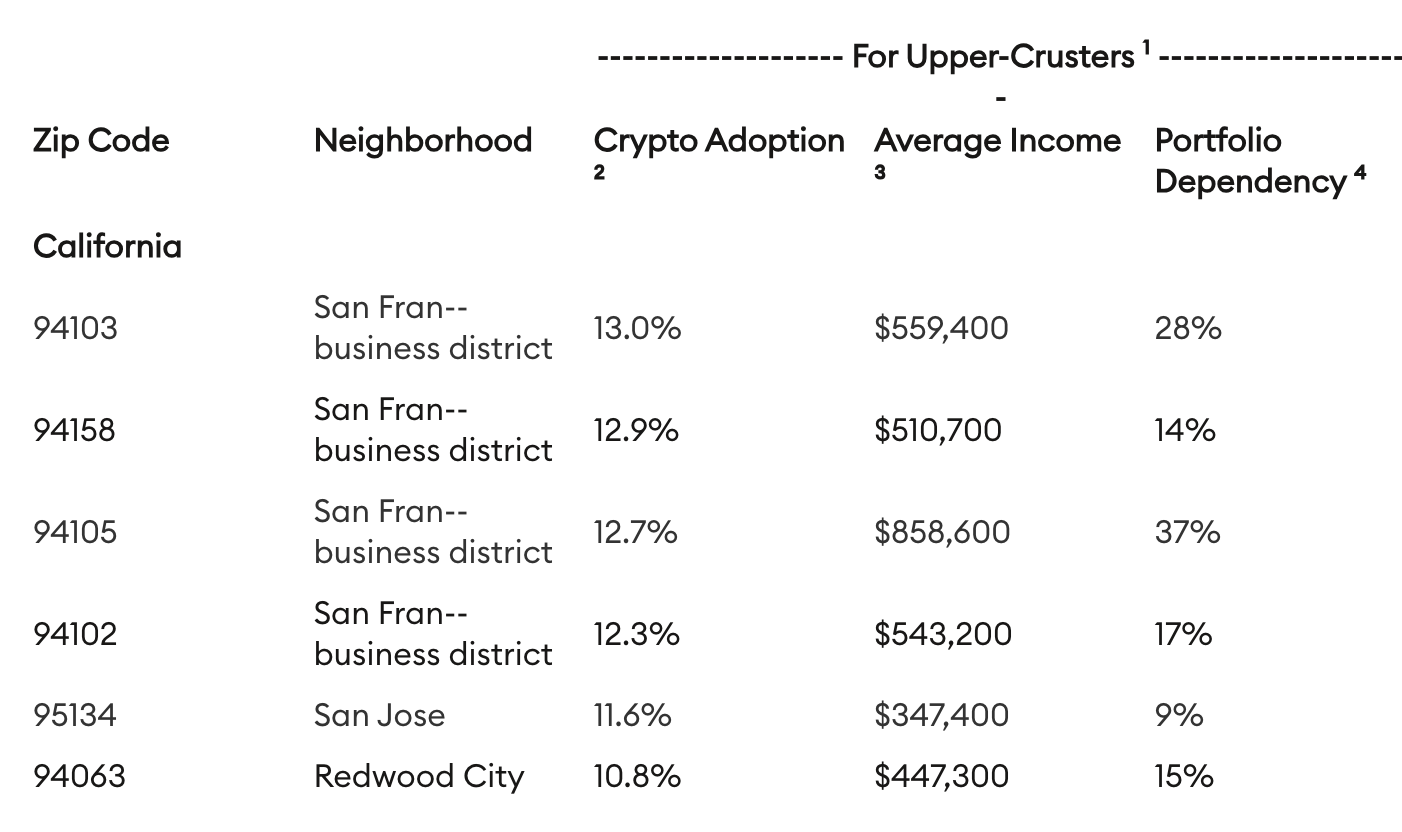
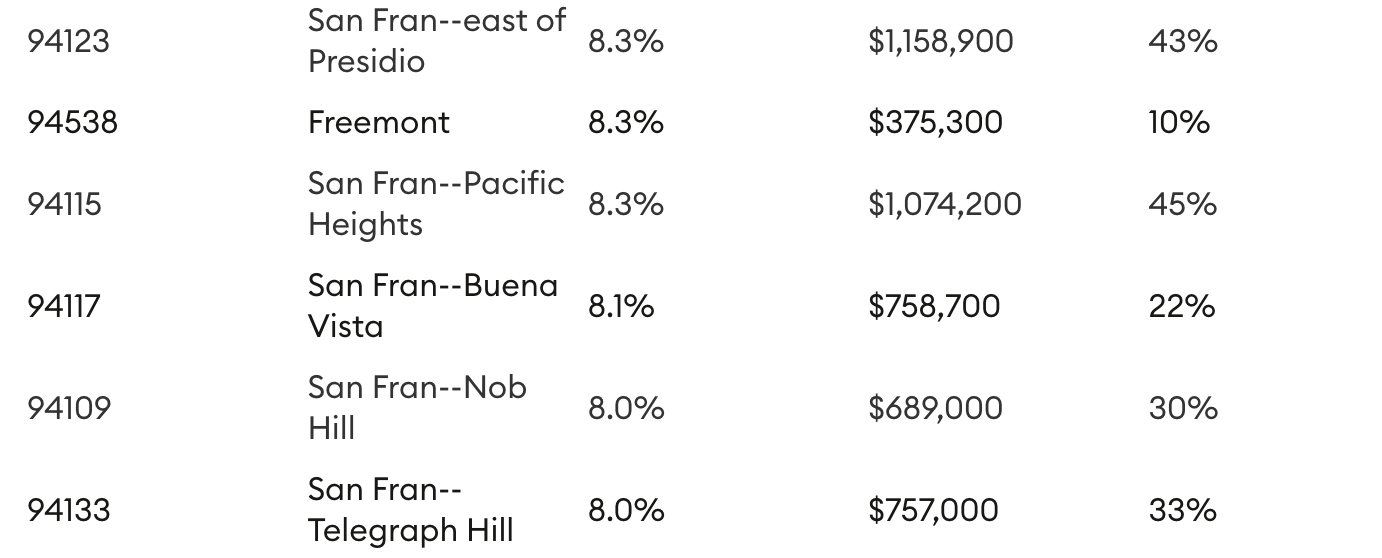
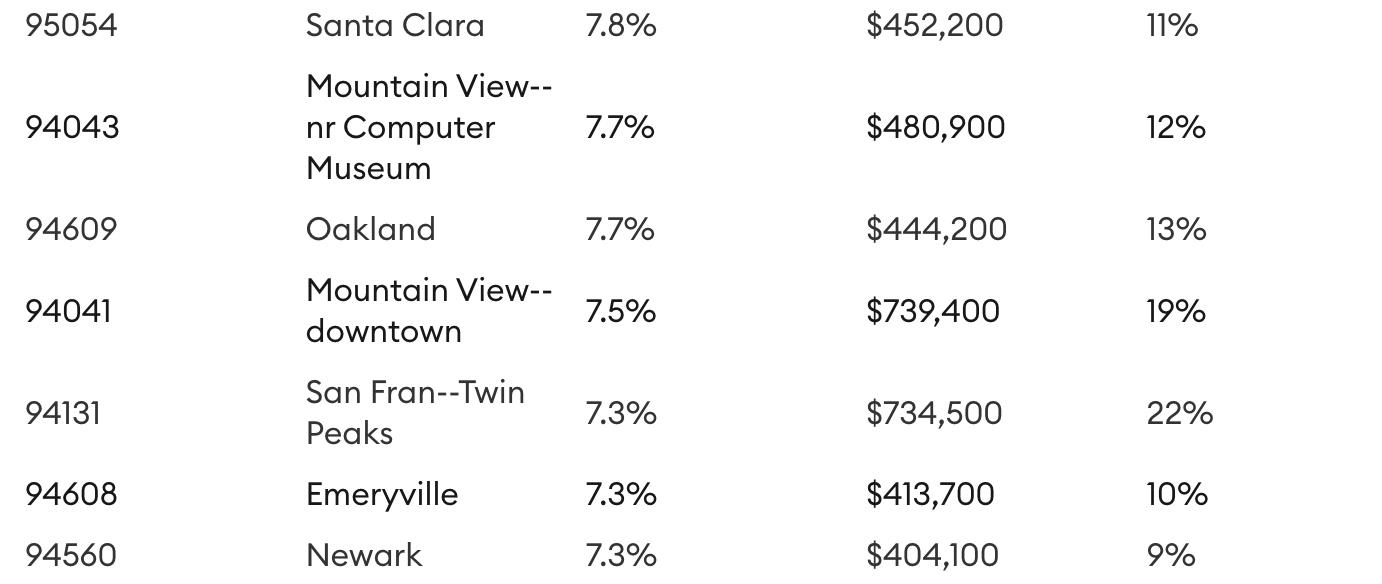
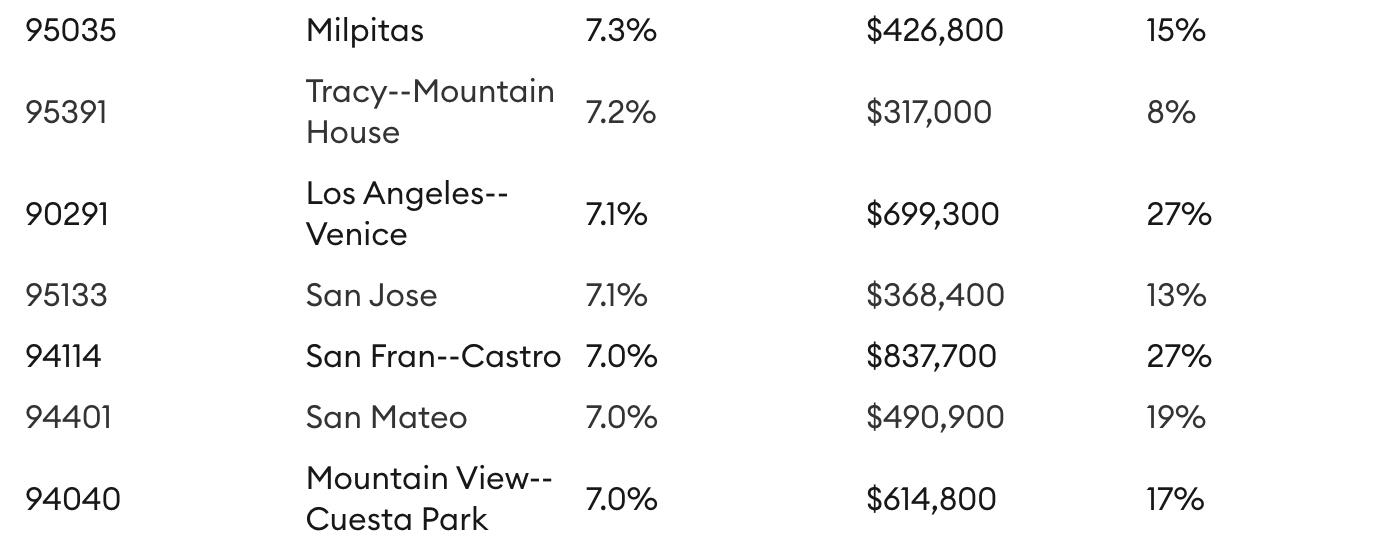
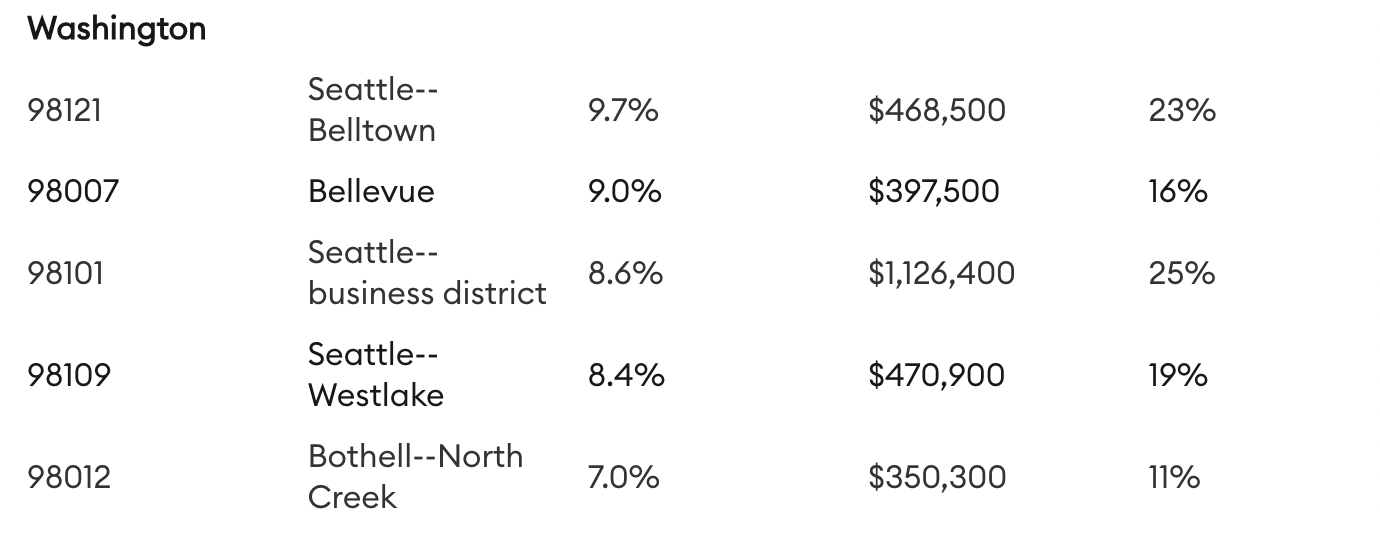
Now let’s focus on communities with high cryptocurrency ownership rates. I identified 44 ZIP code areas with adoption rates of at least 7%. Some are commercial districts where post-1040 addresses might belong to accounting firms. However, most are near software-intensive companies or affluent residential neighborhoods.
Examples near software hubs: Amazon and Microsoft headquarters in Washington, Apple and Alphabet headquarters in Silicon Valley. Examples of wealth effects: two San Francisco neighborhoods have average incomes exceeding $1 million (based on tax returns showing at least $200,000). In the San Francisco area (ZIP code 94110) where Mark Zuckerberg owns property, the digital asset adoption rate is 9.3%.
Mark Zuckerberg's San Francisco home in 2022
Top Communities for Cryptocurrency Adoption
Digital asset density is high around the San Francisco Bay, especially in affluent neighborhoods.
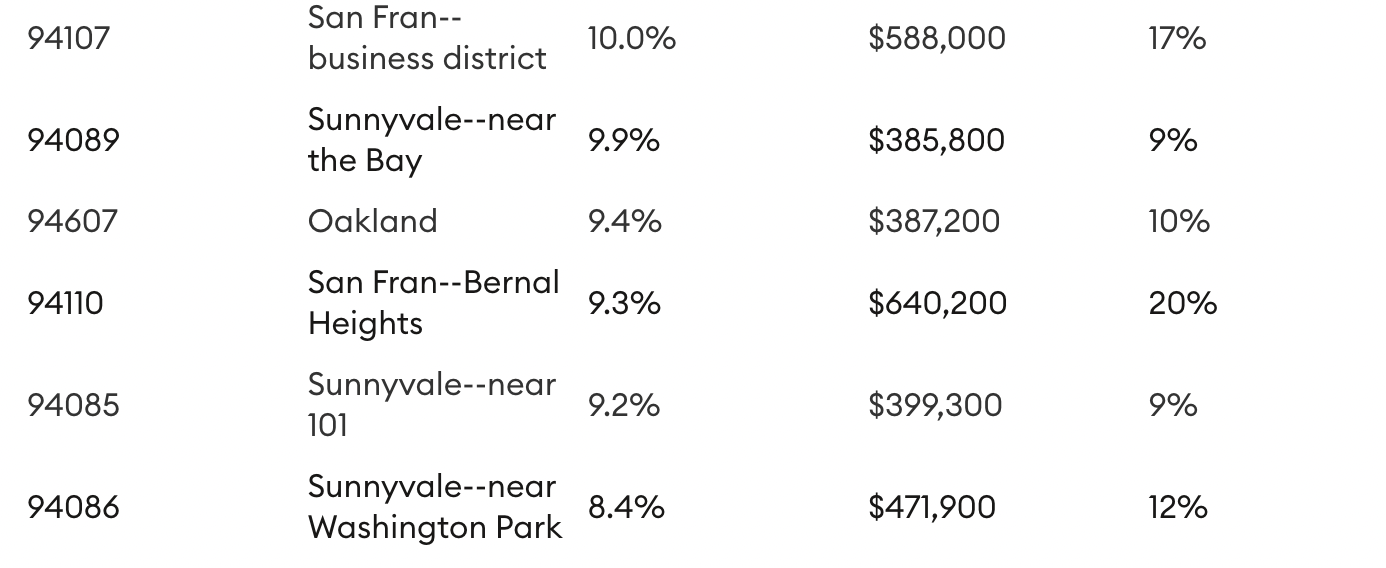
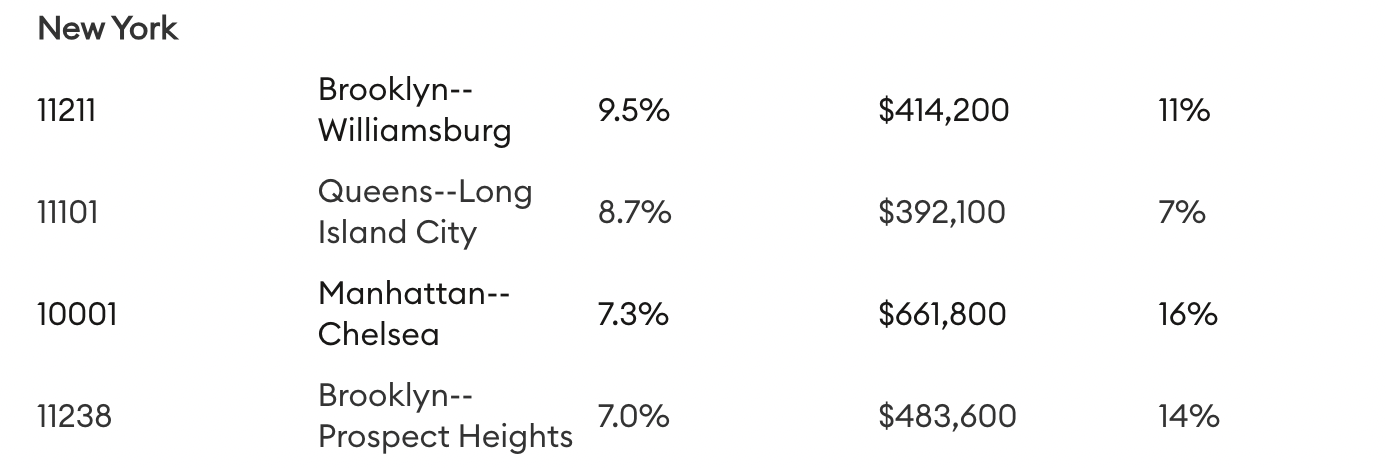
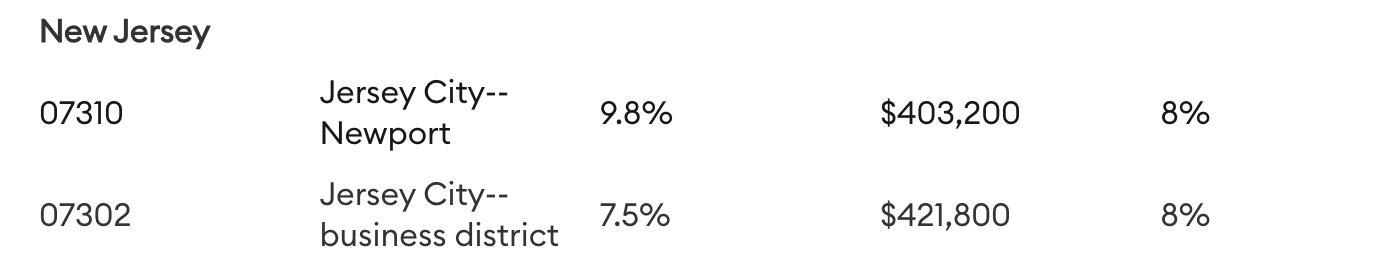

Texas shows notably high digital asset ownership, driven by cheap electricity and relaxed environmental regulations attracting Bitcoin miners. No community falls below 7%, except one Austin neighborhood (78704) approaching 6.5%.
Cryptocurrency may eventually spread further, reaching people with large investment portfolios who aren't necessarily tied to silicon. This could happen if wealth management firms like Fidelity Investments convince their clients that allocating to this asset class is a prudent form of diversification.
Equally possible: Bitcoin’s price may increasingly approach the productive value attributed to it by Nebraska’s famous investor Warren Buffett—zero dollars. Perhaps one day, Bitcoin’s only fans will be programmers staring at their strings of 0s and 1s.
Join TechFlow official community to stay tuned
Telegram:https://t.me/TechFlowDaily
X (Twitter):https://x.com/TechFlowPost
X (Twitter) EN:https://x.com/BlockFlow_News
 Forbes











