Podcast Notes | Interview with the Founder of Frens Capital: Blockchain is a Key Platform for AI
TechFlow Selected TechFlow Selected
Podcast Notes | Interview with the Founder of Frens Capital: Blockchain is a Key Platform for AI
Chris's approach involves a long-term buy-and-hold strategy focused on liquid tokens, indicating his preference for cryptocurrency assets with lower volatility and higher liquidity.
 Navigating Web3 tides with focused insights
Compiled & Translated by: Sunny, TechFlow
TechFlow Selection: Following our previous Deepin interview, where a partner from Future Money Group highlighted the crucial role of product managers in DePIN—due to their central position in bridging real-world DePIN needs with blockchain technology—in this podcast episode, speaker Chris Abiaad uses the DePIN project Akash Network as a case study to discuss its product direction and the value accrual mechanism of its native token. This is an insightful and content-rich discussion. Beyond product strategy, Chris also shares several key questions his liquidity investment fund uses when analyzing projects.
Additionally, Chris explains an early phenomenon observed in the crypto ecosystem: the prevalence of power law dynamics in cryptocurrency markets. This concept specifically refers to how, in certain sectors, a small number of dominant players capture the majority of market share, while others compete for the remaining portion.
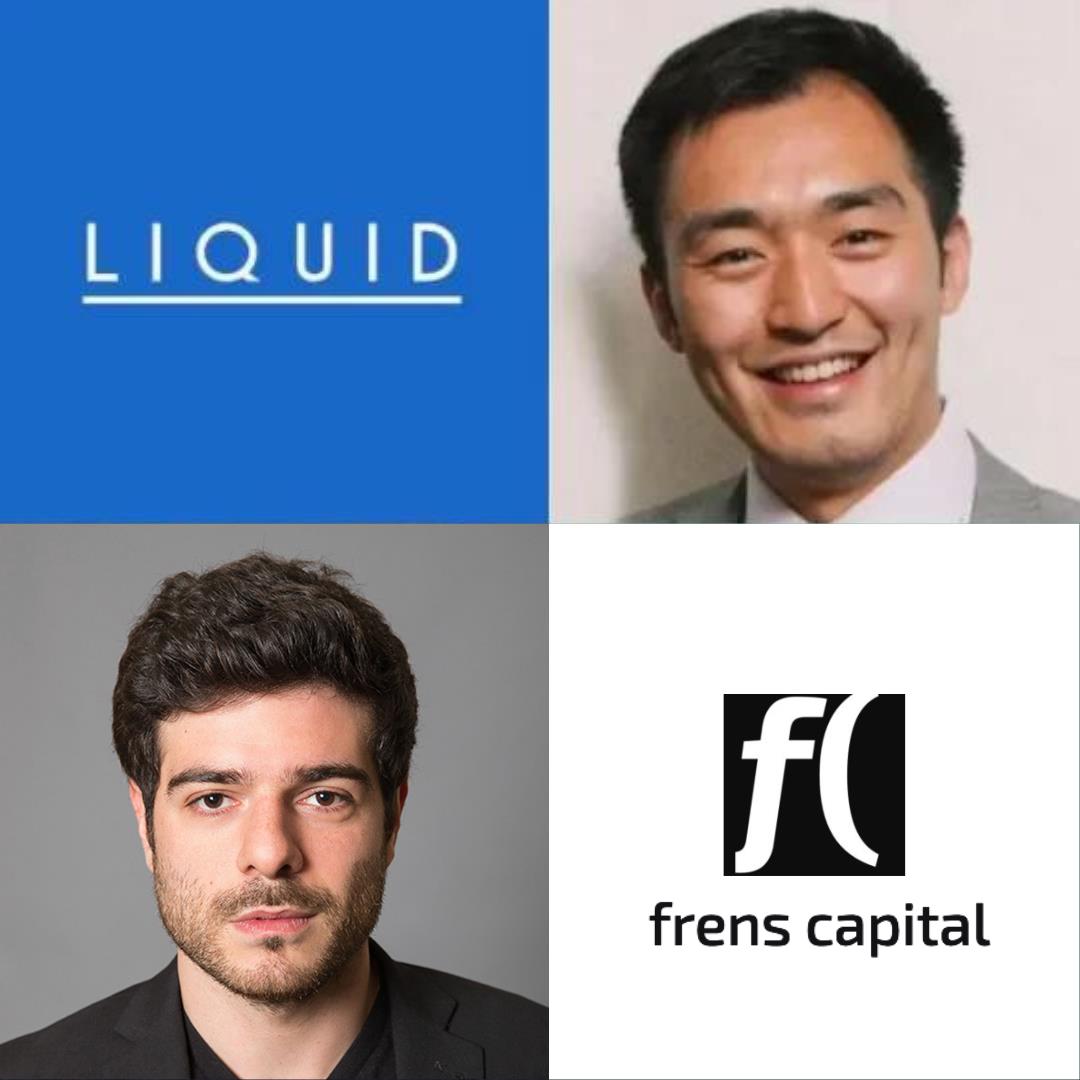
Host: Cosmo Jiang, Liquid Podcast (Global Coin Research)
Guest: Chris Abiaad, Founder of Frens Capital (Former Web2 Product Manager)
Original Title: "Chris Abiaad - Product Manager’s Lens on Investing"
Release Date: December 7, 2023
Podcast Background
Chris Abiaad is the founder of Frens Capital, a liquid venture fund that employs a fundamentals-based, long-term buy-and-hold investment strategy. He spent ten years in Web2 as a product builder, working with data companies such as Enigma.com. Chris entered the crypto space in 2016 while pursuing his MBA at Cornell University. Since then, he has built extensive market knowledge and a solid investment track record, which ultimately led him to launch Frens Capital in June 2022.
Chris appeared as a guest on GCR's podcast to discuss his experiences in cryptocurrency and investing. Although based in Miami, the interview was conducted in Abu Dhabi, where he shared bullish perspectives on Middle Eastern crypto regulations and his transition from Web2 builder to crypto investor. He named his fund Frens Capital—a playful nod to the digital friendships and cultural nuances within crypto and metaverse communities. Chris detailed his investment strategy, focusing primarily on liquid tokens while analyzing market trends, business models, and individual company performance. He highlighted Akash Network—a decentralized cloud computing platform—as a key successful investment. Chris is particularly intrigued by the intersection of Web3 and AI, seeing potential in decentralized AI models and data governance. Looking ahead to 2024, he remains optimistic about crypto recovery and exploring new opportunities, maintaining balance amid shifting demand dynamics in the crypto market.
Summary
1. Bullish Outlook on Crypto Regulation and Market Growth:
Chris expressed strong optimism in the Middle East regarding new regulatory frameworks for decentralized autonomous organizations (DAOs), signaling growing acceptance and institutionalization of cryptocurrencies in global finance.
2. Strategic Shift from Web2 to Crypto Investing:
Chris’s move from Web2 to crypto investing stemmed from recognizing deep similarities between the two fields, reflecting a broader trend of traditional tech professionals identifying opportunities in crypto and leveraging their existing expertise.
3. Unique Investment Philosophy of Frens Capital:
The founding of Frens Capital was influenced by distinctive aspects of crypto culture, including memes and online relationships, demonstrating a profound understanding of the unique cultural and social dynamics within crypto communities.
4. Investment Strategy Emphasizing Liquid Tokens and Market Analysis:
Chris adopts a long-term buy-and-hold approach focused on liquid tokens, indicating a preference for less volatile, highly liquid crypto assets. His methodology includes comprehensive analysis of macroeconomic conditions, business models, and individual company performance, underscoring the importance of a multifaceted approach to crypto investing.
5. Interest in the Intersection of Web3 and AI:
He shows strong interest in exploring the convergence of Web3 and AI, reflecting a forward-looking mindset. This suggests that future developments in AI could significantly impact the crypto and blockchain landscape.
6. Outlook for 2024: Growth and Opportunity Post-Crisis:
Chris is optimistic about 2024, anticipating a phase of recovery and growth in the crypto market. He notes that survivors emerging from recent crises will be the fittest, suggesting a more resilient and mature market will arise from current challenges.
7. The Challenge of Maintaining Balance in a 24/7 Market:
Finally, Chris discusses the demanding nature of the crypto market, emphasizing the importance of discipline and proactive strategy. This highlights the intense, non-stop nature of crypto trading and the robust psychological and strategic framework required to succeed in this space.
The Intersection of AI and Crypto: A Case Study of Akash Network
Chris expresses strong interest in the convergence of AI and blockchain technologies, particularly how they can enhance each other. He views blockchain as a critical infrastructure for AI due to its capabilities in managing and securing data—key components in AI development.
The Role of Akash Network:
-
Decentralized Cloud Computing: As Chris emphasizes, Akash Network exemplifies this convergence. It is a decentralized cloud computing platform, especially relevant in the context of AI.
-
GPU Capabilities: Recently, Akash added GPU support to its platform—critical for AI computation. This enhancement enables developers to access high-demand GPUs like A100s, essential for AI and machine learning tasks.
-
Democratization of Computing Power: Akash Network’s model democratizes access to high-end computing resources for a broader range of developers and researchers, a crucial factor in advancing AI development.
Token Value Accrual Mechanism of Akash Network
Chris explains Akash Network’s unique token value accrual mechanism, closely tied to network operations and services:
1. Fee-Based Value Accrual:
-
Computing Resource Fees: Users pay fees to rent computing resources on Akash Network. These fees can be paid either in Akash tokens (AKT) or USDC.
-
Conversion and Burn Mechanism: If fees are paid in USDC, they are converted into AKT and then burned. This burn mechanism effectively reduces the total supply of AKT, potentially increasing the value of remaining tokens due to scarcity.
2. Benefits of Proof-of-Stake Network:
-
Staking Rewards: As a proof-of-stake network, Akash allows token holders to stake their tokens. By participating in network security, stakers earn yield on their staked AKT.
-
Security and Participation: This staking mechanism not only helps secure the network but also encourages participation and investment in the network’s growth and stability.
3. Demand and Supply Dynamics:
-
Increasing Demand: As demand for Akash Network’s cloud services grows, so does the demand for AKT tokens used to pay for these services.
-
Token Burning and Scarcity: As more tokens are used (and potentially burned if fees are paid in USDC), the circulating supply of AKT decreases, possibly driving up value due to increased scarcity.
4. Long-Term Network Health:
- Network Growth and Token Value: Chris emphasizes that while the token burn mechanism is crucial, overall network health and growth are equally important. A thriving network with rising demand may positively impact token value.
5. Innovation and Expansion:
- New Services: Introducing new features and capabilities—such as GPU support—can attract more users and use cases to Akash Network, potentially increasing demand for and value of AKT.
Product Insights for Crypto Investing
Chris shares comprehensive insights into evaluating crypto product investments, drawing on a deep understanding of market dynamics and the unique characteristics of crypto products.
Key Questions for Investment Analysis:
1. Macro Environment Assessment:
-
How does the current macroeconomic environment affect the crypto sector?
-
Are market conditions favorable for taking risks in crypto investments?
2. Crypto Categories and Business Models:
-
What emerging business models are appearing within the crypto space?
-
How do these models compare to traditional business structures?
-
Are there dominant players within specific crypto categories?
3. Individual Company Analysis:
-
How does a specific crypto company or product differentiate itself in the market?
-
What are the core metrics defining success for a crypto product?
-
How do factors like token holder concentration, total value locked (TVL) volatility, and churn rate affect a company’s stability and growth potential?
4. Deep Dive into Specific Projects:
-
For projects like Akash Network, how do their specific offerings (e.g., decentralized cloud computing, GPU access) shape their value proposition in the market?
-
How does the project address unique challenges or unmet needs in the crypto and AI domains?
5. Governance and Evolution:
-
How does the project’s governance model influence its evolution and adaptability in the market?
-
Are there innovative governance features that set the project apart?
Relationship Between Dominant Players and Competitors in Crypto
1. Power Law Dynamics:
-
Chris highlights the prevalence of power law dynamics in the crypto market. This concept suggests that in certain categories, a few dominant players capture most of the market share, while others compete for the remainder.
-
The presence of these dominant players can significantly influence market trends, capital flows, and the adoption of new technologies or protocols within the crypto space.
2. Impact on Investment Strategy:
-
Investment Focus: Understanding this dynamic is crucial for investment strategy. It often makes sense to focus on leading players within a given category, as they are more likely to benefit from network effects, capital inflows, and user adoption.
-
Assessing Competitors: However, it is also important to evaluate the potential of emerging competitors who may offer novel solutions or target unmet market needs.
3. Business Model Analysis:
-
Understanding Market Share Distribution: Part of Chris’s investment analysis involves assessing how market share is distributed across various crypto categories and identifying the factors that enable certain companies to achieve dominance.
-
Innovation vs. Network Effects: He also weighs innovation brought by new entrants against the established network effects and user bases of dominant players.
4. Dominance Across Crypto Sectors:
-
Different Categories: This dynamic is observable across various segments of the crypto market, including decentralized exchanges, NFT marketplaces, and infrastructure services like cloud computing.
-
Case of Akash Network: In the case of Akash Network, evaluating its positioning relative to other cloud service providers in the crypto space is critical to understanding its growth potential and market share prospects.
5. Considerations for Market Evolution:
-
Potential for Disruption: Despite the dominance of certain players, the crypto market is known for rapid evolution and disruption. New technologies or business models can quickly shift the competitive landscape.
-
Long-Term Viability: Chris’s approach likely involves continuous monitoring of these dynamics to assess the long-term viability and potential of both dominant players and emerging competitors.
In conclusion, Chris Abiaad’s insights into the relationship between dominant players and competitors in the crypto market reflect a deep understanding of market dynamics and the critical roles of market leadership and disruptive innovation in shaping investment strategies. Such perspective is essential in a fast-evolving and fiercely competitive domain like cryptocurrency.
Join TechFlow official community to stay tuned
Telegram:https://t.me/TechFlowDaily
X (Twitter):https://x.com/TechFlowPost
X (Twitter) EN:https://x.com/BlockFlow_News
 深潮TechFlow